
Insectary plants: reduce garden pests by 30% in North America
Insectary plants like alyssum, dill, and fennel attract beneficial insects and can reduce garden pests by up to 30%. Strategic placement provides natural pest control.
Tag
33 articles in this tag on agripure. — page 2 of 2
Insectary plants like alyssum, dill, and fennel attract beneficial insects and can reduce garden pests by up to 30%. Strategic placement provides natural pest control.

Learn organic pest control for apples in USDA zones 4-8. Manage codling moth, spotted-wing drosophila, and apple maggot with IPM, cultural practices, and traps for a healthy harvest.

How plant pairings, companion planting, and trap cropping reduce garden pests by up to 30% in US gardens using organic methods.

Learn organic plant disease control for your US garden. This symptom-to-cause guide helps diagnose and treat issues like tomato blight in USDA zone 6 with sustainable methods.

Master organic pest control for hornworms and squash bugs in your USDA Zone 6 vegetable garden. Learn IPM strategies, prevention, and natural treatments for common garden pests.

Master organic pest control for soft-bodied pests like aphids, whiteflies, and spider mites. Learn IPM strategies, natural remedies, and how to foster beneficial insects for a thriving garden.

How beneficial insects provide natural pest control, reducing garden pests by up to 75%. Learn to attract and identify predatory and parasitoid species for an organic garden.

Learn Integrated Pest Management (IPM) for home gardens. Reduce pesticide use by combining prevention, monitoring, and biological controls for a healthier, thriving garden.
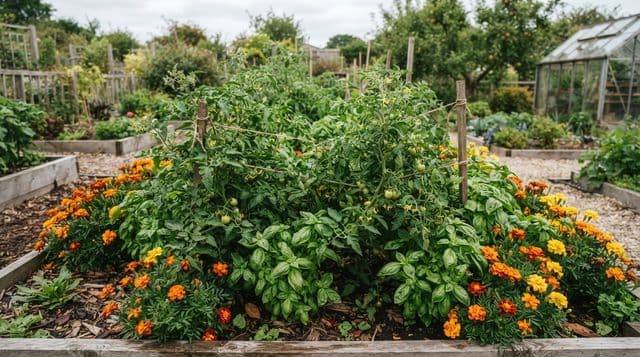
An evidence-based companion planting guide: which pairings work, a good- and bad-neighbor chart for tomatoes, peppers, cucumbers, strawberries, herbs, and more.