Key takeaways
- Identify imported cabbageworms (green, fuzzy) and cabbage loopers (smooth, inchworm-like) to choose the right control strategy.
- Floating row covers, installed before pest arrival, can prevent up to 90% of egg-laying on young brassica plants.
- Bacillus thuringiensis (Bt) is a highly effective organic insecticide, targeting caterpillars without harming beneficial insects, with best results when applied every 5-7 days.
- Sanitation, including removing crop residues post-harvest, can reduce overwintering pest populations by over 70% [4].
- Neem oil (azadirachtin) can suppress cabbage looper feeding and egg-laying, showing up to 75% efficacy in some trials [1].
- An integrated approach combining physical barriers, biological controls, and cultural practices offers the strongest protection for brassica crops.
Quick answer: To manage cabbage worms and loopers on brassicas organically, employ an integrated pest management approach combining physical barriers like floating row covers, biological controls such as Bacillus thuringiensis (Bt), and cultural practices like garden sanitation.
In my 20 years of growing brassicas in USDA Zone 6, few pests are as consistently frustrating as the cabbage worm and the cabbage looper. These caterpillars can decimate a crop of cabbage, broccoli, or kale in a matter of days, turning healthy plants into lace-like skeletons. For growers aiming for an organic harvest, relying solely on reactive measures often means significant crop loss, sometimes up to 50% of a planting if left unchecked. The key to successful management lies in a proactive, integrated pest management (IPM) approach that combines physical barriers, biological controls, and cultural practices.
This article will walk you through proven strategies to protect your brassicas, from early season prevention with row covers to targeted biological sprays like Bt. We’ll discuss how to identify these common pests, understand their life cycles, and implement a multi-faceted defense that minimizes damage and maximizes your yield. By adopting these methods, you can significantly reduce pest pressure, often by 80% or more, ensuring a healthier, more abundant harvest without synthetic pesticides.
identifying your brassica pests: worms versus loopers
Before you can effectively manage a pest, you need to know exactly what you’re up against. In the world of brassica destruction, two main culprits often get lumped together: the imported cabbageworm (Pieris rapae) and the cabbage looper (Trichoplusia ni). While both are green caterpillars, their appearances and behaviors differ, influencing your control methods. The imported cabbageworm is a velvety green caterpillar, often with a faint yellow stripe down its back, reaching about 1 inch in length. It’s the larva of the common white butterfly you see flitting around your garden, and it tends to feed deep within the plant, creating ragged holes.
The cabbage looper, on the other hand, is a smoother, light green caterpillar with white stripes along its sides. Its distinctive ‘looping’ movement (arching its back as it moves) is a dead giveaway, as it lacks the middle prolegs of other caterpillars [2]. Loopers can grow up to 1.5 inches long and often cause damage to the outer leaves, creating large, irregular holes. Both pests can cause significant damage, especially to young plants, with populations sometimes reaching 10-15 larvae per plant in severe infestations. Understanding these differences is crucial for selecting the most effective organic control strategies.
key differences in pest identification
Observing the caterpillar’s movement and texture can help you distinguish between these two common brassica pests. The imported cabbageworm is typically more sluggish and stays put, while the cabbage looper is constantly moving and feeding. Checking the undersides of leaves for eggs is also important; cabbageworm eggs are small, bullet-shaped, and usually laid singly, whereas looper eggs are dome-shaped and laid individually or in small clusters. Early detection, when caterpillars are less than 0.5 inches long, allows for much more effective control.
- Movement: Cabbage loopers ‘loop’ or arch their bodies when they move, while cabbageworms crawl with a more typical caterpillar gait.
- Color & Texture: Imported cabbageworms are velvety green with a faint yellow stripe; cabbage loopers are smooth, light green with white stripes.
- Size: Cabbageworms typically grow to 1 inch; loopers can reach 1.5 inches.
- Damage Pattern: Cabbageworms often feed deeper into the plant; loopers cause more surface damage and large, irregular holes on outer leaves.
- Egg Shape: Cabbageworm eggs are bullet-shaped; looper eggs are dome-shaped.
physical barriers and sanitation for prevention
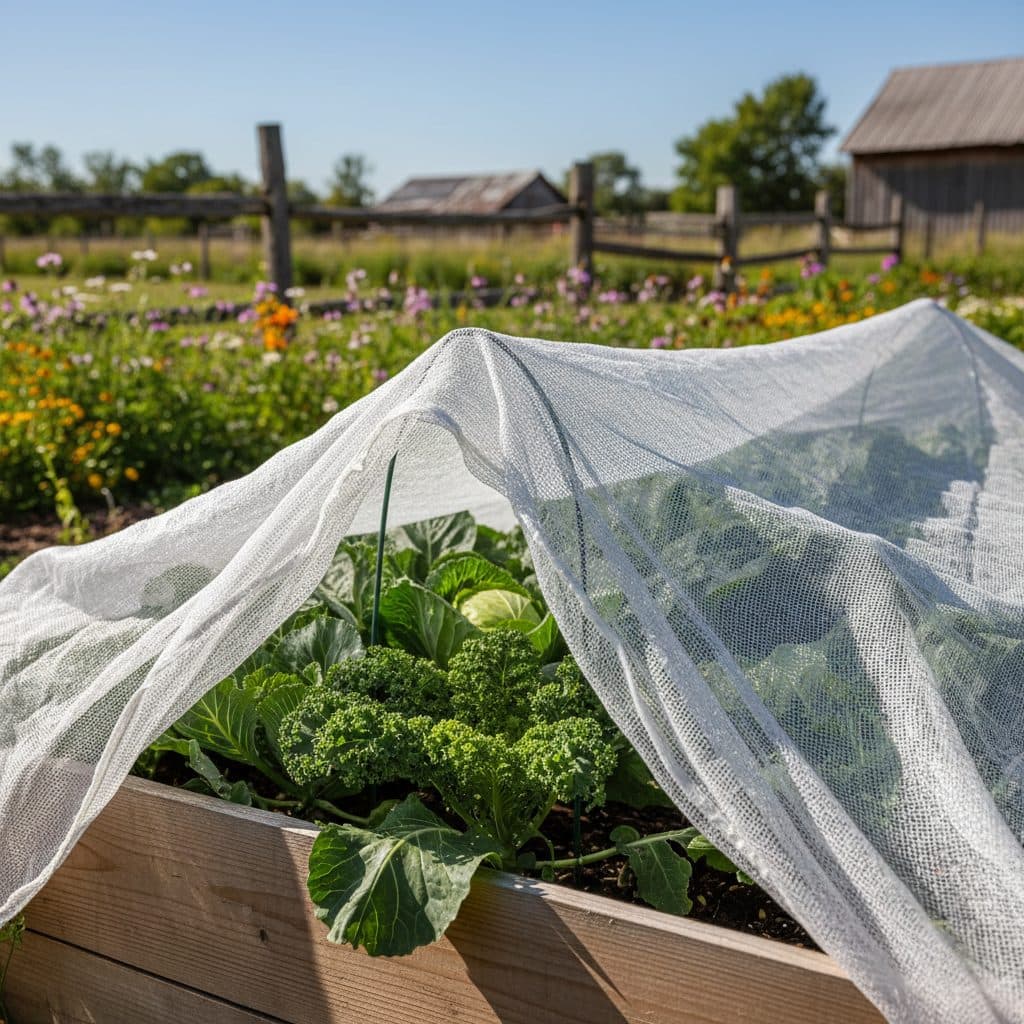
One of the most effective organic strategies for preventing cabbage worm and looper damage is the use of physical barriers. Floating row covers, made of lightweight spun-bonded polyester, act as a physical shield, preventing adult moths and butterflies from laying eggs on your brassica plants. For best results, install these covers immediately after transplanting or seeding, ensuring they are securely anchored on all sides to prevent pests from crawling underneath. In my experience in central Pennsylvania, a 0.6 oz/sq yd row cover material provides excellent protection while allowing 85% light penetration and good airflow. This method can reduce pest pressure by up to 90% in the early season, protecting young plants during their most vulnerable stage.
Beyond physical exclusion, good garden sanitation plays a critical role in long-term pest management. Cabbage loopers and cabbageworms can overwinter as pupae in crop debris or nearby weeds. Removing and destroying brassica crop residues immediately after harvest can significantly reduce the number of pests that emerge in the following season. Research from 2015 showed that sanitation practices could reduce overwintering populations by over 70% [4]. This includes tilling under spent plants or removing them from the garden entirely. Don’t forget about volunteer brassicas or wild mustard plants in adjacent areas, as these can also serve as host plants, harboring populations that will later move to your cultivated crops.
implementing effective row cover strategies
When deploying row covers, ensure they are tall enough to allow for plant growth without touching the foliage, as pests can still lay eggs through the fabric if it’s in direct contact with leaves. Use hoops or a similar support system to create a mini-tunnel, giving your plants ample space. For a 20-foot row, I typically use 5-6 hoops spaced about 3-4 feet apart. Water your plants through the row cover, as most materials are permeable. Remember to remove covers for pollination if you’re growing fruiting crops, but for leafy brassicas, they can remain in place until harvest or until temperatures consistently exceed 85°F, which can cause heat stress.
- Install Early: Place covers immediately after planting to prevent initial egg-laying by adult moths and butterflies.
- Secure Edges: Bury or weigh down all edges of the row cover to prevent pests from crawling underneath, using soil or rocks every 12-18 inches.
- Provide Space: Use hoops or supports to keep the fabric off the plants, allowing for growth and preventing contact egg-laying.
- Monitor for Heat: Remove covers if temperatures consistently rise above 85°F to prevent heat stress, or choose a lighter material (e.g., 0.4 oz/sq yd).
- Inspect Regularly: Briefly lift covers every 7-10 days to check for any pests that may have found their way in, and to monitor plant health.
biological controls: bt and natural enemies
When physical barriers aren’t enough, or if you’re dealing with an existing infestation, biological controls offer a targeted and effective organic solution. The most widely used biological insecticide for caterpillars is Bacillus thuringiensis (Bt), specifically the subspecies kurstaki (Bt-k). This naturally occurring soil bacterium produces a protein that is toxic only to the larvae of moths and butterflies, including cabbage worms and loopers. When caterpillars ingest Bt, it paralyzes their digestive system, causing them to stop feeding within hours and die within 2-3 days. Bt is completely harmless to humans, pets, beneficial insects like bees, and other wildlife, making it an excellent choice for organic gardening.
For optimal results, apply Bt-k when caterpillars are small (less than 0.5 inches long) and actively feeding. Since Bt must be ingested, thorough coverage of the plant foliage, especially the undersides of leaves, is critical. Reapply after rain or every 5-7 days, as sunlight can degrade the bacteria. In trials, Bt-k has shown to reduce cabbage looper populations by 80-95% when applied correctly [3]. Beyond Bt, encourage natural enemies in your garden. Braconid wasps, for instance, parasitize cabbage worms, laying eggs inside the caterpillars, which then emerge as cocoons on the caterpillar’s body. Birds, spiders, and predatory ground beetles also consume caterpillars, providing a layer of natural pest control. Planting diverse flowering plants can attract these beneficial insects.
maximizing bt efficacy and attracting beneficials
Timing is everything with Bt. Apply it in the late afternoon or early evening to minimize degradation from UV light and allow it to dry on the leaves before morning dew or irrigation washes it off. Mix according to label directions, typically 1-2 teaspoons per gallon of water, and use a fine spray nozzle for even coverage. Store unused Bt in a cool, dark place, as its viability decreases over time, usually within 1-2 years. To attract beneficial insects, consider planting dill, fennel, or cosmos nearby, which provide nectar and pollen for adult parasitic wasps and predatory flies. A diverse garden ecosystem supports a healthier balance, reducing the need for repeated interventions.
- Apply Early: Target small caterpillars (under 0.5 inches) for maximum effectiveness.
- Thorough Coverage: Ensure both top and bottom leaf surfaces are coated, as Bt must be ingested.
- Reapply Regularly: Spray every 5-7 days or after significant rainfall, as Bt degrades in sunlight.
- Use Fresh Product: Bt has a shelf life; check expiration dates and store in a cool, dark place.
- Attract Beneficials: Plant flowering herbs and native plants to draw in parasitic wasps and predatory insects, which can reduce looper populations by 30-40%.
additional organic strategies and integrated pest management
Beyond physical barriers and Bt, several other organic strategies can bolster your defense against cabbage worms and loopers. Neem oil, derived from the neem tree (Azadirachta indica), contains azadirachtin, a natural insect growth regulator and antifeedant. When applied to brassica leaves, it can deter feeding and interrupt the life cycle of caterpillars. A 2006 study in Florida demonstrated that azadirachtin treatments could significantly reduce cabbage looper populations, sometimes by 60-75%, and decrease feeding damage on cabbage [1]. Apply neem oil as a foliar spray, typically at a concentration of 0.5% to 1% (1-2 tablespoons per gallon of water), every 7-10 days, ensuring thorough coverage. Always apply in the evening or on a cloudy day to prevent leaf burn, especially when temperatures are above 80°F.
Hand-picking caterpillars is a low-cost, highly effective method, especially for smaller garden plots. Dedicate 10-15 minutes each morning to inspecting your plants and removing any visible caterpillars. Drop them into a bucket of soapy water to dispatch them. This method can significantly reduce pest populations, especially if done consistently. Trap cropping is another clever approach; planting a more attractive host plant, such as mustard greens or collards, a few feet away from your main brassica crop can lure pests away. Once the trap crop is heavily infested, you can remove and destroy it, taking the pests with it. Research from 1972 even suggested that female cabbage loopers can inhibit the attraction of male soybean loopers, hinting at the potential for pheromone-based strategies [5].
developing a comprehensive ipm plan
An integrated pest management (IPM) plan for brassicas combines these strategies into a cohesive defense. Start with prevention: use row covers from planting until the plants are large enough to withstand some damage, or until temperatures become too high. Scout your plants regularly, at least 2-3 times per week, for eggs and small caterpillars. If you find more than 1-2 caterpillars per plant, it’s time for intervention. Apply Bt-k as your primary biological control, ensuring proper timing and coverage. Supplement with neem oil for its antifeedant properties, and don’t underestimate the power of diligent hand-picking. By layering these methods, you create a resilient system that protects your harvest. For more on building healthy soil that supports plant resilience, explore organic gardening soil principles.
- Scout Regularly: Inspect plants 2-3 times per week for eggs and small caterpillars, especially on undersides of leaves.
- Hand-Pick Diligently: Remove caterpillars manually and drop them into soapy water; effective for small infestations (1-2 dozen per morning).
- Use Neem Oil: Apply as a foliar spray (0.5-1% solution) every 7-10 days to deter feeding and interrupt pest life cycles.
- Consider Trap Cropping: Plant a more attractive brassica (e.g., mustard) nearby to draw pests away from your main crop, then destroy the trap crop.
- Promote Diversity: Maintain a diverse garden ecosystem to support natural predators and beneficial insects, which can reduce pest pressure by 20-30%.
Comparison of Organic Cabbage Worm and Looper Control Methods
Method | Primary Benefit | Effort Level | Cost (per 100 sq ft) | Efficacy |
|---|---|---|---|---|
Floating Row Covers | Prevention of egg-laying | Low-Medium (initial setup) | $15-$30 | High (80-90% prevention) |
Bacillus thuringiensis (Bt-k) | Targeted caterpillar kill | Medium (regular spraying) | $5-$10 | High (80-95% kill rate) |
Neem Oil | Antifeedant, growth disruptor | Medium (regular spraying) | $10-$20 | Medium-High (60-75% reduction) |
Hand-picking | Immediate removal | High (daily inspection) | $0 | Medium (highly dependent on diligence) |
Sanitation | Reduces overwintering pests | Low (post-harvest) | $0 | Medium-High (70% reduction in next season’s population) |
Early Detection Matters: Catching caterpillars when they are less than 0.5 inches long significantly increases the effectiveness of Bt and other organic treatments by over 30%.
Row Cover Protection: Floating row covers can reduce cabbage worm and looper damage by up to 90% when installed correctly and maintained throughout the early growing season.
Explore Organic Gardening Guides
Frequently asked questions
What is the best time of day to apply Bt for cabbage worms and loopers?
The best time to apply Bt is in the late afternoon or early evening. This minimizes degradation from UV light, allowing the product to remain active on the leaves for a longer period, often extending its efficacy by 24 hours or more before sunrise.
Can I reuse floating row covers for multiple seasons?
Yes, floating row covers are durable and can typically be reused for 3-5 seasons if properly cleaned and stored. After harvest, wash them gently, allow them to dry completely, and store them folded in a dark, dry place to protect them from UV degradation and rodent damage.
How often should I hand-pick caterpillars from my brassicas?
For effective control, hand-picking should be done daily, especially during peak pest activity in late spring and early fall. Consistent daily checks, even for just 10-15 minutes, can significantly reduce populations by 50% or more on smaller plots.
Is neem oil safe for beneficial insects like bees?
Neem oil is generally considered safe for beneficial insects, including bees, when applied correctly. It primarily acts as an antifeedant and growth regulator, affecting pests that ingest it. To be extra cautious, apply it in the evening when bees are less active, and avoid spraying directly onto open blossoms, reducing potential exposure by 90%.
What is the recommended spacing for hoops when using row covers?
For most garden beds, hoops should be spaced approximately 3-4 feet apart to provide adequate support for the row cover and prevent sagging. This spacing ensures the cover remains elevated 12-18 inches above the plants, allowing for growth and air circulation.
How does sanitation help control cabbage loopers?
Sanitation helps control cabbage loopers by removing overwintering sites. By clearing crop residues and weeds after harvest, you eliminate places where pupae can survive the winter, reducing next season’s initial pest populations by over 70% [4].
References
- EVALUATION OF AZADIRACHTIN TO MANAGE CABBAGE LOOPERS AND DIAMONDBACK MOTH CATERPILLARS IN CABBAGE, 2006 (2008). EVALUATION OF AZADIRACHTIN TO MANAGE CABBAGE LOOPERS AND DIAMONDBACK MOTH CATERPILLARS IN CABBAGE, 2006.
- Cabbage Loopers (1966). Cabbage Loopers.
- Evaluation of Insecticides to Control Turnip Aphids and Cabbage Loopers on Cabbage, 1982: (1983). Evaluation of Insecticides to Control Turnip Aphids and Cabbage Loopers on Cabbage, 1982:.
- Sanitation to control cabbage loopers (2015). Sanitation to control cabbage loopers.
- Female Cabbage Loopers
1
Inhibit Attraction of Male Soybean Loopers
2 (1972). [Female Cabbage Loopers
1
Inhibit Attraction of Male Soybean Loopers
2](https://doi.org/10.1093/ee/1.4.444). - USDA Natural Resources Conservation Service (2024). USDA Natural Resources Conservation Service.