
Shade strategies for Southwest homesteads: protect tomatoes & peppers
Shade strategies for tomatoes and peppers in the US Southwest, covering shade cloth, companion planting, and water management to prevent sunscald.
Tag
41 articles in this tag on agripure. — page 1 of 2
Shade strategies for tomatoes and peppers in the US Southwest, covering shade cloth, companion planting, and water management to prevent sunscald.

Grow reliable edible perennials in 3–6 hours of sun across US Zones 3–9: ramps, currants, gooseberries, hostas, rhubarb, ostrich fern, aronia, and alpine strawberries with yields, soil pH, and P0 s…
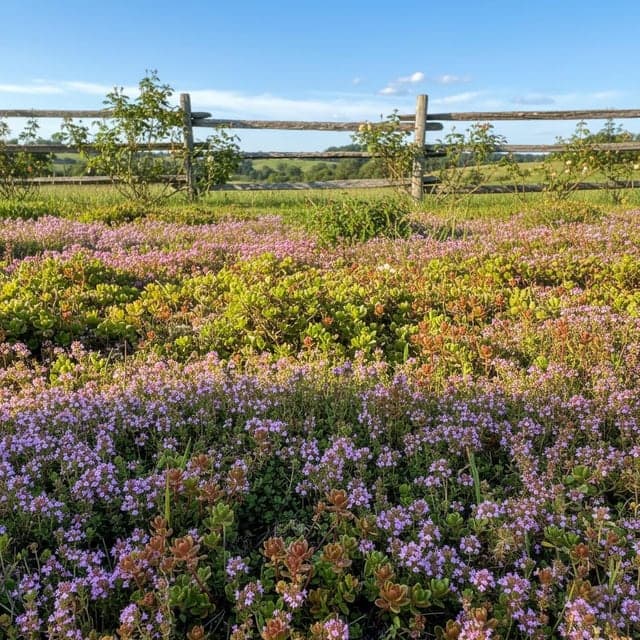
Discover how effective groundcovers can reduce weed growth by up to 90% in US gardens. Learn to select the best weed-smothering groundcovers for sun or shade, minimizing maintenance.
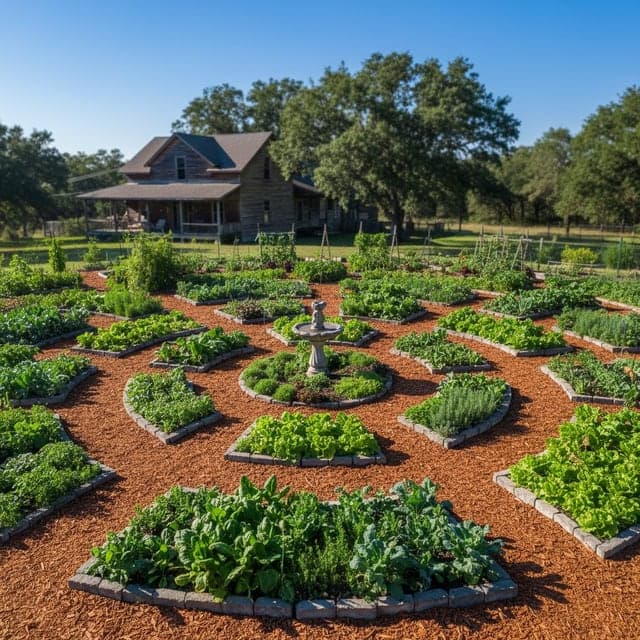
Lay out a 16–24 ft mandala garden with exact stake-and-string compass radii, 4 keyhole notches, north-arc tall trellises, honest rectangular trade-off math, curved poly drip rings, and no-dig sheet…
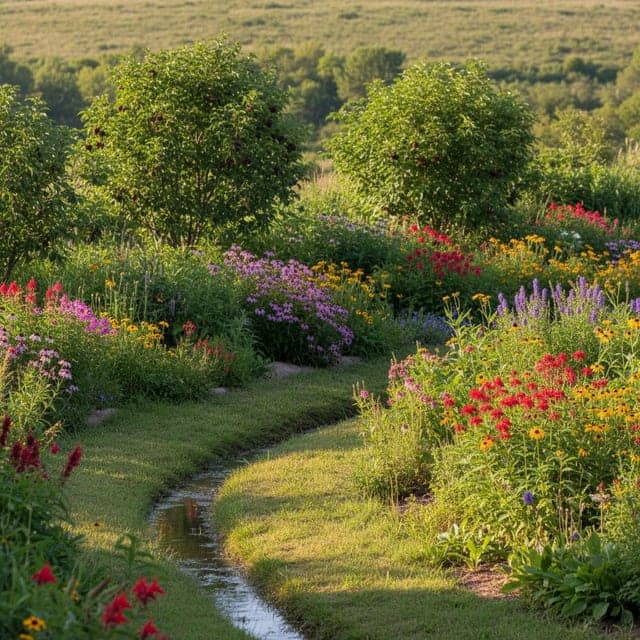
Build fertile North American permaculture guilds with native Rhizobial legumes and Frankia actinorhizal fixers, debunk redbud and honeylocust myths, ban invasive exotics, and verify active pink roo…

Build a compliant USDA Zones 9–10 citrus guild: protect 0–18 in shallow feeder roots from turf competition, keep graft collars dry against Phytophthora root rot, match Flying Dragon/Carrizo/US-942…
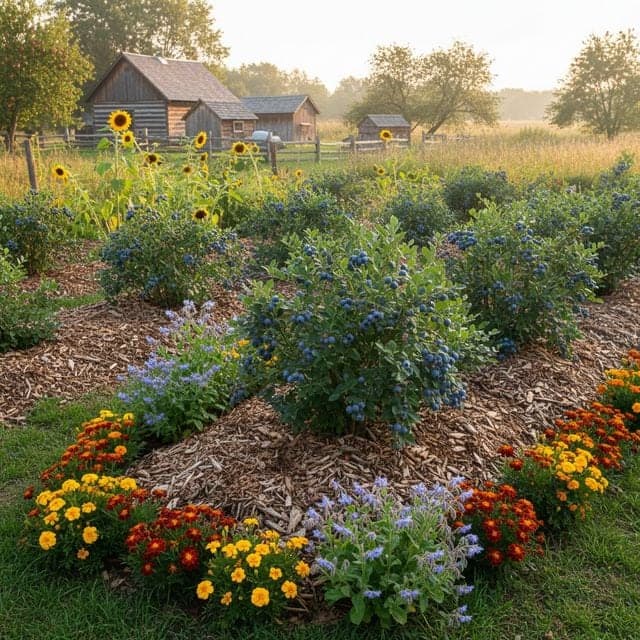
Build a science-backed US blueberry guild across Zones 3–10: pH 4.2–5.2 soil and pine-bark raised beds, sand-loam-clay sulfur tables, ammonium feeding, banned amendments, and cross-pollination pairs.

Engineer a productive USDA Zones 3–9 apple tree guild scaled to M.9, G.11, MM.111, and Antonovka rootstocks with dry Phytophthora collars, 1/4-inch vole guards, cedar-apple rust setbacks, and cross…
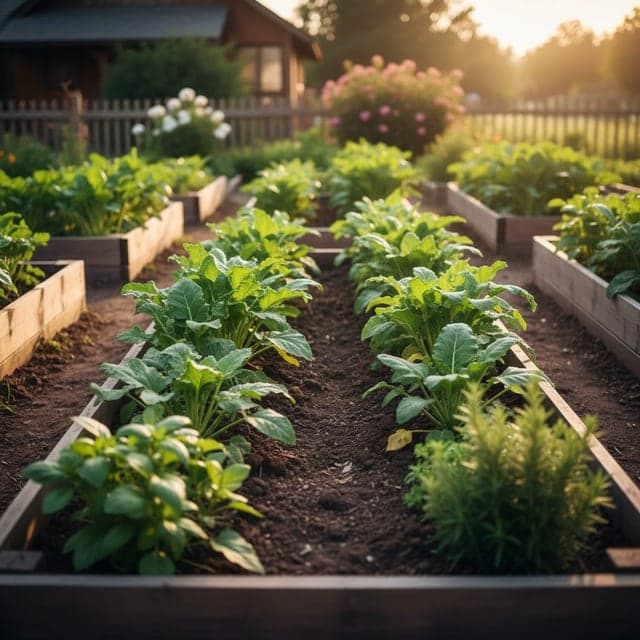
How to grow dill in USDA zones 3-9, covering direct sowing, care, harvesting leaves and seeds, and supporting swallowtail butterflies.
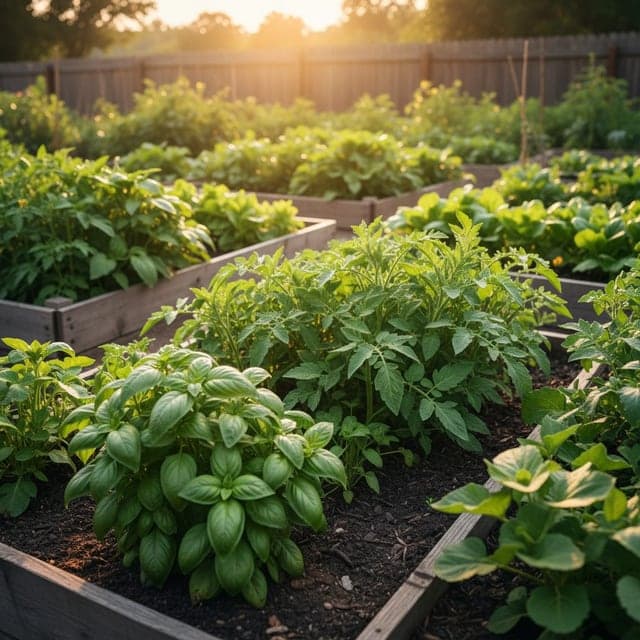
Engineer self-supporting seven-function permaculture plant guilds across US climates, grounded in Cornell SARE mineral-cycling research and extension safeguards against collar rot, turfgrass compet…

Learn to design a thriving apothecary garden for your USDA Zone 6 homestead. Maximize medicinal herb yield with sun mapping, soil prep, and companion planting strategies.
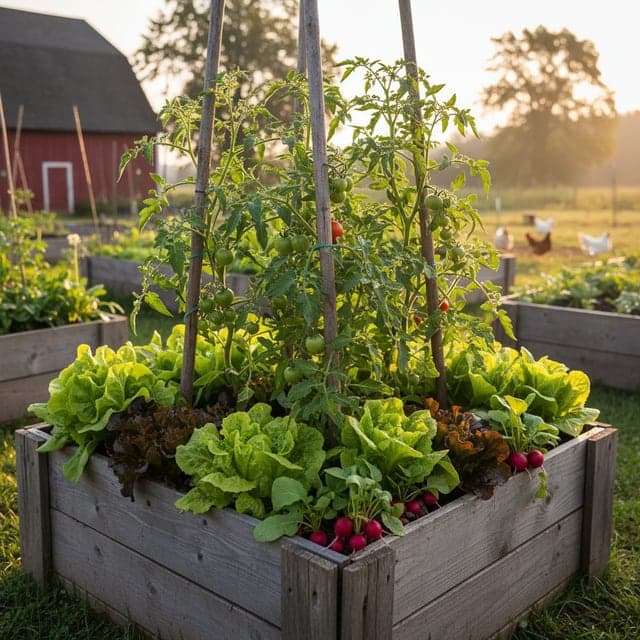
Learn how interplanting fast and slow crops can double your garden’s output. Discover strategic crop pairings, USDA zone planting calendars, and succession planting tips for maximum yield.
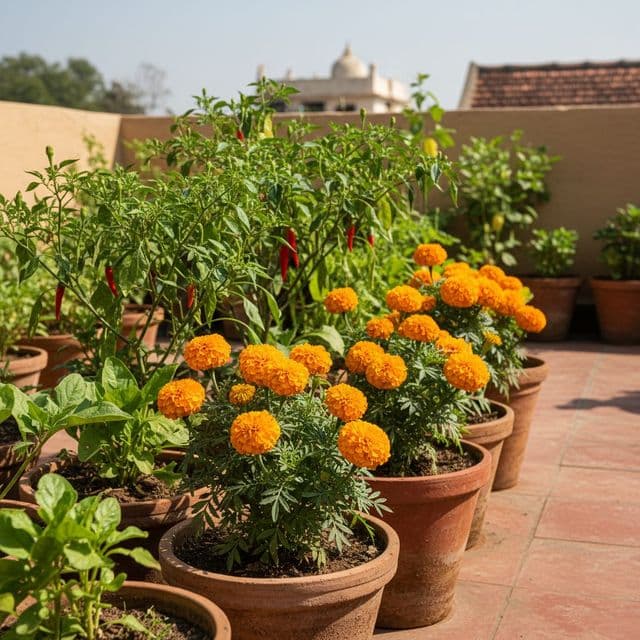
Learn how to grow marigold from seeds in India, from dried puja garland flowers to commercial varieties, seasonal sowing windows, and pest-repellent care.
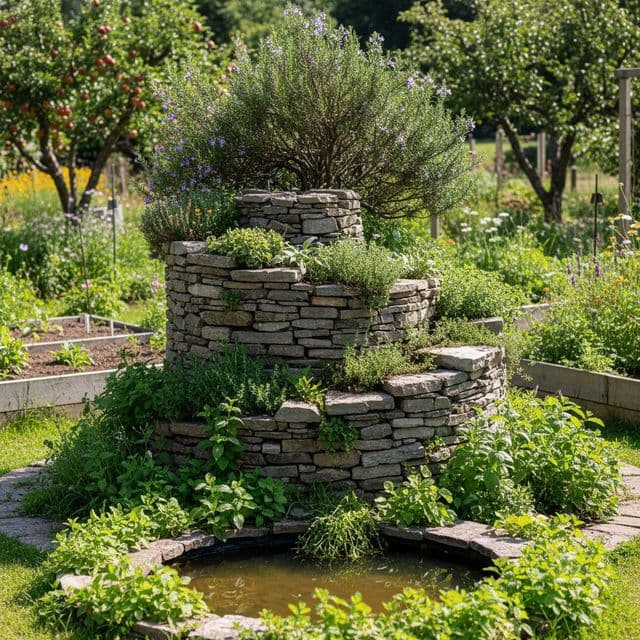
Build a 5–6 ft × 3–4 ft permaculture herb spiral: dry-stack stone batter stability, North vs. South microclimates, limestone-to-compost soil, drip and olla layout, strict mint containment, and US $…
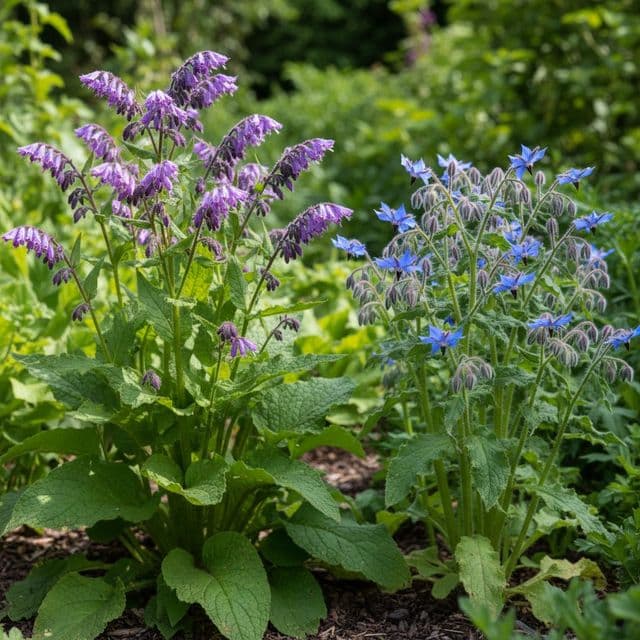
Compare Russian comfrey (Bocking 14) vs borage (Borago officinalis): perennial vs annual habits, chop-and-drop mulch, liquid feed, pollinator nectar, and FDA/NIH PA safety.
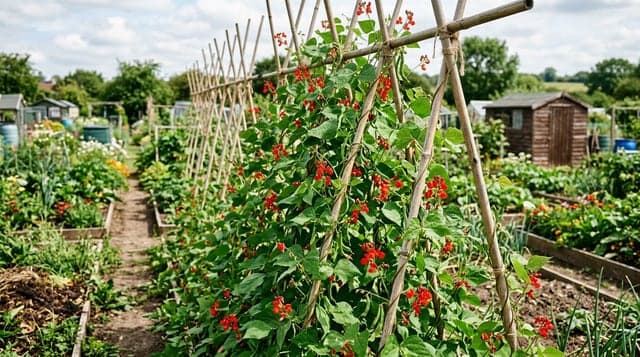
Learn how to grow runner beans on UK allotments with cane support construction, trench preparation, watering methods, and solutions for flowers not setting.
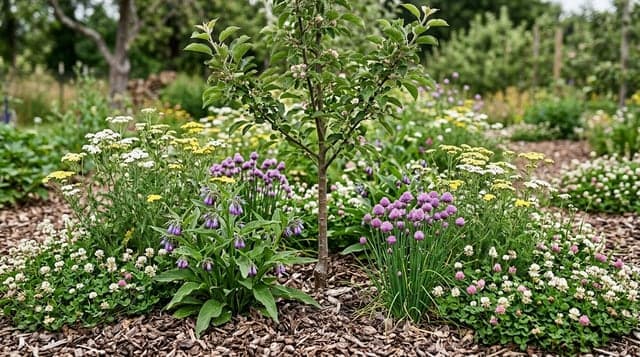
Learn how to design a fruit tree guild using companion plants that fix nitrogen, suppress grass, attract pollinators, and build healthy orchard soil.
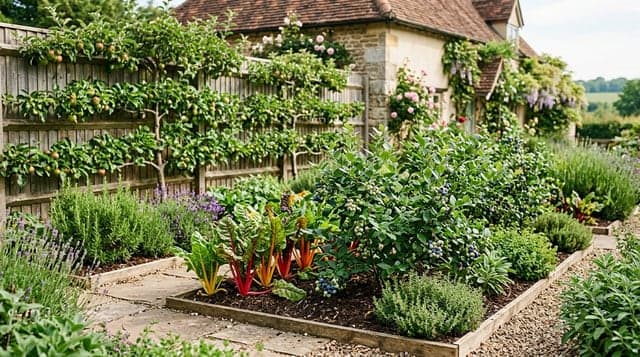
Learn how to design an edible landscape that blends fruit trees, berry hedges, culinary herbs, and vegetables into ornamental home gardens.
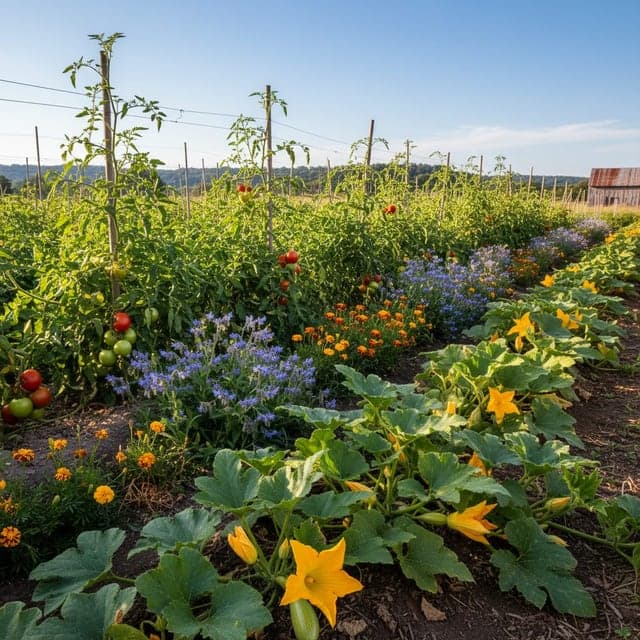
Learn how strategic companion planting boosts tomato fruit set and overall yields in US growing regions. Attract beneficial pollinators with specific flowers for a healthier, more abundant harvest.
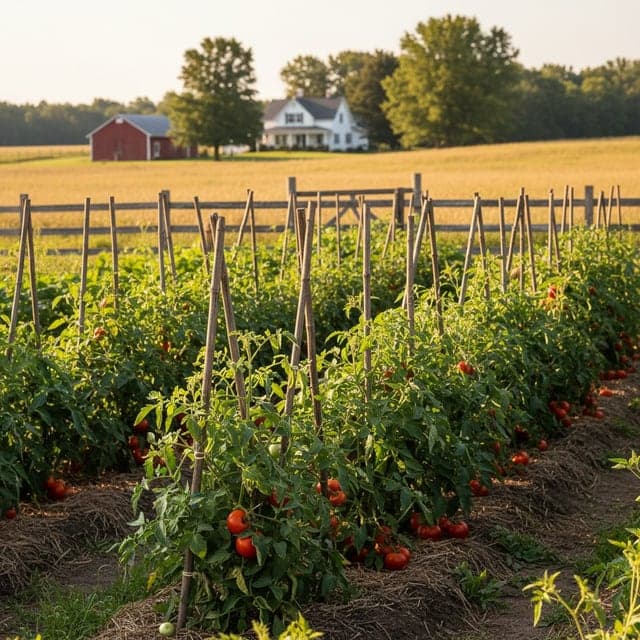
Combat leggy tomato growth in USDA Zone 6 for bigger harvests. Learn to identify causes, prune effectively, and stake plants properly to boost yields by 20% or more.
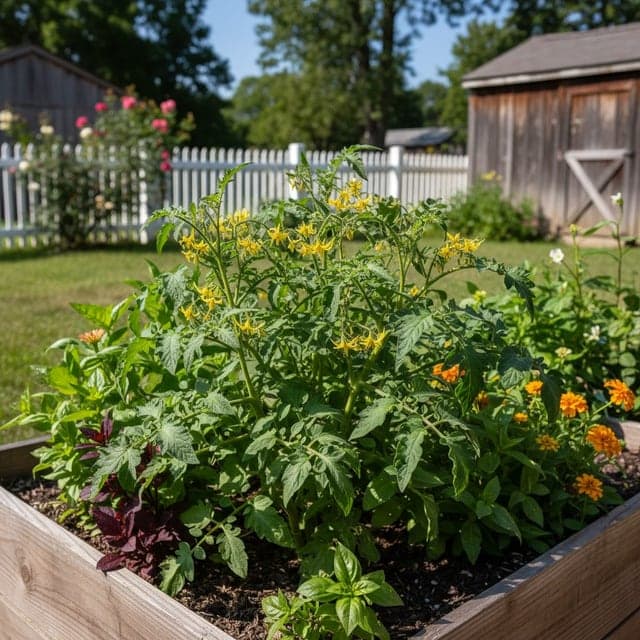
Is your tomato plant flowering but not fruiting? Learn common causes like poor pollination, nutrient imbalance, and environmental stress. Boost your tomato yield.
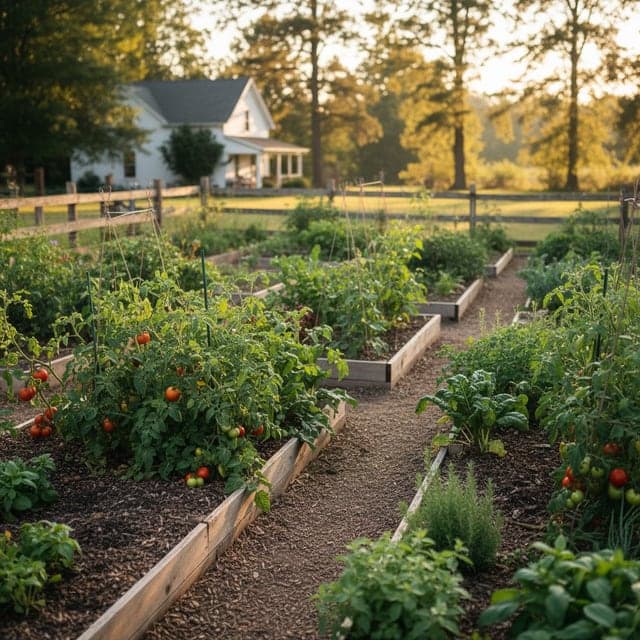
Build flowering insectary strips using USDA NRCS CPS 422 and Xerces spacing (<=100–150 ft), Apr–Oct shallow umbels and discs for hoverflies, Orius, lacewings, and Braconid wasps, neonicotinoid nurs…
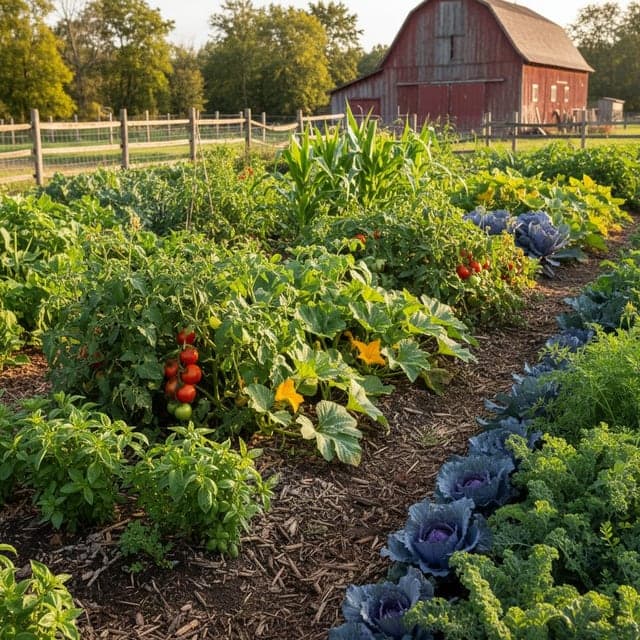
Discover how polyculture and interplanting naturally confuse pests, reduce monoculture reliance, and improve soil health in the Midwest. Learn effective polyculture pest control strategies.
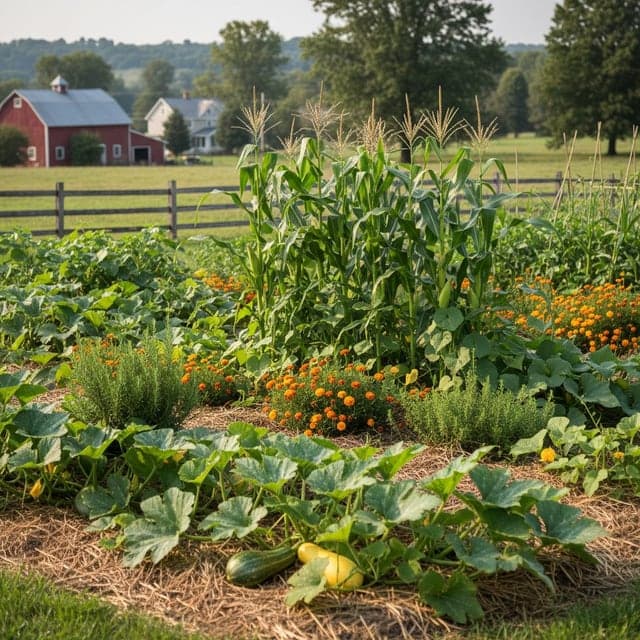
Unlock the power of companion planting. Learn how strategic plant pairings can deter pests, attract beneficial insects, and improve soil health, potentially reducing pest pressure by 15-50%.