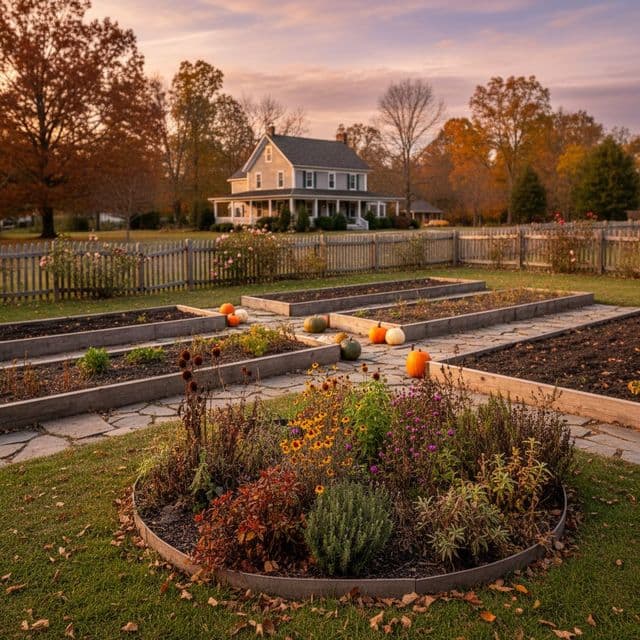
Harvesting & Drying Medicinal Roots: USDA Zone 6 Home Apothecary
Learn to harvest and dry medicinal roots like echinacea, valerian, dandelion, and burdock in USDA Zone 6. Maximize potency, ensure proper storage, and build your home apothecary.
Tag
62 articles in this tag on agripure. — page 1 of 3
Learn to harvest and dry medicinal roots like echinacea, valerian, dandelion, and burdock in USDA Zone 6. Maximize potency, ensure proper storage, and build your home apothecary.
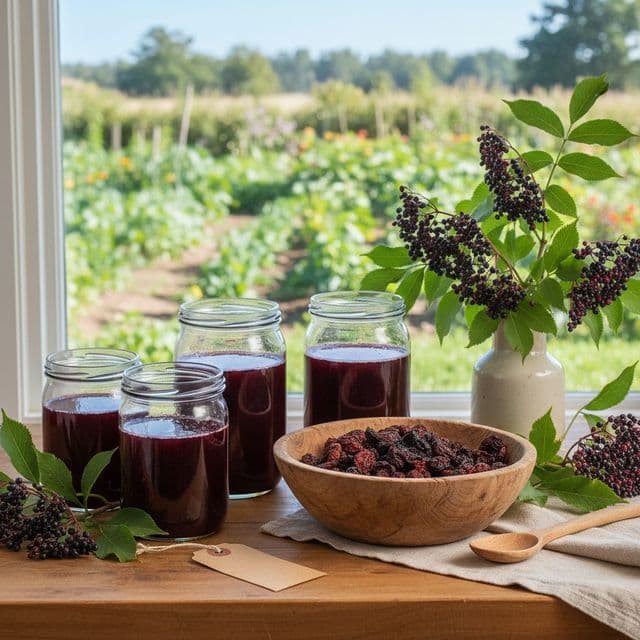
Learn to craft elderberry oxymel with a 3:1 honey-to-vinegar ratio. Grow and harvest elderberries in USDA zones 3-9 for immune support. Includes planting, drying, and recipe.
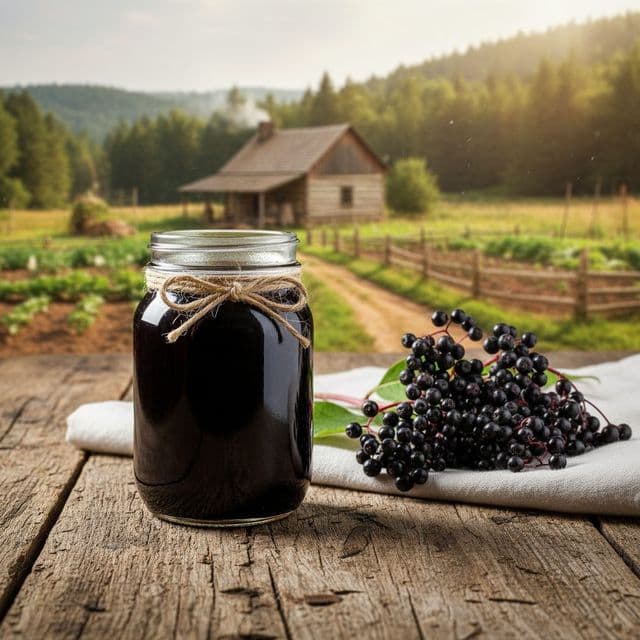
A guide to growing, harvesting, and preparing elderberry syrup for cold and flu season, covering planting, ethical foraging, cooking methods, and storage.
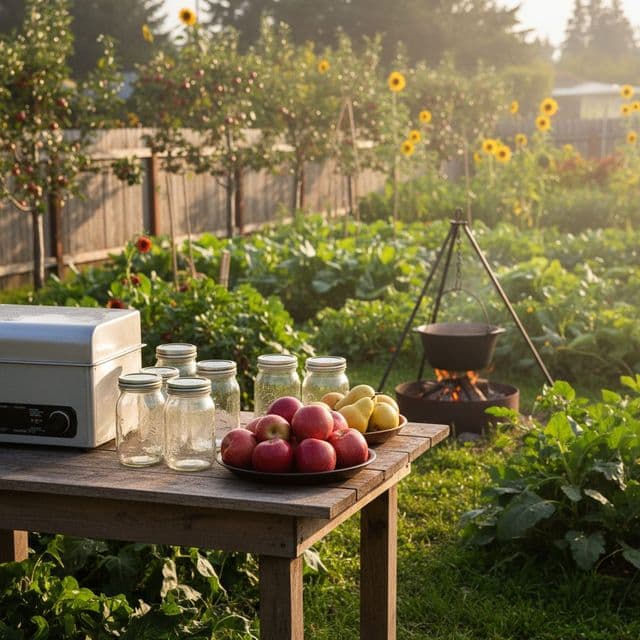
Learn practical methods for preserving apples and pears from abundant harvests in the Pacific Northwest. Extend your fruit’s usability for 6-12 months with dehydrating, canning, and root cellaring.
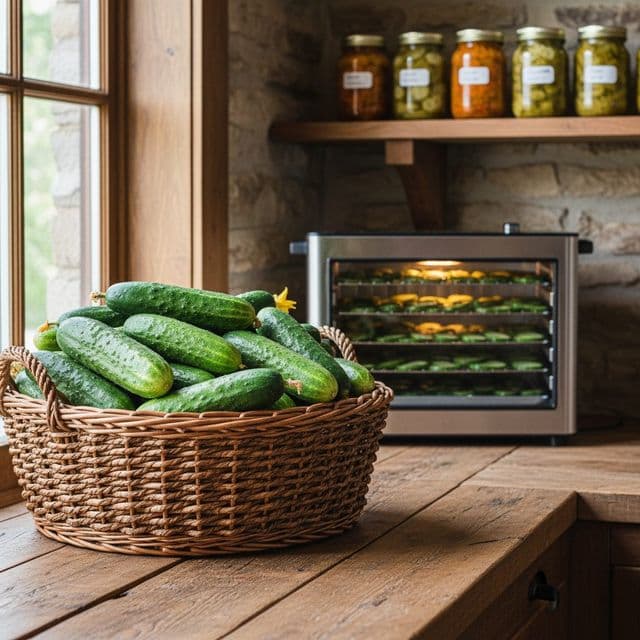
How to preserve a cucumber harvest, from dehydrating chips and powder to fermenting relishes and krauts to prevent waste.
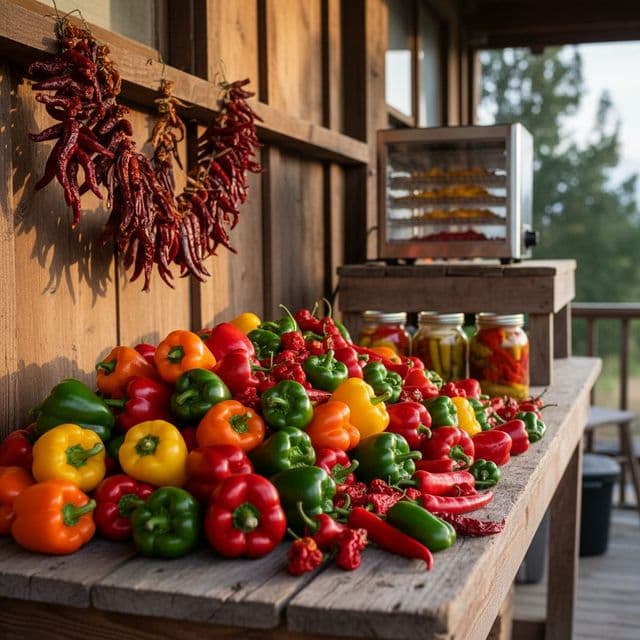
How to preserve your USDA Zone 7 pepper harvest with drying, freezing, fermenting, and pickling techniques to use peppers year-round.
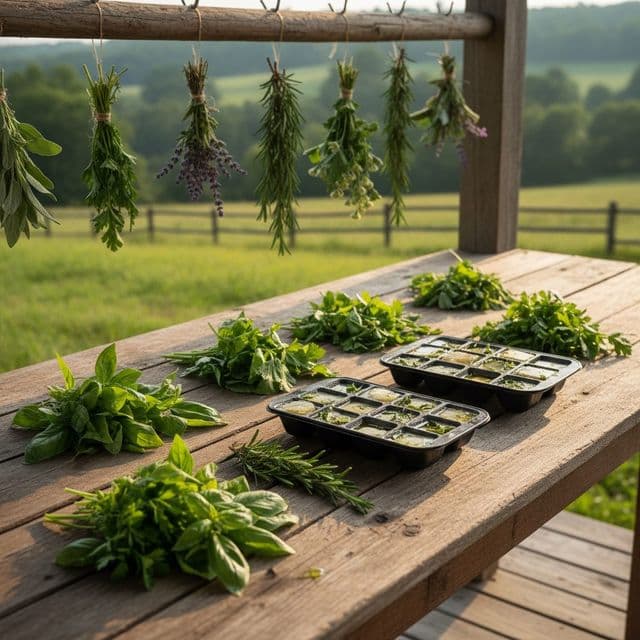
How to preserve basil from a USDA Zone 7 garden, covering freezing in oil or water, making pesto cubes, and drying techniques.
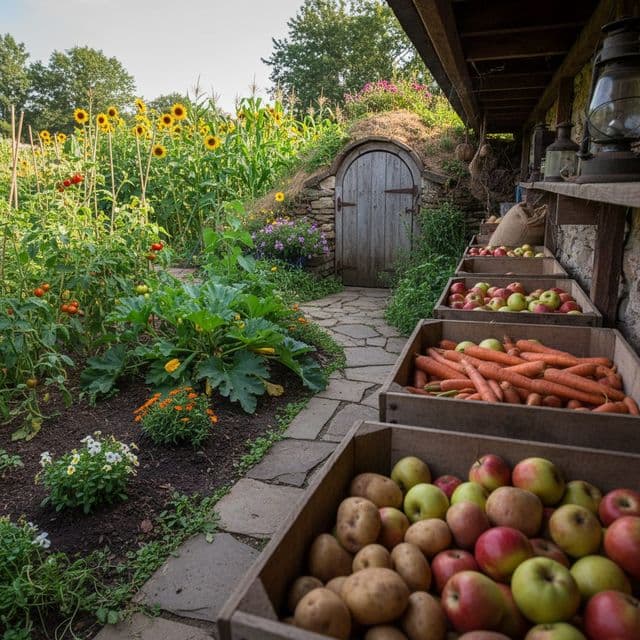
Master garden produce storage by understanding optimal temperature and humidity. Learn how to store root vegetables, onions, apples, and more for extended shelf life, preventing spoilage and mainta…
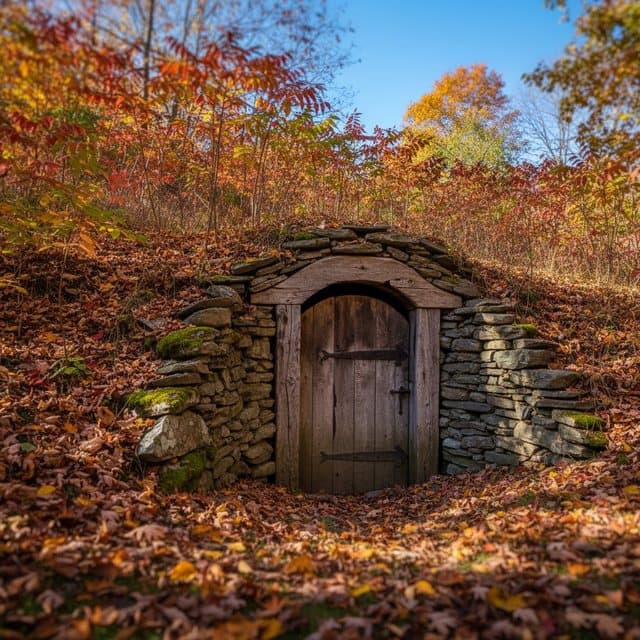
Learn how to build a root cellar in USDA Zone 6 to extend your harvest. Discover options from simple buried trash cans to dedicated structures, ensuring fresh produce for months.
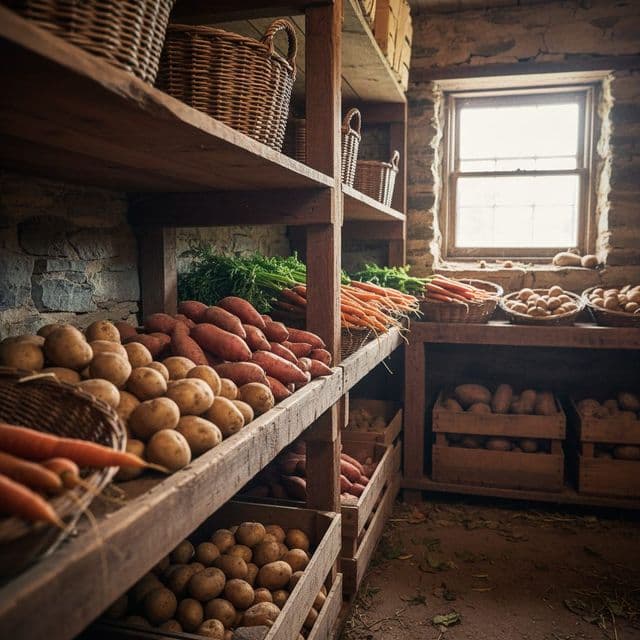
Master root crop storage techniques to extend your harvest up to 8 months. Learn ideal conditions for potatoes, sweet potatoes, and carrots, plus root cellar and sand storage methods.
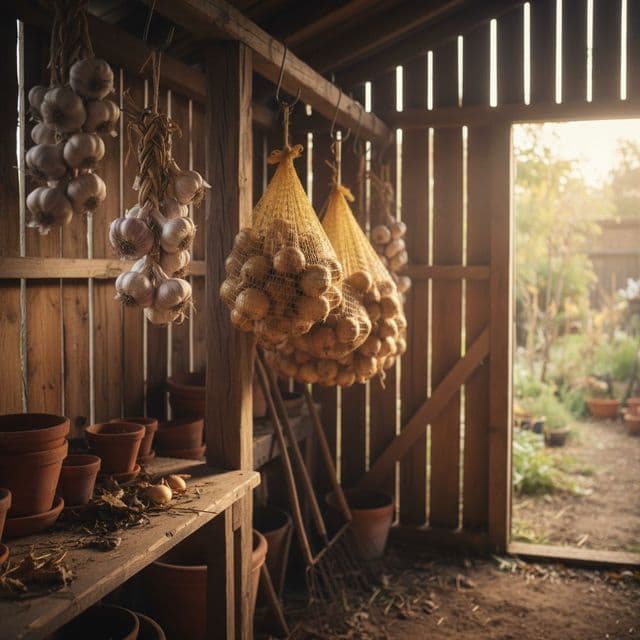
Learn how proper curing alliums, like onions and garlic, can drastically reduce spoilage and extend their shelf life for months. Master ideal conditions for long-term storage.
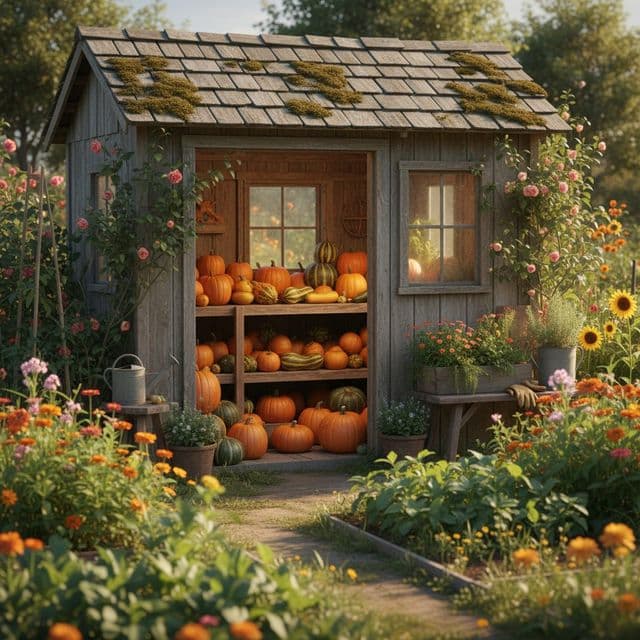
Learn how to cure winter squash for extended storage. Discover optimal temperatures (80-85°F) and humidity (80-85%) to harden skins, improve flavor, and prevent spoilage for months.
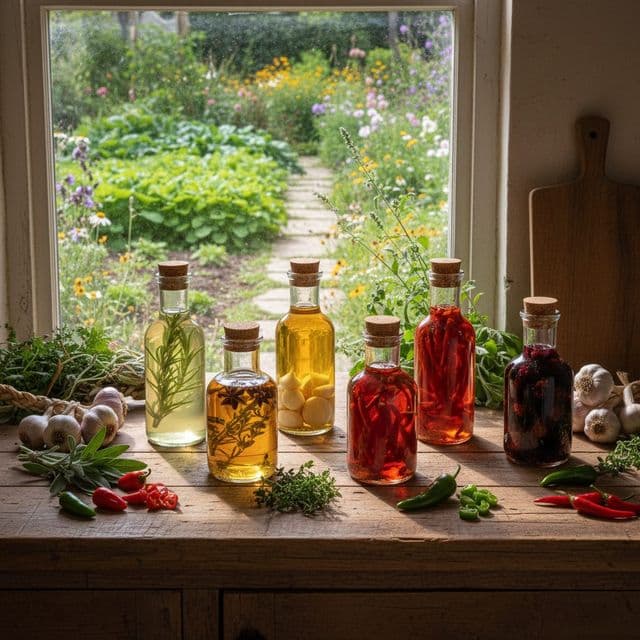
Learn how to make infused vinegars to preserve garden herbs, garlic, and chilies for up to 18 months. Extend your harvest and add flavor to dishes with this simple homesteading technique.
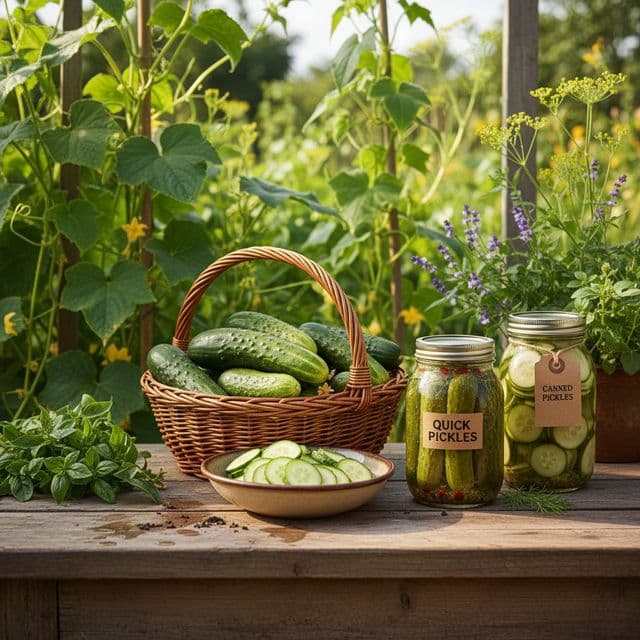
Learn safe pickling methods for your cucumber harvest. Compare quick refrigerator pickles vs. shelf-stable canning for 50 lbs in USDA Zone 5, for food safety and long-term storage.
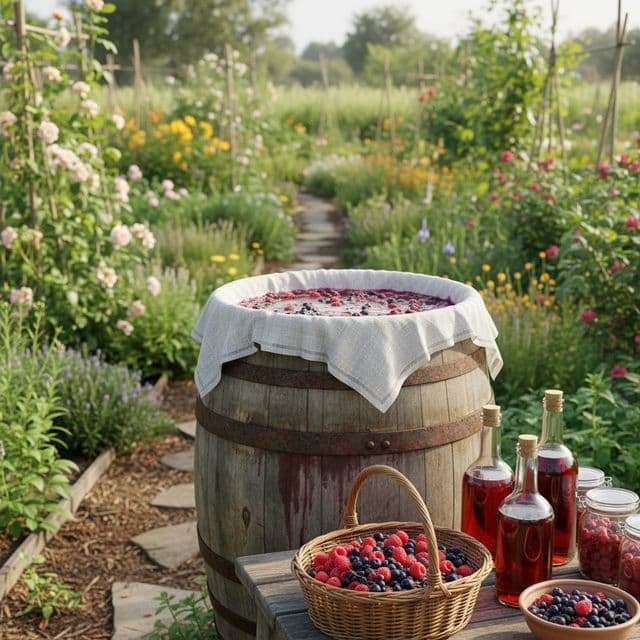
Transform excess berries into delicious homemade fruit vinegar. Learn a simple, two-stage fermentation process to preserve fruit gluts, reduce waste, and create a versatile pantry staple in USDA Zo…
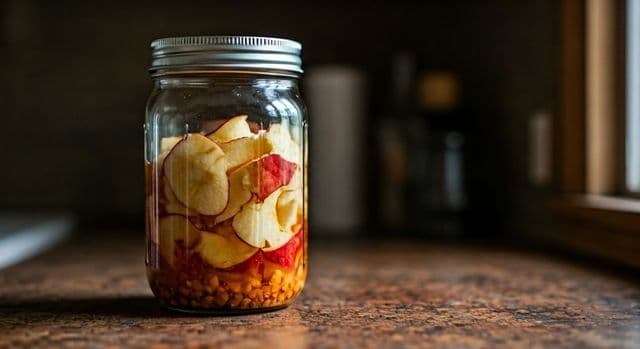
Learn to make homemade apple cider vinegar from apple scraps in the Pacific Northwest. Reduce waste, save money, and create a versatile staple for cooking, cleaning, and dressings.
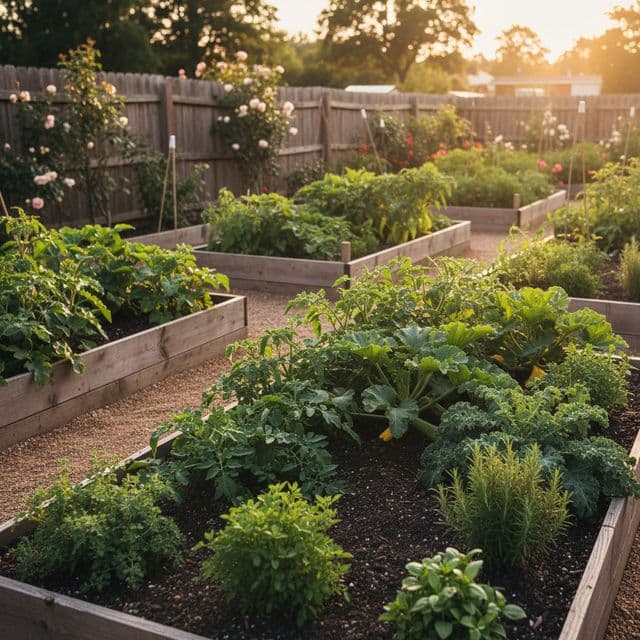
How to tell a safe ferment from a spoiled one. Read pH levels, distinguish harmless kahm yeast from dangerous mold, and identify spoilage signs on your Zone 6 homestead.
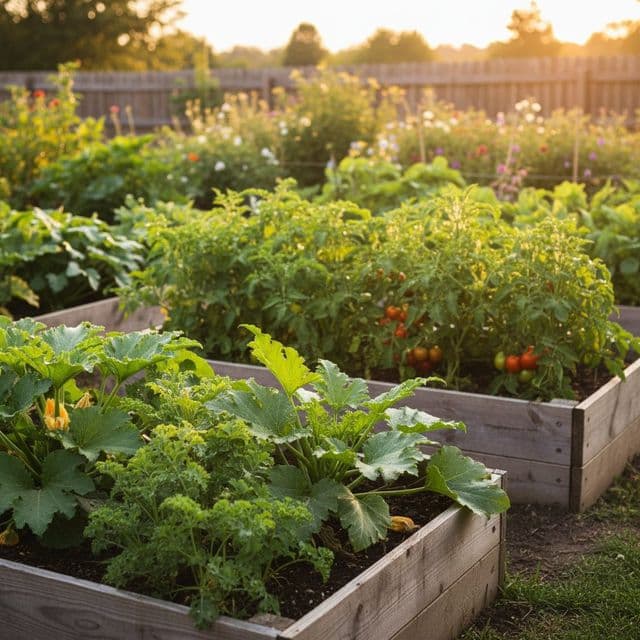
How to ferment carrots, beets, green beans, and radishes with a crisp texture, including salt ratios, temperatures, and storage for USDA Zone 6.
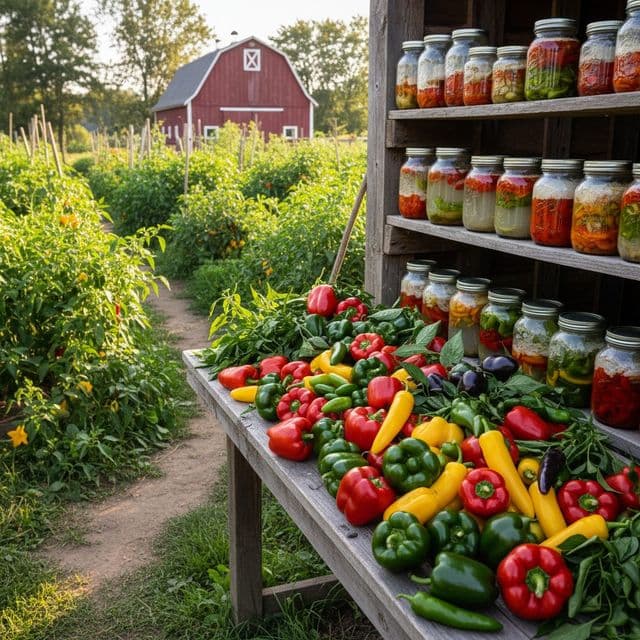
How to make shelf-stable fermented hot sauce from excess garden peppers in USDA Zone 7, covering salt ratios, pH thresholds, and bottling methods.
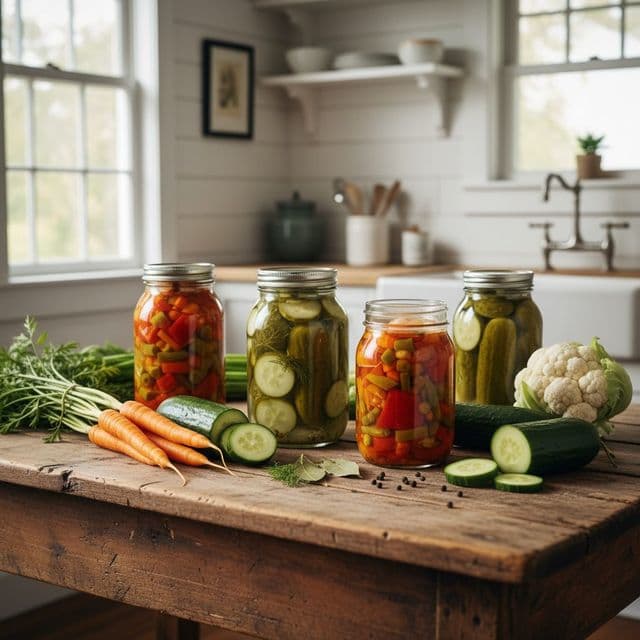
Learn to make delicious fermented dill pickles and giardiniera. This guide covers salt brine, temperature, and storage to preserve your harvest for 6-12 months.
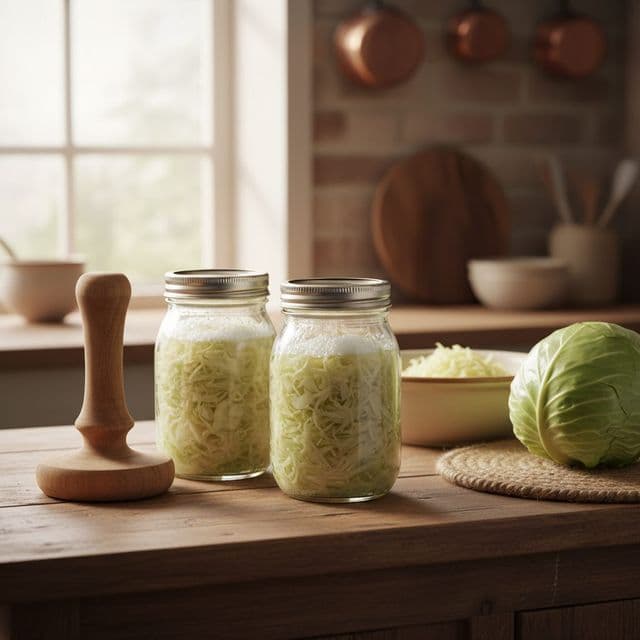
Learn to ferment cabbage in Mason jars for up to 12 months. This guide covers safe methods, health benefits, and step-by-step instructions for preserving your harvest without electricity.
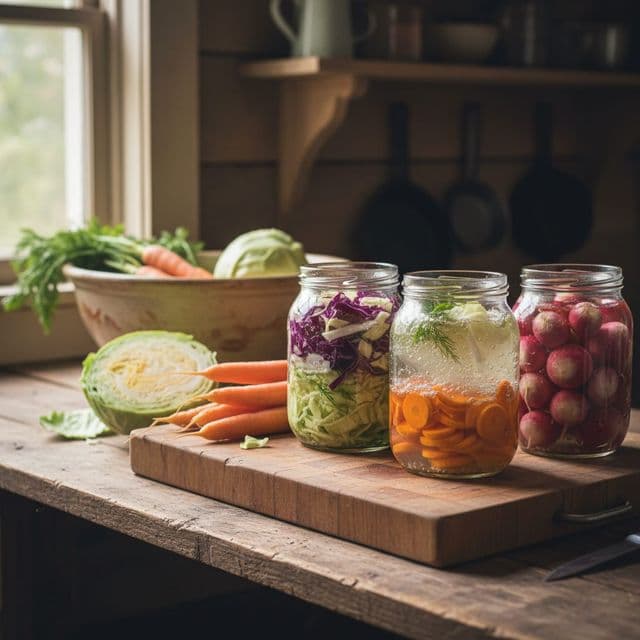
Master lacto-fermentation with a 2-3% brine for safe, delicious preserves. Learn precise salt ratios, ideal temperatures, and essential tips for successful food preservation.
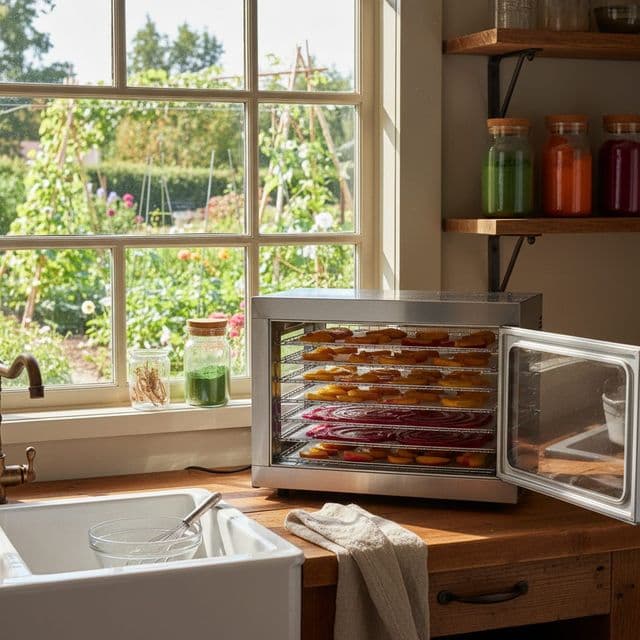
Transform excess summer produce into shelf-stable fruit leather and nutrient-dense vegetable powders. Learn drying techniques, temperatures, and storage tips to preserve your harvest and reduce foo…
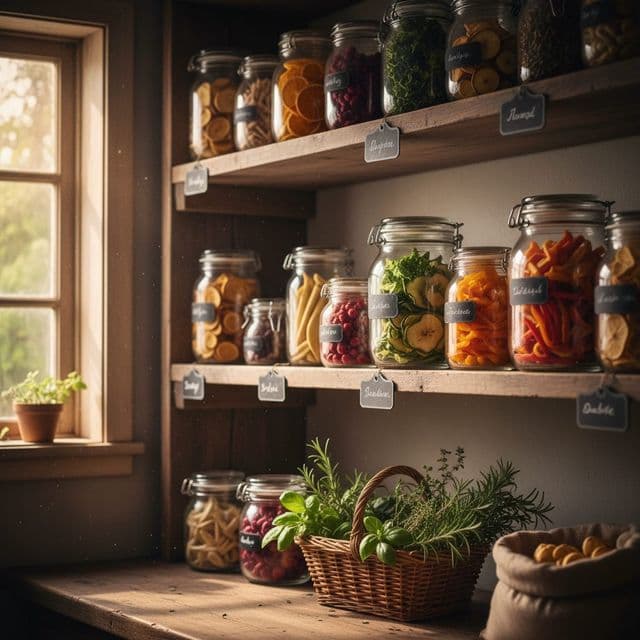
Condition dried food to prevent moisture reabsorption and mold. Learn techniques for USDA zone 6 homes to extend shelf life and preserve your harvest for years.