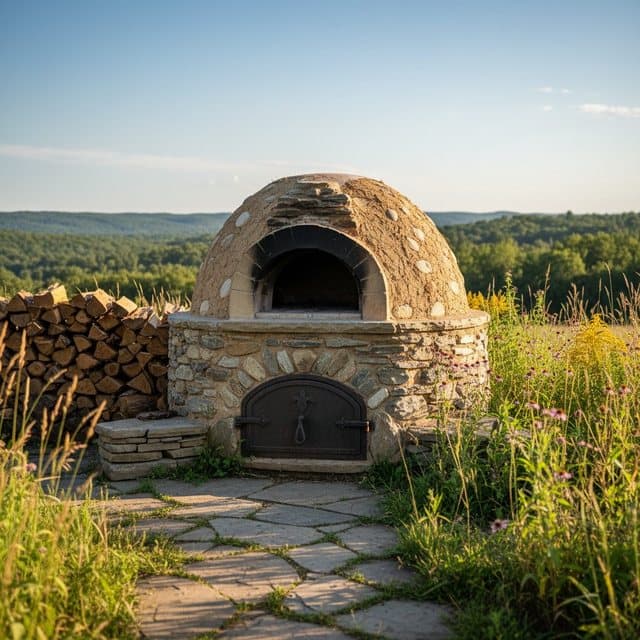
Build wood-fired earth ovens for off-grid homesteads
How to build durable, low-cost wood-fired earth ovens that reduce cooking fuel costs by 25-35% and support off-grid self-sufficiency with natural materials.
Topic
Off-grid living addresses the three systems that tie most households to outside infrastructure — electrical power, water supply, and waste handling. Articles break down each cord methodically: what cutting it actually costs, what the working alternatives look like, and the sequence that makes a full off-grid transition manageable rather than chaotic.
8 articles in this topic on agripure.
How to build durable, low-cost wood-fired earth ovens that reduce cooking fuel costs by 25-35% and support off-grid self-sufficiency with natural materials.
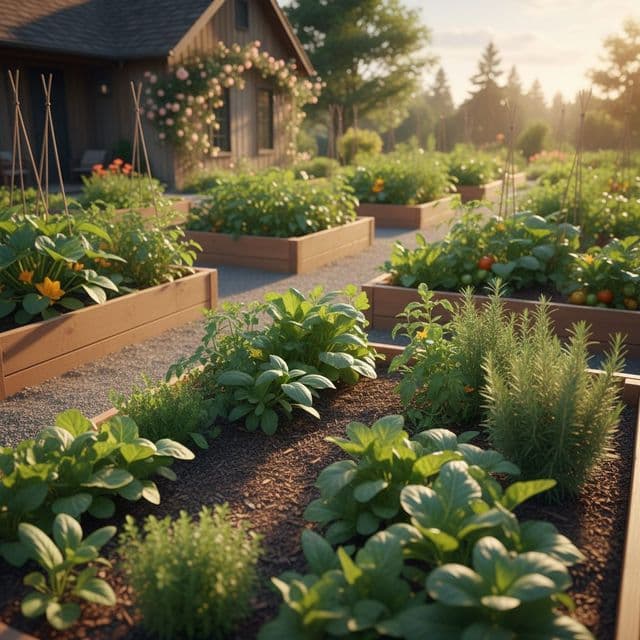
Explore durable, low-cost earth building methods like cob, earthbag, adobe, and rammed earth for your homestead. Learn how these natural techniques offer energy efficiency and resilience.
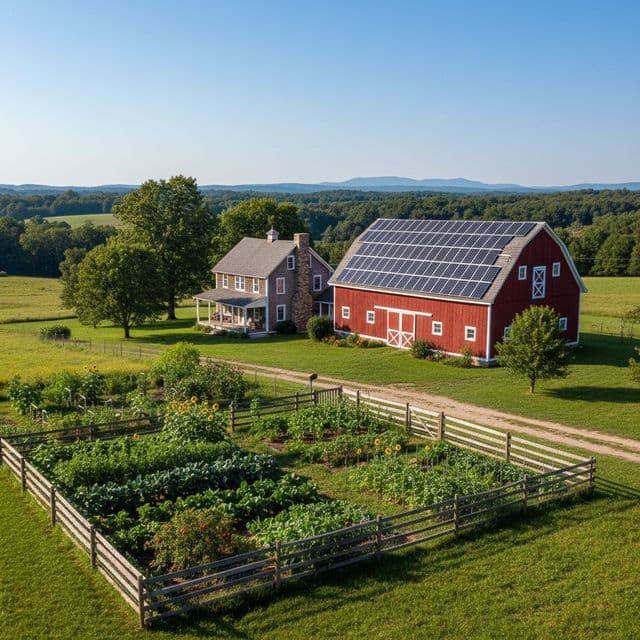
Achieve energy independence on your homestead with off-grid solar & battery systems. Learn about sizing, LiFePO4 batteries, and cost savings for reliable power in USDA Zone 6.
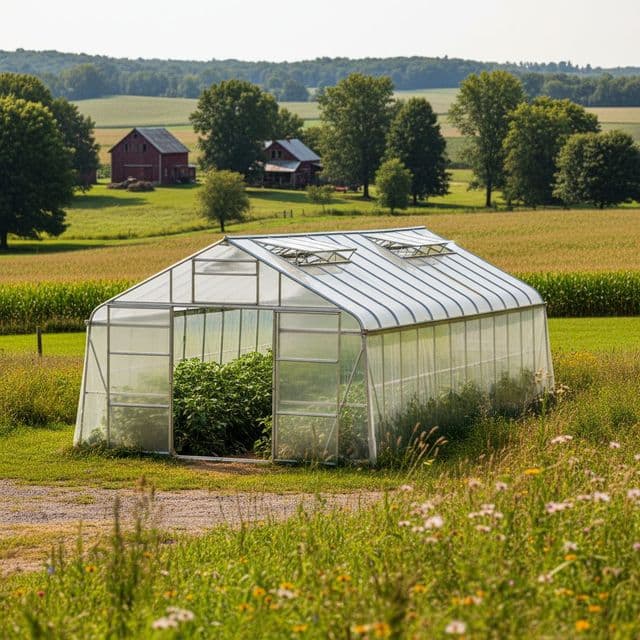
Master off-grid greenhouse cooling with passive ventilation, strategic shading, and evaporative methods. Keep your plants thriving in USDA Zone 7+ without electricity.
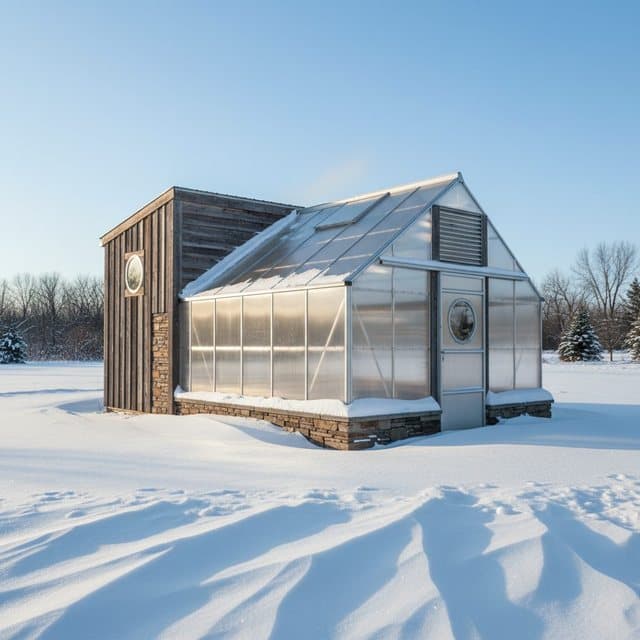
How to build a budget passive solar greenhouse in USDA Zone 5, using solar orientation, thermal mass, and insulation to extend the growing season by up to six months.
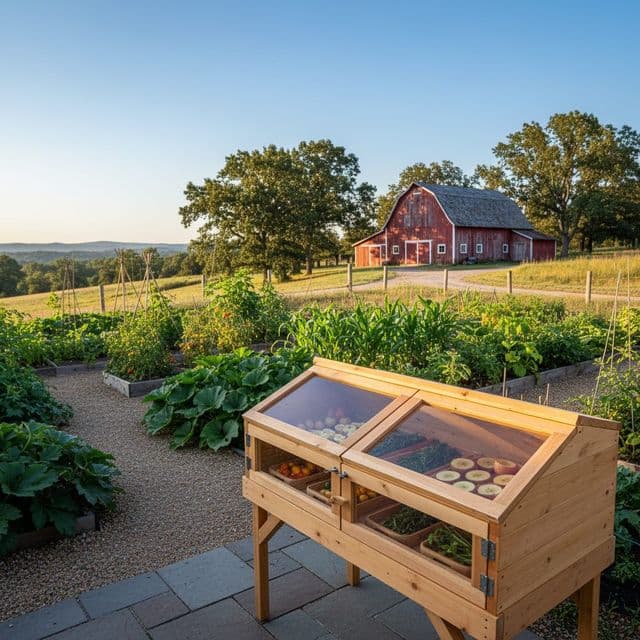
Learn to build a DIY solar dehydrator for your homestead. Preserve garden produce efficiently, cut energy costs, and extend your harvest with this off-grid solution.
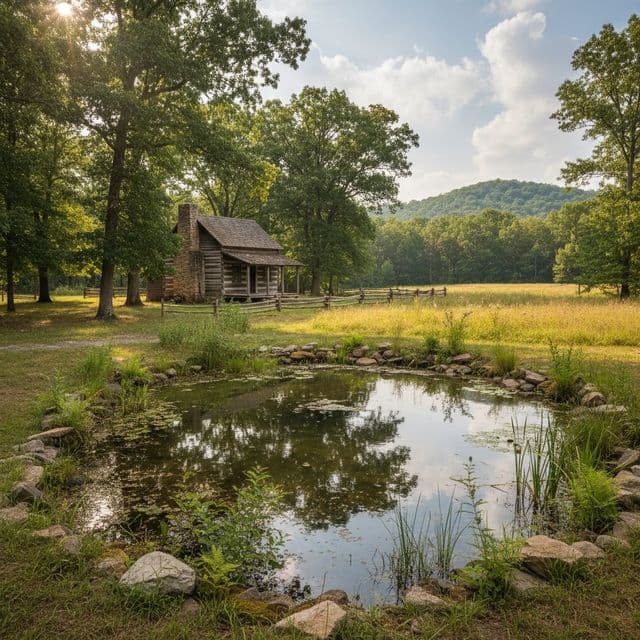
Build and maintain a self-sustaining, off-grid pond in USDA Zone 6 using passive aeration, native plants, and rainwater harvesting for an electricity-free ecosystem.
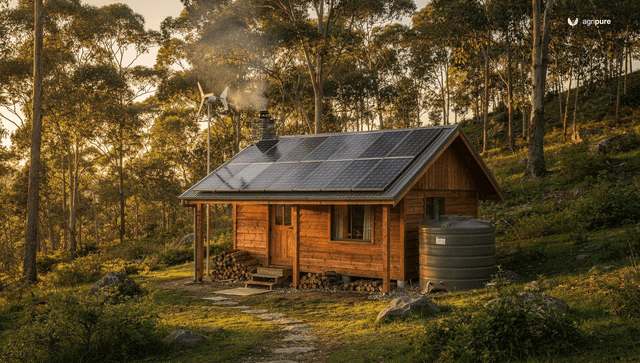
Off-grid living means producing your own power, water, and waste handling. Here is what each system takes, what it costs, and how to start without overreaching.