Key takeaways
- Test your soil before planting to understand its composition and pH.
- Avoid over-amending the planting hole to prevent the ‘bathtub effect’ and root circling.
- Incorporate organic matter like compost or aged manure at a maximum 20% ratio for clay and sand.
- For rocky soils, focus on creating pockets of improved soil rather than full excavation.
- Plant fruit trees with the root collar slightly above the native soil line to prevent rot.
- Monitor soil moisture and pH regularly after planting for optimal tree establishment.
Quick answer: To amend native soil for fruit trees without over-amending, first conduct a soil test to understand its composition and pH. Then, incorporate organic matter at a maximum 20% ratio for clay and sand, focusing on gradual improvement rather than full replacement.
In the humid summers of the Southeast, where clay soils often dominate, or the arid West with its sandy expanses, home fruit growers face a common challenge: making native soil suitable for a thriving orchard. Planting a new apple or peach tree, for instance, requires more than just digging a hole and dropping it in; the long-term success of that tree, potentially yielding fruit for 20 years or more, hinges on how well its roots can establish in the existing ground.
Amending soil at planting time can give your young fruit tree a critical head start, but there’s a fine line between helping and harming. Over-amending can create more problems than it solves, leading to poor drainage, root bound issues, and stunted growth. The goal is to gently improve the soil environment, not replace it entirely, so your tree develops a strong root system that can eventually thrive in its native conditions.
Understanding your native soil
Before you even think about digging a hole, the first step in successful fruit tree planting in places like central Pennsylvania or the fertile valleys of California is to understand the soil you’re working with. A simple soil test, available through your local extension office for around $15 to $30, will provide data on pH, nutrient levels, and often, soil texture. Knowing your soil’s composition—whether it’s predominantly clay, sand, or a mix—is foundational to proper amendment. Clay soils, common in the Midwest, have very fine particles, less than 0.002 millimeters in diameter, which bind tightly, leading to slow drainage and compaction. Conversely, sandy soils, prevalent in Florida and coastal regions, feature larger particles, 0.05 to 2.0 millimeters, allowing water to drain quickly but often leaching nutrients. Rocky soils, found in mountainous regions like the Appalachians, present physical barriers to root growth and can have varied soil textures between the rocks.
The importance of soil testing
A soil test provides a baseline for your amendment strategy, telling you exactly what your soil needs. Without this data, you’re guessing, which can lead to over-amending or adding the wrong materials. For example, adding lime to an already alkaline soil (pH above 7.0) can lock up essential micronutrients like iron, causing chlorosis in trees. A proper test will also indicate organic matter content, which is an important factor in soil health, ideally 3-5% for most fruit trees.
- Determine soil pH, typically aiming for 6.0 to 7.0 for most fruit trees.
- Measure existing nutrient levels, such as nitrogen, phosphorus, and potassium.
- Identify soil texture (clay, silt, sand percentages).
- Assess organic matter content, ideally 3-5% for healthy soil.
The dangers of over-amending and the “bathtub effect”
It’s tempting to want to give your new fruit tree the best possible start by filling its planting hole with rich, fluffy soil. However, this common practice, particularly in heavy clay soils, can lead to a phenomenon known as the ‘bathtub effect.’ Imagine digging a hole in dense clay soil and filling it with a loose, well-draining mixture. When it rains, water quickly penetrates the amended soil in the planting hole but then hits the impermeable clay walls, unable to drain away. This creates a waterlogged environment around the roots, essentially turning the planting hole into a bathtub that drowns the tree [4]. This is especially problematic in areas receiving over 40 inches of annual rainfall, such as the Pacific Northwest.
Root circling and stunted growth
Beyond drainage issues, over-amending can also cause root circling. If the amended soil is significantly different in texture from the surrounding native soil, the tree’s roots may be reluctant to grow out into the unamended, tougher native soil. Instead, they can grow in circles within the confines of the planting hole, becoming root-bound and unable to anchor the tree properly or access nutrients and water from a wider area. This can severely stunt growth and compromise the tree’s long-term stability and productivity, potentially reducing its lifespan by 10 years or more. A healthy root system should extend two to three times the width of the canopy within five years.
- Prevents water from draining properly, leading to root rot.
- Discourages roots from growing into the native soil.
- Causes roots to circle within the planting hole, becoming root-bound.
- Limits access to a broader range of nutrients and water.
- Compromises tree stability and long-term health.
Best amendments for different soil types
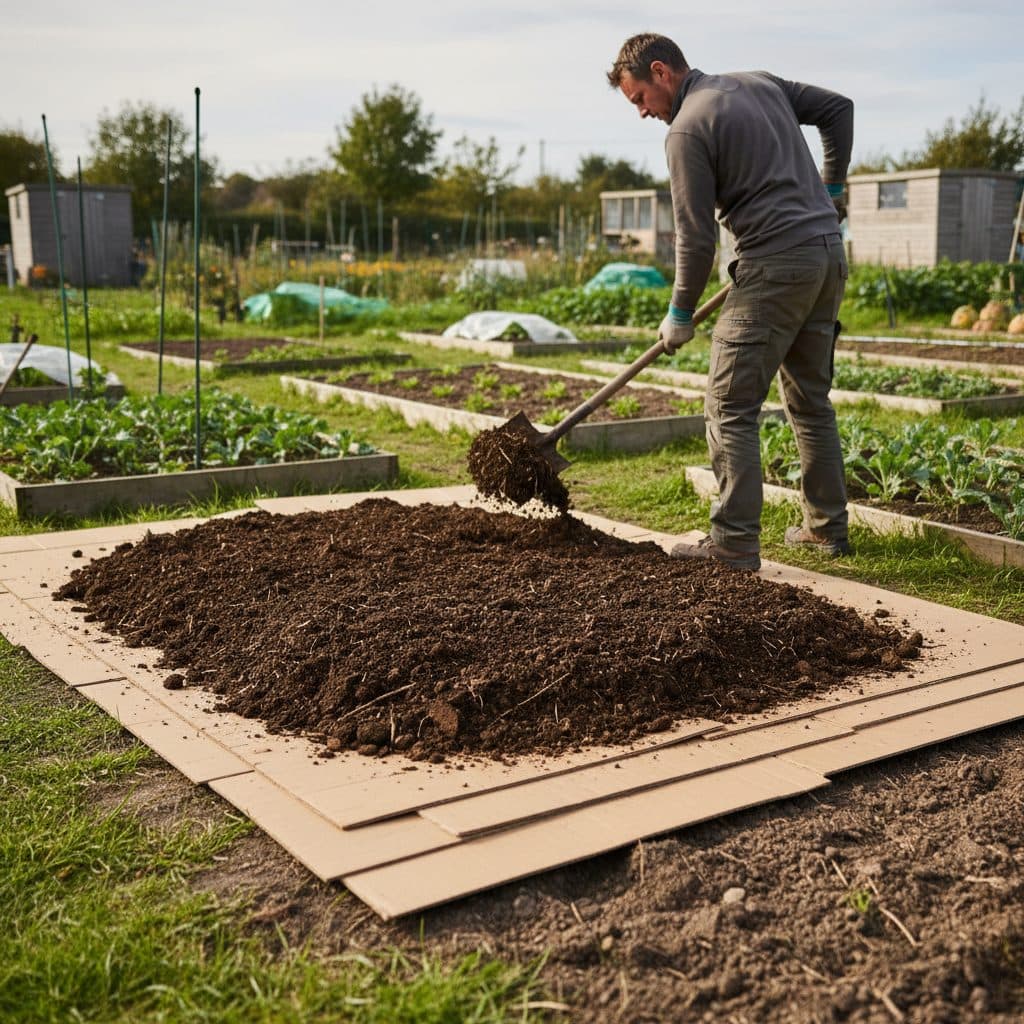
The key to successful soil amendment is moderation and integration. Instead of replacing the native soil, the goal is to improve its structure and fertility so that it gradually transitions into the surrounding environment. For heavy clay soils, common in states like Georgia and Ohio, the primary amendment should be organic matter. Well-rotted compost, aged manure, or finely shredded bark can improve drainage and aeration while adding beneficial microbes. Aim to incorporate organic matter at a maximum ratio of 10-20% by volume into the backfill soil, mixing it thoroughly with the native soil. This creates a gradual transition zone, encouraging roots to spread out. For sandy soils, found extensively in parts of Michigan and the Carolinas, organic matter also reigns supreme, but for different reasons. It helps sandy soils retain moisture and nutrients, which otherwise leach away rapidly.
Rocky soil strategies
Rocky soils, often prevalent in New England and the Rocky Mountain states, require a different approach. Instead of trying to remove all rocks, which is often impractical and unnecessary, focus on creating pockets of improved soil. Dig a wider, shallower hole than usual, and use a pickaxe if necessary to loosen the soil between rocks. Incorporate a modest amount of organic matter (10-15%) into the backfill, mixing it well with the native soil and smaller rocks. The goal is to provide enough fine soil for initial root establishment, allowing the roots to navigate around larger rocks over time. Remember, many fruit trees, like certain apple varieties, can tolerate rocky conditions if given a good start.
- For clay: 10-20% organic matter (compost, aged manure) to improve drainage.
- For sand: 10-20% organic matter (compost, peat moss) to increase water and nutrient retention.
- For rocky: 10-15% organic matter mixed with native soil, focusing on wider, shallower holes.
- Avoid adding sand to clay, which can create a concrete-like mixture.
- Do not use fresh manure, which can burn roots with high nitrogen.
Proper planting techniques for fruit trees
Once your soil is understood and amendments are prepared, the actual planting process for your fruit tree, whether it’s a cold-hardy pear in USDA zone 4 or a fig in zone 8, needs careful attention. Dig a planting hole that is two to three times wider than the root ball, but only as deep as the root ball itself. This wider hole encourages lateral root growth into the surrounding native soil, preventing the circling often seen in narrow holes. If you’re planting a bare-root tree, spread the roots out evenly in the hole. For container-grown trees, gently loosen any circling roots before planting.
Planting depth and backfill
A critical step is planting depth. The root collar—the point where the trunk flares out and meets the roots—should be at or slightly above the native soil line, typically one to three inches higher, especially in clay soils. This prevents water from pooling around the trunk, which can lead to collar rot. Backfill the hole with the amended native soil, gently tamping it down to remove large air pockets. Avoid compacting the soil too much, as this can impede root growth. Water thoroughly after planting to settle the soil around the roots. For ongoing monitoring, a soil moisture meter can help you avoid over or under-watering in the essential first year.
- Dig a hole two to three times wider than the root ball.
- Ensure the root collar is one to three inches above the native soil line.
- Mix amendments thoroughly with native soil for backfill.
- Gently tamp soil to remove air pockets, then water deeply.
- Create a small berm around the edge of the planting hole to retain water.
Ongoing soil health and maintenance
Planting is just the beginning of a fruit tree’s journey; ongoing soil health matters for its long-term productivity, especially for trees that can live for 30 years or more. After planting, a two to four inch layer of organic mulch, such as wood chips or straw, should be applied over the root zone, keeping it a few inches away from the trunk. This mulch helps retain soil moisture, suppresses weeds, and moderates soil temperature, benefiting root growth in both hot summers reaching 90°F and cold winters dropping to 10°F. Mulch also slowly breaks down, continuously adding organic matter to the soil, improving its structure and fertility over time.
Monitoring and fertilizing
Regular monitoring of soil moisture is vital, particularly during dry spells. Use a 3-in-1 soil pH, moisture, and fertility meter to get a quick read on conditions. Fertilize only if a soil test indicates a deficiency, and generally avoid heavy fertilization in the first year to encourage root establishment rather than excessive top growth. For established trees, a balanced organic fertilizer applied in early spring can support fruit production. Remember that pruning also impacts tree health; learning how to prune fruit trees correctly helps direct energy towards fruit and strong growth.
- Apply 2-4 inches of organic mulch, keeping it away from the trunk.
- Monitor soil moisture regularly, especially in the first two years.
- Fertilize only based on soil test results, avoiding over-application.
- Prune trees annually to maintain structure and encourage fruiting.
- Replenish mulch annually to continue improving soil organic matter.
Soil Challenges and Solutions for Fruit Trees
Soil Type | Primary Challenge | Recommended Amendment (Max Ratio) | Benefit |
|---|---|---|---|
Clay | Poor drainage, compaction | Organic Matter (10-20%) | Improves aeration, drainage |
Sand | Rapid drainage, nutrient leaching | Organic Matter (10-20%) | Increases water/nutrient retention |
Rocky | Physical obstruction, varied texture | Organic Matter (10-15%) | Creates root-friendly pockets, adds nutrients |
Soil Test Value: A comprehensive soil test costs approximately $15 to $30 and provides essential data on pH, nutrient levels, and soil texture.
Organic Matter Limit: Limit organic matter amendments to 10-20% by volume of the backfill soil to avoid the ‘bathtub effect’ and encourage root expansion.
Frequently asked questions
How often should I test my soil?
For new plantings, you need a soil test before planting. For established orchards, retesting every three to five years is generally sufficient to monitor nutrient levels and pH, especially if you notice signs of nutrient deficiency or poor growth.
Can I use sand to amend clay soil?
No, adding sand to clay soil is generally not recommended. Unless added in very large quantities (over 50%), it can create a concrete-like mixture that is even harder and drains worse than pure clay, severely impeding root growth.
What is the best type of organic matter to use?
Well-rotted compost and aged animal manure are excellent choices. They provide a balanced blend of nutrients and improve soil structure. Avoid fresh manure, which can have high salt content and burn young roots, especially in the first year.
How wide should the planting hole be for a new fruit tree?
The planting hole should be two to three times wider than the tree’s root ball. This encourages the roots to spread horizontally into the surrounding native soil rather than circling within a narrow, amended pocket, promoting a stronger root system.
What is the ideal soil pH for most fruit trees?
Most common fruit trees, such as apples, peaches, and cherries, prefer a slightly acidic to neutral soil pH, typically ranging from 6.0 to 7.0. A <a href=’https://agripure.org/shop/soil-moisture-meter-3-in-1-soil-ph-moisture-fertility-meter-soil-tester-for-plants-garden-tool-soil-kit-for-home-farm-lawn’>3-in-1 soil pH, moisture, and fertility meter</a> can help you monitor this easily.
Should I fertilize my fruit tree immediately after planting?
It’s generally best to avoid heavy fertilization immediately after planting. Focus on establishing a strong root system first. If your soil test indicates severe deficiencies, a light application of balanced organic fertilizer can be considered, but often, the organic matter in the backfill provides enough initial nutrients.
References
- Fire Effects on Soil Properties (2023). Fire Effects on Soil Properties.
- L51571 Pipe-Soil Interaction Tests on Sand and Soft Clay (1987). L51571 Pipe-Soil Interaction Tests on Sand and Soft Clay.
- sand-clay soil (2014). sand-clay soil.
- ON THE FORMATION OF STRUCTURE IN SOIL (1938). ON THE FORMATION OF STRUCTURE IN SOIL.