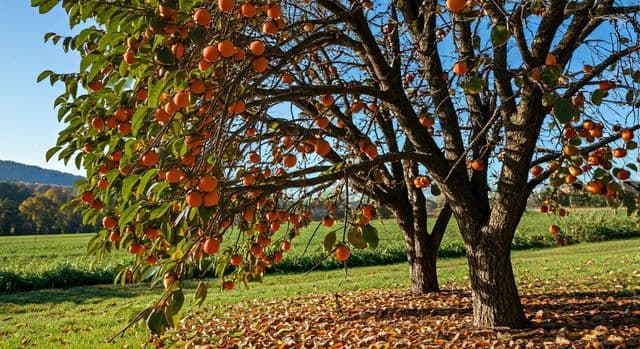
American persimmon: identifying ripeness across USDA zones 4-9
Identify ripe American persimmons across USDA zones 4-9 using visual, tactile, and environmental cues to avoid astringency and enjoy this wild edible.
Topic
Growing fruit trees at home — choosing varieties for your USDA zone, planting bare-root and container stock, pruning for shape and yield, pollination partners, and troubleshooting common problems from blossom drop to biennial bearing.
145 articles in this topic on agripure. — page 1 of 7
Identify ripe American persimmons across USDA zones 4-9 using visual, tactile, and environmental cues to avoid astringency and enjoy this wild edible.
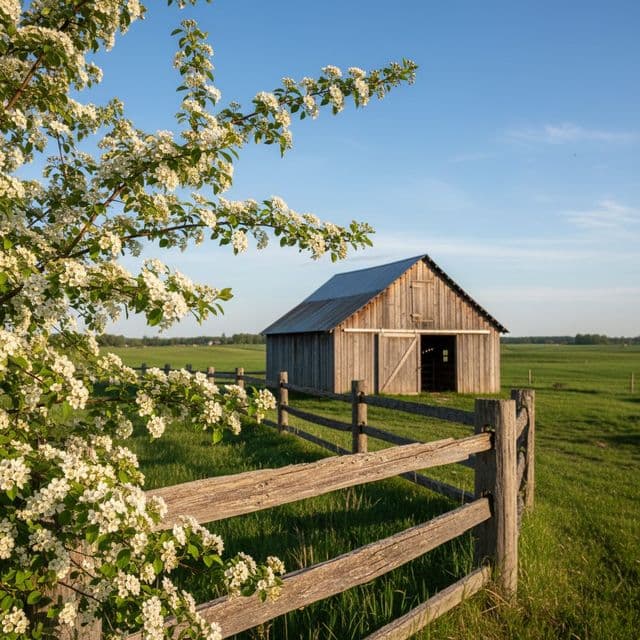
Discover serviceberry (Juneberry/Saskatoon), the versatile native berry thriving across US zones 2-9. Learn cultivation essentials for this resilient, high-yield plant.
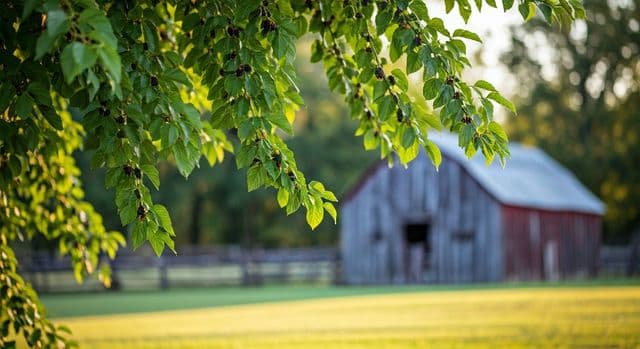
Discover how to identify and harvest wild mulberries across US zones. Learn species, ripening times, and ethical foraging tips for this abundant, messy roadside treasure.
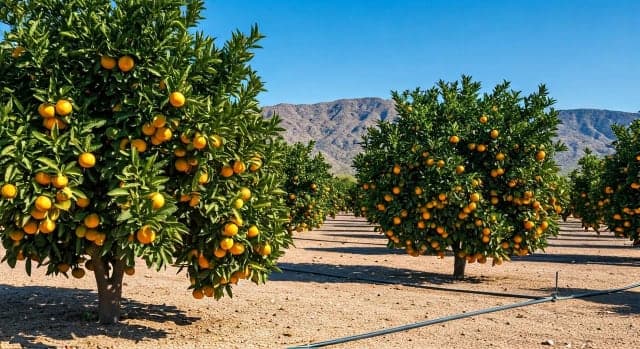
Fix iron chlorosis and alkaline water lockup on Southwest citrus in pH 7.8–8.5 caliche soils: why broadcast sulfur fails, localized auger acid-bands, Fe-EDDHA + spring Zn/Mn foliar sprays, meq/L wa…
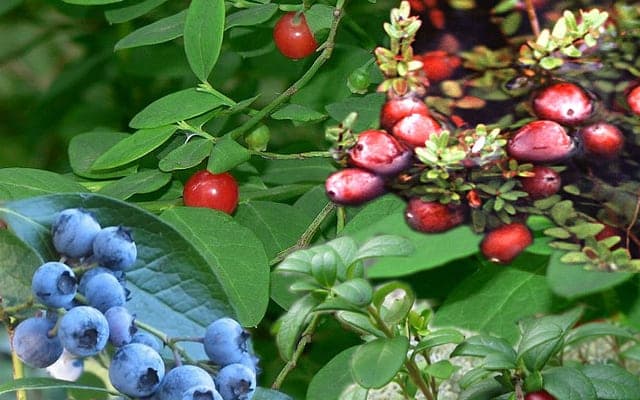
Master blueberry pH management in Western US alkaline soils. Learn strategies like raised beds, sulfur amendments, and container growing to achieve ideal acidity for thriving blueberry plants.
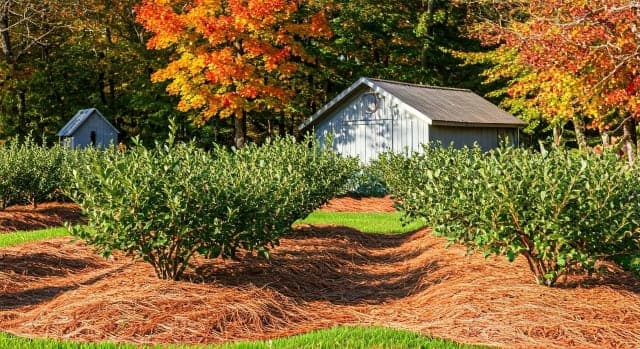
Acidifying soil for blueberries to pH 4.5-5.5 requires soil testing, elemental sulfur, peat moss, and regular pH monitoring in USDA zones 5-9.
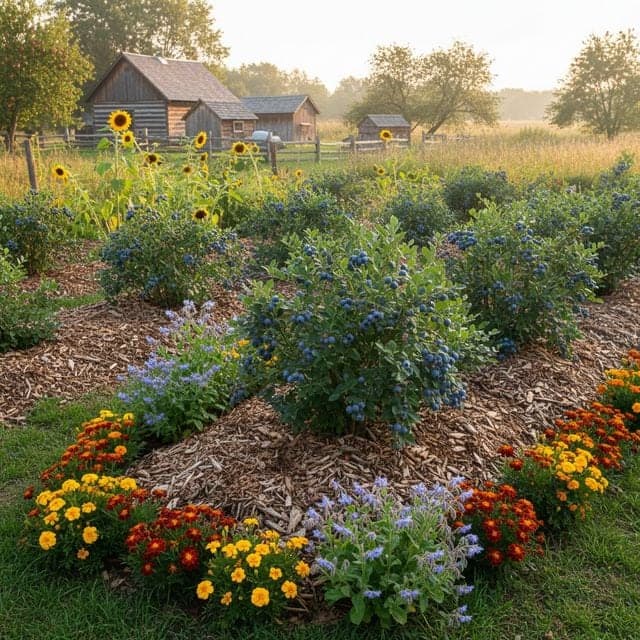
Build a science-backed US blueberry guild across Zones 3–10: pH 4.2–5.2 soil and pine-bark raised beds, sand-loam-clay sulfur tables, ammonium feeding, banned amendments, and cross-pollination pairs.
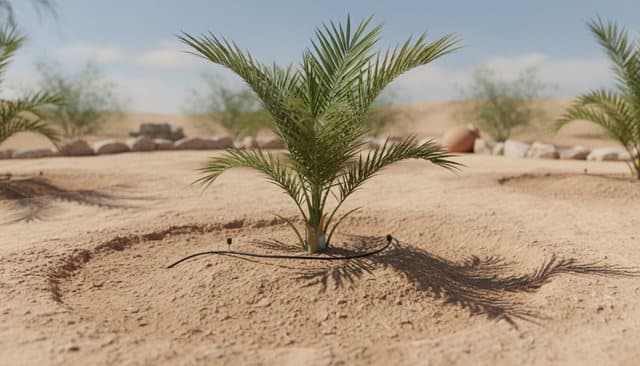
Grow date palms in the Gulf home garden with proper offshoot planting, deep infrequent irrigation, manual pollination, and red palm weevil protection.
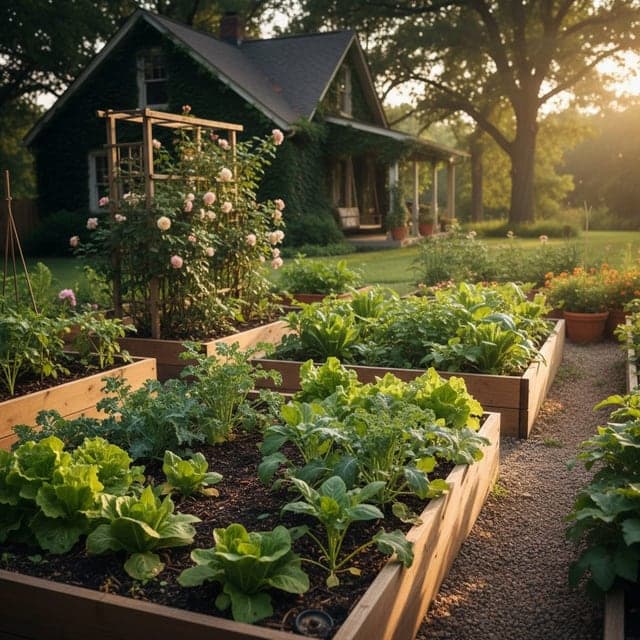
Master Ficus carica propagation. Learn key indicators for water root maturity, prevent transplant shock, and achieve high success rates when potting up fig cuttings in USDA Zone 7.
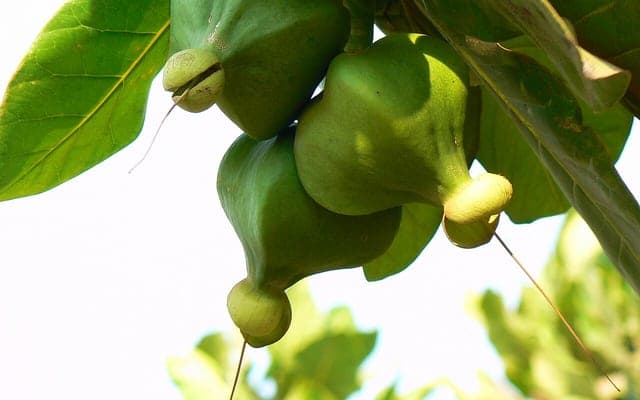
Clone true-to-type figs, pomegranates, mulberries, citrus, and subtropical fruit trees on the parent branch with clean cambium scraping, wrung-out sphagnum moss, aluminum-foil solar shielding, and…
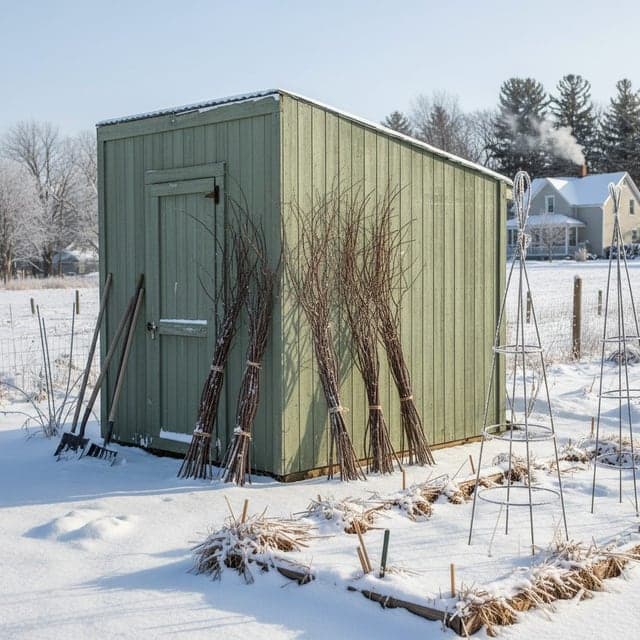
Learn to root fig, mulberry, currant, and grape hardwood cuttings in USDA zones 5-9. Achieve high success rates, save money, and expand your garden with this guide.
Learn effective strategies to protect your backyard berries in USDA Zone 6 from common pests like birds, spotted wing drosophila (SWD), and Japanese beetles. Implement netting, sanitation, and IPM…
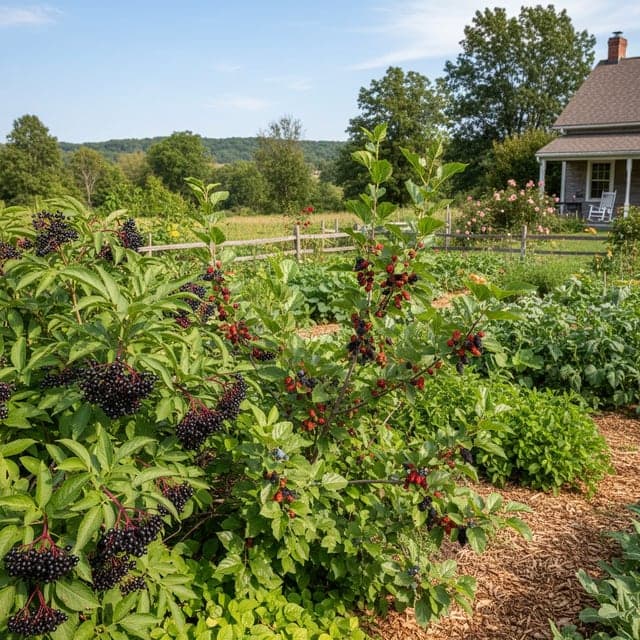
Plant a low-input US native berry guild across Zones 2–9: reconcile American elderberry cyanogenic safety and home-canning rules, separate native Red Mulberry (Morus rubra) from invasive White Mulb…
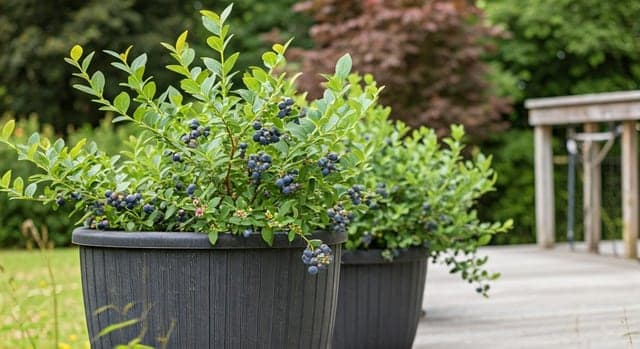
Alkaline soil? Grow blueberries in containers. Learn how to select pots, create acidic soil mixes, and care for thriving blueberry plants, even in challenging USDA zones.
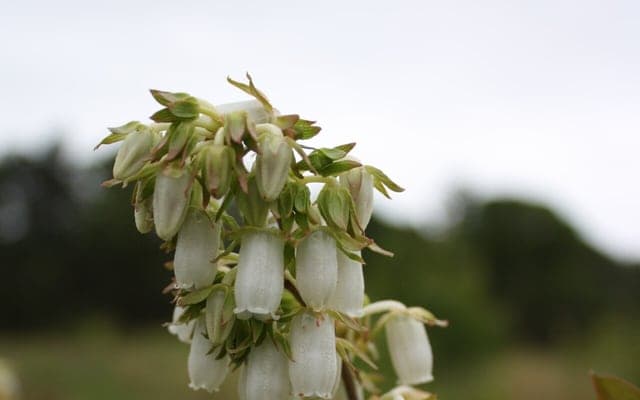
Discover the best blueberry varieties—Northern Highbush, Rabbiteye, Southern Highbush—for your USDA zone. Learn about chilling hours, soil pH, and care for a bountiful harvest.
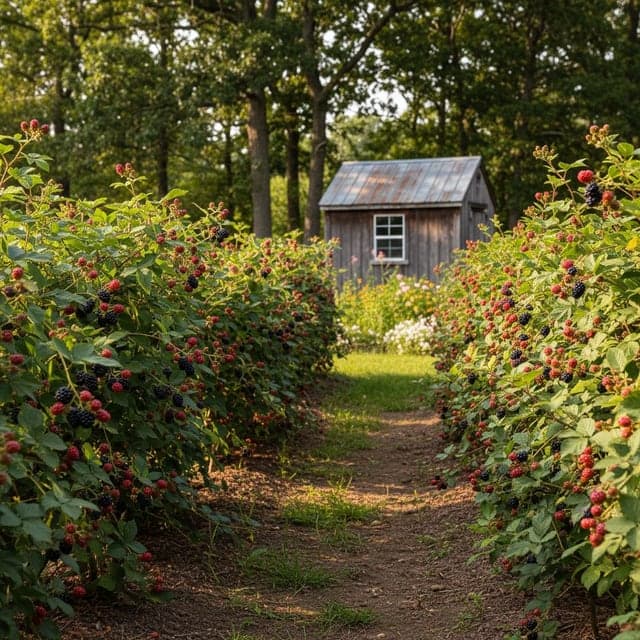
Master growing thornless blackberries for abundant harvests. This guide covers types, planting, pruning, and care for US home growers to achieve 10-15 lbs per plant annually.
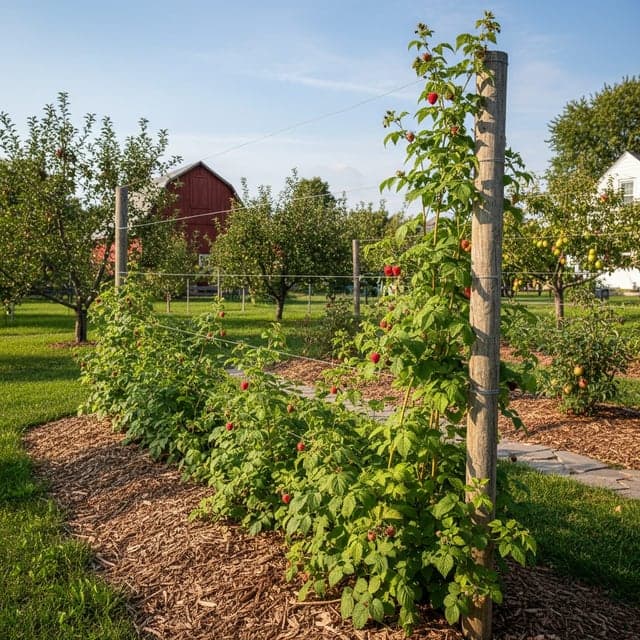
Master raspberry pruning and trellising for summer-bearing & everbearing varieties. Learn techniques to boost yields, improve plant health, and simplify harvest for abundant berries.
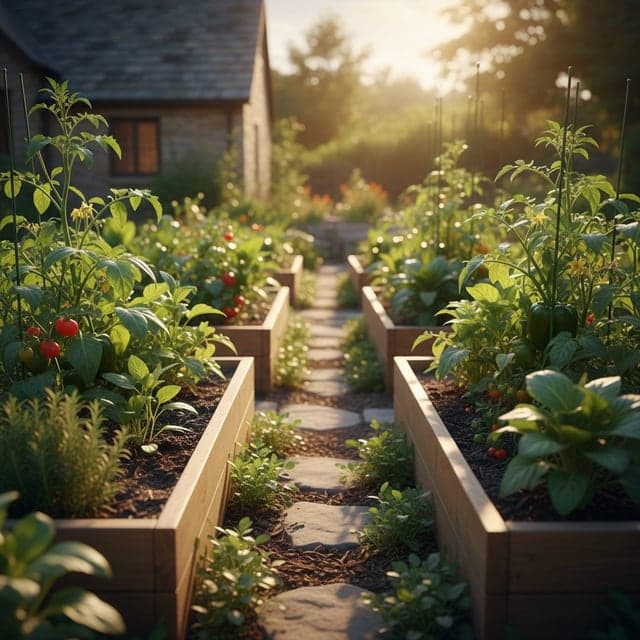
Growing blueberries in USDA Zone 5: manage soil pH (4.5-5.5) with sulfur and peat moss for nutrient uptake and a 20% yield boost, and select varieties suited to your climate.
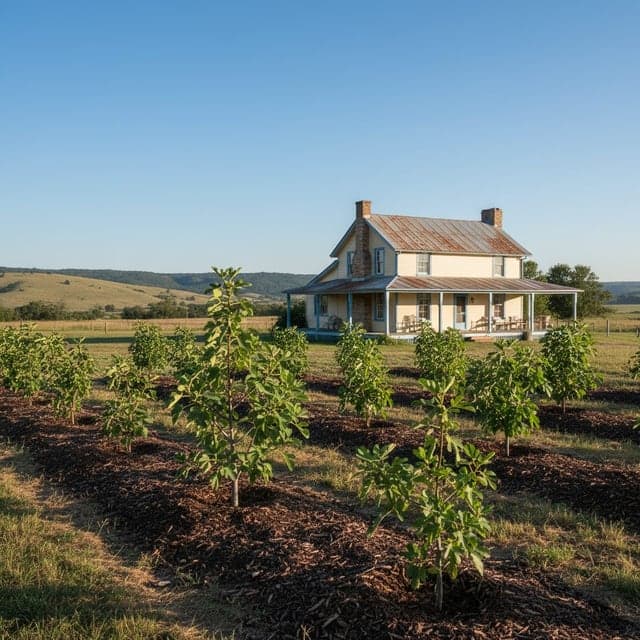
Pair cold-hardy figs ('Chicago Hardy', 'Ronde de Bordeaux', 'Marseilles Black VS') with Russian pomegranates ('Salavatski', 'Kazake', 'Sverkhranniy') in USDA Zones 6a–7b. Master south brick-wall si…
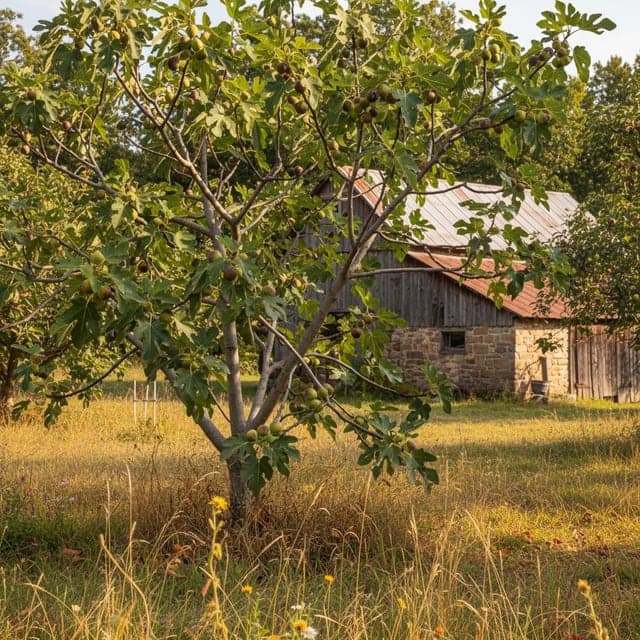
Prevent fig fruit drop in USDA Zone 7. Learn common causes like inconsistent watering, nutrient imbalances, and pests. Discover solutions for a bountiful fig harvest.
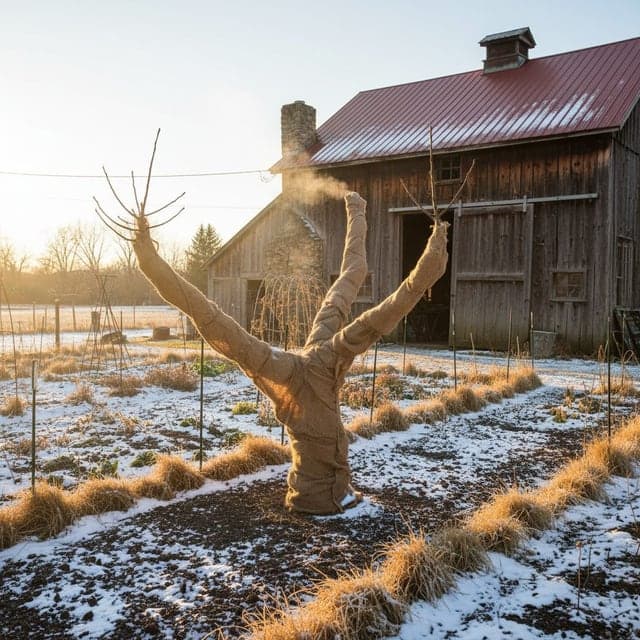
Protect Ficus carica across USDA Zones 4–7b: dormant wood thresholds, breba vs. main-crop nodes, 4 winter systems, spring unwrap rules, and fig-sap burn PPE.
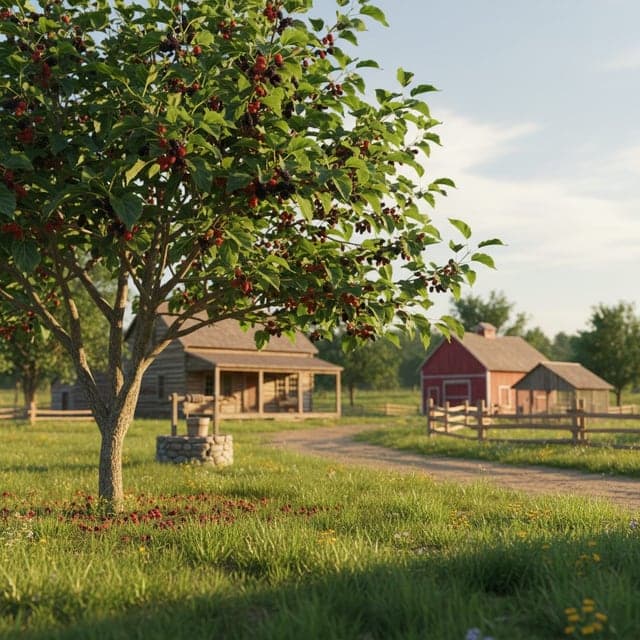
Keep mulberry trees at a pickable 6–8 ft for multiple summer crops across US USDA Zones 4–10 using safe low-invasion hybrids, sap-timed pruning, >=20–30 ft root setbacks, and latex/unripe berry saf…
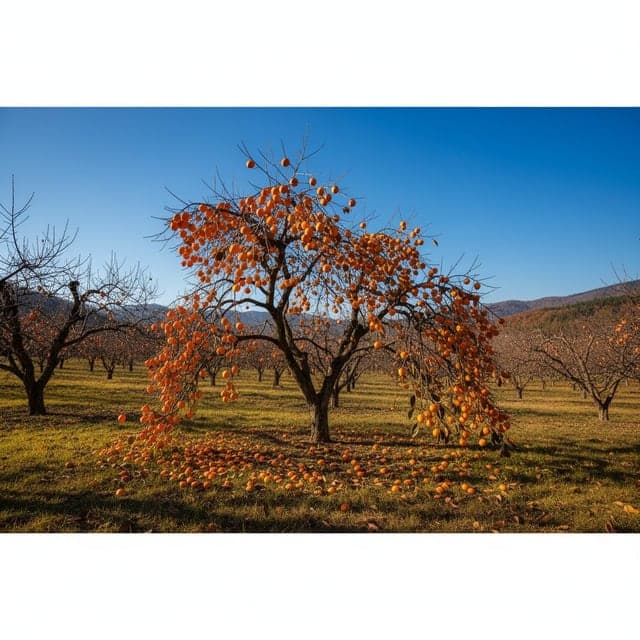
Grow American (Diospyros virginiana, Zones 4–9) and Asian (D. kaki, Zones 7–10) persimmons: PCNA, PVNA, and PCA classes, rootstocks, nitrogen restraint, bletting, CO2/ethanol de-astringency, and di…
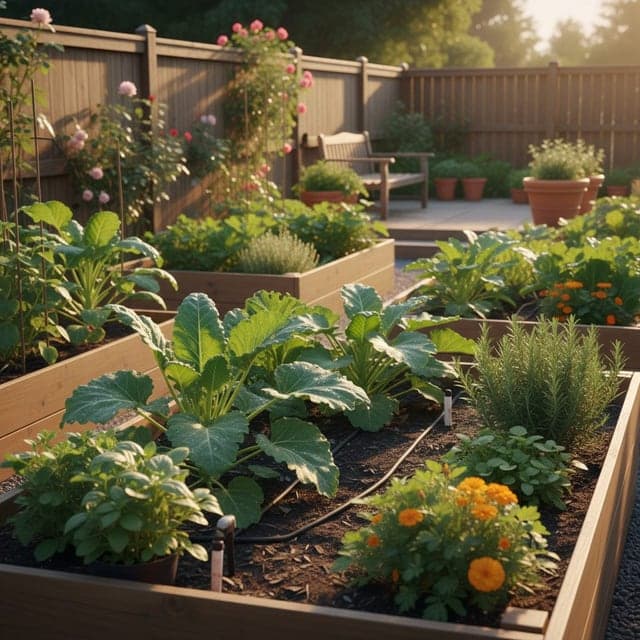
Learn how to effectively prune fig trees in US Zone 7 for a heavier breba and main crop. Discover timing, techniques, and structural tips to boost your fig harvest.