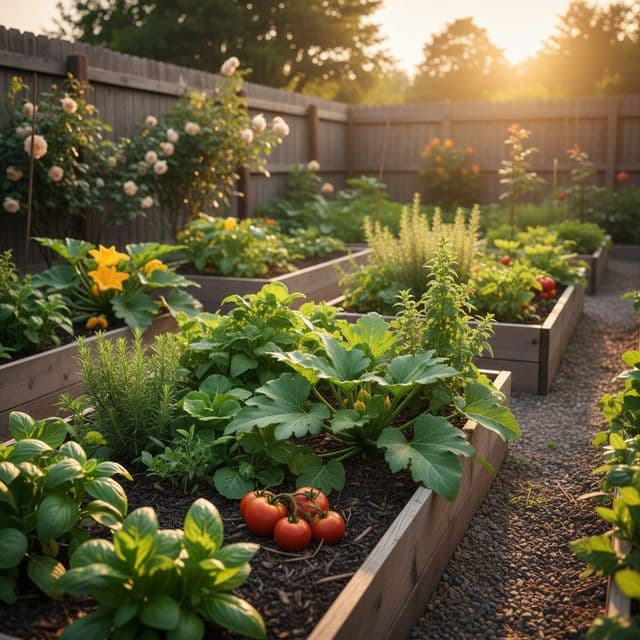
Adjusting Soil pH for Blueberries in USDA Zone 6
Learn how to adjust soil pH for acid-loving plants like blueberries in USDA Zone 6. Discover soil testing methods, effective amendments like elemental sulfur, and tips for optimal plant health.
Tag
150 articles in this tag on agripure. — page 1 of 7
Learn how to adjust soil pH for acid-loving plants like blueberries in USDA Zone 6. Discover soil testing methods, effective amendments like elemental sulfur, and tips for optimal plant health.
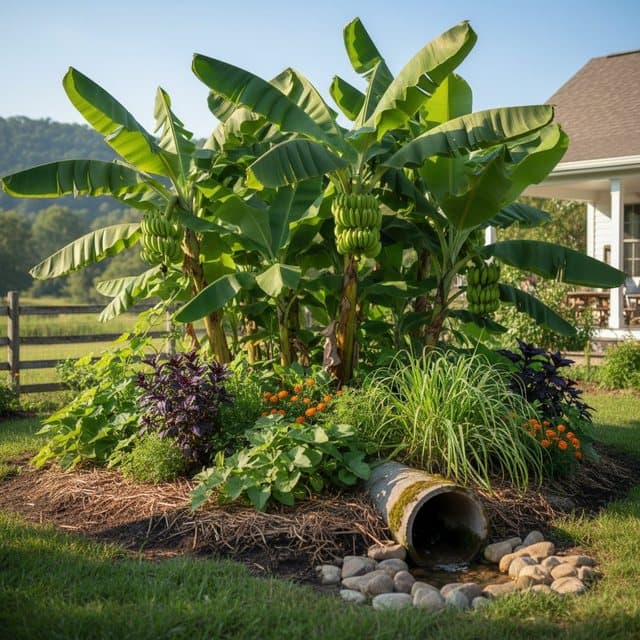
Learn to build a banana circle for greywater recycling and growing heat-loving crops in USDA Zones 8-10. Enhance soil fertility and reduce water use.
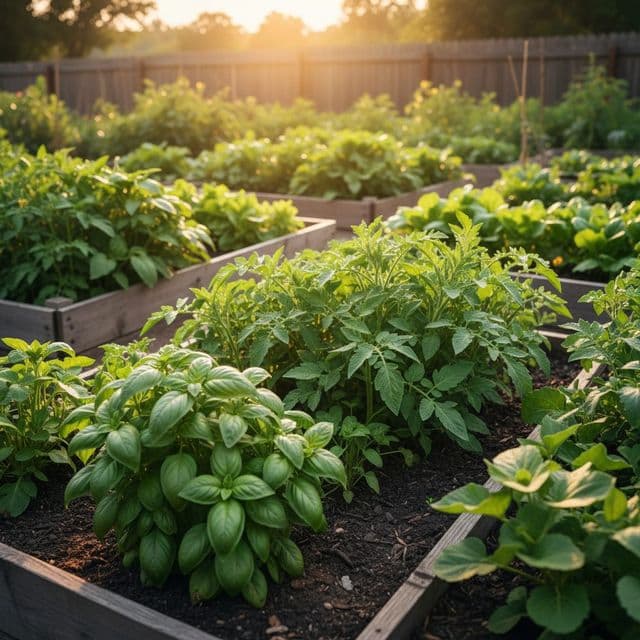
Discover how permaculture plant guilds create self-supporting ecosystems, reducing inputs and boosting productivity. Learn to design resilient guilds for your USDA Zone 6 homestead.
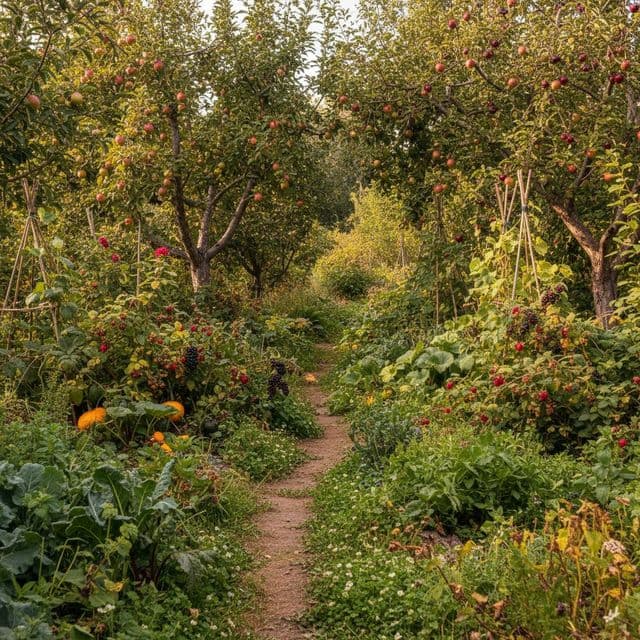
Learn how to start a food forest in your US backyard. This guide covers 7-layer permaculture design, site assessment, and plant selection for USDA zones 3-9 to create a resilient, bountiful ecosystem.
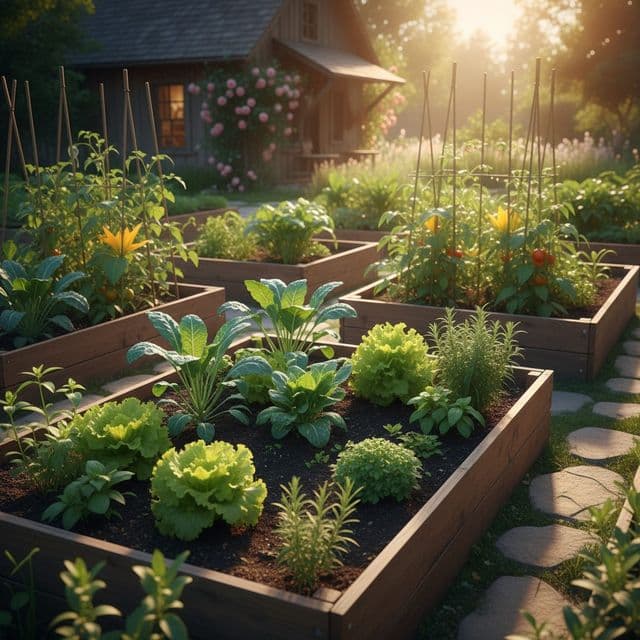
Learn to grow resilient elderberry in US gardens, thriving in USDA zones 3-9. Discover varieties, planting, and care for abundant harvests of this medicinal plant.
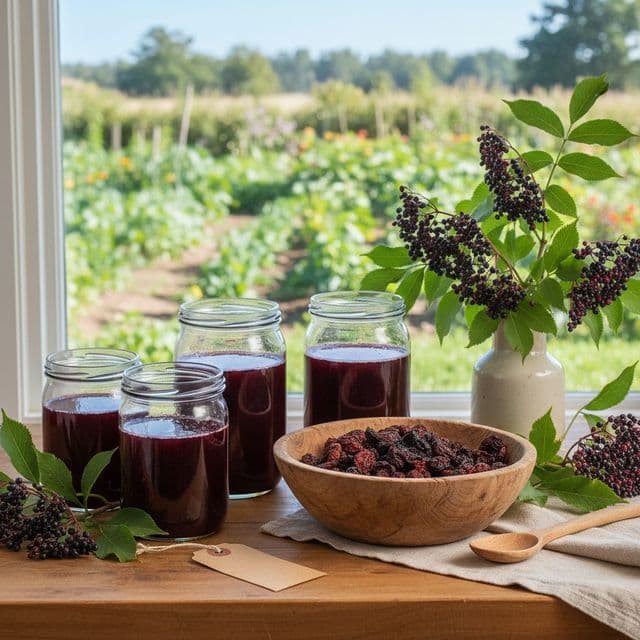
Learn to craft elderberry oxymel with a 3:1 honey-to-vinegar ratio. Grow and harvest elderberries in USDA zones 3-9 for immune support. Includes planting, drying, and recipe.
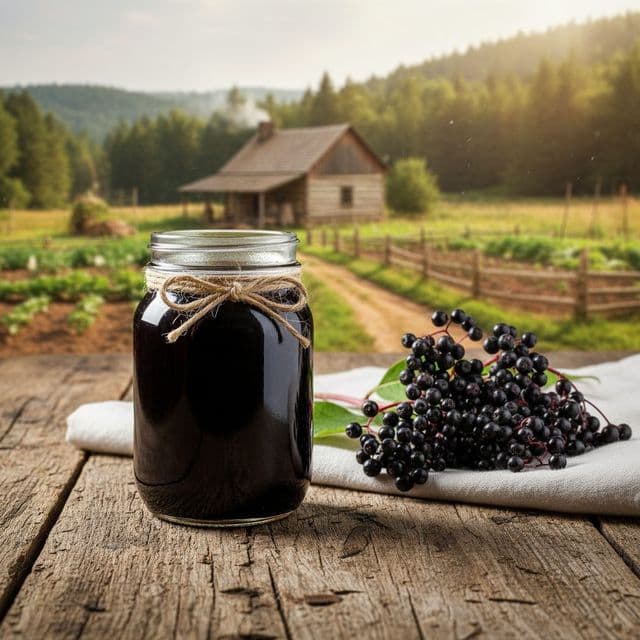
A guide to growing, harvesting, and preparing elderberry syrup for cold and flu season, covering planting, ethical foraging, cooking methods, and storage.
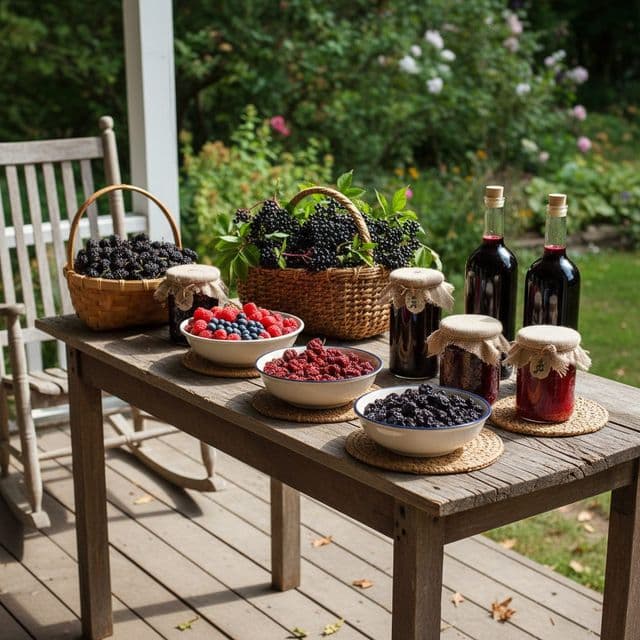
Learn time-tested no-freezer berry preservation methods for USDA Zone 6 homesteaders. Dehydrate, ferment, or make sugar preserves to enjoy your harvest year-round.
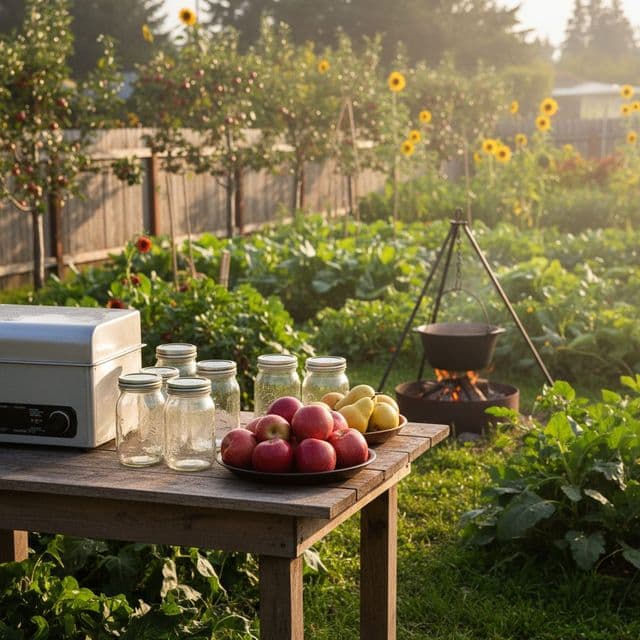
Learn practical methods for preserving apples and pears from abundant harvests in the Pacific Northwest. Extend your fruit’s usability for 6-12 months with dehydrating, canning, and root cellaring.
What to plant in December across the United States, detailed by USDA hardiness zones from northern indoor sowing to southern cool-season direct seeding.
Grow date palms in the Gulf home garden with proper offshoot planting, deep infrequent irrigation, manual pollination, and red palm weevil protection.
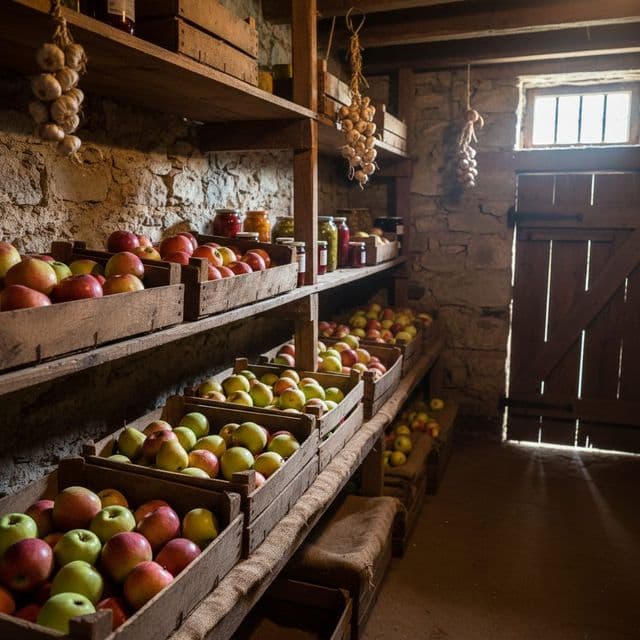
Master long-term fruit storage for apples & pears in USDA zones 5-7. Learn optimal temperatures, humidity, and variety selection to keep your harvest fresh for months, reducing waste.
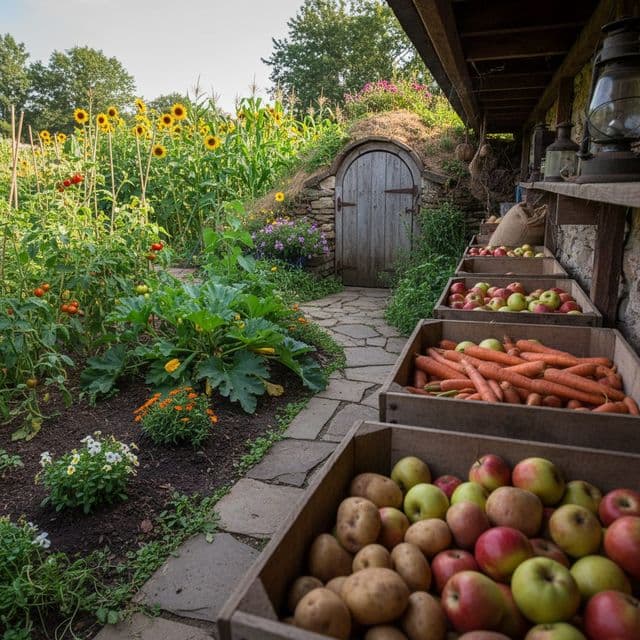
Master garden produce storage by understanding optimal temperature and humidity. Learn how to store root vegetables, onions, apples, and more for extended shelf life, preventing spoilage and mainta…
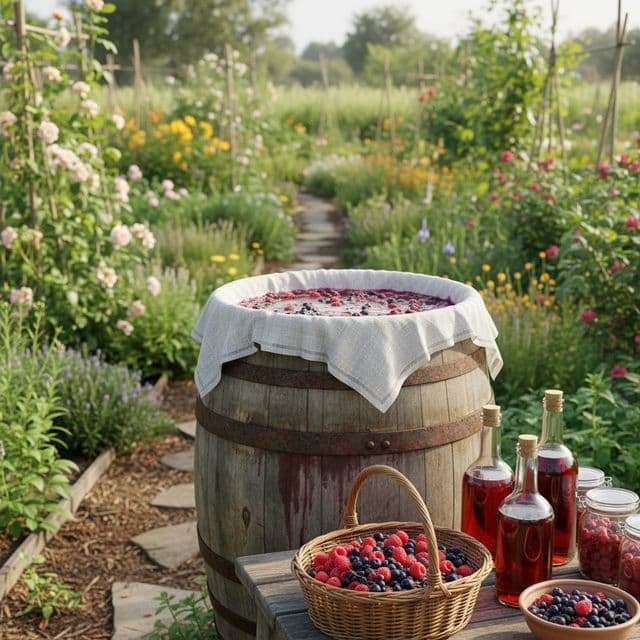
Transform excess berries into delicious homemade fruit vinegar. Learn a simple, two-stage fermentation process to preserve fruit gluts, reduce waste, and create a versatile pantry staple in USDA Zo…
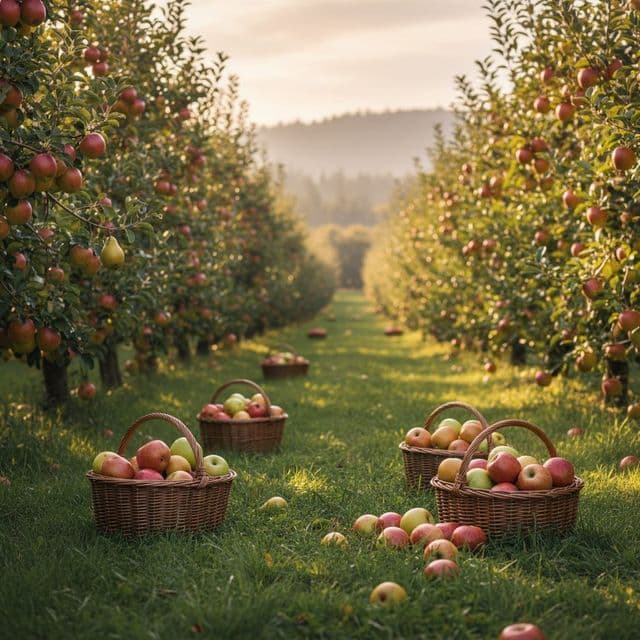
Learn how to dehydrate apples, pears, and stone fruit for year-round storage in USDA Zone 6. Preserve your harvest, reduce waste, and enjoy nutrient-dense snacks. Get tips on fruit selection, prepa…
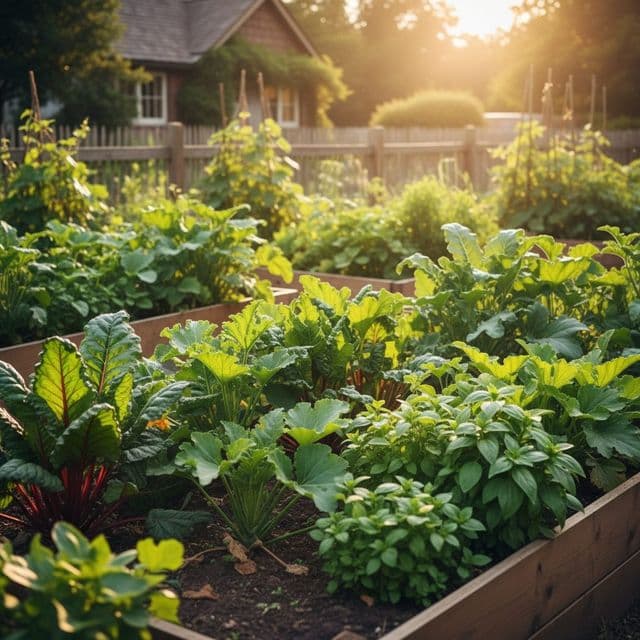
Successfully overwinter container plants in USDA Zones 4-6. Learn how to select cold-hardy perennial herbs & crops, insulate pots, and provide proper care for winter survival.
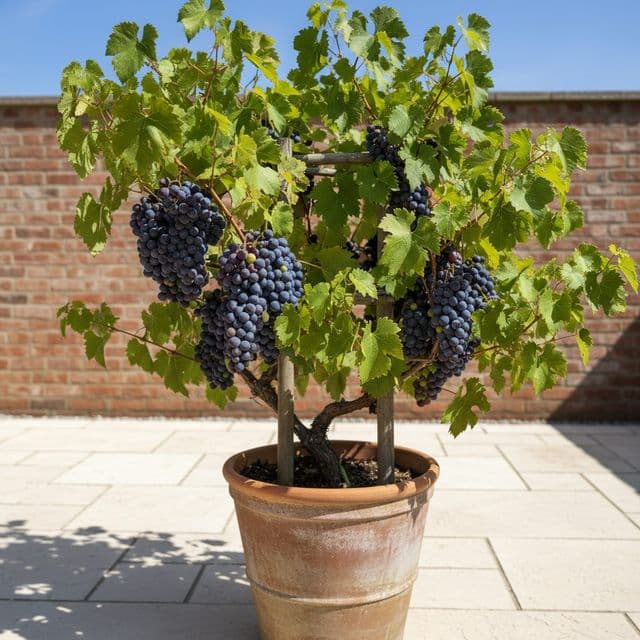
Learn to grow ‘Concord’ grapevines in 20-gallon containers on your patio, even in USDA Zone 6. Get tips on variety selection, potting mix, pruning, and winter protection for a bountiful harvest.
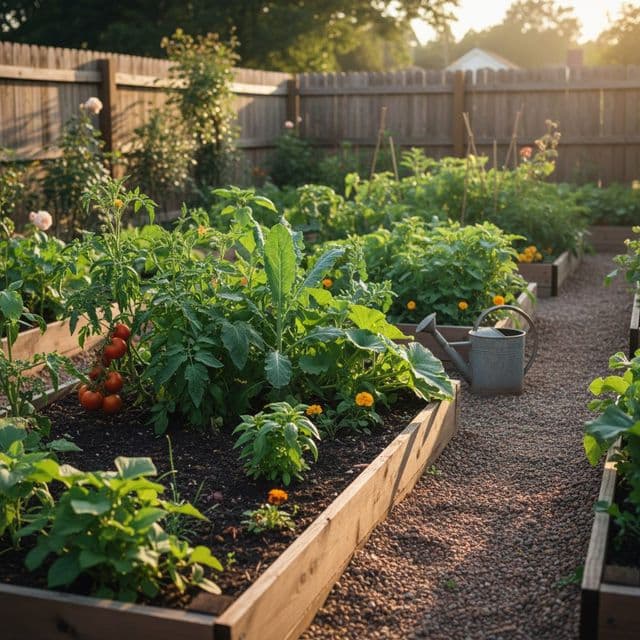
Dividing perennial edibles like rhubarb and asparagus rejuvenates plants, prevents overcrowding, and boosts garden productivity by 25% across USDA zones 4-8.
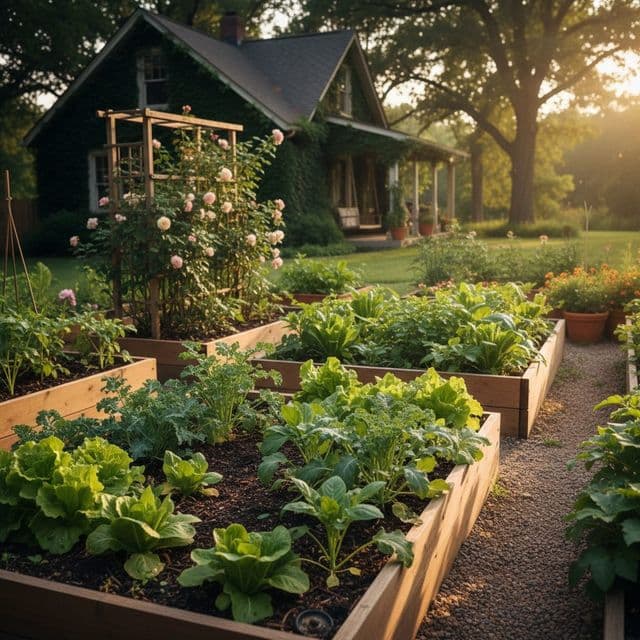
Master Ficus carica propagation! Learn key indicators for water root maturity, prevent transplant shock, and achieve high success rates when potting up fig cuttings in USDA Zone 7.
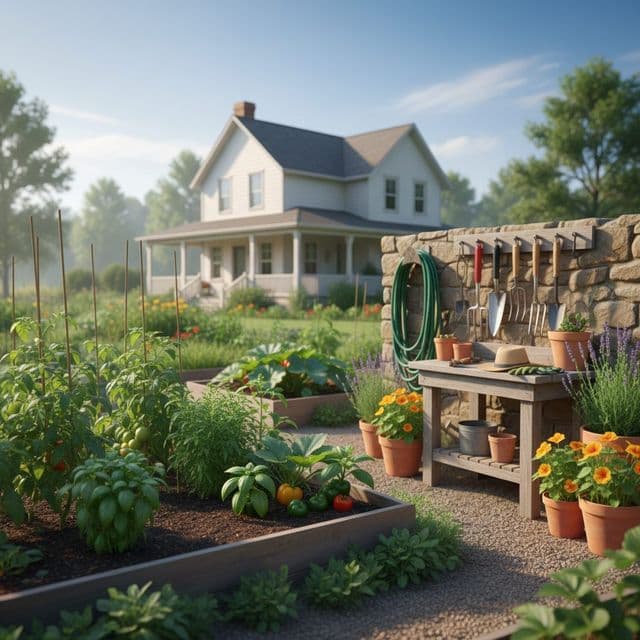
Master plant propagation methods for your garden. Learn about cuttings, air layering, and grafting to expand your plants, save money, and enhance gardening skills in USDA Zone 7.
How to air layer fruit trees including figs, apples, citrus, and persimmons, covering branch preparation, rooting media, timing, and potting.
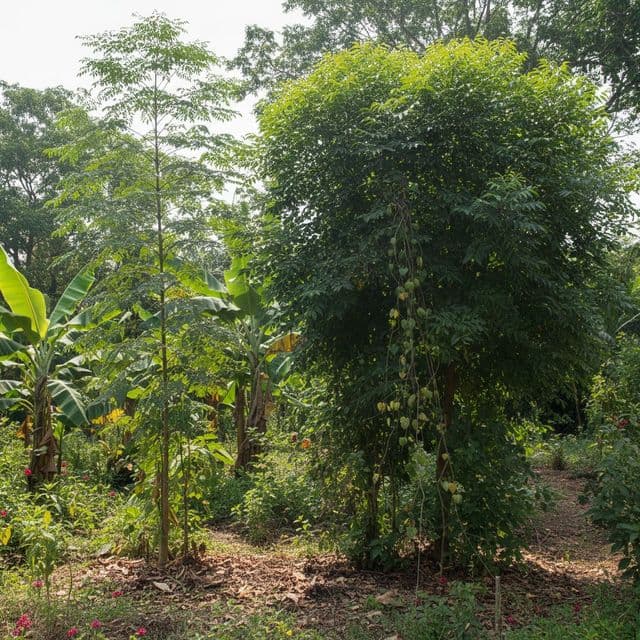
Learn how to air layer woody plants like fruit trees and shrubs using sphagnum moss. This reliable propagation method works well in USDA zones 6-10, yielding mature plants faster.
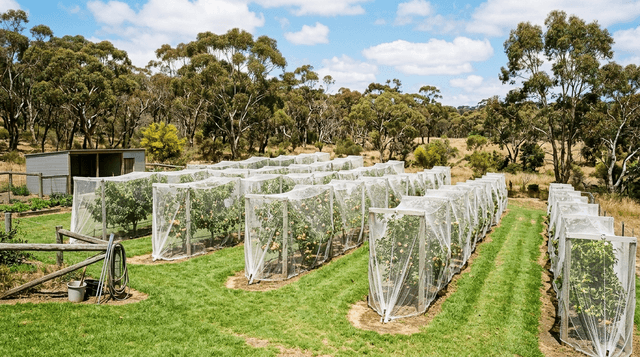
Managing fruit fly in Australia relies on physical exclusion netting and pheromone monitoring traps to prevent Queensland and Mediterranean fruit flies from destroying domestic orchard crops.
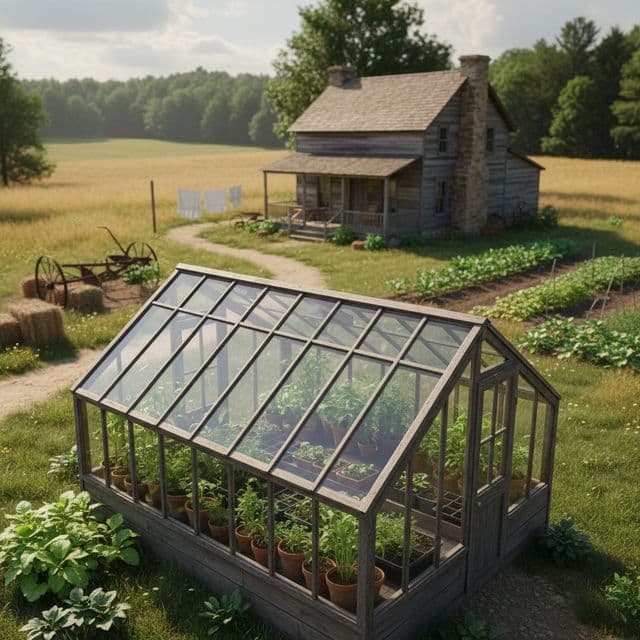
Increase plant cutting success by 30-50% with a simple DIY humidity dome. Learn essential components, setup tips, and why high humidity is crucial for successful rooting and propagation.