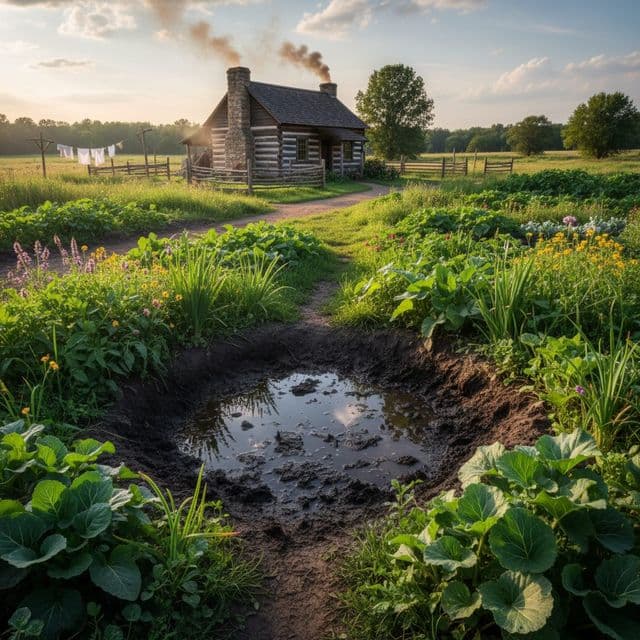
Plants for Poorly Drained Soil: Improve Garden Health
Struggling with wet garden spots? Discover how to select the best plants for poorly drained soil. Learn strategies to improve drainage & cultivate a thriving garden.
Topic
Soil building covers the materials and methods that develop biologically active soil: organic fertilizers, compost application rates, mulch types and depths, and the microbial communities that process them. Articles treat soil as a living system — explaining what feeds it, what harms it, and how to measure improvement over successive seasons.
201 articles in this topic on agripure. — page 1 of 9
Struggling with wet garden spots? Discover how to select the best plants for poorly drained soil. Learn strategies to improve drainage & cultivate a thriving garden.
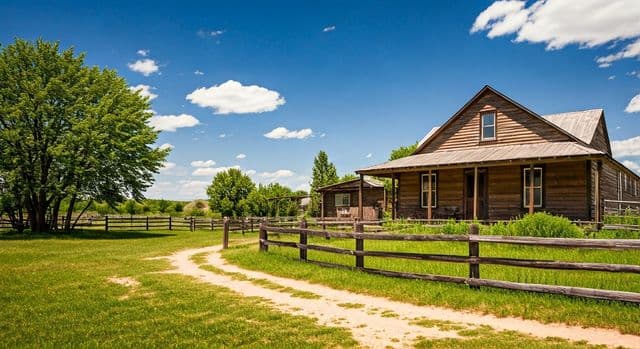
Discover the best plants for erosion control and slope stabilization in US Zone 6. Learn how root structures, site conditions, and bioengineering protect your land effectively.
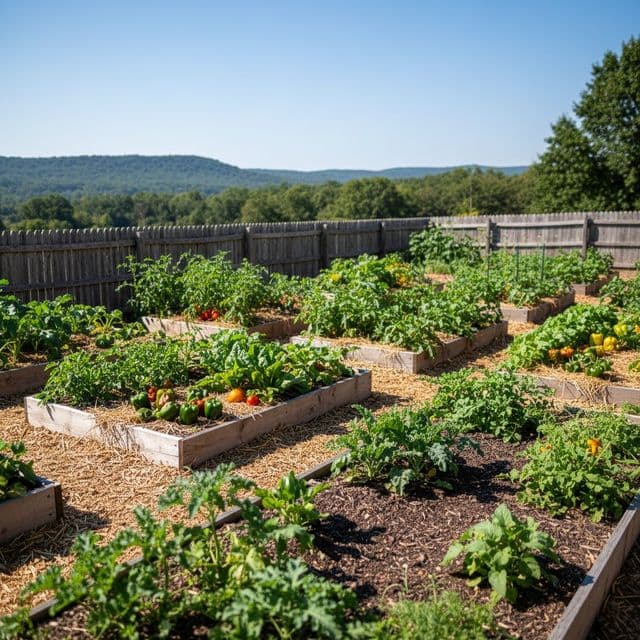
Unlock your garden’s potential with organic soil amendments. Learn how to interpret soil tests, adjust pH, and apply amendments effectively for thriving home gardens in USDA Zone 6.
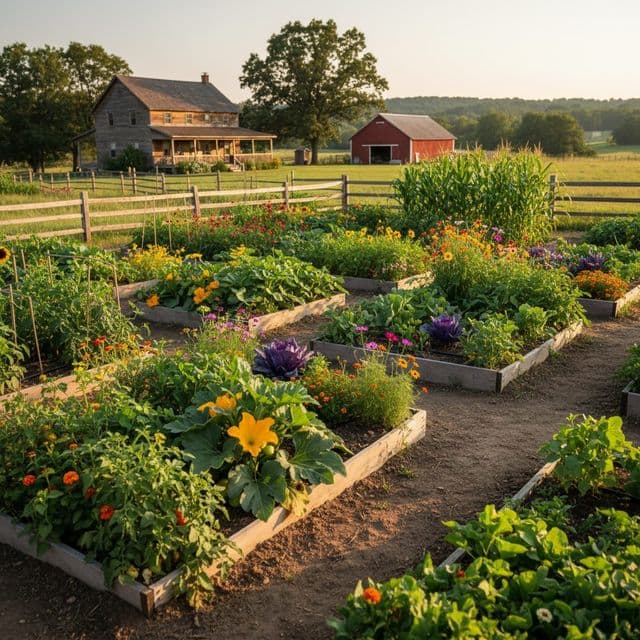
How to fix three common US garden soils (heavy clay, droughty sand, and compacted lawn beds): diagnostic steps, organic amendments, and aeration techniques.
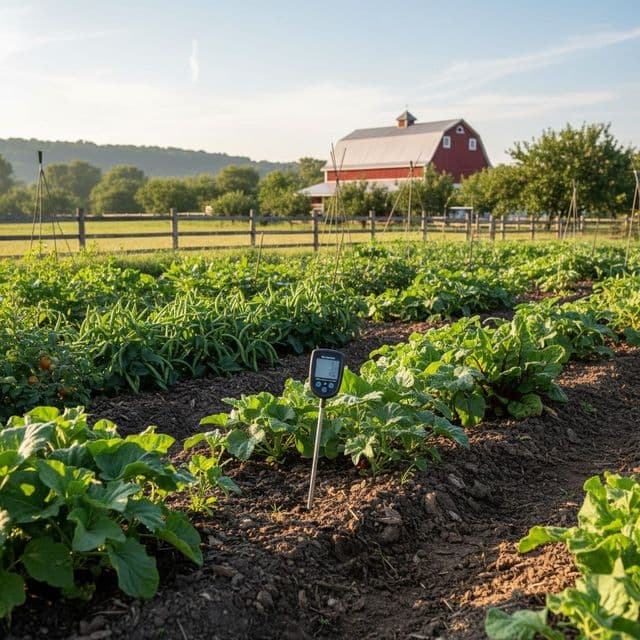
How to collect soil samples, select a testing lab, and interpret pH, NPK, and micronutrient reports for a USDA Zone 6 garden.
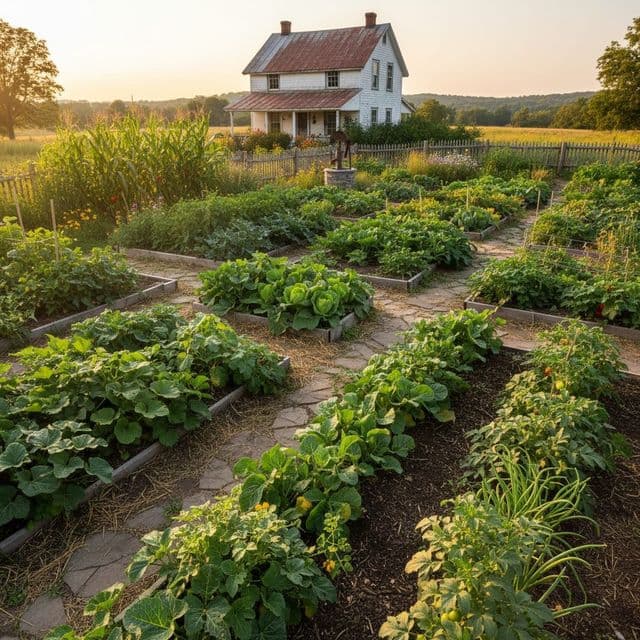
Learn the optimal soil pH for vegetable gardens, how to test soil accurately, and apply amendments like lime or sulfur for thriving plants. Get expert tips.
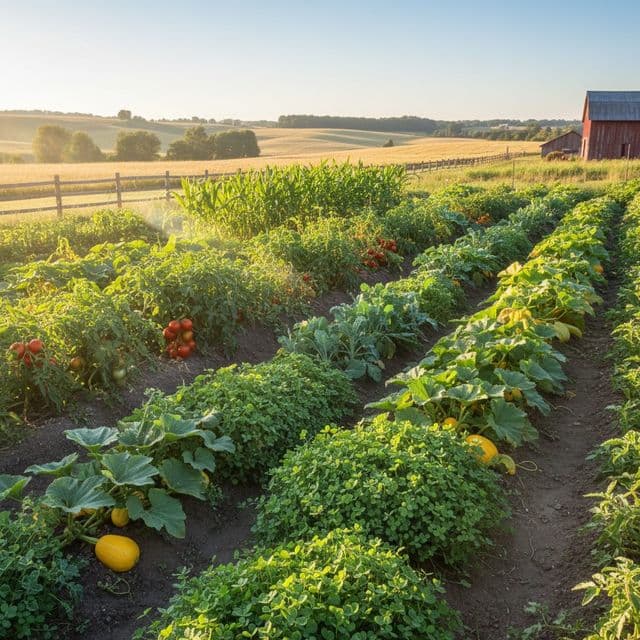
Enhance your USDA zone 6 garden’s soil with green manures and cover crops. Improve fertility, structure, and water retention using permaculture principles for a resilient garden.
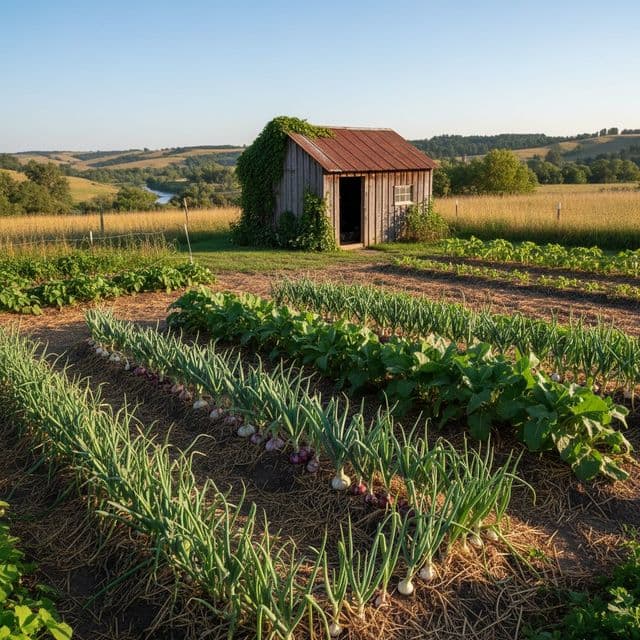
How to grow alliums like onions, garlic, and leeks across US Zones 3-9: planting, care, soil preparation, and harvest timing for home gardens.
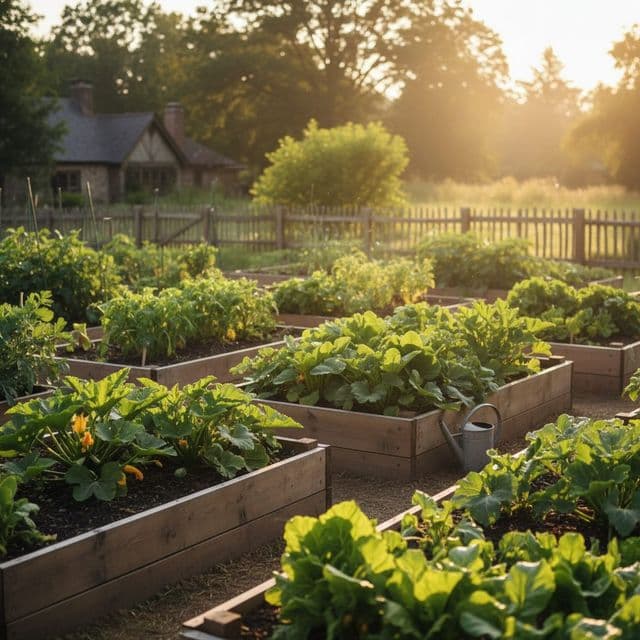
Comfrey contains pyrrolizidine alkaloids that make internal consumption dangerous, while topical use on unbroken skin and garden soil applications remain practical for US gardeners.
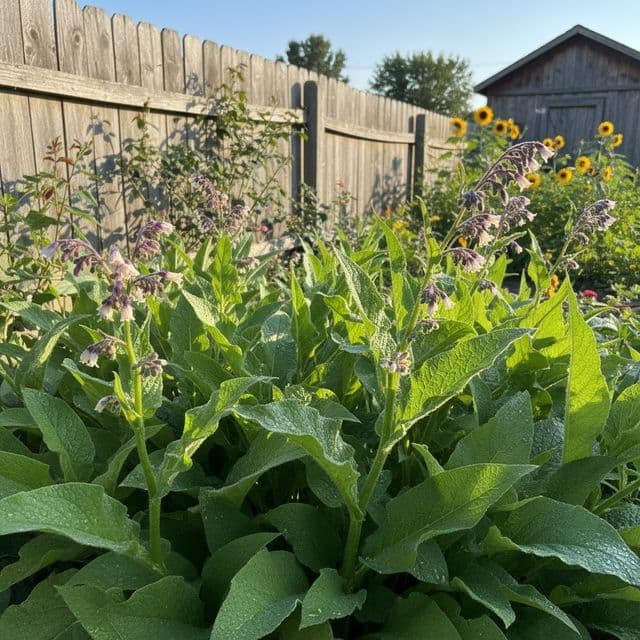
Unlock soil health with Comfrey, a sterile hybrid (Bocking 14) for USDA zones 4-9. Its deep roots mine nutrients, making it a powerful compost activator and water-saving mulch.
Cultivating salt-tolerant halophytes in Gulf gardens allows growers to establish resilient green cover despite highly saline soils and brackish irrigation water.
Building productive soil in Gulf desert sand requires consistent organic matter, heavy windproof mulches, and permanent biochar structures to hold water and nutrients.
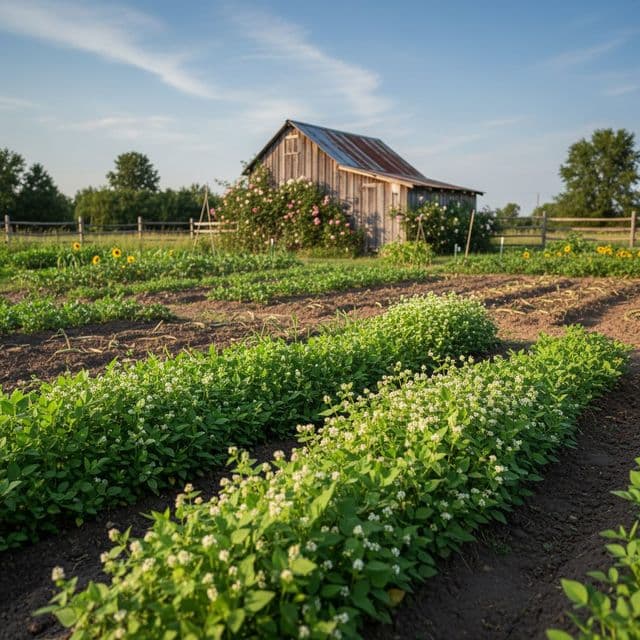
Boost garden soil health with summer cover crops like buckwheat and cowpeas. Learn how these plants prevent erosion, fix nitrogen, and improve organic matter in USDA zones 5-9.
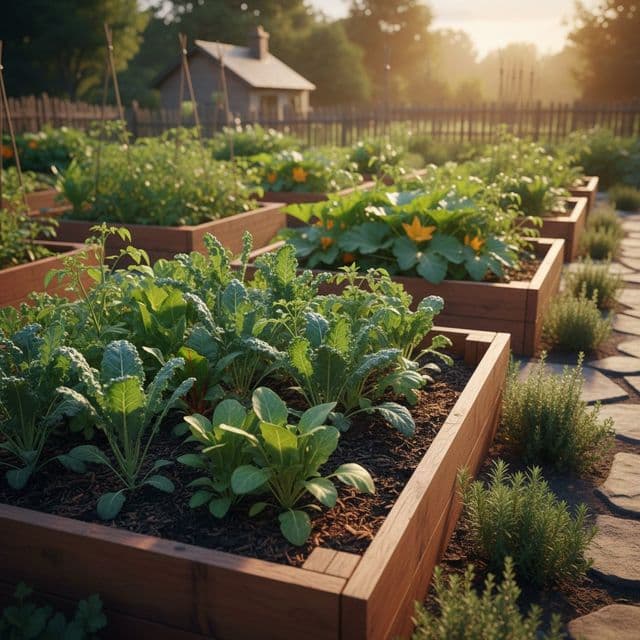
Optimize your homestead’s productivity with strategic crop rotation. Learn how to integrate perennials, cover crops, and heavy feeders for soil health, pest control, and higher yields in USDA zones…
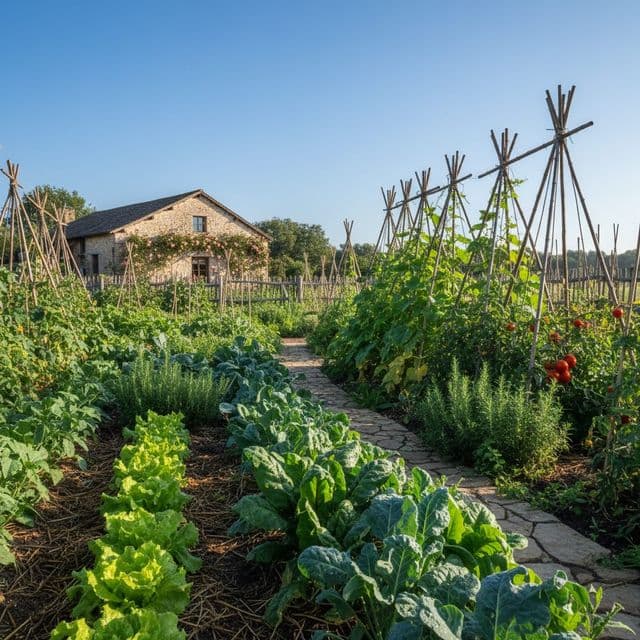
Unlock continuous harvests in USDA Zones 9-10. Learn year-round planting strategies, succession planting, crop rotation, and soil health tips for a productive garden.
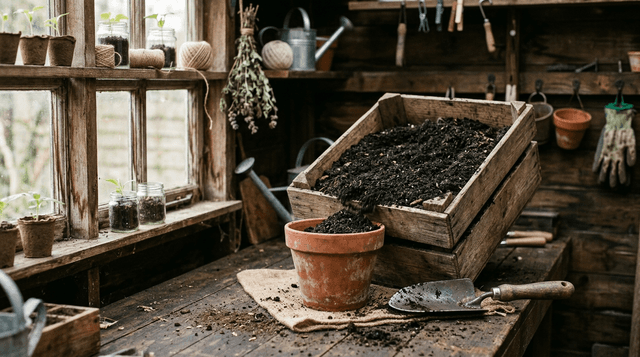
The UK transition to peat-free compost requires adjusting watering and feeding routines, as bark, wood fibre, and coir blends dry out faster on top while retaining core moisture.
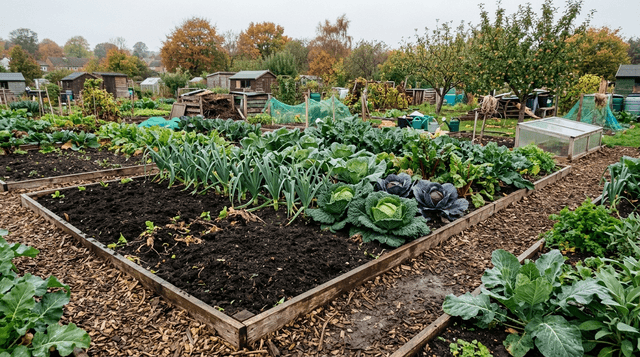
No-dig gardening protects UK soils by layering organic compost over undisturbed ground, improving heavy clay drainage and reducing seasonal weed emergence.
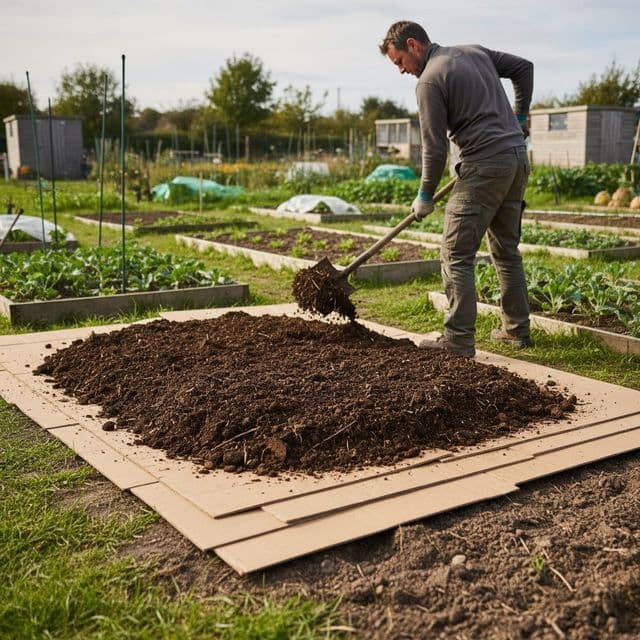
Learn how to properly amend clay, sand, and rocky soils for fruit trees in USDA Zone 6. Avoid over-amending to prevent issues like the ‘bathtub effect’ and root circling, ensuring healthy growth an…
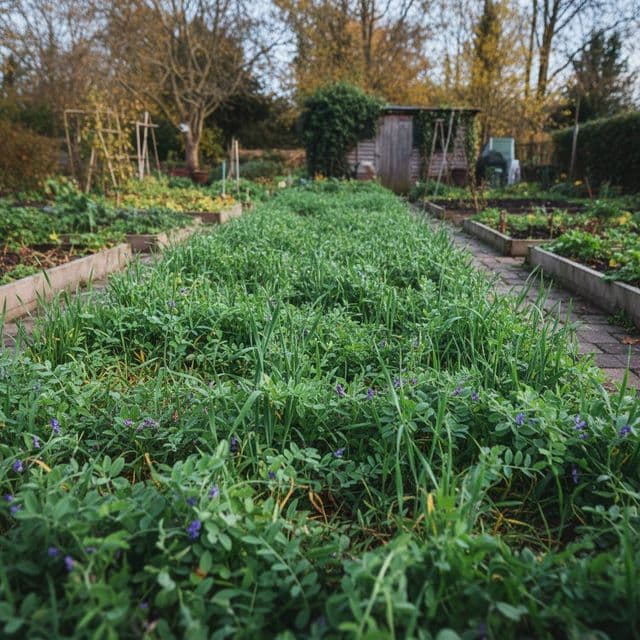
Learn how to choose, sow, and manage winter green manures in the UK to protect bare soil, prevent nutrient leaching, and suppress weeds through wet winters.
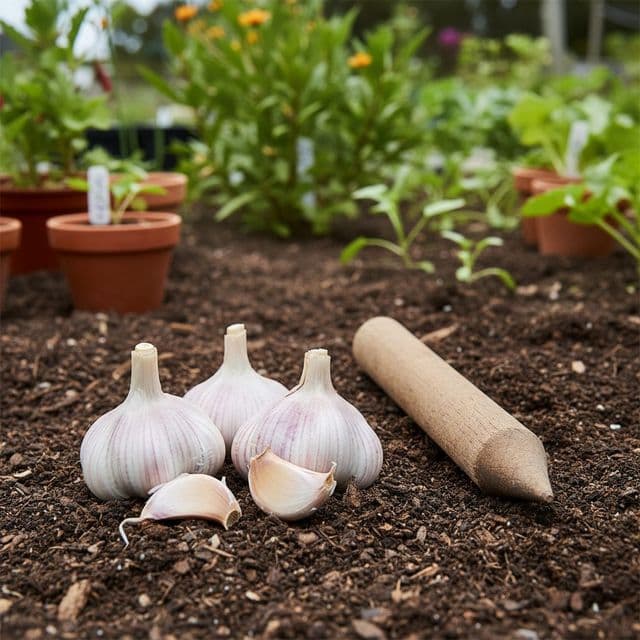
Plant garlic across Australian climate zones, from autumn planting to spring clove care in cool, temperate, and subtropical regions.
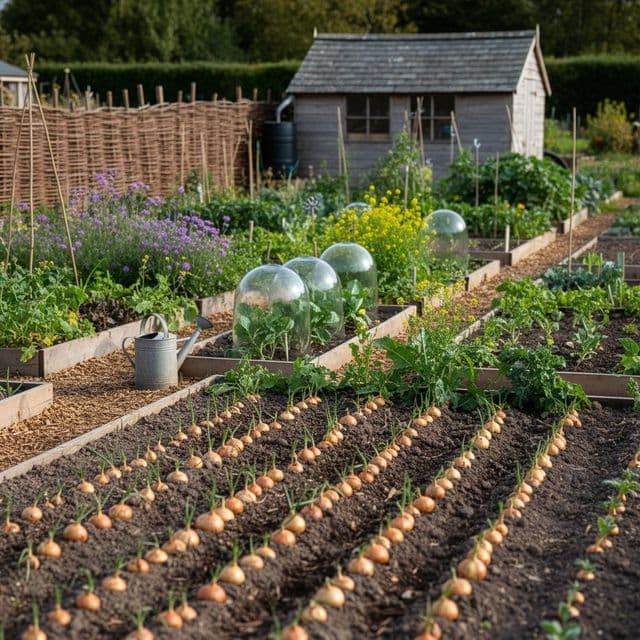
What to plant in September in the UK, from overwintering onion sets and garlic to autumn green manures, spring cabbages, and winter salads.
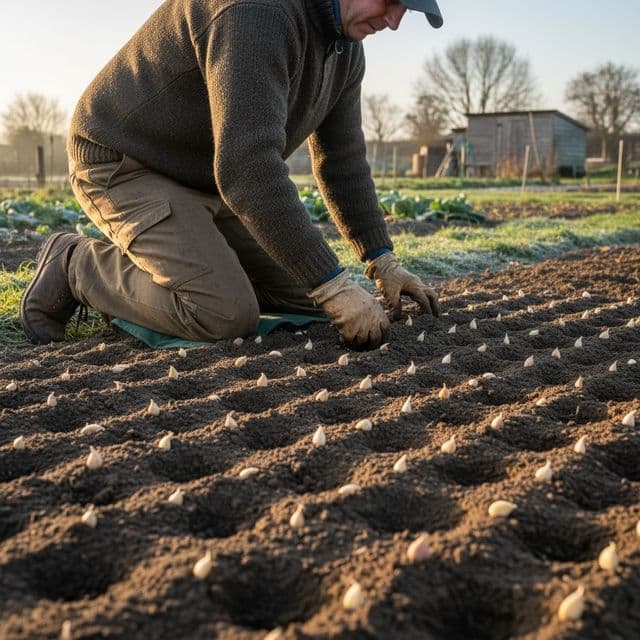
Learn what to plant in October UK gardens and allotments, focusing on garlic cloves, onion sets, overwintering broad beans, and hardy winter salad greens.
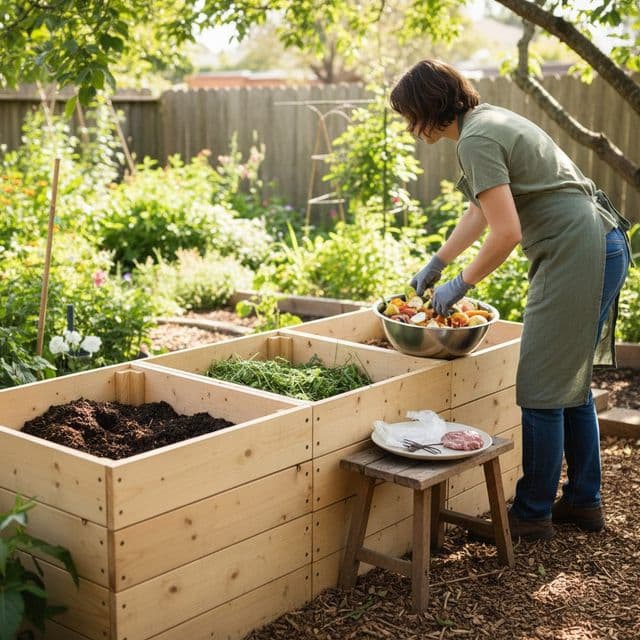
Learn what not to compost in backyard bins. Discover why meat, pet waste, herbicide-treated clippings, and diseased plants ruin compost piles and attract pests.
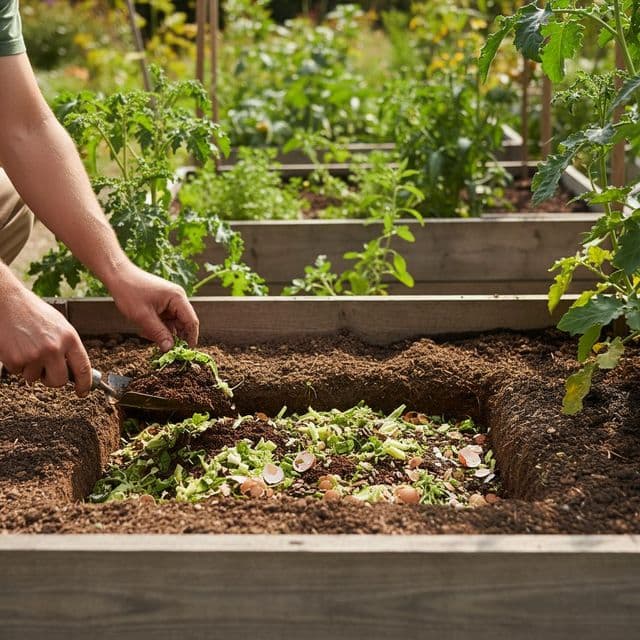
Master trench composting directly in your garden beds. Learn depth requirements, the 3-year rotation system, pest prevention, and soil benefits.