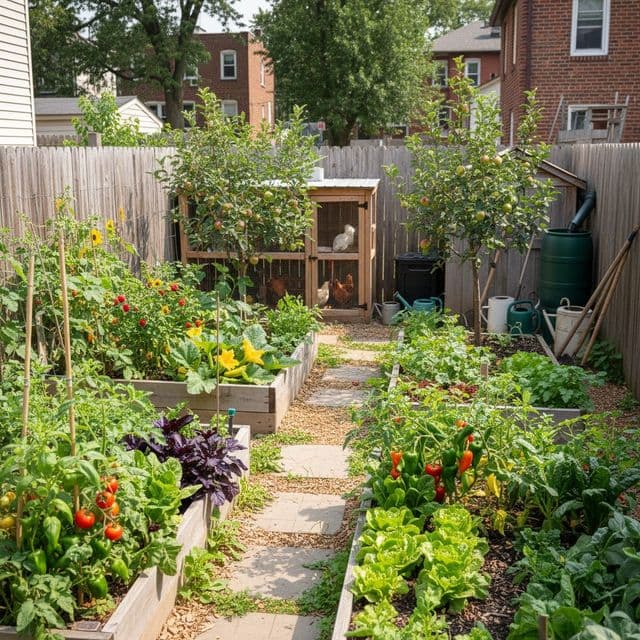
Permaculture design: 1/10 acre city lot in USDA Zone 6
Transform your 1/10 acre city lot in USDA Zone 6 into a thriving permaculture system. Learn to design food forests, build soil, and harvest water for self-sufficiency.
Tag
344 articles in this tag on agripure. — page 1 of 15
Transform your 1/10 acre city lot in USDA Zone 6 into a thriving permaculture system. Learn to design food forests, build soil, and harvest water for self-sufficiency.
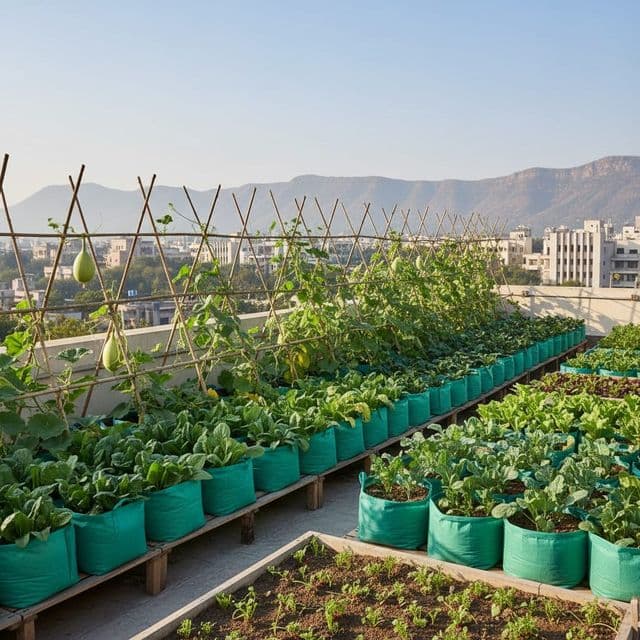
Learn how a year of permaculture site observation can save Midwest growers 25% on initial planting costs & reduce fertilizer needs by 15%. Essential for food forest design.
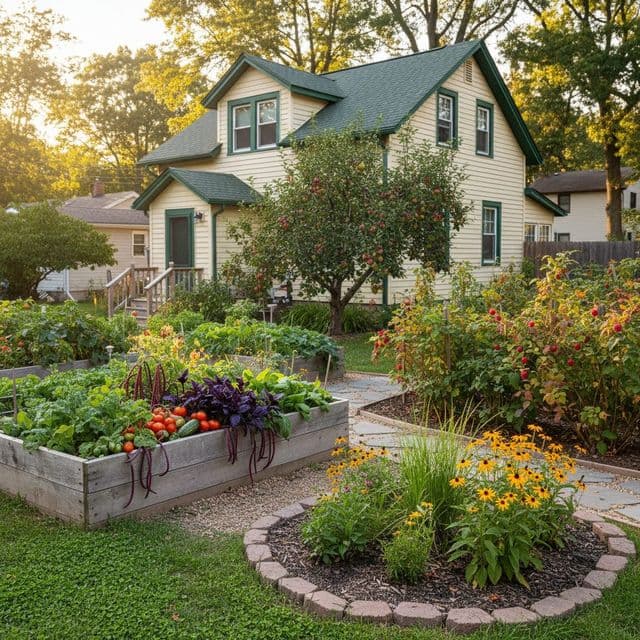
How to plan permaculture zones on a 0.25-acre suburban lot in USDA Zone 6. Design food forests, manage water, and boost food production efficiently.
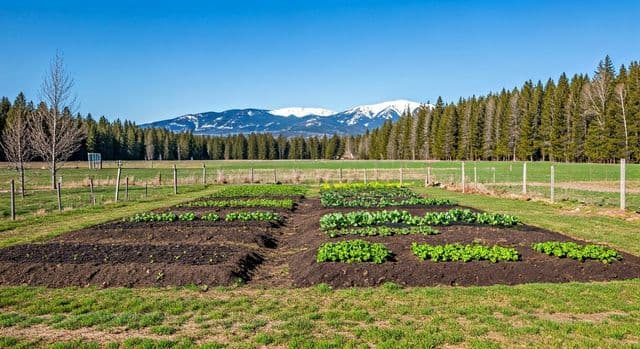
How hugelkultur beds extend growing seasons by 2-3 weeks in cold climates like USDA Zone 4, warming soil faster in spring while improving drainage and moisture retention.
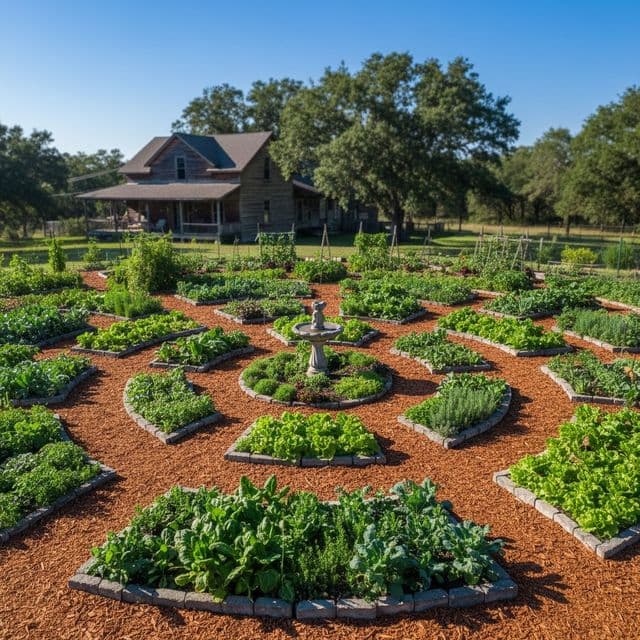
How mandala garden design uses permaculture principles to organize circular beds for accessibility, water efficiency, and varied planting.
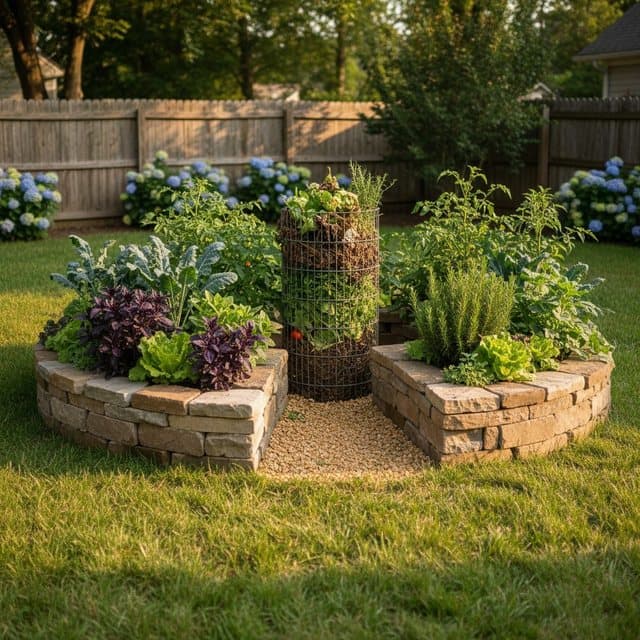
Learn to build a keyhole garden bed with a central compost basket for efficient, year-round production. Maximize water savings & soil fertility in USDA Zone 7.
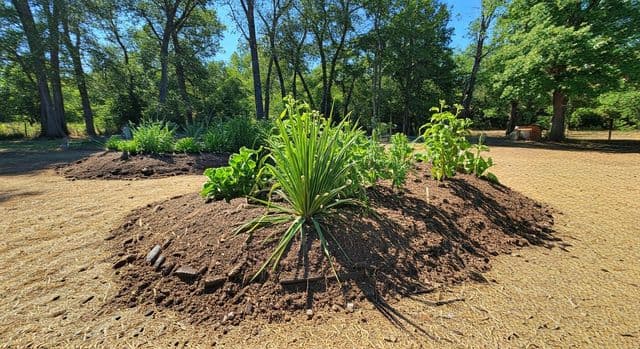
How hugelkultur builds water resilience for growers in dry climates and USDA Zone 6-10, reducing irrigation by 30-50% and extending growing seasons.
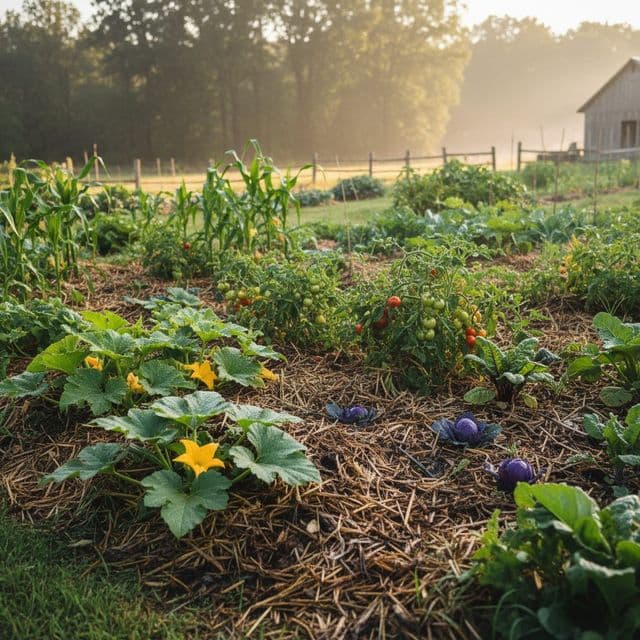
Learn how to transition your tilled garden to a no-till system, building soil organic matter in USDA Zone 6. Discover permaculture principles for a thriving, resilient garden.
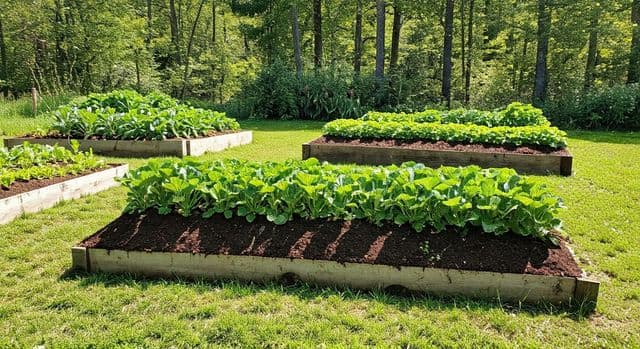
Master no-dig gardening for clay and sandy soils across the US. Learn tailored strategies for 6-inch beds, improving drainage, water retention, and soil health with permaculture principles.
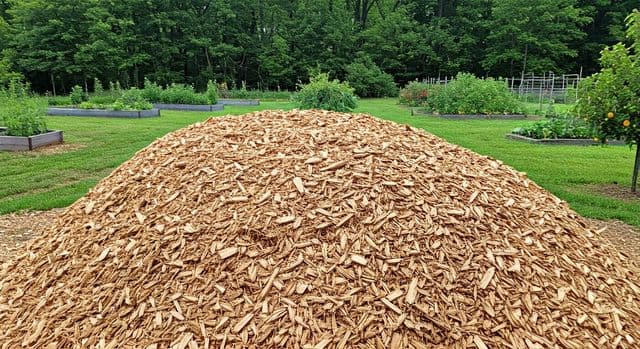
Unlock soil benefits with free wood chips for permaculture, but beware of herbicide risks. Learn how to safely source, test, and apply wood chips in USDA Zone 6 for healthy food forests.
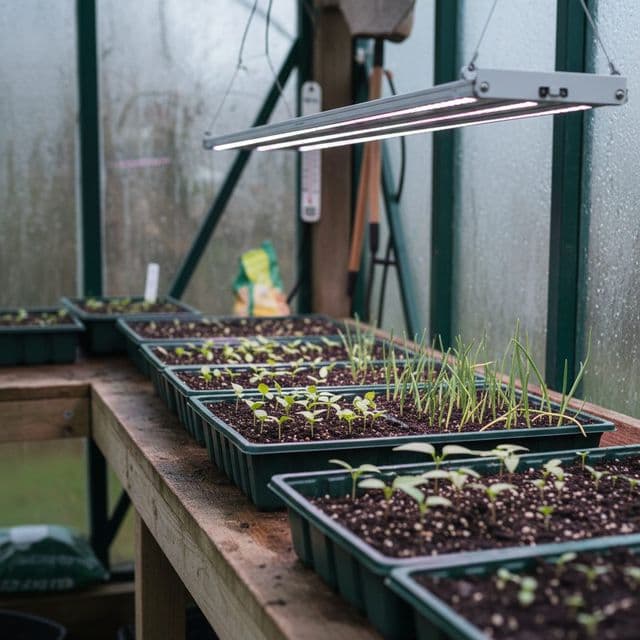
The best mulch materials for no-dig gardens across US USDA zones, comparing how straw, wood chips, leaves, and cardboard suppress weeds and retain soil moisture.
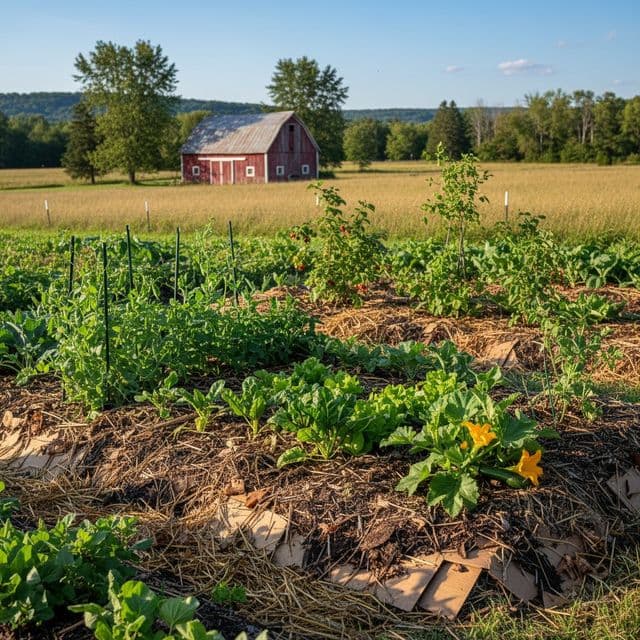
How sheet mulching (lasagna gardening) converts lawns into productive garden beds by building soil, suppressing weeds, and conserving water without digging.
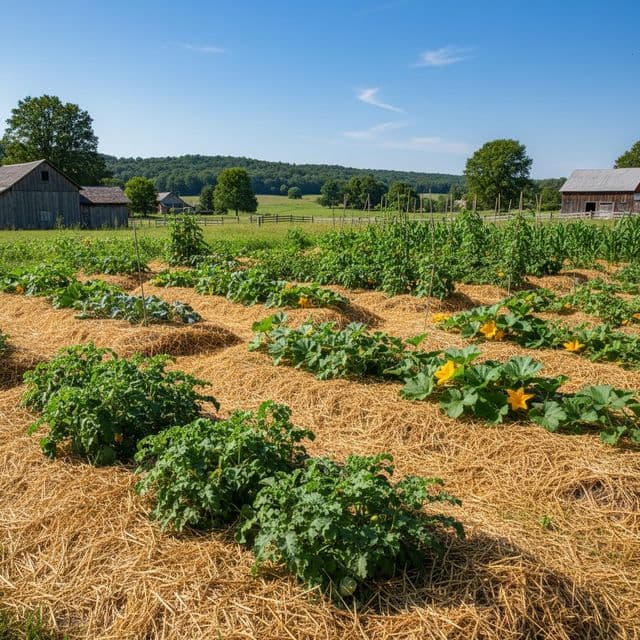
The Ruth Stout deep mulch method uses 6-12 inches of hay year-round to reduce weeding by 75%, save water, and build soil fertility.
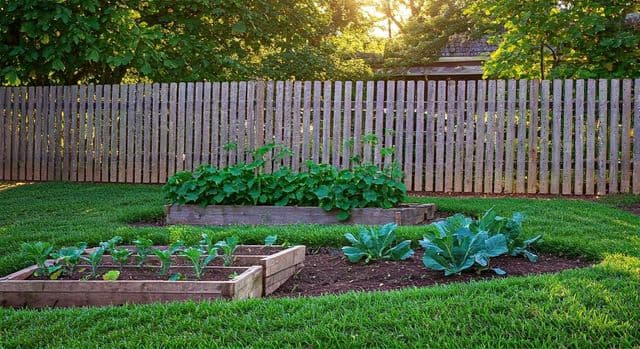
How no-dig gardening builds soil health, boosts yields by 20%, and reduces labor for US homesteaders, integrating permaculture principles for resilient beds.
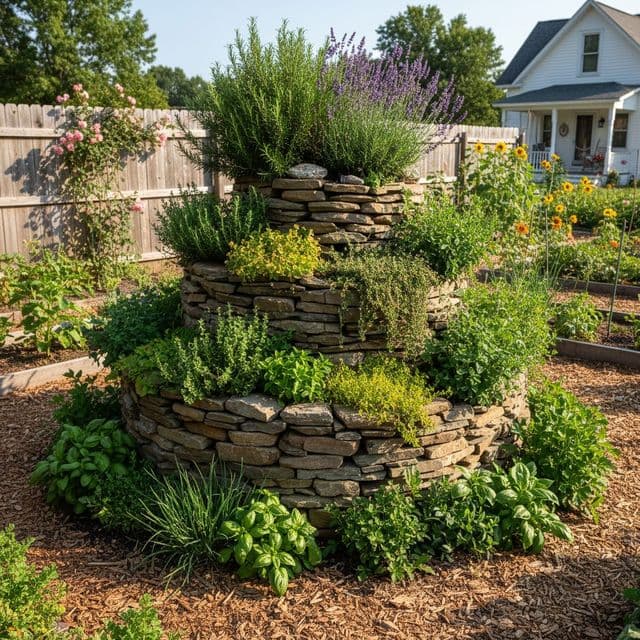
Learn to build a durable herb spiral for increased garden productivity, water conservation, and extended growing seasons. Maximize space and create microclimates with permaculture design.
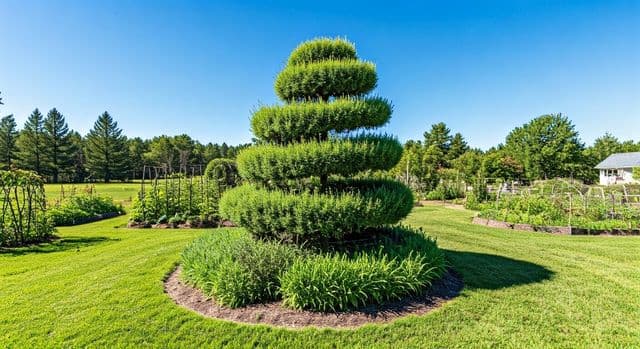
Discover how an herb spiral maximizes garden space, creates diverse microclimates, and extends your growing season. Learn to design and build a productive herb spiral for your homestead.
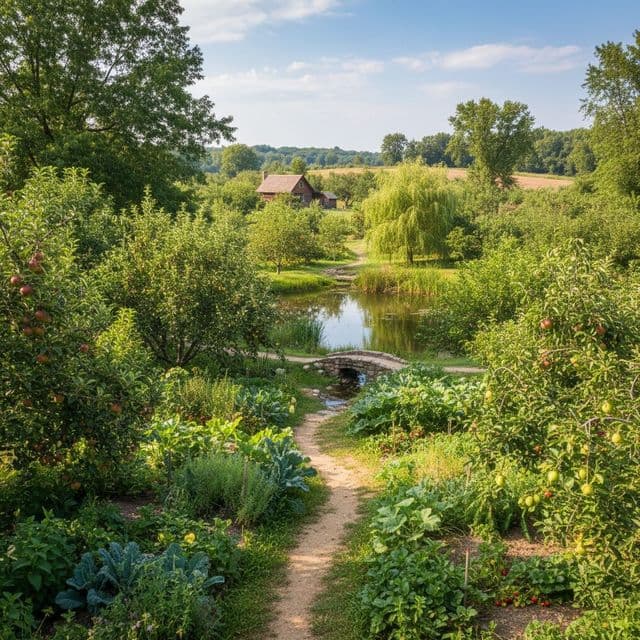
Coppicing and pollarding produce on-site biomass for homesteaders, regenerating trees from the stump or head to build soil and reduce external inputs.
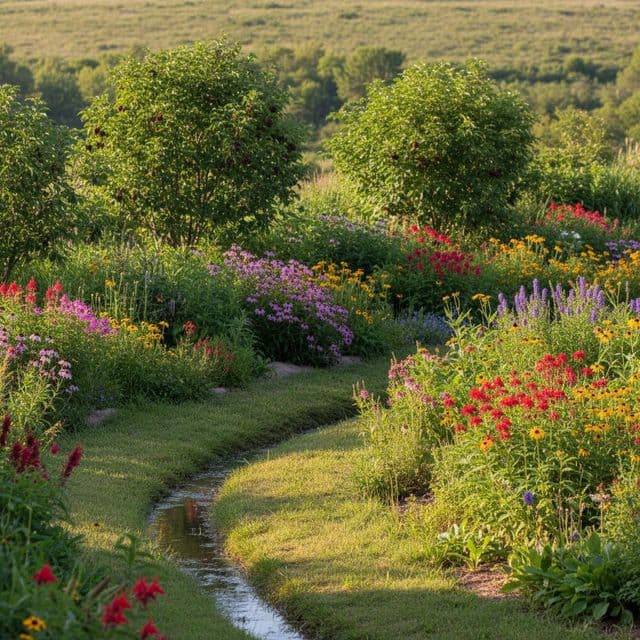
Boost soil health & yields with native nitrogen fixers in USDA Zones 4-8. Learn permaculture principles to integrate beneficial species, avoid invasives, and build resilient ecosystems.
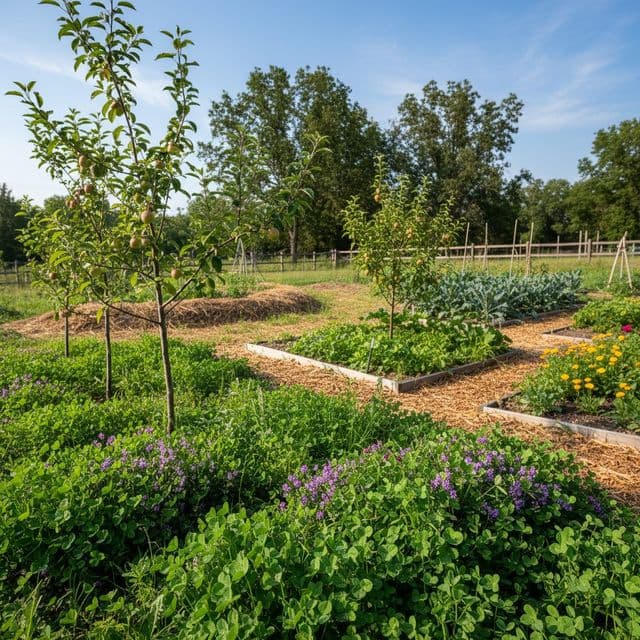
Nitrogen-fixing plants like clover and vetch improve soil fertility, suppress weeds, and reduce fertilizer needs in US permaculture gardens.
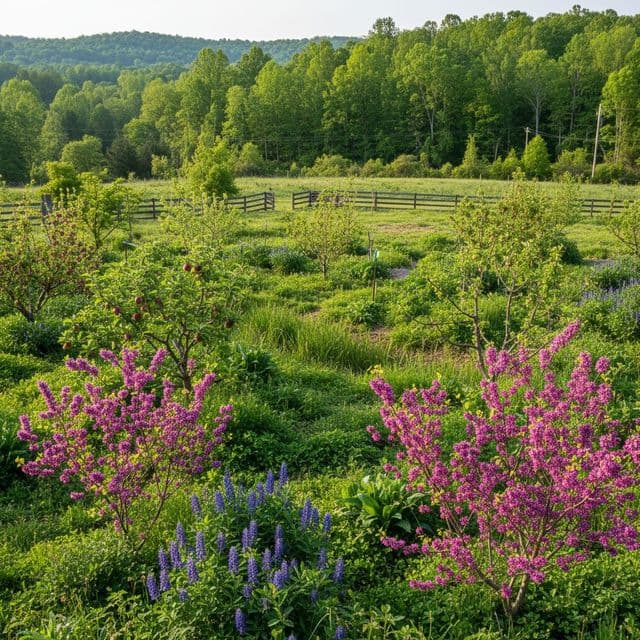
Nitrogen-fixing trees and shrubs for Southeast US permaculture, improving soil fertility, reducing synthetic fertilizers, and providing native alternatives to invasive mimosa.
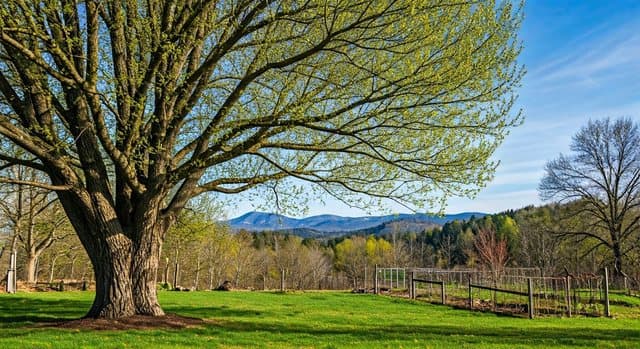
Black locust, alder, and Siberian pea shrub improve soil fertility in cold US climates. How to integrate these nitrogen-fixing trees into cold-climate permaculture designs.
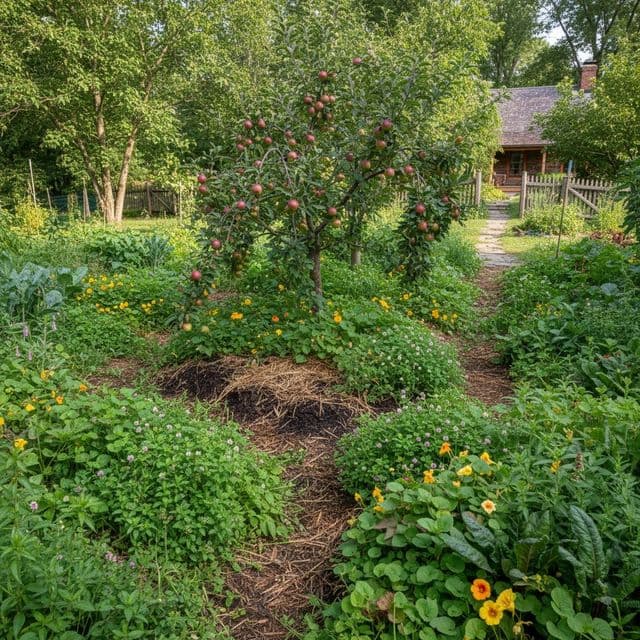
Boost soil fertility in your US food forest with nitrogen-fixers. Learn how plants like legumes and black locust enrich soil across USDA zones 3-9, reducing fertilizer needs and supporting tree gro…
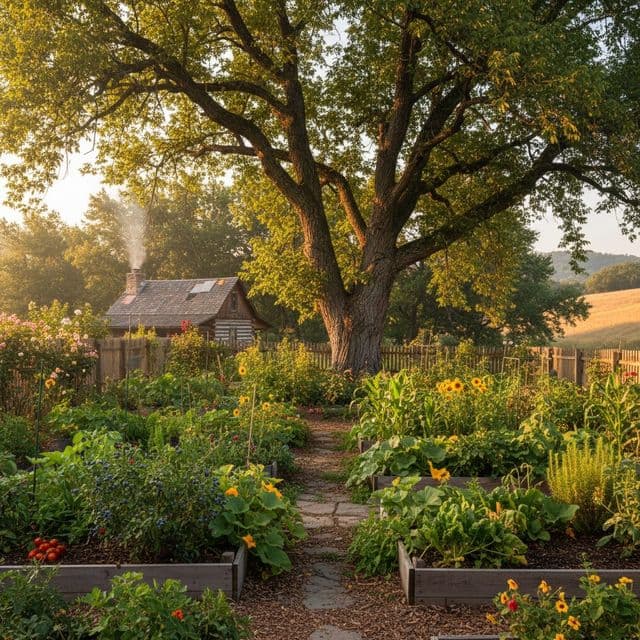
Design productive black walnut guilds despite juglone toxicity. Learn to identify trees, understand juglone’s impact, and select tolerant plants for your food forest in USDA zones 4-9.
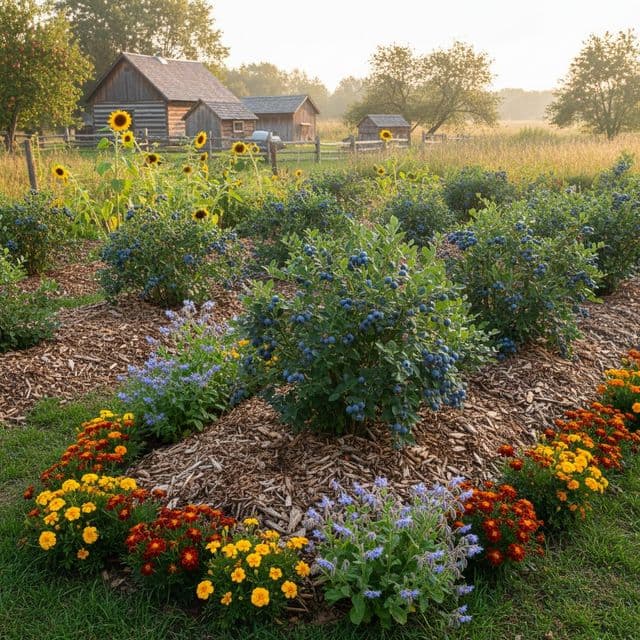
Learn to create thriving blueberry guilds in USDA Zone 6 and beyond. Discover essential soil management, companion plants, and permaculture techniques for abundant harvests.