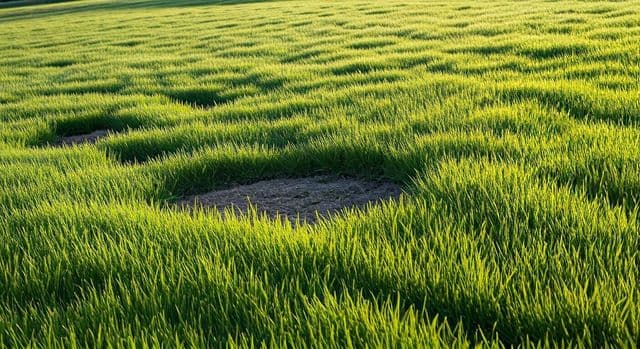
Lawn repair: fix bare spots & thinning turf for healthier grass
How to repair bare spots and thinning turf, covering diagnosis, soil preparation, seeding rates, and watering schedules.
Tag
151 articles in this tag on agripure. — page 1 of 7
How to repair bare spots and thinning turf, covering diagnosis, soil preparation, seeding rates, and watering schedules.
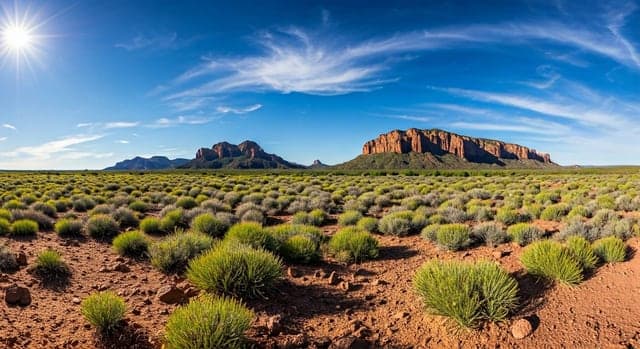
Master growing in challenging saline and alkaline soils in the arid US Southwest. Learn to identify, improve, and select resilient plants for high salt and pH conditions.

Engineer coastal vegetable raised beds that handle both airborne sea spray and saline groundwater using 40–60% porous windbreaks, marine-grade hardware, USDA salinity EC crop tiers, and post-storm…

Engineer resilient US roadside and driveway plantings across USDA Zones 3–9: compare NaCl, CaCl2, MgCl2, CMA, urea, and beet-juice brines, separate airborne plow mist from root-zone EC/SAR toxicity…
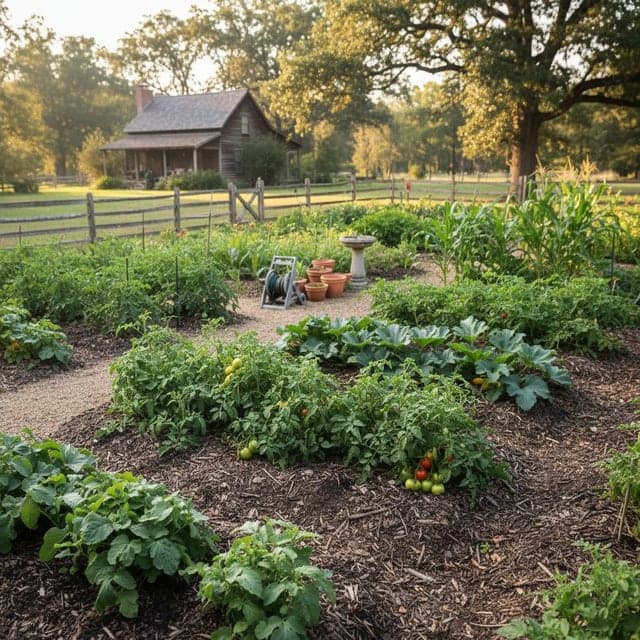
Kelp and seaweed amendments improve soil structure and supply trace minerals to crops like sweet corn. This guide covers soil testing, application rates, and foliar feeding methods.
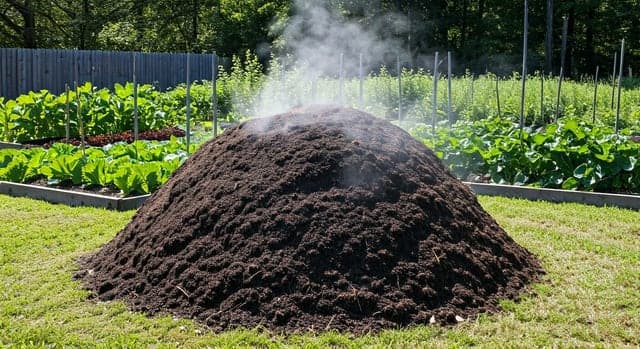
Learn how proper composting manure or aging prevents plant burn and pathogens in your garden. Essential tips for USDA Zone 6 gardeners to enrich soil safely.
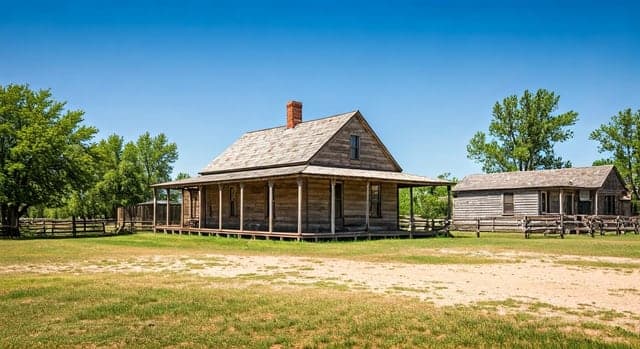
Learn safe manure application rates for your garden. Discover how soil testing, composting, and specific guidelines for chicken, horse, and rabbit manure improve soil fertility.
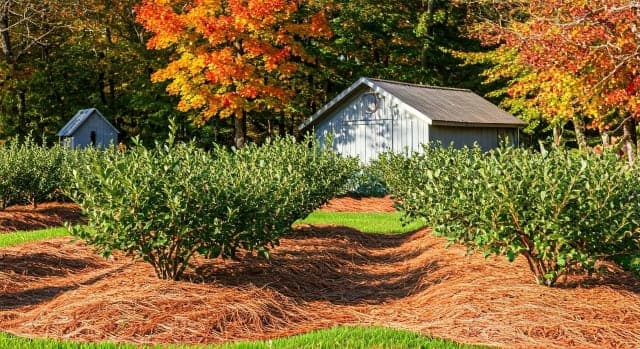
Acidifying soil for blueberries to pH 4.5-5.5 requires soil testing, elemental sulfur, peat moss, and regular pH monitoring in USDA zones 5-9.

Understand blossom-end rot in tomatoes and why inconsistent watering causes calcium deficiency in fruit. Prevent the issue with proper moisture management and soil care.
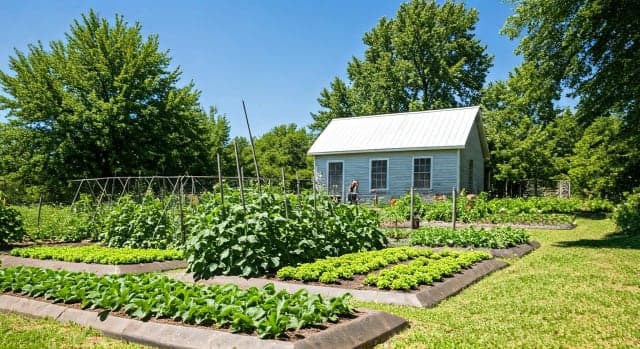
Natural methods like bone meal, rock phosphate, and compost to boost garden phosphorus in US soils, with guidance on soil pH and application timing.
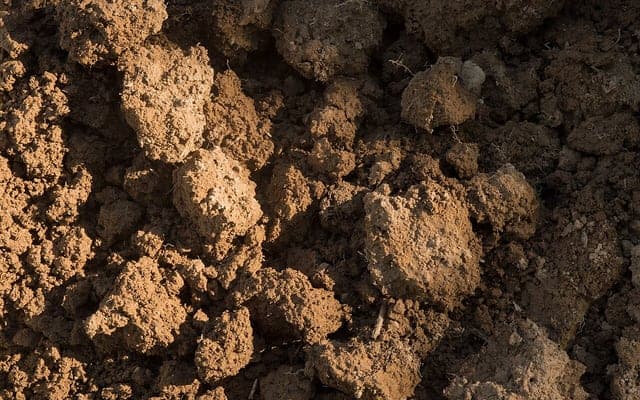
Distinguish fixed soil texture from buildable crumb structure, separate fast POM from durable MAOM carbon, verify stability with the NRCS jar slake test, calculate honest +1% SOM math, and prevent…
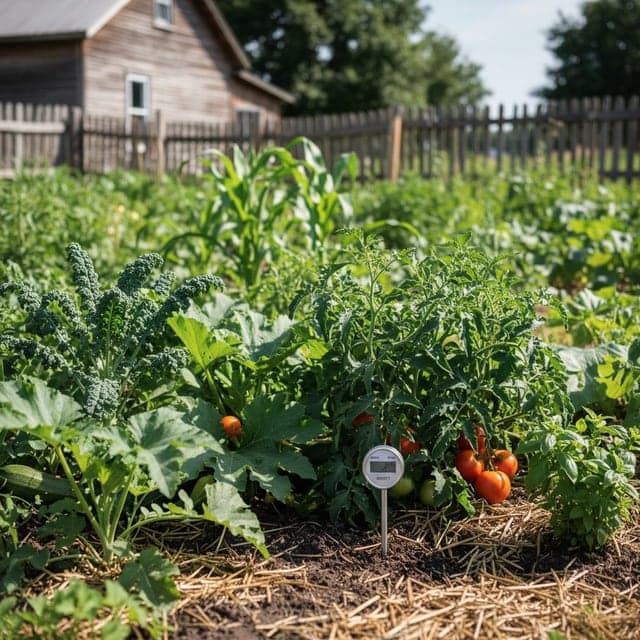
Separate true sodic clay dispersion (ESP >= 15% or SAR >= 13), where gypsum plus drainage and leaching rebuilds soil structure, from non-sodic compacted Midwest and Eastern clays where university t…
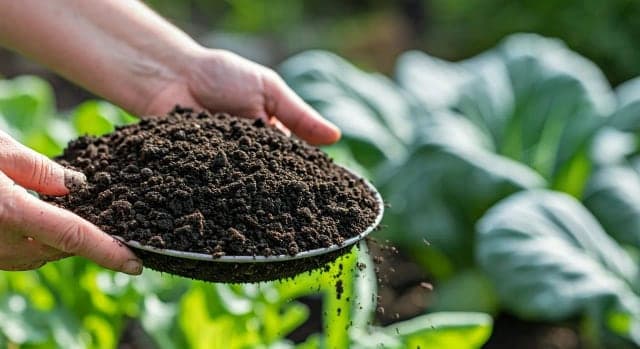
Skip concrete-forming sand and non-sodic gypsum myths. Learn the squeeze-drop wet-clay rule, compost and surface wood-chip depths, Daikon radish bio-drilling, and an honest 3-year clay soil timeline.
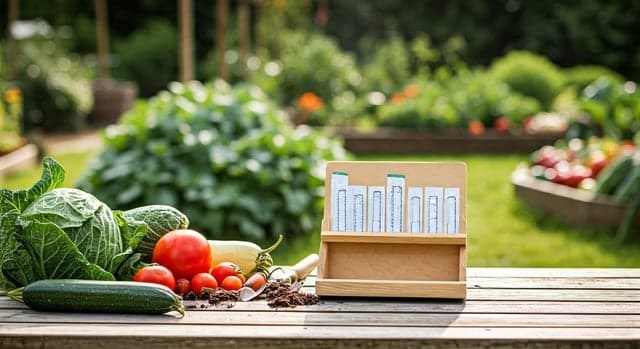
Understanding soil test results helps interpret NPK, pH, and micronutrient levels to apply amendments correctly for a garden in USDA Zone 6.

Learn simple DIY soil tests like worm counts & jar shakes to understand your garden’s health. Improve soil structure, biology, and nutrient availability for sturdy plants.
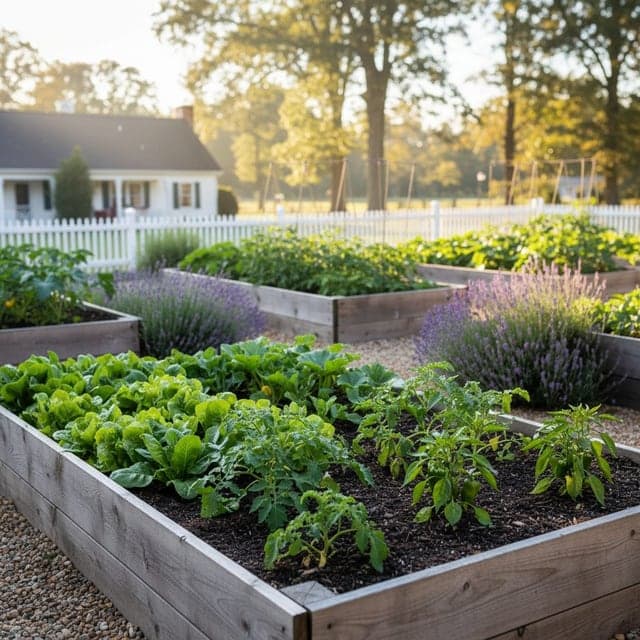
Master the USDA soil texture triangle using the 3-axis angle rule, 3 worked plotting examples, all 12 soil textural classes, the 40-second mason jar settling test, and the NRCS texture-by-feel ribb…
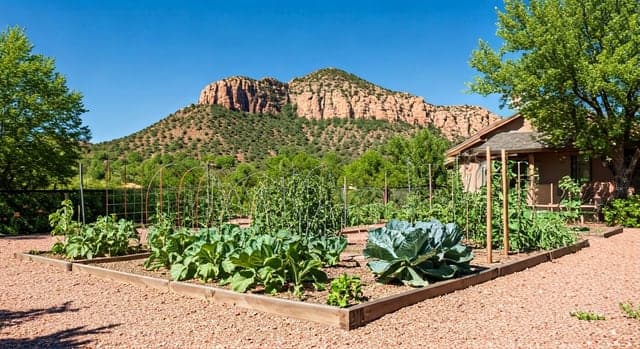
Garden productively in pH 7.5–8.5 Western calcareous soils: run the 5% vinegar fizz test for >1–2% CaCO3, avoid sulfur bicarbonate rebound, pick Fe-EDDHA over Fe-EDTA, ban wood ash and salty steer…
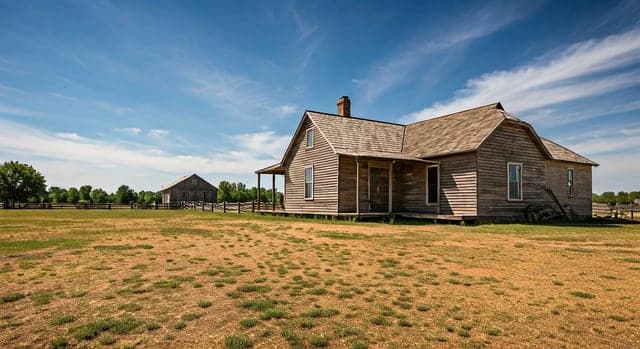
Optimize your homestead with permaculture zone design. Learn strategic placement for chickens, compost, and kitchen gardens in USDA Zone 6 to boost yield & reduce labor.
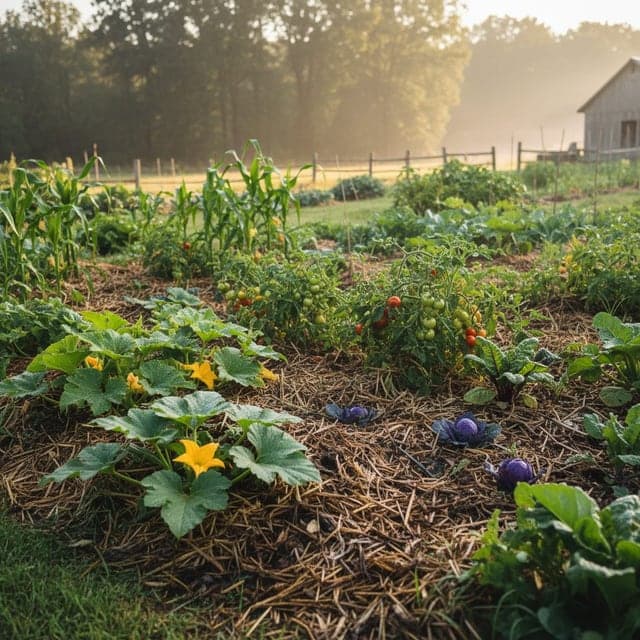
Learn how to transition your tilled garden to a no-till system, building soil organic matter in USDA Zone 6. Discover permaculture principles for a thriving, resilient garden.
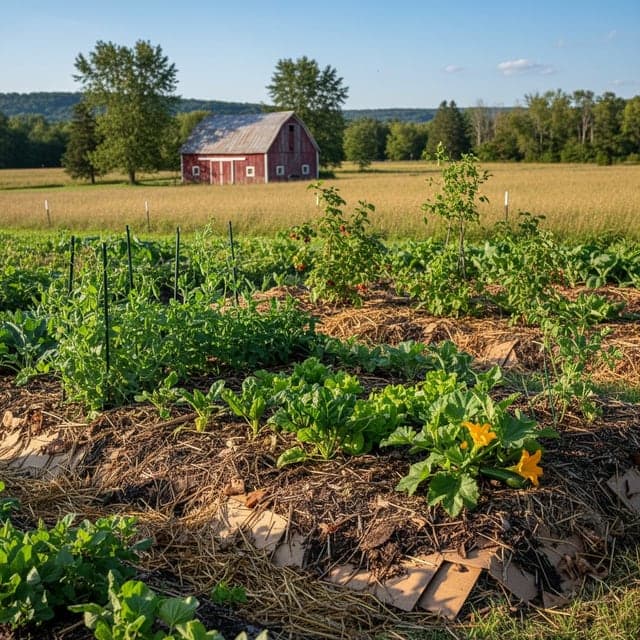
Convert turf into productive garden beds without digging: exact cardboard prep and contamination bans, vegetable vs. perennial tracks, WSU soil-science cautions around trees and clay, and silage ta…
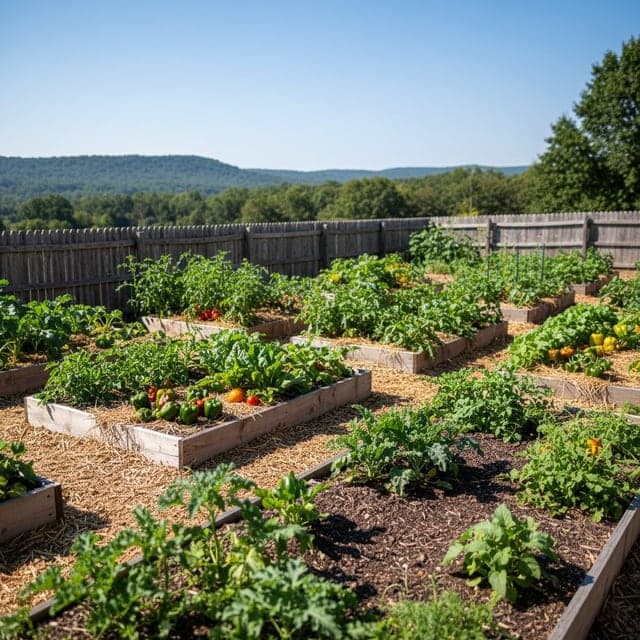
Unlock your garden’s potential with organic soil amendments. Learn how to interpret soil tests, adjust pH, and apply amendments effectively for thriving home gardens in USDA Zone 6.
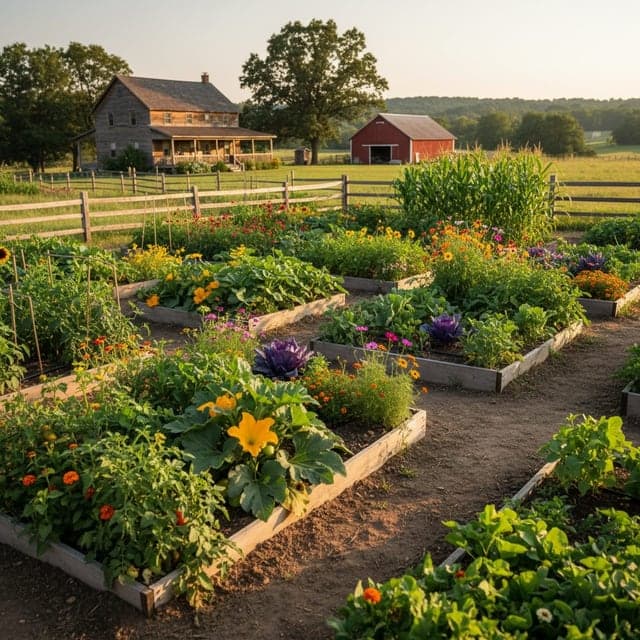
How to fix three common US garden soils (heavy clay, droughty sand, and compacted lawn beds): diagnostic steps, organic amendments, and aeration techniques.
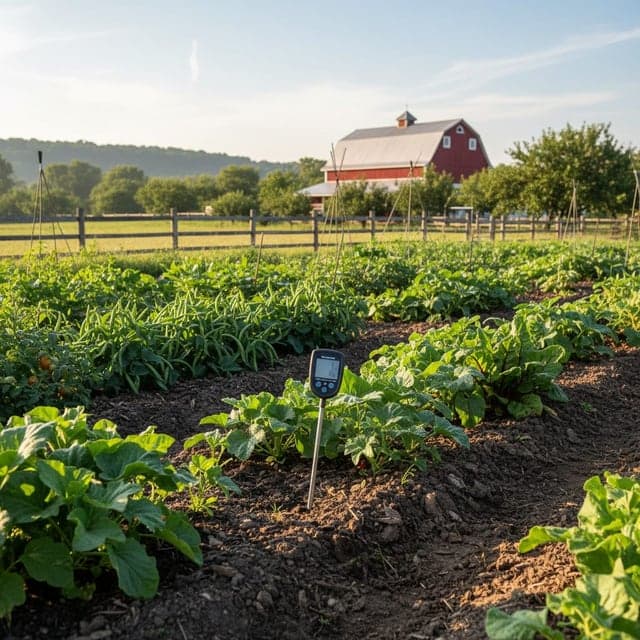
How to collect soil samples, select a testing lab, and interpret pH, NPK, and micronutrient reports for a USDA Zone 6 garden.
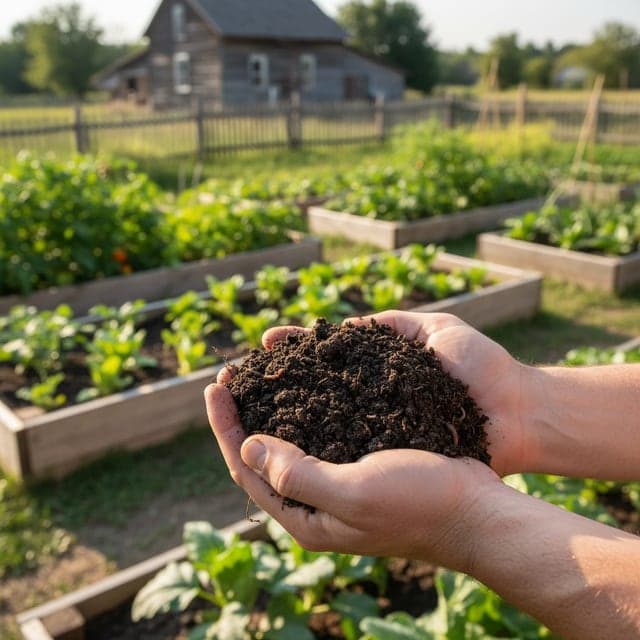
Learn DIY garden soil testing for texture, pH, and drainage, then match your amendments to what the tests show. Essential for Zone 6.