Key takeaways
- Blueberries require acidic soil, ideally between pH 4.5 and 5.5, for optimal nutrient uptake and growth.
- Soil testing is essential; amend with elemental sulfur or peat moss to lower pH effectively over several months.
- Select varieties based on your USDA zone and required chill hours, such as Northern Highbush for colder climates or Rabbiteye for warmer regions.
- Proper planting involves raised beds, adequate spacing of 4-6 feet, and consistent watering of 1 inch per week.
- Regular pruning, mulching with 4-6 inches of organic material, and specific acidic fertilizers are needed for sustained yields.
- Anticipate a harvest of 10-15 pounds per mature plant, typically starting 2-3 years after planting.
Quick answer: To grow blueberries successfully in USDA Zone 5, maintain acidic soil between pH 4.5 and 5.5 using elemental sulfur or peat moss. This ensures optimal nutrient absorption, which is what lets the plant feed itself and set a full crop.
In states like Michigan, where commercial blueberry production thrives, growers understand that success hinges on precise soil management. For home gardeners across the US and building these flavorful berries can be a rewarding endeavor, but it demands attention to specific environmental needs. Blueberries are not like most common garden plants; they are particular about their soil, preferring highly acidic conditions that can be a challenge to provide naturally in many areas.
Achieving the right soil pH is the main factor for steady blueberry growth and a bountiful harvest. Without it, plants struggle to absorb nutrients, leading to stunted growth and minimal fruit. Adjusting soil pH and selecting varieties suited to your USDA growing zone helps establish productive bushes.
The critical role of soil pH for blueberries
Blueberries (Vaccinium spp.) are unique among common fruit crops because they absolutely require highly acidic soil to flourish. Their ideal pH range is between 4.5 and 5.5, a narrow window that allows their roots to efficiently absorb nutrients like iron and nitrogen [1]. If the soil pH rises above 6.0, these essential elements become locked up, unavailable to the plant, even if they are present in the soil. This condition, known as chlorosis, often manifests as yellowing leaves with green veins, indicating an iron deficiency.
Why soil acidity matters
The root structure of blueberry plants is fibrous and lacks root hairs, making them less efficient at nutrient uptake compared to many other plants. This anatomical feature makes them highly dependent on the availability of nutrients in a specific acidic form. For instance, ammonium nitrogen, prevalent in acidic soils, is the preferred form for blueberries, whereas nitrate nitrogen, common in neutral to alkaline soils, can be detrimental. In areas like the Pacific Northwest, where native soils are often naturally acidic, blueberries thrive with less intervention, but in regions with more alkaline soils, active management is needed for a harvest of 10-15 pounds per mature plant.
- Blueberry roots prefer ammonium nitrogen.
- High pH locks up essential micronutrients like iron.
- Chlorosis (yellowing leaves) indicates nutrient deficiency.
- Optimal pH range is 4.5 to 5.5.
- Soil testing is the first step to success.
Testing your soil and acidifying methods
Before planting any blueberry bushes, a thorough soil test is non-negotiable. Many local extension offices or private labs offer comprehensive soil analysis for a fee, typically ranging from 15 to 30 dollars. This test will provide your current pH level, nutrient deficiencies, and recommendations for amendments. Without this baseline data, you are simply guessing, which can lead to wasted effort and poor plant health. Collect soil samples from several spots in your intended planting area, mixing them to get an average reading.
How to adjust soil pH
If your soil pH is above 5.5, you will need to lower it. The most common and effective amendment for long-term pH reduction is elemental sulfur. Sulfur works slowly, as soil bacteria convert it into sulfuric acid, a process that can take several months to a year. Sulfur rates depend heavily on soil texture: a sandy soil needs the least, and loam and clay need progressively more to move the pH the same distance. Use the rate your soil test report gives for your soil rather than a flat figure, and re-test before adding more. For a more immediate, though temporary, effect, you can incorporate sphagnum peat moss into the planting hole. Peat moss has a pH of 3.5 to 4.5 and significantly acidifies the immediate root zone. For a single plant, mix 50% peat moss with your native soil. Re-test with a laboratory soil test to track progress and make future adjustments; the inexpensive probe-style meters sold as soil pH testers are not accurate enough to manage a 4.5 to 5.5 window.
- Test soil pH before planting, costing 15-30 dollars.
- Use elemental sulfur for long-term pH reduction.
- Apply elemental sulfur at the rate your soil test gives for your soil texture (sandy soils need the least, clay the most).
- Incorporate sphagnum peat moss for immediate acidification.
- Re-test soil every 12-18 months to maintain ideal pH.
Choosing the right blueberry varieties for your region
Selecting the correct blueberry variety for your climate is as important as managing soil pH. Blueberries are generally categorized into three main types: Northern Highbush, Southern Highbush, and Rabbiteye, each with distinct chill hour requirements and USDA zone preferences. Chill hours refer to the total number of hours below 45°F (7°C) that a plant needs during winter dormancy to produce fruit.
Types of blueberries and their zones
Northern Highbush varieties, such as ‘Bluecrop’ or ‘Duke’, require 800 to 1,000 chill hours and are best suited for USDA zones 4 through 7. These are the most common commercial blueberries in states like Oregon and New Jersey. Southern Highbush varieties, like ‘Star’ or ‘Emerald’, need fewer chill hours, typically 150 to 500, and are grown in USDA zones 7 through 10, particularly in warmer regions like Florida or parts of California. Rabbiteye blueberries, including ‘Tifblue’ and ‘Climax’, are the most heat-tolerant and require only 100 to 600 chill hours, thriving in USDA zones 7 through 9. They are popular in the Southeastern US, from Georgia to Texas, and are known for their vigor and disease resistance. For optimal fruit set, planting at least two different varieties of the same type (e.g., two Northern Highbush) is often recommended for cross-pollination, which tends to produce larger berries and a heavier set.
- Northern Highbush needs 800-1,000 chill hours (zones 4-7).
- Southern Highbush needs 150-500 chill hours (zones 7-10).
- Rabbiteye needs 100-600 chill hours (zones 7-9).
- Plant two different varieties for better cross-pollination.
- Consider local extension office recommendations for specific cultivars.
Planting and initial care for a strong start
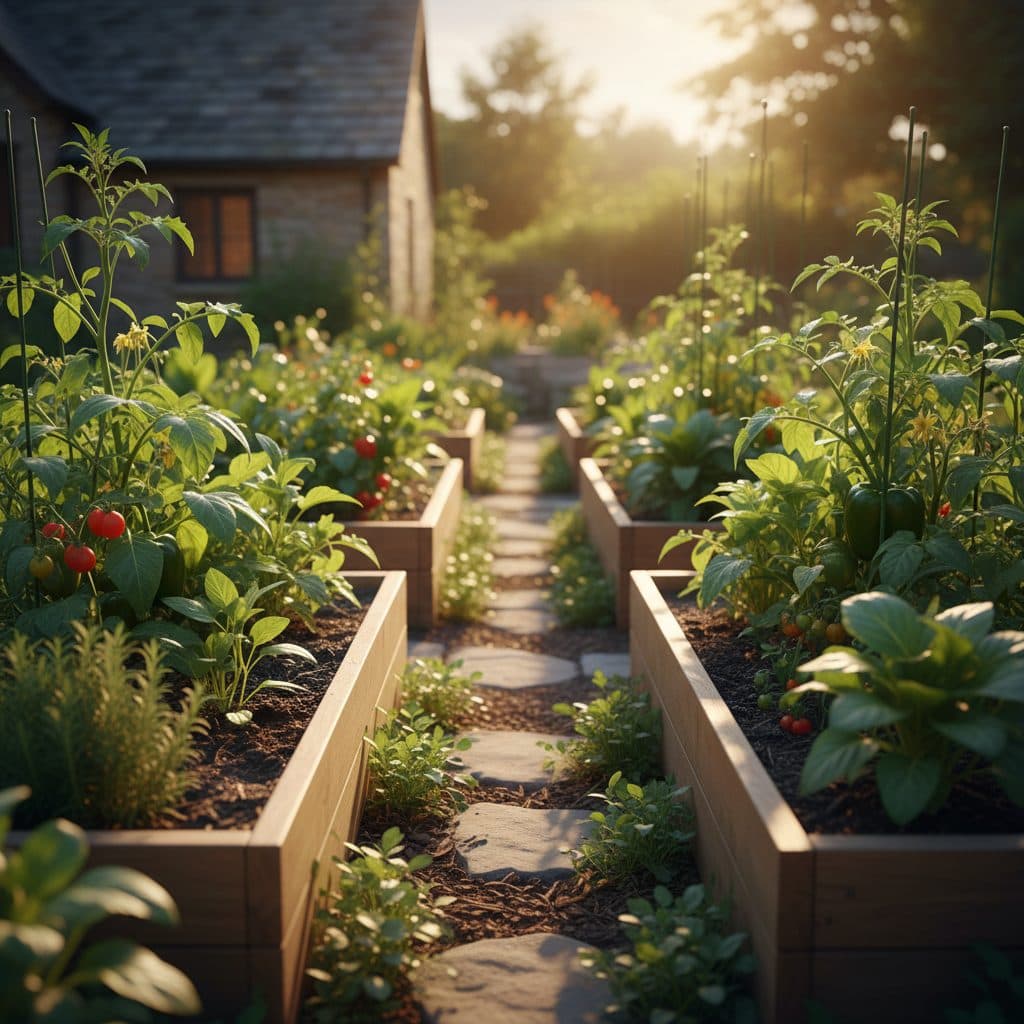
Once you’ve selected your varieties and prepared your soil, proper planting is the next step to ensuring a healthy, productive blueberry patch. Blueberries have shallow root systems, so planting in raised beds or mounds is often beneficial, especially in areas with heavy clay soils or poor drainage. A raised bed 12-18 inches high and 3-4 feet wide filled with an acidic soil mix (e.g., 50% peat moss, 50% pine bark fines) provides an ideal environment.
Spacing and watering
Space blueberry bushes 4-6 feet apart within rows, allowing 8-10 feet between rows for maintenance and harvesting. Dig a hole twice as wide as the root ball and just as deep. Gently loosen the roots before placing the plant to ensure the top of the root ball is level with or slightly below the soil surface. Water thoroughly immediately after planting, providing at least one gallon per plant. Consistent watering is necessary during the first year, especially in dry periods. Blueberries require approximately one inch of water per week, either from rainfall or irrigation. Using a Soil Moisture Meter can help you gauge when to water, preventing both over- and under-watering. Mulching with 4-6 inches of pine bark, pine needles, or wood chips immediately after planting helps retain moisture, suppress weeds, and slowly acidify the soil as it decomposes.
- Plant in raised beds 12-18 inches high for better drainage.
- Space bushes 4-6 feet apart in rows.
- Water with one gallon per plant immediately after planting.
- Provide one inch of water per week, especially in the first year.
- Apply 4-6 inches of acidic mulch like pine bark.
Ongoing maintenance: pruning, mulching, and feeding
Once established, blueberries require consistent annual care to remain productive and healthy. Pruning is an important annual task, typically performed in late winter or early spring before new growth begins. For the first two years after planting, remove only weak or damaged canes to encourage strong root development. From year three onward, focus on removing about 20% of the oldest, least productive canes at ground level, along with any crossing or diseased branches. This rejuvenates the plant and encourages new fruiting wood, as blueberries produce the best fruit on one-year-old wood. Learning how to prune fruit trees effectively is a skill that will pay dividends with your blueberry harvest.
Fertilizing and mulching
Maintain a 4-6 inch layer of organic mulch around the plants year-round. Materials like pine bark, pine needles, or oak leaves conserve moisture, suppress weeds, and slowly break down to maintain soil acidity. Fertilize in early spring as new growth emerges, using an acid-forming fertilizer specifically formulated for blueberries or azaleas. Look for a formulation that supplies its nitrogen as ammonium sulfate rather than nitrate, such as a 12-4-8 blend sold for azaleas, rhododendrons or blueberries. Apply about one ounce of granular fertilizer per year of plant age, up to a maximum of 8 ounces for mature plants, spread evenly around the drip line. Avoid fertilizers containing nitrates, as they can harm blueberry roots. Regular soil tests every 2-3 years help fine-tune fertilization so plants receive the 1-2 pounds of nitrogen per 1,000 square feet needed for fruit production.
- Prune in late winter, removing 20% of old canes annually after year two.
- Maintain 4-6 inches of acidic mulch like pine bark.
- Fertilize in early spring with an acid-forming fertilizer, such as a 12-4-8 blended for azaleas or blueberries.
- Apply one ounce of fertilizer per year of plant age, up to 8 ounces.
- Avoid nitrate-based fertilizers for blueberries.
Troubleshooting common blueberry issues
Even with careful planning, blueberry growers can encounter challenges. The most common problem is often related to soil pH. If leaves are yellowing between the veins (chlorosis), especially on new growth, it’s a strong indicator that the pH is too high, preventing iron uptake. A quick soil test will confirm this, and a light application of elemental sulfur or a foliar spray of chelated iron can provide a temporary fix while the sulfur works.
Pests and diseases
Birds are often the most significant pest, capable of decimating a crop of ripe berries in a matter of days. Netting your bushes as berries begin to ripen is the most effective deterrent. Other pests like blueberry maggot or spotted wing drosophila can be managed with organic sprays or traps, especially in regions like the Northeast where these pests are prevalent. Fungal diseases, such as mummy berry or anthracnose, can also occur, particularly in humid climates. Good air circulation through proper pruning, sanitation (removing fallen leaves and berries), and planting disease-resistant varieties can minimize these issues. If a disease is suspected, consult your local extension office for specific recommendations; they often have regional data on common issues.
- Yellowing leaves (chlorosis) often signal high soil pH.
- Netting protects berries from birds.
- Manage pests like blueberry maggot with traps or organic sprays.
- Prevent fungal diseases through good air circulation and sanitation.
- Consult local extension for region-specific pest and disease advice.
Comparison of Major Blueberry Types for Home Growers
Characteristic | Northern Highbush | Southern Highbush | Rabbiteye |
|---|---|---|---|
USDA Zones | 4-7 | 5-10 | 7-9 |
Chill Hours | 800-1000 | 150-800 | 100-600 |
Plant Size (ft) | 5-8 | 4-6 | 6-15 |
Fruit Size | Large | Medium-Large | Medium |
Pollination | Self-fertile (better with cross) | Self-fertile (better with cross) | Requires cross-pollination |
Heat Tolerance | Low | Medium-High | High |
Drought Tolerance | Low | Medium | High |
Ideal pH range: Blueberries thrive in soil with a pH between 4.5 and 5.5, a specific requirement for optimal nutrient absorption.
Yield potential: A mature blueberry bush can produce 10-15 pounds of fruit annually with proper care and ideal soil conditions.
Sulfur application: elemental sulfur lowers soil pH over several months, at a rate that depends on your soil texture (sandy soils need the least, clay the most).
Frequently asked questions
How long does it take for blueberry bushes to produce fruit?
Blueberry bushes typically begin producing a small amount of fruit in their second or third year after planting. A significant harvest of 5-10 pounds per plant can usually be expected by year four or five.
What is the best way to lower soil pH for blueberries?
The most effective long-term method is to incorporate elemental sulfur into the soil. Apply elemental sulfur at the rate your soil test gives for your soil texture (roughly one pound per 100 square feet in sand, more in loam or clay) and allow 6-12 months for it to take effect.
Do I need more than one blueberry plant for fruit production?
While some varieties are self-fertile, planting at least two different varieties of the same type (e.g., two Northern Highbush) is highly recommended. Cross-pollination tends to produce larger, more flavorful berries and a heavier fruit set.
How much water do blueberry bushes need?
Blueberry bushes require consistent moisture, needing approximately one inch of water per week, especially during the fruiting season. This can be from rainfall or supplemental irrigation to keep the top 6-8 inches of soil moist.
When is the best time to prune blueberry bushes?
The best time to prune blueberry bushes is in late winter or early spring, before new growth begins. Annually remove about 20% of the oldest, least productive canes to encourage new fruiting wood and maintain plant vigor.
Can blueberries be grown in containers?
Yes, blueberries can be successfully grown in large containers, at least 18-24 inches in diameter, filled with an acidic potting mix. This approach is particularly useful for managing soil pH in areas with naturally alkaline soil, and allows for easier protection in USDA zones with harsh winters.
References
- Chapter 12 Blueberries (2010). Chapter 12 Blueberries.
- POSSIBILITIES AND DIFFICULTIES IN GROWING BLUEBERRIES IN DENMARK (1977). POSSIBILITIES AND DIFFICULTIES IN GROWING BLUEBERRIES IN DENMARK.
- Growing blueberries frustrates farmers, but opens doors (1999). Growing blueberries frustrates farmers, but opens doors.
- DYNAMICS OF BIOCHEMICAL INDICATORS OF HIGHBUSH BLUEBERRIES DURING POSTHARVEST STORAGE (2023). DYNAMICS OF BIOCHEMICAL INDICATORS OF HIGHBUSH BLUEBERRIES DURING POSTHARVEST STORAGE.
- Adaptability of blueberries to lower chill growing regions in Australia (2016). Adaptability of blueberries to lower chill growing regions in Australia.