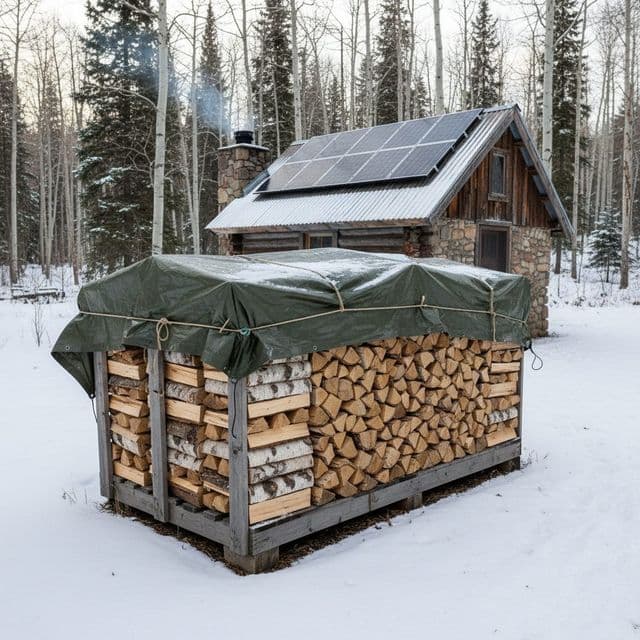
Seasoning Firewood & BTUs: Efficient Homestead Burns in USDA Zone 5
Master seasoning firewood for optimal BTUs and clean, efficient burns on your homestead. Learn drying times, storage, and wood species for heating in USDA Zone 5 and beyond.
Tag
75 articles in this tag on agripure. — page 2 of 4
Master seasoning firewood for optimal BTUs and clean, efficient burns on your homestead. Learn drying times, storage, and wood species for heating in USDA Zone 5 and beyond.
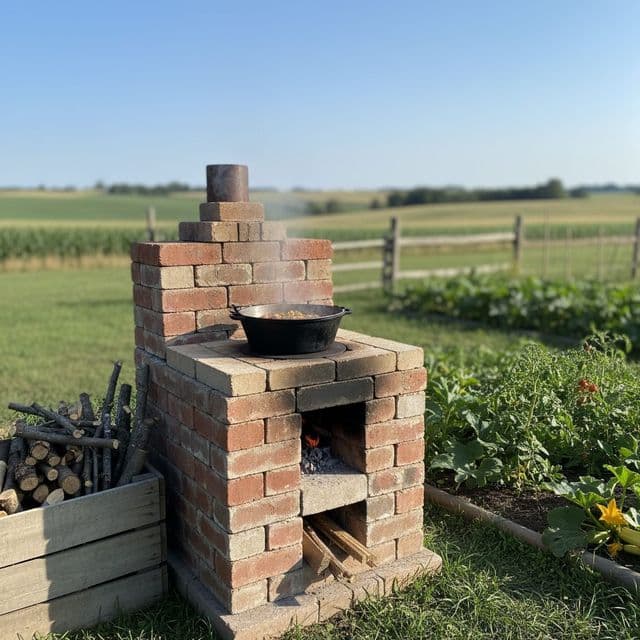
Learn to build a DIY rocket stove from bricks or tin cans for efficient off-grid cooking. Reduce fuel use by 80%, minimize smoke, and cook anywhere on your homestead.
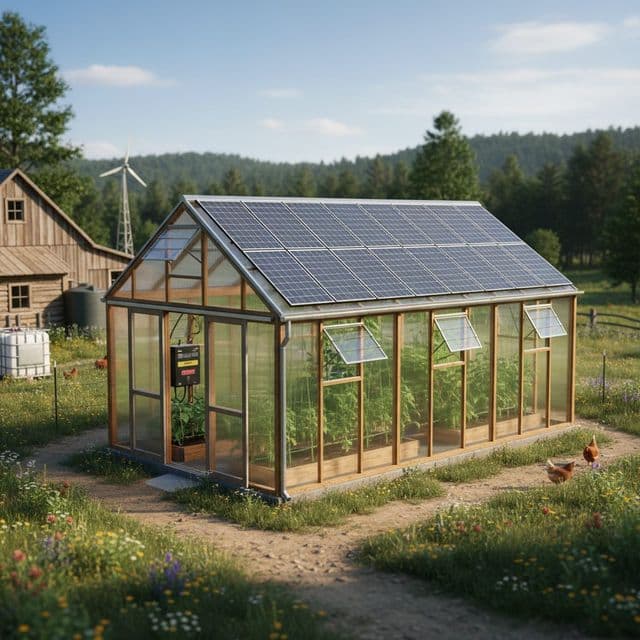
Learn how solar-powered exhaust fans provide efficient, off-grid greenhouse cooling, reducing temperatures by 10-15°F. Protect plants and extend growing seasons.
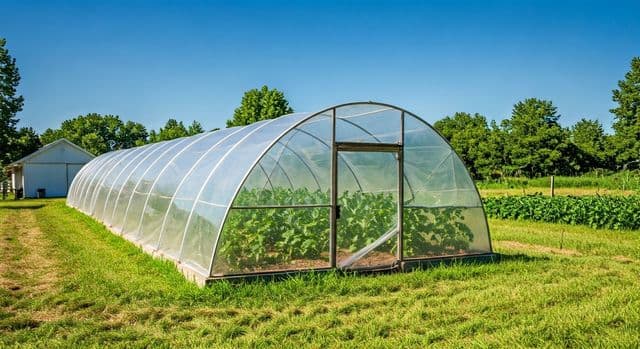
Extend your harvest in USDA Zone 6 with high tunnel summer crops. Learn heat-tolerant varieties, cooling strategies, and off-grid power solutions for successful summer growing.
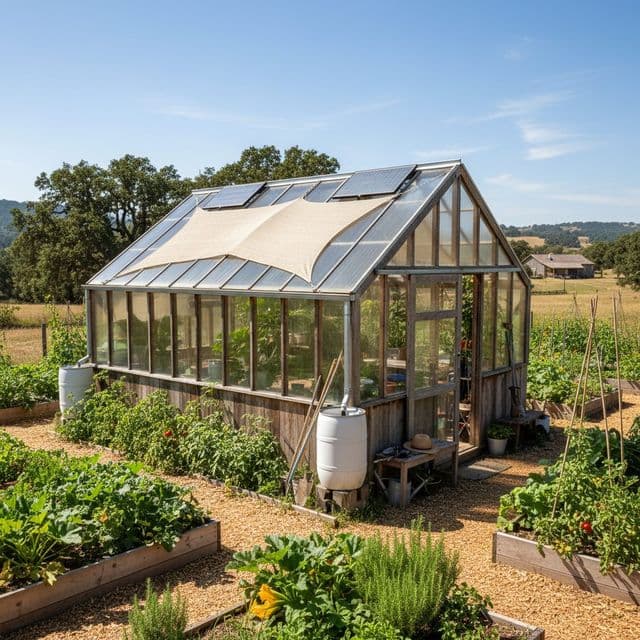
Compare external shade cloth, reflective Aluminet, and greenhouse whitewash using extension cooling physics, crop DLI limits, polycarbonate chemical warnings, and ASABE off-grid ventilation sizing.
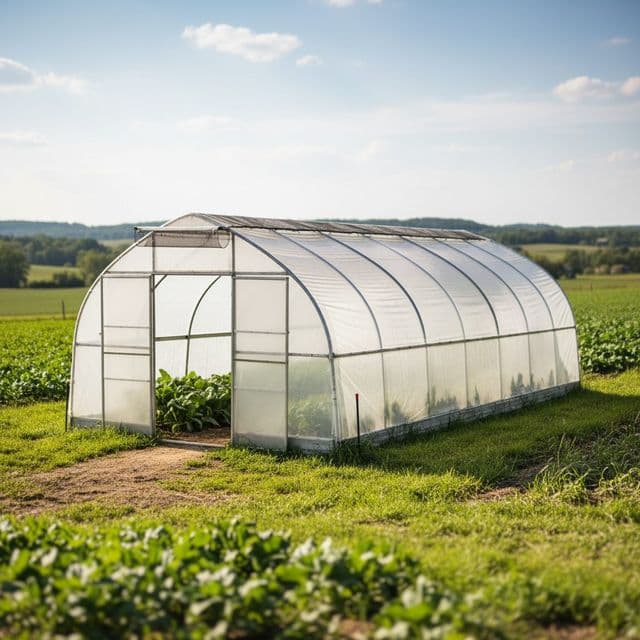
Engineer passive homestead ventilation across US cabins, greenhouses, chicken coops, barns, and root cellars: stack buoyancy math (ΔH and A_outlet >= A_inlet), cross-flow ratios, ASHRAE 62.2 vs. <2…

Protect your greenhouse from harsh Midwest & Mountain West winters. Learn essential snow load & wind bracing techniques for year-round growing so structural integrity.
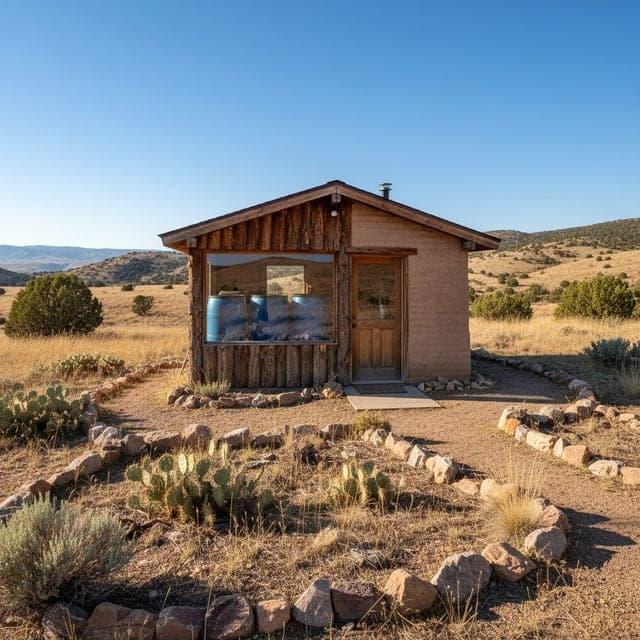
How water barrels, rock beds, and cob walls provide passive heat storage for USDA Zone 5 homesteads, reducing heating needs by 20-40%.
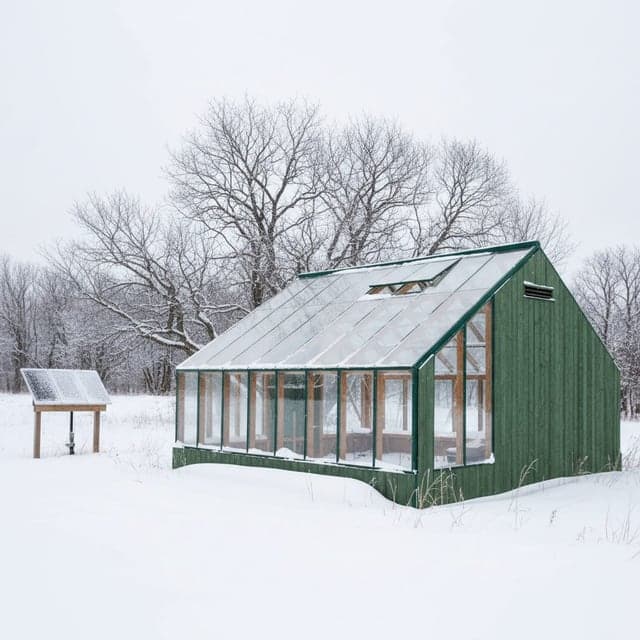
Engineer a cold-climate greenhouse for USDA Zones 3–6: true solar East–West orientation, December 21 sun angles, R-20–30 north shed framing, 2-inch XPS frost skirts, glazing R-values vs. PAR loss,…
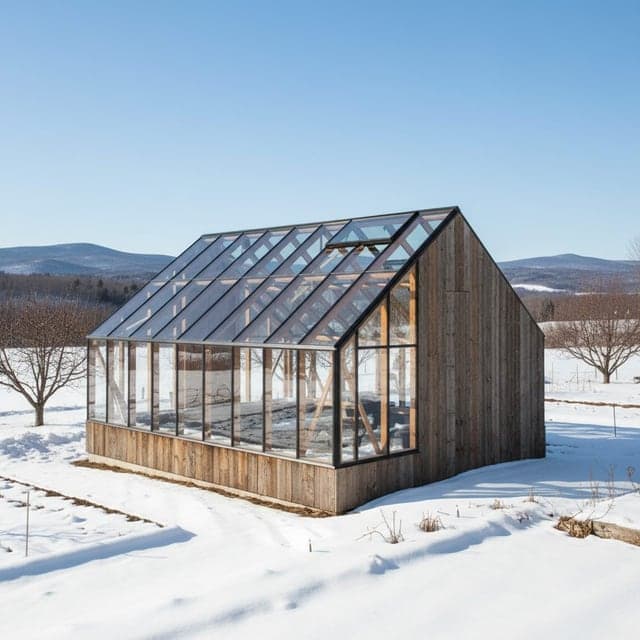
Engineer a passive solar greenhouse for any US latitude: winter solstice sun angles, latitude-indexed glazing tilt, insulated north walls, 62.4 BTU water vs. stone mass, and CO/ethylene heater safety.
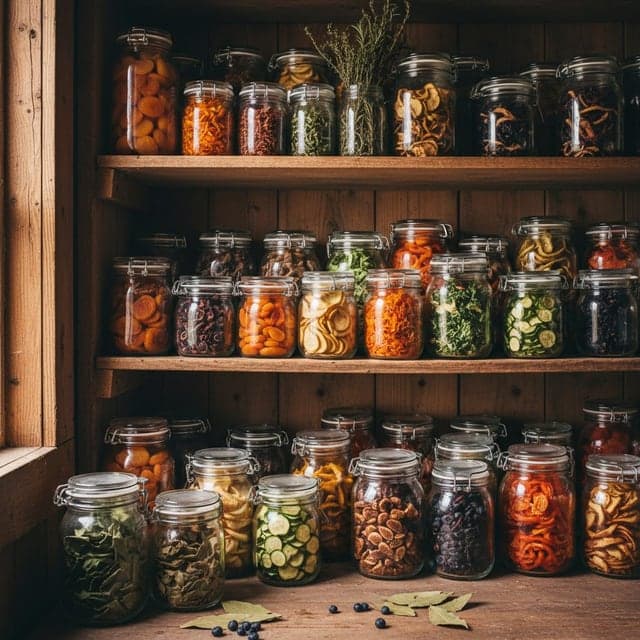
Condition home-dried fruit for 7-10 days, hold water activity at or below 0.60, ban oxygen absorbers above 10% moisture to stop botulism, and treat insects at 0°F or 160°F.

Master food-safe solar drying on your homestead. Learn optimal temperatures, humidity, and airflow to prevent mold, case-hardening, and spoilage for long-lasting preserved foods.
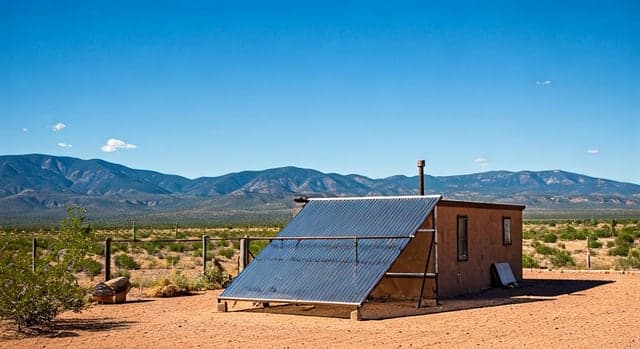
Solar drying methods for homestead food preservation in the arid Southwest, reducing food waste and extending harvests across USDA zones 7 to 10.

Learn how to effectively solar dry tomatoes, peppers, herbs, and apples on your homestead. Discover target temperatures, drying times, and simple dryer designs for efficient food preservation.
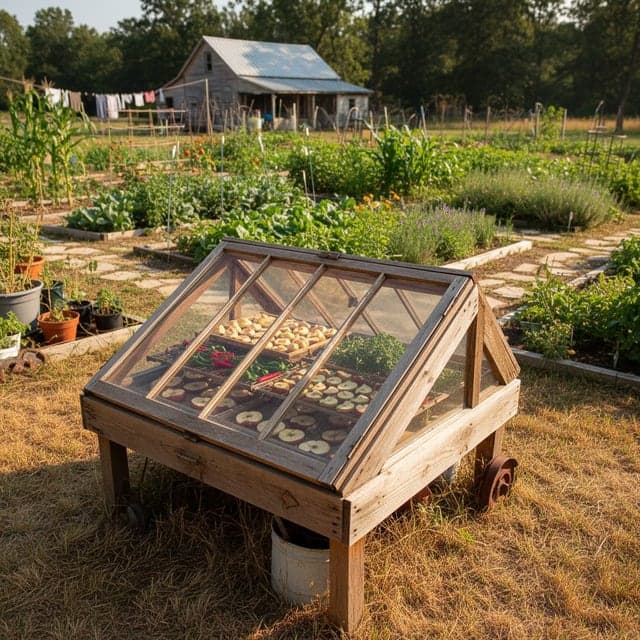
Engineer a safe DIY solar food dryer under $50 with 304 stainless steel or FDA polypropylene mesh over untreated cedar frames, indirect convective collector airflow (125–145°F), strict galvanized/f…
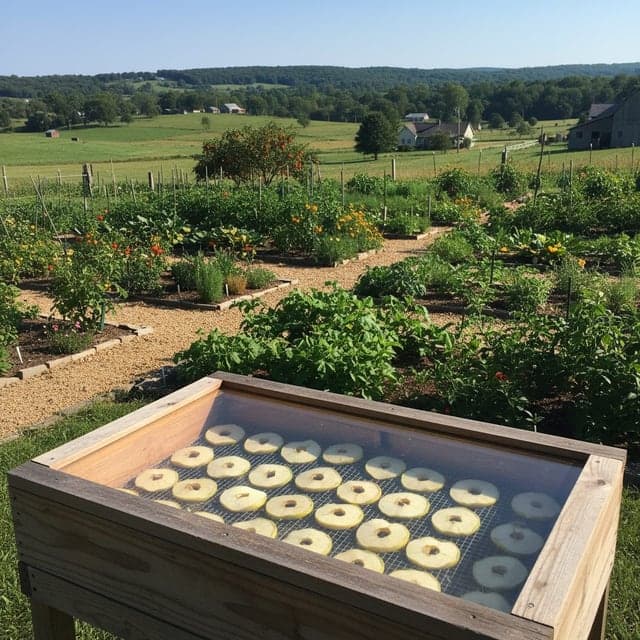
Learn to choose the best solar dehydrator designs for your homestead. Compare direct vs. indirect models, considering climate, cost, and efficiency for preserving food sustainably.
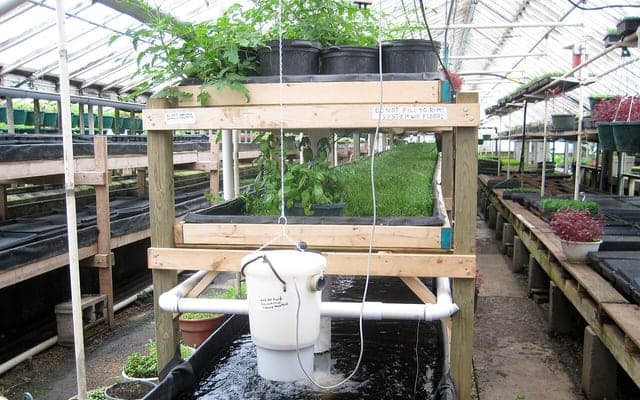
Ensure your aquaponics system survives power outages. Learn to size and implement reliable 72-hour backup aeration for tilapia, protecting your fish and investment with essential aquaponics backup…
How to build durable, low-cost wood-fired earth ovens that reduce cooking fuel costs by 25-35% and support off-grid self-sufficiency with natural materials.
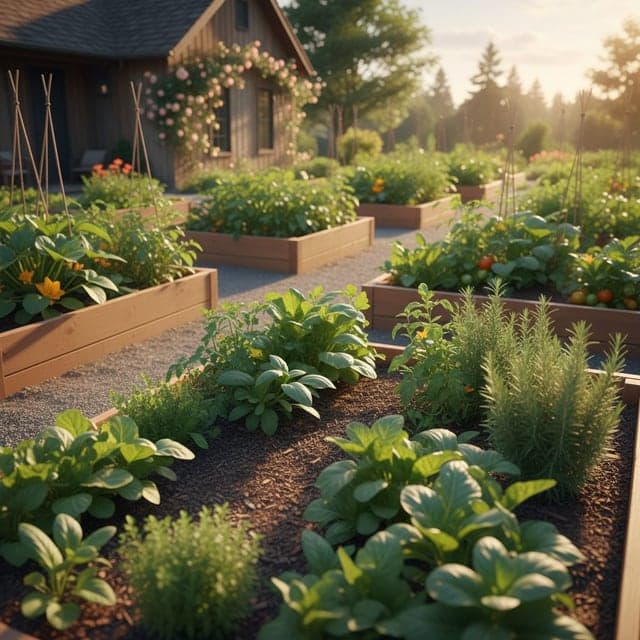
Explore durable, low-cost earth building methods like cob, earthbag, adobe, and rammed earth for your homestead. Learn how these natural techniques offer energy efficiency and resilience.
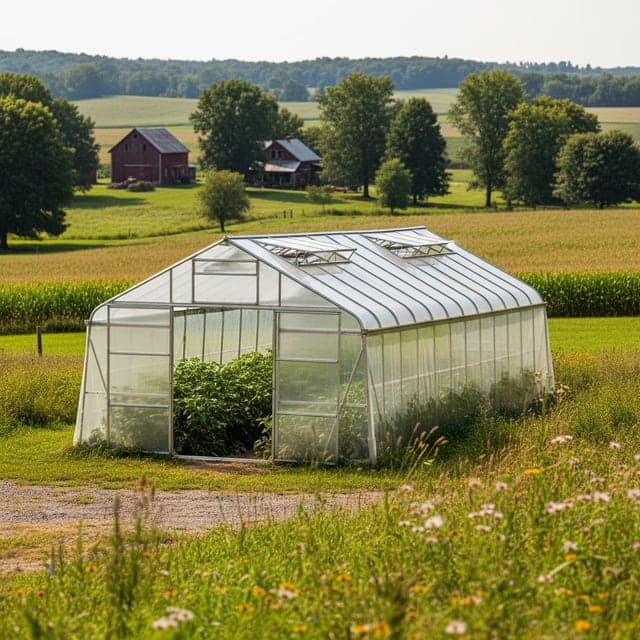
Master off-grid greenhouse cooling with passive ventilation, strategic shading, and evaporative methods. Keep your plants thriving in USDA Zone 7+ without electricity.

Build a budget passive solar greenhouse that protects crops in winter and prevents >105–110°F summer spikes: Latitude + 15° south glazing, R-15–R-20 walls, XPS frost skirts, 458 BTU/°F drum math, v…
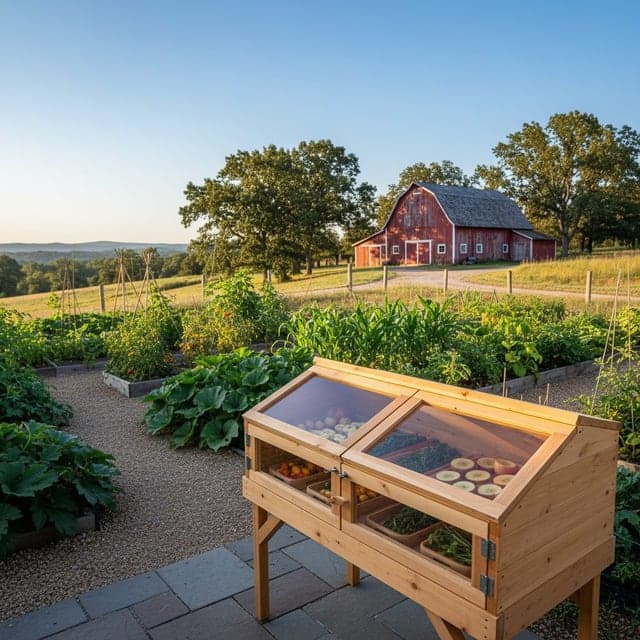
Learn to build a DIY solar dehydrator for your homestead. Preserve garden produce efficiently, cut energy costs, and extend your harvest with this off-grid solution.
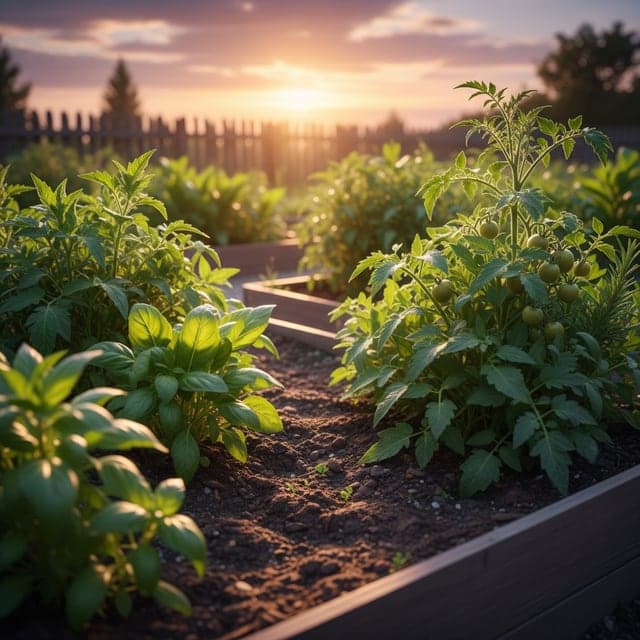
Store carrots, potatoes, onions, winter squash, and fresh produce without electricity in apartments or rentals using insulated balcony coolers, damp-sand bins, cool closets, and arid zeer pots.
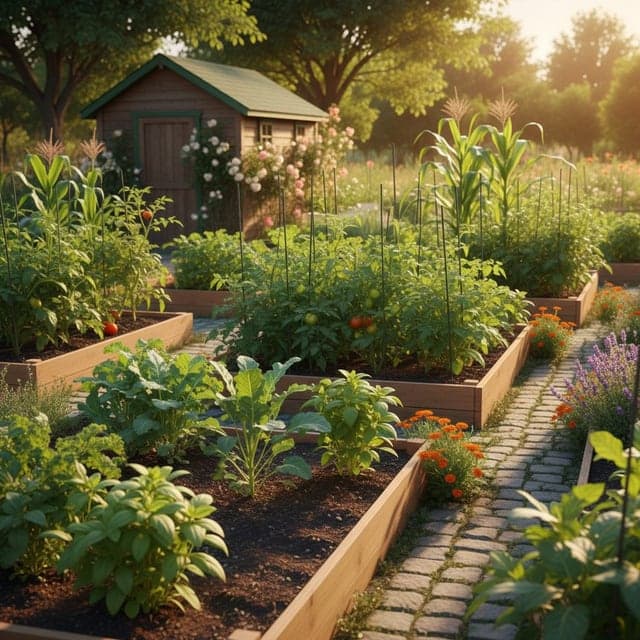
How to keep an Arizona garden watered for 30 days using a gravity drip system, battery timer, and rainwater harvesting in arid climates.