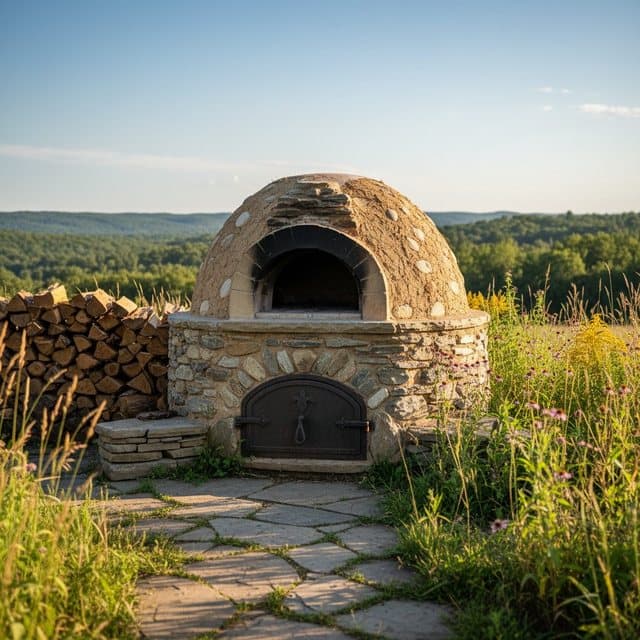
Build wood-fired earth ovens for off-grid homesteads
How to build durable, low-cost wood-fired earth ovens that reduce cooking fuel costs by 25-35% and support off-grid self-sufficiency with natural materials.
Tag
36 articles in this tag on agripure. — page 1 of 2
How to build durable, low-cost wood-fired earth ovens that reduce cooking fuel costs by 25-35% and support off-grid self-sufficiency with natural materials.
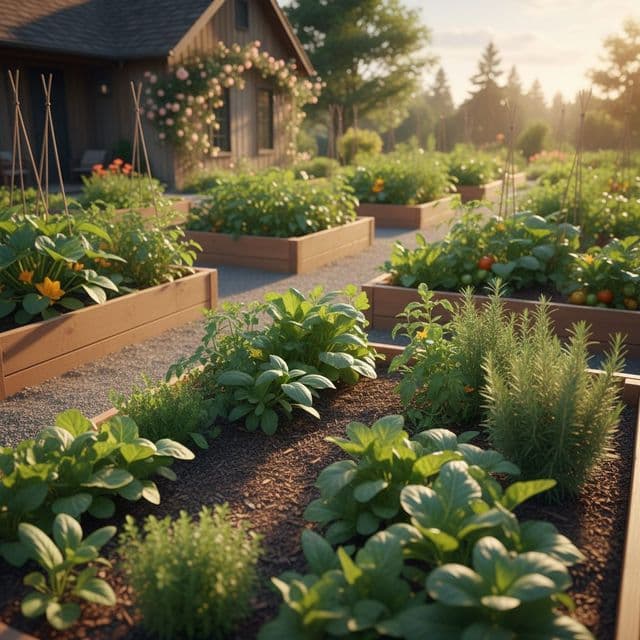
Explore durable, low-cost earth building methods like cob, earthbag, adobe, and rammed earth for your homestead. Learn how these natural techniques offer energy efficiency and resilience.
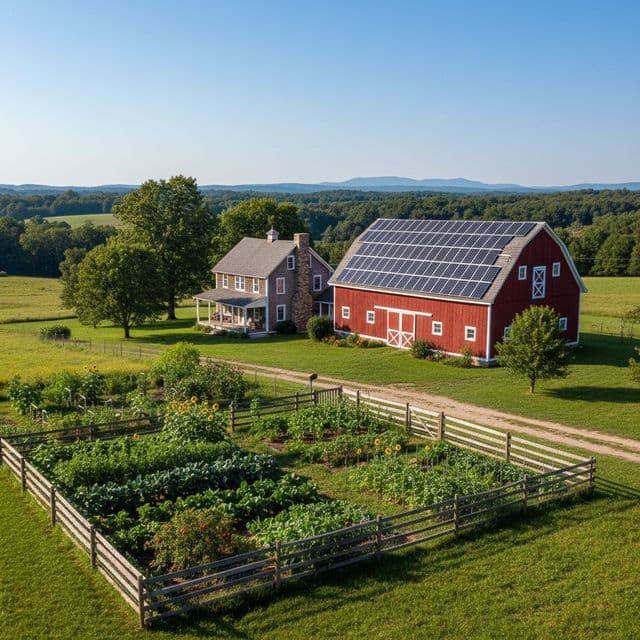
Achieve energy independence on your homestead with off-grid solar & battery systems. Learn about sizing, LiFePO4 batteries, and cost savings for reliable power in USDA Zone 6.
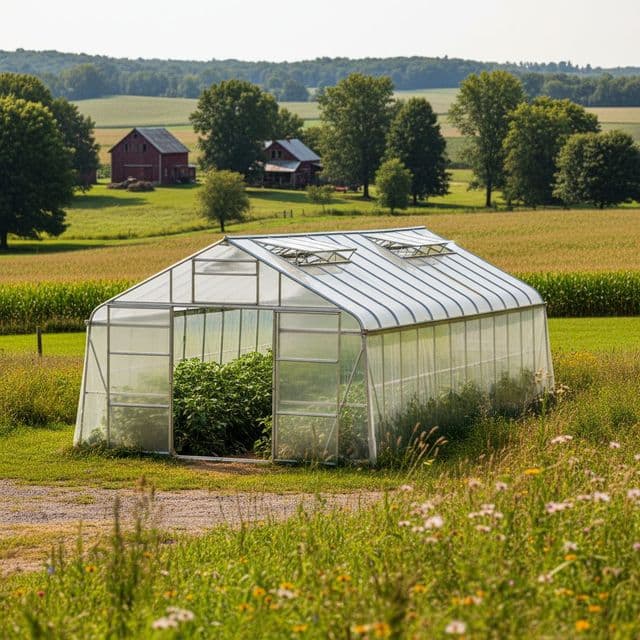
Master off-grid greenhouse cooling with passive ventilation, strategic shading, and evaporative methods. Keep your plants thriving in USDA Zone 7+ without electricity.
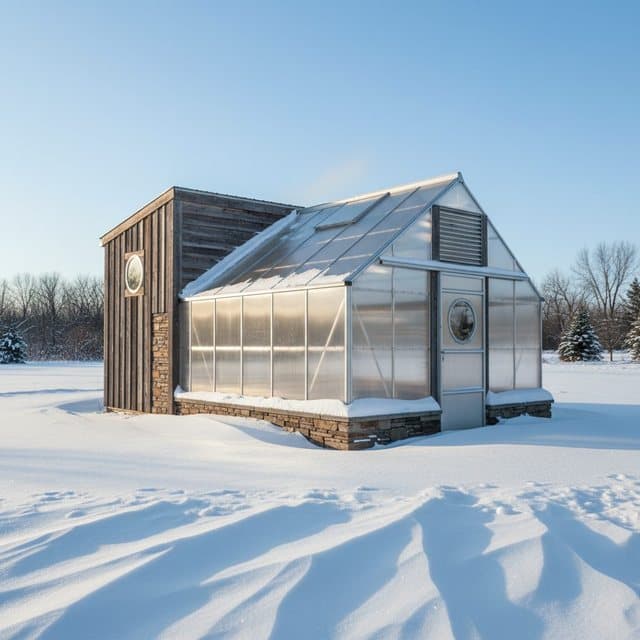
How to build a budget passive solar greenhouse in USDA Zone 5, using solar orientation, thermal mass, and insulation to extend the growing season by up to six months.
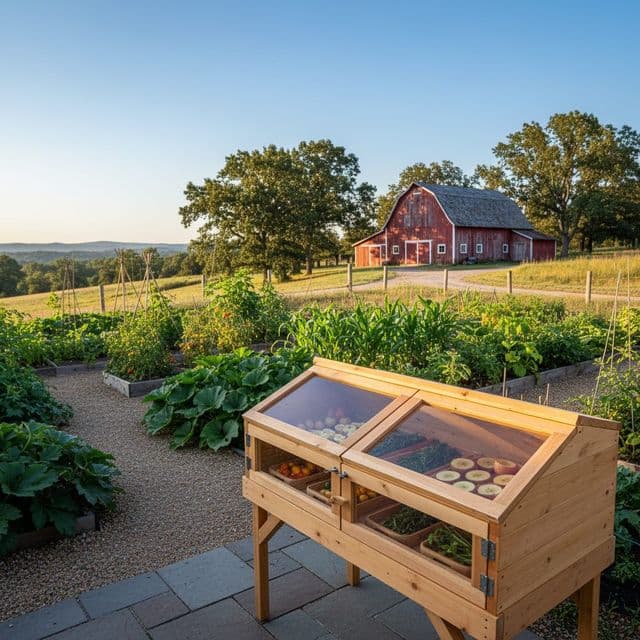
Learn to build a DIY solar dehydrator for your homestead. Preserve garden produce efficiently, cut energy costs, and extend your harvest with this off-grid solution.
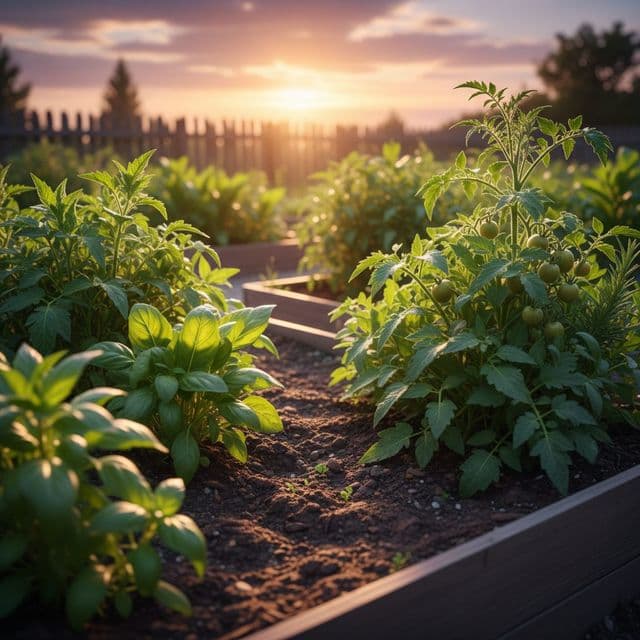
How to preserve food without electricity using passive cooling methods like zeer pots, root cellars, and cool spaces to extend harvest life and reduce waste.
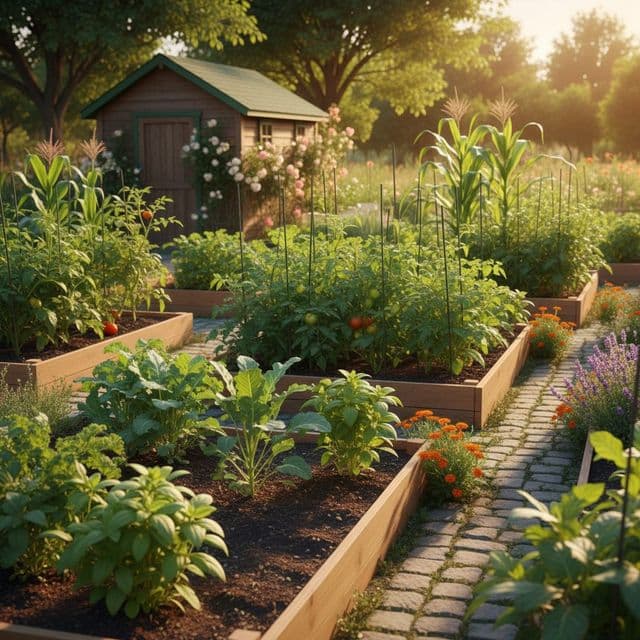
How to keep an Arizona garden watered for 30 days using a gravity drip system, battery timer, and rainwater harvesting in arid climates.
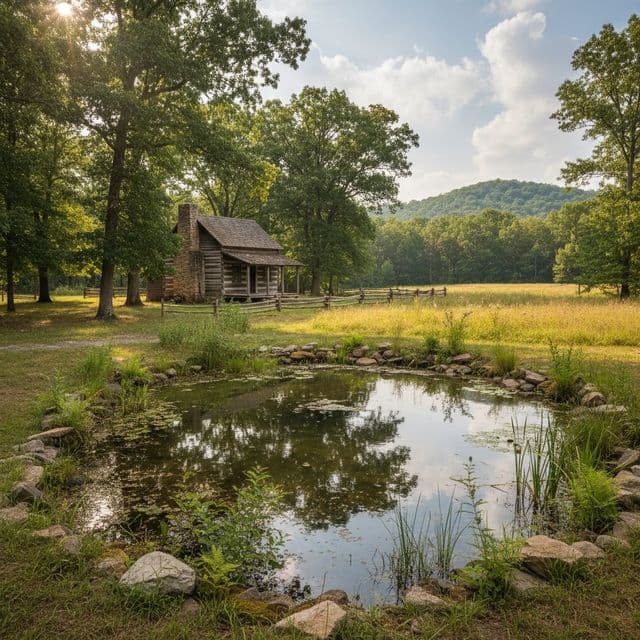
Build and maintain a self-sustaining, off-grid pond in USDA Zone 6 using passive aeration, native plants, and rainwater harvesting for an electricity-free ecosystem.
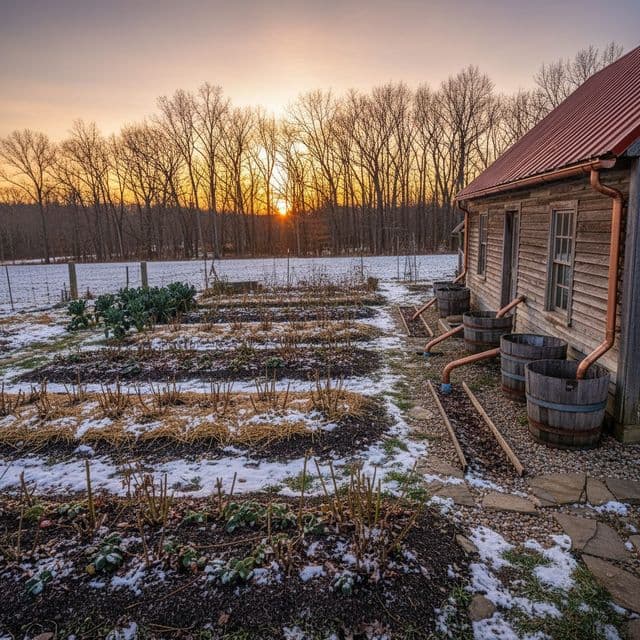
Learn essential steps for cold-climate rainwater storage. Prevent freeze damage to barrels & systems in USDA Zone 5 by draining and protecting components before winter.
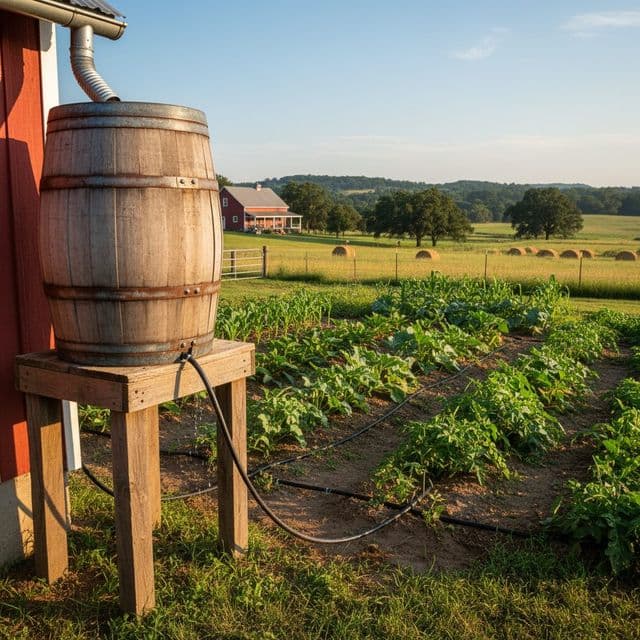
Gravity-fed drip irrigation from a 275-gallon rain barrel can water a 750 sq ft garden, reducing water use by 30-70%.
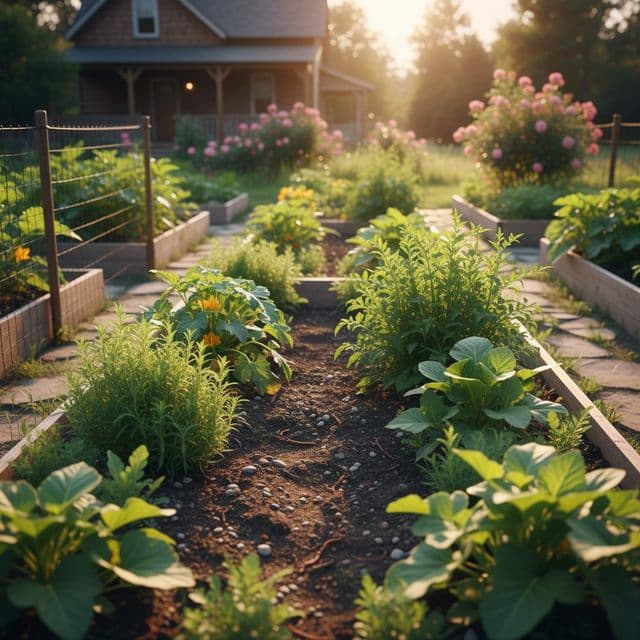
Understand US rainwater harvesting laws, including specific rules for Colorado, Utah, and Nevada. Learn about volume limits, permits, and efficient passive irrigation techniques like ollas to conse…
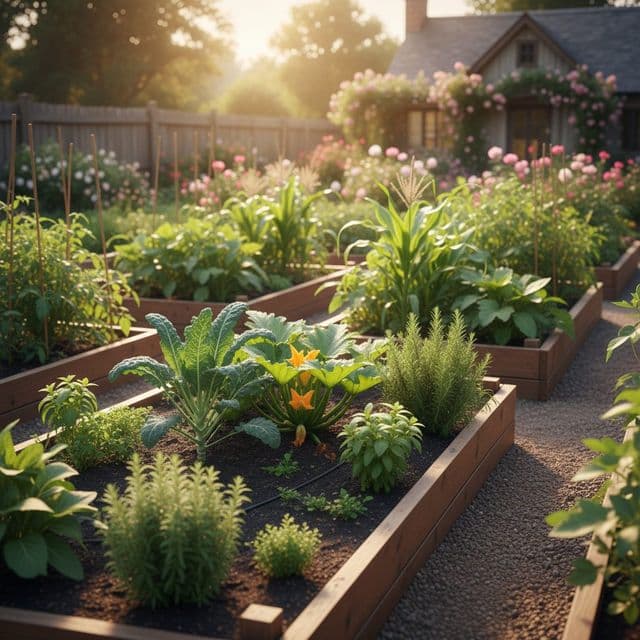
Achieve consistent water pressure for your 1,500 sq ft garden using linked rainwater tanks. Discover elevation, pipe sizing, and placement tips for effective gravity-fed irrigation.
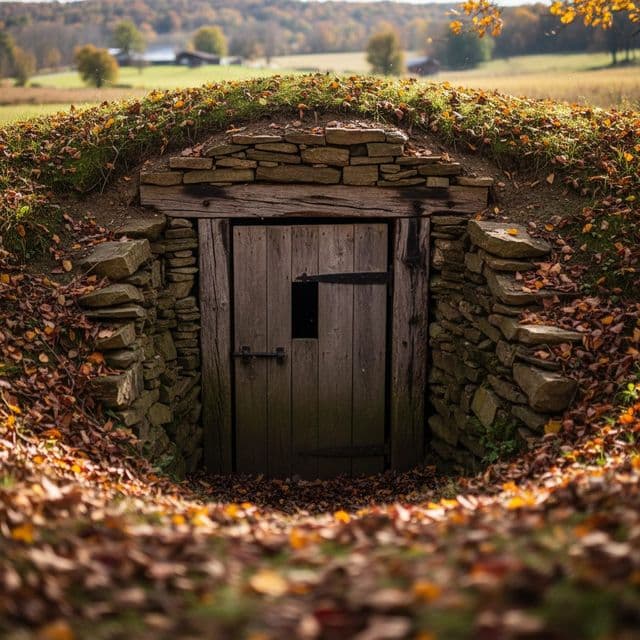
Store harvested crops for up to 10 months in USDA Zone 6 using no-power root cellaring techniques that regulate temperature, humidity, and ventilation.
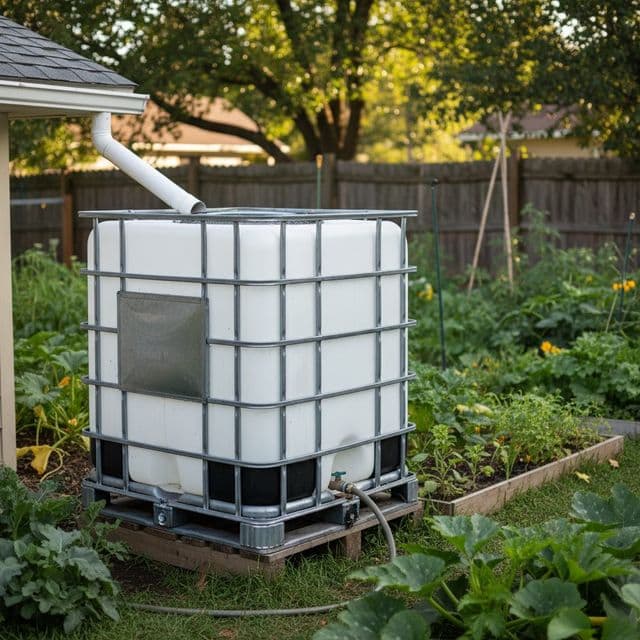
Learn to set up an effective rainwater harvesting system for your homestead. Reduce municipal water use, lower bills, and provide plants with natural, chlorine-free water. Essential for resilience.
How a solar water heater works, active vs passive and direct vs indirect systems, flat-plate vs evacuated-tube collectors, sizing, cost, and 50-80% savings.
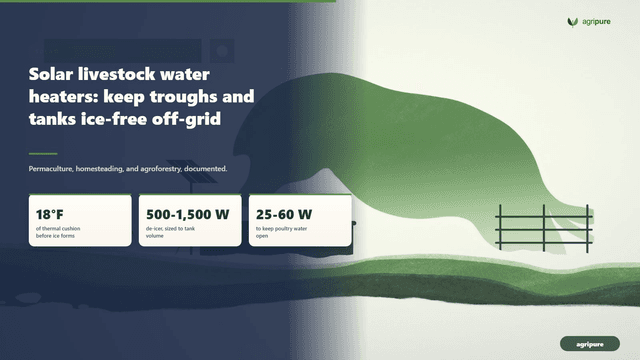
Keep livestock troughs and tanks ice-free off-grid: passive insulation and solar-gain tricks first, then sizing a solar de-icer’s panel and battery by watt-hours.
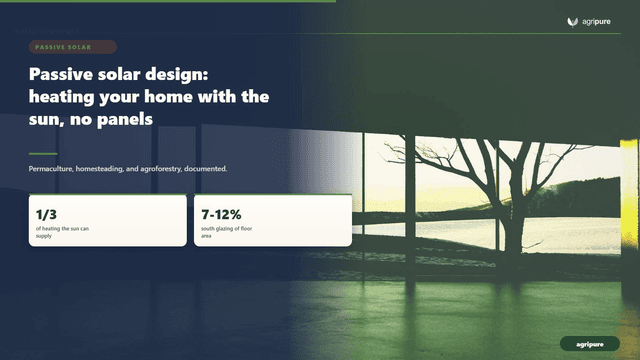
How passive solar design heats a home with no panels: the five elements, how much south glass and thermal mass to use, and how to size a roof overhang.
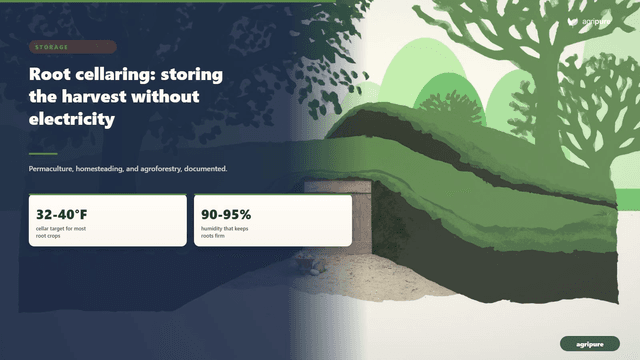
How to build and use a root cellar: the four conditions to manage (32-40F, humidity, dark, airflow), which crops store at what temperature, curing, and the ethylene rule.
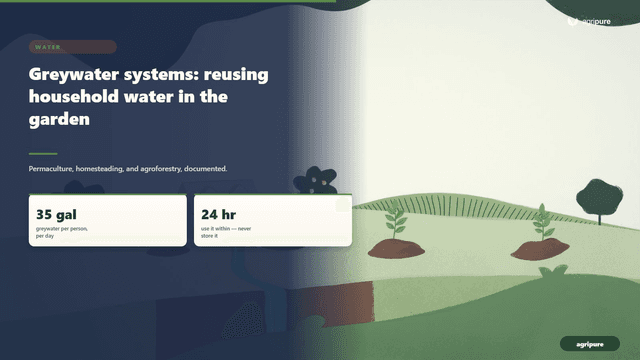
How to reuse greywater from showers, sinks, and laundry in the garden: what counts vs blackwater, laundry-to-landscape systems, the golden rules, plant-safe soaps, and permits.
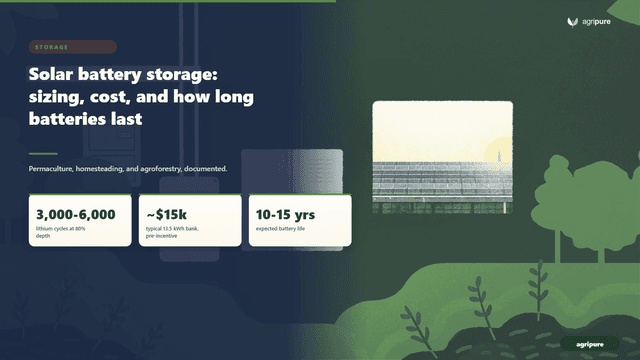
How solar battery storage works, lithium vs lead-acid, sizing a bank in kWh, how long batteries last, and what storage costs and pays back.
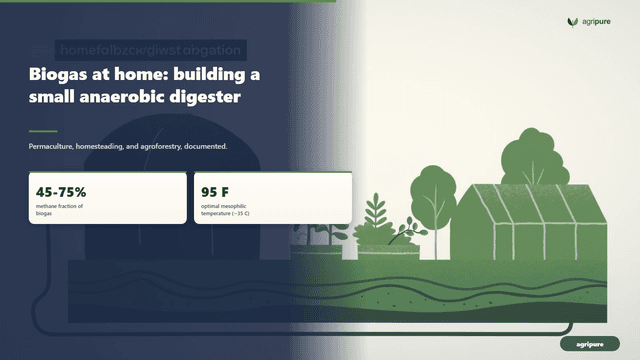
Biogas at home: how a small anaerobic digester turns manure and food scraps into cooking gas and fertilizer – composition, sizing, the cold-climate problem, and an honest verdict.

Are home wind turbines worth it? The honest answer: site wind speed is everything. How to size kW to your kWh, tower height, real output, cost, and payback.
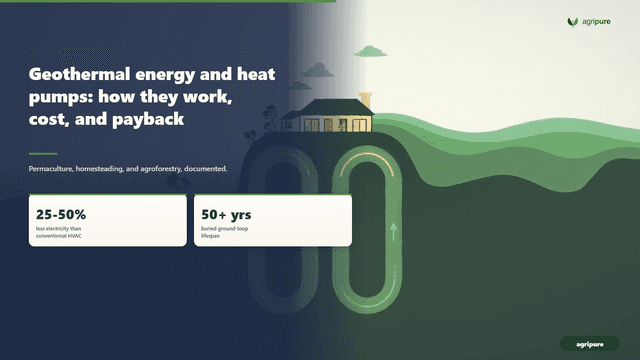
How a geothermal heat pump works, what it costs to install ($15k-$45k), real COP efficiency, and the payback now that the 30% federal tax credit has lapsed.