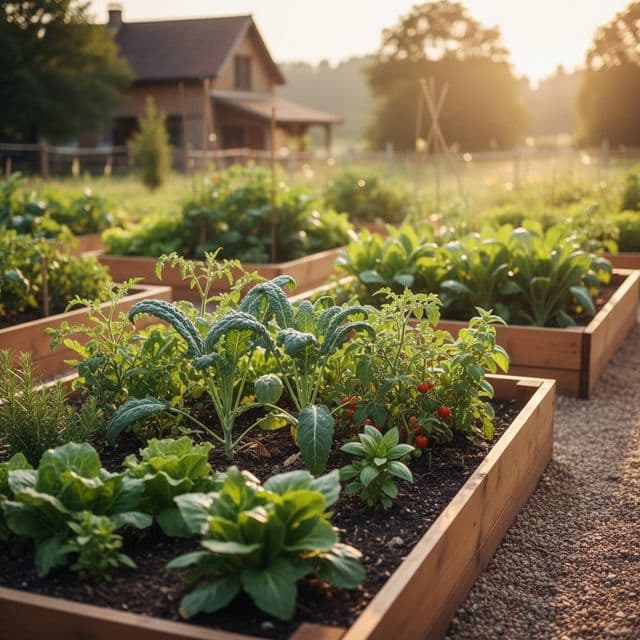
Why grafting is essential for reliable US fruit tree harvests
Fruit tree grafting ensures consistent quality, disease resistance, and predictable harvests in US orchards. Learn how this horticultural technique supports reliable fruit production.
Topic
Season-by-season orchard maintenance: dormant pruning, grafting, thinning, feeding, mulching, and integrated pest and disease control that keeps backyard fruit trees healthy and productive for decades.
72 articles in this topic on agripure. — page 2 of 3
Fruit tree grafting ensures consistent quality, disease resistance, and predictable harvests in US orchards. Learn how this horticultural technique supports reliable fruit production.
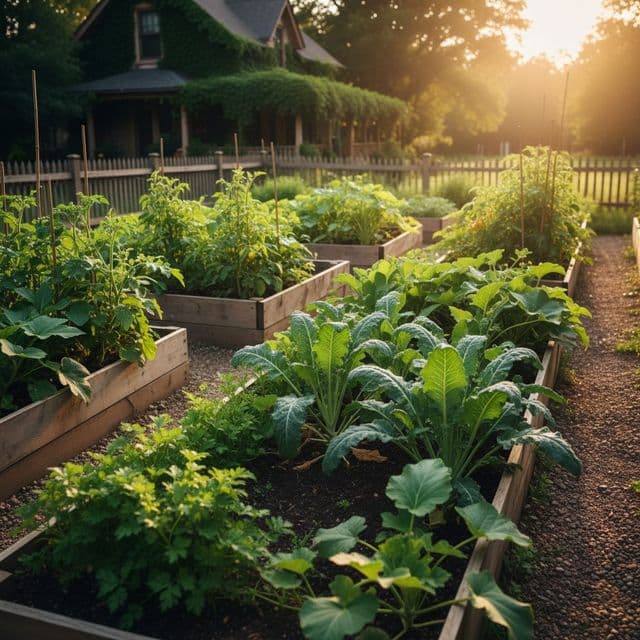
Learn to propagate elderberry, currants, and gooseberries from cuttings. Save money, ensure genetic fidelity, and expand your orchard in USDA zones 3-9 with this guide.
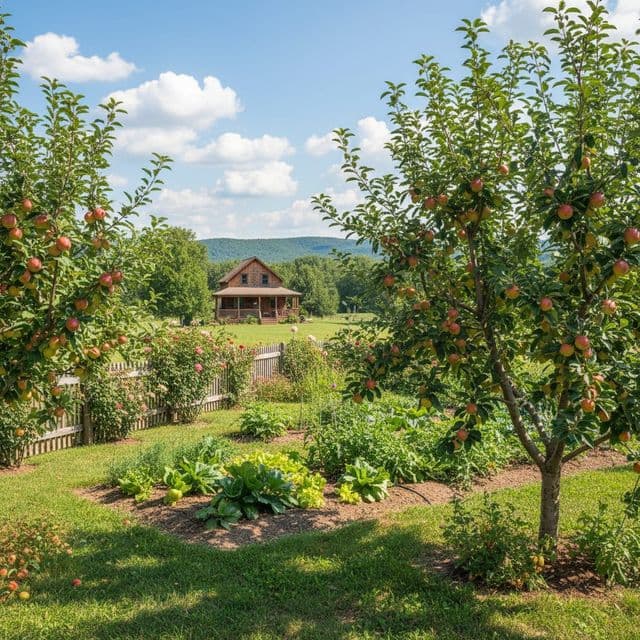
A comparison of natural rooting aids, such as willow water and honey, with commercial hormones for propagating fruit tree cuttings in USDA zone 6.
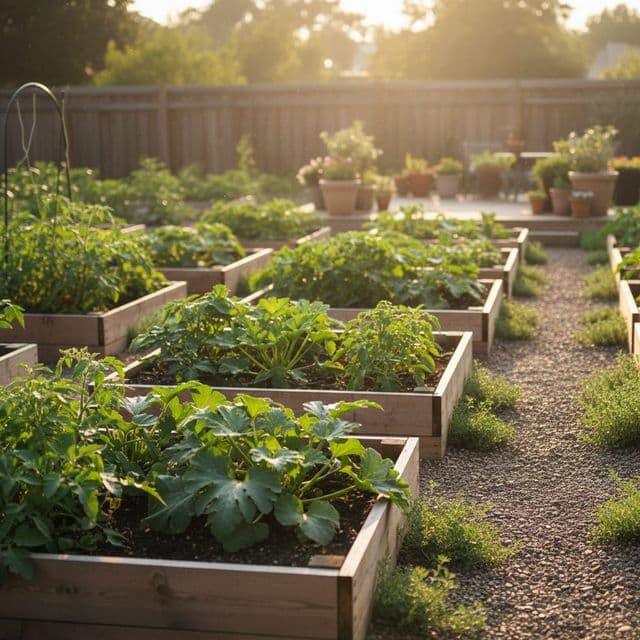
Learn fruit tree propagation in USDA Zone 6, covering timing and techniques for softwood vs. hardwood cuttings, including rooting hormone use and aftercare for high success rates.
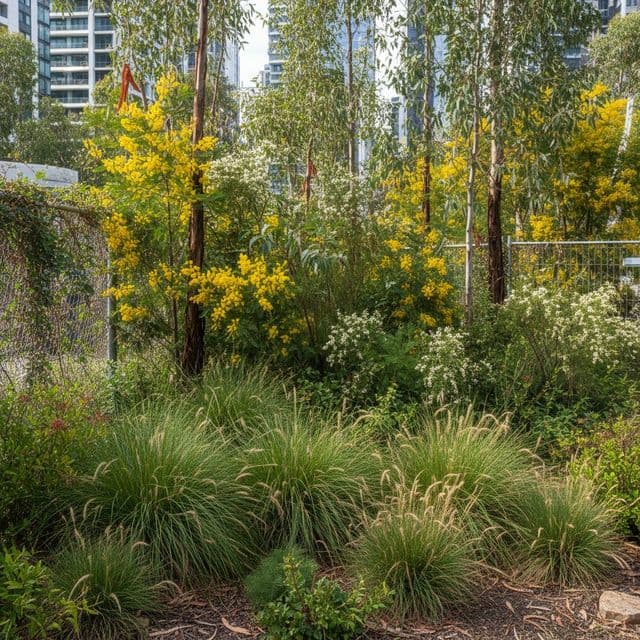
Learn air layering fruit trees with this step-by-step guide. Propagate your favorite fruit trees true-to-type, avoid grafting, and get fruit sooner. Ideal for USDA Zones 5-9.
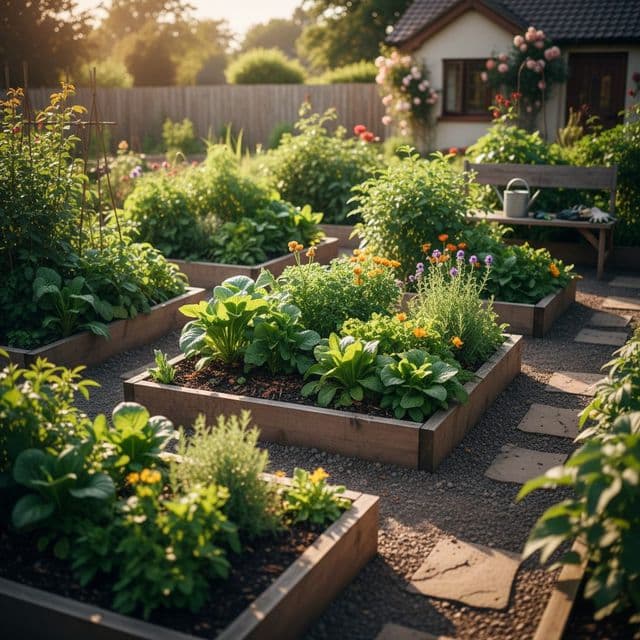
How to propagate fig, pomegranate, and mulberry from hardwood cuttings in USDA Zones 6-9, covering dormant cutting selection, rooting media, and auxin application.
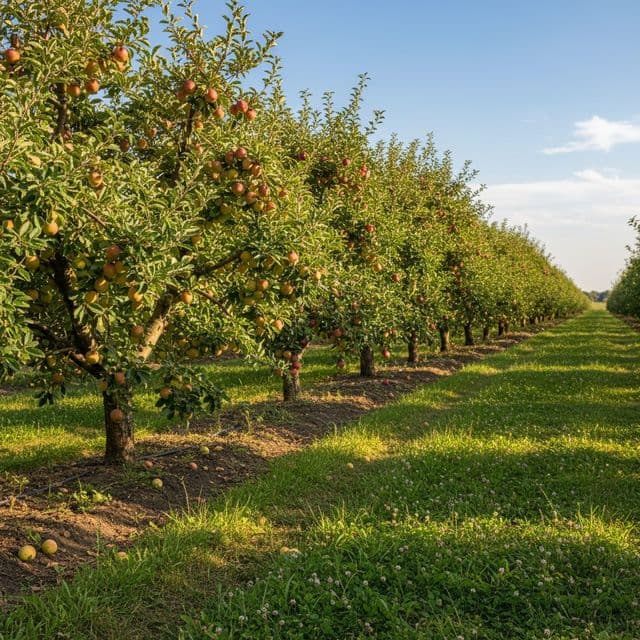
Master organic orchard disease management. Combat brown rot in stone fruit and cedar-apple rust in apples with proven preventative measures, cultural practices, and organic treatments.
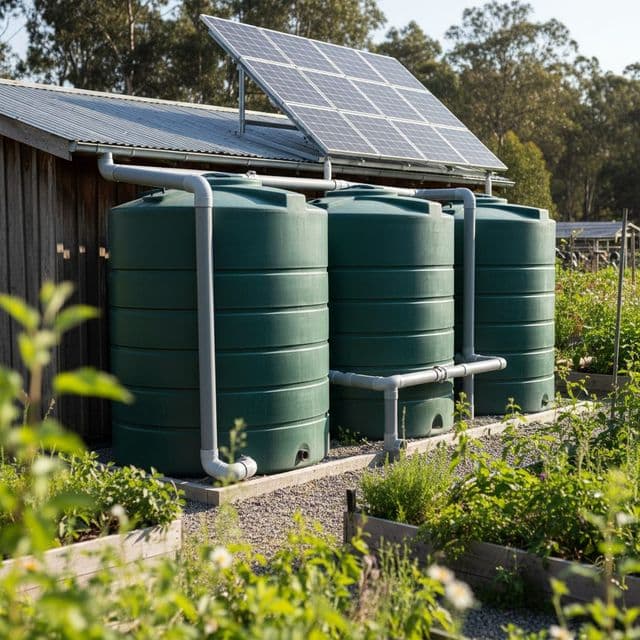
Effectively control apple maggots in your home orchard with red-sphere traps. Learn when to deploy, how to use them, and reduce fruit damage by 70% or more without broad-spectrum pesticides.
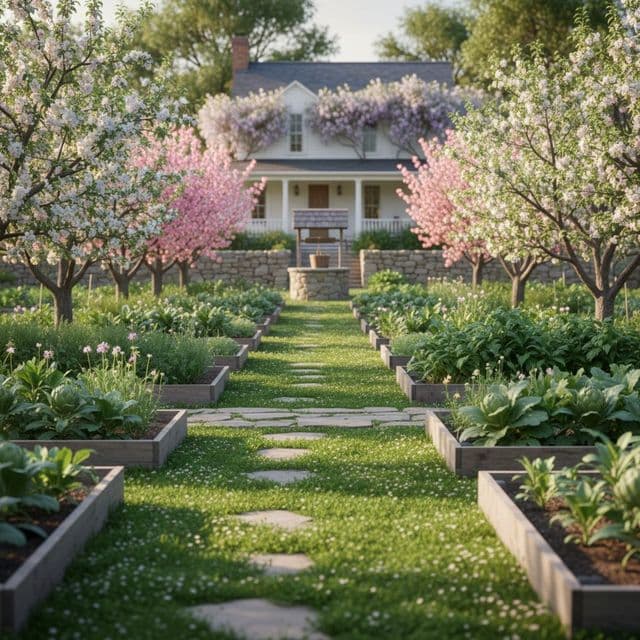
Effectively manage plum curculio organically in USDA zone 6 orchards. Learn identification, life cycle, and strategies like sanitation, physical barriers, and organic sprays to protect your fruit t…
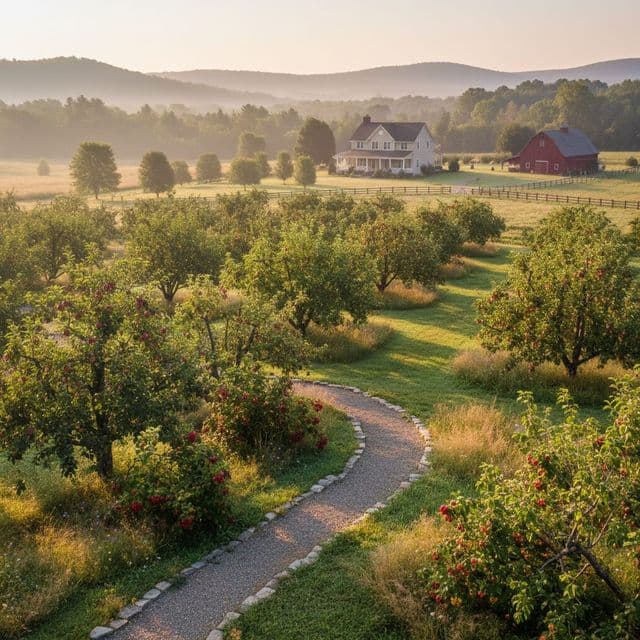
Protect your cherries, berries, and figs from spotted-wing drosophila (SWD). Learn effective SWD control strategies for home growers, including monitoring, netting, and sanitation.
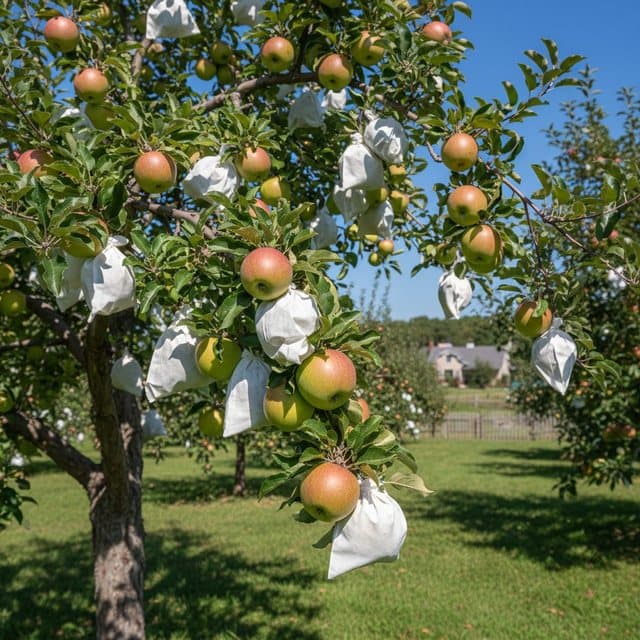
Protect your backyard apples and pears from codling moth in USDA zone 6. Learn effective, organic control methods like pheromone traps, fruit bagging, and kaolin clay for a healthy harvest.
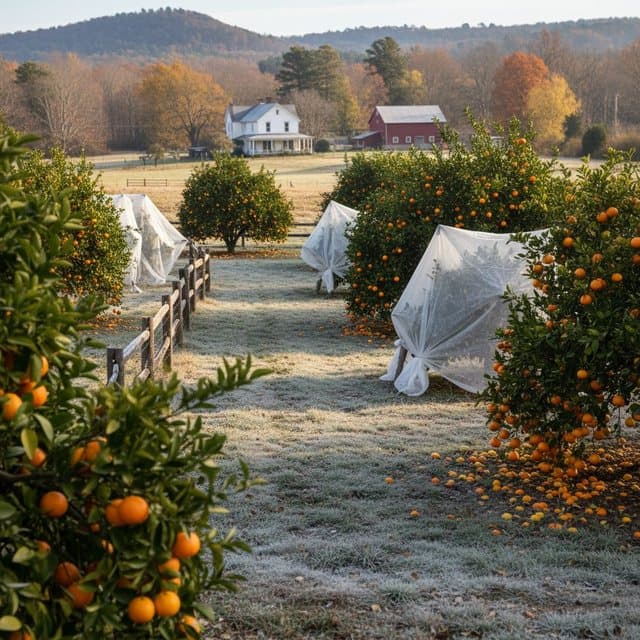
Discover how to grow cold-hardy citrus like satsumas, kumquats, and yuzu in USDA zones 7 & 8. Learn about rootstock, protection, and optimal conditions.
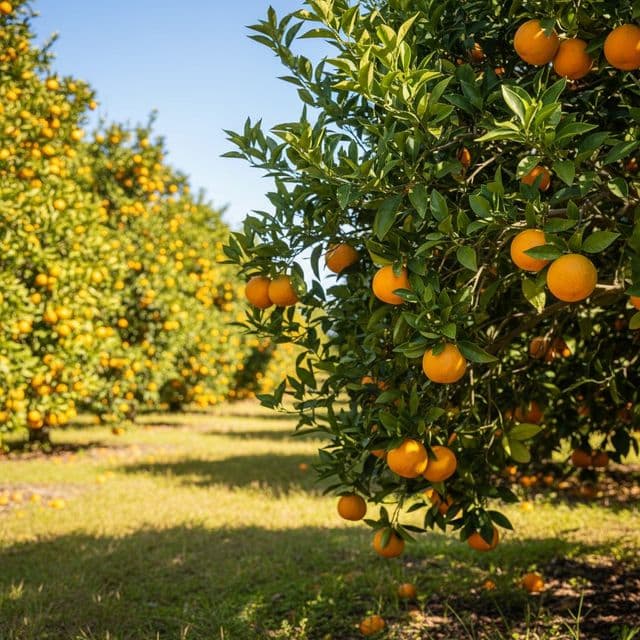
Optimize citrus tree health & fruit yield in Florida, Texas, and California with our year-round citrus fertilizer schedule. Learn about NPK, micronutrients, and soil pH for abundant harvests.
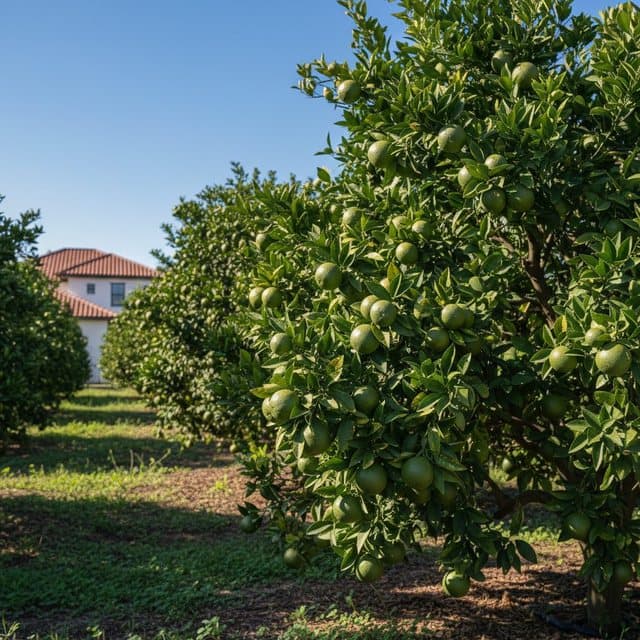
Learn to identify, report, and manage common citrus diseases in Florida like greasy spot, canker, and HLB. Protect your home citrus trees and prevent spread.
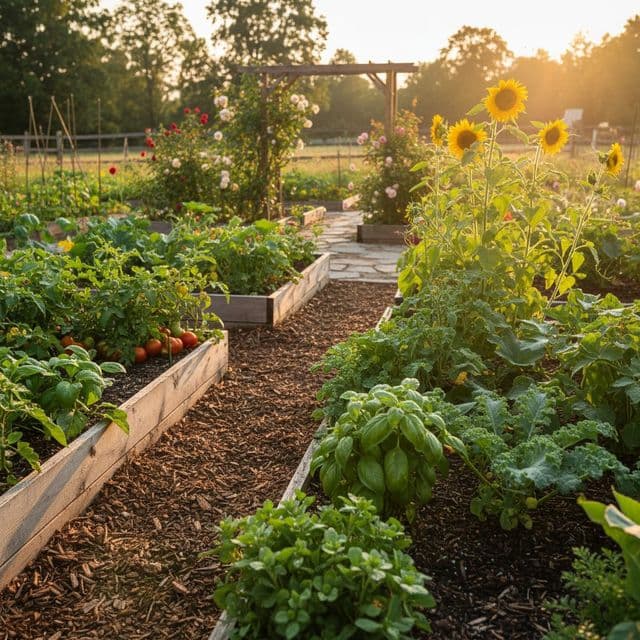
Improve citrus fruit quality in USDA Zones 8-10. Learn how consistent watering, nutrient balance, and soil pH management prevent thick peels and dry pulp for juicy harvests.
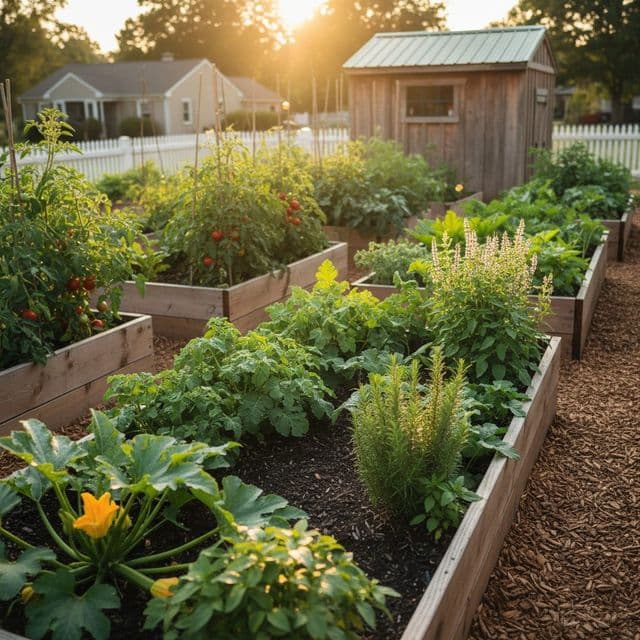
Prevent citrus fruit splitting and June drop in USDA Zone 9. Learn how consistent water, proper nutrients, and environmental management improve citrus yields and tree health.
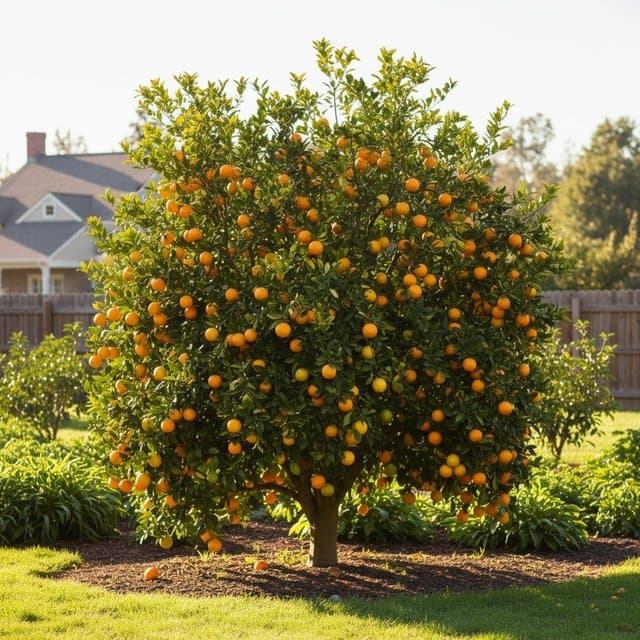
Diagnose yellow citrus leaves in your US orchard. Learn to identify nutrient deficiencies (nitrogen, iron, magnesium) and overwatering issues with practical solutions for healthy trees.
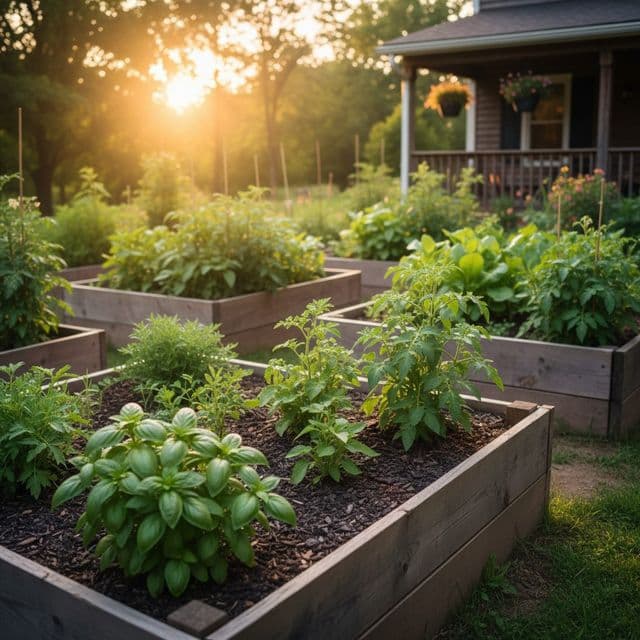
Master growing Southwest fruit trees despite 115°F heat, alkaline soil, and critical chill hours. Learn variety selection, soil amendments, and irrigation for a thriving orchard.
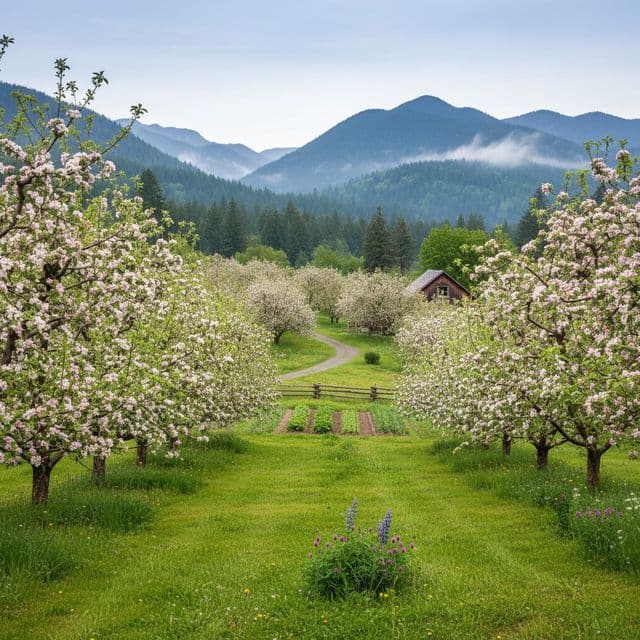
Discover top fruit tree varieties for the Pacific Northwest’s unique climate. Learn about disease-resistant options, rootstock selection, and care tips for healthy PNW fruit trees.
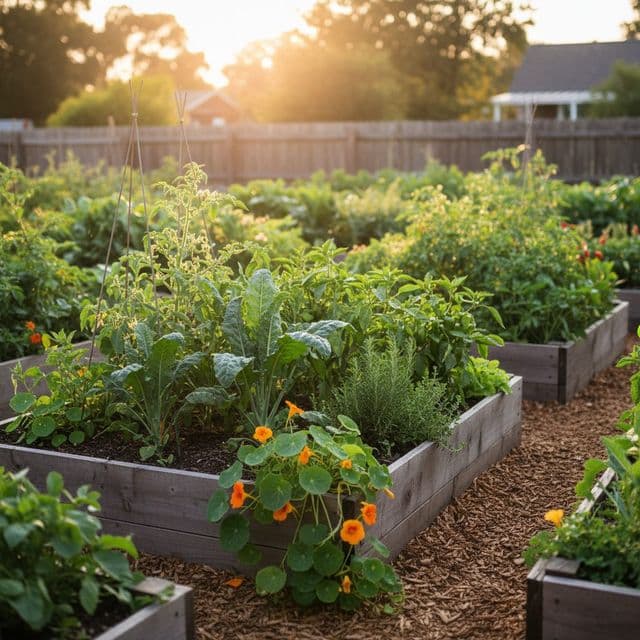
Discover why low-chill fruit varieties fail in the Midwest & Northeast. Learn about late frost risk, chill hours, and selecting cold-hardy trees for reliable harvests in USDA zones 4-7.
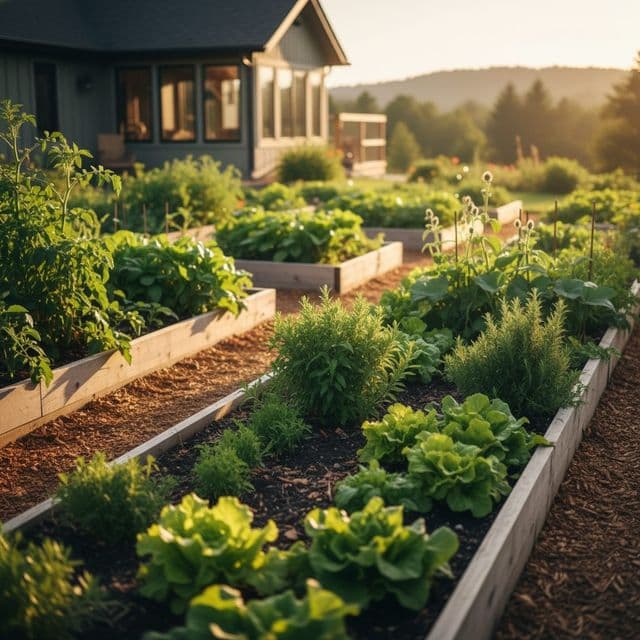
Discover how high-chill fruit trees like apples, pears, and cherries thrive with specific winter cold requirements. Learn about chill hours, ideal varieties for northern climates, and essential car…
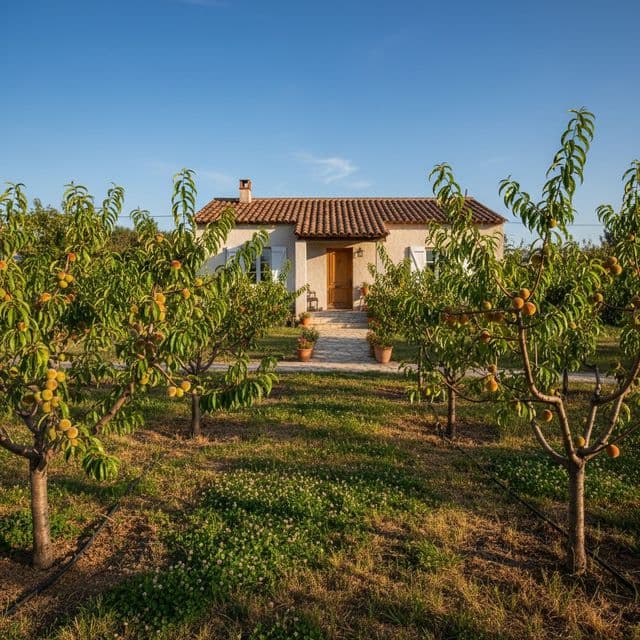
Learn to grow low-chill peaches and nectarines in USDA zones 8-10. This guide covers cultivar selection, chill hours, site prep, planting, and care for a bountiful harvest in warmer climates.
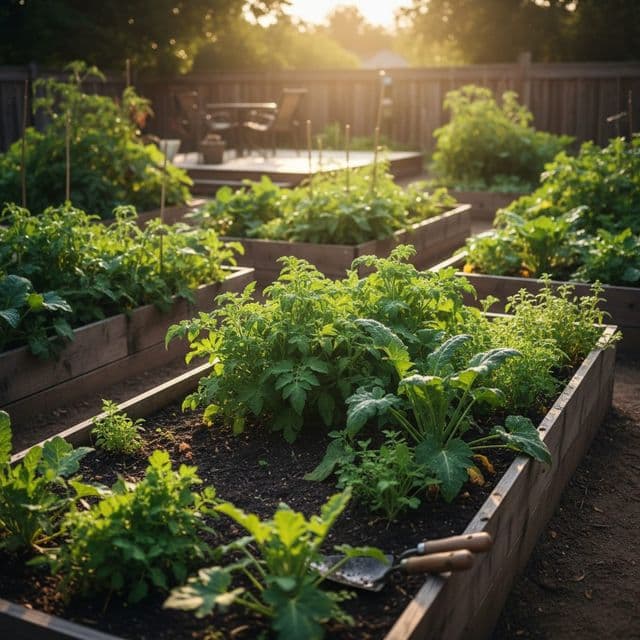
Low-chill apple varieties like Anna and Dorsett Golden produce reliable harvests in warm climates like the American South and coastal California with under 400 chill hours. Site selection, watering…
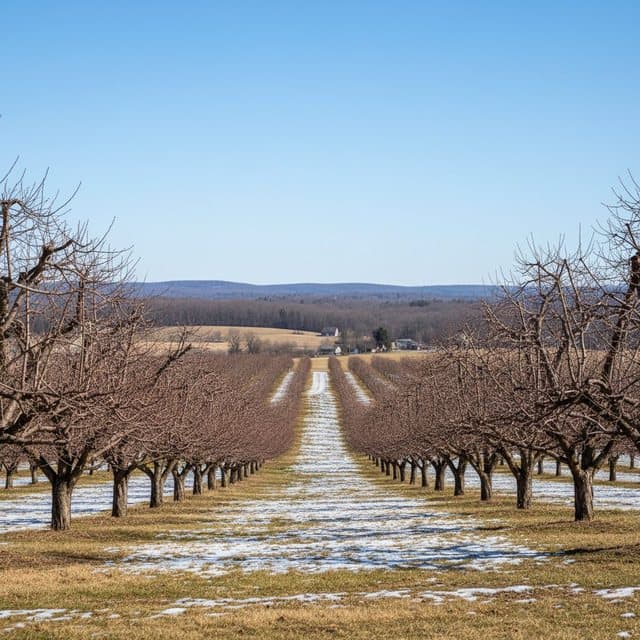
Unlock bountiful fruit harvests by understanding fruit tree chill hours. Learn how to calculate chill hours, choose the right varieties for your USDA zone, and ensure optimal production.