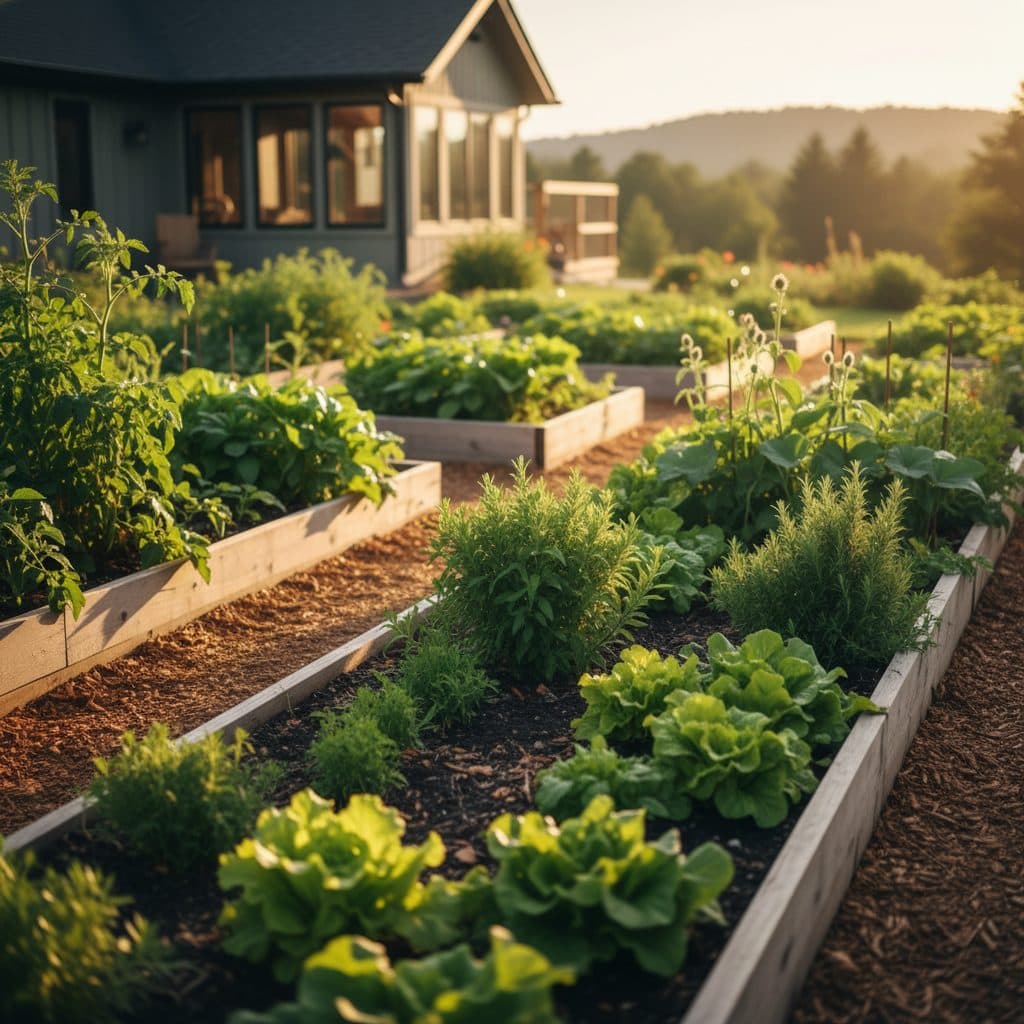
Key takeaways
- High-chill fruit trees require 800 to 1,200+ hours below 45°F (7°C) during winter dormancy for proper fruit set.
- Northern regions, including USDA zones 4-7, are ideal for growing high-chill apple, pear, and cherry varieties.
- Proper orchard care, including annual pruning and diligent pest management, is essential for healthy, productive trees.
- Grafting can allow home growers to cultivate multiple varieties on a single rootstock, expanding their orchard’s output.
- Specific varieties like Honeycrisp apples, Bartlett pears, and Montmorency cherries are well-suited for colder climates.
- Understanding your local chill hour accumulation is more critical than just your USDA hardiness zone for fruit production.
Quick answer: High-chill fruit trees, such as apples, pears, and cherries, thrive by receiving 800 to 1,200+ hours of winter temperatures below 45°F (7°C), which is essential for breaking dormancy and proper fruit set. This sustained cold exposure allows for uniform bud development and prevents significant yield reductions.
For growers in the northern United States, from USDA zone 4 in Minnesota down to zone 7 in parts of Pennsylvania, the deep cold of winter is a requirement for many fruit trees. High-chill apples, pears, and cherries depend on a sustained period of low temperatures, typically below 45°F (7°C), to break dormancy and set fruit properly in the spring. Without these chill hours, trees may exhibit delayed bud break, poor flowering, and significantly reduced yields, often by 50% or more.
This article will guide you through understanding chill hour requirements, selecting appropriate varieties for your climate, and providing the specific care necessary for these cold-loving fruit trees. We will explore how a real northern winter, providing anywhere from 800 to 1,200 or more chill hours, is the foundation for a bountiful harvest of crisp apples, juicy pears, and sweet or tart cherries.
understanding chill hours and your climate
Chill hours represent the cumulative time a fruit tree spends at temperatures between 32°F (0°C) and 45°F (7°C) during its dormant period, typically from late fall through early spring. This cold exposure is vital for the physiological processes that allow flower buds to develop and open uniformly. For instance, an apple tree needing 1,000 chill hours will not perform optimally if it only receives 700 hours, leading to erratic blossoming and a potential crop reduction of 30% or more. Growers in states like Michigan, New York, and Washington often experience well over 1,000 chill hours annually, making these regions prime for high-chill varieties.
calculating your chill hours
Accurately tracking chill hours is fundamental for selecting the right fruit tree varieties. While various models exist, the ‘Utah Model’ is commonly used, counting hours within the optimal temperature range. Many agricultural extension services provide local chill hour data, often updated annually, for specific counties or regions. For example, a grower in central Wisconsin (USDA zone 4b) might expect 1,200 to 1,400 chill hours in a typical winter, while a grower in southern Ohio (USDA zone 6a) might see 800 to 1,000 hours. Understanding these local specifics ensures you choose trees that match your climate’s natural rhythm, preventing issues like delayed foliation or poor fruit set that can reduce yields by 40%.
- Monitor local agricultural extension reports for chill hour accumulation.
- Use a weather station with temperature logging capabilities for precise local data.
- Consult online resources that aggregate chill hour data for your specific USDA zone.
- Compare your average chill hours over five years to identify trends.
- Factor in microclimates on your property, which can vary by 50-100 hours.
high-chill apples for northern climates
Apples are perhaps the most iconic high-chill fruit, with many popular varieties requiring substantial winter cold. Cultivars like ‘Honeycrisp’ and ‘Fuji’ demand 800 to 1,000 chill hours, making them ideal for growers in USDA zones 4-6 across states like Minnesota, Wisconsin, and New York. ‘McIntosh’, a classic northern apple, needs around 900 chill hours and is known for its crisp texture and tart flavor, ripening in late September. For a successful harvest, match your selected varieties to your region’s typical chill hour accumulation, which can fluctuate by 10% to 20% year to year.
selecting reliable apple varieties
When choosing apple trees, consider not only chill hours but also disease resistance and mature tree size. For instance, ‘Northern Spy’ requires 800-1,000 chill hours and is known for its excellent storage qualities, often lasting three to four months in cool conditions. Varieties like ‘Haralson’, developed at the University of Minnesota, thrive in USDA zone 3 and need over 1,000 chill hours, yielding a reliable crop even after harsh winters. Proper rootstock selection matters too; a dwarfing rootstock like M.9 can keep a tree to 8-10 feet tall, making pruning and harvesting easier. For more on managing tree size, consult resources like How to prune fruit trees: by season, by species, and by tree age.
- ‘Honeycrisp’: 800-1,000 chill hours, USDA zones 3-7, crisp and sweet.
- ‘Fuji’: 800-1,000 chill hours, USDA zones 4-8, sweet and firm.
- ‘McIntosh’: 900-1,000 chill hours, USDA zones 4-7, tart and aromatic.
- ‘Gala’: 800-1,000 chill hours, USDA zones 4-8, mild and sweet.
- ‘Northern Spy’: 800-1,000 chill hours, USDA zones 4-7, good for pies and storage.
pears and cherries that thrive in winter
Beyond apples, many pear and cherry varieties also depend on significant winter chilling. European pears like ‘Bartlett’ and ‘Bosc’ typically need 800 to 1,000 chill hours and are well-suited for zones 4-7, producing sweet, juicy fruit. Asian pears, while generally requiring fewer chill hours, still benefit from a substantial cold period for consistent yields. For cherries, both sweet and tart varieties have high chill requirements. ‘Bing’ and ‘Rainier’ sweet cherries need 700 to 900 chill hours, while the tart ‘Montmorency’ cherry, a favorite for pies, needs 1,000 to 1,200 chill hours and is hardy in USDA zones 4-7, often yielding 20-30 pounds per tree.
cultivating cold-hardy stone fruits
When growing pears and cherries, consider their specific pollination needs; most require a compatible cross-pollinator within 50 feet for optimal fruit set. For example, ‘Bartlett’ pears need another European pear variety nearby to produce a full crop, which can increase yields by 50% or more. Cherries, especially sweet varieties, are susceptible to cracking if heavy rains occur close to harvest, so good drainage and timely picking matter. Proper soil moisture is also vital; a soil moisture meter can help maintain consistent hydration, especially during fruit development when trees can use 10-15 gallons of water per week. You can find useful tools like the 3-in-1 Soil pH, Moisture & Light Meter to monitor these conditions.
- ‘Bartlett’ Pear: 800-1,000 chill hours, USDA zones 4-7, classic canning pear.
- ‘Bosc’ Pear: 800-1,000 chill hours, USDA zones 4-7, russeted skin, firm flesh.
- ‘Comice’ Pear: 800-1,000 chill hours, USDA zones 5-9, very sweet and juicy.
- ‘Bing’ Sweet Cherry: 700-900 chill hours, USDA zones 5-8, large, dark fruit.
- ‘Rainier’ Sweet Cherry: 700-900 chill hours, USDA zones 5-8, yellow with a red blush.
- ‘Montmorency’ Tart Cherry: 1,000-1,200 chill hours, USDA zones 4-7, excellent for baking.
orchard care for high-chill varieties
Successful cultivation of high-chill fruit trees requires consistent and informed orchard care, particularly for home growers. Annual dormant pruning, typically performed in late winter before bud break, helps maintain tree structure, promote air circulation, and encourage fruit production. Removing about 20% to 30% of old wood each year helps stimulate new growth and keeps the tree productive. Proper pruning also reduces disease pressure by improving light penetration, which can decrease fungal issues by 15%. For detailed guidance, consider reviewing resources on pruning techniques.
managing pests and diseases
Pest and disease management is an ongoing task in any orchard. While commercial growers in the 1980s might have followed intensive spray schedules, sometimes involving 10-12 applications for apples in Illinois [1], home growers can often manage issues with targeted approaches. Regular scouting for pests like codling moth or apple scab, especially during critical growth stages, can prevent widespread damage. Using cultural controls, such as sanitation and resistant varieties, can reduce the need for chemical interventions by 25%. Adequate spacing between trees, maintaining 15-20 feet for standard sizes, also helps air circulation and reduces disease spread. For more on cold-hardy options, see Best Cold-Hardy Fruit and Nut Trees for USDA Zones 4-6.
- Perform dormant pruning annually in late winter to remove dead or crossing branches.
- Monitor soil pH, aiming for a range of 6.0 to 7.0 for most fruit trees.
- Ensure adequate watering, especially during dry spells, providing 1-2 inches of water per week.
- Apply balanced fertilizer in early spring, following soil test recommendations, typically 0.5-1 pound of nitrogen per tree.
- Protect young trees from rodent damage with tree guards, especially in areas with heavy snow cover, up to 18 inches high.
grafting for variety and resilience
Grafting is a useful skill for the home orchardist, allowing multiple varieties to grow on a single rootstock, or to repair damaged trees. This technique can extend your harvest season by combining early, mid, and late-season varieties on one tree, effectively tripling your output from a single planting spot. For instance, you could graft ‘Gala’ (early), ‘Honeycrisp’ (mid-season), and ‘Fuji’ (late-season) apple scions onto a single rootstock, providing fresh fruit from August through October. The success rate for grafting, when done correctly, can be as high as 70-80% for experienced growers.
rootstock selection and scion wood
Choosing the right rootstock is as important as selecting the scion wood. Rootstocks determine the tree’s ultimate size, disease resistance, and cold hardiness. For high-chill apples, M.111 or Bud.118 rootstocks offer good anchorage and cold tolerance, suitable for USDA zones 3-8, and produce trees 80-90% of standard size. When collecting scion wood, select healthy, one-year-old growth, about 6-12 inches long, from the previous season, ensuring it has at least three to four healthy buds. Store scion wood in a cool, moist environment, such as a refrigerator at 35-40°F (1.7-4.4°C), until grafting time in early spring. This careful preparation can increase grafting success rates by 20%.
- Select healthy, disease-free scion wood from dormant, one-year-old growth.
- Choose a compatible rootstock that matches your desired tree size and cold hardiness.
- Perform grafting in early spring, just before bud break, when the sap is flowing.
- Ensure cambium layers of scion and rootstock align precisely for successful union.
- Protect the graft union with grafting wax or tape to prevent desiccation and promote healing for 6-8 weeks.
High-Chill Fruit Variety Comparison
Variety | Type | Chill Hours (approx.) | USDA Zones | Harvest Season (US North) |
|---|---|---|---|---|
Honeycrisp | Apple | 800-1,000 | 3-7 | Late September |
McIntosh | Apple | 900-1,000 | 4-7 | Mid-September |
Bartlett | Pear | 800-1,000 | 4-7 | Late August |
Bosc | Pear | 800-1,000 | 4-7 | Late September |
Bing | Sweet Cherry | 700-900 | 5-8 | Late June – Early July |
Montmorency | Tart Cherry | 1,000-1,200 | 4-7 | Mid-July |
Chill Hour Range: Most high-chill fruit trees require 800 to 1,200 hours below 45°F (7°C) to properly break dormancy.
Pruning Benefit: Annual dormant pruning can increase fruit production by 20% and reduce disease pressure by 15%.
Grafting Success: Experienced growers can achieve a 70-80% success rate with grafting, allowing multiple varieties on one tree.
Frequently asked questions
What happens if a high-chill tree doesn’t get enough chill hours?
If a high-chill tree does not receive its required 800-1,200 chill hours, it may experience delayed or erratic bud break, poor flowering, and significantly reduced fruit yields, sometimes by 50% or more.
How do I know how many chill hours my area receives?
You can find chill hour data from local university agricultural extension services, which often provide historical and current accumulations for specific regions, typically updated annually for your USDA zone.
Can I grow high-chill varieties in a warmer climate?
It is generally not recommended to grow high-chill varieties in consistently warmer climates (e.g., USDA zone 8 or higher) as they will not receive the necessary 800+ chill hours, leading to poor performance and low yields, often less than 10% of their potential.
What is the best time to prune high-chill fruit trees?
The best time to prune high-chill fruit trees is during their dormant period in late winter, typically from January to March, before bud break. This timing minimizes stress and promotes vigorous spring growth, with about 20% of old wood removed.
Are there specific soil requirements for these trees?
High-chill fruit trees generally prefer well-drained loamy soil with a pH between 6.0 and 7.0. Ensuring good drainage is critical, as waterlogged roots can lead to tree decline within one to two seasons.
References
- Illinois commercial spray schedule, 1980 : apples, peaches, nectarines, apricots, plums, pears, and cherries : supplement to circular 1151 / (1980). Illinois commercial spray schedule, 1980 : apples, peaches, nectarines, apricots, plums, pears, and cherries : supplement to circular 1151 /.
- Illinois commercial spray schedule, 1985 : apples, peaches, nectarines, apricots, plums, pears, and cherries : supplement to circular 1151 / (1985). Illinois commercial spray schedule, 1985 : apples, peaches, nectarines, apricots, plums, pears, and cherries : supplement to circular 1151 /.
- Illinois commercial spray schedule, 1984 : apples, peaches, nectarines, apricots, plums, pears, and cherries : supplement to circular 1151 / (1984). Illinois commercial spray schedule, 1984 : apples, peaches, nectarines, apricots, plums, pears, and cherries : supplement to circular 1151 /.
- Illinois commercial spray schedule, 1983 : apples, peaches, nectarines, apricots, plums, pears, and cherries : supplement to circular 1151 / (1983). Illinois commercial spray schedule, 1983 : apples, peaches, nectarines, apricots, plums, pears, and cherries : supplement to circular 1151 /.
- Illinois commercial spray schedule, 1982 : apples, peaches, nectarines, apricots, plums, pears, and cherries : supplement to circular 1151 / (1982). Illinois commercial spray schedule, 1982 : apples, peaches, nectarines, apricots, plums, pears, and cherries : supplement to circular 1151 /.
- Integrated Physical–Mechanical Characterization of Fruits for Enhancing Post-Harvest Quality and Handling Efficiency (2025). Integrated Physical–Mechanical Characterization of Fruits for Enhancing Post-Harvest Quality and Handling Efficiency.