Key takeaways
- Northern highbush varieties thrive in USDA zones 4-7, requiring 800-1000 hours of chilling below 45°F.
- Rabbiteye blueberries are heat-tolerant, suitable for USDA zones 7-9, and need cross-pollination from a different variety for optimal yield.
- Southern highbush types are adapted for warmer climates, USDA zones 7-10, with low chilling requirements, often below 500 hours.
- Soil pH between 4.5 and 5.5 matters for all blueberry types, along with consistent moisture and at least six hours of daily sunlight.
- Proper pruning, especially during winter dormancy, keeps a bush producing large berries on young wood instead of small berries on old, crowded canes.
- Selecting disease-resistant cultivars and watching for stem blight and other cane diseases protects the planting from losses that compound over several seasons.
Quick answer: To choose the right blueberry for your climate, select varieties like Northern Highbush, Rabbiteye, or Southern Highbush based on your USDA hardiness zone and chilling hour requirements. Ensure proper soil pH, consistent moisture, and adequate sunlight for optimal growth.
In the Pacific Northwest, specifically western Oregon and Washington, blueberry production has seen significant growth, with over 15,000 acres dedicated to the crop, yielding millions of pounds annually. Across the United States, home gardeners are also discovering the satisfaction of growing their own blueberries. However, success hinges on selecting the right blueberry type for your specific climate and soil conditions. Not all blueberries are created equal; their chilling requirements, heat tolerance, and growth habits vary considerably, and the wrong type for your climate may fail to set fruit at all.
Understanding these differences is key to a productive patch. We will explore the three primary types cultivated by home growers: northern highbush, rabbiteye, and southern highbush. Each type has distinct needs and thrives in particular USDA hardiness zones, from the cold winters of Michigan, where northern highbush excels, to the warmer summers of Georgia, a stronghold for rabbiteye varieties. With careful planning and proper care, you can enjoy fresh blueberries for years, potentially harvesting 10-15 pounds per mature plant annually.
Northern highbush blueberries: cold-hardy and prolific
Northern highbush blueberries (Vaccinium corymbosum) are the most widely cultivated type, thriving in USDA zones 4-7. These varieties are well-suited for regions with distinct cold winters, requiring a significant chilling period of 800 to 1000 hours below 45°F (7°C) to break dormancy and produce fruit effectively. Popular cultivars like ‘Bluecrop’, ‘Duke’, ‘Legacy’, and ‘Patriot’ are known for their consistent yields and adaptability across a wide range of northern climates. These bushes typically exhibit an upright growth habit, reaching a mature height of 5-7 feet, and can produce 10-15 pounds of large, flavorful berries per plant annually.
For optimal growth, northern highbush blueberries demand well-drained, highly acidic soil with a pH between 4.5 and 5.5. Incorporating 30-50% peat moss into the planting hole can help achieve this acidity. Consistent moisture is also vital, especially during the 6-8 week fruit development period in late spring and early summer, where plants may require 1-2 inches of water per week. While many northern highbush varieties are considered self-fertile, planting two or more different cultivars can often lead to improved fruit set and larger berries. For more information on plants suited for colder climates, consider exploring cold-hardy fruit and nut trees for zones 4-6.
key northern highbush varieties
- ‘Bluecrop’: A mid-season producer, highly reliable and widely planted across USDA zones 4-7.
- ‘Duke’: An early-season variety, known for its high yields and firm, light blue fruit, requiring about 800 chilling hours.
- ‘Legacy’: Offers a longer harvest season and good fruit quality, adaptable to a slightly wider range of chilling hours.
- ‘Patriot’: A very cold-hardy variety, suitable for USDA zone 3 with adequate winter protection, producing large, flavorful berries.
Rabbiteye blueberries: heat-tolerant and vigorous
Rabbiteye blueberries (Vaccinium virgatum, formerly Vaccinium ashei) are the champions of warmer climates, thriving in USDA zones 7-9. These varieties are highly valued for their exceptional heat tolerance and adaptability to a wider range of soil types, though they still prefer acidic conditions with a pH between 4.5 and 6.0. Rabbiteyes have lower chilling requirements, typically needing 100-800 hours below 45°F (7°C), making them ideal for the southeastern United States, including states like Georgia, Alabama, and parts of Texas. They are known for their vigorous growth, often reaching 10-15 feet tall if left unpruned, producing abundant crops of medium to large, sweet berries.
Growing rabbiteye blueberries requires cross-pollination. Planting at least two different rabbiteye cultivars, such as ‘Climax’, ‘Premier’, ‘Tifblue’, or ‘Powderblue’, is essential — rabbiteye cultivars are largely self-incompatible, and a lone bush often sets very little fruit. These plants are also more drought-tolerant once established compared to highbush types, but still benefit from 1-2 inches of water per week during dry periods, especially when berries are developing. Regular pruning is vital to maintain plant vigor and productivity, as detailed in guides like how to prune fruit trees, with studies from central Brazil in 2025 showing significant impacts of pruning on agronomic performance [2].
recommended rabbiteye cultivars
- ‘Climax’: An early-season variety, excellent pollinator for ‘Premier’, yielding good quality fruit.
- ‘Premier’: A popular early-to-mid-season choice, known for its large berries and vigorous growth.
- ‘Tifblue’: A reliable mid-to-late season producer, offering high yields and good flavor, widely planted in USDA zones 7-9.
- ‘Powderblue’: A late-season pollinator for ‘Tifblue’, producing attractive, light blue berries.
Southern highbush blueberries: for milder winters
Southern highbush blueberries are a hybrid of northern highbush and native southern species, specifically bred for regions with mild winters. They are grown mainly in USDA zones 7-10, in areas like southern California, central Florida, and coastal Texas, where northern highbush varieties would not receive enough chilling. These varieties have very low chilling requirements, typically needing only 150-500 hours below 45°F (7°C). Cultivars such as ‘Sharpblue’, ‘Misty’, ‘Sunshine Blue’, and ‘Star’ are popular choices, known for their early ripening, often in late spring or early summer, sometimes 2-3 weeks before northern highbush types.
Southern highbush bushes are generally smaller than rabbiteyes, reaching 4-6 feet tall, and produce medium-sized, flavorful berries. While many are considered self-fertile, planting multiple varieties tends to boost yields and improve berry size. They require the same acidic soil conditions as northern highbush, with a pH of 4.5-5.5, and are sensitive to drought. Consistent moisture is paramount, especially in warmer climates, so monitoring soil moisture with a soil moisture meter can be highly beneficial to ensure plants receive the 1-2 inches of water they need weekly. These plants are a great option for extending the blueberry growing season in regions with short or absent cold periods.
popular southern highbush varieties
- ‘Sharpblue’: A very low-chill variety, excellent for Florida and southern California, producing good yields of medium-sized fruit.
- ‘Misty’: Known for its early ripening and attractive foliage, requiring about 300 chilling hours.
- ‘Sunshine Blue’: A semi-dwarf, self-fertile variety with ornamental appeal, suitable for container growing and needing only 150 chilling hours.
- ‘Star’: An early-season producer with large, firm berries, requiring about 400 chilling hours.
Essential care for all blueberry types
Regardless of the type, all blueberries share fundamental care requirements that ensure healthy growth and abundant harvests. The most critical factor is soil acidity; blueberries absolutely require a pH between 4.5 and 5.5 for optimal nutrient uptake, as confirmed by USDA Natural Resources Conservation Service guidelines. Amending planting sites with 30-50% peat moss, pine bark, or other acidic organic matter is often necessary, especially in areas with naturally alkaline soils. Aim for a planting hole that is 18-24 inches deep and 2-3 feet wide to accommodate the root system.
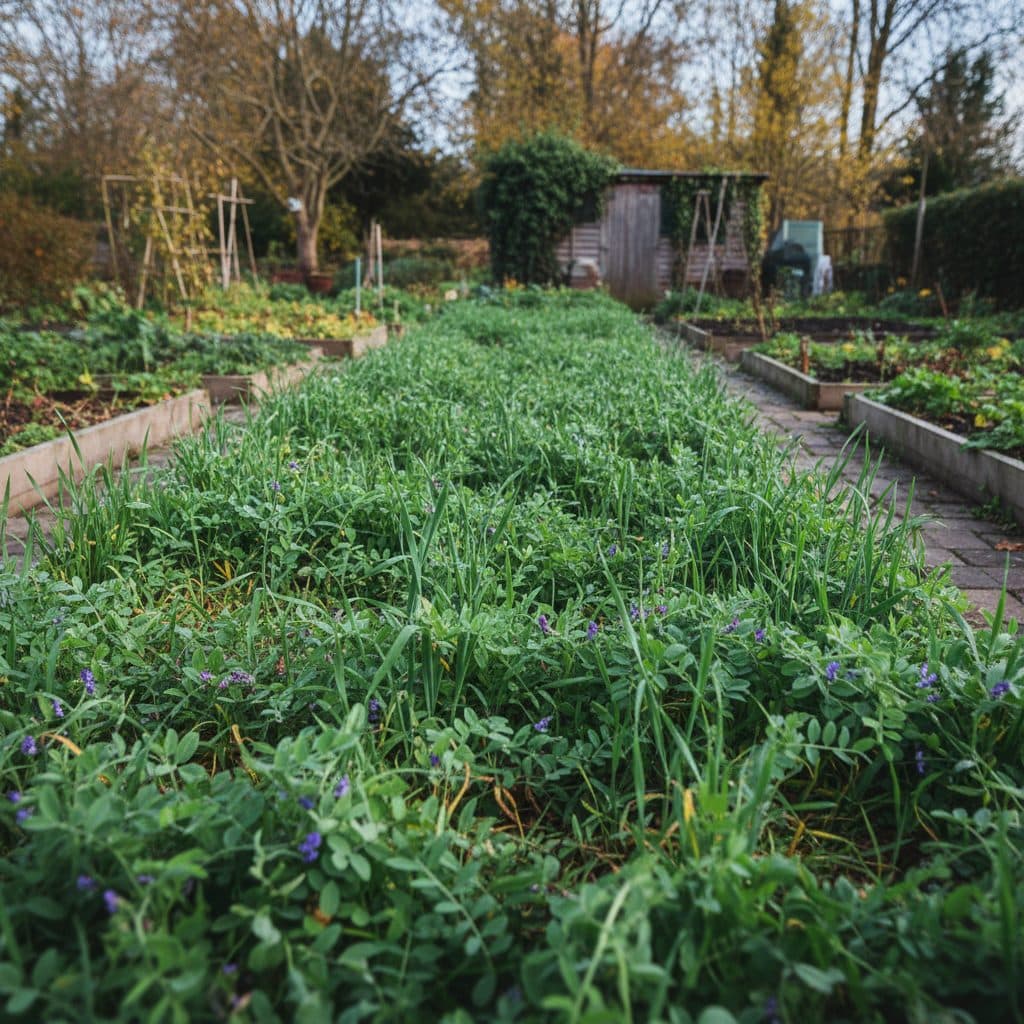
Consistent moisture is another non-negotiable. Blueberries need 1-2 inches of water per week, particularly during dry spells and the 6-8 week period of fruit development. Mulching with 3-4 inches of pine needles or wood chips helps retain soil moisture, suppress weeds, and slowly acidify the soil. Pruning, typically performed in late winter during dormancy, matters for plant vigor and fruit production. Removing about 20% of the oldest, least productive canes each year encourages new growth. Studies from central Brazil in 2025 demonstrate that proper pruning timing and type can significantly improve blueberry plant performance and yield [2]. Furthermore, monitoring for diseases like Botryosphaeria stem blight, identified in highbush cultivars in Chile [1], is important; good air circulation and sanitation help keep it in check, and infected canes should be pruned well below the discolored wood and taken out of the planting. Consider using cover crops for the home garden in pathways to improve soil health over time.
general blueberry care tips
- Soil pH management: Test soil annually and amend with sulfur or peat moss to maintain 4.5-5.5 pH.
- Watering consistency: Provide 1-2 inches of water weekly, especially during fruit set, using drip irrigation for efficiency.
- Fertilization: Use acid-forming fertilizers, such as those formulated for azaleas or rhododendrons, in early spring and after harvest, following package directions for specific rates.
- Sunlight exposure: Ensure at least six to eight hours of direct sunlight daily for maximum fruit production.
- Pest and disease monitoring: Regularly inspect plants for signs of pests or diseases and address issues promptly to prevent spread.
Comparison of Blueberry Types for Home Growers
Characteristic | Northern Highbush | Rabbiteye | Southern Highbush |
|---|---|---|---|
USDA Zones | 4-7 | 7-9 | 5-10 |
Chilling Hours (below 45°F) | 800-1000 | 100-800 | 150-500 |
Mature Height | 5-7 feet | 10-15 feet | 4-6 feet |
Fruit Size | Large | Medium to Large | Medium |
Pollination | Self-fertile, but benefits from cross-pollination | Requires cross-pollination | Self-fertile, but benefits from cross-pollination |
Heat Tolerance | Moderate | High | Moderate to High |
Critical Soil pH: Blueberries require acidic soil with a pH between 4.5 and 5.5 for optimal nutrient uptake.
Yield Potential: A mature northern highbush plant can produce 10-15 pounds of fruit annually under ideal conditions, while rabbiteye varieties can yield even more, up to 20 pounds per bush.
Frequently asked questions
What is the ideal soil pH for blueberries?
Blueberries thrive in acidic soil with a pH range of 4.5 to 5.5. This specific acidity affects the plant’s ability to absorb essential nutrients from the soil, and it directly affects fruit production and plant vigor.
Do blueberries need cross-pollination?
Many blueberry varieties, especially rabbiteye types, benefit significantly from cross-pollination with a different cultivar for maximum fruit set and larger berries. Even self-fertile types tend to set more and larger fruit when a second cultivar is nearby, so planting two or more varieties is often recommended.
How much sun do blueberry bushes need?
Blueberry bushes require at least six to eight hours of direct sunlight daily to produce a strong crop. In regions with intense summer heat, some afternoon shade can be beneficial, especially for southern highbush varieties, to prevent scorching and maintain fruit quality.
When is the best time to prune blueberry bushes?
The best time to prune most blueberry bushes is during their dormant period in late winter or early spring, before new growth begins. Removing about 20% of the oldest canes each year encourages new, productive growth and maintains plant health for future harvests.
How much water do blueberries need?
Blueberries need consistent moisture, especially during fruit development. Aim for one to two inches of water per week, either from rainfall or irrigation, so the soil stays evenly moist but not waterlogged.
Can I grow blueberries in containers?
Yes, blueberries can be successfully grown in large containers, at least 18-24 inches in diameter, using an acidic potting mix. This method is particularly useful for controlling soil pH and for gardeners in USDA zones with unsuitable native soil, allowing for a harvest of 3-5 pounds per container plant.
References
- First description of Diplodia mutila causing Botryosphaeria stem blight of highbush blueberry cv. Brigitta in the Maule Region, Central Chile. (2025). First description of Diplodia mutila causing Botryosphaeria stem blight of highbush blueberry cv. Brigitta in the Maule Region, Central Chile..
- Pruning type and timing affect agronomic performance of blueberry plants grown in central Brazil (2025). Pruning type and timing affect agronomic performance of blueberry plants grown in central Brazil.
- Genotype and Year Effects on Some Production Characteristics in Three Blueberry Cultivars (Vaccinium corymbosum L.) (2024). Genotype and Year Effects on Some Production Characteristics in Three Blueberry Cultivars (Vaccinium corymbosum L.).
- Isolation and characterization of Agrobacterium vacciniicorymbosi sp. nov. originating from crown galls in blueberry (Vaccinium corymbosum) in Serbia (2025). Isolation and characterization of Agrobacterium vacciniicorymbosi sp. nov. originating from crown galls in blueberry (Vaccinium corymbosum) in Serbia.