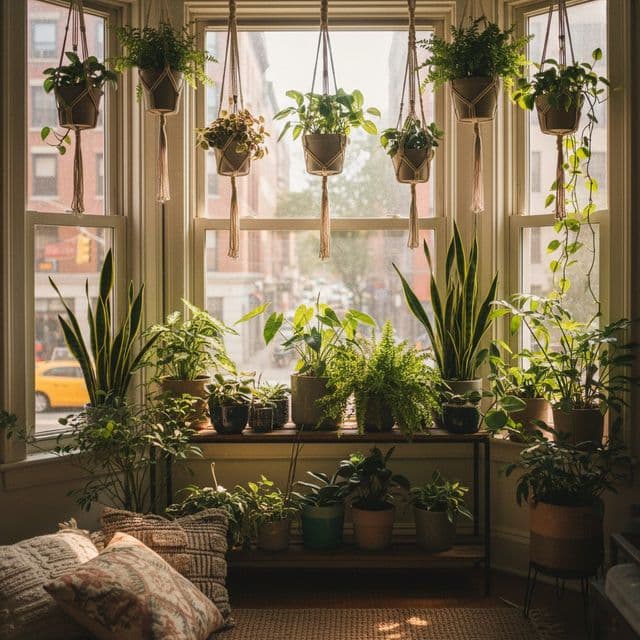
Diagnosing Common Houseplant Ailments in US Homes
Learn to diagnose common houseplant ailments like yellow leaves, wilting, and brown spots. This guide covers watering, light, pests, and humidity for healthy houseplants in US homes.
Tag
33 articles in this tag on agripure. — page 1 of 2
Learn to diagnose common houseplant ailments like yellow leaves, wilting, and brown spots. This guide covers watering, light, pests, and humidity for healthy houseplants in US homes.
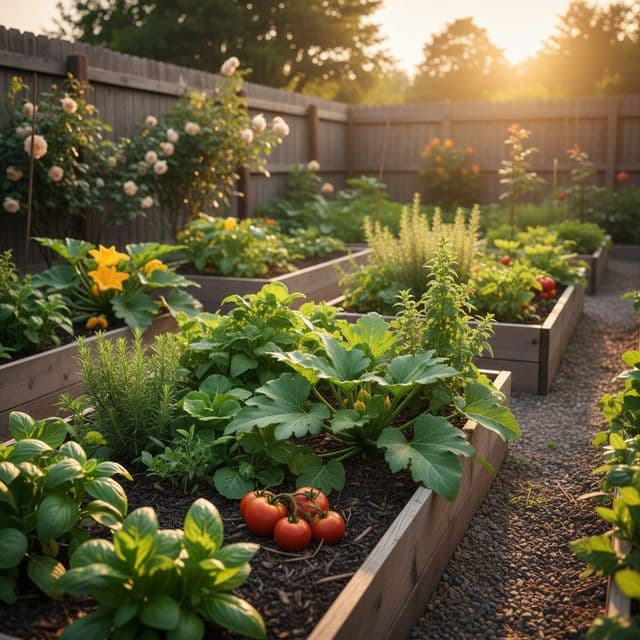
Learn how to adjust soil pH for acid-loving plants like blueberries in USDA Zone 6. Discover soil testing methods, effective amendments like elemental sulfur, and tips for optimal plant health.
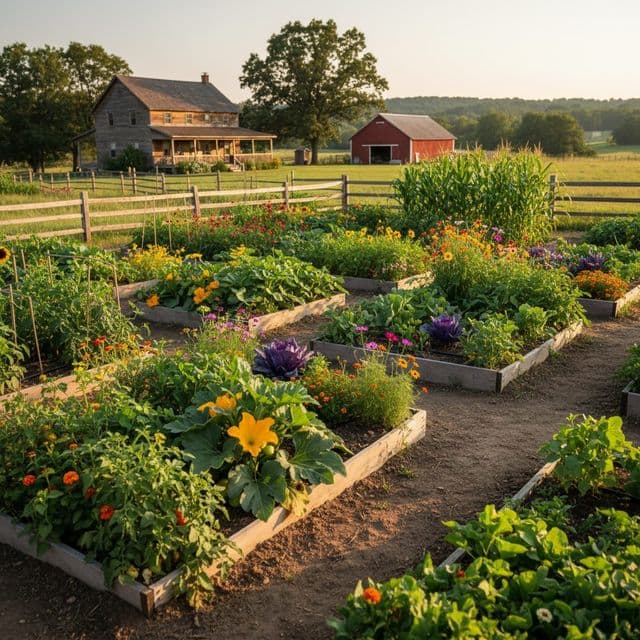
How to fix three common US garden soils (heavy clay, droughty sand, and compacted lawn beds): diagnostic steps, organic amendments, and aeration techniques.
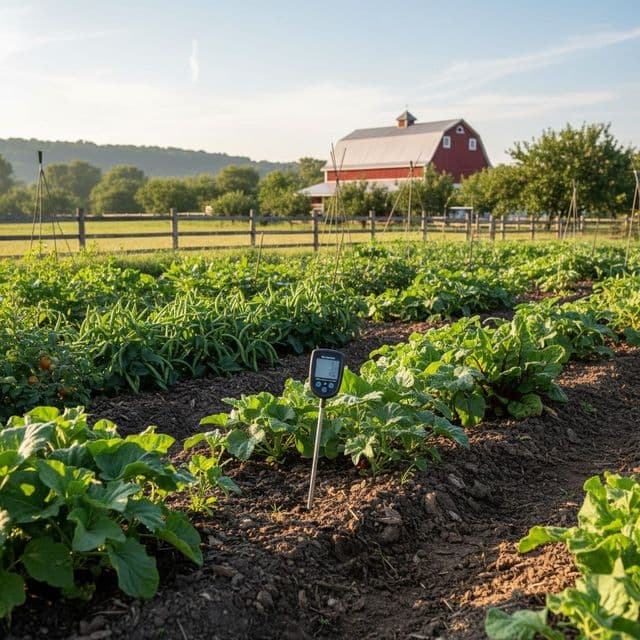
How to collect soil samples, select a testing lab, and interpret pH, NPK, and micronutrient reports for a USDA Zone 6 garden.
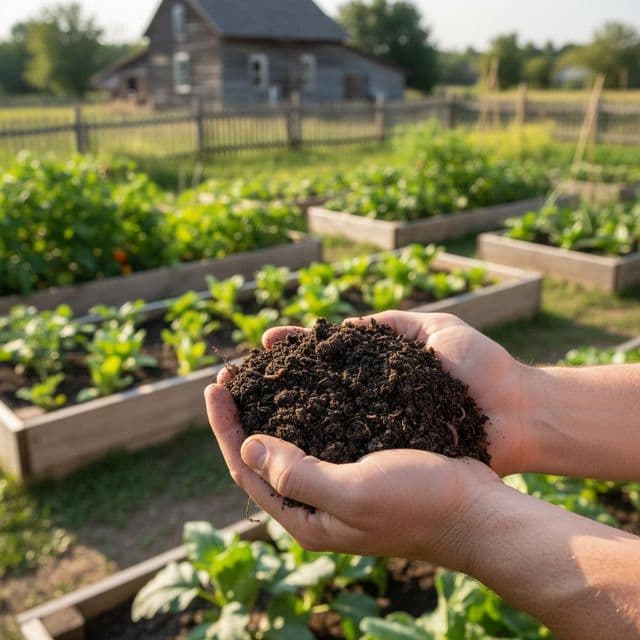
Learn DIY garden soil testing for texture, pH, and drainage, then match your amendments to what the tests actually show. Essential for Zone 6.
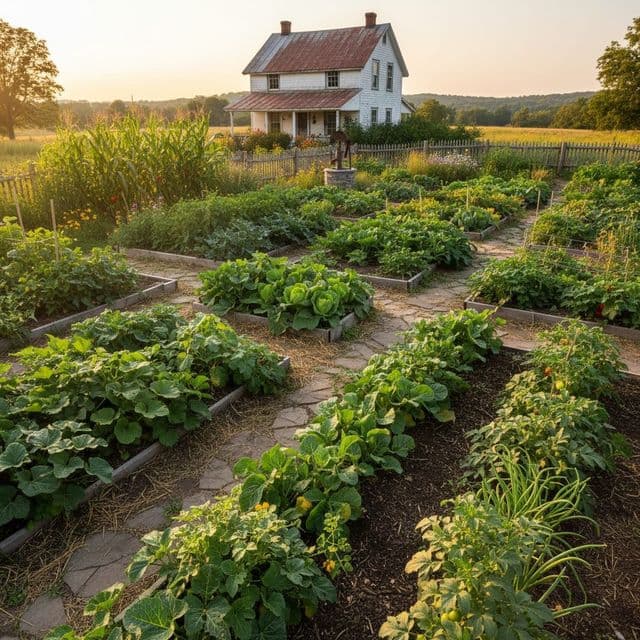
Learn the optimal soil pH for vegetable gardens, how to test soil accurately, and apply amendments like lime or sulfur for thriving plants. Get expert tips.
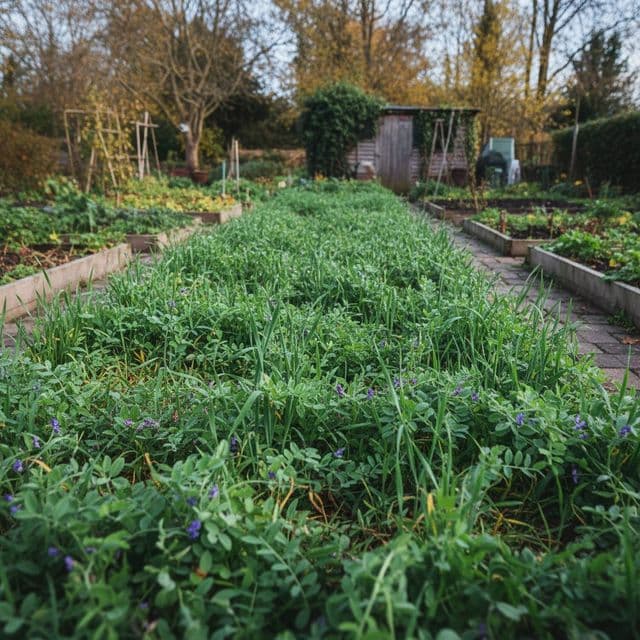
Discover the best blueberry varieties—Northern Highbush, Rabbiteye, Southern Highbush—for your USDA zone. Learn about chilling hours, soil pH, and care for a bountiful harvest.
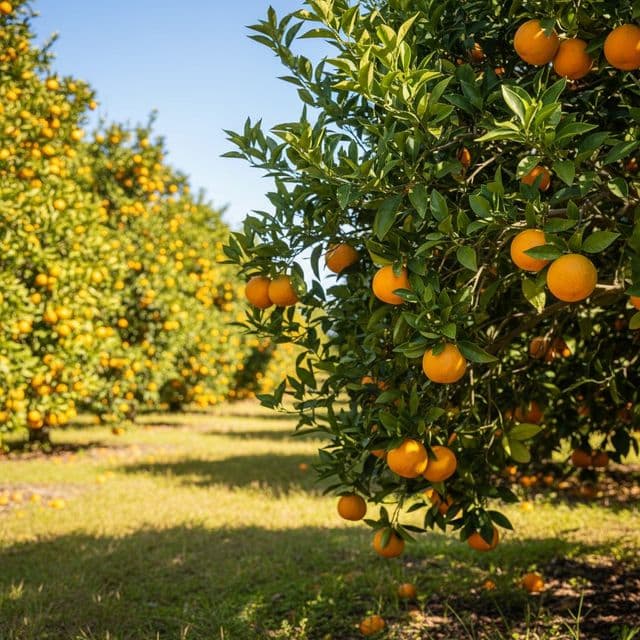
Optimize citrus tree health & fruit yield in Florida, Texas, and California with our year-round citrus fertilizer schedule. Learn about NPK, micronutrients, and soil pH for abundant harvests.
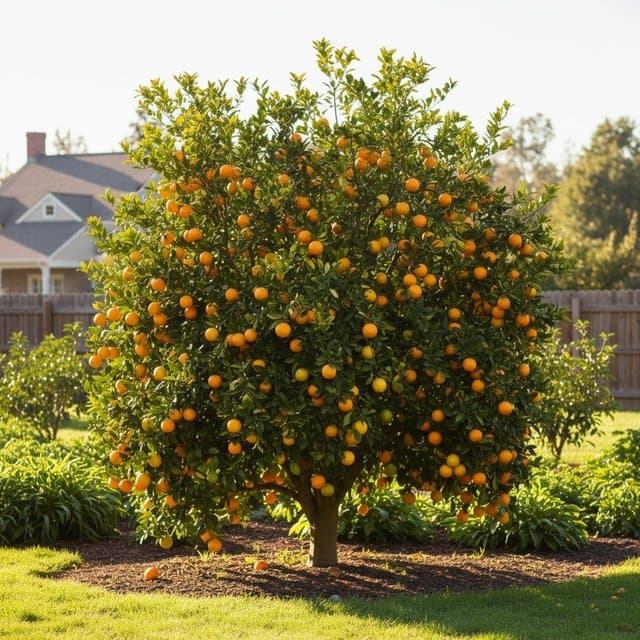
Diagnose yellow citrus leaves in your US orchard. Learn to identify nutrient deficiencies (nitrogen, iron, magnesium) and overwatering issues with practical solutions for healthy trees.
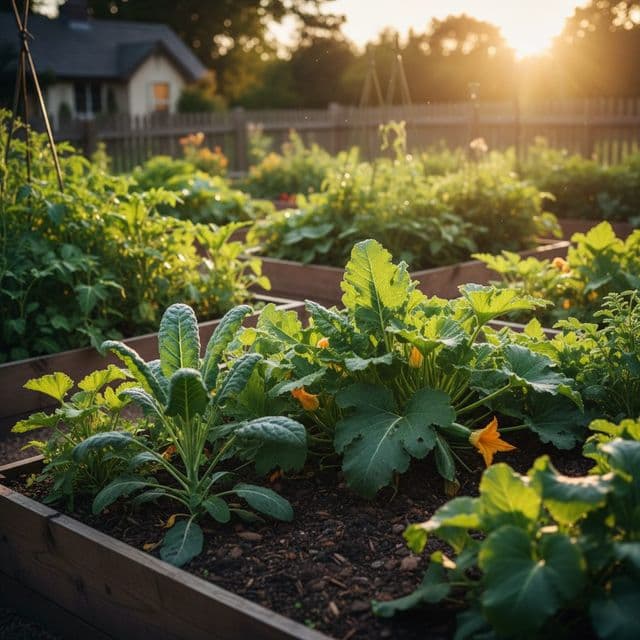
Learn why pepper blossoms drop and how to prevent it. High heat (85°F+) and inconsistent watering are key culprits. Get tips for consistent soil moisture and heat-tolerant varieties to ensure a bou…
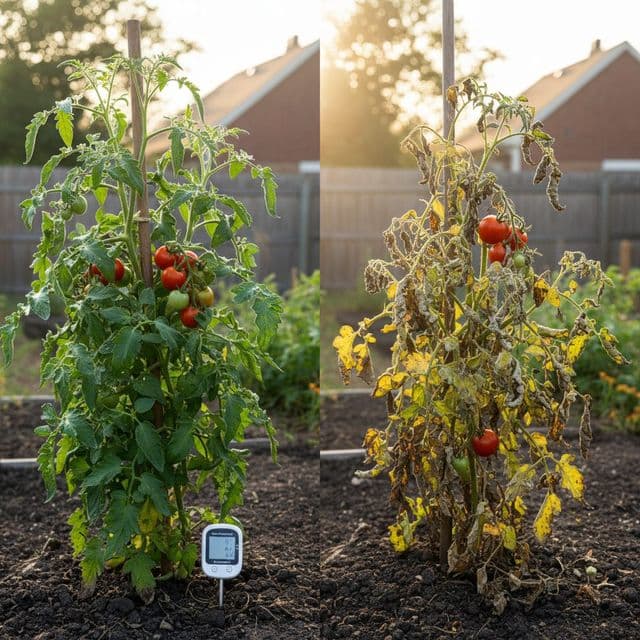
Learn to identify common plant problems in tomatoes and cucurbits across US zones. Distinguish nutrient deficiencies, diseases, and herbicide damage for effective plant problem diagnosis and better…
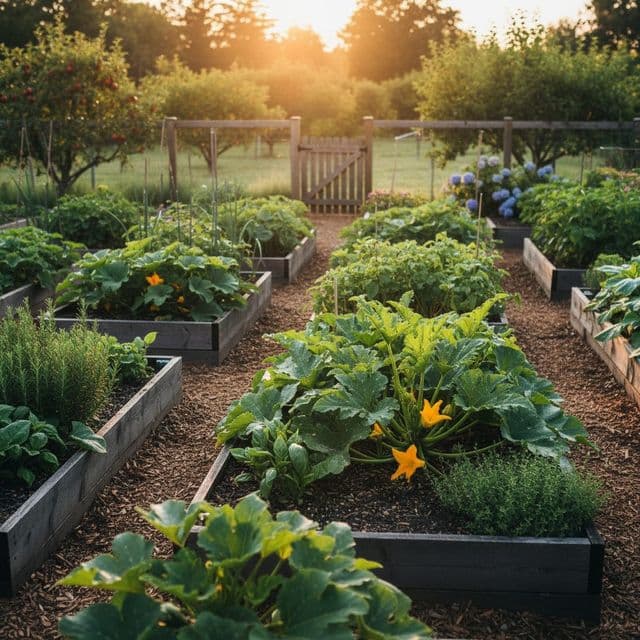
Combat iron chlorosis in Western US alkaline soils. Learn to diagnose, prevent, and treat iron deficiency in tomatoes & cucurbits for improved yields and plant health.
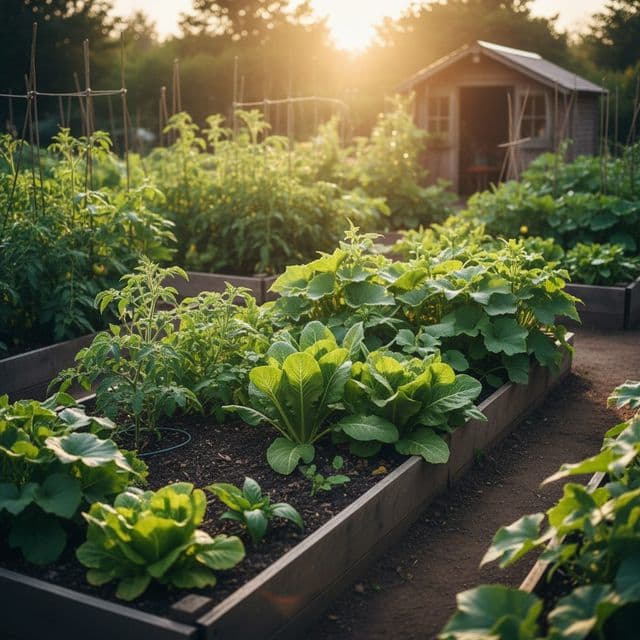
Identify and treat magnesium and calcium deficiency in tomatoes and cucurbits. Learn symptoms, causes, and solutions to prevent blossom-end rot and yellowing, ensuring a bountiful harvest.
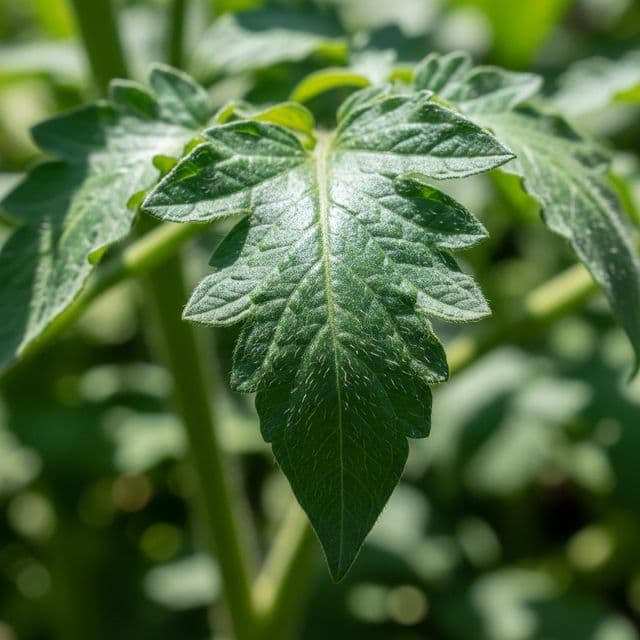
How to diagnose nitrogen, phosphorus, and potassium deficiencies on tomato leaves by identifying symptoms on older versus new growth to prevent crop loss and protect yields.
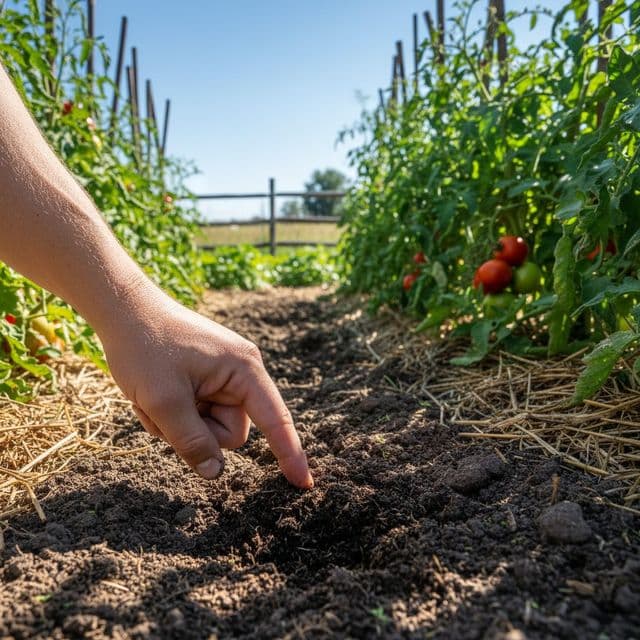
Master soil moisture for tomatoes in USDA Zone 7 using the finger test & affordable meters. Prevent blossom end rot & boost yields with consistent hydration. Learn how.
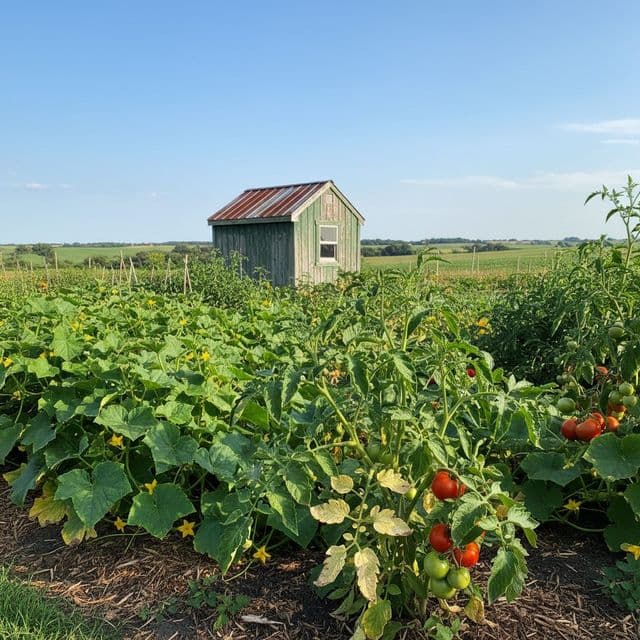
Diagnose yellowing tomato leaves in USDA Zone 7. Learn to differentiate overwatering, underwatering, and nutrient deficiencies for tomatoes & cucurbits, ensuring healthy plants and better harvests.
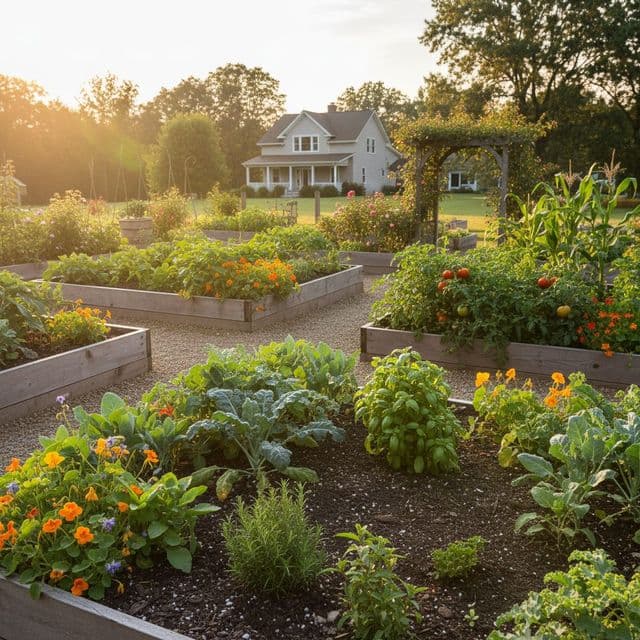
Identify and fix wilting in tomatoes and cucurbits during fruit set. Learn to distinguish underwatering from overwatering to prevent crop loss and ensure a bountiful harvest.
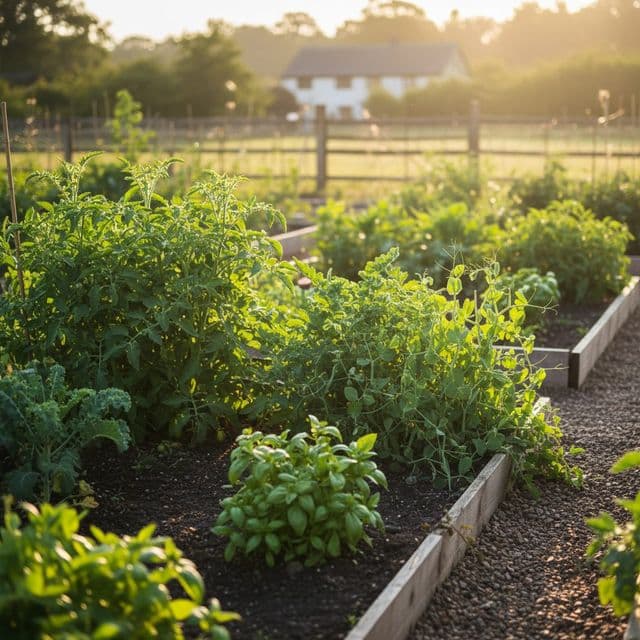
Boost your tomato harvest in USDA Zone 7. Learn to decode VFN codes and select disease-resistant tomatoes to prevent common wilts, nematodes, and viruses for a healthier, more productive garden.
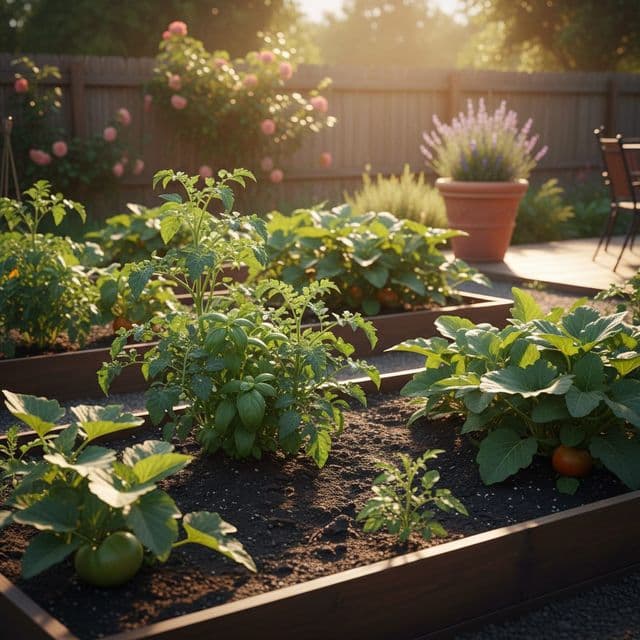
Decode yellow tomato leaves! Learn to diagnose nitrogen, magnesium, watering issues, or disease. Get practical tips to restore plant health and boost your harvest.
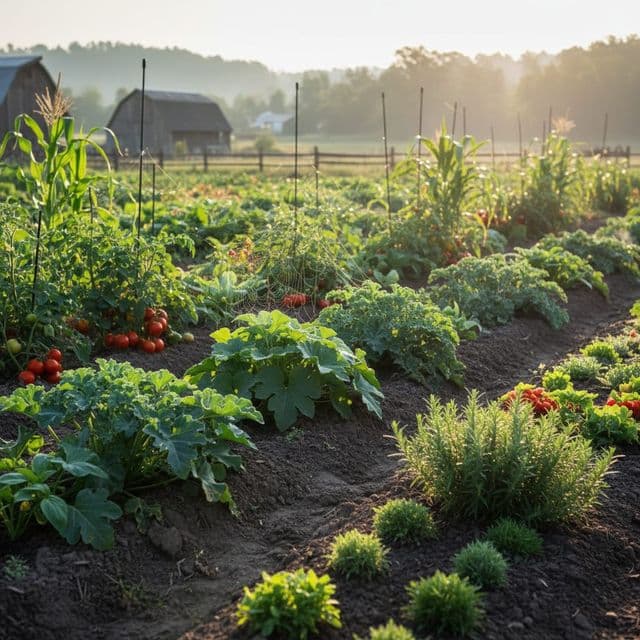
Learn to identify fungal, bacterial, and viral plant diseases in your garden. Proper plant disease identification prevents crop loss and saves money. Essential for organic growers.
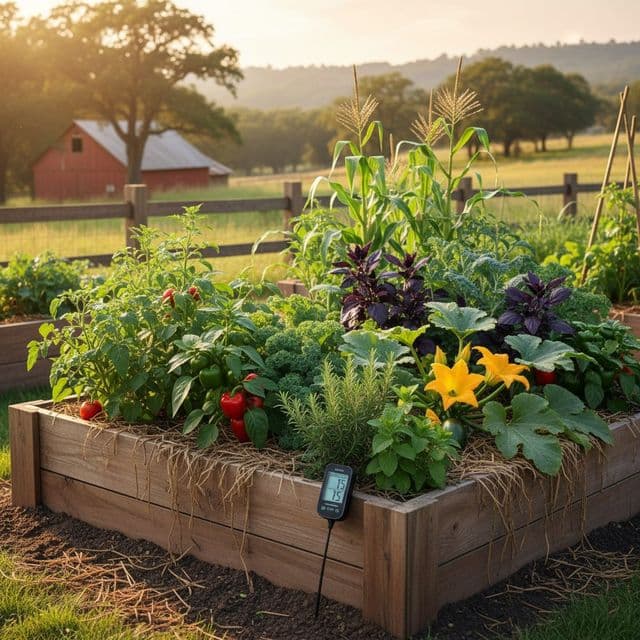
Right-size garden irrigation to prevent overwatering. Identify moisture signs, assess soil types, and apply water to match plant needs in USDA Zone 7 and beyond.
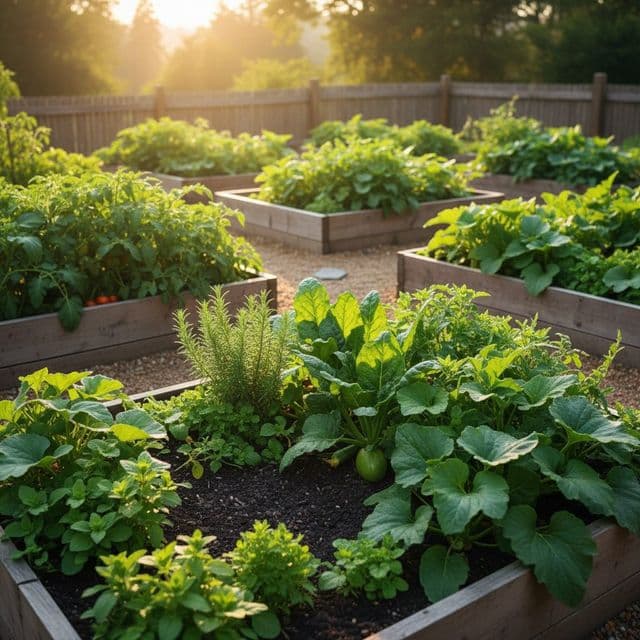
Learn to identify and prevent wilting in garden plants, including tomatoes, in USDA Zone 7. Understand causes like heat stress, underwatering, and disease for a thriving harvest.
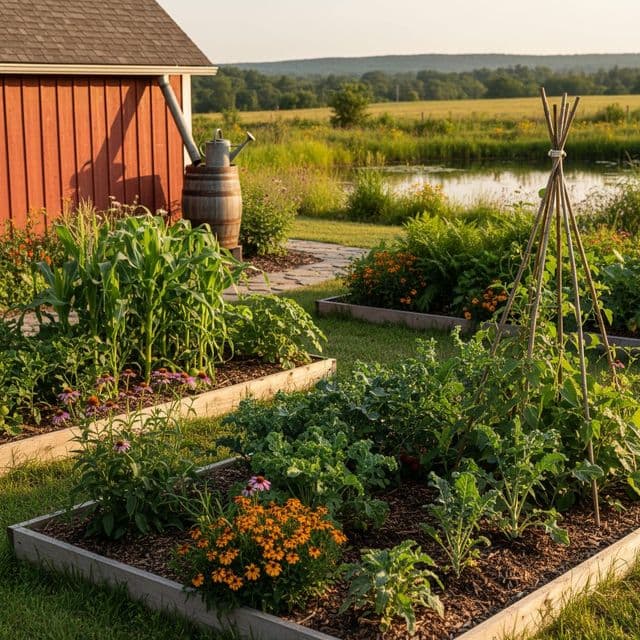
Learn how a simple soil percolation test helps measure drainage, prevent root rot, and optimize water use for garden vegetables.
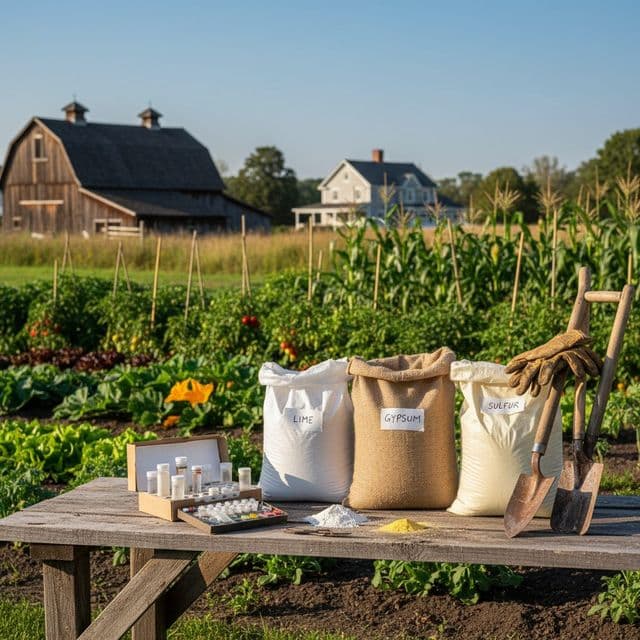
How gypsum, lime, and sulfur improve soil structure and pH based on soil test results in USDA Zone 6.