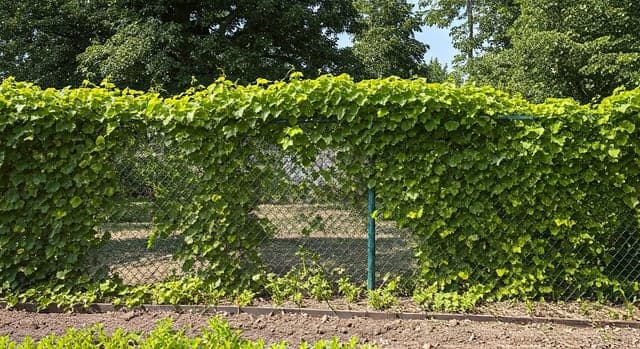
Fast-Growing Vines for a Chain-Link Fence: Load, Law & Care
Cover a US chain-link fence with fast-growing non-invasive vines while avoiding wind-sail post buckling, invasive escapes, and boundary-line disputes.
Tag
29 articles in this tag on agripure. — page 1 of 2
Cover a US chain-link fence with fast-growing non-invasive vines while avoiding wind-sail post buckling, invasive escapes, and boundary-line disputes.
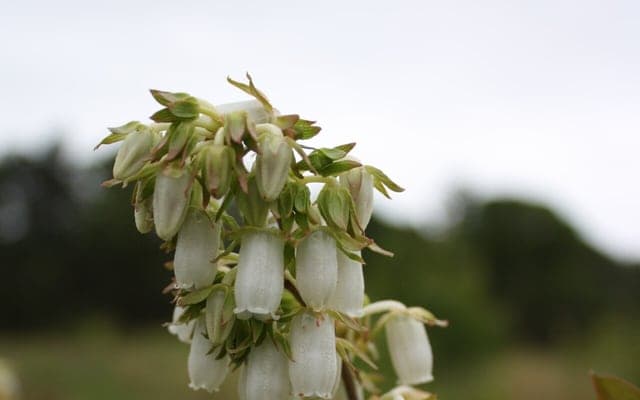
Discover the best blueberry varieties—Northern Highbush, Rabbiteye, Southern Highbush—for your USDA zone. Learn about chilling hours, soil pH, and care for a bountiful harvest.
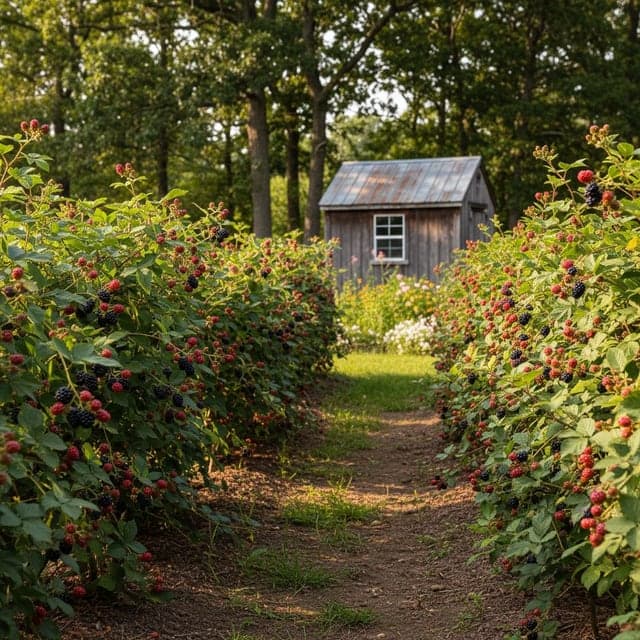
Master growing thornless blackberries for abundant harvests. This guide covers types, planting, pruning, and care for US home growers to achieve 10-15 lbs per plant annually.
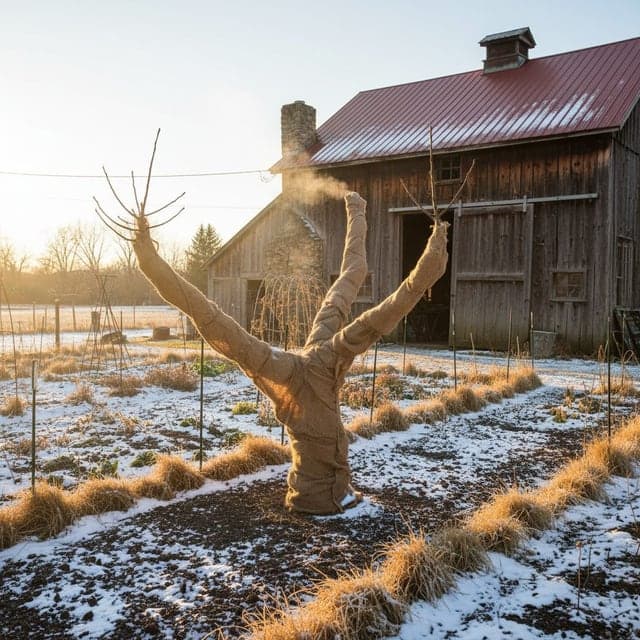
Protect Ficus carica across USDA Zones 4–7b: dormant wood thresholds, breba vs. main-crop nodes, 4 winter systems, spring unwrap rules, and fig-sap burn PPE.
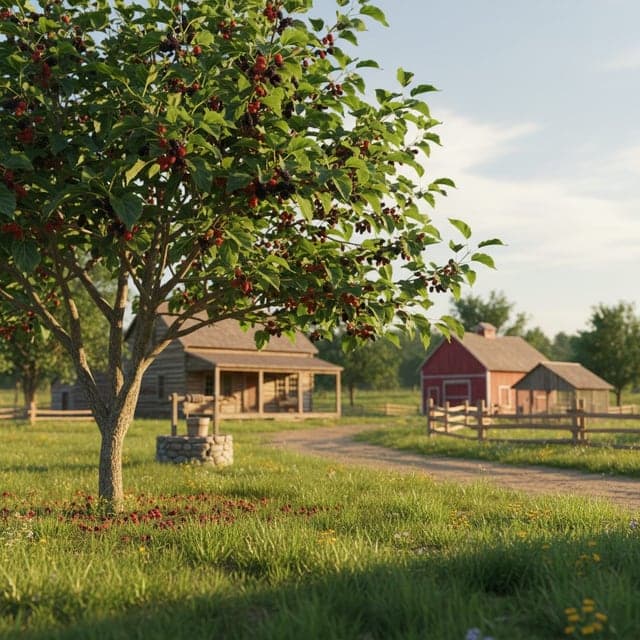
Keep mulberry trees at a pickable 6–8 ft for multiple summer crops across US USDA Zones 4–10 using safe low-invasion hybrids, sap-timed pruning, >=20–30 ft root setbacks, and latex/unripe berry saf…
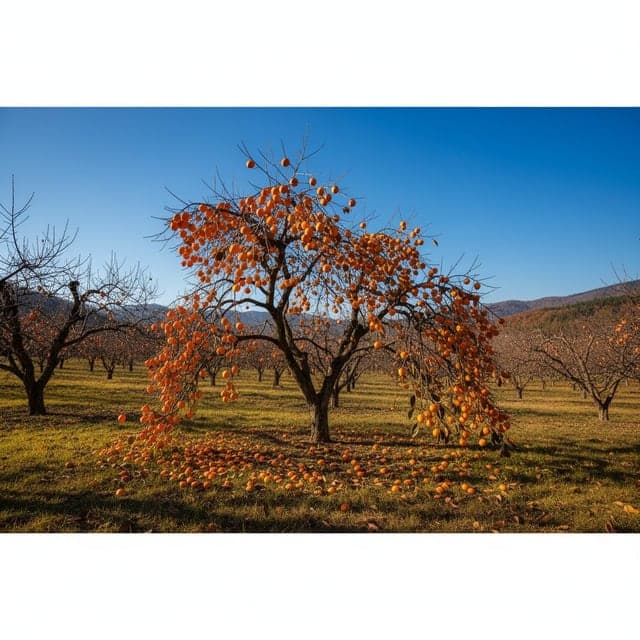
Grow American (Diospyros virginiana, Zones 4–9) and Asian (D. kaki, Zones 7–10) persimmons: PCNA, PVNA, and PCA classes, rootstocks, nitrogen restraint, bletting, CO2/ethanol de-astringency, and di…
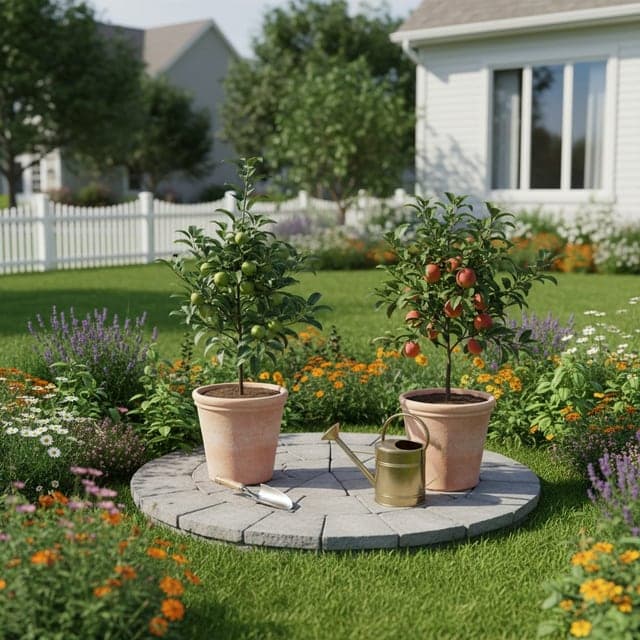
Grow fresh fruit in small spaces. Discover dwarf and columnar fruit trees perfect for patios & urban gardens in USDA Zones 5-9. Learn selection, care, & pruning.
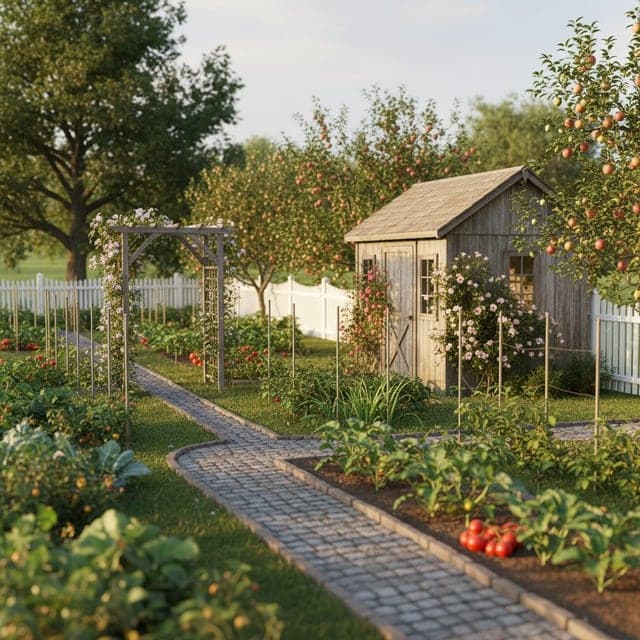
How to grow high-density hedgerow fruit trees on a 0.25-acre suburban lot in USDA Zone 7, covering spacing, rootstocks, and annual pruning.
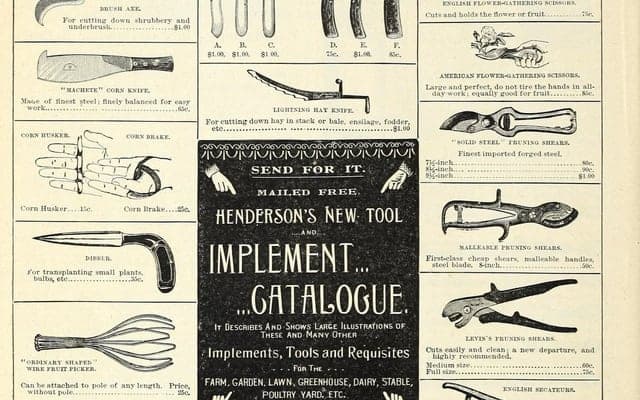
Top-work established apple, pear, and quince trees safely with cleft grafting: grafting iron and mallet mechanics, thick-bark cambium recessing, 70% ethanol fire-blight sanitation, nurse-limb reten…
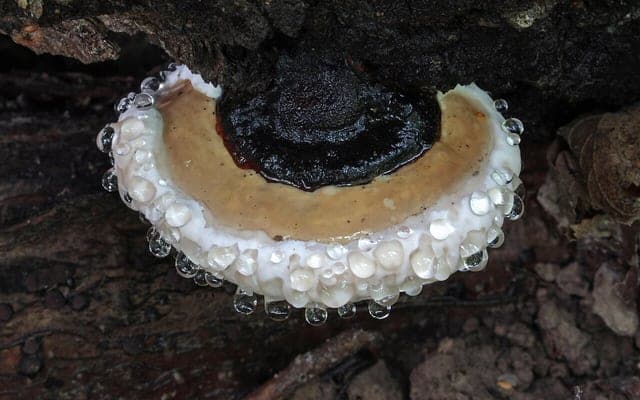
Master organic orchard disease management. Combat brown rot in stone fruit and cedar-apple rust in apples with proven preventative measures, cultural practices, and organic treatments.
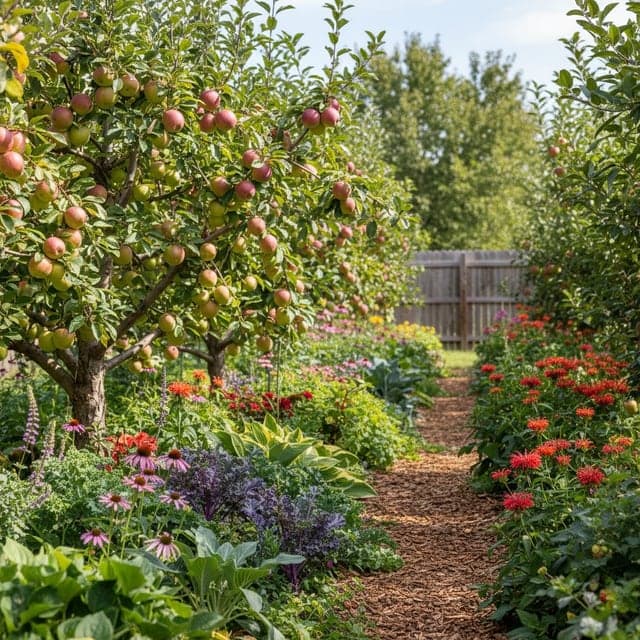
Achieve 80% fruit quality in your backyard orchard with this no-spray IPM calendar. Learn cultural controls, monitoring, and physical barriers for USDA Zone 6 fruit trees.
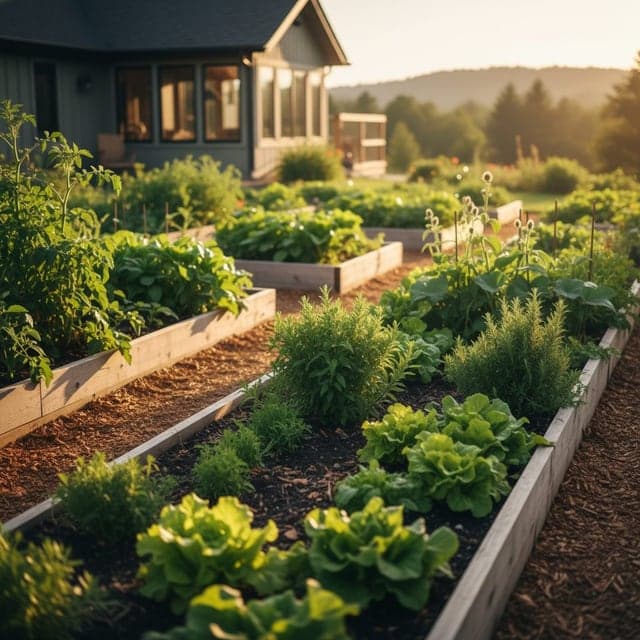
Discover how high-chill fruit trees like apples, pears, and cherries thrive with specific winter cold requirements. Learn about chill hours, ideal varieties for northern climates, and essential car…
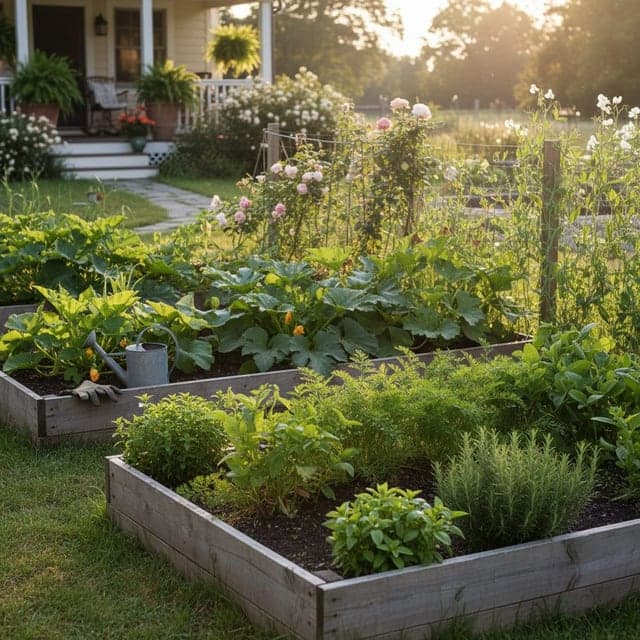
Learn how to renovate an overgrown apple tree over three dormant seasons in USDA Zone 6. This guide covers pruning, pest management, and care for fruit production.
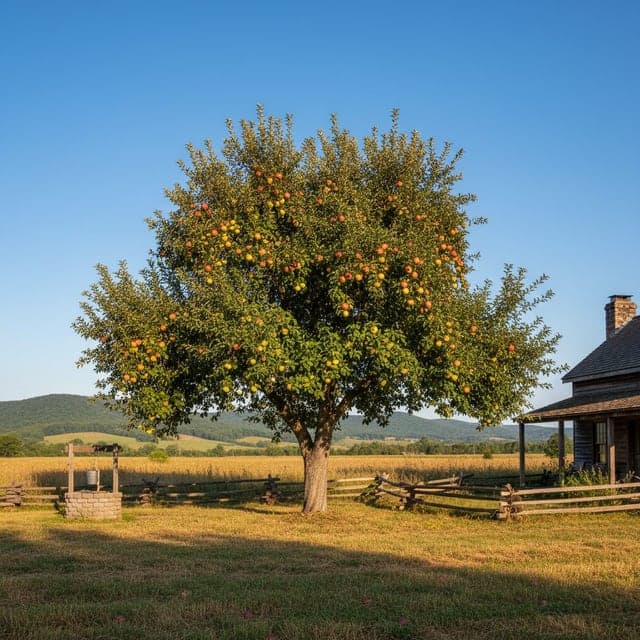
Build a split-resistant fruit tree scaffold framework: central leader vs. open vase training, 45–60 degree crotch angles, spreaders, dormant vs. summer cuts, and fire blight sanitation.
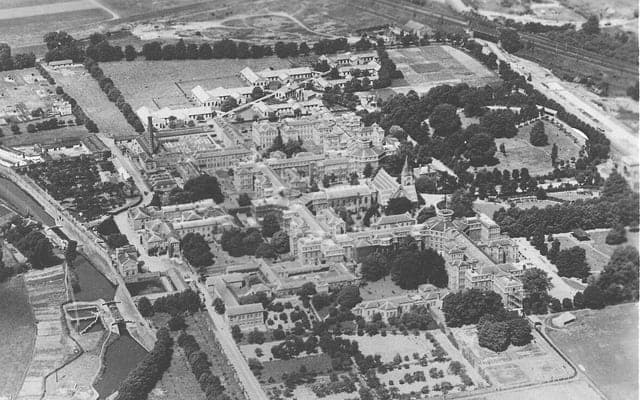
Master apple and pear tree training for abundant harvests in USDA zones 5-8. Learn central-leader & tall-spindle systems, rootstock selection, and pruning techniques.
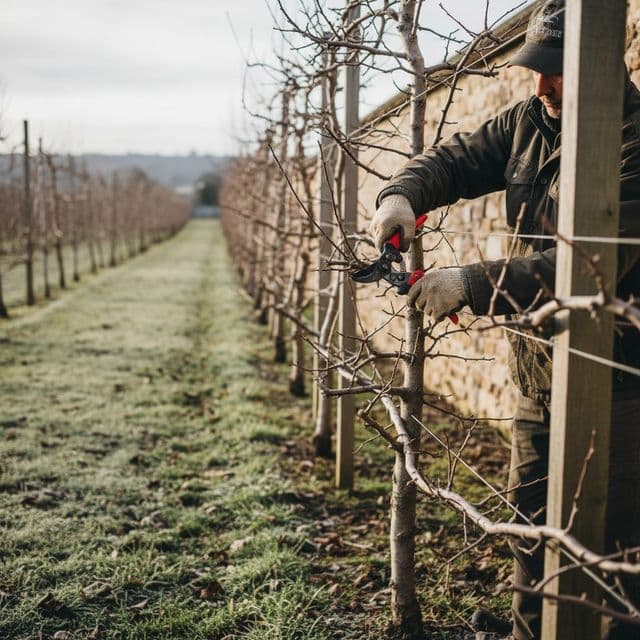
Seasonal pruning calendar for Australian orchards, including winter pome fruit care, summer stone fruit management, and citrus timing.
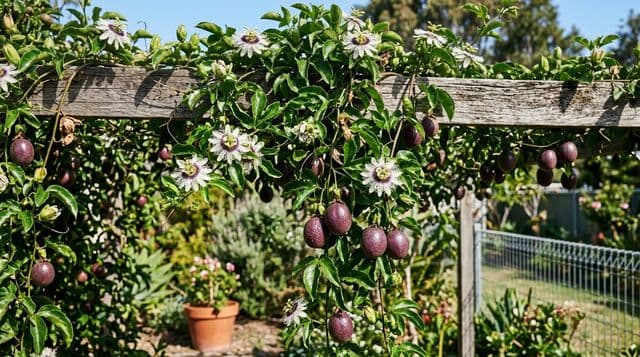
Diagnose passionfruit not fruiting in Australia: purple vs yellow flavicarpa self-incompatibility, below-graft suckers, >32°C pollen failure, PWV hygiene, and quarantine.
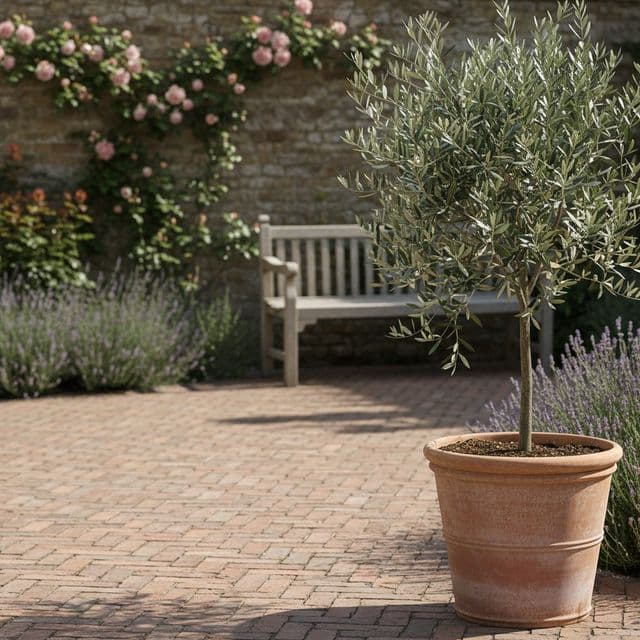
Essential olive tree care in the UK: potting mixes, watering schedules, late-spring pruning, and winter frost protection for healthy patio olive trees.
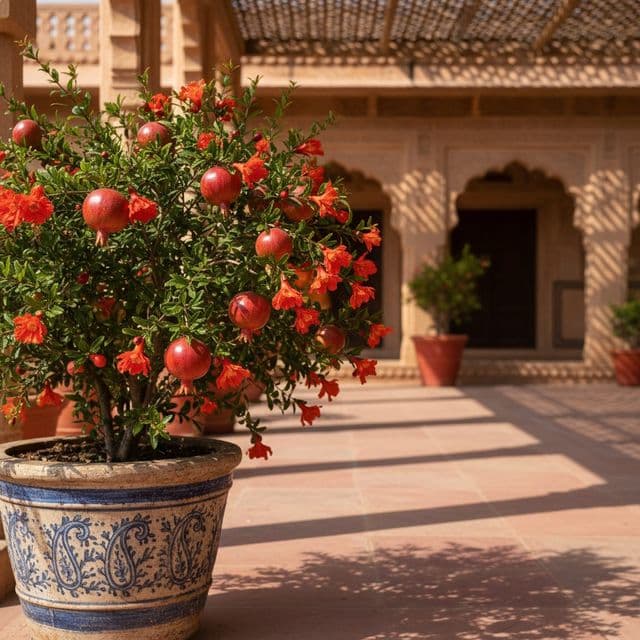
Grow heavy-fruiting container pomegranates in India with BIS IS 875 rooftop beam siting, fast-draining potting mix, bahar regulation, and cracking control.
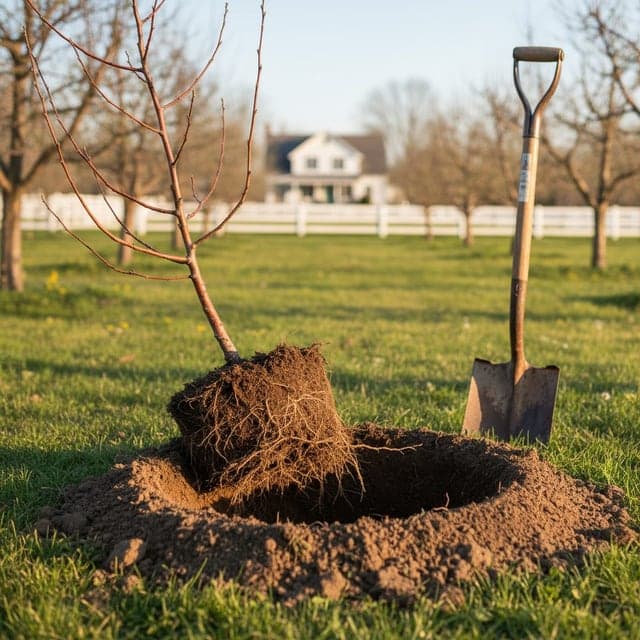
Learn to plant bare-root fruit trees in USDA Zone 6 with this 10-step guide, covering benefits, site selection, proper hole size, and aftercare for a home orchard.
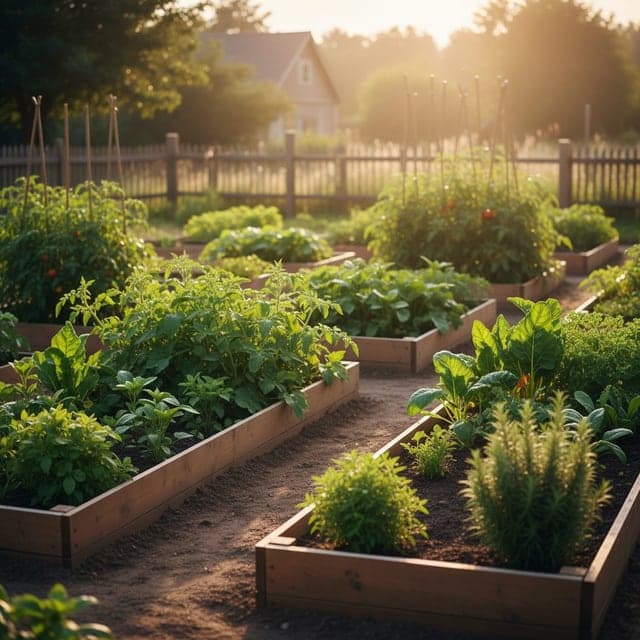
Master growing tomatoes in USDA Zone 6 from seedling to harvest. Learn stage-specific care, watering, pruning, and nutrient tips for a bountiful yield and healthy plants.
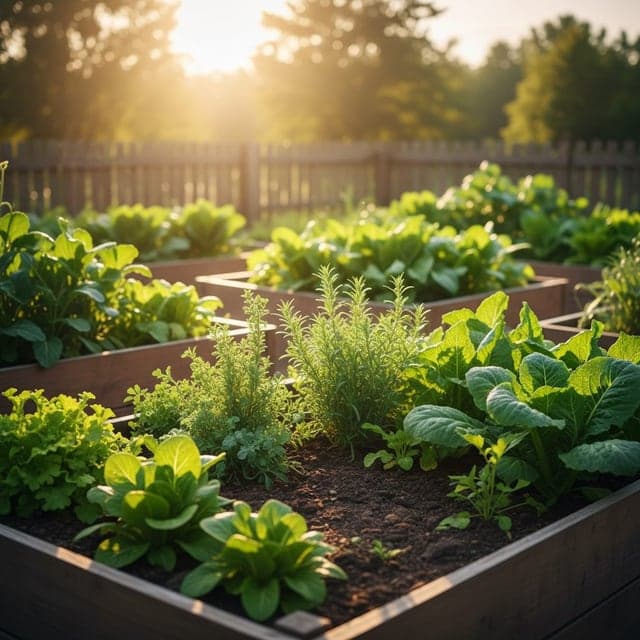
Identify, prevent, and manage Septoria leaf spot, the most common US tomato disease. Learn key symptoms, spread, and effective strategies to protect your plants and maximize yields.
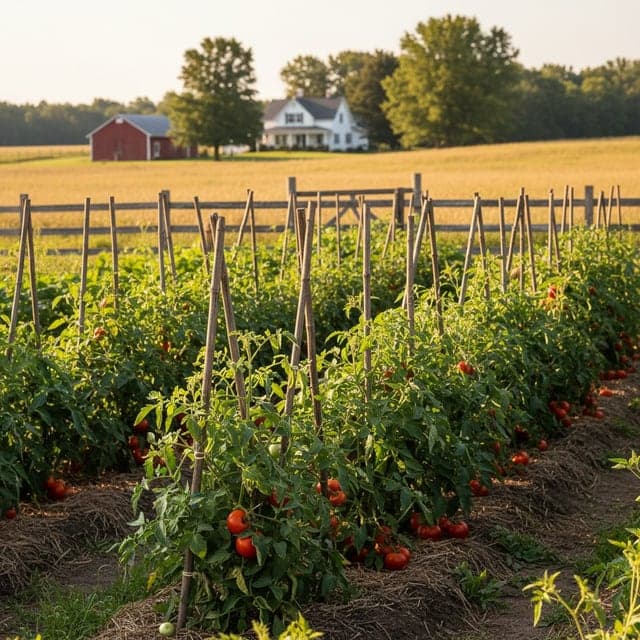
Combat leggy tomato growth in USDA Zone 6 for bigger harvests. Learn to identify causes, prune effectively, and stake plants properly to boost yields by 20% or more.
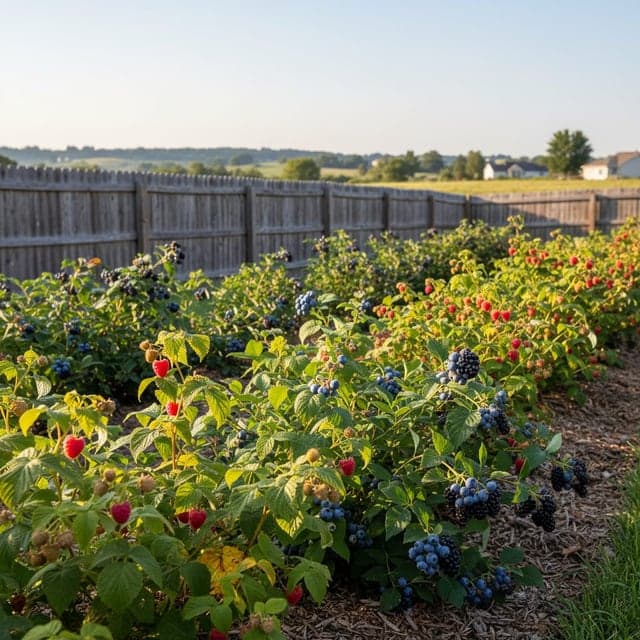
Learn to grow backyard berries like raspberries, blueberries, and brambles. This guide covers soil pH, pruning, and variety selection for successful harvests across US USDA zones.