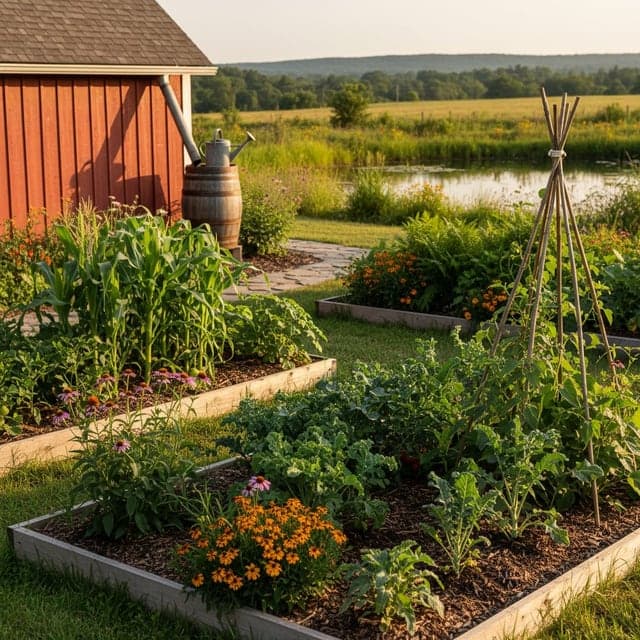
Good drainage is essential for a healthy garden and beyond
Learn how a simple soil percolation test helps measure drainage, prevent root rot, and optimize water use for garden vegetables.
Tag
58 articles in this tag on agripure. — page 3 of 3
Learn how a simple soil percolation test helps measure drainage, prevent root rot, and optimize water use for garden vegetables.
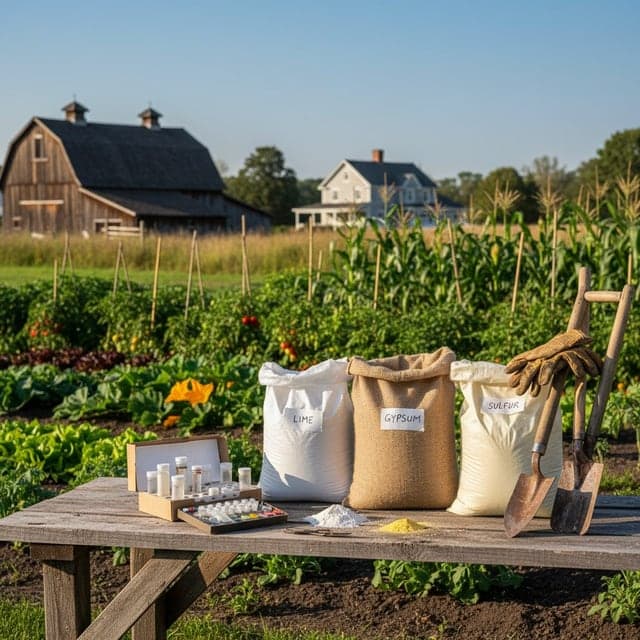
How gypsum, lime, and sulfur improve soil structure and pH based on soil test results in USDA Zone 6.
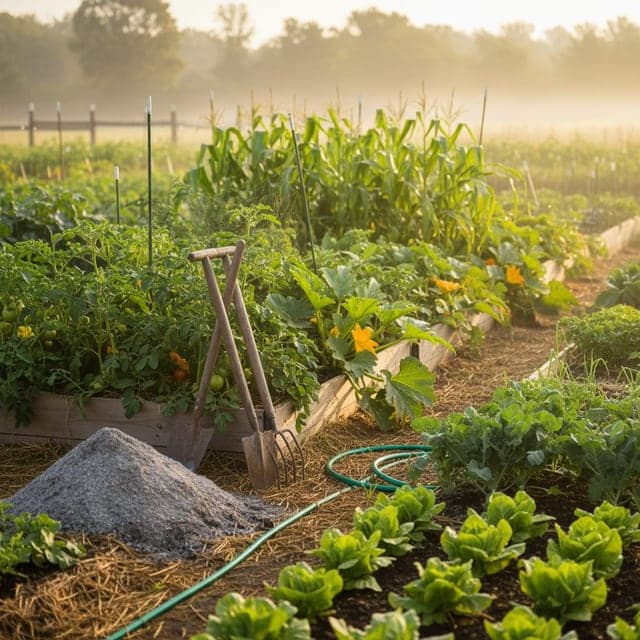
Use clean wood ash safely in US gardens: NFPA 7-day dry metal bucket cooling, wet KOH (pH 10-12+) burn PPE, Extension limits of 10-20 lb per 1,000 sq ft/yr, and why fresh ash stays out of worm bins…
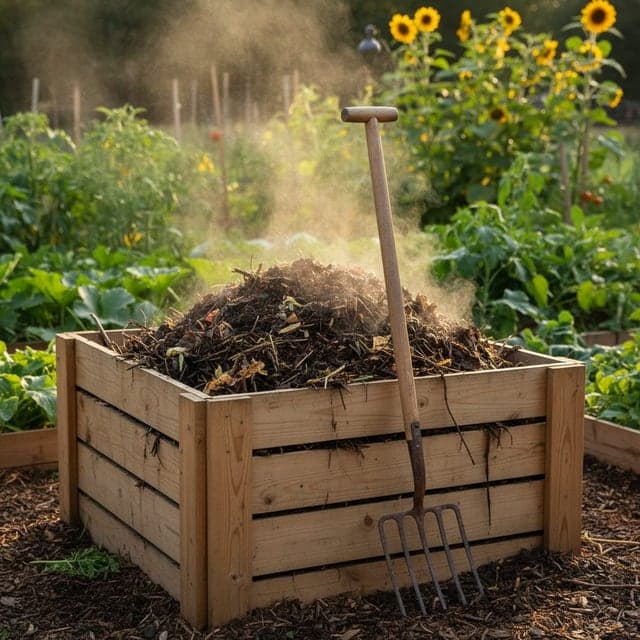
Stop smelly compost fast: fix ammonia odors (excess nitrogen) and rotten-egg H2S stench (anaerobic moisture) with 30:1 C:N bucket ratios, aeration, and safety checks.
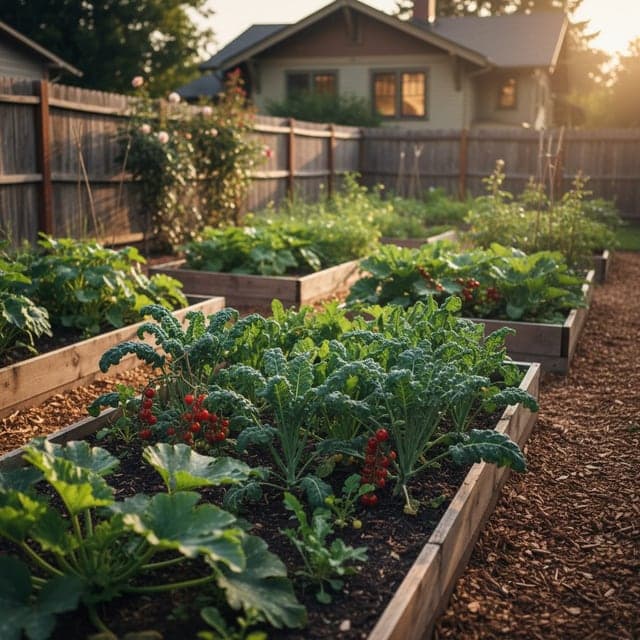
Learn to recognize and avoid persistent herbicides like aminopyralid and clopyralid in compost and manure. Protect your garden from contamination that can last for years.
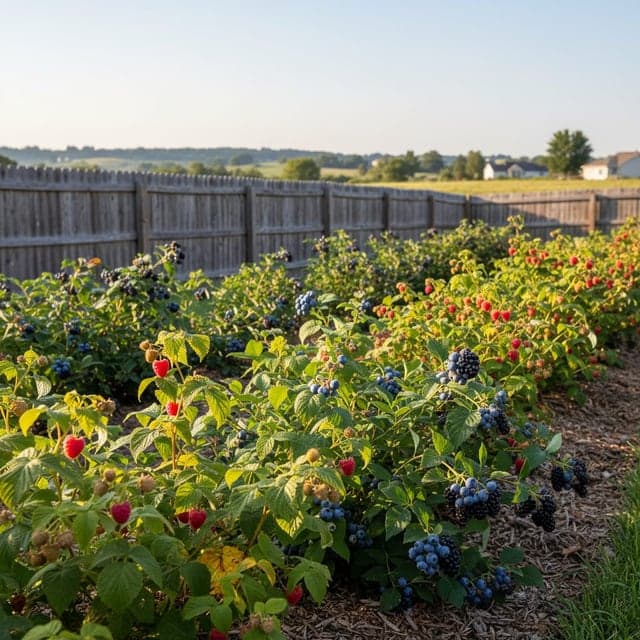
Learn to grow backyard berries like raspberries, blueberries, and brambles. This guide covers soil pH, pruning, and variety selection for successful harvests across US USDA zones.
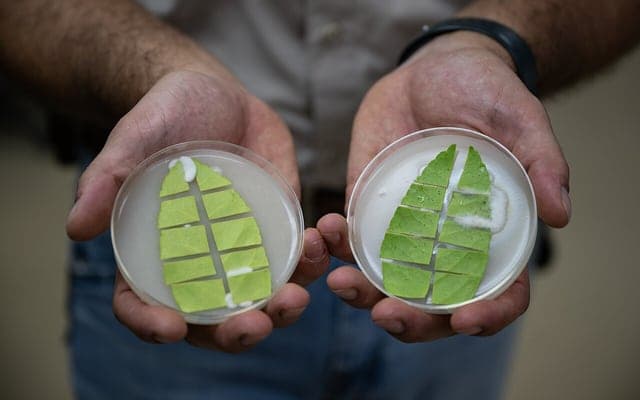
Diagnose common citrus tree problems like yellow leaves, fruit splitting, and premature drop in home orchards, identifying remedies for nutrient deficiencies, water stress, and insect pests.
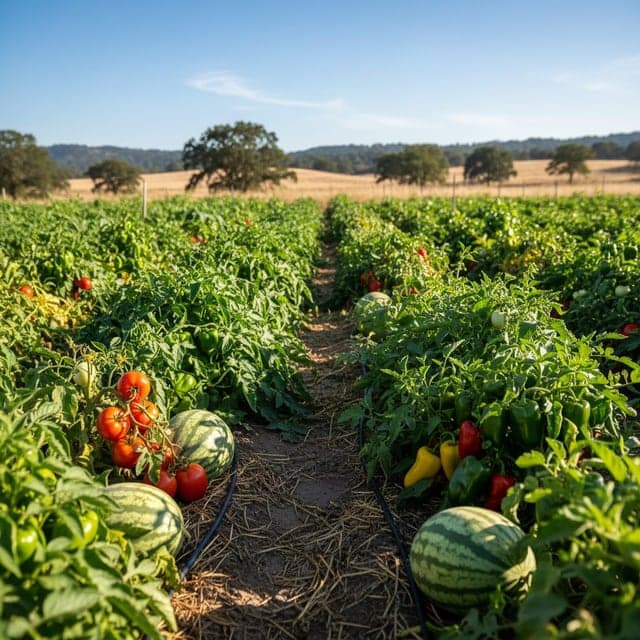
How to grow sweeter tomatoes, melons, and peppers in USDA Zone 7 through soil pH, water management, sunlight, and nutrient balance to boost Brix levels.
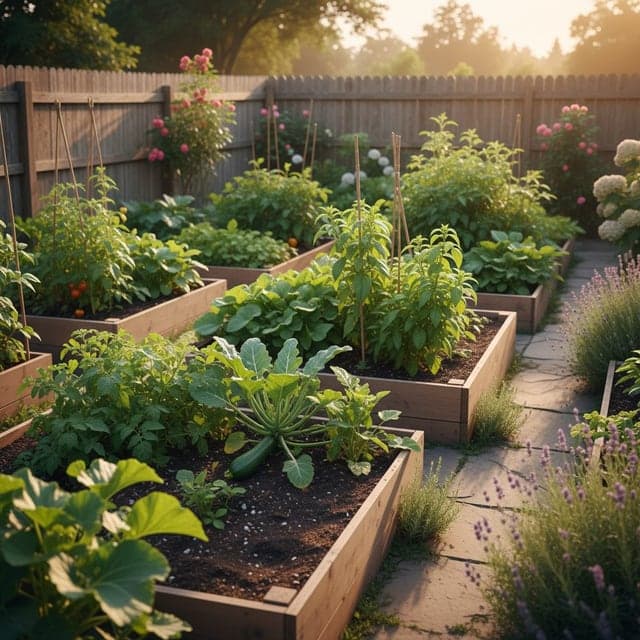
Troubleshoot stalled pepper and cucumber crops in USDA zone 6. Learn to diagnose common issues like pollination, nutrient imbalance, pests, and environmental stress to boost your harvest.
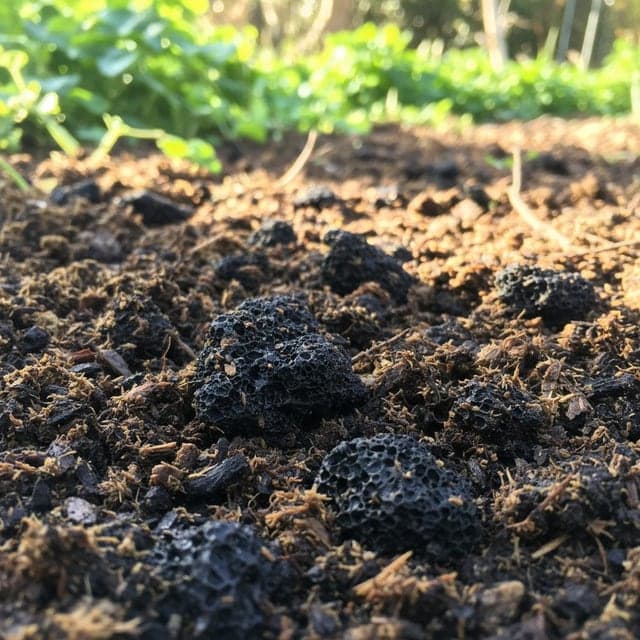
Learn to make DIY biochar from yard and wood waste using simple kilns. Discover how to charge and apply biochar to improve soil fertility, sequester carbon, and boost plant growth for hundreds of y…