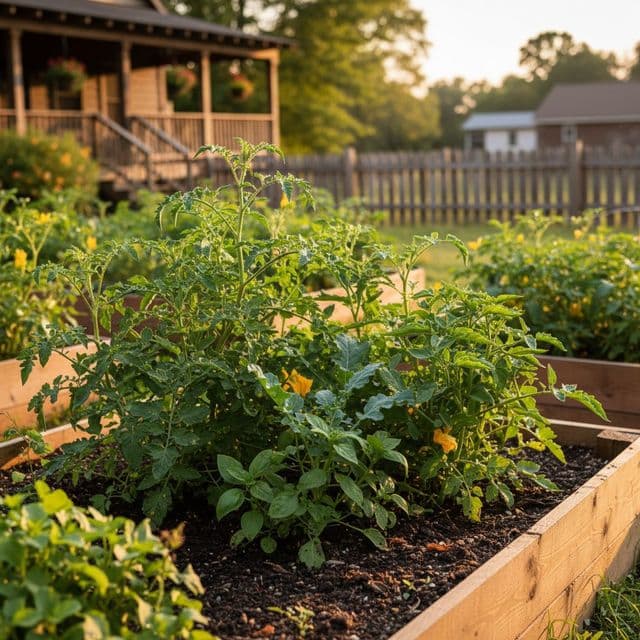
Low-Tech Container Watering for Arid Regions
Low-tech container watering methods, including olla pots and DIY wicks, that reduce evaporation and keep container plants hydrated during absences in arid regions.
Topic
Everything you need to grow vegetables at home, whatever your space. These guides cover individual crops—tomatoes, lettuce, garlic, carrots, and potatoes—plus square-foot layouts, companion planting, and beginner FAQs. Learn soil prep, spacing, watering, and harvest timing so every bed produces more food with less guesswork.
444 articles in this topic on agripure. — page 4 of 19
Low-tech container watering methods, including olla pots and DIY wicks, that reduce evaporation and keep container plants hydrated during absences in arid regions.
Automate your balcony garden watering with drip irrigation. Learn how to set up a system that cuts water use by 30-70%, saves time, and boosts plant health for thriving container plants.
Learn to build an efficient 5-gallon self-watering planter for your garden. Save 30-50% water, reduce watering frequency, and grow healthier plants in small spaces. DIY guide.
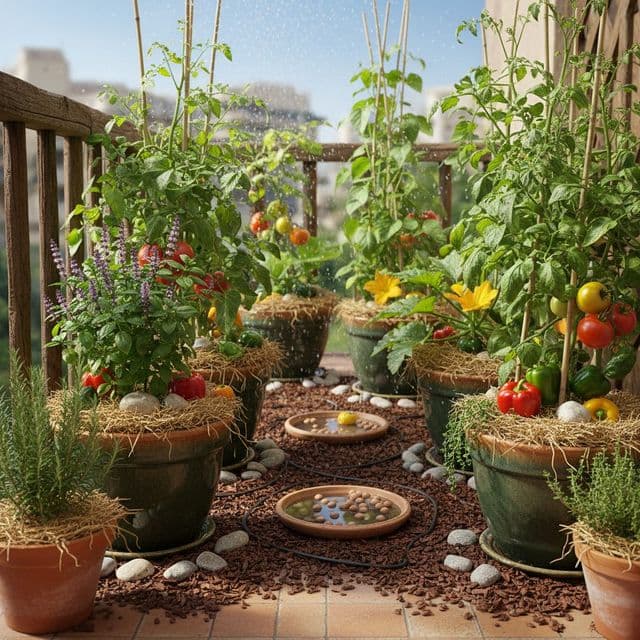
How double-potting and surface mulching reduce container root temperatures in USDA Zones 8-10, protecting plants from heat stress and stabilizing soil moisture.
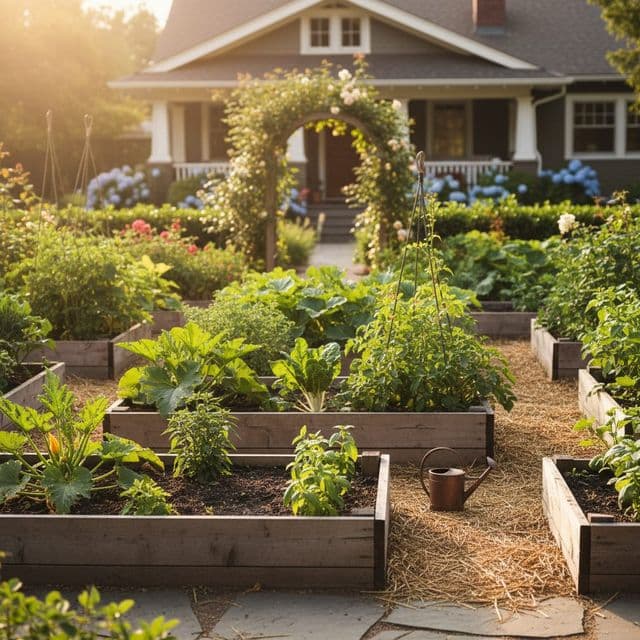
Master rooftop container gardening by learning how to reduce soil temperatures. Discover practical tips for pot selection, elevation, and shading to protect roots and boost yields in hot climates.
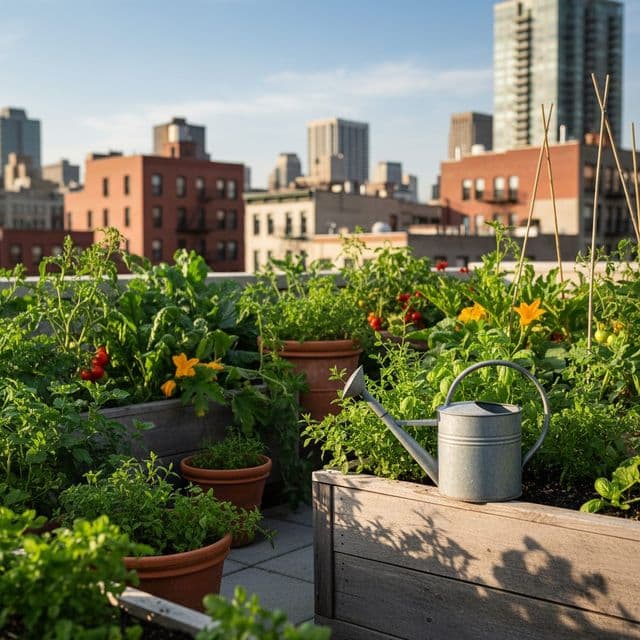
Learn to craft custom potting mixes for your container garden. Save money, improve plant health, and tailor drainage/nutrients for thriving plants in USDA Zone 7 and beyond.
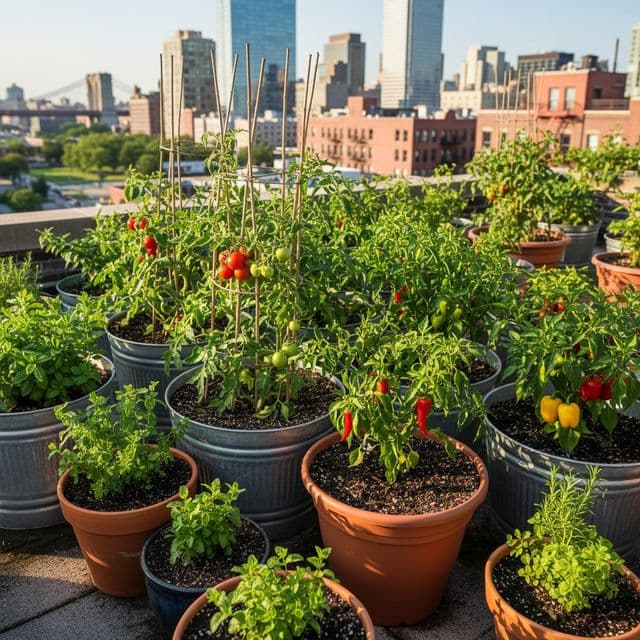
Learn why garden soil fails in containers, reducing tomato yields by 30%. Discover the ideal potting mix for thriving container gardening, even in small spaces like balconies.
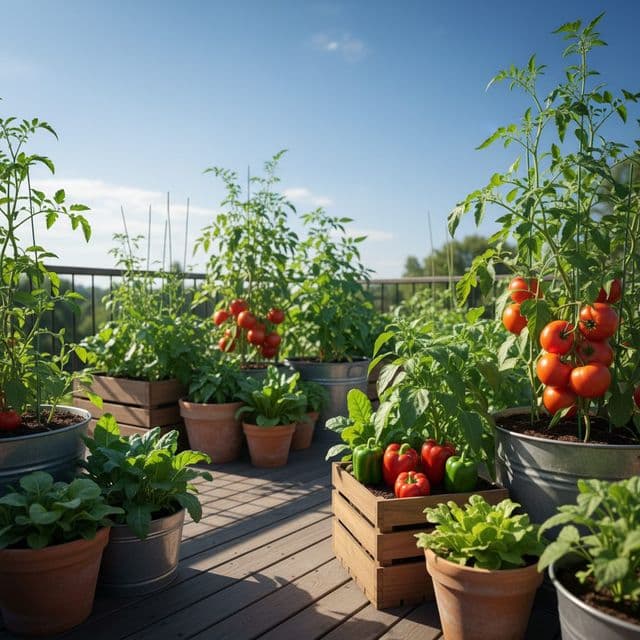
Learn ideal pot sizes for tomatoes, peppers, and leafy greens in USDA Zone 7. Optimize your container garden for maximum yields on balconies, patios, or rooftops.
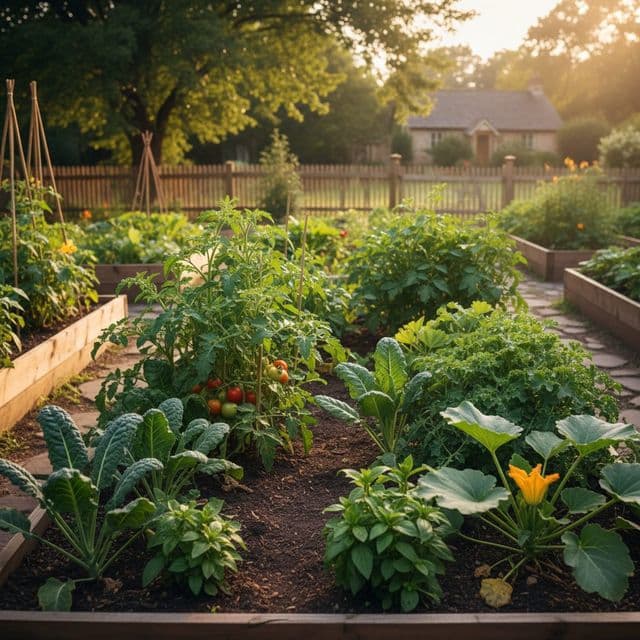
Navigate HOA and lease rules for patio gardens. Learn how to get approval, use container & vertical gardening, and grow food compliantly in small spaces.
Start your 5-pot balcony garden in USDA Zone 7 with this budget-friendly guide. Learn to choose containers, soil, and plants for a productive urban oasis, all for $150-$250.
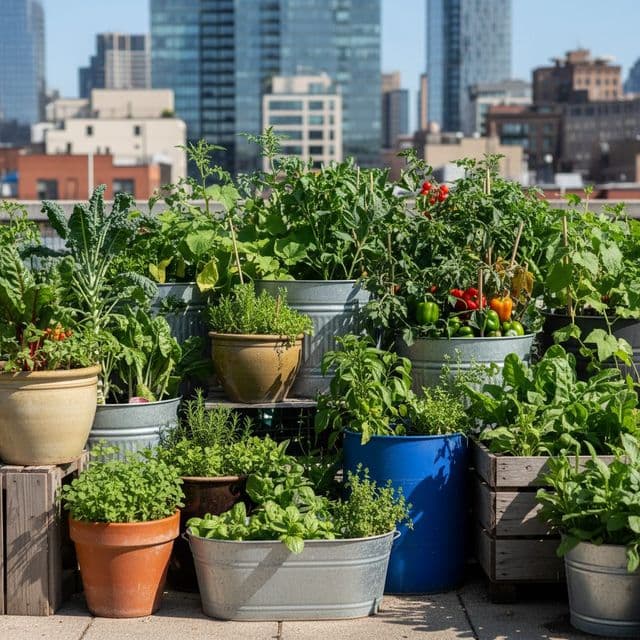
Master container vegetable gardening. Learn to time cool and warm season crops by USDA zone for maximum yield. Perfect for small spaces, balconies, and urban gardens.
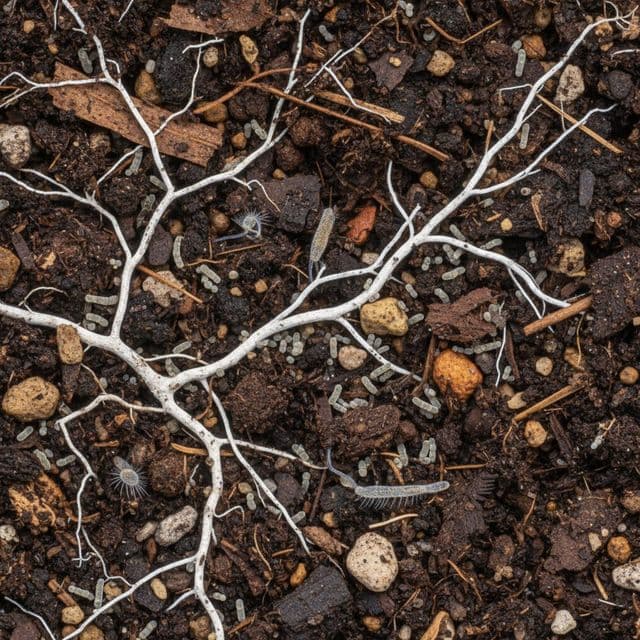
Transform your small apartment balcony in USDA Zone 7 into a productive container vegetable garden. Learn layout ideas, plant selection, and care tips to maximize your yield.
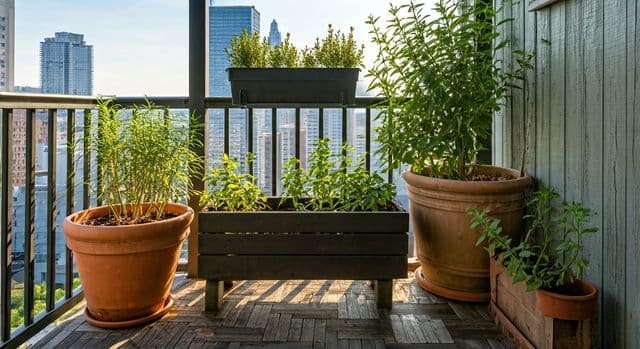
Learn to map balcony sun exposure for successful urban container gardening in USDA Zone 7. Optimize plant choice & care for north, south, east, west-facing spaces.
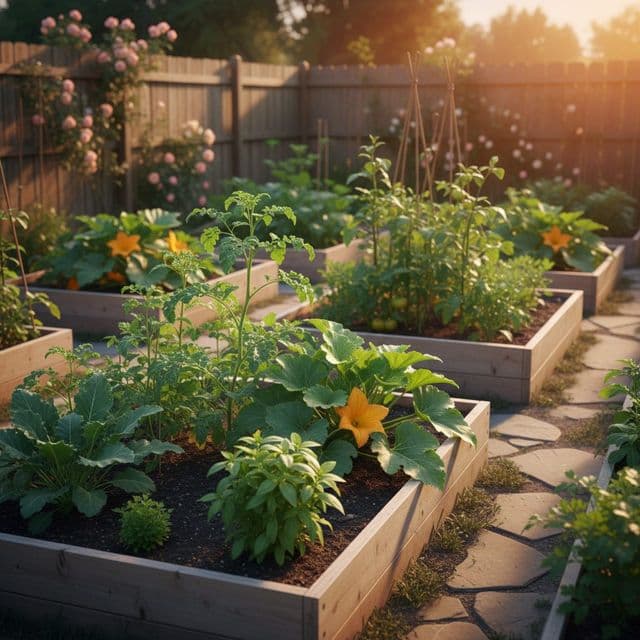
Maximize your small urban space. Learn to grow 10 easy vegetables in containers on your balcony, potentially yielding 50+ lbs of fresh produce. Master successful balcony container gardening.
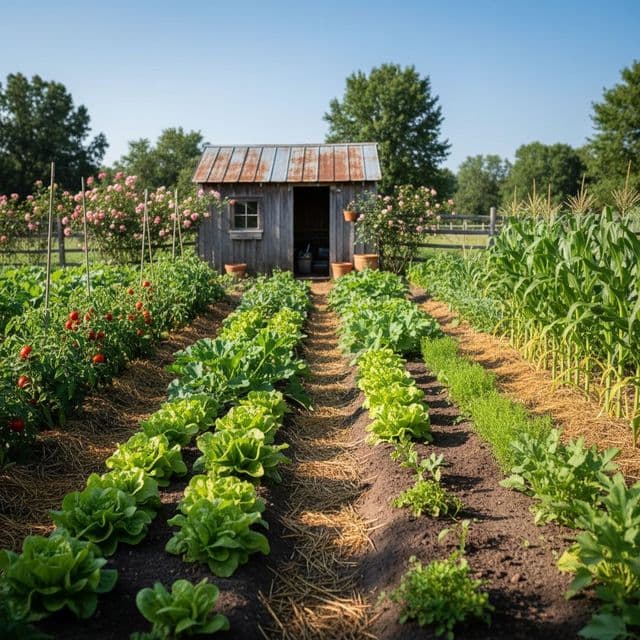
Understand open-pollinated vs hybrid seeds for resilience in USDA Zone 6. Learn how seed choice impacts crop rotation, succession planting, and long-term garden productivity.
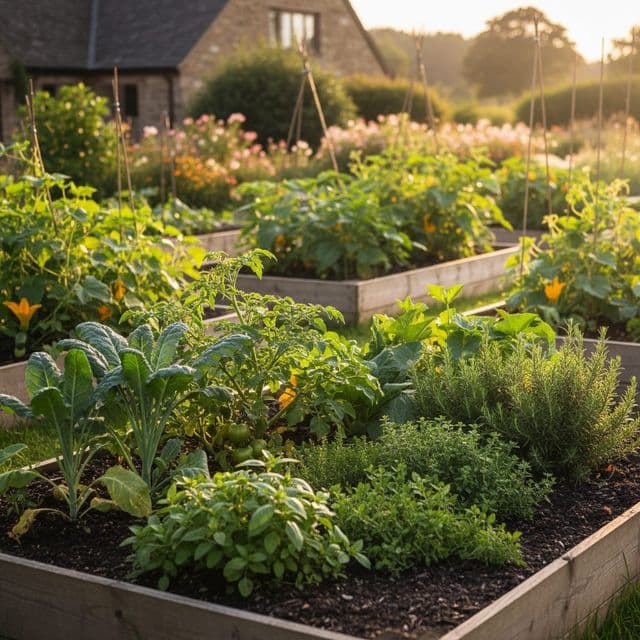
Learn how to properly harden off transplants to prevent shock and boost survival rates by 25-40%. Master this critical step for successful gardening in USDA Zone 6 and beyond.
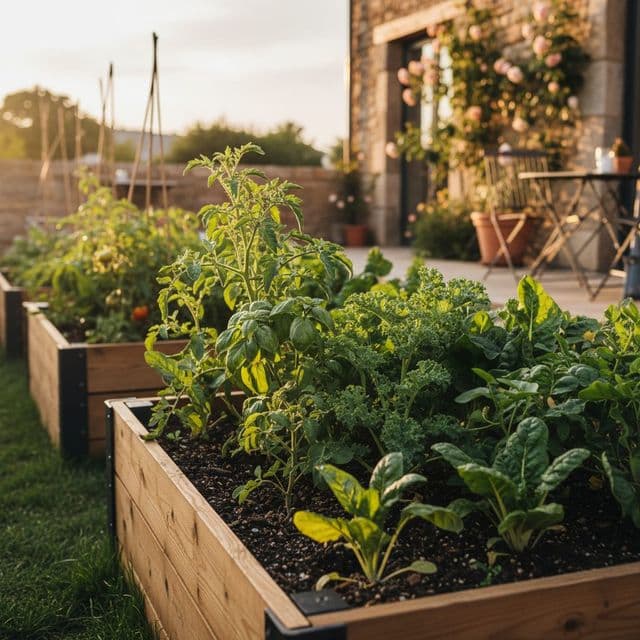
Maximize garden yields by choosing direct sow vs transplant. Learn which method suits root vegetables, warm-season crops, and your USDA Zone for a more bountiful harvest.
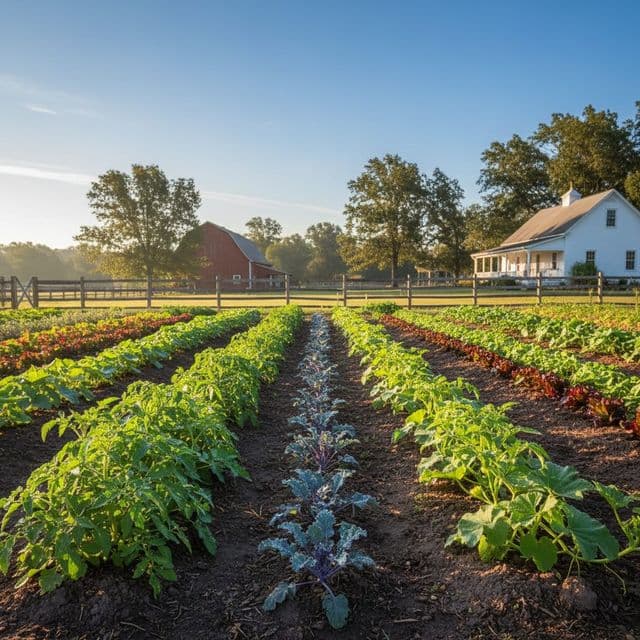
Thin carrot seedlings to 3-inch spacing in USDA Zone 6 to improve root size, reduce disease, and support succession planting.
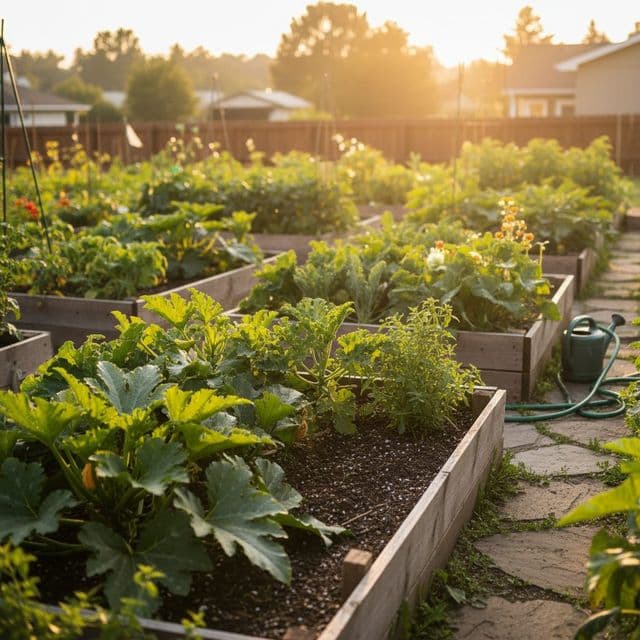
Bridge the summer gap in USDA Zone 6 with heat-tolerant crops, succession planting, and crop rotation. Maximize harvests even in 90°F heat.
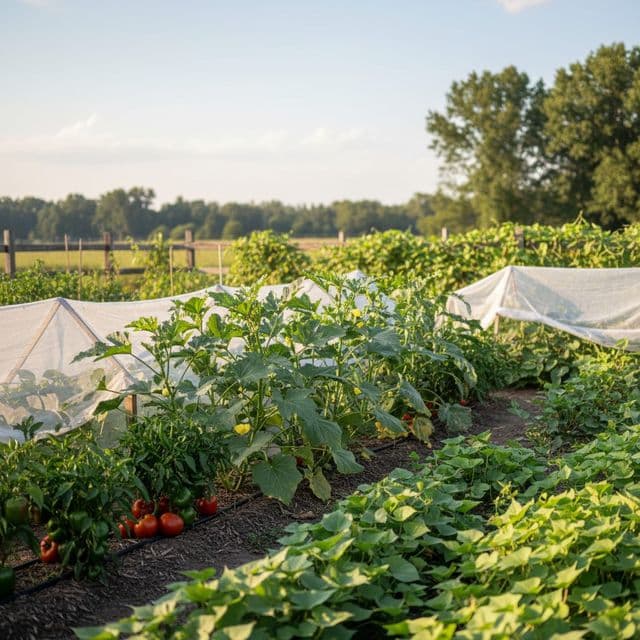
Master succession planting in USDA Zone 8 during 100°F heatwaves. Learn strategies for heat-tolerant crops, soil health, water management, and timing to ensure continuous harvests.
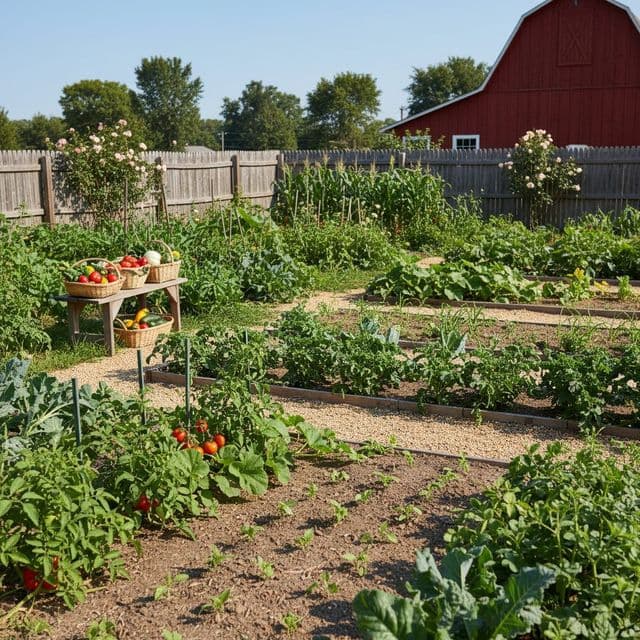
Succession planting produces continuous summer harvests in USDA Zones 5-9. Stagger fast-maturing crops to maintain yields, improve soil health, and reduce pests.
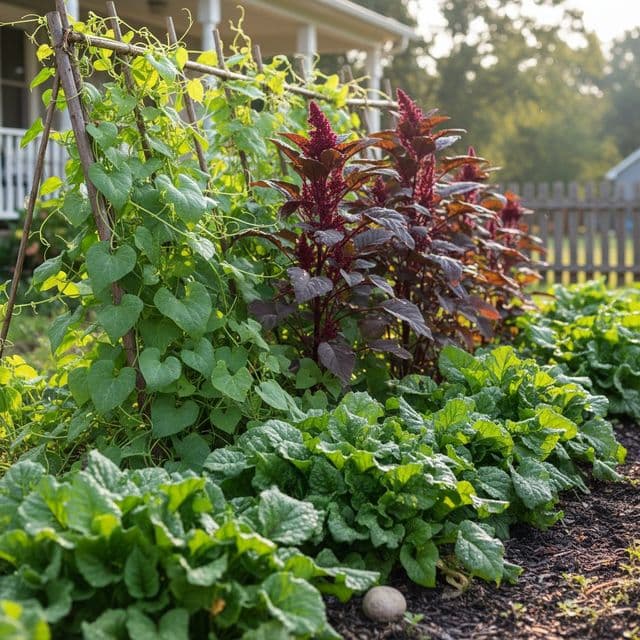
Extend your summer harvest in USDA zones 7-10 with resilient heat-tolerant greens like Malabar spinach, amaranth, and New Zealand spinach. Learn to grow them for continuous yields.
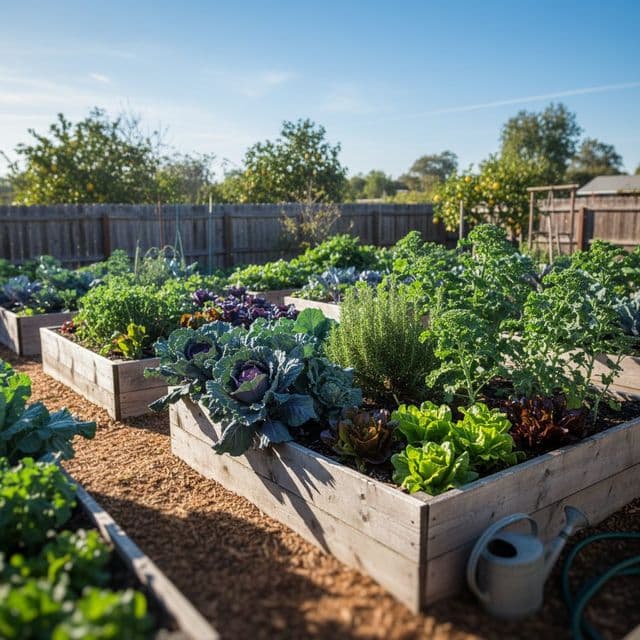
Don’t let bolted crops go to waste! Learn how to salvage bolted crops for compost, animal feed, or seeds. Discover prevention tips like succession planting and crop rotation for US growers in USDA…
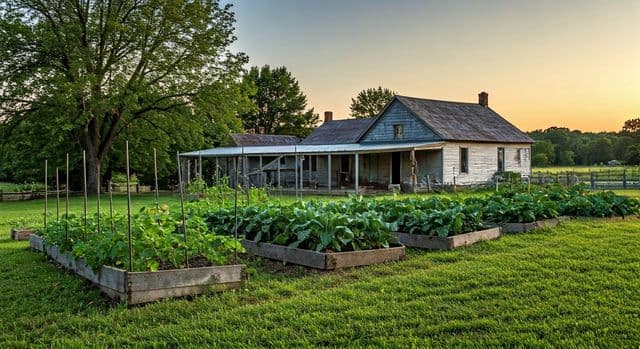
Prevent premature bolting in lettuce & spinach across USDA zones 3-9. Learn strategic shade, watering, and planting techniques to extend your harvest and keep greens fresh.