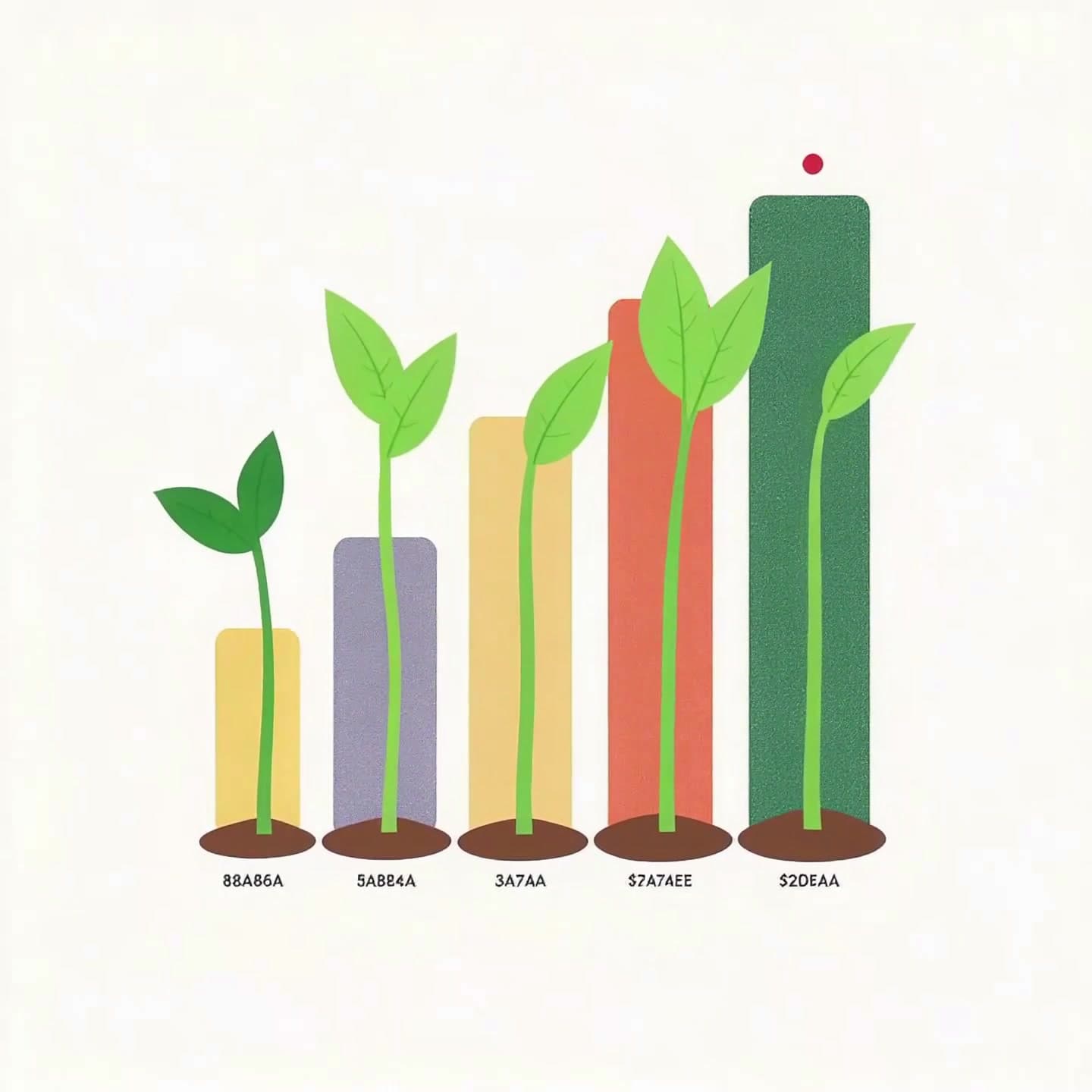
What to plant in May in the US: by USDA zone
What to plant in May across the United States, structured by USDA hardiness zone bands to account for local frost dates and regional climate variations.
Topic
Everything you need to grow vegetables at home, whatever your space. These guides cover individual crops—tomatoes, lettuce, garlic, carrots, and potatoes—plus square-foot layouts, companion planting, and beginner FAQs. Learn soil prep, spacing, watering, and harvest timing so every bed produces more food with less guesswork.
444 articles in this topic on agripure. — page 2 of 19
What to plant in May across the United States, structured by USDA hardiness zone bands to account for local frost dates and regional climate variations.
What to plant in May in Canada across plant hardiness zones 2 to 8. Learn when to start seeds indoors, direct-sow cold-hardy crops, and safely transplant summer vegetables.
What to plant in March across the United States, organized by USDA hardiness zones from northern cold frames to southern warm-season transplanting.
What to plant in June across the United States, organized by USDA zone bands to account for regional frost dates, summer heat, and succession schedules.
What to plant in June in Canada, organized by plant hardiness zones from cold northern regions to mild coastal British Columbia, including sowing and transplanting calendars.
What to plant in July in the US, featuring targeted sowing schedules for USDA zones 3 through 10, succession strategies, and essential summer garden maintenance.
What to plant in July in Canada depends heavily on your plant hardiness zone. While northern regions must focus on quick-maturing greens, southern and coastal growers can direct-sow root crops, bra…
What to plant in January in the US, organized by USDA hardiness zones. Learn what to sow indoors, direct-sow outdoors under cover, and essential winter garden maintenance.
What to plant in January in Canada, organized by regional plant hardiness zones from the frozen Prairies to the mild British Columbia coast.
Planting in February in the US depends on your USDA zone, spanning indoor seed starting in zones 3 to 6 to active outdoor transplanting in zones 7 to 10.
What to plant in February in Canada, organized by regional hardiness zones from indoor seed starting in the interior to early outdoor sowing on the coast.
What to plant in December across the United States, detailed by USDA hardiness zones from northern indoor sowing to southern cool-season direct seeding.
August is the critical transition month for starting fall and winter crops across US climate zones, from quick-growing northern greens to southern second-season transplants.
August planting in Canada varies by plant hardiness zone, ranging from quick-maturing salad greens in the north to winter-hardy root crops and brassicas in southern and coastal regions.
April planting in the United States requires matching your crops to your specific USDA zone. Learn what to sow indoors, transplant, and direct-sow from Zone 3 to Zone 10.
What to plant in April in Canada, organized by Canadian Plant Hardiness Zones from coastal BC to the cold Prairies, featuring indoor sowing schedules and outdoor direct-sowing guidelines.
Gardening in the Arabian Gulf requires reversing traditional calendars to grow from October to April. Learn how to manage extreme heat, sandy soils, and salinity.
In the Arabian Gulf, the vegetable growing season runs from October to April. Learn how to manage the reverse-season calendar, prepare raised beds, and protect crops from extreme heat.
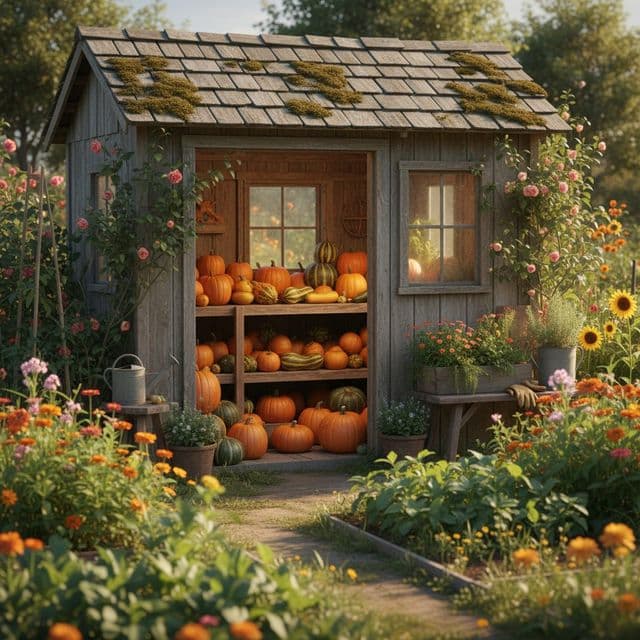
Learn how to cure winter squash for extended storage. Discover optimal temperatures (80-85°F) and humidity (80-85%) to harden skins, improve flavor, and prevent spoilage for months.
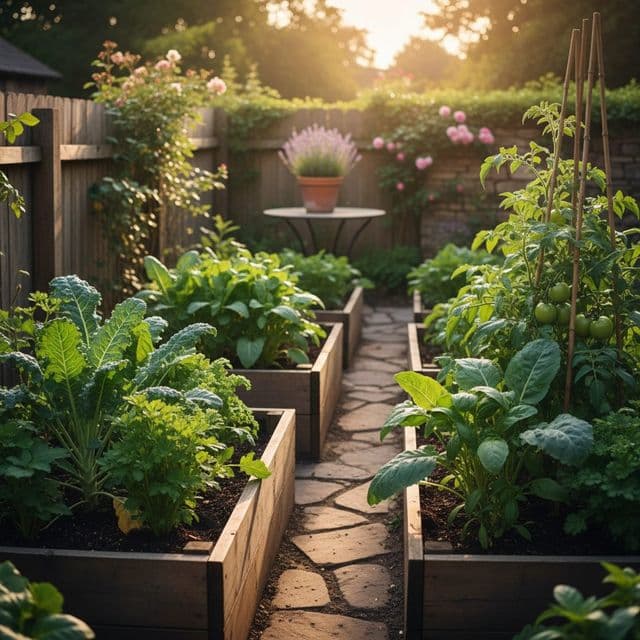
Revitalize container soil after winter’s harsh effects by assessing compaction, replenishing nutrients, and restoring microbial health for increased spring yields.
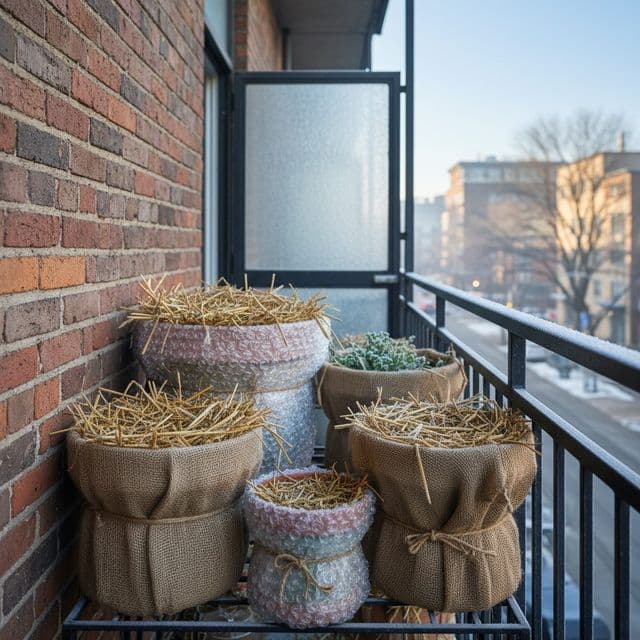
Learn essential techniques to protect container plants from freezing temperatures in USDA Zone 6. Discover wrapping, clustering, and mulching for successful container plant winter protection.
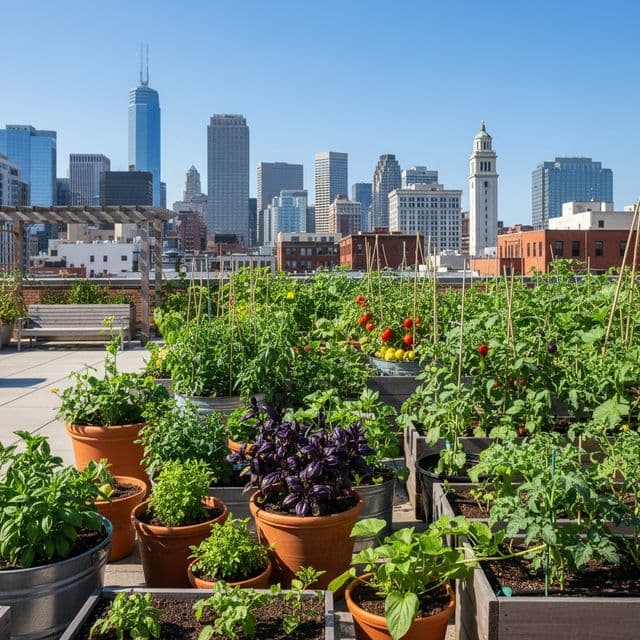
Self-pollinating crops for urban gardens in USDA Zone 7 allow growing tomatoes, peppers, and beans on balconies or rooftops without relying on bees.
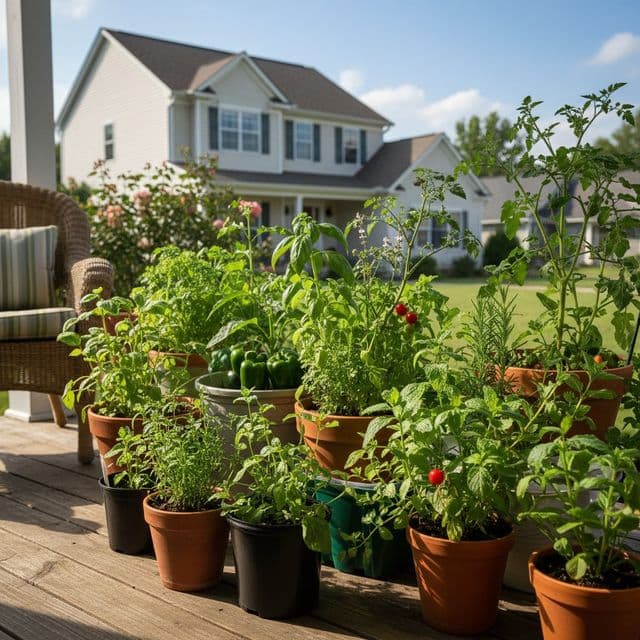
Master summer container gardening. Learn how to prevent overwatering, choose the right soil & containers, and protect plants from heat to ensure abundant harvests in challenging climates.
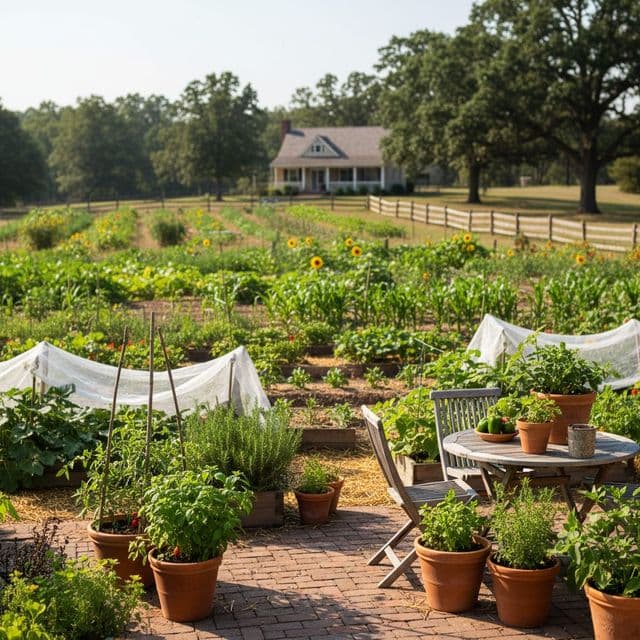
Master heat-tolerant container gardening on hot patios in USDA zones 7+. Discover plant varieties, container choices, watering tips, and shading strategies for a thriving garden.