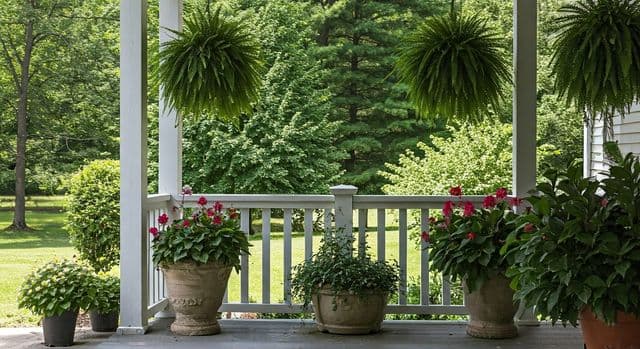
North-Facing Porch Plants: Low-Care for USDA Zones 5-9
Discover the best north-facing porch plants that thrive with minimal care in USDA zones 5-9. Learn about shade-loving foliage, colorful blooms, and low-maintenance container gardening tips.
US guides
1298 guides written specifically for United States growers. Clear filter
Discover the best north-facing porch plants that thrive with minimal care in USDA zones 5-9. Learn about shade-loving foliage, colorful blooms, and low-maintenance container gardening tips.
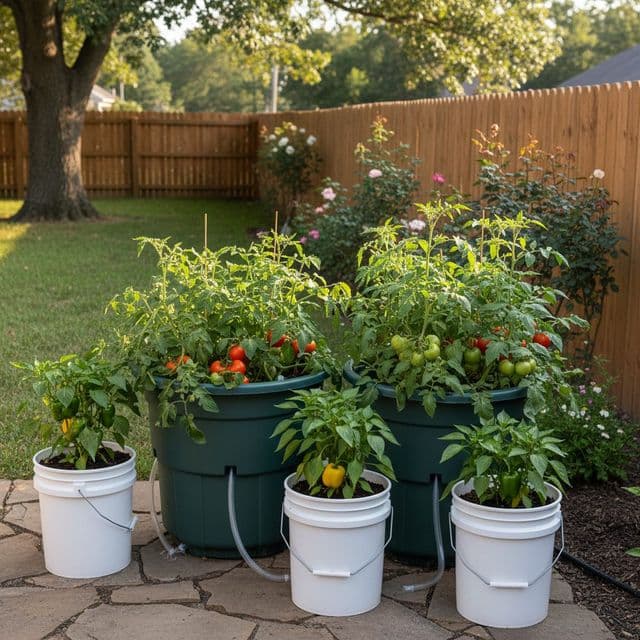
Learn how self-watering containers cut water use by 30% in gardens and nurseries. Discover benefits, plant choices, and DIY tips for efficient, sustainable gardening.
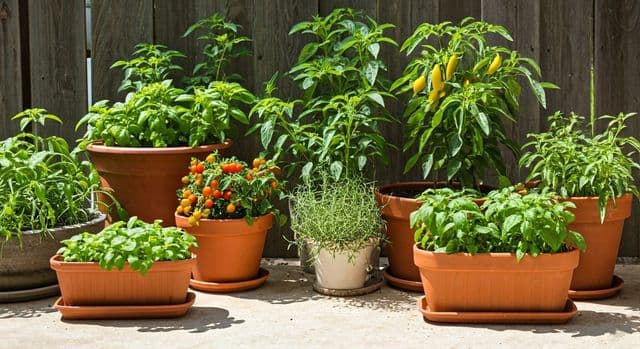
Master resilient container gardening across US climate zones. Learn to grow low-maintenance herbs, peppers, and cherry tomatoes with expert tips for success in any space.
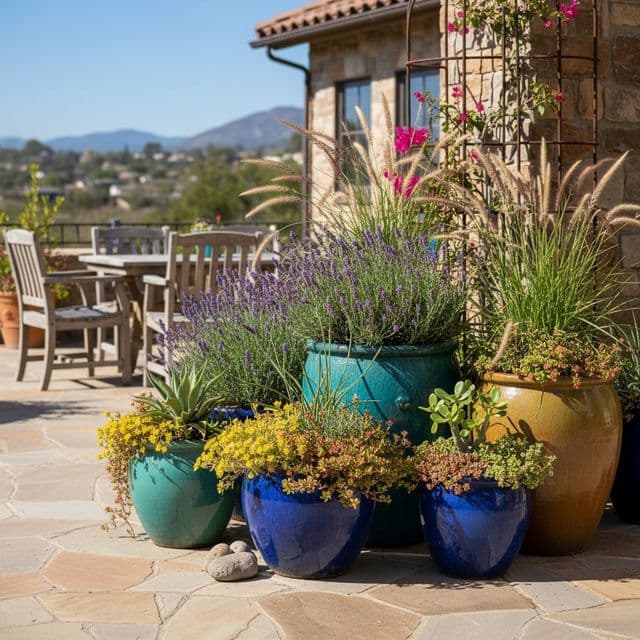
Low-water container gardens can survive seven days without irrigation in USDA Zone 7 when built with insulated pots, moisture-retentive soil blends, and drought-tolerant perennials.
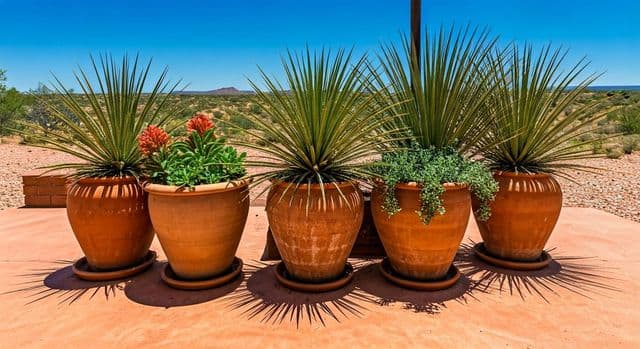
Heat-tolerant container plants for Southwest and Texas summers, with care guidelines for edibles, flowers, and herbs in extreme heat.
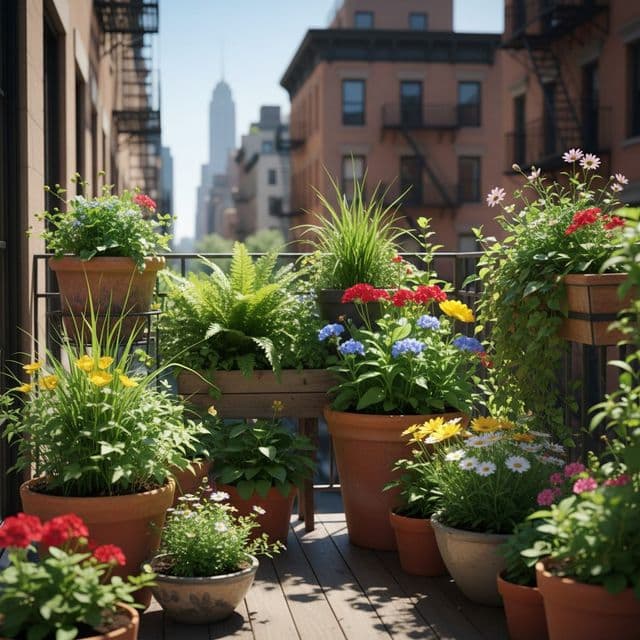
Drought-tolerant container plants for sunny balconies and patios in USDA zones 7+, covering species selection, pot materials, and watering methods to reduce water use by 30-50%.
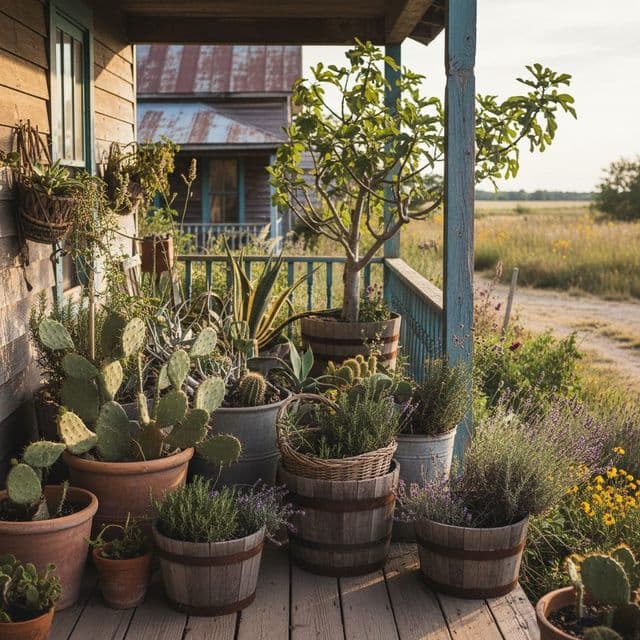
Discover 25 indestructible container plants that thrive from USDA zones 4-11. Learn essential care tips for drought-tolerant, low-light, and hardy perennial species.
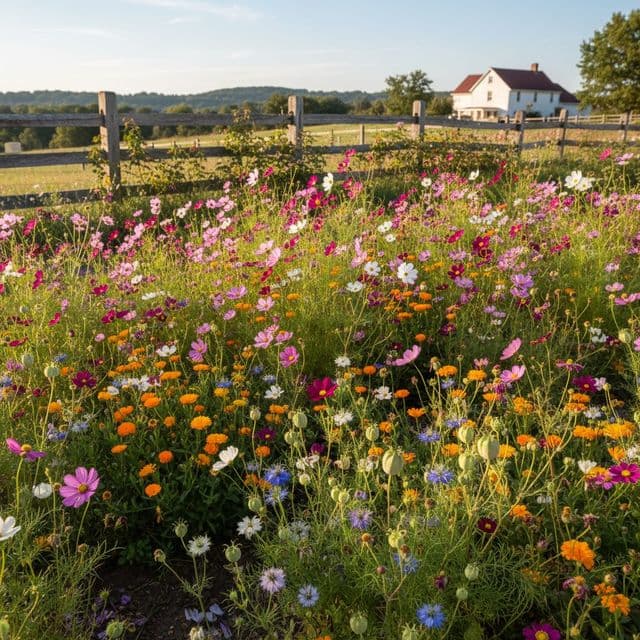
Self-seeding cut flower garden strategies to reduce annual planting in USDA zones 5-9, covering plant selection, soil preparation, and maintenance for continuous blooms.
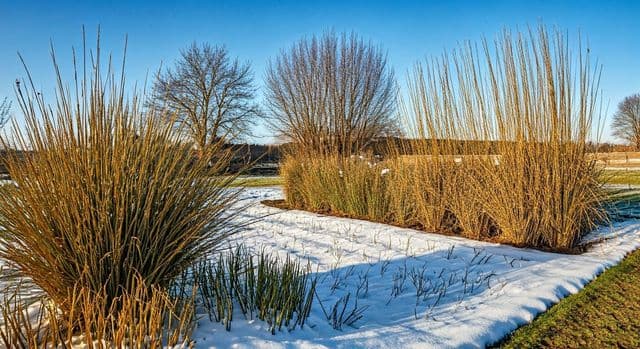
How to select and manage self-seeding plants for USDA Zones 3-5 and 8-10, using cold-hardy and warm-climate varieties that reduce garden labor.
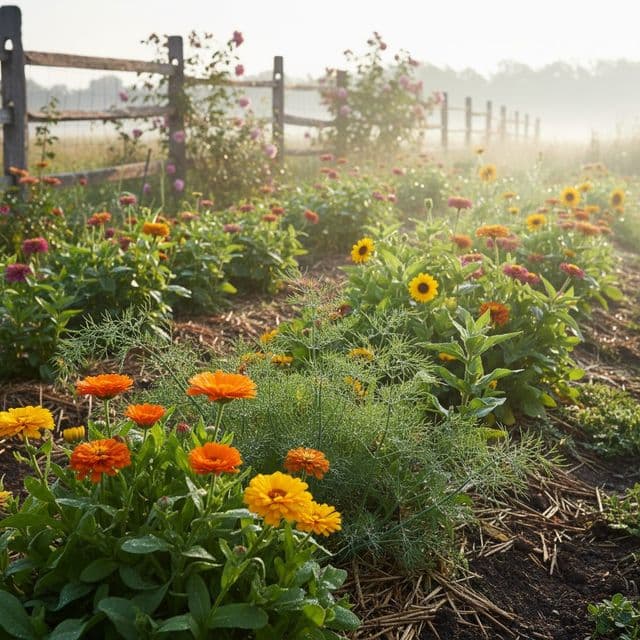
Learn effective strategies to manage volunteer plants and self-seeders in USDA Zone 6. Discover how deadheading, mulching, and selective weeding can reduce garden maintenance.
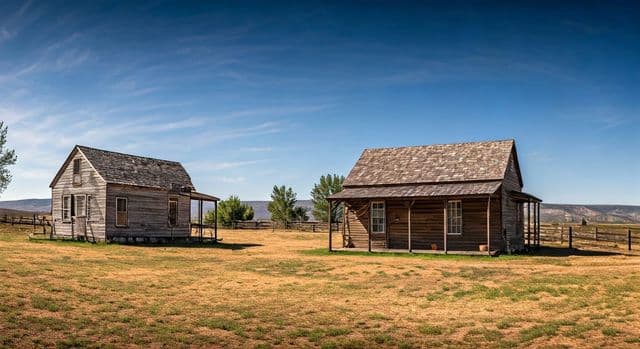
How to establish self-seeding native wildflower pollinator meadows across US growing zones, reducing maintenance and watering needs over time.
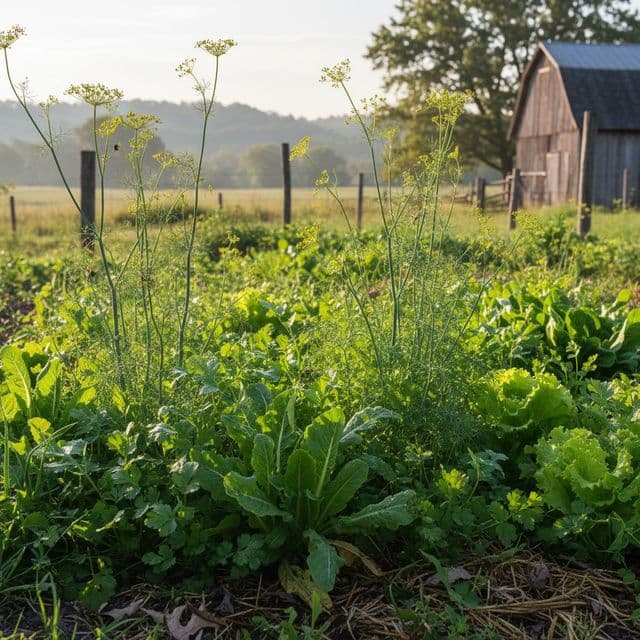
Discover how self-sowing plants like dill, cilantro, arugula, and lettuce create a low-effort kitchen garden in USDA Zone 6. Save time & enjoy fresh produce.
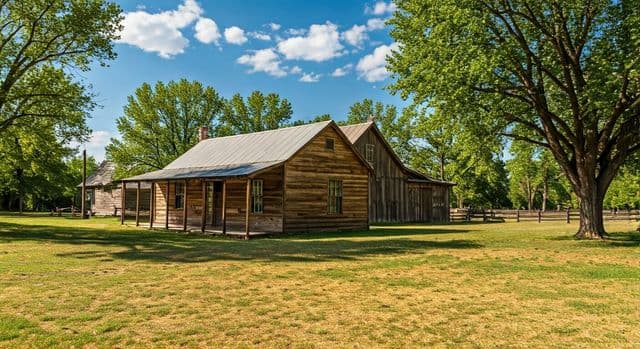
Native vines provide quick coverage across USDA zones 5-9 without the ecological damage caused by invasive species like kudzu, English ivy, and non-native wisteria.
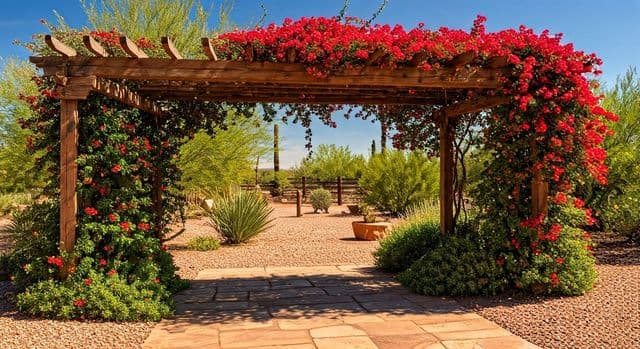
Discover 5 vigorous Southwest climbing plants thriving in 100°F summers. Get shade & privacy with heat-tolerant vines for fences & pergolas in USDA Zones 7-10.
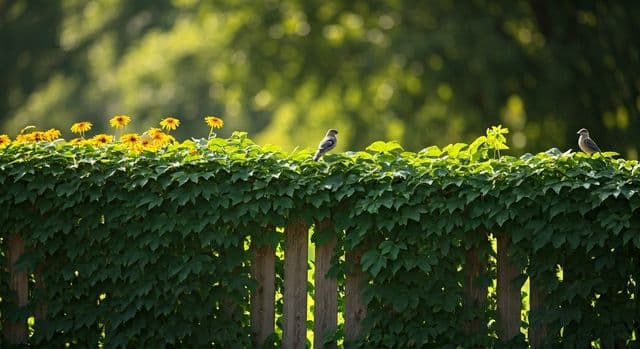
How to choose native vines for fences by US region to support pollinators, birds, and local biodiversity with less maintenance.