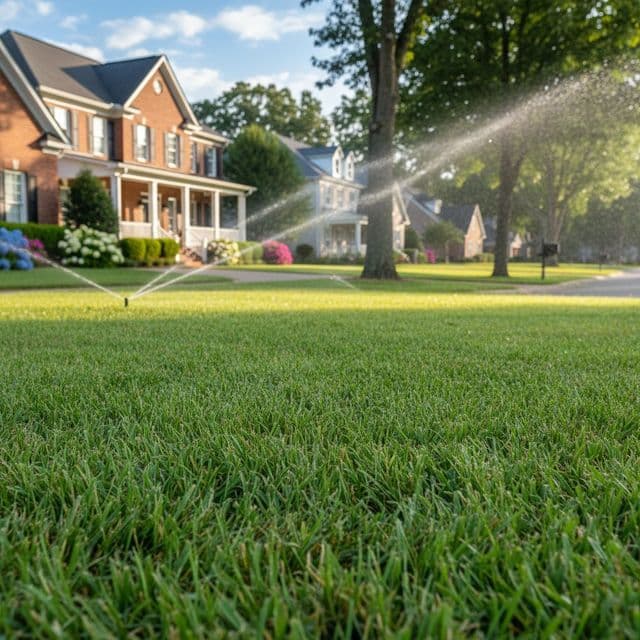
Warm-Season Lawn Care Calendar: USDA Zones 7-11
Master warm-season lawn care in USDA Zones 7-11 with this month-by-month guide. Learn when to fertilize, mow, and apply pre-emergents for a healthy, healthy lawn.
Tag
382 articles in this tag on agripure. — page 1 of 16
Master warm-season lawn care in USDA Zones 7-11 with this month-by-month guide. Learn when to fertilize, mow, and apply pre-emergents for a healthy, healthy lawn.
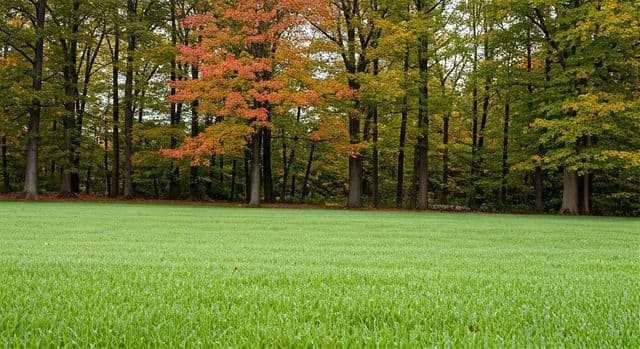
Master cool-season lawn care in USDA zones 3-7 with this year-round guide. Learn seasonal tips for fertilization, mowing, watering, and weed control for a healthy turf.
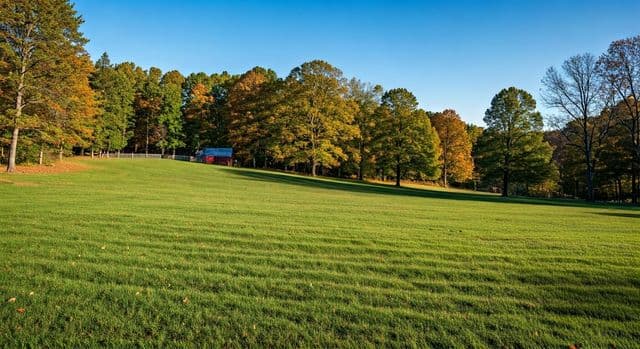
Discover how cool-season grass blends like Kentucky bluegrass, tall fescue, and perennial ryegrass thrive in US zones 3-7. Learn about their unique strengths for a resilient lawn.
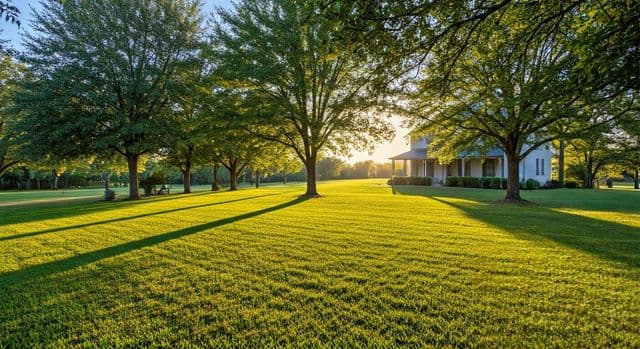
Select the best warm-season grass for your Southern US lawn. Compare Bermuda, Zoysia, St. Augustine, & Centipede for sun, water, soil pH, and traffic needs. Ensure a healthy, resilient lawn.
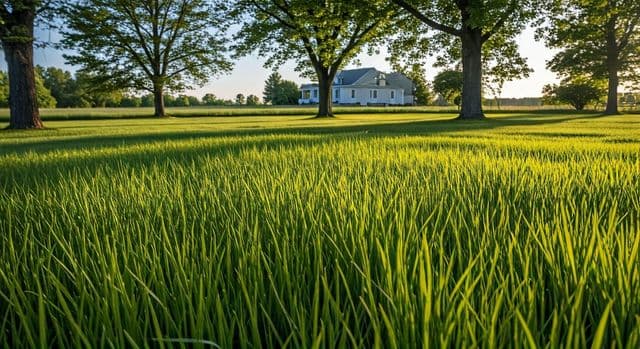
Discover the best low-maintenance grasses for USDA zones 3-6 in the Upper Midwest & Northeast. Learn why fine fescues reduce mowing & watering by up to 50%.
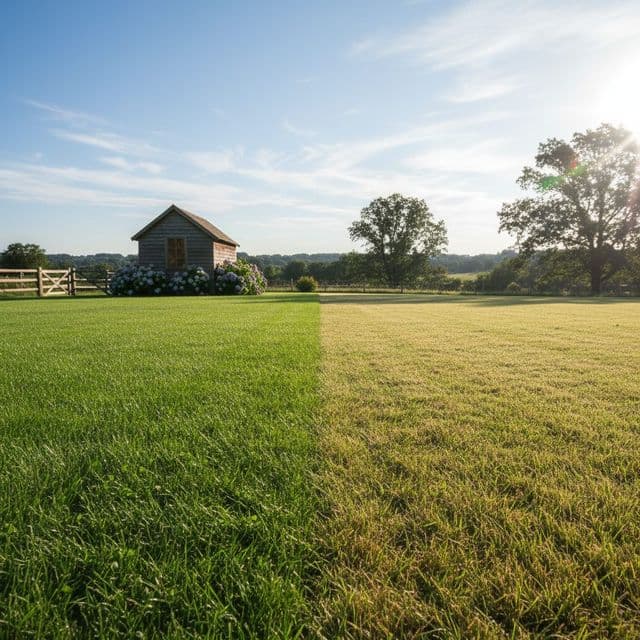
Select the right turf for your region. Learn about warm-season vs. cool-season grasses, their ideal temperatures, USDA zones, and care for a resilient lawn.
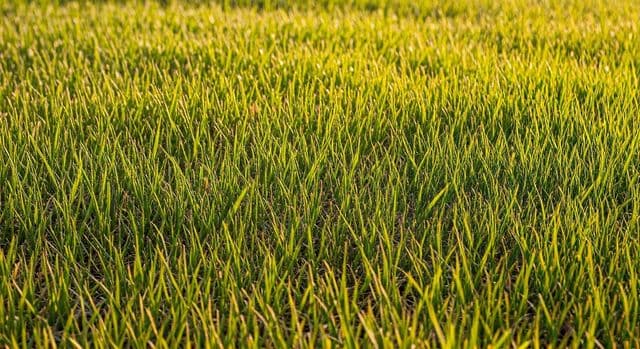
Learn how to overseed warm-season lawns with ryegrass for healthy winter color in USDA Zones 7-9. Get tips on timing, ryegrass types, and lawn prep.
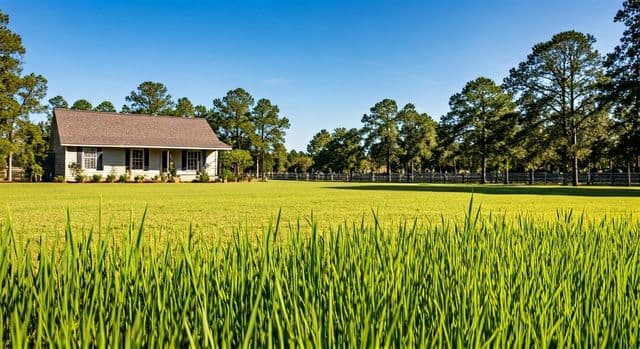
Learn to establish Bermuda and Zoysia from plugs or sprigs in USDA zones 7-10. Master soil prep, planting techniques, and care for a lush, resilient warm-season lawn.
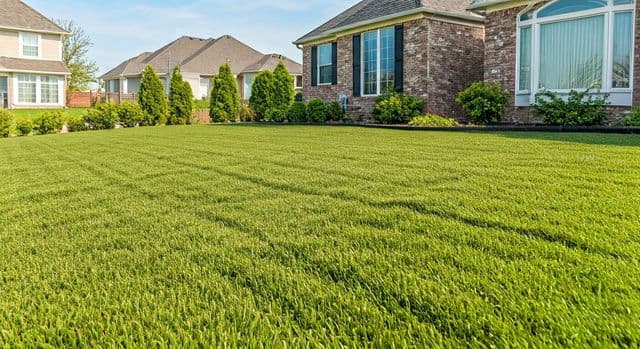
Master sod establishment in USDA Zone 6 with our guide. Learn soil prep, installation, and critical watering techniques for a lush, healthy lawn. Get your sod right.
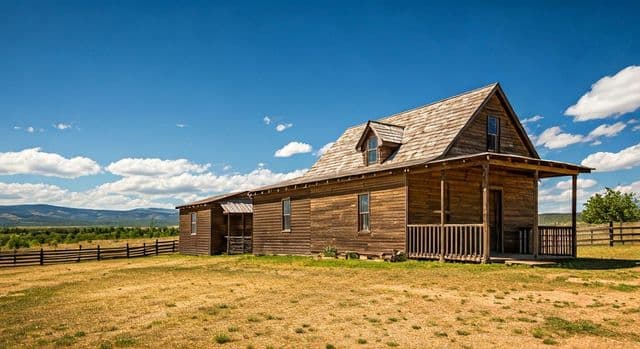
Learn the best time to plant grass seed in US regions for optimal growth. Discover ideal planting windows for cool-season (zones 3-7) & warm-season (zones 7-10) turf based on soil temp.
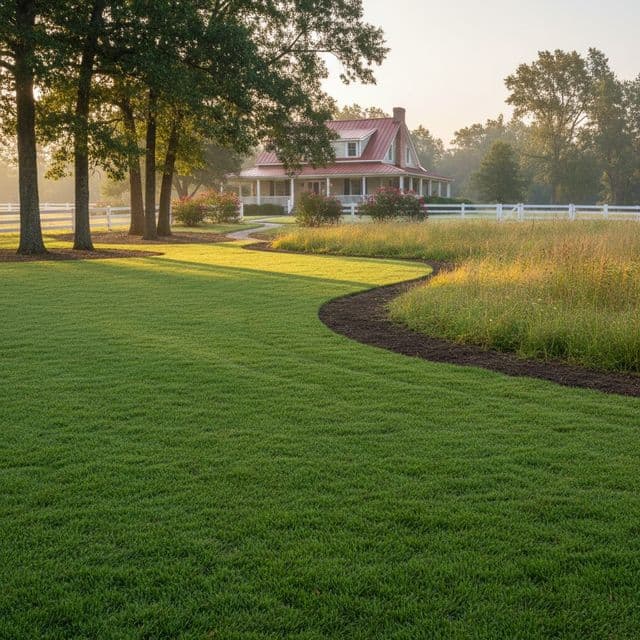
Compare lawn establishment methods: seed, sod, plugs, and sprigs for USDA Zone 6. Compare costs, establishment time, and maintenance needs for each method.
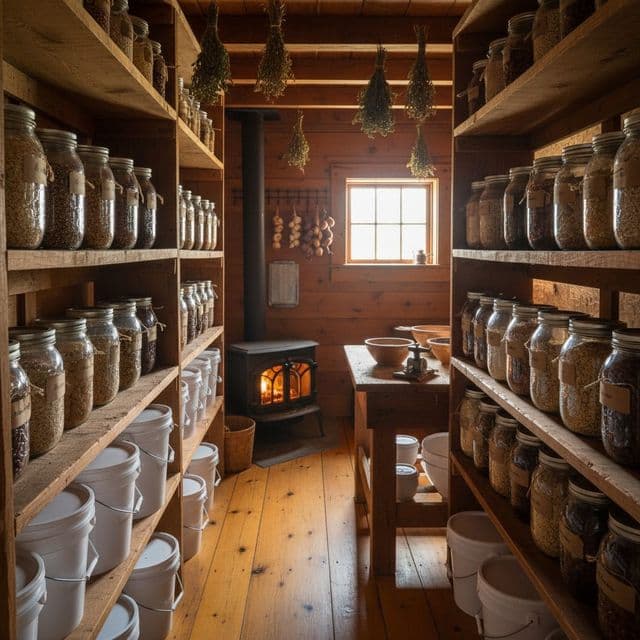
Learn practical home grain storage methods to save up to 30% on food costs. Control moisture, pests, and temperature for long-term food security and self-reliance.
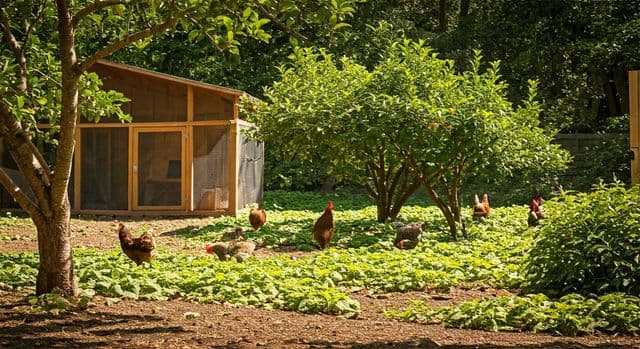
Discover how integrating hens into your food forest boosts pest control, soil fertility, and weed management. Learn design tips for a thriving, resilient homestead system.
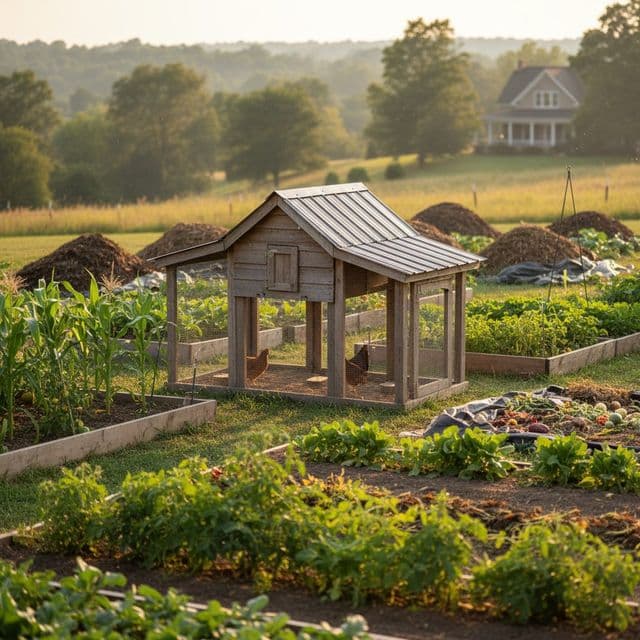
Integrate backyard chickens into your permaculture system for fresh eggs, natural pest control, and rich soil. Learn coop design, feeding, and waste management for a resilient flock.
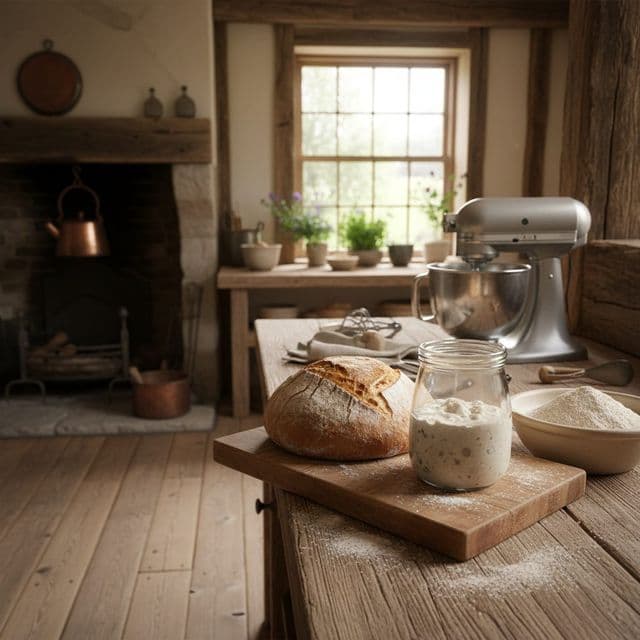
Learn to cultivate sourdough, grow grains like wheat, and integrate them into your home garden kitchen for true self-reliance. Improve nutrient absorption and digestive health.
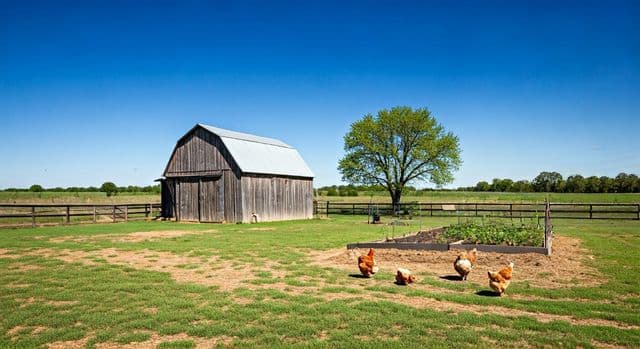
Learn how to provide fresh, nutritious sprouted livestock feed during winter. Reduce costs, improve animal health, and boost self-reliance on your homestead.

How to press cooking oil at home from sunflower, flax, and peanut crops, with seed oil yields, manual versus electric expeller presses, settling methods, and culinary storage.
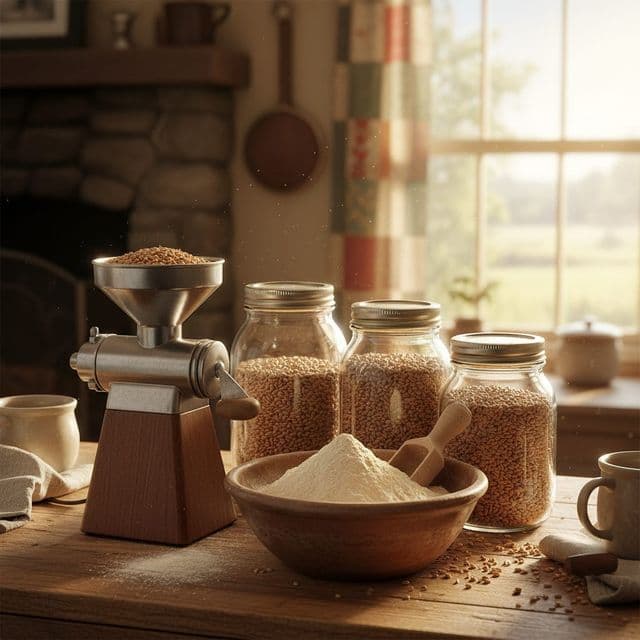
Discover how home grain milling can cut flour costs by 30% and provide superior freshness. Learn to choose mills, source grains, and enjoy nutrient-rich, self-reliant baking.
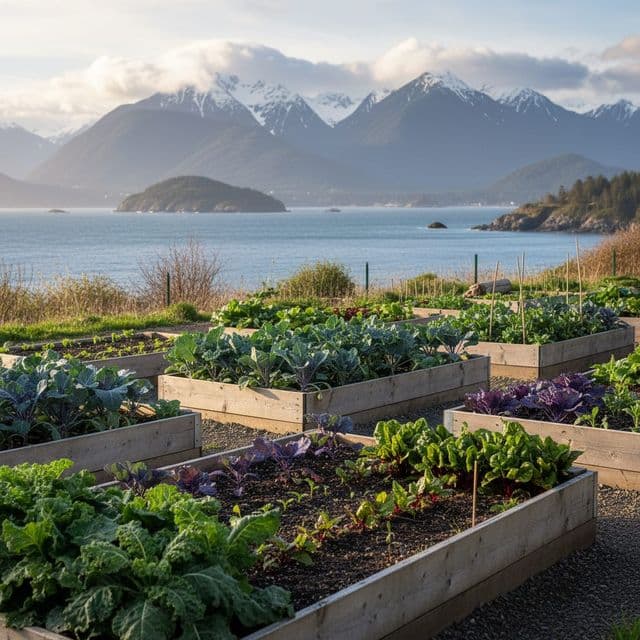
Design a bird-friendly garden with native plants, reliable water sources, and layered shelter to increase local bird populations by 20-30%.
Create and sell garden products like soaps, salves, and cleaners from your homestead. Boost farm income by transforming botanicals into goods for farm stands and online shops.
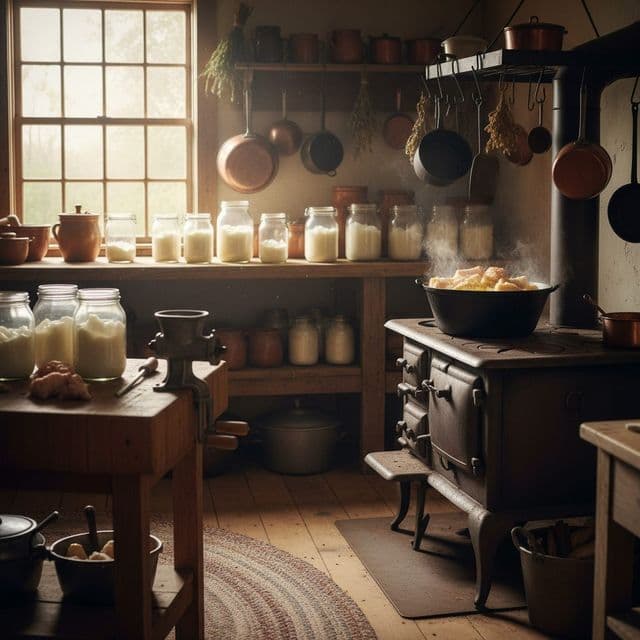
How to render tallow and lard for homemade soaps, candles, and skincare, covering wet and dry methods, storage, and practical uses in USDA Zone 6.
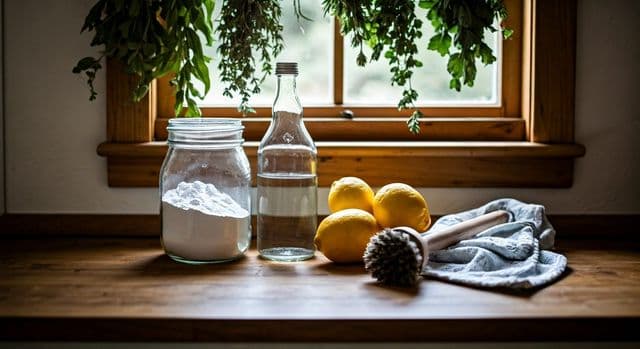
Save money and reduce chemicals with effective DIY natural cleaners made from pantry staples. Learn how to make powerful kitchen, bathroom, and laundry solutions for your homestead.
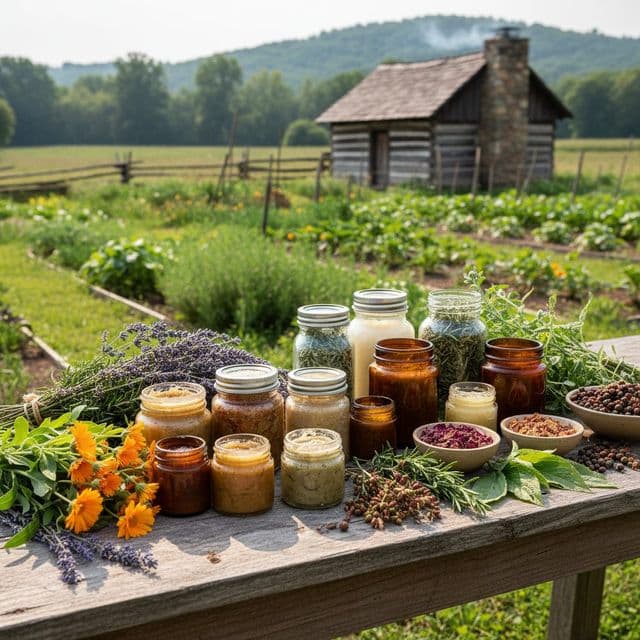
Learn to craft your own herbal salves and balms from garden-grown medicinal herbs in USDA Zone 6. Control ingredients, avoid synthetics, and enjoy natural skincare.
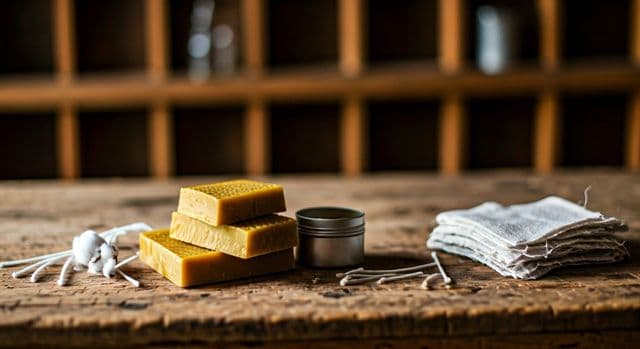
Discover essential beeswax projects for your home and garden. Learn to make candles, food wraps, and wood balm, reducing waste and saving money. Perfect for homesteaders in USDA Zone 6.