Key takeaways
- Water succulents only when the soil is completely dry, typically every two to four weeks depending on environmental factors.
- Utilize a well-draining soil mix containing at least 50% inorganic material like perlite or pumice to prevent root rot.
- Provide at least six hours of bright, indirect sunlight daily for robust growth, adjusting watering frequency with light intensity.
- Always use pots with drainage holes to allow excess water to escape, as standing water is a primary cause of succulent decline.
- Apply water thoroughly until it drains from the bottom of the pot, then promptly discard any collected excess water.
- Adjust watering frequency based on season, humidity, and plant size, reducing frequency during winter dormancy.
Quick answer: To water succulents indoors, use the soak-and-dry method: water thoroughly until it drains, then allow the soil to completely dry out before watering again. This prevents root rot and mimics their natural arid environment.
Succulents are resilient indoor plants that require relatively low maintenance. However, proper watering remains the main challenge for many growers. Overwatering is responsible for the decline of many indoor succulents, often due to misunderstanding their natural desert adaptations.
The soak-and-dry method mimics native arid conditions where rainfall is infrequent but heavy. Saturating the root zone and letting the soil dry completely prevents root rot and fungal issues. By following this method, you can maintain healthy, thriving succulents that can live for five to 20 years or more, depending on the species and care.
Understanding succulent water needs
Succulents are plants specifically adapted to survive in arid climates, such as the deserts of the Southwestern US, including parts of Arizona and California, or regions in USDA zones 8-11. Their unique physiology allows them to store significant amounts of water in their leaves, stems, or roots. Research from 2022 indicates that succulent leaves can have a saturated water content ranging from 80% to 95% by weight, demonstrating their remarkable capacity for water retention [2]. This adaptation means they do not require frequent watering, unlike many common houseplants.
In their natural habitats, succulents often experience long periods of drought, sometimes going for months without rain. When precipitation does occur, it tends to be substantial, allowing them to absorb a large volume of water quickly. For instance, a 1914 study on desert succulents highlighted their ability to rapidly take up water after dry spells, with some species absorbing up to 30% of their body weight in water within a few days [3]. The soak-and-dry method mimics this cycle for indoor potted plants.
The role of water storage in succulent survival
The thick, fleshy leaves and stems of many succulents, like those found in the Agave or Sedum genera, are specialized water reservoirs. Some species, such as Agave deserti, can have leaves up to 0.4 inches thick, optimized for water storage [2]. This stored water allows them to endure prolonged dry periods, making them highly efficient in water use. Unlike tropical plants that require consistent moisture, succulents prefer their soil to dry out completely between waterings, preventing the conditions that lead to root rot. A 1976 study on matric bound water in succulents found that a significant portion of their total water content, up to 30%, is tightly bound within plant tissues, further contributing to their drought tolerance [5].
- thick, fleshy leaves and stems for water storage
- shallow, widespread root systems for efficient surface water absorption
- crassulacean acid metabolism (CAM) for reduced water loss during photosynthesis
- waxy cuticles or fine hairs to minimize evaporation from leaf surfaces
- ability to survive months without rainfall in arid environments, such as USDA zone 10.
Executing the soak-and-dry method
The soak-and-dry method is straightforward but requires attention to detail. The core principle is to water thoroughly until the soil is saturated, then allow the soil to dry out completely before watering again. This cycle prevents the soil from remaining perpetually damp, which is detrimental to succulent roots. For most indoor succulents in a typical US home environment, this means watering every two to four weeks, though this can vary significantly based on factors like pot size and humidity levels, which we will discuss later.
To determine if your succulent needs water, the most reliable method is to check the soil dryness. Insert your finger about one to two inches deep into the soil. If it feels dry, it’s likely time to water. For smaller pots, you can also lift the pot; a significantly lighter pot indicates dry soil. A 2007 study on desert succulents confirmed that even older roots are highly efficient at water uptake after dry periods, emphasizing the importance of allowing the soil to dry fully [4].
Step-by-step watering instructions
Once you’ve confirmed the soil is dry, the next step is to water thoroughly. Use a watering can with a narrow spout to direct water precisely to the soil surface, avoiding the leaves, as water sitting on leaves can lead to rot or sunburn, especially in direct sunlight. Continue watering until you see water draining freely from the bottom of the pot. This ensures that the entire root ball is saturated. For a 6-inch pot, this might mean applying about 1.5 to 2 cups of water. It’s crucial that your pot has at least one drainage hole; pots without drainage are a common cause of overwatering issues, impacting many growers who face root rot.
After watering, allow the pot to sit in its drainage tray for about 15 to 30 minutes. During this time, the plant will absorb what it needs, and any excess water will collect in the tray. It is absolutely essential to discard any standing water from the tray. Leaving the pot to sit in water will negate the benefits of the soak-and-dry method, leading to soggy soil and potential root rot. This step is critical for maintaining a healthy root environment, preventing the anaerobic conditions that encourage fungal growth. You can also consider bottom watering for very dry soil by placing the pot in a shallow dish of water for 20-30 minutes, allowing the soil to wick up moisture, then removing it and draining excess, as detailed in articles like water bath canning: the safe-start method for high-acid foods, which highlights careful water management.
- check soil dryness with a finger or by lifting the pot’s weight
- water thoroughly until water drains from the bottom hole
- ensure your pot has adequate drainage holes, typically one to three per pot
- discard all excess water from the drainage tray within 30 minutes
- avoid getting water on succulent leaves to prevent rot or sunburn
Choosing the right soil and pot
The right soil mix is paramount for succulent health. Standard potting soil retains too much moisture, which is detrimental to succulents. You need a mix that drains quickly and provides good aeration to the roots. A suitable succulent potting mix should contain at least 50% inorganic material. This might include perlite, pumice, coarse sand, or small gravel. For example, a common mix involves combining one part regular potting soil with one part perlite and one part coarse sand, creating a blend that drains effectively within minutes of watering.
Many commercial succulent and cactus mixes are available, but always check their composition. Some may still retain too much moisture, especially if they contain a high percentage of peat moss. A good mix will feel gritty and light. The USDA Natural Resources Conservation Service emphasizes the importance of soil structure for water infiltration and aeration, which is critical for plants like succulents adapted to well-drained, often sandy or rocky soils [6].
Pot materials and size considerations
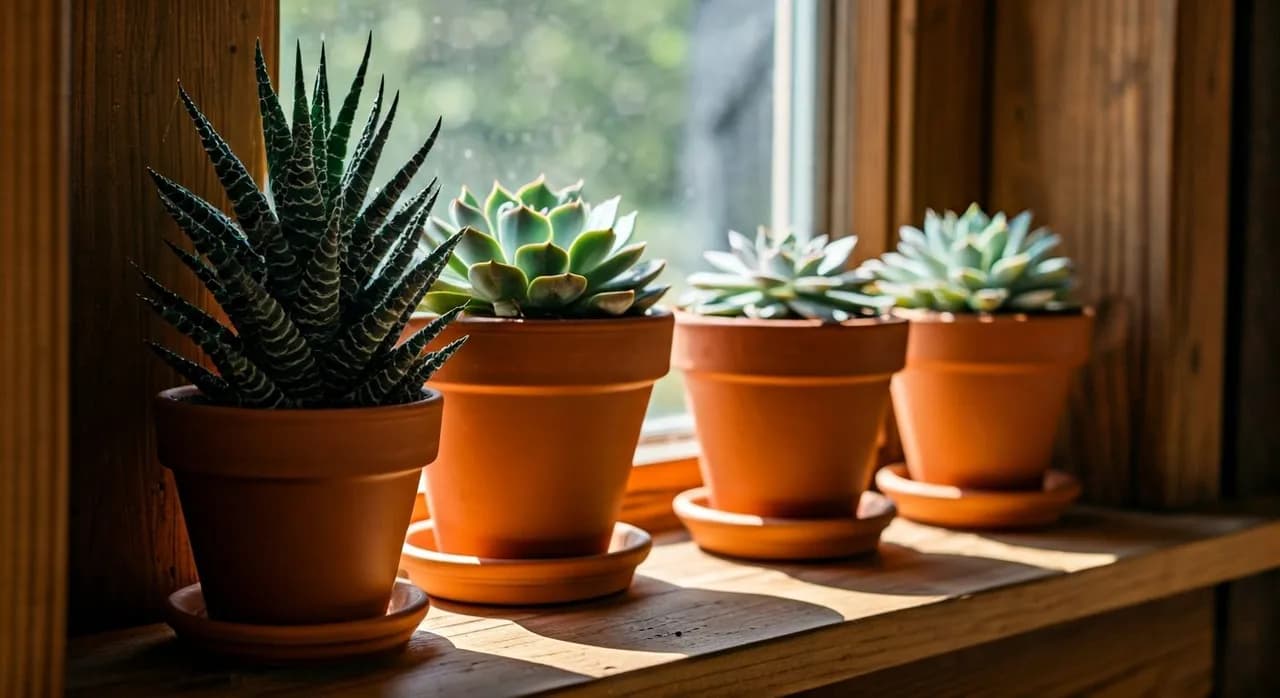
The choice of pot material significantly impacts how quickly soil dries. Terracotta pots are highly recommended for succulents because they are porous, allowing moisture to evaporate through their walls. This helps the soil dry out faster, reducing the risk of overwatering. In contrast, glazed ceramic or plastic pots retain moisture for much longer, sometimes extending the drying time compared to terracotta. If you use non-porous pots, you will need to adjust your watering frequency accordingly.
Pot size is another important factor. A pot that is too large for the plant will hold excess soil, which retains more moisture than the plant’s roots can absorb, increasing the chance of root rot. Generally, choose a pot that is only one to two inches wider than the succulent’s root ball. For a small succulent with a 3-inch root ball, a 4-inch pot is often ideal. Always ensure the pot has at least one, and preferably multiple, drainage holes at the bottom. Without proper drainage, even the best soil mix will eventually lead to problems, as water will sit stagnant, causing root suffocation within a few days.
- use a soil mix with at least 50% inorganic amendments like perlite or pumice
- ensure the soil drains completely within five to ten minutes after watering
- opt for unglazed terracotta pots for superior moisture wicking
- choose a pot size that is one to two inches wider than the root ball
- verify the pot has adequate drainage holes, typically 0.5 to 1 inch in diameter
Environmental factors affecting watering frequency
Several environmental factors in your home will influence how often your succulents need water. Light is one of the most critical. Succulents require at least six hours of bright, indirect sunlight daily to thrive. Plants receiving ample light will photosynthesize more actively and use water faster than those in low-light conditions. For example, a succulent placed near a south-facing window in a USDA zone 7 home will likely need water more frequently than one in a dimly lit corner, potentially every two weeks versus four weeks.
Temperature and humidity also play significant roles. During the growing season, typically spring and summer, succulents prefer temperatures between 65°F and 80°F. Higher temperatures increase evaporation from the soil and transpiration from the plant, leading to faster drying. Conversely, lower temperatures, especially below 60°F, slow down plant metabolism and water usage. Humidity levels also impact drying time; a home in Florida with 70% humidity will see soil dry slower than a home in Arizona with 20% humidity. You can monitor humidity with a hygrometer, aiming for levels below 50% for optimal succulent health.
Seasonal adjustments and plant size
Your watering schedule should change with the seasons. Most succulents enter a period of dormancy in winter, typically from November to February in many US regions. During dormancy, their growth slows significantly, and they require much less water. You might need to reduce your watering frequency by 30% to 50% during these months, perhaps watering only once a month or even less, depending on your home’s conditions. For instance, a succulent watered every three weeks in July might only need water every six weeks in January.
The size and species of your succulent also matter. Larger plants with more foliage will generally require more water than smaller ones, as they have more surface area for transpiration. Some species, like Echeveria, have thick, fleshy leaves that store a lot of water, allowing them to go longer between waterings. Others, like Sedum morganianum (Burro’s Tail), have smaller, more numerous leaves and might need slightly more frequent watering. Observing your specific plant’s response to watering is key. Consider using tools like an expandable hose with a 7-pattern spray nozzle for precise watering of multiple plants, or even an indoor grow tent to control environmental factors like light and humidity more precisely.
- provide at least six hours of bright, indirect light daily
- maintain indoor temperatures between 65°F and 80°F during active growth
- reduce watering frequency by 30% to 50% during winter dormancy
- consider lower humidity levels, ideally below 50%, for faster drying
- adjust for plant size and species; larger plants or those with thinner leaves may need more frequent watering
Common watering mistakes and solutions
The most common mistake growers make with indoor succulents is overwatering. This often stems from treating succulents like other houseplants that prefer consistently moist soil. Overwatering leads to root rot, a fungal disease that causes the roots to decay, preventing the plant from absorbing water and nutrients. Signs of overwatering include mushy, discolored (yellow or black) leaves, a soft stem, and a generally unhealthy appearance. If caught early, you might be able to save the plant by repotting it into dry, fresh soil after trimming away any rotted roots, which can be identified by their dark, soft texture.
Conversely, underwatering is less common but can also harm your succulent. While succulents are drought-tolerant, they still need water to survive. Signs of underwatering include shriveled, wrinkled leaves that may feel dry and brittle. The plant might also appear dull or stunted in growth. For example, an *Aloe vera* plant that is underwatered might have thin, curled leaves, whereas a well-watered one will have plump, firm leaves. The solution for underwatering is simple: give the plant a thorough soak using the soak-and-dry method. Most succulents will recover quickly, often within a few days, regaining their plump appearance.
Avoiding common pitfalls
Another common issue is inconsistent watering. If you water too frequently sometimes and then let the plant go too long without water at other times, it can stress the succulent. This stress makes the plant more susceptible to pests and diseases. Establishing a consistent routine based on the soil’s dryness, rather than a fixed calendar schedule, is key. For example, if your soil consistently dries out every 2.5 weeks, aim for that frequency. Using a moisture meter can help, providing a numerical reading of soil moisture, though the finger test is often sufficient for experienced growers. Ensure your watering tools, like a telescopic water pipe, are clean to prevent disease spread.
Avoid watering from overhead, especially in humid environments. Water sitting on the leaves, particularly in the rosettes of plants like Echeveria or Sempervivum, can lead to fungal infections or sunburn if exposed to direct sunlight. Instead, direct the water to the soil level. If you accidentally get water on the leaves, gently blow it off or use a soft brush to remove it. Avoiding these common watering mistakes protects root health and allows many succulent species to live for over 10 years.
- identify mushy, discolored leaves as a sign of overwatering
- recognize shriveled, wrinkled leaves as an indicator of underwatering
- repot immediately into dry soil if root rot is suspected, removing affected roots
- establish a consistent watering routine based on actual soil dryness
- avoid watering directly onto the leaves, especially for rosette-forming succulents
Water Storage: Succulent leaves can hold significant water by weight, allowing them to survive for long periods without rain in arid regions like the Sonoran Desert [2, 5].
Historical Popularity: In a 1932 price list, succulents were already popular, with varieties like Echeveria costing around 25 cents per plant, reflecting their enduring appeal [1].
Root Resilience: Studies show that older roots of desert succulents can absorb water efficiently, even after long dry periods, demonstrating their resilience in arid climates [3, 4].
Frequently asked questions
How often should I water my indoor succulents?
You should water your indoor succulents using the soak-and-dry method, which means watering only when the soil is completely dry. This typically ranges from every two to four weeks, but can extend to six weeks or more during winter dormancy when temperatures drop below 60°F.
What are the signs of an overwatered succulent?
Signs of an overwatered succulent include mushy, yellow or black leaves, a soft stem, and a general decline in plant health. Overwatering is responsible for over 90% of indoor succulent issues, often leading to root rot within three to five days of consistently wet soil.
What kind of soil is best for succulents?
The best soil for succulents is a well-draining mix, ideally containing at least 50% inorganic material such as perlite, pumice, or coarse sand. This type of soil allows water to drain quickly, preventing root rot and replicating the gritty, fast-drying conditions of their natural arid habitats in USDA zones 8-11.
Do succulents need drainage holes in their pots?
Yes, succulents absolutely need drainage holes in their pots. Without them, excess water has no way to escape, leading to soggy soil and inevitable root rot. Pots with at least one drainage hole are crucial for the health of your plant, allowing the soak-and-dry method to be effective.
Can I bottom water my succulents?
Yes, bottom watering can be an effective method for succulents, especially if the soil has become extremely dry and hydrophobic. Place the pot in a shallow dish of water for 20 to 30 minutes, allowing the soil to wick up moisture. Afterward, remove the pot and ensure all excess water drains away completely.
How much light do indoor succulents need?
Indoor succulents require a minimum of six hours of bright, indirect sunlight daily to thrive. Placing them near a south-facing window in a US home is often ideal. Insufficient light can lead to leggy growth and reduced water uptake, impacting their overall health and requiring less frequent watering.
References
- Price list of succulents and water plants / (1932). Price list of succulents and water plants /.
- Contrasting leaf thickness and saturated water content explain wide-ranging air/water fractions, nutrient contents, and water-use efficiency among arid succulen (2022). Contrasting leaf thickness and saturated water content explain wide-ranging air/water fractions, nutrient contents, and water-use efficiency among arid succulen.
- The Water-Balance of Desert Succulents (1914). The Water-Balance of Desert Succulents.
- Water Uptake by Older Roots: Evidence From Desert Succulents (2007). Water Uptake by Older Roots: Evidence From Desert Succulents.
- Matric Bound Water of Water Tissue from Succulents (1976). Matric Bound Water of Water Tissue from Succulents.
- USDA Natural Resources Conservation Service (2024). USDA Natural Resources Conservation Service.