Key takeaways
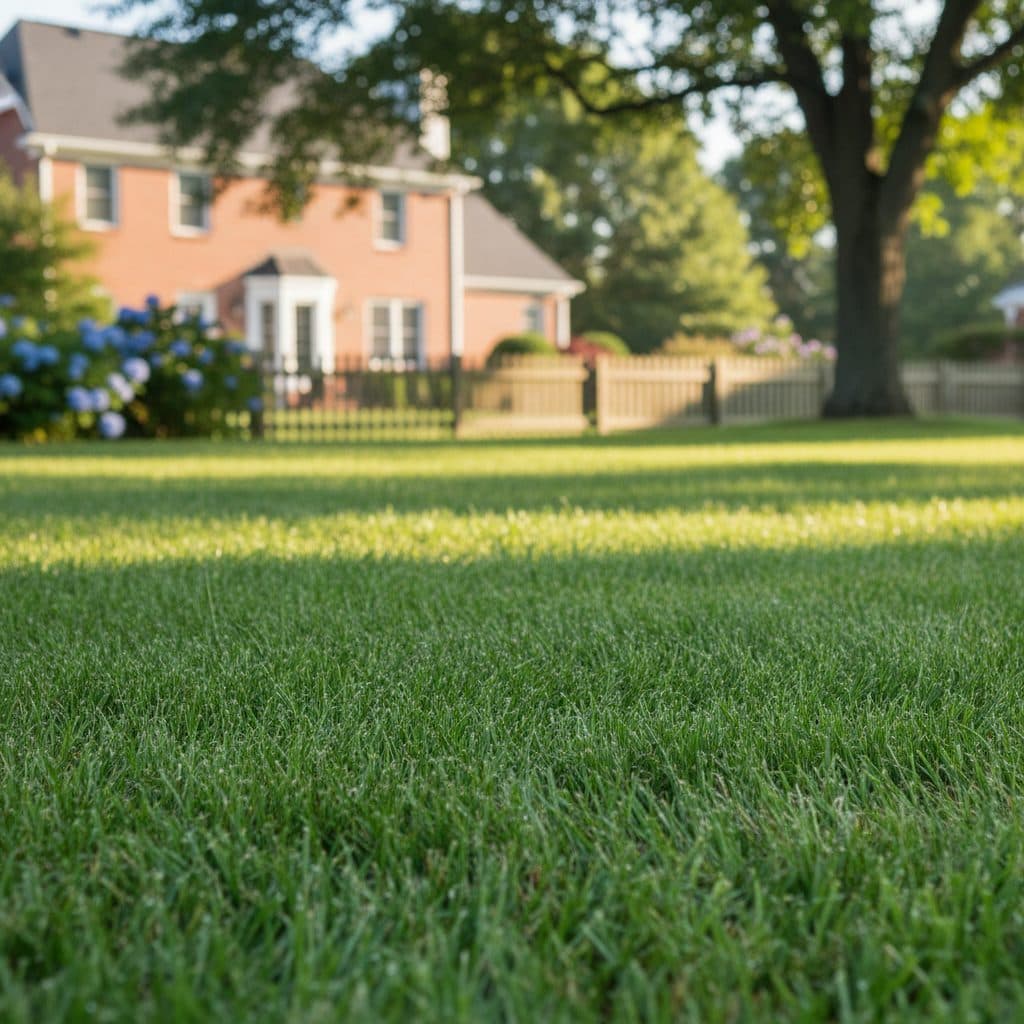
- A healthy, deep green lawn typically indicates adequate nitrogen and iron levels, needed for chlorophyll production and photosynthesis.
- Pale green or uniform yellowing often signals a nitrogen deficiency, especially common in sandy soils or after heavy rainfall in USDA zones 4-8.
- Iron deficiency presents as yellowing between green veins (interveinal chlorosis), particularly in high pH soils or cool, wet conditions.
- Soil testing is the most reliable way to diagnose nutrient imbalances, providing specific recommendations for your lawn’s needs.
- Adjusting soil pH so proper drainage, and selecting appropriate turfgrass species for your region can prevent many color issues.
- Applying granular or liquid fertilizers containing nitrogen and iron, based on soil test results, can correct most nutrient-related discoloration.
Quick answer: Lawn color indicates health and nutrient status. Pale green or uniform yellowing often signals nitrogen deficiency, while yellowing with green veins suggests iron deficiency, both needed for chlorophyll production.
Across the United States, from the humid subtropics of Florida to the cool-season regions of New England, lawn color reflects turf health and nutritional status. The hue of your turfgrass, whether pale lime, yellowish, or deep green, directly indicates its condition. Reading these visual cues helps identify nutrient deficiencies early, saving time and money on unnecessary treatments while keeping turf healthy.
Interpreting turf color centers on two primary nutrients: nitrogen and iron. Their deficiencies show distinct symptoms, causes, and treatment methods in both warm-season grasses like Bermuda grass in USDA zone 9 and cool-season varieties such as Kentucky bluegrass in USDA zone 5. Observing blade color closely helps target fertilizer applications and correct imbalances. [3]
The science of green: chlorophyll and essential nutrients
The lush green color of a healthy lawn is primarily due to chlorophyll, the pigment responsible for capturing sunlight during photosynthesis. This vital process converts light energy into sugars, fueling plant growth. Without sufficient chlorophyll, grass cannot produce enough energy, leading to stunted growth and discoloration. For example, an acre of healthy turfgrass actively produces oxygen.
Chlorophyll production and key elements
Several nutrients are needed for chlorophyll synthesis and overall plant vigor. Nitrogen, in particular, is a major component of chlorophyll molecules, making it essential for deep green color and vigorous growth. A lawn receiving adequate nitrogen, such as 1 pound per 1,000 square feet annually in a cool-season blend, will typically exhibit a darker green. Iron, while not a direct component of chlorophyll, acts as a catalyst in its formation. Without sufficient iron, even with ample nitrogen, grass can struggle to produce enough chlorophyll. Other micronutrients like magnesium and manganese also contribute to this complex process.
- nitrogen: promotes lush, dark green foliage and strong growth.
- iron: essential for chlorophyll production, preventing yellowing.
- magnesium: a central atom in the chlorophyll molecule.
- manganese: involved in oxygen evolution during photosynthesis.
- sulfur: aids in protein synthesis and chlorophyll formation.
Nitrogen deficiency: the pale green or uniform yellowing lawn
When your lawn starts to look uniformly pale green, or even yellow across the entire blade, it’s often a telltale sign of nitrogen deficiency. This is one of the most common nutrient problems observed in home lawns, particularly in regions with sandy soils like coastal areas of the Carolinas, where nitrogen leaches easily. Nitrogen is a mobile nutrient within the plant, meaning the plant will move it from older leaves to newer growth, causing older, lower leaves to yellow first. A typical healthy lawn requires several pounds of nitrogen per 1,000 square feet per year, depending on the grass type and climate.
Causes and solutions for nitrogen loss
Several factors contribute to nitrogen deficiency. Heavy rainfall, especially over 2 inches in a week, can wash nitrogen out of the root zone. Frequent mowing with grass clippings removed also depletes nitrogen, as the clippings contain useful nutrients. Using a mulching mower, which returns clippings to the soil, can recycle a significant portion of the nitrogen your lawn needs. To correct a nitrogen deficiency, consider applying a balanced fertilizer with a higher first number in its N-P-K ratio, such as a 20-5-10 blend. For example, applying 1 pound of actual nitrogen per 1,000 square feet can often restore color within 7 to 10 days. For more on soil health, consider using a a calibrated soil pH or moisture test to monitor conditions.
- heavy rainfall: leaches nitrogen from the soil.
- sandy soils: have poor nitrogen retention.
- clipping removal: removes nitrogen-rich organic matter.
- inadequate fertilization: insufficient nitrogen input.
- new sod establishment: often needs initial nitrogen boost.
Iron deficiency: yellowing with green veins
Unlike nitrogen deficiency, iron deficiency often presents as a distinct pattern called interveinal chlorosis: the grass blades turn yellow, but the veins remain green. This symptom is particularly noticeable in newer growth, as iron is an immobile nutrient within the plant. This issue is common in regions with high pH soils, such as the limestone-rich areas of Texas or parts of the Great Plains, where soil pH can easily exceed 7.5. While iron is abundant in most soils, its availability to plants decreases significantly as soil pH rises above 7.0. A soil test showing a pH of 7.8, for example, would strongly suggest potential iron unavailability.
Correcting iron chlorosis
Correcting iron deficiency typically involves making iron more available to the grass. This can be achieved through soil acidification, though this is a long-term strategy. For quicker results, foliar applications of chelated iron products are highly effective. Chelated iron, often available as a liquid spray, can be absorbed directly by the leaves, providing a rapid green-up within 24 to 48 hours. Applying iron sulfate at a rate of 2 ounces per 1,000 square feet, mixed with water, can also be beneficial. It’s important to note that while iron will green up the lawn, it doesn’t promote growth like nitrogen does. Over-applying iron can stain concrete, so use caution and follow product label directions carefully. For more on soil amendments, consider articles like How to grow broccoli: timing the cool-season window, which discusses soil preparation.
- high soil pH: reduces iron availability to grass.
- cool, wet soils: slow down root activity and nutrient uptake.
- excess phosphorus: can bind with iron, making it unavailable.
- poor drainage: contributes to reduced root function.
- compacted soil: hinders root development and nutrient absorption.
Other factors affecting lawn color and health
While nitrogen and iron are primary drivers of lawn color, several other factors can influence your turf’s appearance. Soil pH, as mentioned, dictates nutrient availability; most turfgrasses prefer a pH range of 6.0 to 7.0. Outside this range, even if nutrients are present, they might be inaccessible to the roots. For instance, in acidic soils below pH 5.5, aluminum toxicity can hinder root growth, affecting nutrient uptake. Proper watering is also important; both drought stress and overwatering can lead to yellowing. A lawn typically needs 1 inch of water per week, either from rain or irrigation, to maintain optimal health. [6]
Diagnosing other color issues
Beyond nutrients and water, diseases and pests can also cause discoloration. Fungal diseases like dollar spot or brown patch, common in warm, humid climates like the Southeast, can create yellow or brown spots. Insect pests, such as grubs, feed on roots, leading to wilting and yellowing patches that can be easily pulled up. A Garden PE Irrigation Hose can help ensure consistent watering. Regular observation, including walking your lawn weekly, can help you catch these issues early. If you suspect a disease or pest, contacting your local extension office for diagnosis and treatment recommendations is often the best course of action, as they can provide region-specific advice for your USDA zone.
- soil compaction: restricts root growth and nutrient uptake.
- drought stress: causes wilting and browning, especially in summer.
- overwatering: leads to root rot and nutrient leaching.
- fungal diseases: create discolored patches or rings.
- insect pests: damage roots, causing yellowing and thinning.
The value of a soil test and ongoing care
The most reliable way to accurately diagnose nutrient deficiencies and other soil-related issues is through a comprehensive soil test. These tests, typically costing a fee through university extension services, provide detailed information on your soil’s pH, nutrient levels (including nitrogen, phosphorus, potassium, and micronutrients like iron), and organic matter content. Without a soil test, you’re essentially guessing, which can lead to over-application of certain nutrients, potentially harming your lawn or the environment. For instance, excess phosphorus can contribute to runoff into waterways, impacting aquatic ecosystems. Most labs provide results within 1 to 2 weeks, along with specific recommendations tailored to your lawn. [6]
Maintaining a healthy, green lawn
Once you understand your soil’s specific needs, you can develop a targeted fertilization and care plan. This might involve applying specific fertilizers, adjusting soil pH with lime or sulfur, or improving drainage. Regular maintenance practices, such as mowing at the correct height (typically 2.5 to 3.5 inches for most turfgrasses), proper irrigation, and aeration, also contribute significantly to overall lawn health and color. Remember, a healthy lawn is more resilient to pests, diseases, and environmental stresses. Understanding your lawn’s signals helps maintain green, healthy turf through each growing season. For tools to help with maintenance, consider a Wooden-Handle Garden Fork & Lawn Rake.
- soil testing: provides accurate nutrient and pH data.
- targeted fertilization: applies only needed nutrients.
- proper mowing: maintains grass health and density.
- aeration: improves air, water, and nutrient penetration.
- irrigation management: prevents drought and overwatering stress.
Mowing Height: Mowing your lawn at a height of 2.5 to 3.5 inches helps promote deeper root growth and better drought tolerance, reducing stress.
Soil pH Range: Most turfgrasses thrive in a soil pH range of 6.0 to 7.0, where essential nutrients like nitrogen and iron are most available to the roots.
References
- This Company Died for Your Lawn, This Lawn Died for Your Company.
- Beautify the lawn to reflect your personality (1915).
- Forbes seeds for your flowers, your vegetables, your lawn, your farm : 1929 / (1929).
- Mowing Your Lawn and Grasscycling (1999).
- Forbes seeds for your flowers, your vegetables, your lawn, your farm / (1931).
- USDA Natural Resources Conservation Service (2024).