Best Plants for Erosion Control & Slope Stabilization in Zone 6
Discover the best plants for erosion control and slope stabilization in US Zone 6. Learn how root structures, site conditions, and bioengineering protect your land effectively.
Tag
66 articles in this tag on agripure. — page 1 of 3
Discover the best plants for erosion control and slope stabilization in US Zone 6. Learn how root structures, site conditions, and bioengineering protect your land effectively.
Self-seeding flowers, herbs, and vegetables for USDA zones 4-9 that drop viable seed and return reliably each year with minimal replanting.
Fast-growing vines for USDA Zone 7 that provide screening and cover in a single season, with selection and care guidance.
Care for Tillandsia indoors in your US home or apartment with guidelines on light, water, humidity, and air circulation.
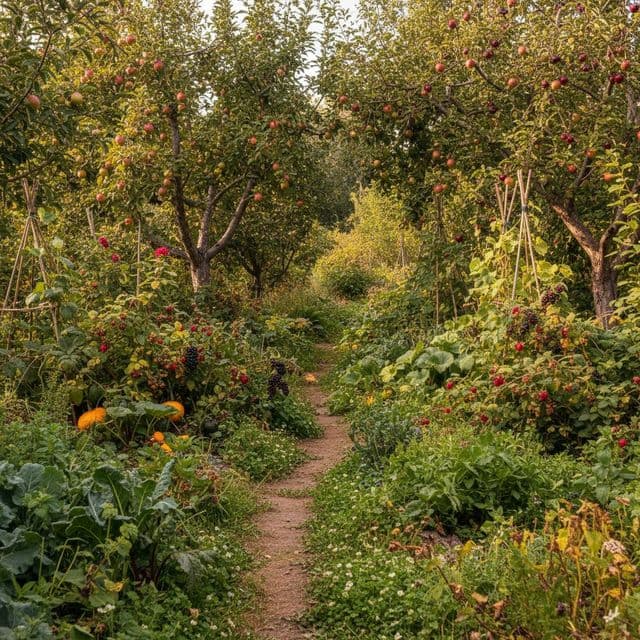
Learn how to start a food forest in your US backyard. This guide covers 7-layer permaculture design, site assessment, and plant selection for USDA zones 3-9 to create a resilient, bountiful ecosystem.
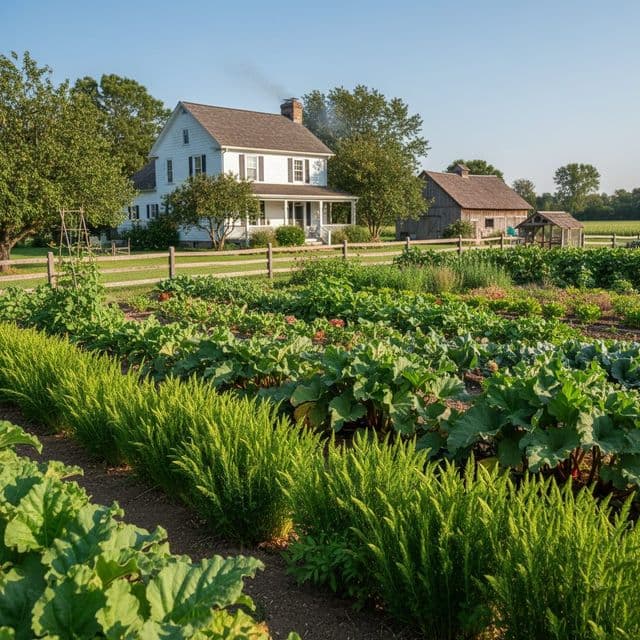
How to cultivate perennial vegetables for a low-maintenance garden, covering site prep, soil health, and top picks for long-term yields in USDA Zone 6 and beyond.
How to grow fast herbs and quick crops like okra, arugula, dill, parsley, and chives, with harvests in under 60 days across USDA zones 3-10.
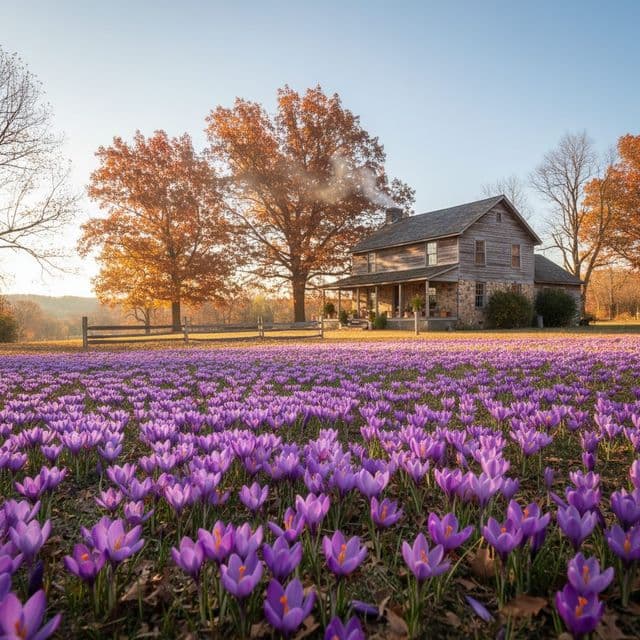
How to grow saffron from corms in USDA zones 6 to 9, covering planting, soil requirements, care, and harvesting for this specialty crop.
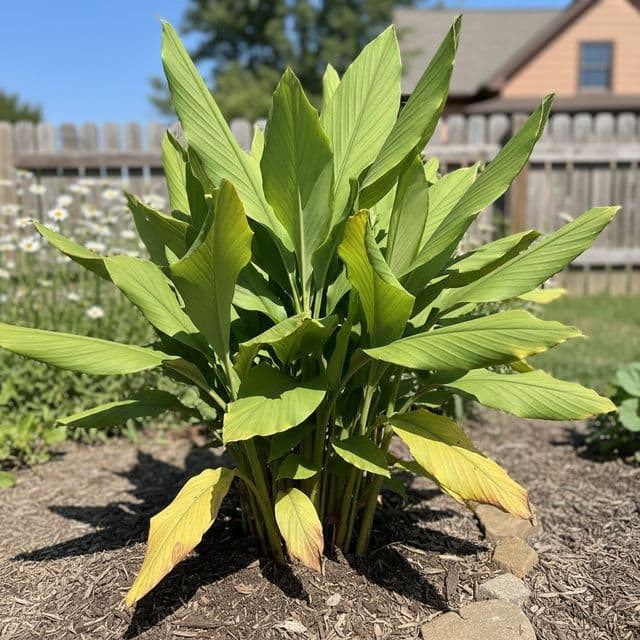
Learn how to grow turmeric in the US, from planting rhizomes to curing powder. This guide covers soil, climate, care, and harvest for successful turmeric cultivation.
Learn to grow valerian and passionflower for natural sleep support in USDA zones 4-9. This guide covers planting, care, harvesting, and drying for your home apothecary.
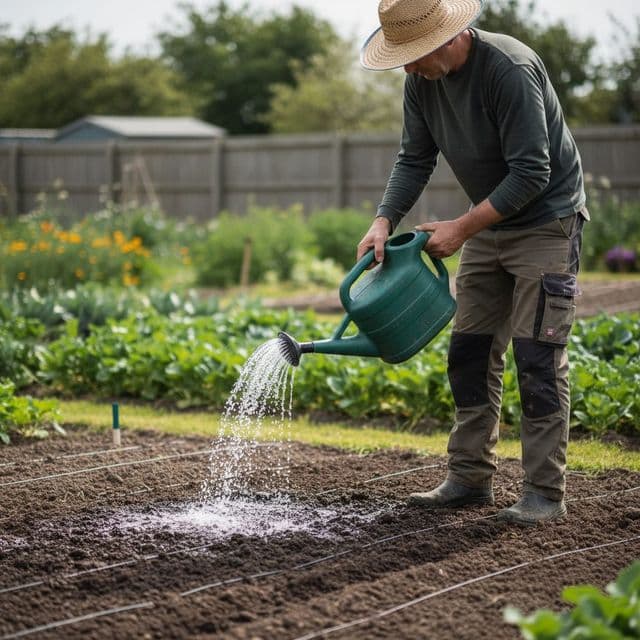
Learn to grow aloe vera for your home apothecary, with care guidance for indoor and outdoor cultivation in US USDA zones 9-11, from soil and light to harvesting gel.
How to grow and use yarrow (Achillea millefolium) in USDA zones 3-9, covering cultivation, harvesting, and home apothecary preparations.
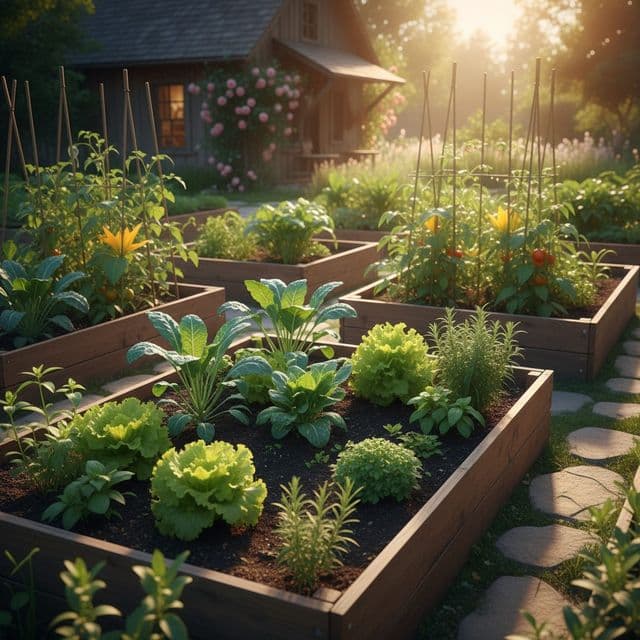
Learn to grow resilient elderberry in US gardens, thriving in USDA zones 3-9. Discover varieties, planting, and care for abundant harvests of this medicinal plant.
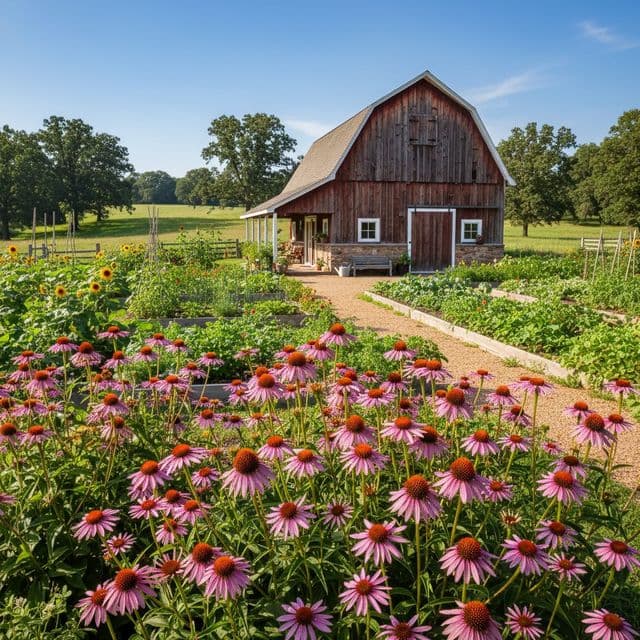
Discover the dual benefits of growing echinacea (purple coneflower) in USDA Zones 4-9. Support your immune system & attract 20+ pollinator species with this resilient medicinal herb.
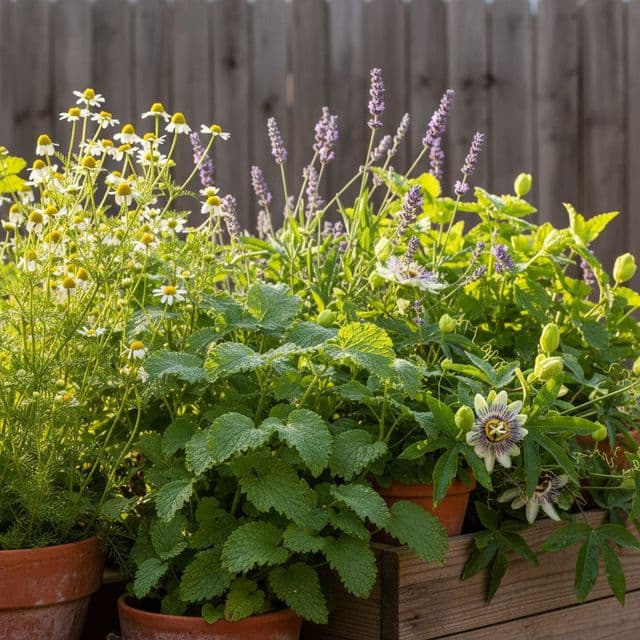
Cultivate a home apothecary garden in USDA Zone 6. Learn to grow chamomile, lemon balm, lavender, and passionflower for a calming sleep tea blend. Harvest & dry for year-round wellness.
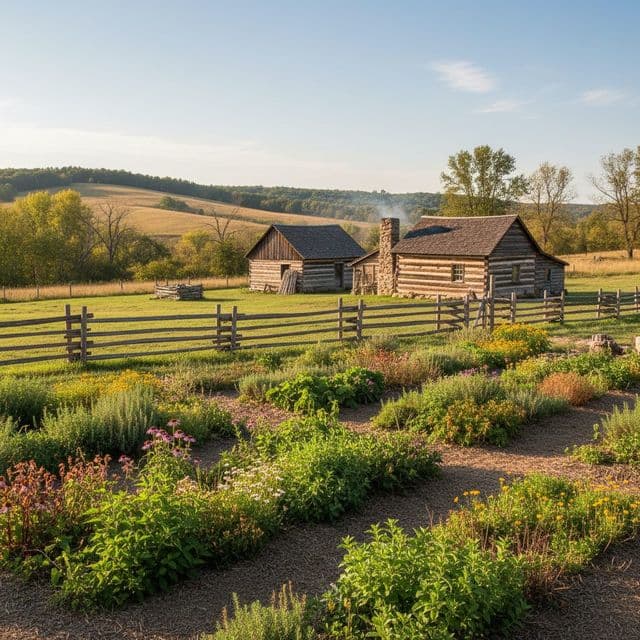
Cultivate a thriving medicinal herb garden in USDA Zones 3-5. Learn plant selection, soil management, and preservation for a home apothecary in cold climates.
Grow date palms in the Gulf home garden with proper offshoot planting, deep infrequent irrigation, manual pollination, and red palm weevil protection.
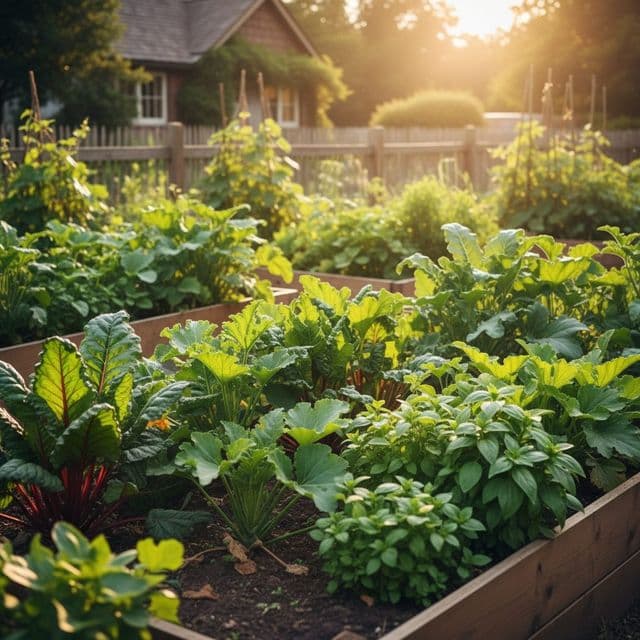
Successfully overwinter container plants in USDA Zones 4-6. Learn how to select cold-hardy perennial herbs & crops, insulate pots, and provide proper care for winter survival.
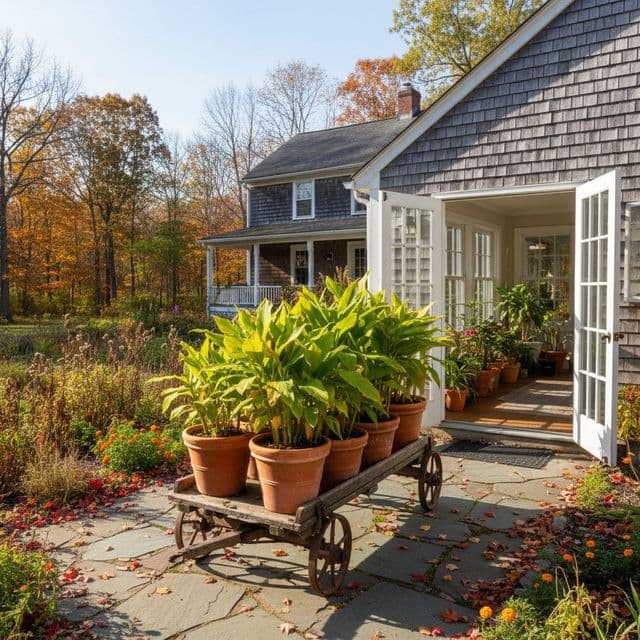
Protect tender ginger and turmeric rhizomes from winter frost in USDA Zone 7. Learn optimal timing, pest prevention, and indoor care for successful overwintering.
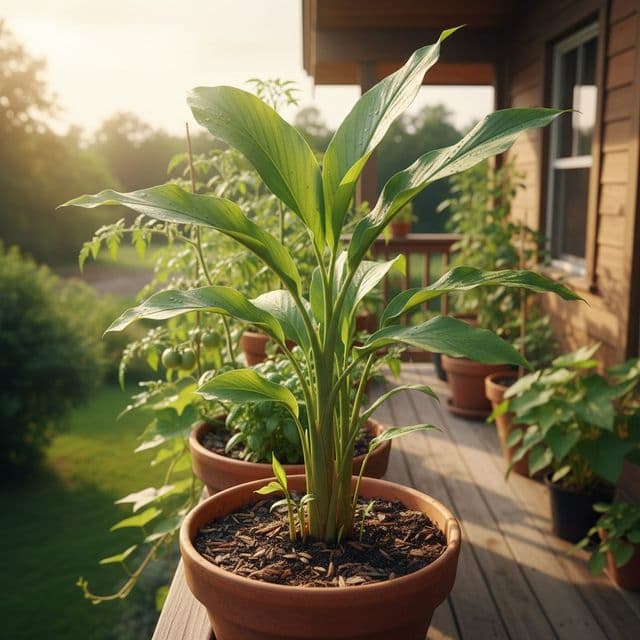
Learn how to successfully grow turmeric in containers and overwinter it indoors, even in cold USDA Zones 3-7. Get tips on planting, care, and harvesting for a bountiful spice.
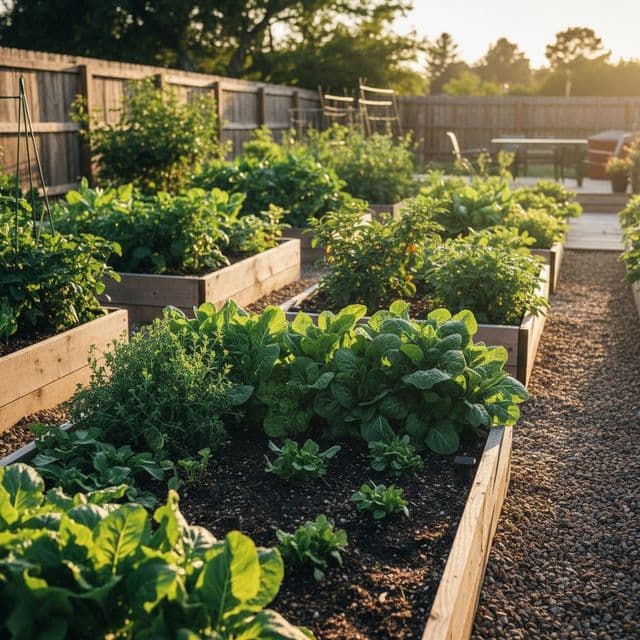
Learn to grow edible vines in containers, even in small spaces. This guide covers plant selection for USDA zones 7+, container size, trellising, and care for a bountiful harvest.
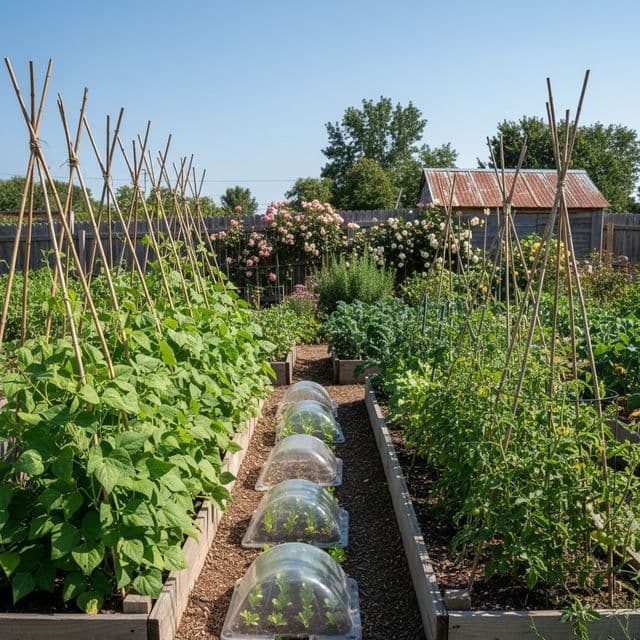
Extend your harvest in USDA zones 7-10 with bolt-resistant crops. Learn succession planting, crop rotation, and cultural practices to prevent bolting and enjoy fresh greens longer.
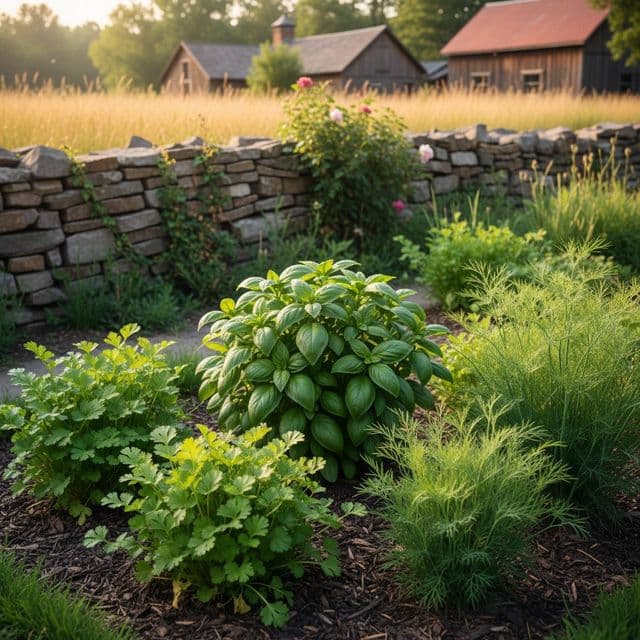
Learn how to prevent herb bolting in cilantro, basil, and dill. Use succession planting, crop rotation, and shade to extend your fresh herb harvests by weeks, especially in USDA Zone 7.
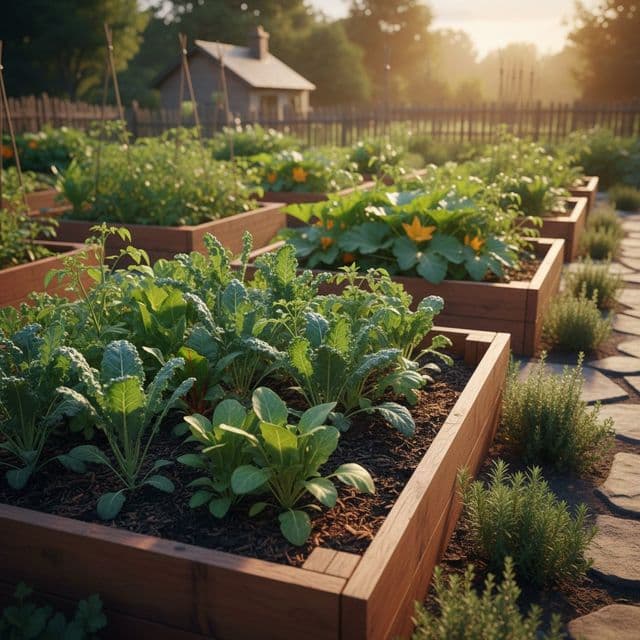
Optimize your homestead’s productivity with strategic crop rotation. Learn how to integrate perennials, cover crops, and heavy feeders for soil health, pest control, and higher yields in USDA zones…