
Seasonal Lawn Care Calendar: Bermudagrass & Fescue Zones 6-8
Master seasonal lawn care for bermudagrass & fescue in USDA zones 6-8. Learn optimal timing for fertilizing, aerating, and dethatching to ensure a healthy lawn.
Tag
92 articles in this tag on agripure. — page 1 of 4
Master seasonal lawn care for bermudagrass & fescue in USDA zones 6-8. Learn optimal timing for fertilizing, aerating, and dethatching to ensure a healthy lawn.

Stop killing stalled houseplants with blind fertilizer doses. Diagnose stunted indoor growth across 6 clinical layers: window inverse-square PAR loss, Pythium root hypoxia vs. pot-bound coils, EC s…

Troubleshoot brown leaf tips on your houseplants. Learn to identify and fix issues like low humidity, mineral salt buildup, and improper watering for healthier indoor plants across the US.
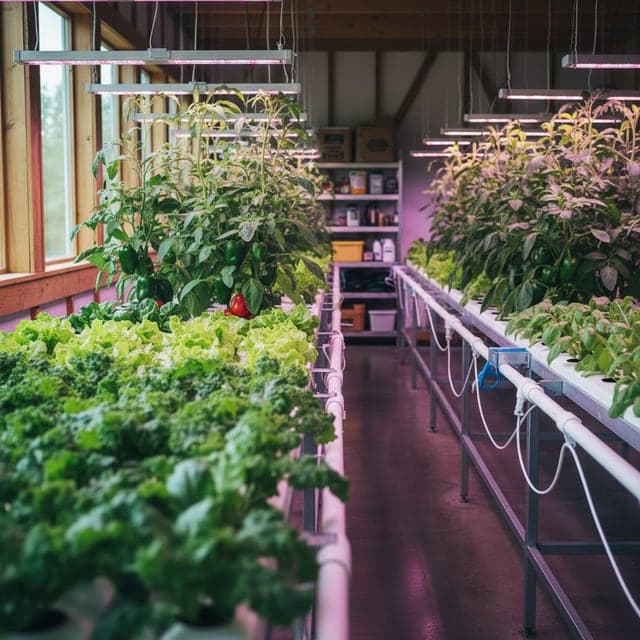
Nutrient schedules for fruiting crops in controlled environments: how to adjust NPK ratios, pH, and EC for vegetative and bloom stages to support tomato yields.
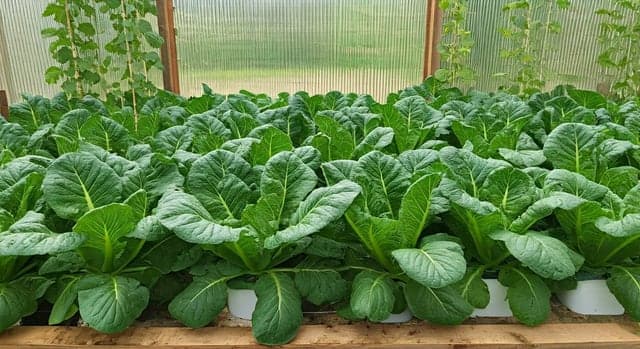
Learn to identify and correct common nutrient deficiencies like N, P, K, Ca, and Fe in hydroponic plants. Optimize pH, EC, and temperature for healthier crops.
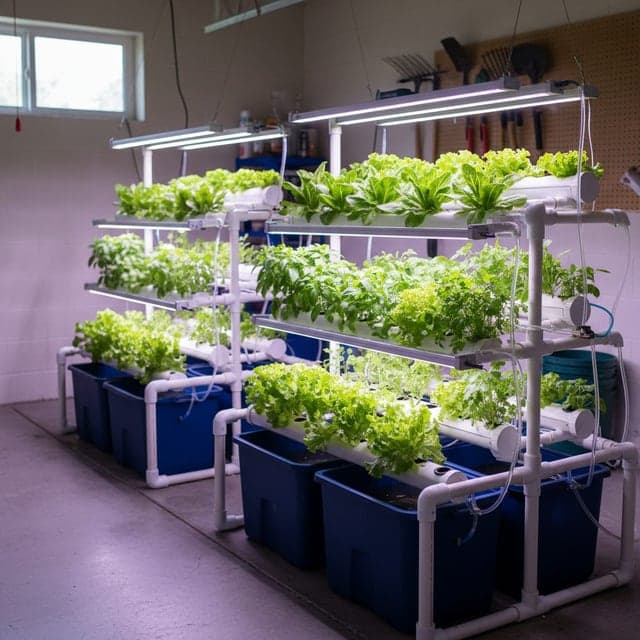
Learn how precise hydroponic nutrients, pH, and EC management can boost plant growth by 20-30%, save water, and optimize growing operations.
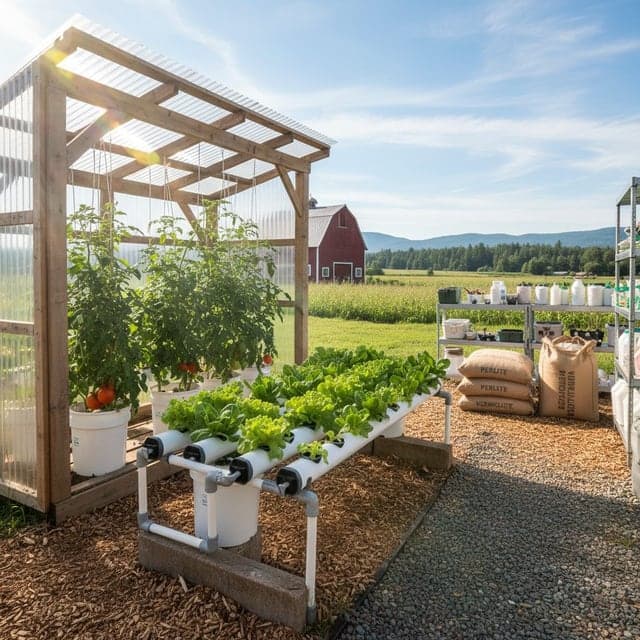
Engineer reliable perlite and vermiculite hydroponic substrates across US systems: air-filled porosity, CEC meq/100g chemistry, Bato bucket and net-pot ratios, NIOSH N95 pre-wetting safety, EPA Lib…

Prepare, buffer, and reuse coco coir in US hydroponic systems without calcium lockout: rinse-first EC targets, Cal-Mag CEC soak math, 10–20% runoff fertigation, and safe 3-cycle sanitation.
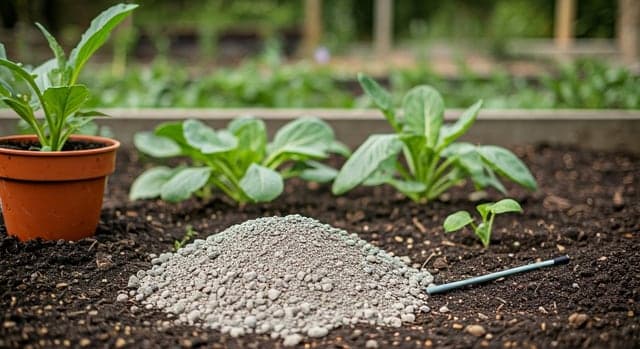
Restore depleted US Midwest garden soil with rock dusts & azomite. Learn how these amendments, combined with soil testing, can improve plant health & yields over time.
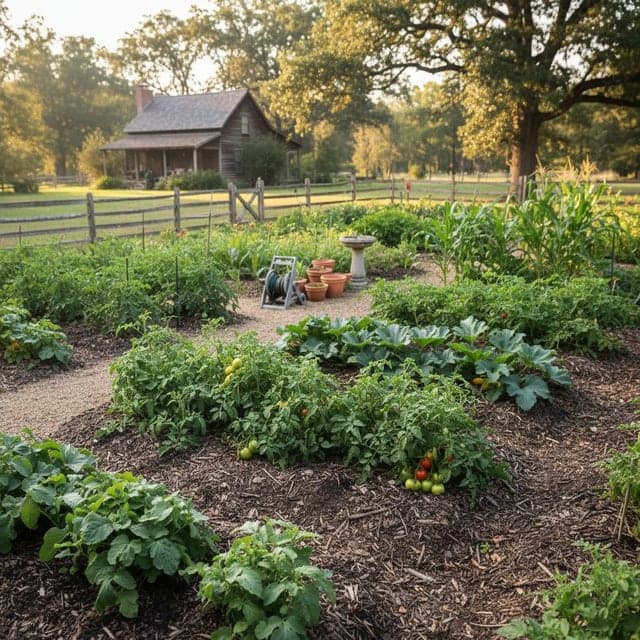
Kelp and seaweed amendments improve soil structure and supply trace minerals to crops like sweet corn. This guide covers soil testing, application rates, and foliar feeding methods.
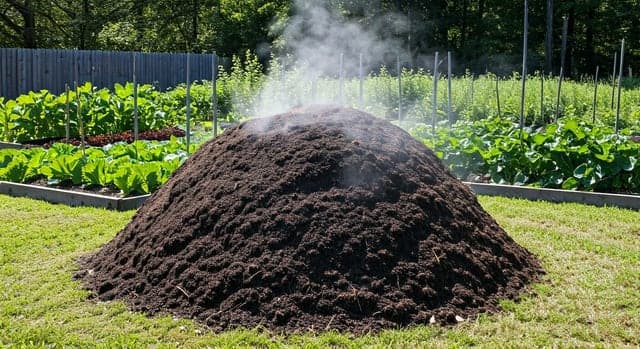
Learn how proper composting manure or aging prevents plant burn and pathogens in your garden. Essential tips for USDA Zone 6 gardeners to enrich soil safely.

Learn safe manure application rates for your garden. Discover how soil testing, composting, and specific guidelines for chicken, horse, and rabbit manure improve soil fertility.

Explore research on store-bought mycorrhizal inoculants for Midwest gardens. Learn when these fungi boost plant growth, improve soil, and reduce fertilizer needs.

Target pH 4.5–5.5 for shallow-rooted azaleas and rhododendrons using Extension sulfur tables, the vinegar free-lime gate, raised 100% pine-bark mounds, iron chelates, and grayanotoxin pet-safety pr…

Learn how to effectively lower soil pH in your garden, especially for acid-loving plants. Discover the best methods, including elemental sulfur and peat moss, for lasting soil pH adjustment.
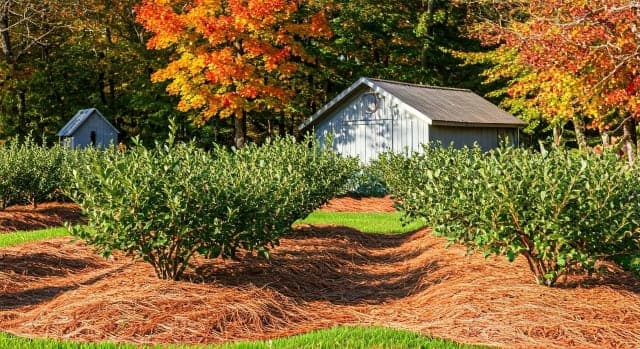
Acidifying soil for blueberries to pH 4.5-5.5 requires soil testing, elemental sulfur, peat moss, and regular pH monitoring in USDA zones 5-9.
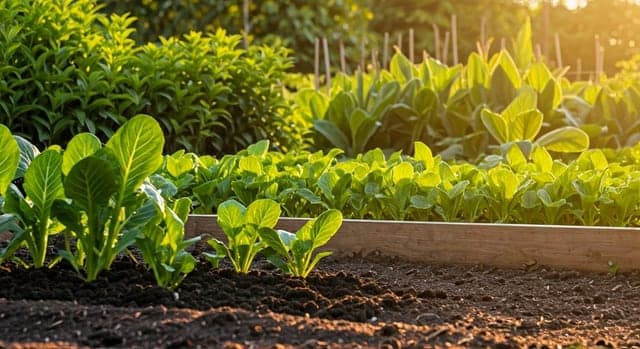
Learn to diagnose and correct potassium and magnesium deficiencies in your US home garden, especially in USDA Zone 6. Use soil testing for optimal yields and plant health.
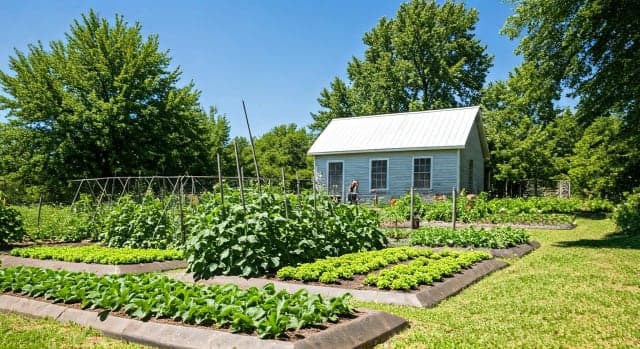
Natural methods like bone meal, rock phosphate, and compost to boost garden phosphorus in US soils, with guidance on soil pH and application timing.
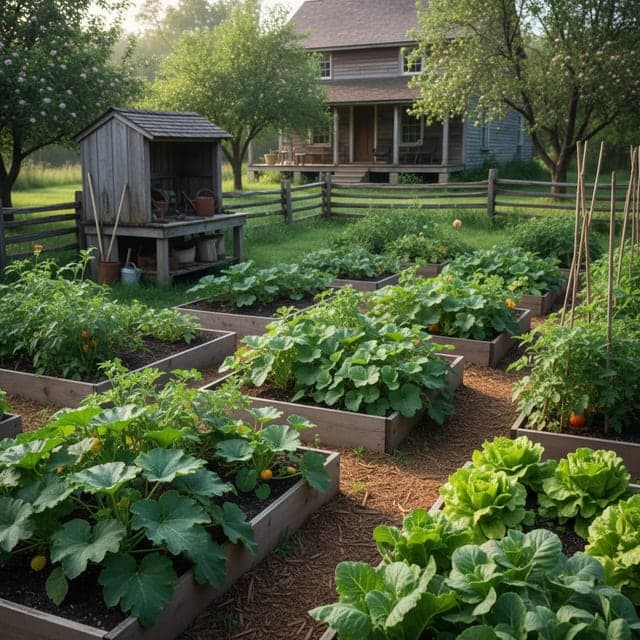
Learn how soil pH testing and amendments can dramatically increase nutrient availability and crop yields. Get a roadmap to a healthier, more productive garden.
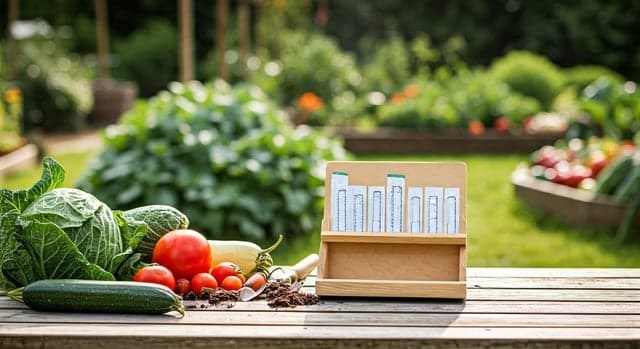
Understanding soil test results helps interpret NPK, pH, and micronutrient levels to apply amendments correctly for a garden in USDA Zone 6.
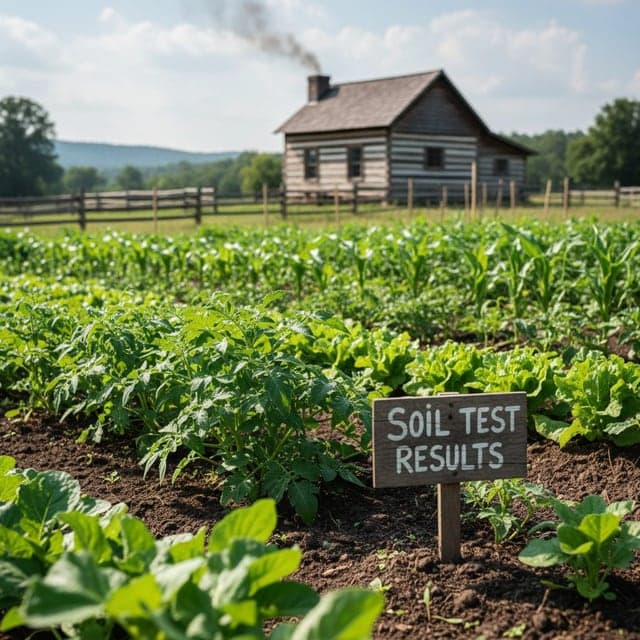
Decode US soil test reports accurately: Mehlich-3 vs. Bray P1 vs. Olsen phosphorus methods, active vs. Sikora buffer pH lime math, CEC textural tiers (3–25+ meq/100g), base saturation realism, the…

Learn how to take a representative soil sample for your USDA Zone 6 garden. Accurate soil sample testing improves amendment decisions, plant health, and can boost yields by 10-25%.
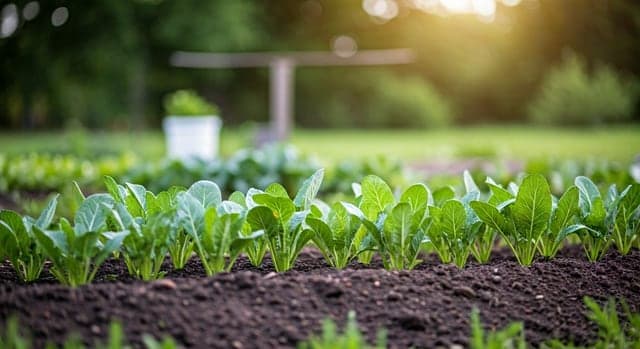
How US Cooperative Extension soil testing labs provide affordable analysis for home gardens, from collecting samples to interpreting results and adjusting soil amendments.
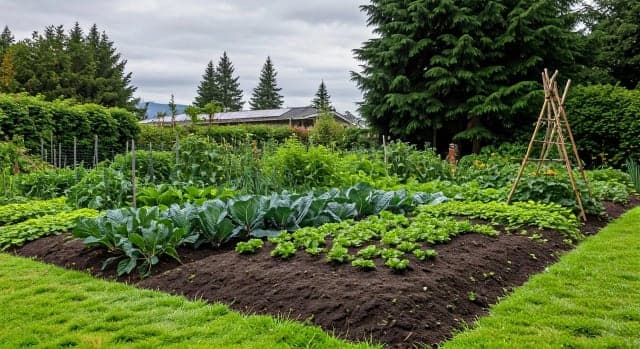
Manage persistently acidic Northeast and Pacific Northwest soils: 40–80 in/yr leaching physics, Al3+/Mn2+ toxicity below pH 5.2, Water vs. Buffer pH lime dosing, calcitic vs. dolomitic limestone, w…