Key takeaways
- Implement cultural controls like proper pruning and sanitation to reduce pest and disease pressure year on year.
- Use monitoring tools such as pheromone traps and visual inspections to identify pest issues early, often before populations exceed 10-15 individuals per trap.
- Employ physical barriers, including netting and fruit bags, to protect ripening fruit from birds and insects.
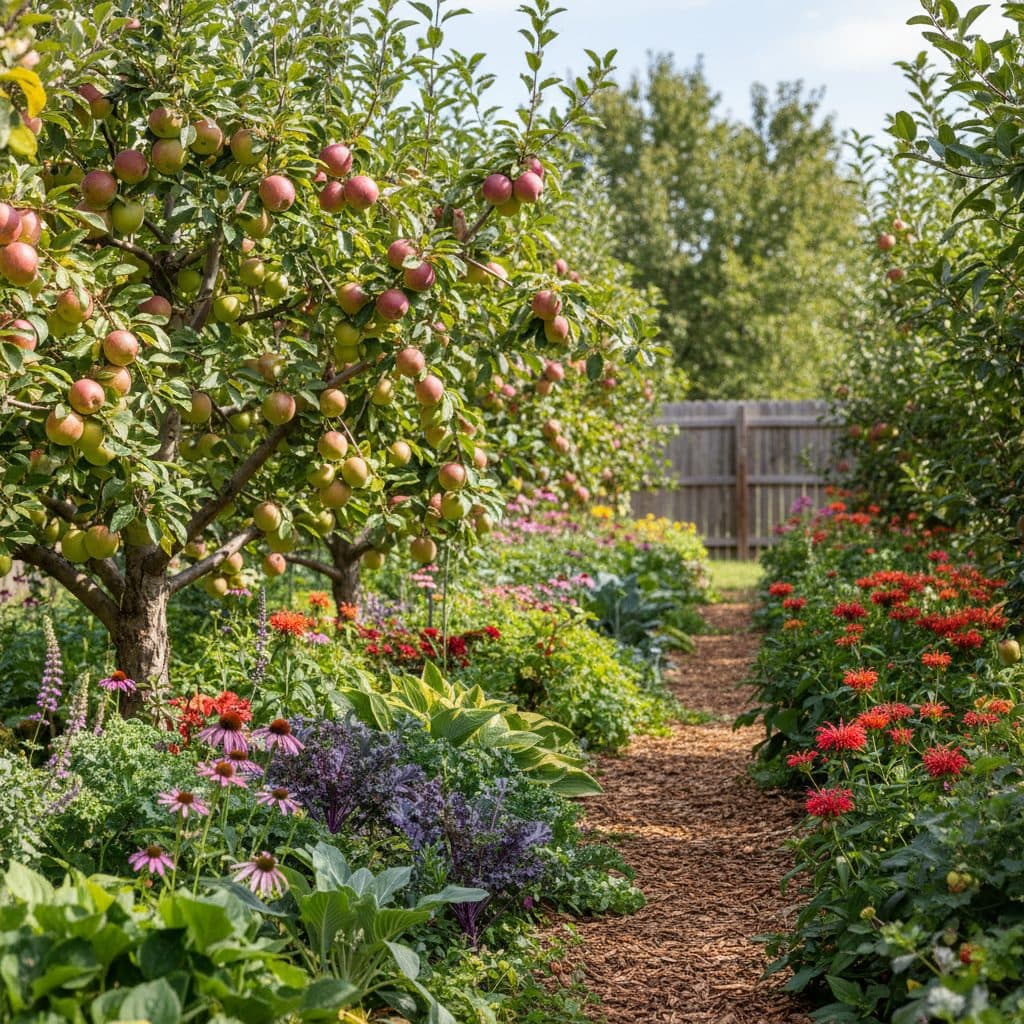
- Build a diverse orchard ecosystem with beneficial insects and cover crops to naturally suppress pest outbreaks over time.
- Maintain optimal soil health through organic amendments and regular testing to support vigorous tree growth and disease resistance, aiming for a soil pH of 6.0-6.8.
- Adjust your IPM calendar based on local climate data and specific tree varieties, as conditions in USDA Zone 4 differ significantly from Zone 9.
Quick answer: A no-spray orchard IPM calendar helps backyard growers bring in a usable majority of their crop by using cultural controls, monitoring, physical barriers, and supporting a diverse ecosystem. This approach prioritizes prevention and non-chemical methods to manage pests and diseases.
For many backyard fruit growers across the United States, particularly those in temperate climates like USDA Zones 5 through 7, the idea of a productive orchard without relying on synthetic chemical sprays is appealing. While commercial operations in places like Washington State’s apple country might use 10-15 spray applications per season to achieve near-perfect fruit, home growers often seek a different path. The goal isn’t always 100% blemish-free fruit, but rather a substantial yield of healthy, edible produce from their own trees.
This no-spray integrated pest management (IPM) calendar provides a practical, year-round framework for managing common orchard pests and diseases using cultural practices, monitoring, and physical controls. It’s a system built on observation and timely intervention, aiming for 80% or more of your fruit to be of good quality. This approach requires consistent effort, but it significantly reduces reliance on external inputs and supports a more resilient orchard ecosystem.
Understanding the no-spray IPM philosophy
Integrated Pest Management, or IPM, is a holistic approach to pest control that prioritizes prevention and non-chemical methods. For the backyard grower, a no-spray IPM strategy means understanding the life cycles of both pests and beneficial organisms, and intervening at the most effective, least damaging points. Instead of reacting to problems with a broad-spectrum spray, we anticipate issues and create an environment where trees can thrive and naturally resist threats. This often involves detailed observation, sometimes for 15-30 minutes per tree each week during peak season, to catch problems early.
The four pillars of no-spray IPM
Success in a no-spray orchard, whether you’re growing peaches in Georgia or apples in Michigan, rests on four main principles. First, cultural controls involve practices like proper pruning to improve air circulation and sanitation to remove disease sources. Second, physical and mechanical controls include barriers and traps to prevent pests from reaching fruit. Third, biological controls focus on encouraging natural predators and parasites. Finally, monitoring and identification are essential for making informed decisions, often requiring weekly checks during the growing season. A study from 1913 in Kansas highlighted the effectiveness of even a two-spray calendar; timely intervention, even with older methods, was critical for fruit quality.
- Pruning for air circulation: Remove dead, diseased, or crossing branches to improve airflow, reducing the humidity that favors fungal diseases.
- Orchard sanitation: Clear fallen fruit and leaves weekly, especially during late summer, to break pest and disease cycles.
- Physical barriers: Use netting or bags to protect individual fruits or entire trees from birds and insects.
- Beneficial insect habitat: Plant diverse flowering plants nearby to attract predatory insects like ladybugs and lacewings, which can consume hundreds of aphids daily.
Winter dormancy: laying the groundwork (December-February)
The dormant season, typically from December through February in USDA Zones 5-7, is a critical time for preventative IPM. With deciduous trees bare, it’s easier to assess tree structure and remove potential overwintering sites for pests and diseases. Start by performing your primary dormant pruning when temperatures are consistently above 20°F. This improves air circulation, which reduces powdery mildew and other fungal pressure in the following season. Aim to remove 15-20% of the canopy on mature trees, focusing on dead, diseased, or crossing branches. You can find detailed guidance on techniques at how to prune fruit trees.
Sanitation and soil building
Beyond pruning, winter is ideal for orchard sanitation. Rake up and dispose of any fallen leaves and mummified fruit that might harbor pathogens or insect eggs. This simple step removes overwintering disease spores and insect larvae before spring. Next, focus on soil health. Apply a 2-4 inch layer of compost or well-rotted manure around the drip line of your trees, keeping it 6-12 inches away from the trunk to prevent rodent damage. This enriches the soil, providing essential nutrients and supporting a robust soil microbiome. Healthy soil, with a pH between 6.0 and 6.8, supports stronger trees better able to resist pests and diseases, as emphasized by the USDA Natural Resources Conservation Service.
- Dormant oil application: If you are willing to make one exception to the no-spray rule, a horticultural oil at the delayed-dormant stage smothers overwintering mite and scale eggs. Apply only when temperatures will stay above 40°F for 24 hours with no freeze forecast, and keep at least two weeks between an oil spray and any sulfur application — the combination burns bark and buds.
- Tool sanitation: Clean and sharpen pruning tools with a 10% bleach solution or rubbing alcohol between trees to prevent disease spread.
- Trunk protection: Install tree guards around young trunks to protect against rodent and rabbit damage during winter months.
- Soil testing: Conduct a soil test every 2-3 years to understand nutrient levels and pH, adjusting with amendments like lime or sulfur as needed.
Early spring: bud break to bloom (March-April)
As temperatures rise and buds swell in early spring, typically March and April for many areas in USDA Zone 6, pest and disease activity begins. This is a critical period for monitoring. Place pheromone traps for codling moth and oriental fruit moth around bud break, usually when daytime temperatures consistently reach 50°F. These traps help you track pest emergence and population levels, informing your timing for other interventions. A count of 5-10 moths per trap per week indicates a significant presence. Inspect buds and young leaves for aphids, mites, and early signs of fungal diseases like apple scab, which can manifest as small, olive-green spots.
Monitoring and beneficials
Encourage beneficial insects by planting early-blooming flowers like sweet alyssum or dill near your orchard. These plants provide nectar and pollen for predatory wasps, hoverflies, and ladybugs. For specific pest issues, consider targeted physical removal. For instance, hand-picking tent caterpillars or removing egg masses can be effective on smaller trees. Ensure your irrigation system is ready for the growing season; a garden irrigation hose with a gentle spray is ideal for young trees. Monitor soil moisture with a soil moisture meter to ensure trees receive adequate water, especially during dry spells, as water-stressed trees are more susceptible to pests.
- Pheromone trap placement: Hang traps at eye level in the outer canopy of apple and pear trees, at a rate of one trap per 1-2 acres for monitoring.
- Visual inspection: Check the undersides of leaves and new growth for aphid colonies or scale insects at least twice a week.
- Weed control: Keep the area directly under trees free of weeds, which can harbor pests or compete for water and nutrients.
- Companion planting: Integrate plants like chives or marigolds around fruit trees, as they can deter specific pests.
Late spring to early summer: fruit set and protection (May-June)
Once fruit sets, typically in May and June for many fruit varieties in USDA Zones 5-8, the focus shifts to protecting the developing crop. This is when many fruit-damaging insects become active. For apples and pears, consider bagging individual fruits with small paper bags or specialized fruit protection bags once they reach about 0.5 to 1 inch in diameter. This method, while labor-intensive for a large orchard, gives bagged fruit strong protection from codling moth and apple maggot. It will not stop plum curculio: curculio starts laying eggs at petal fall, when fruit is far smaller than bagging size, so most of that damage is already done by the time you bag. Curculio has to be handled earlier, mainly by picking up and destroying dropped fruit through June. For stone fruits like peaches and plums, thinning is essential. Thin fruit to 6-8 inches apart on the branch to improve fruit size and reduce disease pressure, as crowded fruit creates humid microclimates that favor fungal growth.
Physical barriers and water management
If bird damage is a consistent problem, especially with berries or cherries, consider draping fine mesh netting over entire trees after fruit set. Ensure the netting is secured at the bottom to prevent birds from getting underneath. For smaller trees, a simple frame can support the netting. Maintain consistent soil moisture, especially during dry periods, to prevent fruit drop and stress. A deep watering of 10-15 gallons per mature tree once a week is often sufficient, depending on rainfall. Use a PE irrigation hose for efficient water delivery to ensure water penetrates 12-18 inches into the soil.
- Fruit thinning: Thin apples and peaches to 6-8 inches apart to improve fruit size and stop rot spreading from fruit to touching fruit.
- Trap cropping: Plant a ‘sacrificial’ crop like early plums to attract plum curculio away from your main peach crop.
- Sticky barriers: Wrap a band of heavy paper, plastic film or fabric around the trunk first and apply Tanglefoot or a similar sticky compound to that band, never directly to the bark, which it can damage on young trees. Check bands regularly and remove them once the target insects have finished, so birds and beneficial insects are not caught.
- Weed management: Continue to remove weeds and maintain a 2-3 foot weed-free zone around tree trunks to reduce competition and pest habitat.
Mid-summer to harvest: sustained vigilance (July-September)
As fruits ripen from July through September, depending on the species and USDA zone (e.g., early apples in Zone 5, late peaches in Zone 8), sustained vigilance is key. Continue checking pheromone traps weekly for second and third generations of codling moth and oriental fruit moth. If trap counts are consistently high (over 10 moths per trap per week), consider deploying more intensive physical controls or re-evaluating your strategy for the next season. Regularly inspect ripening fruit for signs of insect entry, fungal spots, or bird pecks. Remove and destroy any damaged fruit immediately to prevent the spread of pests and diseases; leaving fallen fruit on the ground lets plum curculio and apple maggot complete their life cycle and build up for the following year.
Harvesting and post-harvest care
Harvest fruit at its peak ripeness to ensure the best flavor and quality. For many apple varieties, this means when the background color changes from green to yellow and seeds are brown. After harvesting, continue orchard sanitation. Clear all fallen fruit and leaves from around the trees. For some varieties, like early peaches, you might be harvesting in July, while late apples in New England might not be ready until October. Consider planting cold-hardy varieties suitable for your region, such as those listed at cold-hardy fruit and nut trees for zones 4-6, to extend your harvest season and improve resilience.
- Daily inspections: During ripening, inspect fruit daily for signs of damage and remove affected pieces.
- Watering: Continue deep watering, providing 10-15 gallons per tree weekly, especially if summer rainfall is less than 1 inch.
- Compost tea: If you use compost tea, apply it as a soil drench rather than a foliar spray on ripening fruit. Tea brewed from manure-based compost can carry human pathogens onto surfaces you will eat, and its effect on foliar disease is not established.
- Record keeping: Maintain a simple log of pest sightings, disease occurrences, and intervention dates to inform future IPM decisions.
Post-harvest and late fall: preparing for next year (October-November)
Once the harvest is complete, typically by late October or early November in most temperate regions, the orchard enters an important phase of preparation for the next growing season. This period, before the deep cold sets in, is an excellent time for final sanitation efforts. Rake up any remaining fallen leaves, fruit, and debris from around the trees. This significantly reduces the overwintering sites for many pests and disease pathogens, potentially cutting down on next year’s pest pressure by 15-20%. Consider turning over the top 1-2 inches of soil beneath the trees to expose any overwintering pupae to cold temperatures and predators, but be careful not to disturb shallow roots.
Soil enrichment and tree protection
Replenish soil nutrients that were depleted during the growing season. Apply a fresh 2-3 inch layer of compost or aged manure around the drip line of your trees to ensure it stays 6-12 inches away from the trunk. This slow-release organic matter will improve soil structure and fertility over winter. For younger trees (one to three years old), consider wrapping their trunks with tree guards or burlap to protect against sunscald and rodent damage during the colder months. This simple step is the most reliable defense against bark damage from voles and rabbits. Also, ensure your irrigation system is drained and stored properly to prevent freeze damage, especially in USDA Zones 4-6 where winter temperatures can drop below 0°F.
- Final cleanup: Rake and remove all plant debris from the orchard floor to strip out pest overwintering sites.
- Cover cropping: Plant a winter cover crop like clover or vetch between trees to suppress weeds and improve soil health.
- Tool maintenance: Clean, sharpen, and oil all orchard tools before storing them for winter to ensure they are ready for spring pruning.
- Tree inspection: Conduct a final visual inspection of tree trunks and branches for any signs of disease or pest damage that might need attention before dormancy.
Comparison of No-Spray IPM vs. Conventional Spraying for Backyard Orchards
Feature | No-Spray IPM Approach | Conventional Spraying Approach |
|---|---|---|
Pest & Disease Control | Focuses on prevention, cultural practices, physical barriers, and beneficial insects. Aims for 80%+ good quality fruit. | Relies heavily on chemical applications (fungicides, insecticides) on a calendar or reactive basis. Aims for 95-100% blemish-free fruit. |
Environmental Impact | Minimizes impact on local ecosystem, supports biodiversity, and promotes soil health. No chemical runoff. | Potential for off-target drift, harm to beneficial insects and pollinators, and accumulation of residues in soil and water. |
Labor & Time | Requires consistent monitoring (15-30 min/tree/week during peak), hand-picking, and physical interventions. More labor-intensive for individual fruit protection. | Less hands-on labor per fruit, but requires precise timing and application of sprays. Can be less time-consuming overall for large numbers of trees. |
Cost | Lower direct costs for materials (compost, netting, traps). Higher initial investment in tools for physical barriers. | Higher recurring costs for purchasing various chemical sprays, application equipment (e.g., a 5 L garden pressure sprayer), and safety gear. |
Fruit Quality | Accepts minor cosmetic imperfections, prioritizing health and taste. Yields good quality fruit, typically 80% or more. | Strives for visually perfect fruit, often at the expense of beneficial insect populations and soil microbiology. |
Orchard Resilience | Builds a robust, self-sustaining orchard ecosystem over time, reducing long-term vulnerability to pests. Trees become more resistant. | Can create a dependency on sprays, potentially leading to pest resistance and secondary pest outbreaks if beneficials are eliminated. |
Pruning Benefits: Proper dormant pruning opens the canopy to air and light and reduces fungal disease incidence in the subsequent growing season.
Soil pH Target: Most fruit trees thrive in soil with a pH between 6.0 and 6.8, which supports optimal nutrient uptake and tree vigor.
Pest Monitoring: Pheromone traps are effective for monitoring codling moth, with 5-10 moths per trap per week indicating a significant pest presence.
Fruit Protection: Bagging individual fruits shields them from codling moth and apple maggot, and netting is the reliable answer to bird damage.
Frequently asked questions
Is a completely no-spray orchard truly possible?
Yes, a no-spray orchard is achievable for backyard growers, especially if the goal is 80% or more good quality fruit, rather than commercial-grade perfection. It requires consistent monitoring, cultural practices like pruning, and physical barriers, particularly in regions like USDA Zone 6 where pest pressure can be moderate.
How much time does a no-spray IPM calendar require?
During the peak growing season (late spring to mid-summer), expect to spend 15-30 minutes per tree each week for monitoring and targeted interventions like hand-picking or bagging. Winter and late fall tasks are generally less frequent but essential for long-term success.
What are the most common pests I’ll encounter in a no-spray orchard?
Common pests include codling moth, oriental fruit moth, plum curculio, aphids, and various fungal diseases like apple scab and brown rot. Bird damage can also be significant, potentially affecting 20-30% of an unprotected crop in some areas.
Can I use organic sprays in a ‘no-spray’ approach?
While this article focuses on non-spray methods, some growers consider certain organic sprays (like dormant oil or Surround kaolin clay) to be within a ‘no-spray’ philosophy if used minimally and targeted. Always research and understand the impact of any product before application, even if it’s considered organic.
How important is soil health for a no-spray orchard?
Soil health is foundational. Healthy soil, with a pH between 6.0 and 6.8, provides essential nutrients and supports a strong root system, making trees more resistant to pests and diseases, as noted by the USDA NRCS.
What fruit tree varieties are best suited for a no-spray approach?
Look for disease-resistant varieties specifically bred for your region, such as ‘Liberty’ or ‘GoldRush’ apples which have strong scab resistance. In USDA Zone 5, varieties like ‘Reliance’ peach are known for their hardiness and disease tolerance, reducing the need for intensive management.