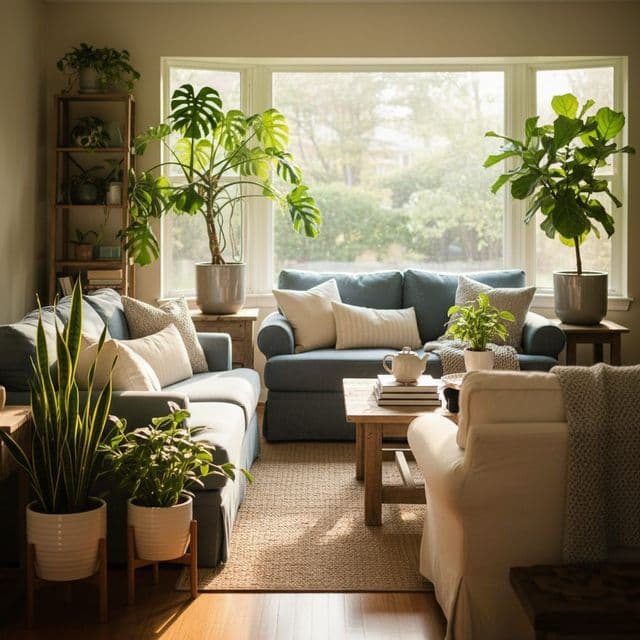
US Houseplants: Thrive in 60-75°F Indoor Conditions
Discover how to choose and care for US houseplants that thrive in typical 60-75°F indoor conditions. Learn about light, watering, and humidity for healthy plants.
Tag
29 articles in this tag on agripure. — page 1 of 2
Discover how to choose and care for US houseplants that thrive in typical 60-75°F indoor conditions. Learn about light, watering, and humidity for healthy plants.
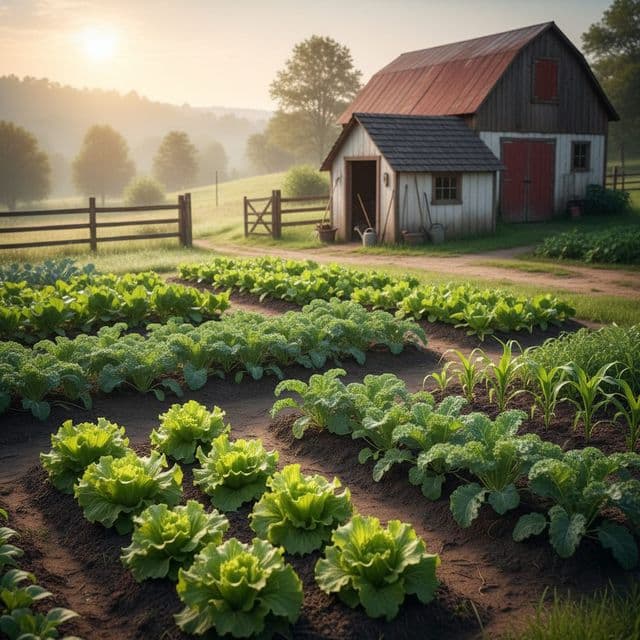
Optimize weed management timing with strategic sowing dates. Learn how crop rotation, succession planting, and USDA zone calendars reduce weed pressure by up to 50% in Midwest wheat fields.
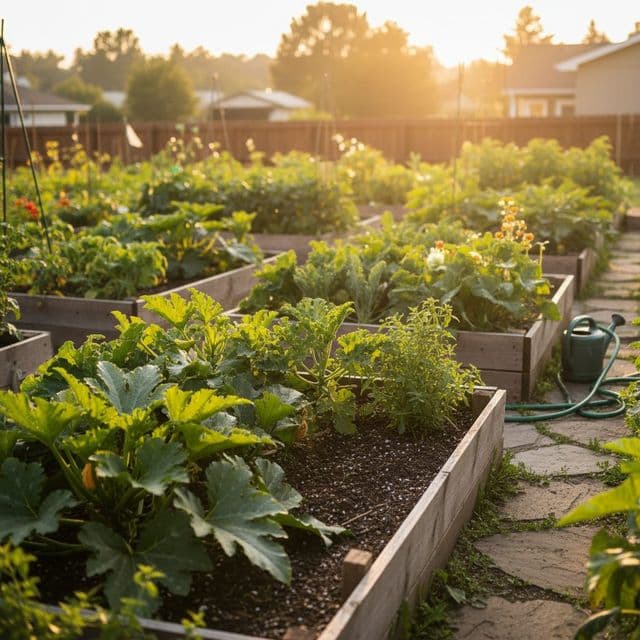
Bridge the summer gap in USDA Zone 6 with heat-tolerant crops, succession planting, and crop rotation. Maximize harvests even in 90°F heat.
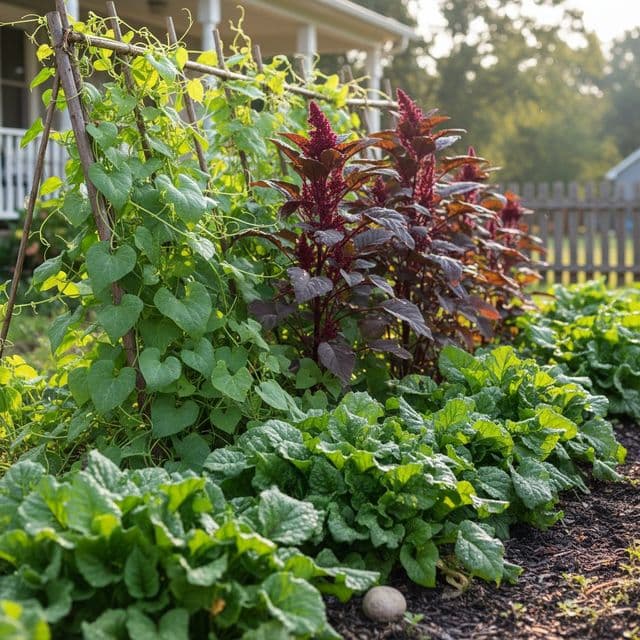
Extend your summer harvest in USDA zones 7-10 with resilient heat-tolerant greens like Malabar spinach, amaranth, and New Zealand spinach. Learn to grow them for continuous yields.
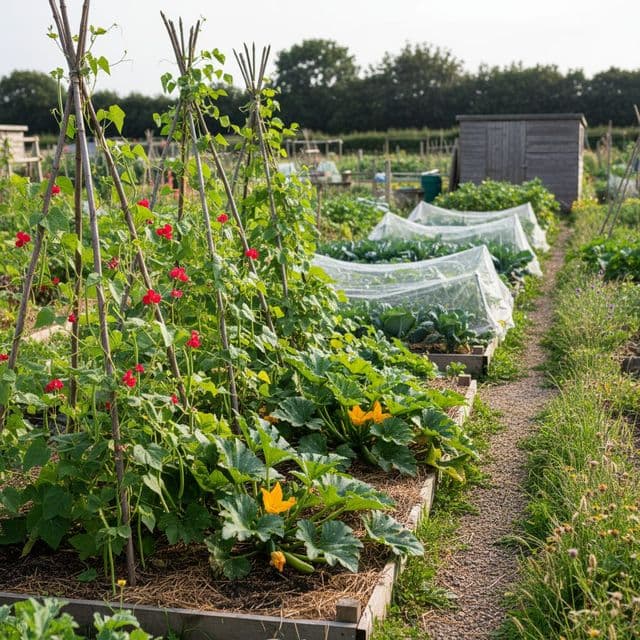
Learn effective strategies to protect your backyard berries in USDA Zone 6 from common pests like birds, spotted wing drosophila (SWD), and Japanese beetles. Implement netting, sanitation, and IPM…
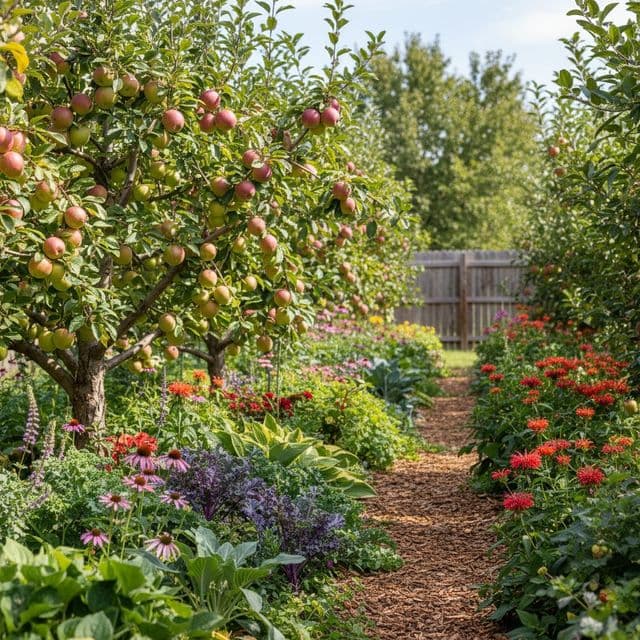
Achieve 80% fruit quality in your backyard orchard with this no-spray IPM calendar. Learn cultural controls, monitoring, and physical barriers for USDA Zone 6 fruit trees.

Protect your cherries, berries, and figs from spotted-wing drosophila (SWD). Learn effective SWD control strategies for home growers, including monitoring, netting, and sanitation.
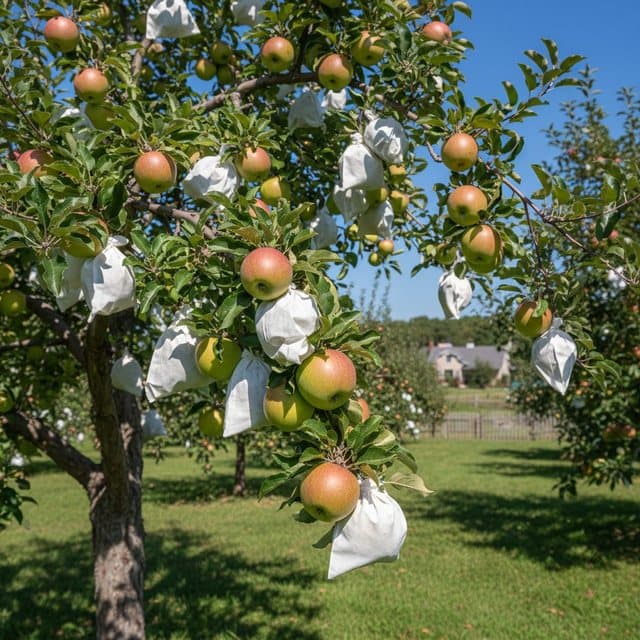
Protect your backyard apples and pears from codling moth in USDA zone 6. Learn effective, organic control methods like pheromone traps, fruit bagging, and kaolin clay for a healthy harvest.
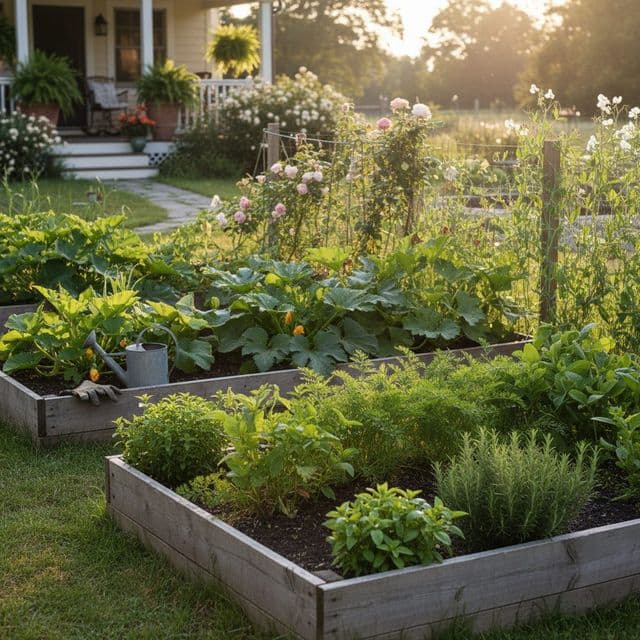
Learn how to renovate an overgrown apple tree over three dormant seasons in USDA Zone 6. This guide covers pruning, pest management, and care for fruit production.
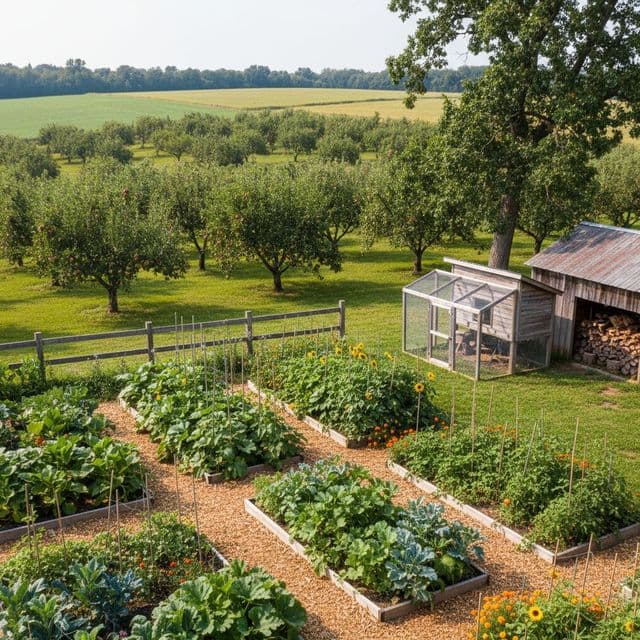
Master apple and pear tree training for abundant harvests in USDA zones 5-8. Learn central-leader & tall-spindle systems, rootstock selection, and pruning techniques.
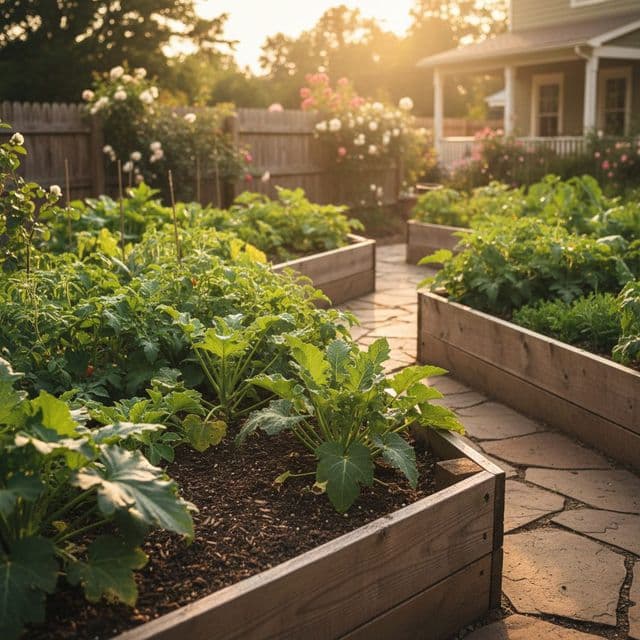
Master open-center pruning for peaches, plums, and apricots. Learn techniques to improve light, air circulation, and boost fruit yields by 20% in USDA Zones 5-9. Essential guide for home growers.
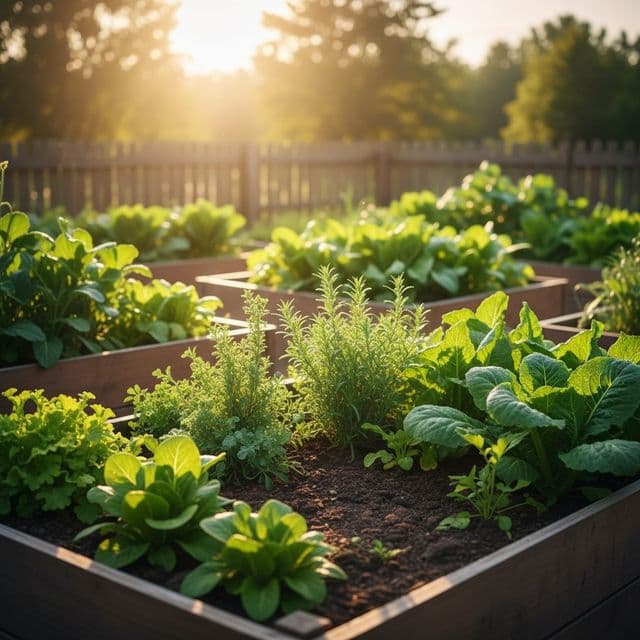
Identify, prevent, and manage Septoria leaf spot, the most common US tomato disease. Learn key symptoms, spread, and effective strategies to protect your plants and maximize yields.
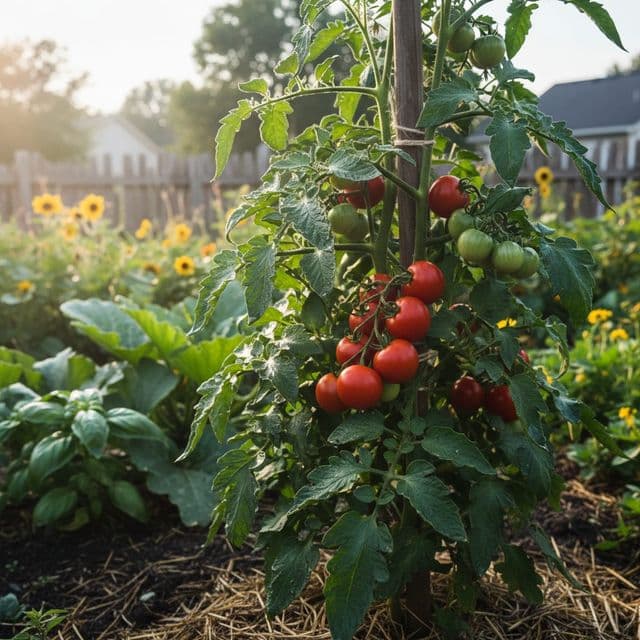
Protect your tomato and potato crops from devastating early and late blight. Learn to identify symptoms, understand lifecycles, and apply effective organic and synthetic treatments to save your har…
Discover how milky spore (Bacillus popilliae) offers a long-term, organic solution for Japanese beetle grubs. Learn application timing and effectiveness in USDA Zone 6 gardens.
Learn how Spinosad, an organic biological insecticide, effectively controls thrips and other pests in greenhouses. Discover safe application methods for pollinator protection.
Discover how beneficial nematodes offer organic pest control for grubs, fungus gnats, and other soil pests in USDA Zone 6 gardens. Learn application tips for a healthier ecosystem.
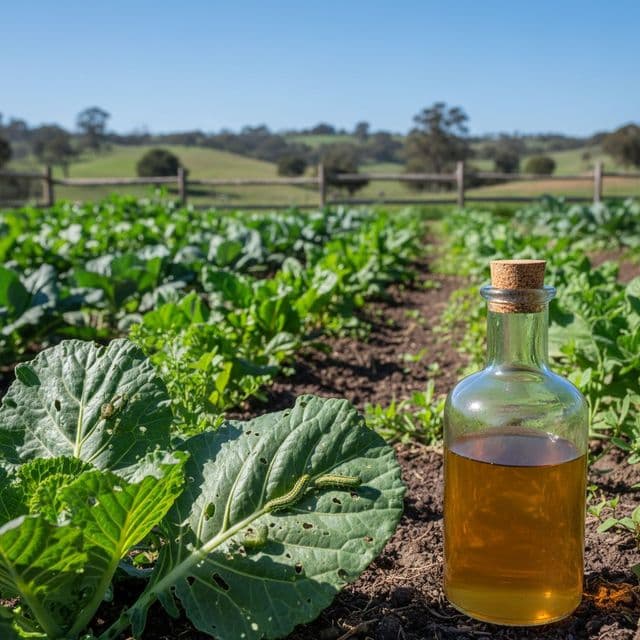
Unlock effective organic pest control! Learn to choose the right Bacillus thuringiensis (Bt) varieties for your USDA Zone 6 garden, targeting caterpillars, mosquitoes, and beetles safely.
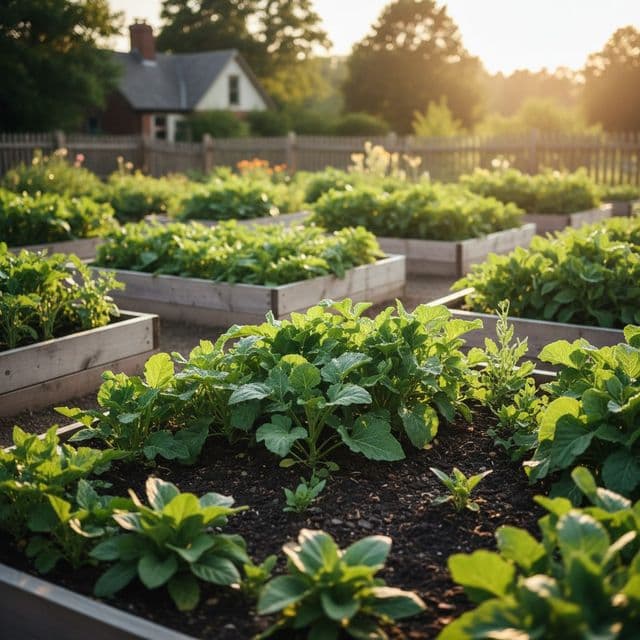
Practical strategies like netting, scare devices, and harvest timing to reduce bird damage to berry crops in USDA zones 4-9.
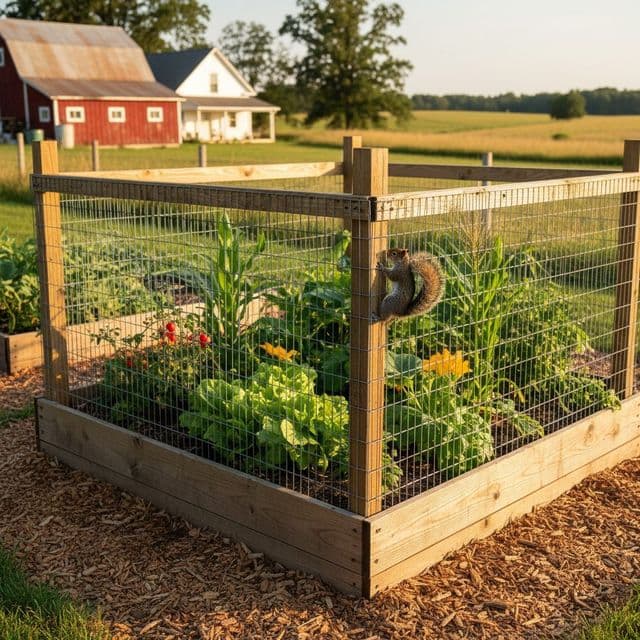
Learn effective, organic methods for deterring squirrels and chipmunks from your raised beds and bird feeders in USDA Zone 6. Protect your garden with physical barriers, repellents, and smart place…
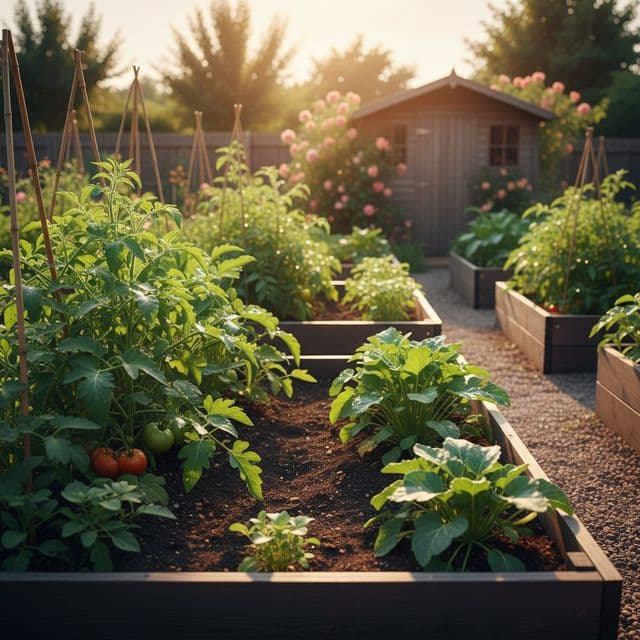
Learn effective, humane rodent control strategies for your garden and homestead. Implement exclusion, habitat modification, and trapping to protect your harvest from mice and rats.
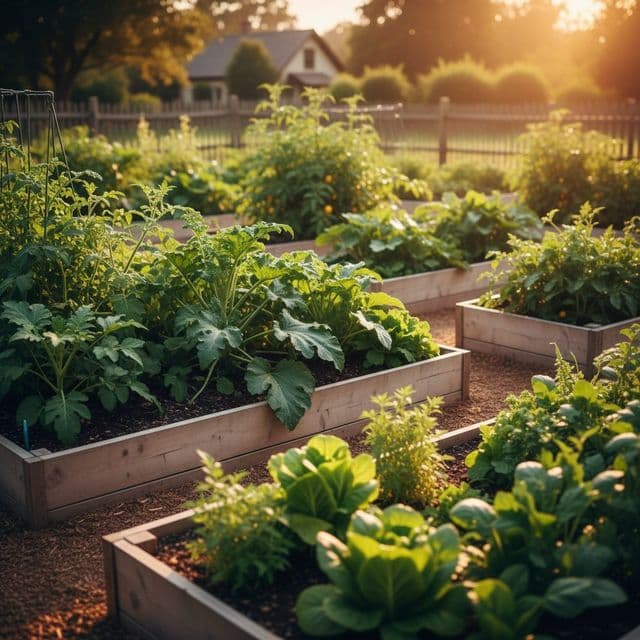
Protect your vegetable garden from rabbits with effective, buried fencing. Learn about materials, installation, and techniques for rabbit proof fencing to secure your harvest.
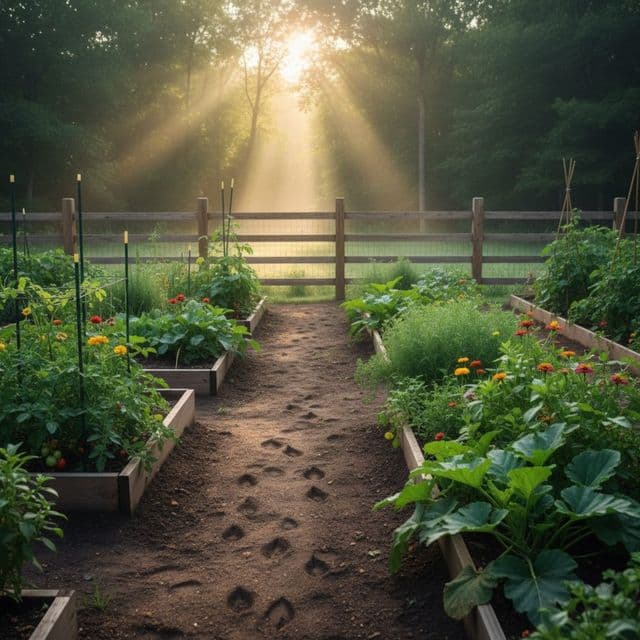
Learn effective strategies for protecting gardens from deer in the US. Discover how 8-foot fences, rotating repellents, and deer-resistant plants can save your crops.
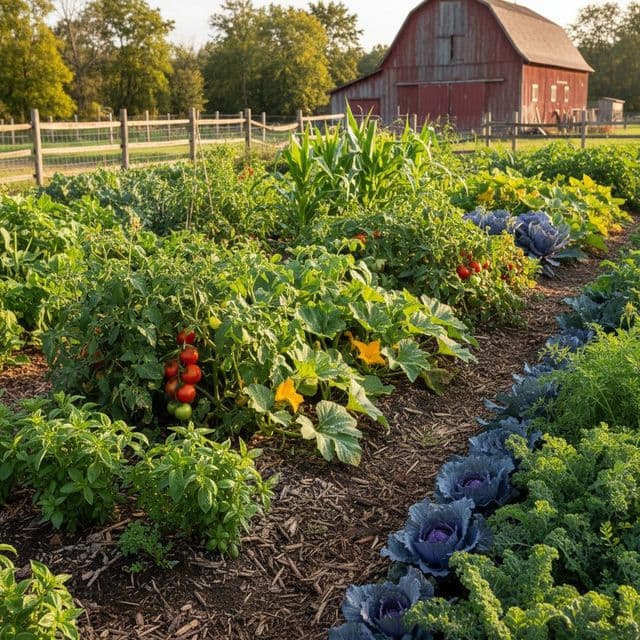
Discover how polyculture and interplanting naturally confuse pests, reduce monoculture reliance, and improve soil health in the Midwest. Learn effective polyculture pest control strategies.
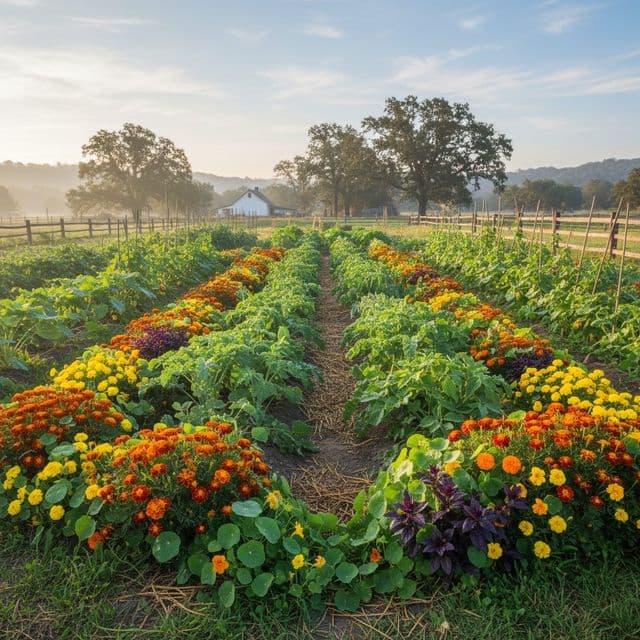
Discover how pest repellent border plants like marigold, basil, and alliums naturally reduce garden pests by 20-50%. Integrate these plants into your IPM strategy for sustainable pest control in US…