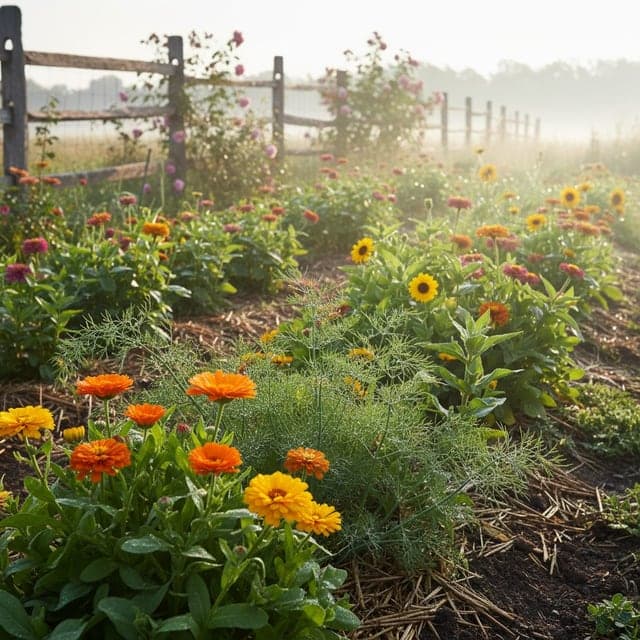
Manage Volunteer Plants & Self-Seeders in USDA Zone 6
Learn effective strategies to manage volunteer plants and self-seeders in USDA Zone 6. Discover how deadheading, mulching, and selective weeding can reduce garden maintenance.
Topic
Organic, integrated approaches to pests, diseases, and weeds — prevention through soil health and rotation, beneficial insects, physical barriers, and organic-approved treatments that protect harvests without synthetic chemicals.
139 articles in this topic on agripure. — page 1 of 6
Learn effective strategies to manage volunteer plants and self-seeders in USDA Zone 6. Discover how deadheading, mulching, and selective weeding can reduce garden maintenance.
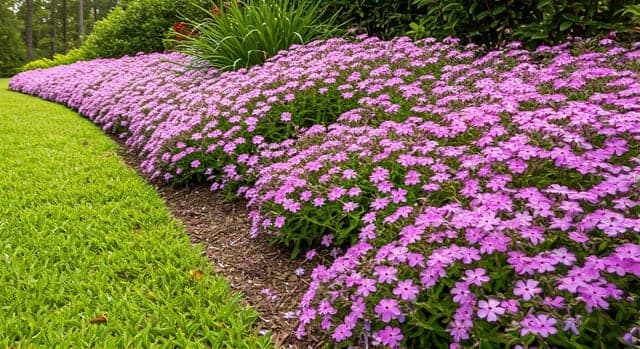
Discover the best weed-smothering groundcovers for challenging clay soil in the Southeast US. Reduce weeding with plants like Creeping Phlox, Sedum, and Liriope, improving soil health.
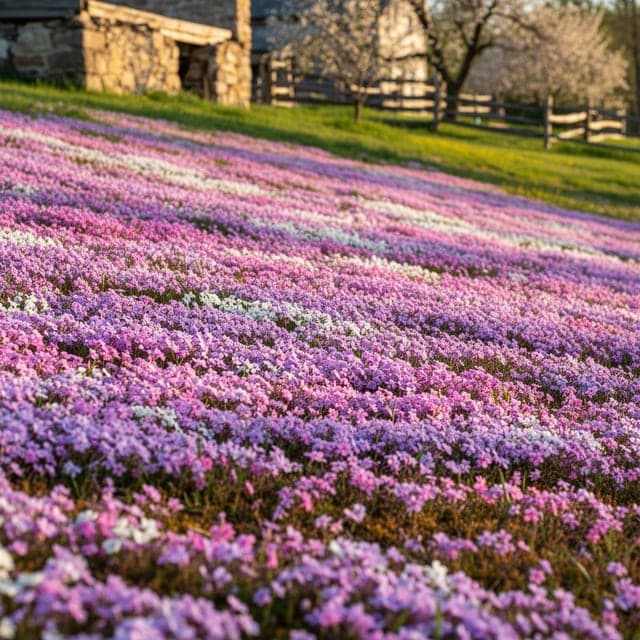
Discover how native groundcovers reduce weeds significantly in Northeast, Southeast, Midwest, and Pacific Northwest US regions. Save labor & boost yields with these low-maintenance plants.
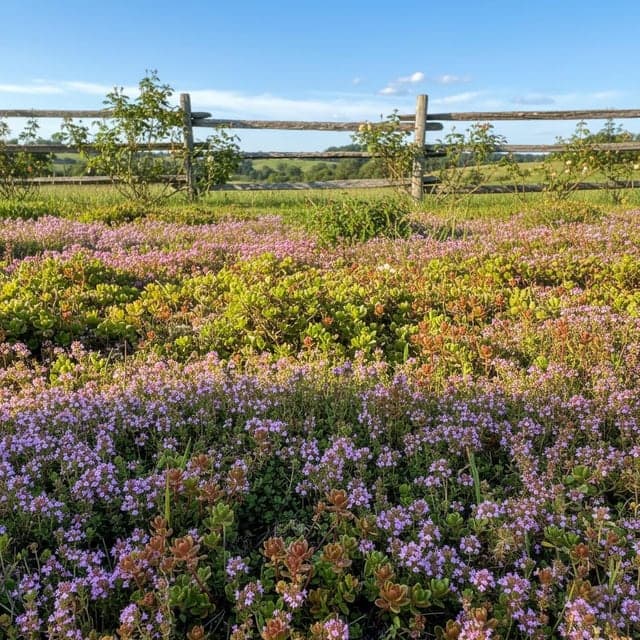
Discover how effective groundcovers can reduce weed growth by up to 90% in US gardens. Learn to select the best weed-smothering groundcovers for sun or shade, minimizing maintenance.
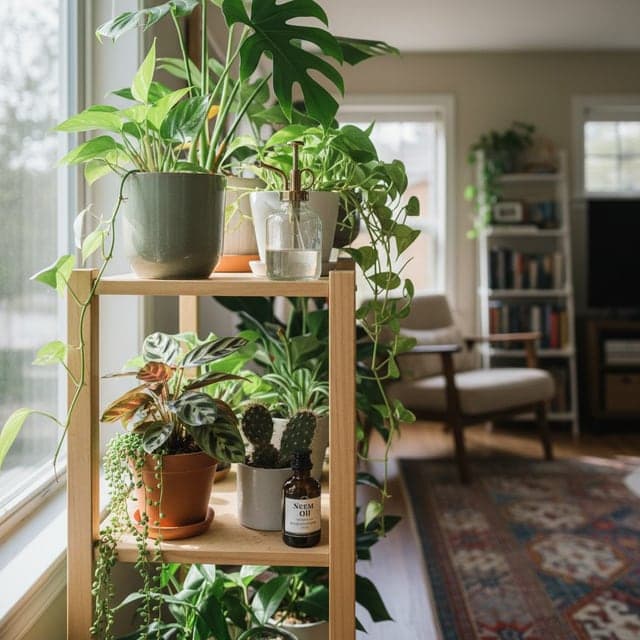
Use neem oil and insecticidal soap safely on indoor houseplants across the US: distinguish 100% cold-pressed azadirachtin oil from clarified hydrophobic extract, mix potassium salts of fatty acids…
Organic methods to identify, manage, and prevent thrips and aphids on indoor plants, including physical removal, neem oil, and beneficial insects.
Separate soft scale from armored scale in seconds, target mobile crawlers every 7–14 days for 4–6 weeks, and climb a safe 4-step US indoor IPM ladder—from 70% alcohol swabs and 1–2% horticultural o…
Eliminate indoor spider mites on US houseplants using 5–7 day degree-day neem cycles, exact castile soap emulsifier ratios, safe 40–50% humidity limits, lukewarm washing, and phytotoxicity safety g…

Eliminate houseplant mealybugs safely with 70% isopropyl alcohol spot swabs, avoid 91% leaf burn and indoor flammable vapor hazards, check hidden root mealybugs, and break the weekly crawler hatch…
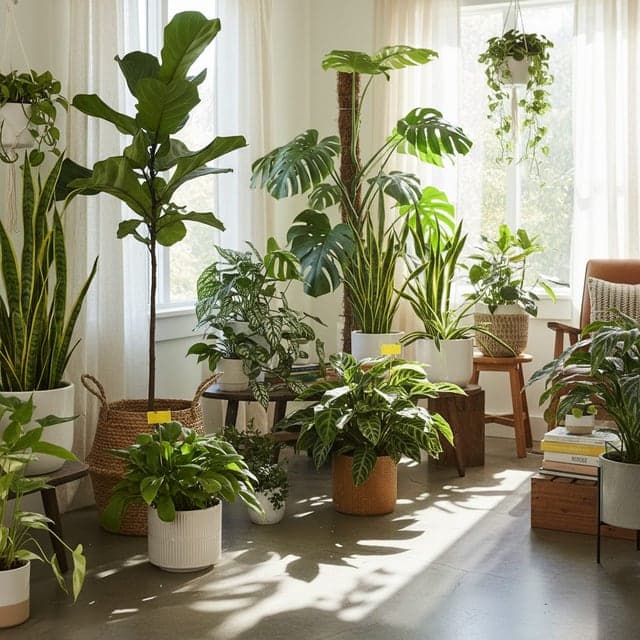
Learn how long fungus gnats live indoors, tell them apart from fruit and drain flies, and wipe out larvae and adults in 28 days using BTI tea, beneficial nematodes, predatory mites, and yellow stic…
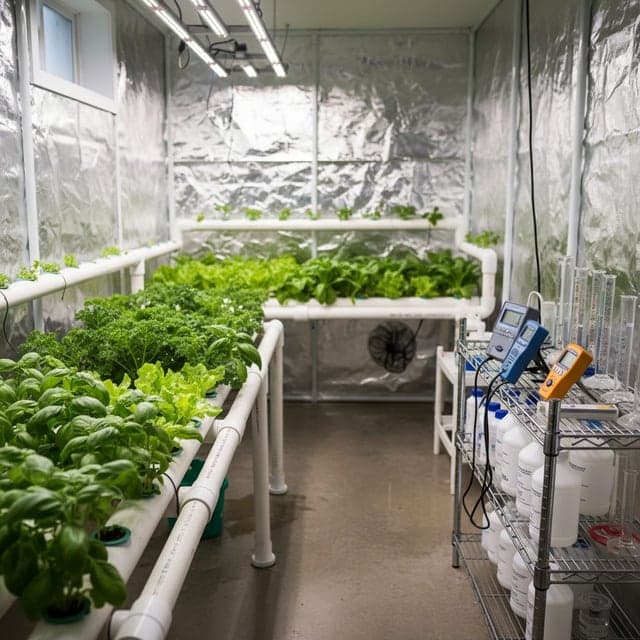
Learn to diagnose and fix hydroponic nutrient lockout, a common issue preventing plants from absorbing nutrients. Identify symptoms, test your system, and prevent yield loss.
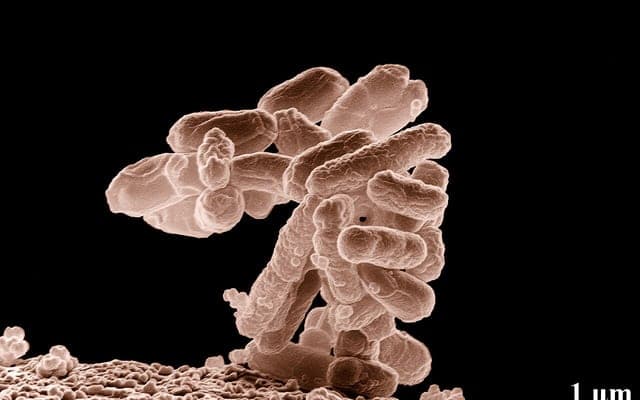
Combat pythium root rot in US hydroponic systems with beneficial Bacillus microbes. Learn how these organisms protect plants from heat stress and disease so healthier crops.
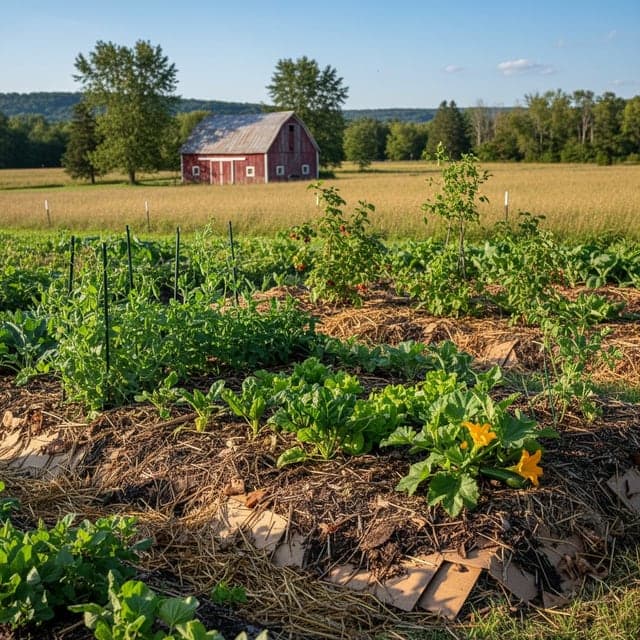
Convert turf into productive garden beds without digging: exact cardboard prep and contamination bans, vegetable vs. perennial tracks, WSU soil-science cautions around trees and clay, and silage ta…
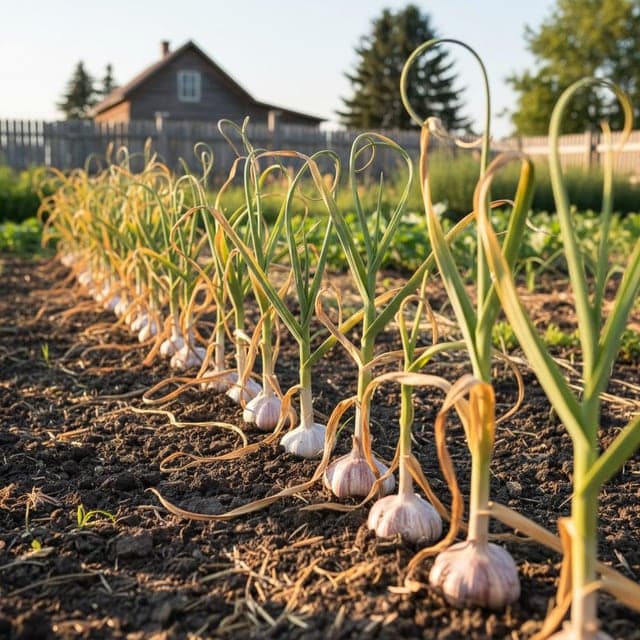
Master onion and garlic problems in USDA zones 5-9. Learn to prevent bolting, small bulbs, white rot, and thrips with expert tips on planting, nutrients, and pest control for a bountiful harvest.
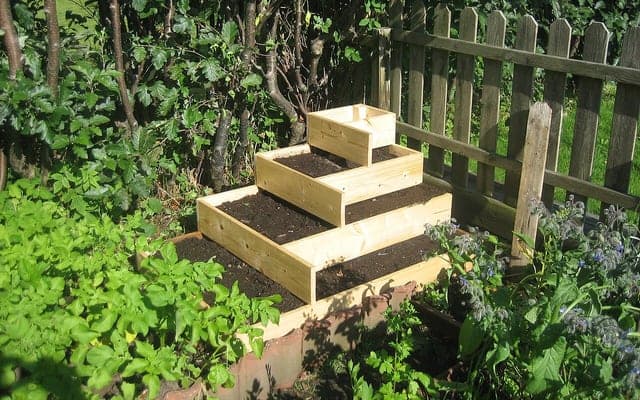
Protect your US brassica crops from clubroot and black rot. Learn effective brassica disease management strategies: crop rotation, soil pH, resistant varieties, and sanitation.
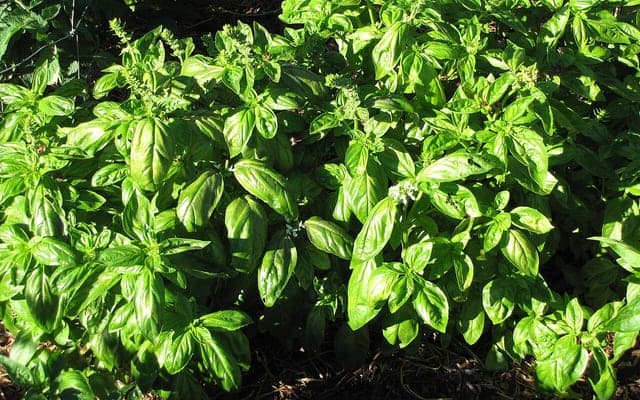
Grow healthy basil in the humid US South. Learn to identify and manage common basil diseases like downy mildew & Fusarium wilt with resistant varieties, proper spacing, and watering for a thriving…
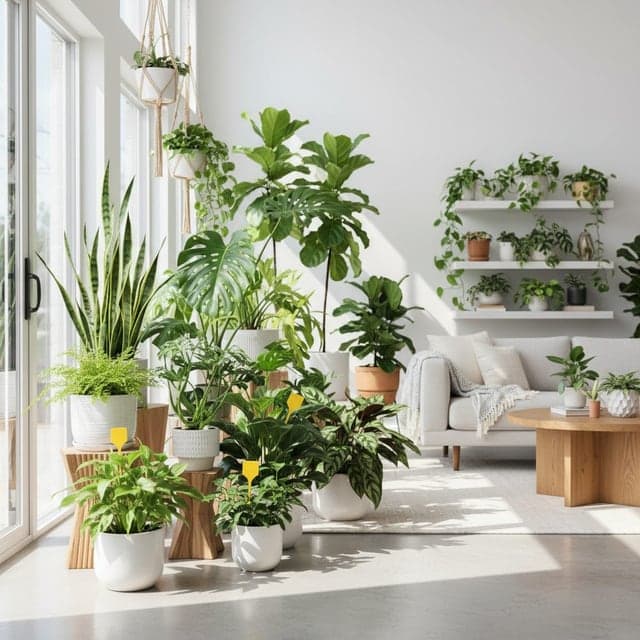
Effectively manage common houseplant pests like fungus gnats, mealybugs, and spider mites in US homes. Learn proven houseplant pest control strategies for a thriving indoor garden.
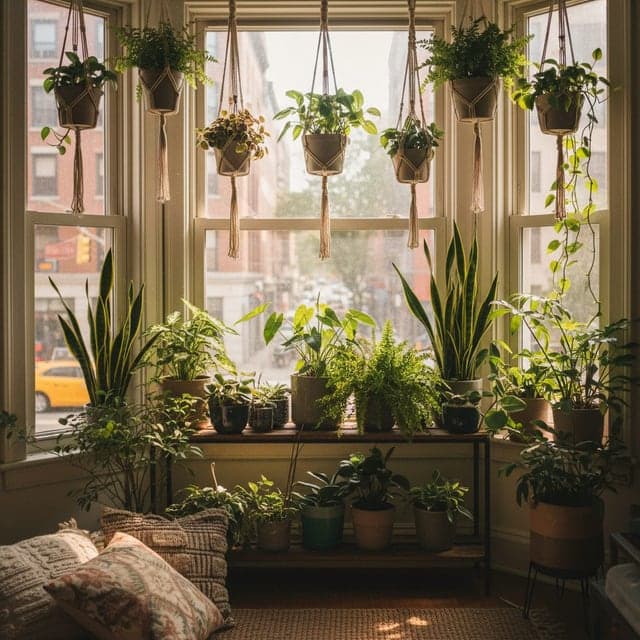
Learn to diagnose common houseplant ailments like yellow leaves, wilting, and brown spots. This guide covers watering, light, pests, and humidity for healthy houseplants in US homes.
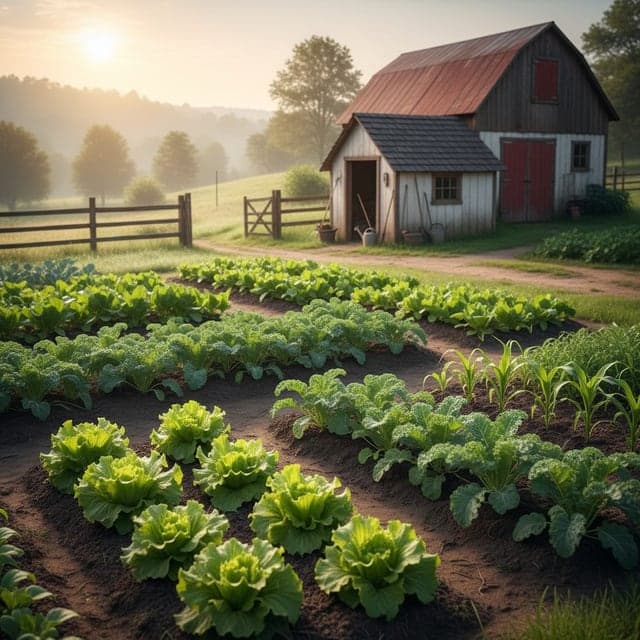
Optimize weed management timing with strategic sowing dates. Learn how crop rotation, succession planting, and USDA zone calendars reduce weed pressure by up to 50% in Midwest wheat fields.
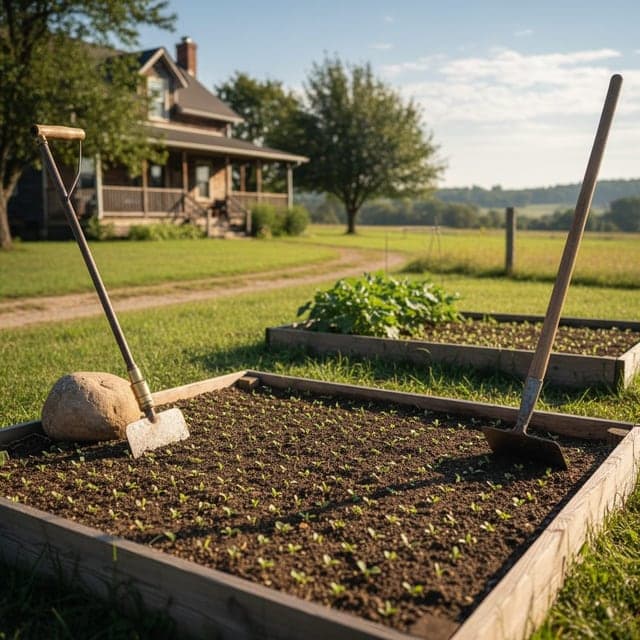
Master stale seedbed weed control in USDA Zone 6. Compare flame weeding vs. shallow hoeing for effective, chemical-free weed management, reducing weed pressure by up to 90%.
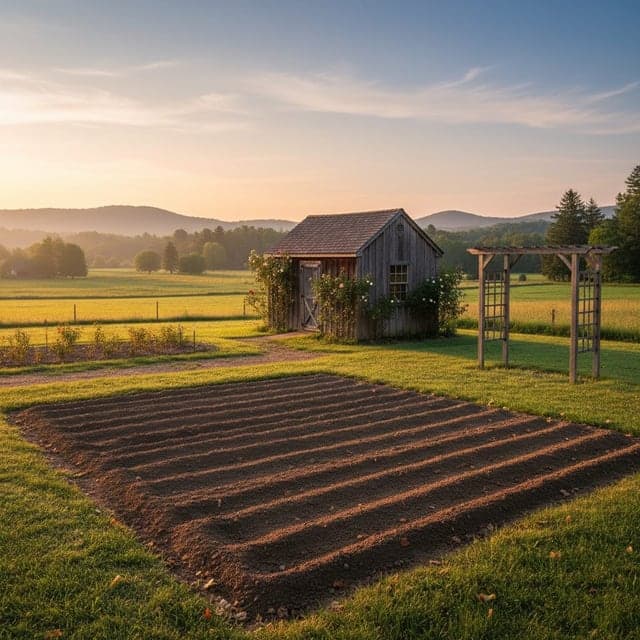
How stale seedbed preparation reduces early-season weed pressure by 40-60% for direct-sown crops, improving yields and saving labor while building soil health.
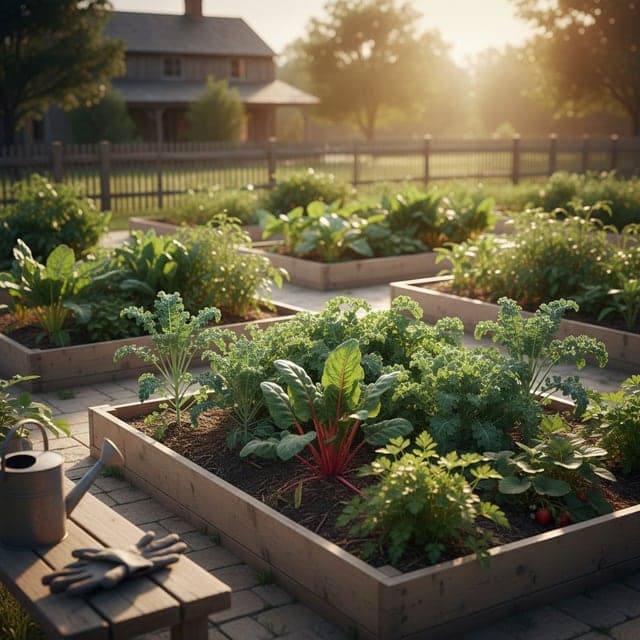
Learn how to prevent bolting in lettuce, spinach, and other cool-season crops. Understand triggers like heat and day length, and apply strategies to maximize your garden’s harvest.
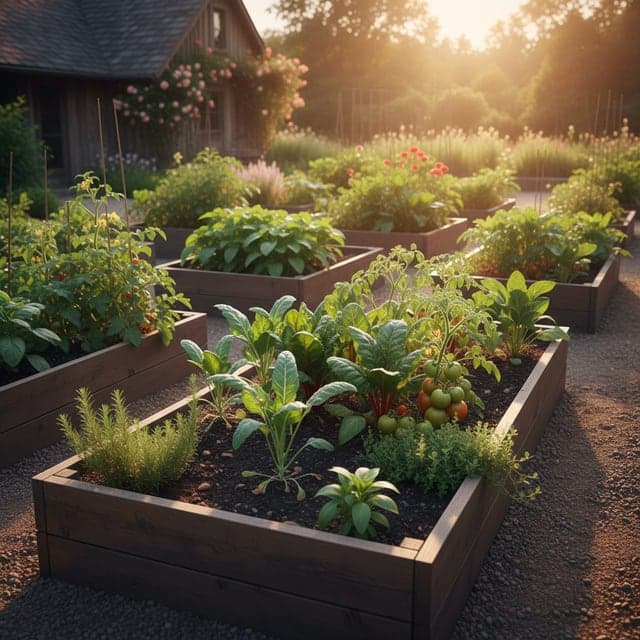
Learn how common crop rotation mistakes spread tomato and squash diseases, reducing yields. Discover effective strategies to break disease cycles and boost your garden’s productivity.
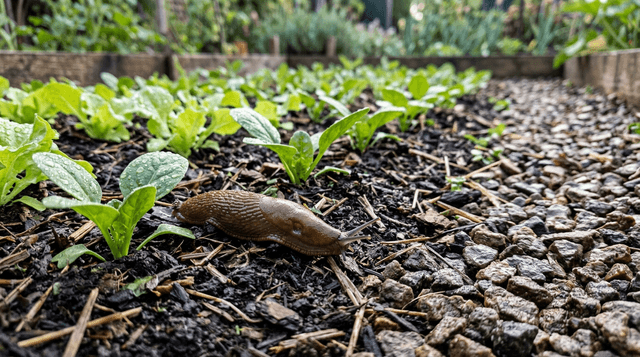
Slug management in damp UK gardens requires layered non-chemical controls and prioritizing vulnerable young seedlings, as no single cultural method completely eliminates gastropods.