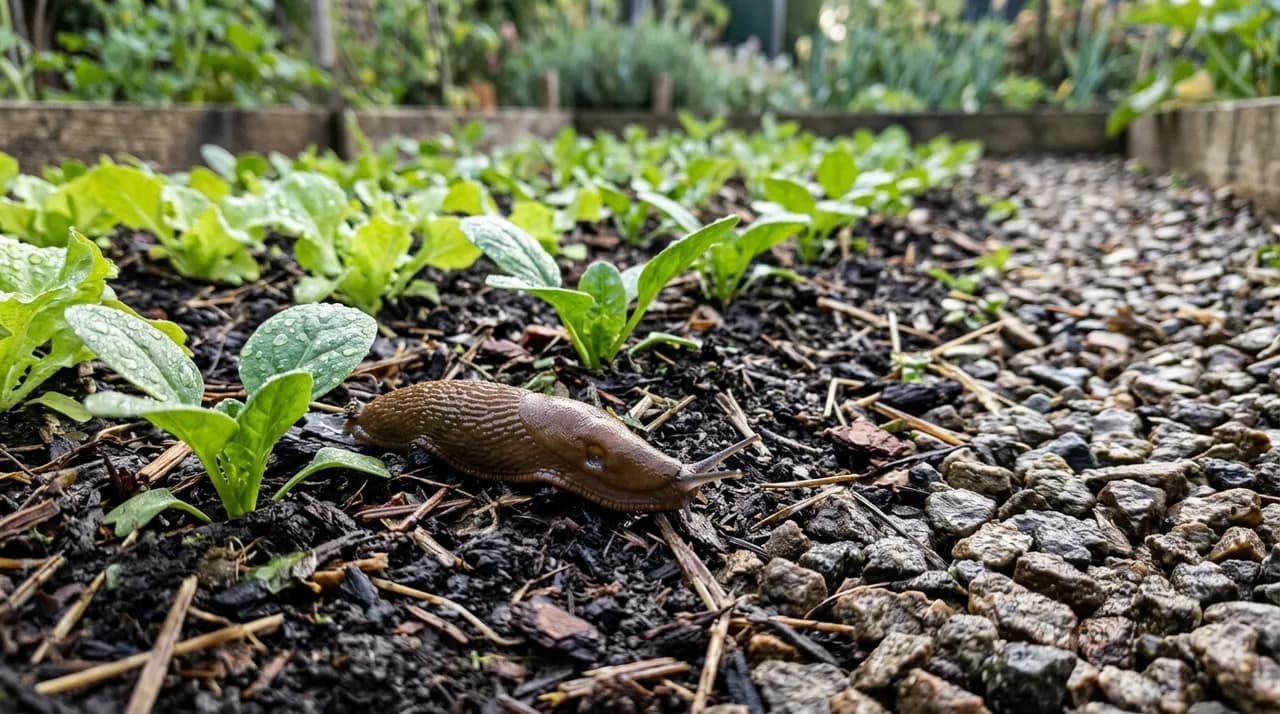
Slugs and snails are the most persistent pest challenge faced by British gardeners and allotment holders. The United Kingdom's temperate maritime climate—characterized by regular rainfall, high relative humidity, mild autumns, and infrequent prolonged hard freezes—creates optimal survival and breeding conditions for terrestrial gastropods throughout the year. Effective management does not rely on discovering a single universal solution, because no cultural or biological method eliminates slugs entirely from open garden ecosystems. Instead, successful cultivation depends on understanding slug behavior, deploying realistic non-chemical deterrents in combination, and vigorously protecting plants during their most vulnerable developmental stages.
For broader seasonal pest guidance and regional cultivation advice, consult the UK growing hub.
The UK climate and why gastropods thrive
The British climate offers few natural climatic interruptions to the slug life cycle. Unlike continental regions that experience sub-zero winter temperatures that freeze soil deeply, or Mediterranean climates with scorching, arid summers that force gastropods into deep estivation, the UK remains consistently hospitable to species such as the grey field slug (Deroceras reticulatum), the garden slug (Arion hortensis), and the large black or red slug (Arion ater).
UK soils (particularly dense clays and silts with high organic matter content) retain moisture near the surface, allowing slugs to move freely through the soil profile, earthworm burrows, and cracked ground. Furthermore, extended overcast days reduce direct solar radiation, preventing the surface drying that would otherwise restrict slug foraging to the dark hours of midnight. In many southern and coastal districts of the UK, adult slugs and newly hatched juveniles remain active and feed intermittently through mild winter spells, meaning that emerging shoots are vulnerable long before spring officially arrives.
Realistic non-chemical controls and their limitations
Relying on chemical pellets can pose hazards to native wildlife such as song thrushes, hedgehogs, ground beetles, and domestic pets. As a result, many UK growers favor non-chemical, cultural, and biological strategies. However, each technique carries clear physical limitations that need to be understood, not overstated.
Physical barriers and copper
Copper tape, rings, and mesh collars function through a biochemical reaction between the metal and the slug's moist mucus, which generates an unpleasant electrostatic sensation that often deters passage:
- Practical application: Copper bands work best around clean, dry vertical surfaces such as raised bed timber rims, greenhouse staging legs, or container edges.
- Inherent limitations: A single overhanging weed leaf, a leaning stem, or splash-deposited garden soil can bridge the copper barrier, rendering it ineffective. In damp conditions, some larger Arion species will cross narrow copper bands despite the reaction.
Coarse grit, crushed eggshells, and sharp sand are often scattered around individual stems to create an abrasive perimeter. While dry grit can discourage smaller species, wet British weather rapidly coats the material in moisture and dirt, enabling mature slugs to traverse the border using thick protective mucus without significant harm.
Beer traps and baited pits
Sunken containers filled with inexpensive beer or a simple yeast-and-sugar water mixture exploit a slug's keen sense of smell, drawing them toward fermenting volatile aromas:
- Practical application: Burying small containers so that the rim sits approximately one centimetre above soil level prevents beneficial predatory ground beetles (Carabidae) from accidentally tumbling in and drowning.
- Inherent limitations: Traps only operate across a short localized radius. Furthermore, if baited containers are placed directly alongside prized young plants, the strong aroma may draw slugs from surrounding grass margins into the bed, increasing damage to nearby crops before the pests locate the trap opening. Regular emptying and refilling are required, which becomes labor-intensive during wet weeks.
Biological control with parasitic nematodes
Pathogenic nematodes (Phasmarhabditis hermaphrodita) are microscopic roundworms applied as a drench into moist soil, where they enter the mantle cavity of subterranean and surface-dwelling slugs, releasing bacteria that halt feeding within days:
- Practical application: Nematodes are particularly effective against subterranean species that feed on developing root vegetables and potato tubers beneath the surface, where topical controls cannot reach.
- Inherent limitations: Nematodes require strict environmental thresholds to function. The soil temperature must consistently register above five degrees Celsius, and the soil must remain continuously damp for two weeks following application to allow the microscopic worms to swim. If applied during a sudden cold snap or on drying ground, nematode populations quickly collapse without establishing meaningful pest reduction. They are also relatively expensive and require reapplication every six to eight weeks during peak activity periods.
Manual collection and habitat management
Hand collection remains one of the most reliable methods for rapidly lowering active breeding populations on an allotment or back garden:
- Patrolling beds with a torch an hour after dusk on damp evenings allows direct removal of feeding adults.
- Laying flat wooden boards, damp cardboard, or roof slates along path margins creates dark, humid day shelters where slugs congregate, making morning collection straightforward.
- Keeping bed perimeters clear of tall, rank weeds and trimming lawn edges short reduces the damp daylight harborage zones that border productive beds.
Prioritizing crop protection: where to focus effort
Because complete eradication is unattainable in an open garden, the most effective allocation of time and protective materials is targeting crops that slugs can destroy completely in a single night.
High-priority vulnerable crops
- Direct-sown seedlings: Emerging cotyledons of brassicas, carrots, lettuces, and winter squashes have minimal foliage reserve. A single bite can sever the hypocotyl at ground level, killing the seedling outright.
- Runner beans and French beans: Tender young bean shoots emerging from the soil are exceptionally attractive to garden slugs. Protecting climbing stems until they establish rough, fibrous bark is essential; detailed support and establishment tactics are covered in our guide to growing runner beans.
- Delicate leafy greens: Butterhead lettuce, spinach, and young chard leaves provide little physical resistance, making them prime targets throughout the spring and early summer months.
Managing resilient and overwintered crops
As plants mature, their foliage thickens, cell walls become more lignified, and secondary plant compounds accumulate, making them less appealing to casual slug grazing. Mature brassicas, established perennial herbs, and well-rooted root vegetables will often withstand superficial leaf nibbling without suffering catastrophic yield loss.
For growers planning cool-season production, selecting cold-hardy, tougher cultivars is an effective defensive measure. Our guide to winter vegetables to grow in the UK covers cold-hardy species such as winter cabbages, parsnips, and leeks that tolerate maritime damp with minimal intervention.
The strategy: raising seedlings to resilient sizes
The single most effective cultural tactic for outmaneuvering UK slugs is avoiding direct seed drilling in open ground whenever practical. Direct-sown rows of tender vegetables are highly vulnerable in damp, heavy soil.
By sowing seeds into modular cell trays inside an unheated greenhouse, cold frame, or sunny windowsill, you allow seedlings to bypass their most vulnerable stage in a controlled environment. When transplanted out into the vegetable bed, module-grown plants have established root systems, multiple sets of true leaves, and tough stems. While slugs may still chew several outer leaves, an established transplant can photosynthesize and generate replacement foliage faster than moderate slug populations can consume it.
Clearing bed perimeters, timing transplants carefully, and protecting young crops help reduce damage from slugs in damp conditions.