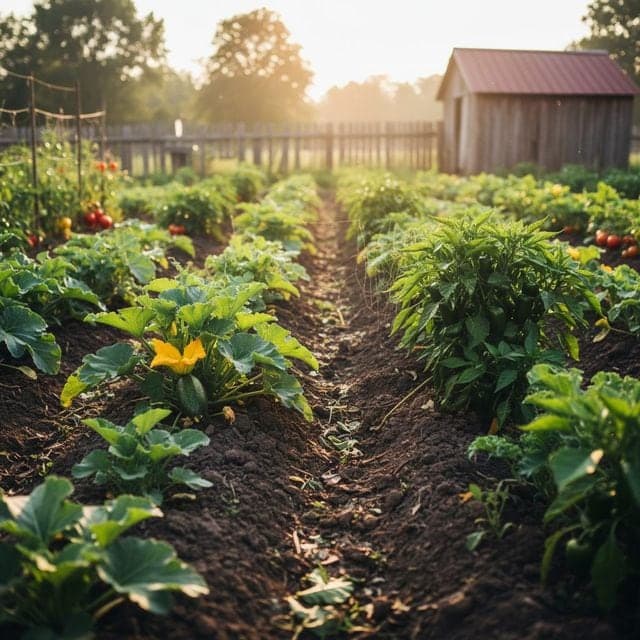
Managing root diseases with biofungicides
How biofungicides like Trichoderma and mycorrhizal fungi protect plants from root diseases in USDA Zone 7, reducing chemical use and supporting soil health.
Tag
290 articles in this tag on agripure. — page 12 of 13
How biofungicides like Trichoderma and mycorrhizal fungi protect plants from root diseases in USDA Zone 7, reducing chemical use and supporting soil health.
Verify Japanese beetle anal raster ID before buying milky spore (Paenibacillus popilliae). Extension data on 60–70°F soil limits, Zone 4–5 failures, 2–5 year lag, 4-ft grid vs. spreader calibration…
Learn how Spinosad, an organic biological insecticide, effectively controls thrips and other pests in greenhouses. Discover safe application methods for pollinator protection.
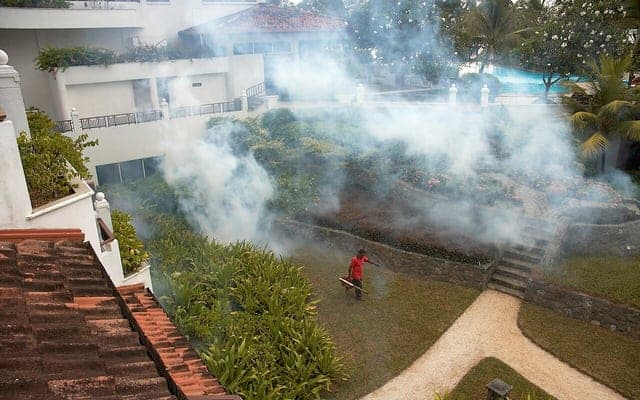
Unlock effective organic pest control! Learn to choose the right Bacillus thuringiensis (Bt) varieties for your USDA Zone 6 garden, targeting caterpillars, mosquitoes, and beetles safely.
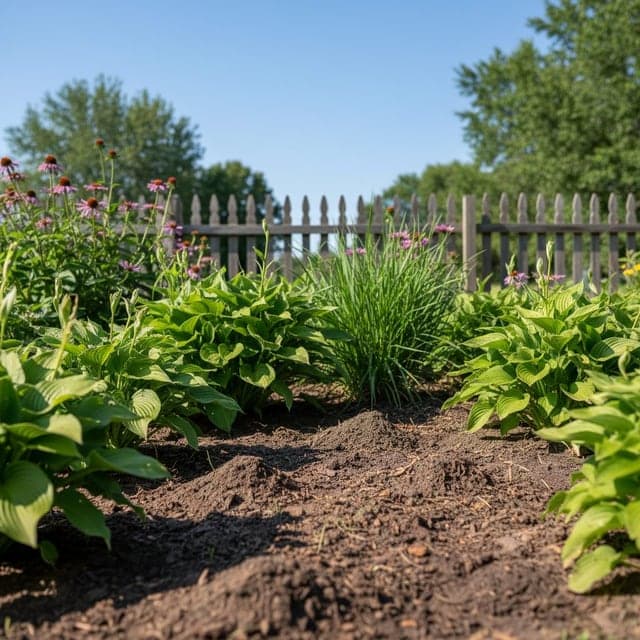
Protect your US garden from voles, moles, and gophers with organic subterranean pest management. Learn to identify pests, use exclusion, trapping, and habitat modification for effective control.
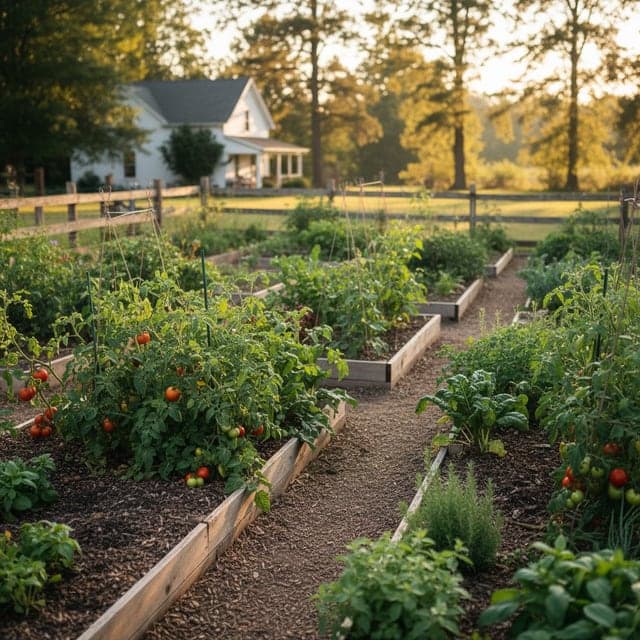
Build flowering insectary strips using USDA NRCS CPS 422 and Xerces spacing (<=100–150 ft), Apr–Oct shallow umbels and discs for hoverflies, Orius, lacewings, and Braconid wasps, neonicotinoid nurs…
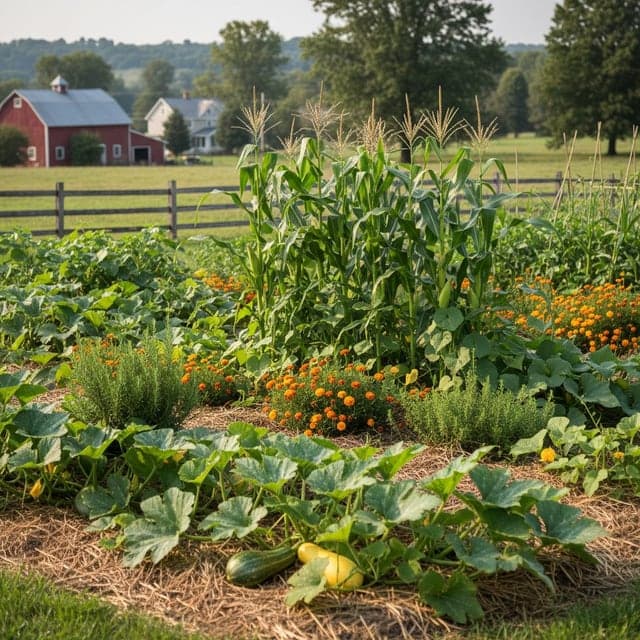
Unlock the power of companion planting. Learn how strategic plant pairings can deter pests, attract beneficial insects, and improve soil health, potentially reducing pest pressure by 15-50%.
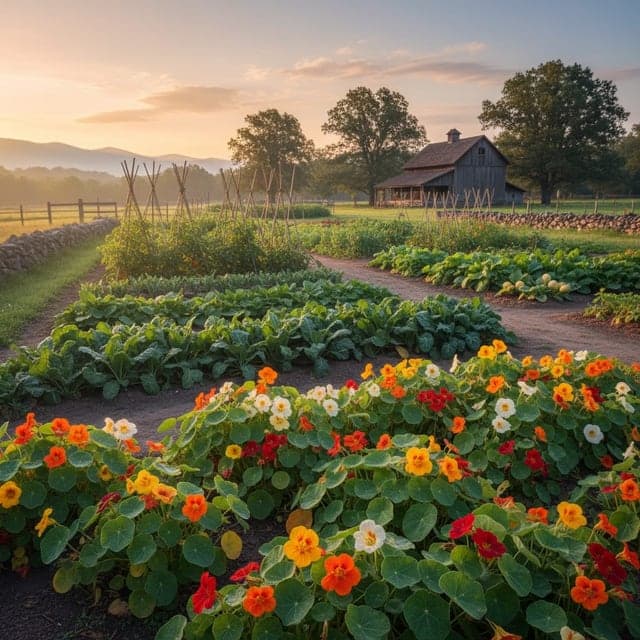
Discover trap cropping, an organic pest control method. Learn how specific plants like nasturtiums and Blue Hubbard squash can protect your main crops, reduce damage by 50%, and cut pesticide use b…
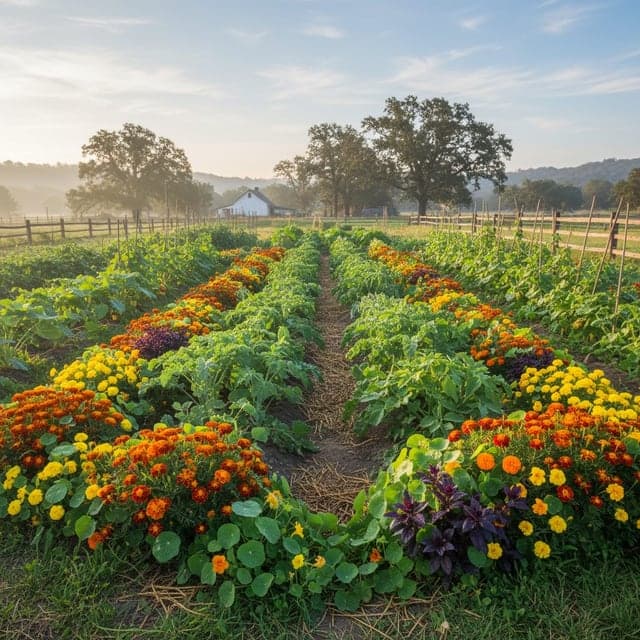
Discover how pest repellent border plants like marigold, basil, and alliums naturally reduce garden pests by 20-50%. Integrate these plants into your IPM strategy for sustainable pest control in US…
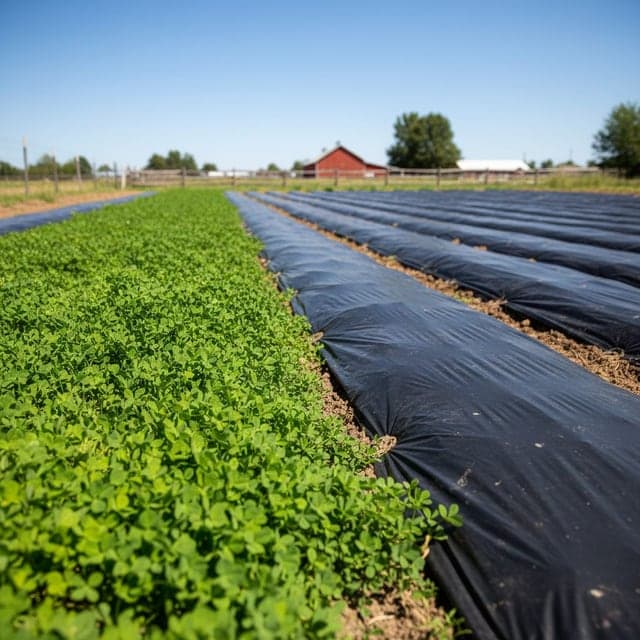
Discover how combining cover crops and occultation provides effective organic weed control, reducing weed biomass by 90% in organic cabbage. Improve soil health & cut labor.
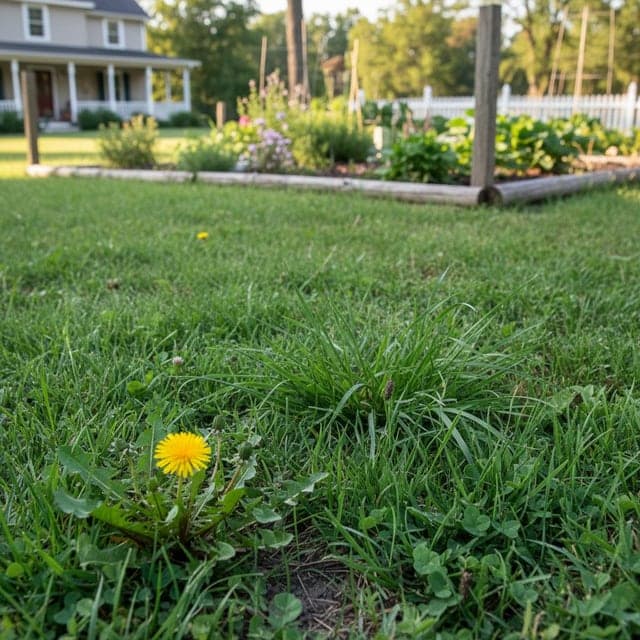
Organic Integrated Pest Management (IPM) strategies identify and control common US lawn and garden weeds like crabgrass, dandelion, bindweed, and purslane. Prevention and cultural methods can reduc…
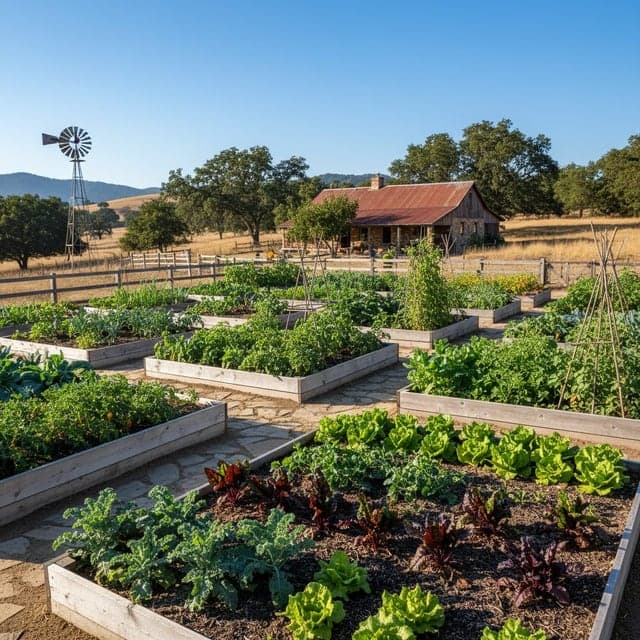
Explore vinegar weed killers: how 5% vs. 20% acetic acid works on young annuals. Learn its limitations, safety, and sustainable organic weed control alternatives.
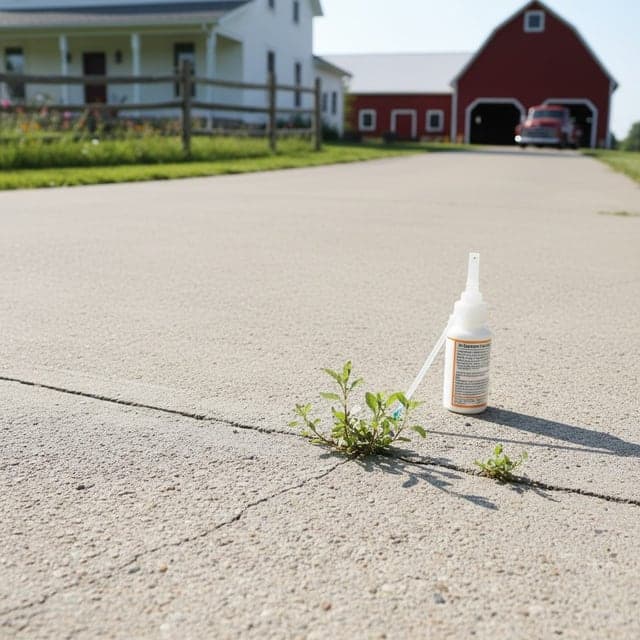
Explore safe, chemical-free thermal weed control for driveways & patios in USDA Zone 6. Learn flame weeding & boiling water techniques to manage dandelions, crabgrass, and spurge.
Learn how the stale seedbed technique reduces early-season weed pressure by 50-70% in vegetable fields. This organic method minimizes herbicide use and improves crop yields.
Protect new transplants from cutworms in USDA Zone 6. Learn effective cutworm control methods: identification, scouting, physical collars, and organic soil management for a thriving garden.
Discover effective low-tech solutions for a healthier garden. Learn how a nighttime pest patrol can control slugs, snails, and cutworms in USDA Zone 6 with simple methods like hand-picking and beer…
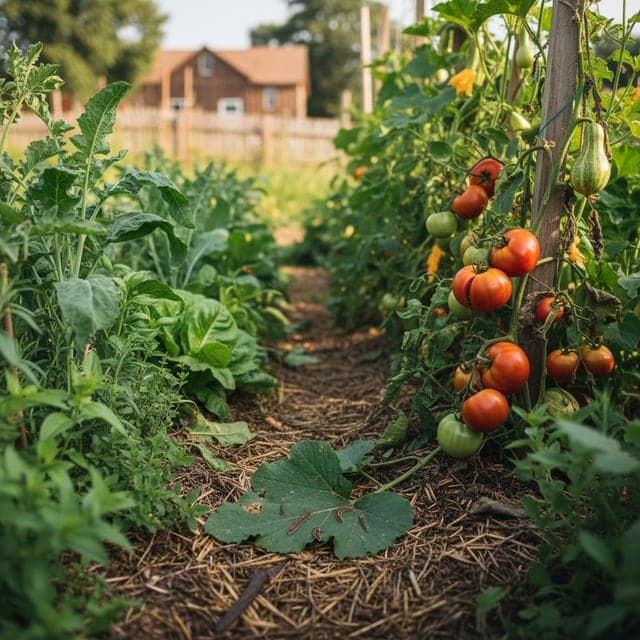
Earwigs, pill bugs, and sowbugs are often beneficial decomposers, but can damage young plants. Learn to identify them, understand their roles, and manage populations organically.

Master organic ant control in raised beds & containers. Learn non-toxic methods for USDA Zone 7, including prevention, physical barriers, and soil health to protect your garden.
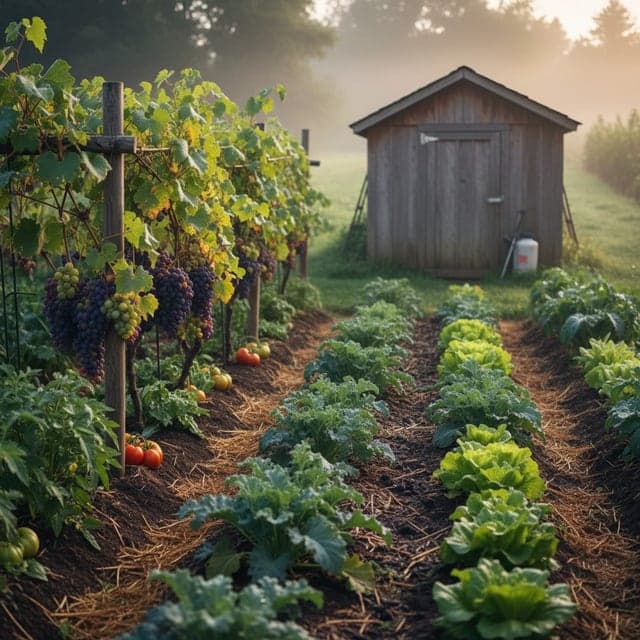
Manage fungal diseases organically in USDA Zone 7 with copper and Bacillus biofungicides to prevent yield loss and protect plant health.
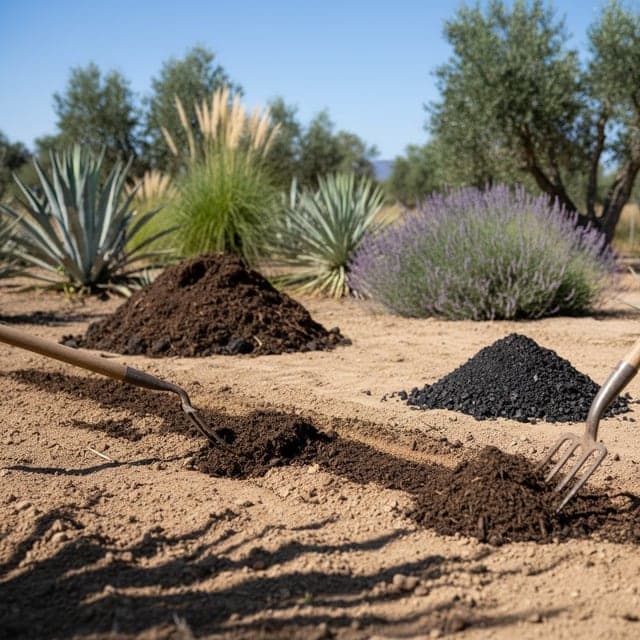
Sandy soils drain quickly. Learn how compost, biochar, and cover crops improve water and nutrient retention in drought-prone US regions.
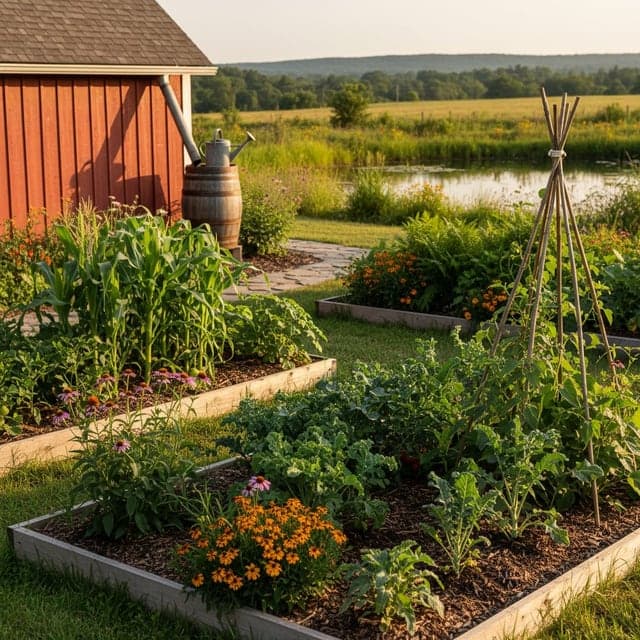
Learn how a simple soil percolation test helps measure drainage, prevent root rot, and optimize water use for garden vegetables.
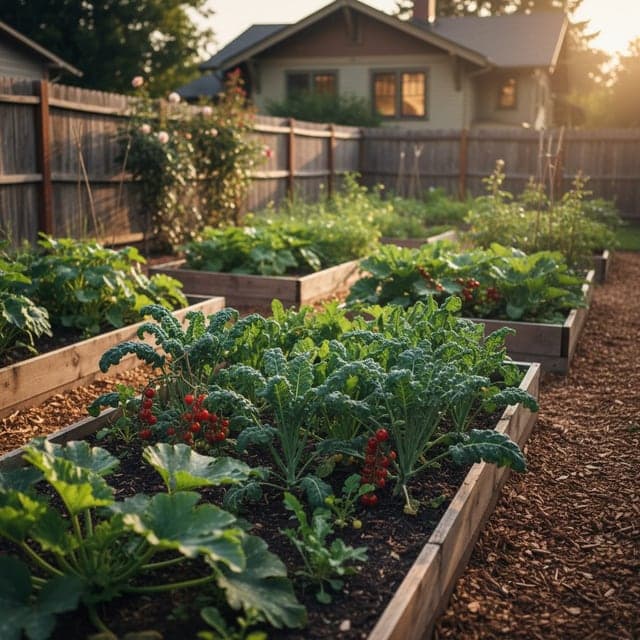
Learn to recognize and avoid persistent herbicides like aminopyralid and clopyralid in compost and manure. Protect your garden from contamination that can last for years.
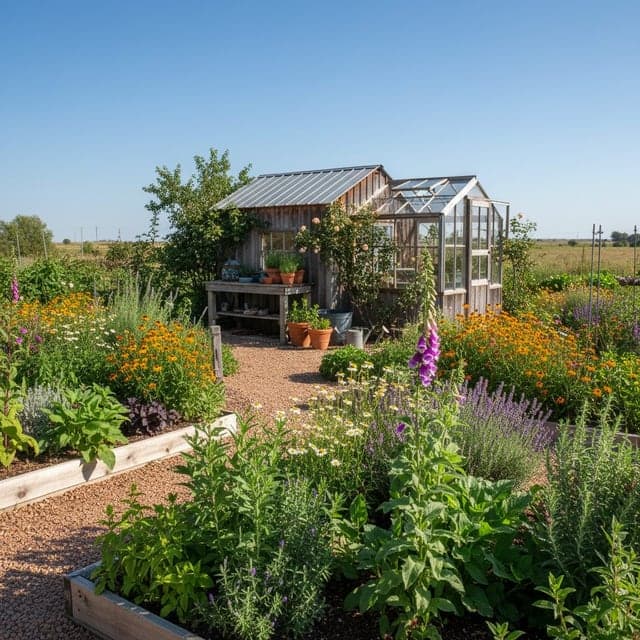
Cultivate a thriving medicinal herb garden in your backyard. Learn how to select, plant, and preserve 15+ useful species across USDA zones 4-9 for a home apothecary.
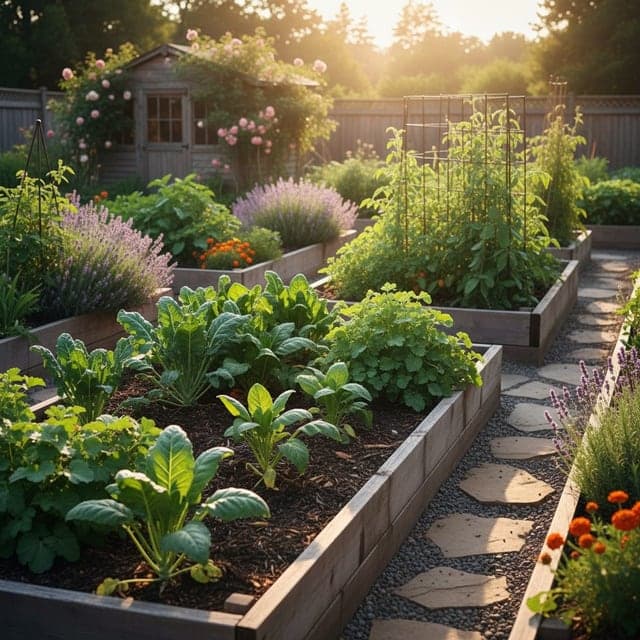
Boost your USDA Zone 6 home garden yield with 3- and 4-bed crop rotation plans. Learn how to improve soil, reduce pests, and extend harvests for a productive garden.