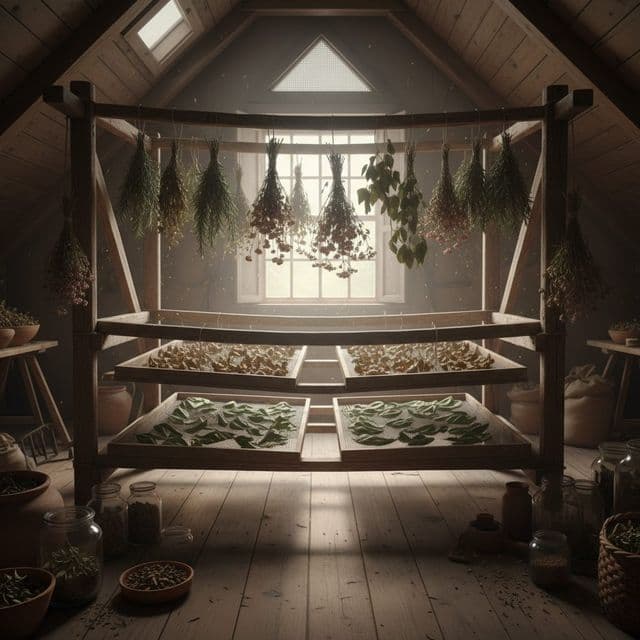
Drying herbs: preserve aroma & color from your Zone 6 garden
Preserve the aroma and color of fresh herbs with air drying, dehydrator methods, and proper storage for USDA Zone 6.
Tag
62 articles in this tag on agripure. — page 2 of 3
Preserve the aroma and color of fresh herbs with air drying, dehydrator methods, and proper storage for USDA Zone 6.
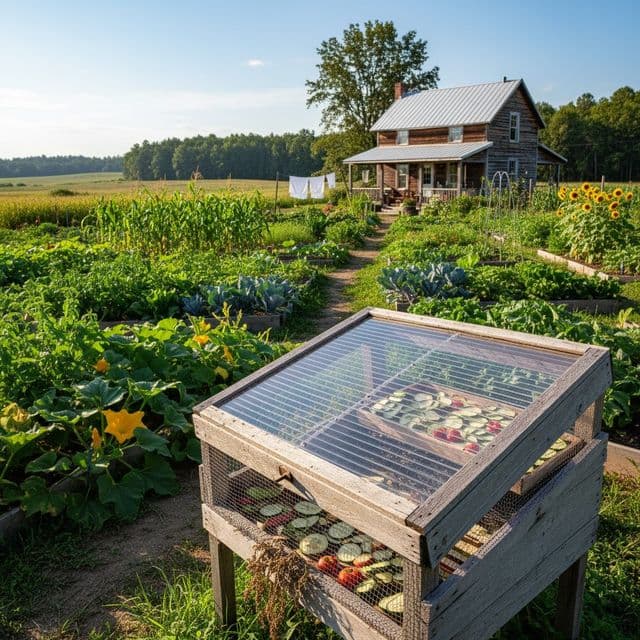
Learn to build a cost-effective solar food dehydrator from scrap lumber. Preserve your harvest, reduce food waste, and save energy with this DIY project for USDA Zone 6.
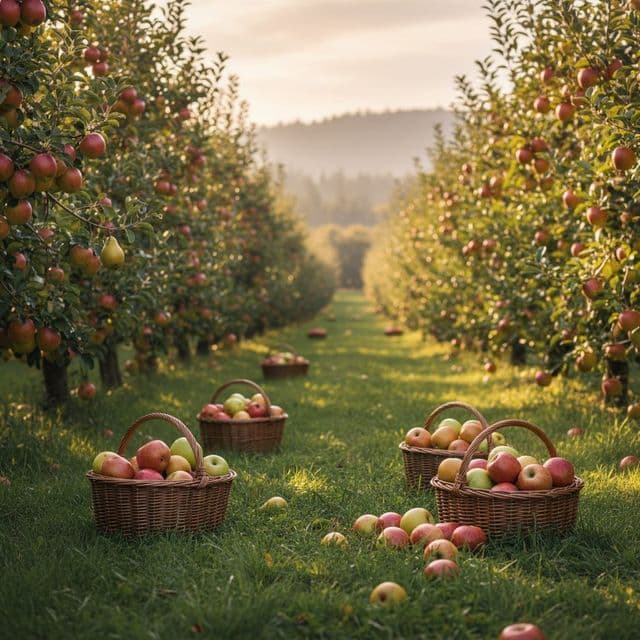
Learn how to dehydrate apples, pears, and stone fruit for year-round storage in USDA Zone 6. Preserve your harvest, reduce waste, and enjoy nutrient-dense snacks. Get tips on fruit selection, prepa…
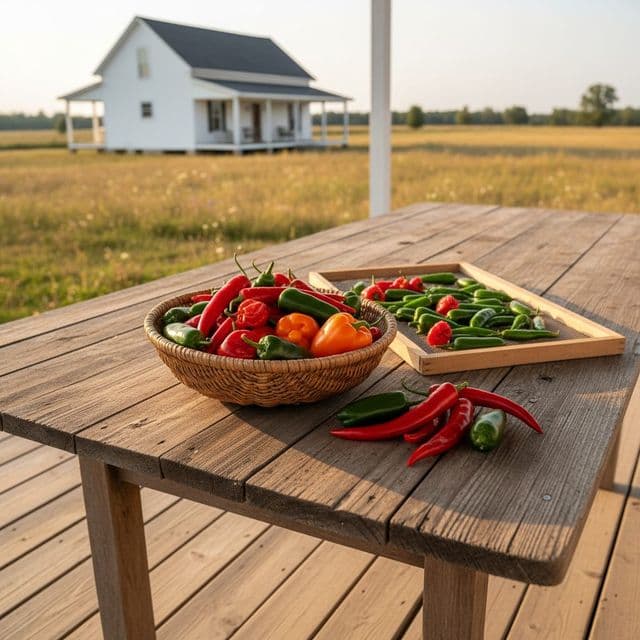
Learn how to extend your chili pepper harvest for up to two years with reliable drying and powdering techniques. Preserve flavor, heat, and reduce waste with our guide.
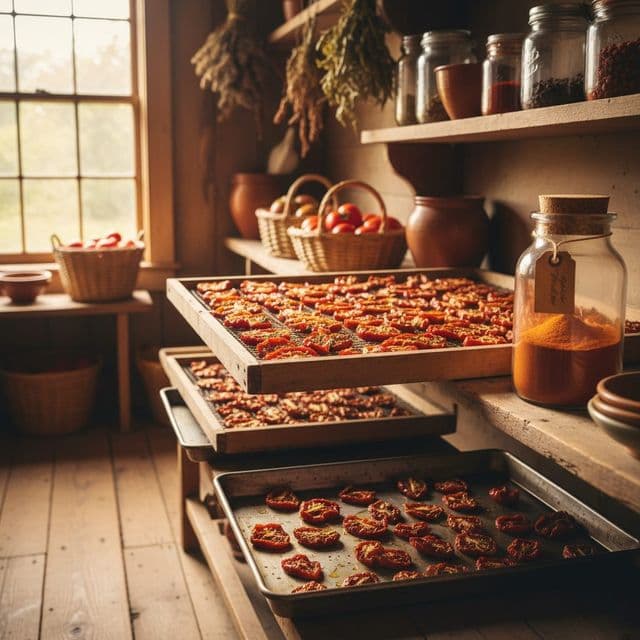
How to dehydrate tomatoes to extend shelf life up to 12 months, concentrate flavor, and reduce storage volume, with practical techniques for oven and sun drying.
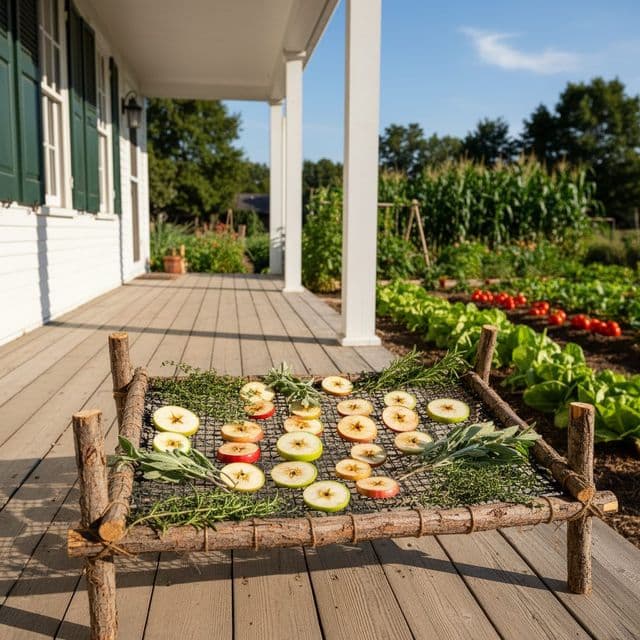
Explore effective food drying methods: sun, electric dehydrator, and oven. Learn how to preserve your harvest, extend shelf life, and reduce food waste for year-round self-sufficiency.
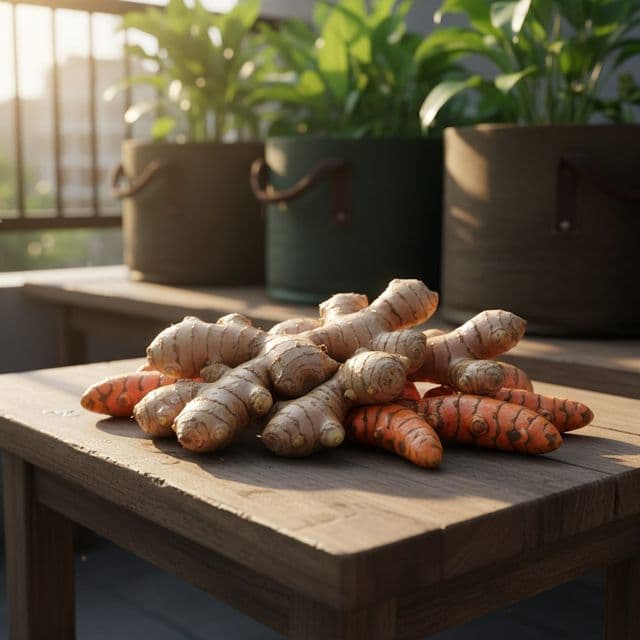
How to harvest and cure container-grown ginger and turmeric, with conditions for curing at 75-85°F and storing rhizomes for months in cooler US climates.
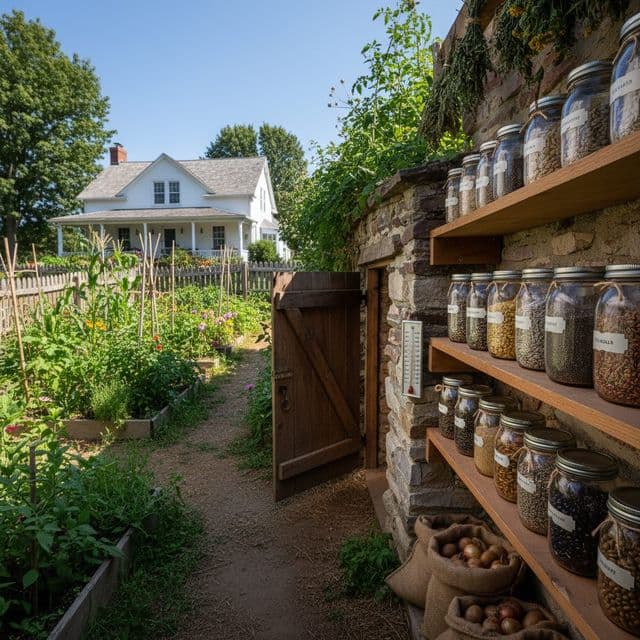
Learn critical environmental controls for long-term seed storage. Discover ideal temperatures (35-40°F), humidity (30-40%), and drying techniques to extend seed viability for years, ensuring succes…
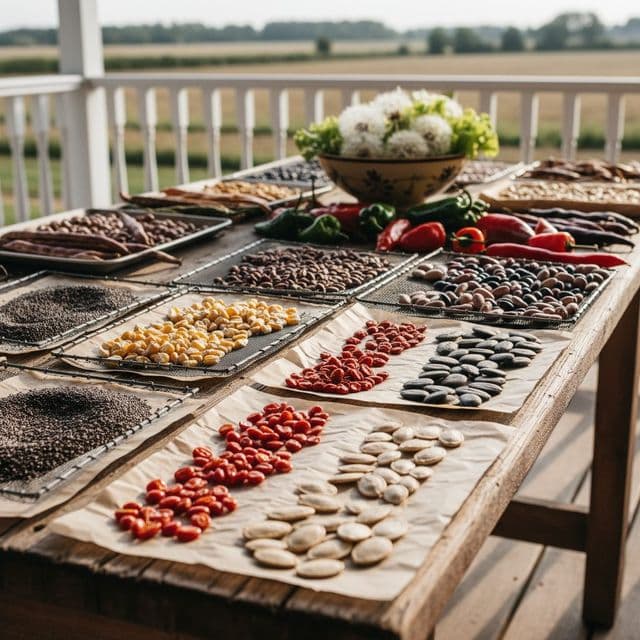
How to save seeds from tomatoes, beans, peppers, and lettuce, covering fermentation, drying, and storage techniques for US homesteaders.
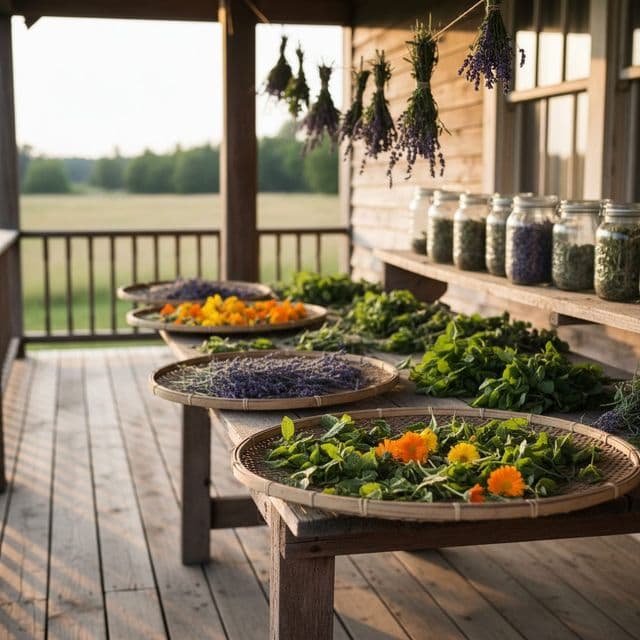
Learn essential techniques for harvesting, drying, and storing medicinal herbs to maximize potency. Our guide covers optimal timing, methods, and storage tips for effective medicinal herb preservat…
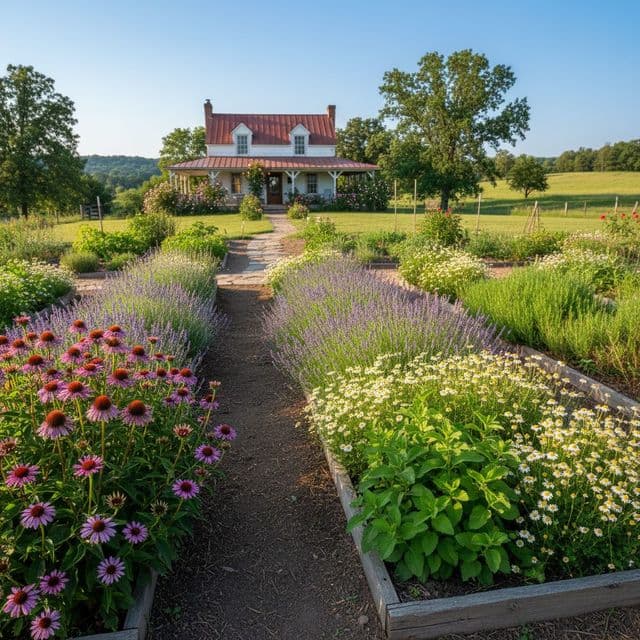
Cultivating a medicinal herb garden provides ingredients for immune-boosting and calming teas. Twelve herbs thrive across USDA zones 4-9, with straightforward methods for growing, drying, and blend…
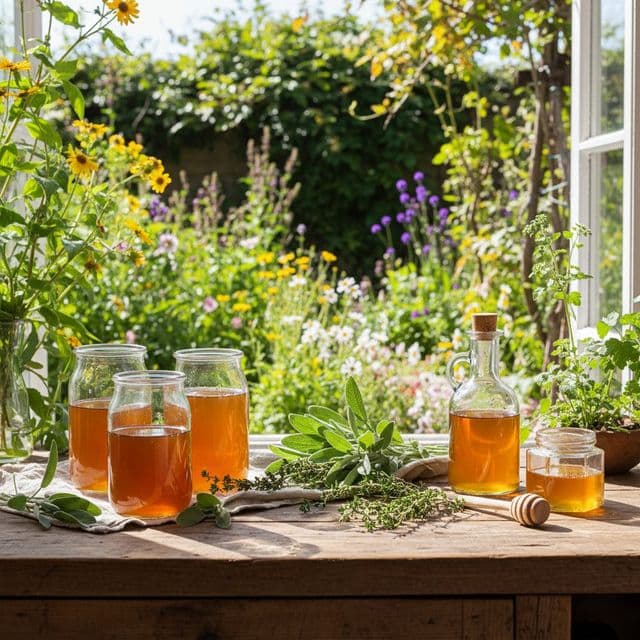
Learn to craft potent vinegar-and-honey herbal remedies like oxymels and fire cider at home. Discover recipes, storage tips, and how to save 25%+ on wellness products from your garden.
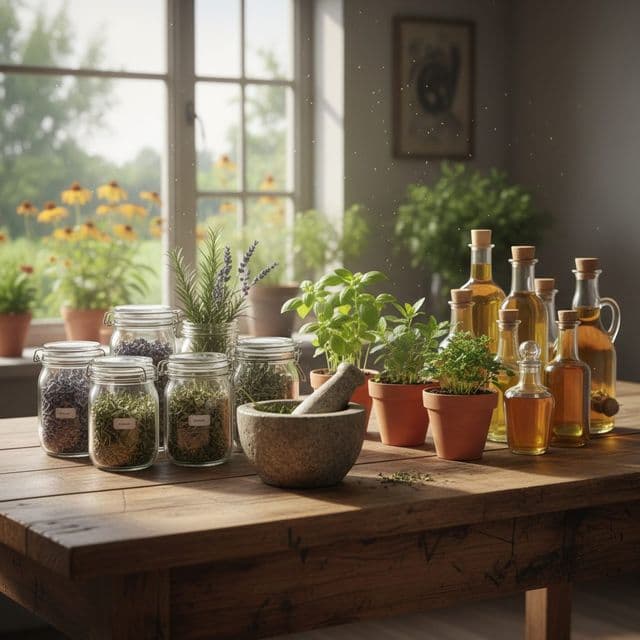
Discover how to cultivate a medicinal herb garden in USDA Zone 6 for effective home remedies. Learn to make infused honeys, oils, and syrups for wellness.
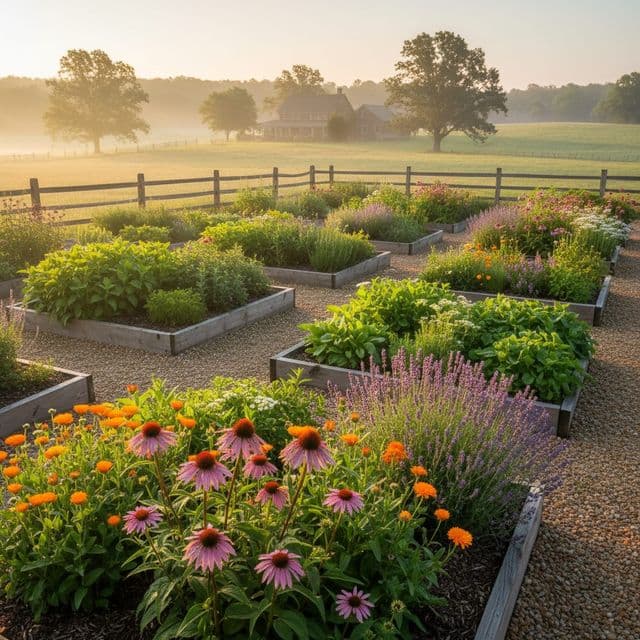
Master crafting potent herbal tinctures for your home apothecary. Learn precise extraction ratios, choose the right menstruum, and ensure long shelf life with proper storage.
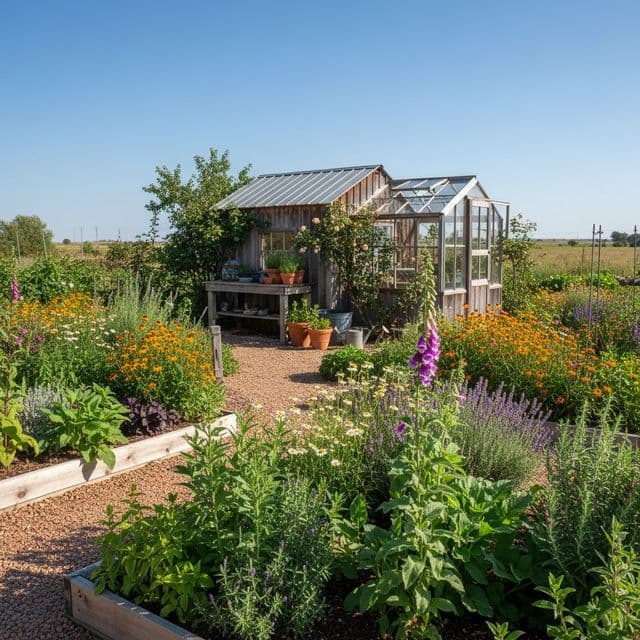
Cultivate a thriving medicinal herb garden in your backyard. Learn how to select, plant, and preserve 15+ useful species across USDA zones 4-9 for a home apothecary.
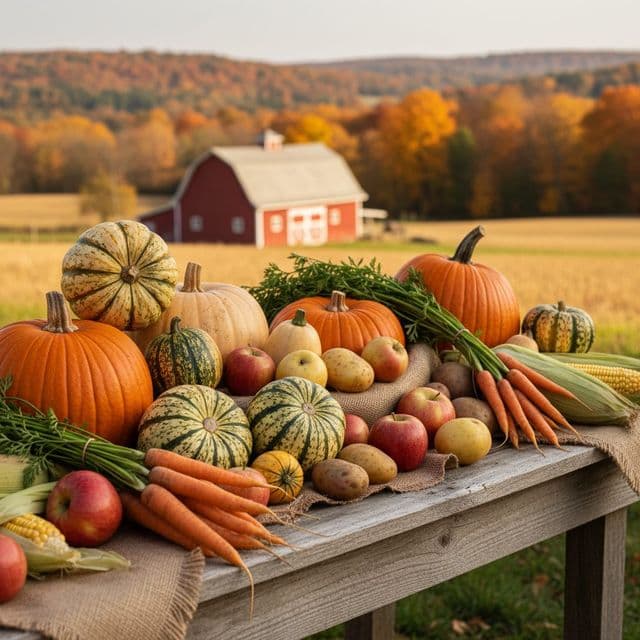
Techniques for handling garden gluts in USDA Zone 6, including fermenting, dehydrating, curing, and root cellar storage to extend the harvest and prevent waste.
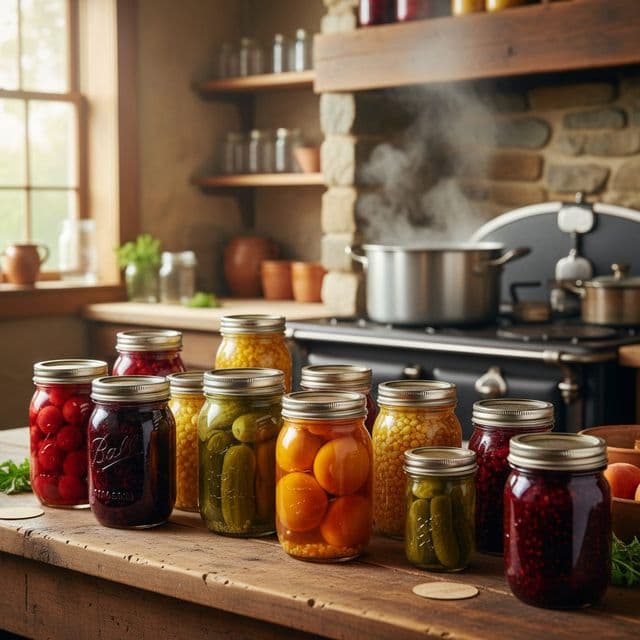
Master safe canning practices for water-bath and pressure canning. Learn essential tips to preserve fruits, vegetables, and meats, avoiding botulism and common mistakes.
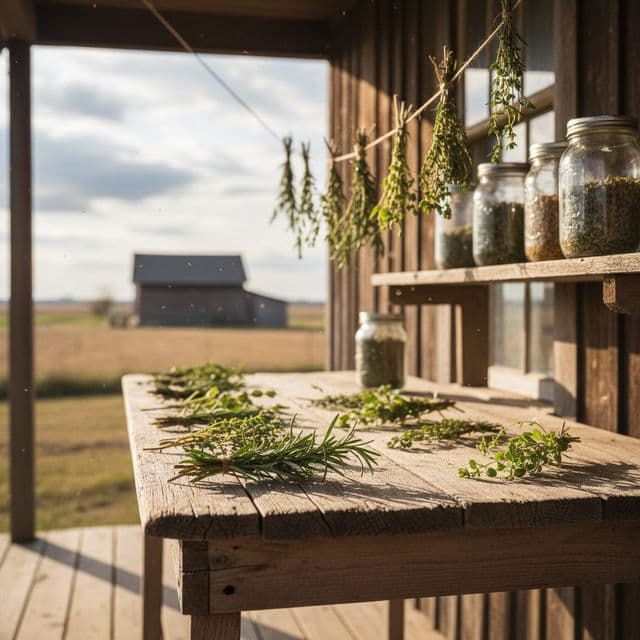
Learn how to dry garden herbs and aromatics for peak flavor & potency. Discover optimal harvesting, air drying, and dehydrator techniques to preserve your harvest and save money.
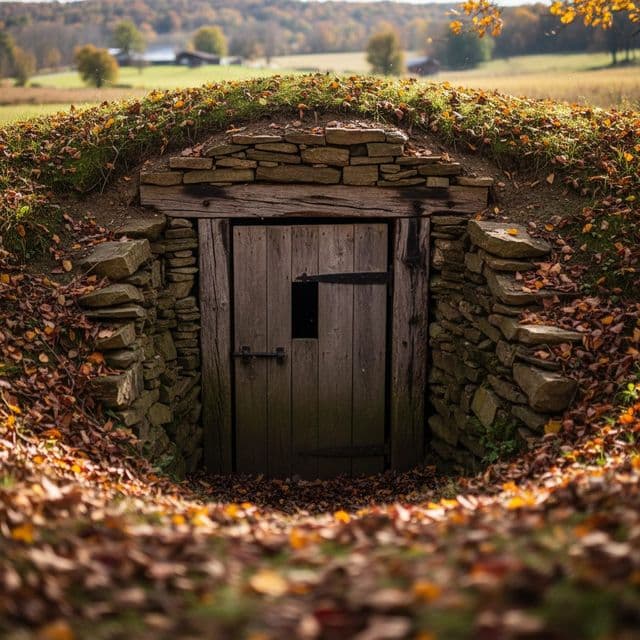
Store harvested crops for up to 10 months in USDA Zone 6 using no-power root cellaring techniques that regulate temperature, humidity, and ventilation.
Make homemade vinegar, kombucha, and pickles to preserve food at home and save money on groceries. Methods and recipes for reliable fermentation.
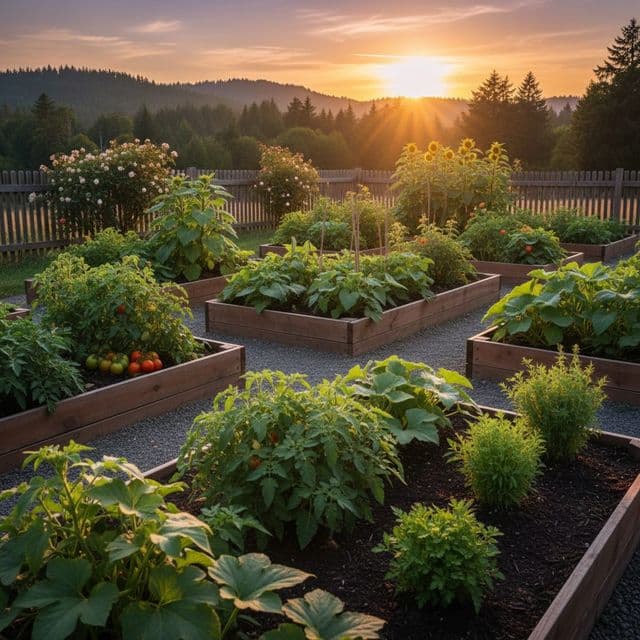
Learn to dehydrate your garden harvest for long-term storage and concentrated flavor. This guide covers temps, prep, and drying tomatoes, peppers, and herbs in USDA Zone 6.
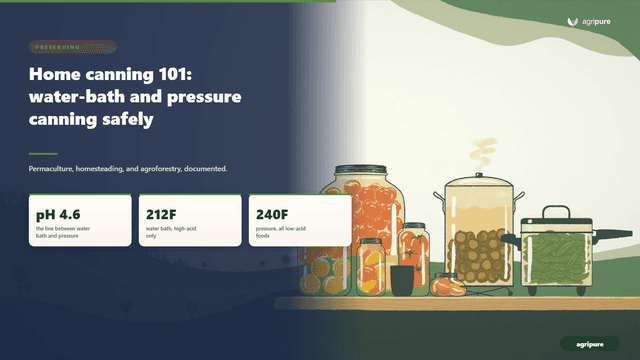
Home canning safely: when to water-bath vs pressure can, the pH 4.6 line, why low-acid foods need pressure, tested recipes, headspace, altitude, and spoilage signs.
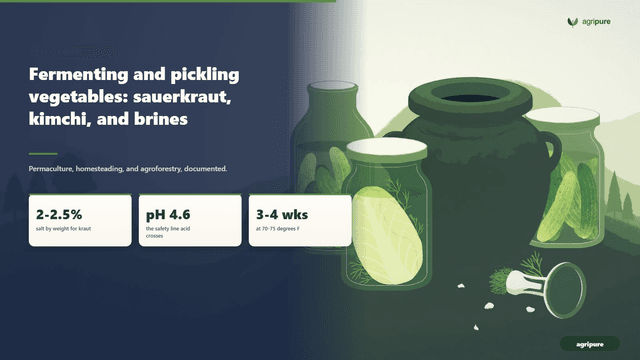
Lacto-fermenting vs vinegar pickling vegetables: why ferments are safe below pH 4.6, sauerkraut salt by weight, kimchi and brined pickles, gear, and troubleshooting.
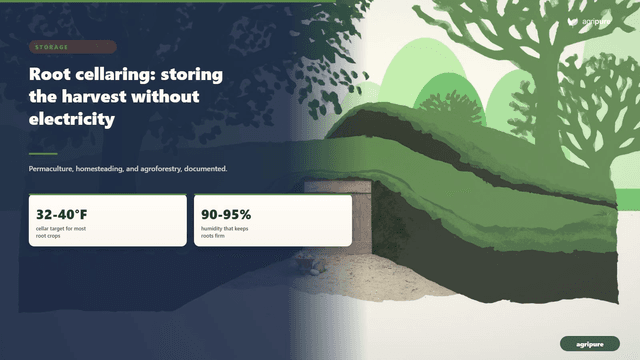
How to build and use a root cellar: the four conditions to manage (32-40F, humidity, dark, airflow), which crops store at what temperature, curing, and the ethylene rule.