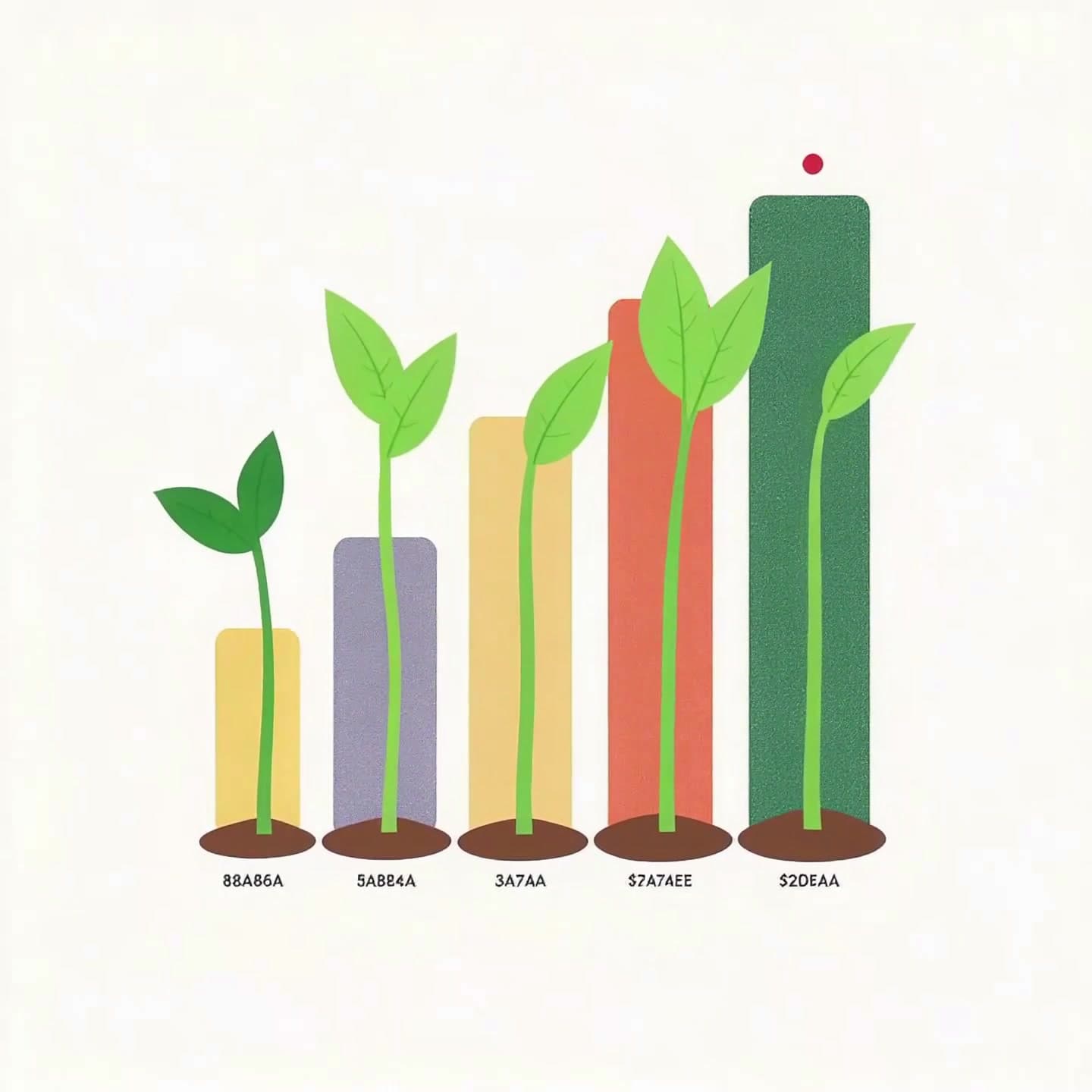
What to plant in May in the US: by USDA zone
What to plant in May across the United States, structured by USDA hardiness zone bands to account for local frost dates and regional climate variations.
Tag
33 articles in this tag on agripure. — page 1 of 2
What to plant in May across the United States, structured by USDA hardiness zone bands to account for local frost dates and regional climate variations.
What to plant in June across the United States, organized by USDA zone bands to account for regional frost dates, summer heat, and succession schedules.
What to plant in July in the US, featuring targeted sowing schedules for USDA zones 3 through 10, succession strategies, and essential summer garden maintenance.
What to plant in July in Canada depends heavily on your plant hardiness zone. While northern regions must focus on quick-maturing greens, southern and coastal growers can direct-sow root crops, bra…
August is the critical transition month for starting fall and winter crops across US climate zones, from quick-growing northern greens to southern second-season transplants.
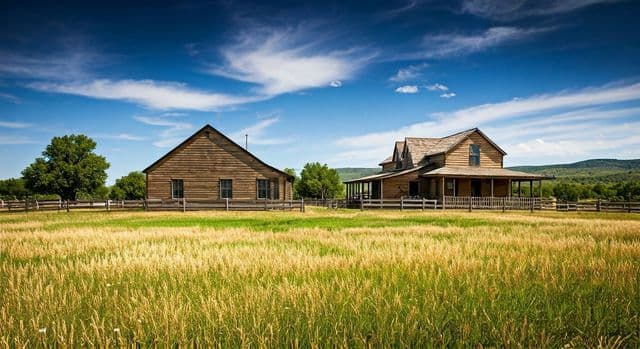
Turn your high-rise balcony into a pollinator garden. Learn how to select plants, containers, and manage microclimates to attract bees, butterflies, and hummingbirds in USDA Zone 7.
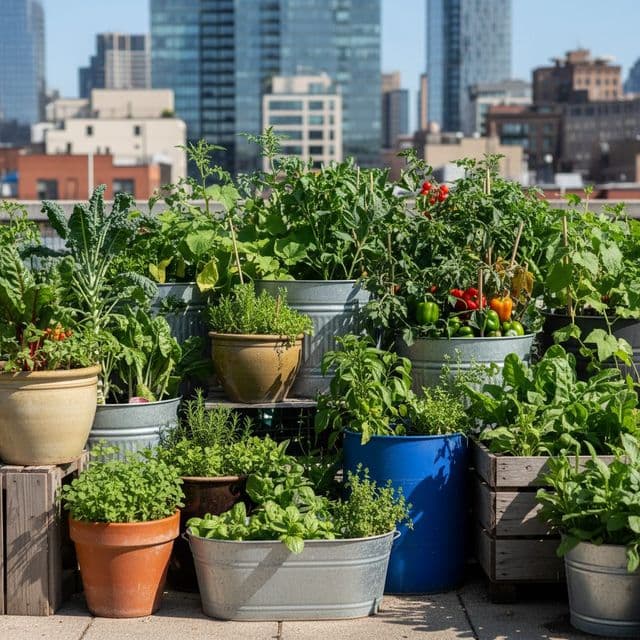
Master container vegetable gardening. Learn to time cool and warm season crops by USDA zone for maximum yield. Perfect for small spaces, balconies, and urban gardens.
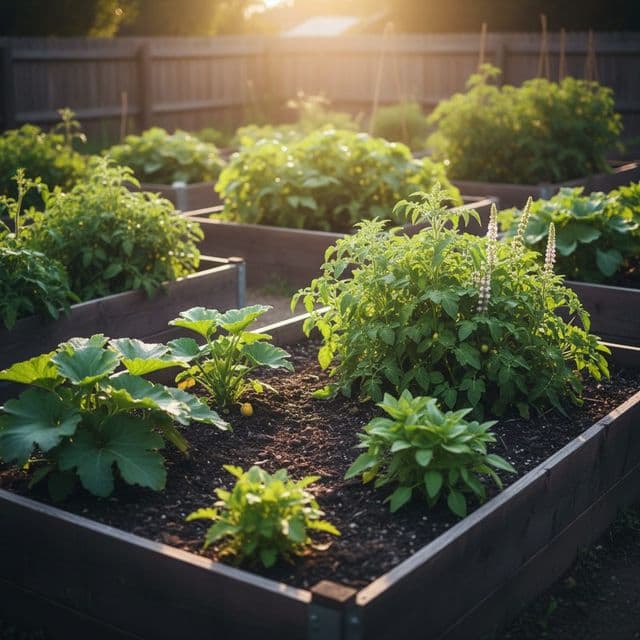
Master your garden with effective seed library organization. Learn to categorize seeds by sowing date, use USDA zones & frost dates, and implement succession planting for a bountiful harvest.
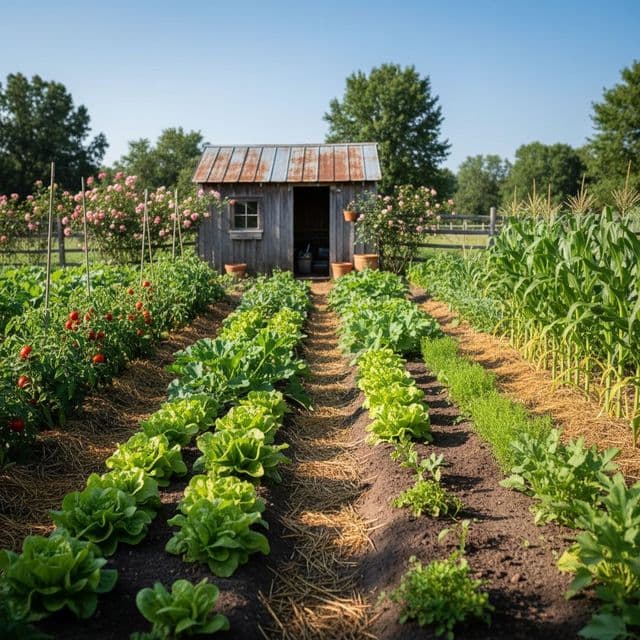
Understand open-pollinated vs hybrid seeds for resilience in USDA Zone 6. Learn how seed choice impacts crop rotation, succession planting, and long-term garden productivity.
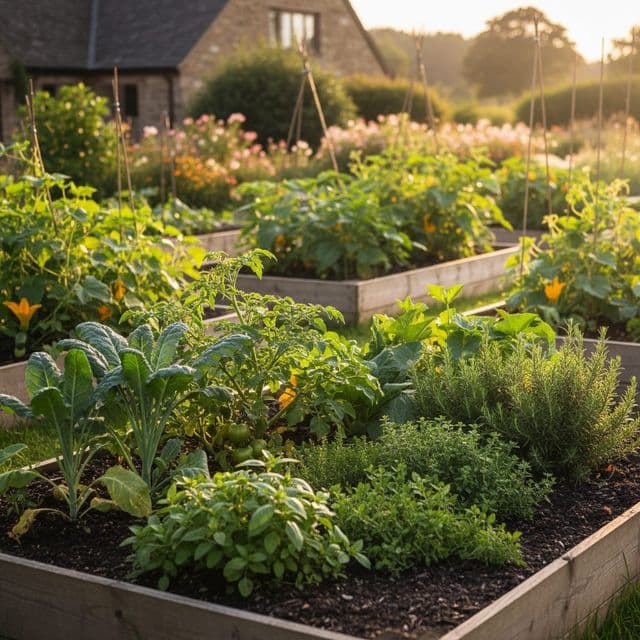
Learn how to properly harden off transplants to prevent shock and boost survival rates by 25-40%. Master this critical step for successful gardening in USDA Zone 6 and beyond.
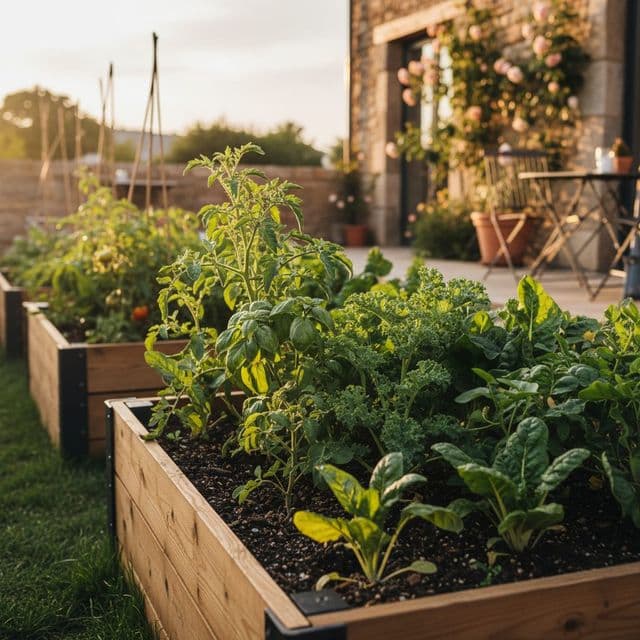
Maximize garden yields by choosing direct sow vs transplant. Learn which method suits root vegetables, warm-season crops, and your USDA Zone for a more bountiful harvest.
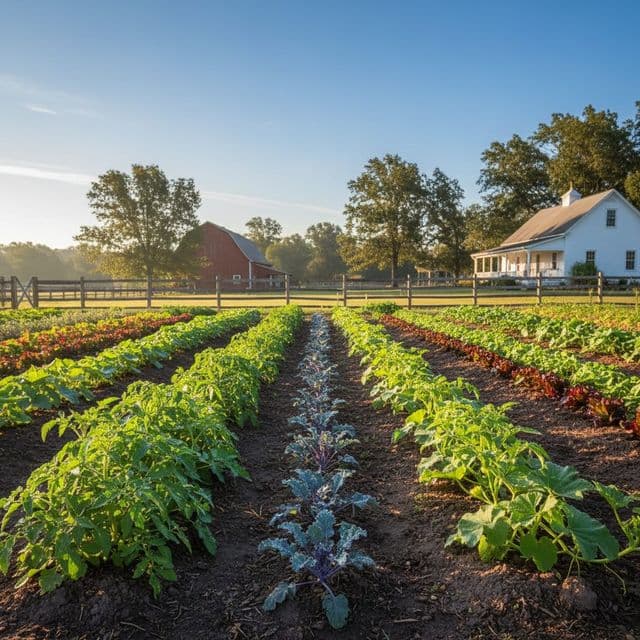
Thin carrot seedlings to 3-inch spacing in USDA Zone 6 to improve root size, reduce disease, and support succession planting.
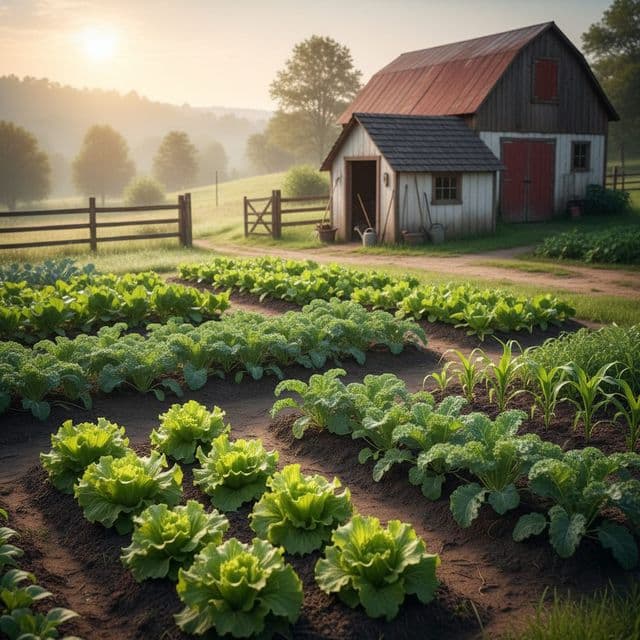
Optimize weed management timing with strategic sowing dates. Learn how crop rotation, succession planting, and USDA zone calendars reduce weed pressure by up to 50% in Midwest wheat fields.
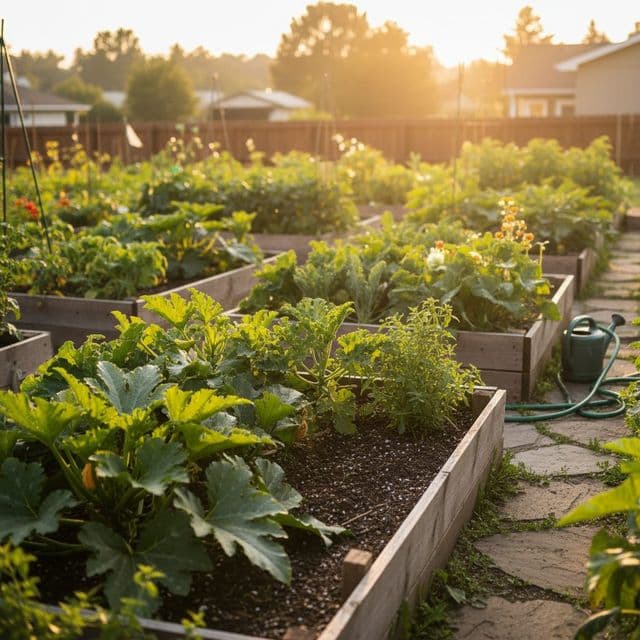
Bridge the summer gap in USDA Zone 6 with heat-tolerant crops, succession planting, and crop rotation. Maximize harvests even in 90°F heat.
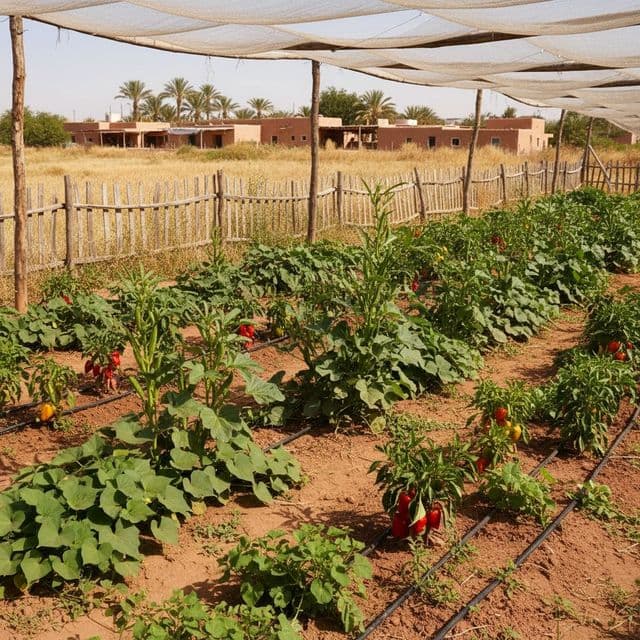
How to use a hot-season planting calendar in USDA Zones 8-10, covering crop rotation, succession planting, and heat management for continuous harvests in Florida & California.
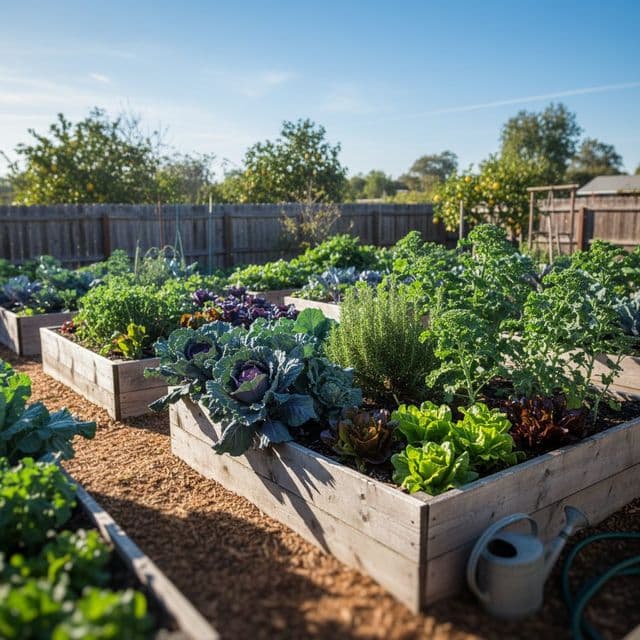
Don’t let bolted crops go to waste! Learn how to salvage bolted crops for compost, animal feed, or seeds. Discover prevention tips like succession planting and crop rotation for US growers in USDA…
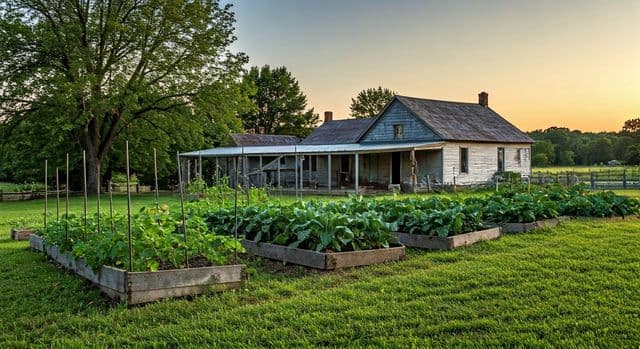
Prevent premature bolting in lettuce & spinach across USDA zones 3-9. Learn strategic shade, watering, and planting techniques to extend your harvest and keep greens fresh.
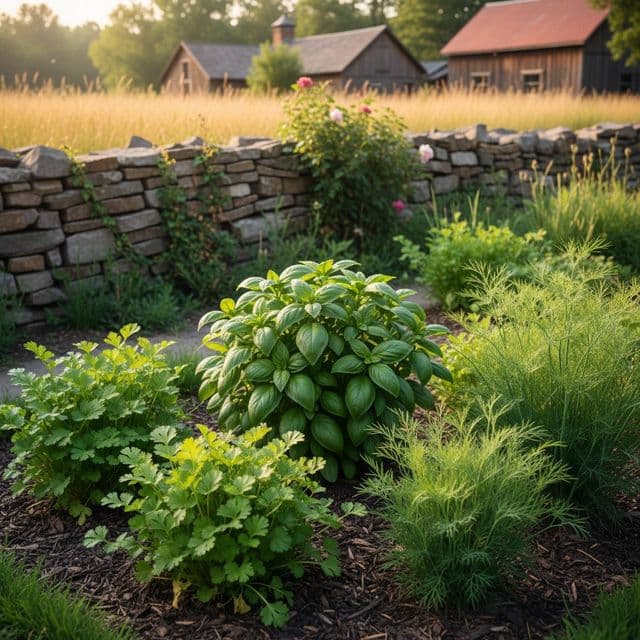
Learn how to prevent herb bolting in cilantro, basil, and dill. Use succession planting, crop rotation, and shade to extend your fresh herb harvests by weeks, especially in USDA Zone 7.
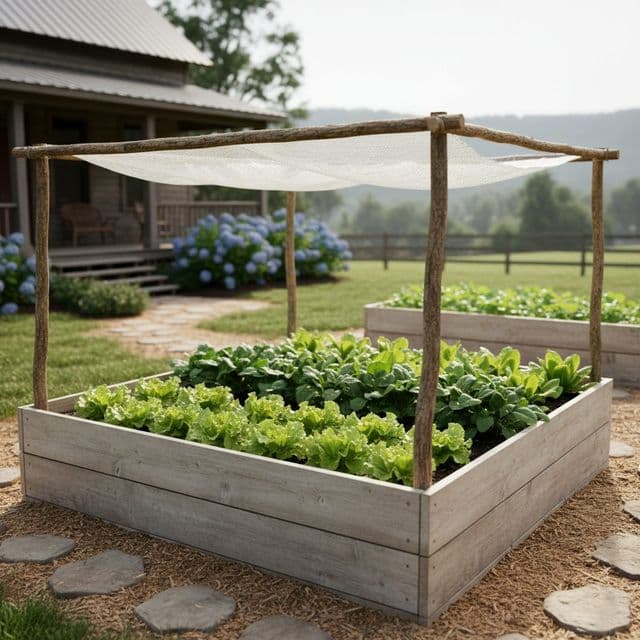
Master strategies to prevent lettuce and spinach bolting in USDA Zones 3-9. Learn succession planting, shade, and variety selection for continuous, tender greens all season.
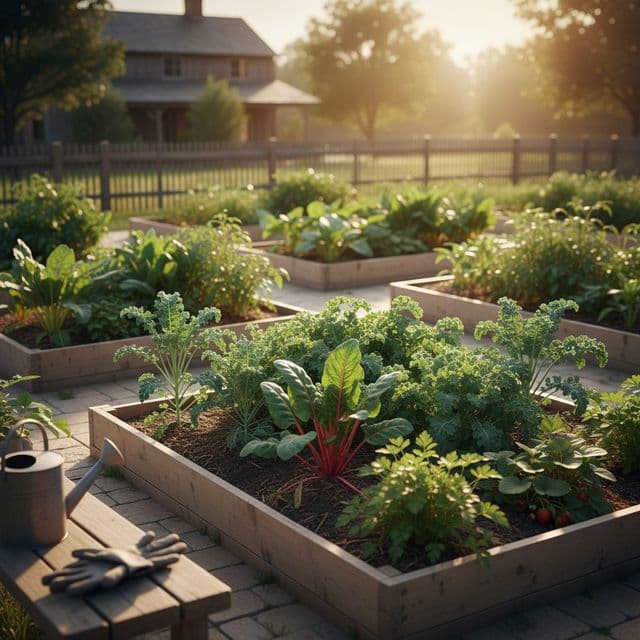
Learn how to prevent bolting in lettuce, spinach, and other cool-season crops. Understand triggers like heat and day length, and apply strategies to maximize your garden’s harvest.
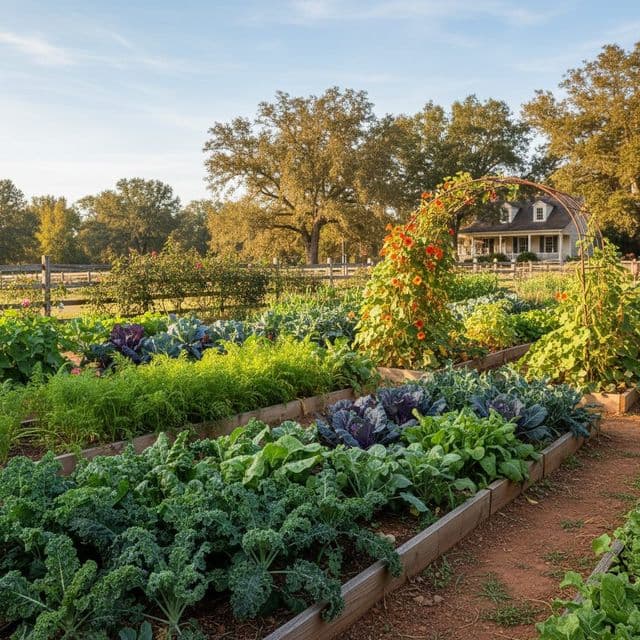
Plan a second growing season in the Deep South and Gulf Coast with crop rotation, succession planting, and a planting calendar for USDA Zones 8-10 fall gardening.
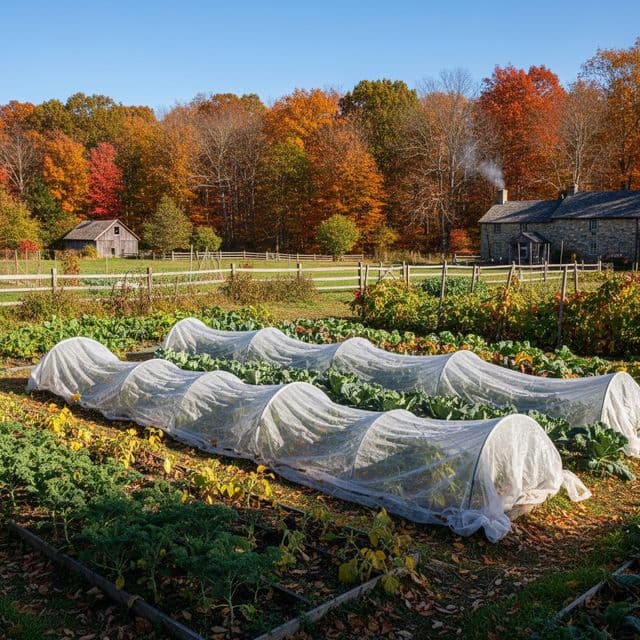
Learn how to extend your fall harvest by 45 days in USDA zone 6 using row covers, low tunnels, and cold frames. Maximize yields with strategic crop rotation and succession planting.
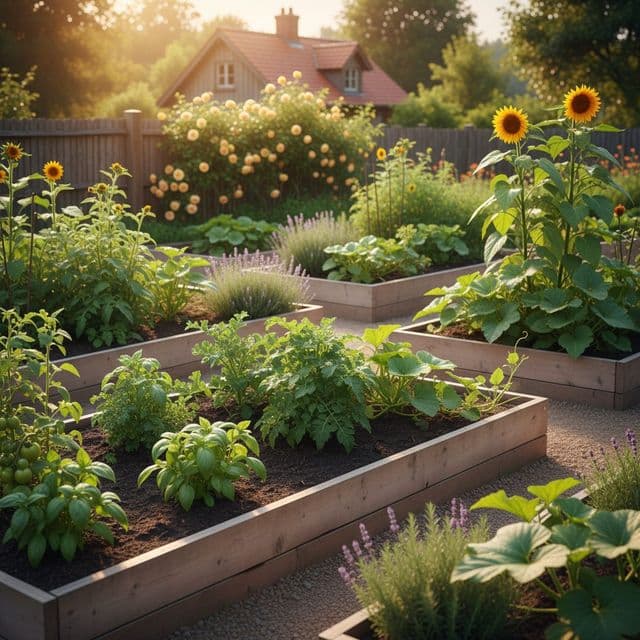
Learn to overwinter crops like garlic, spinach, kale, and mache. Extend your harvest by weeks, improve soil health, and keep garden beds productive in USDA zones 4-8.
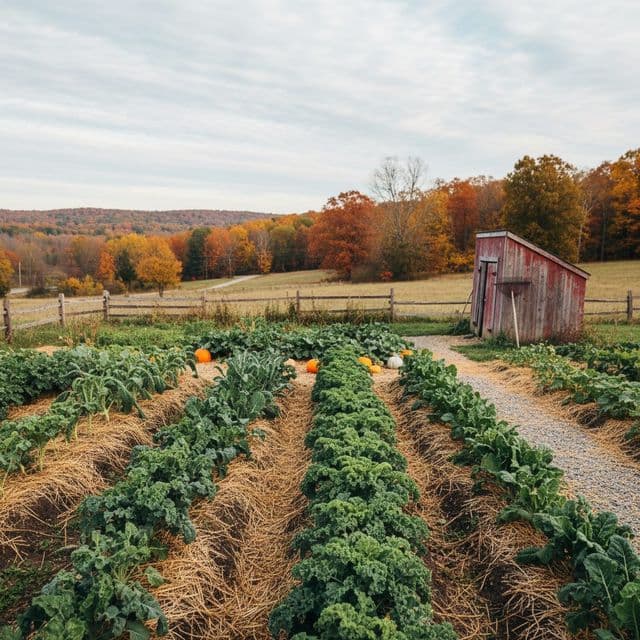
Master fall planting by calculating dates backward from your first frost. Learn to select cold-hardy crops, improve soil health, and extend your harvest in USDA Zone 6 and beyond.