Key takeaways
- Cool-season crops thrive in temperatures between 45°F and 75°F, ideal for early spring and late fall planting.
- Warm-season crops require soil temperatures above 60°F and air temperatures consistently above 65°F, typically planted after the last frost.
- Your USDA plant hardiness zone dictates specific planting windows, influencing when to start seeds and transplant seedlings.
- Proper container size, drainage, and a high-quality potting mix are crucial for success with both crop types.
- Succession planting and season extension techniques spread the harvest across more of the year and add weeks at both ends of the season.
- Monitoring soil moisture with a reliable tool helps prevent common container gardening issues like over or under-watering.
Quick answer: To maximize container vegetable yields, gardeners should time planting cool-season crops (45-75°F) in early spring/late fall and warm-season crops (above 65°F) after the last frost, guided by their specific USDA Plant Hardiness Zone.
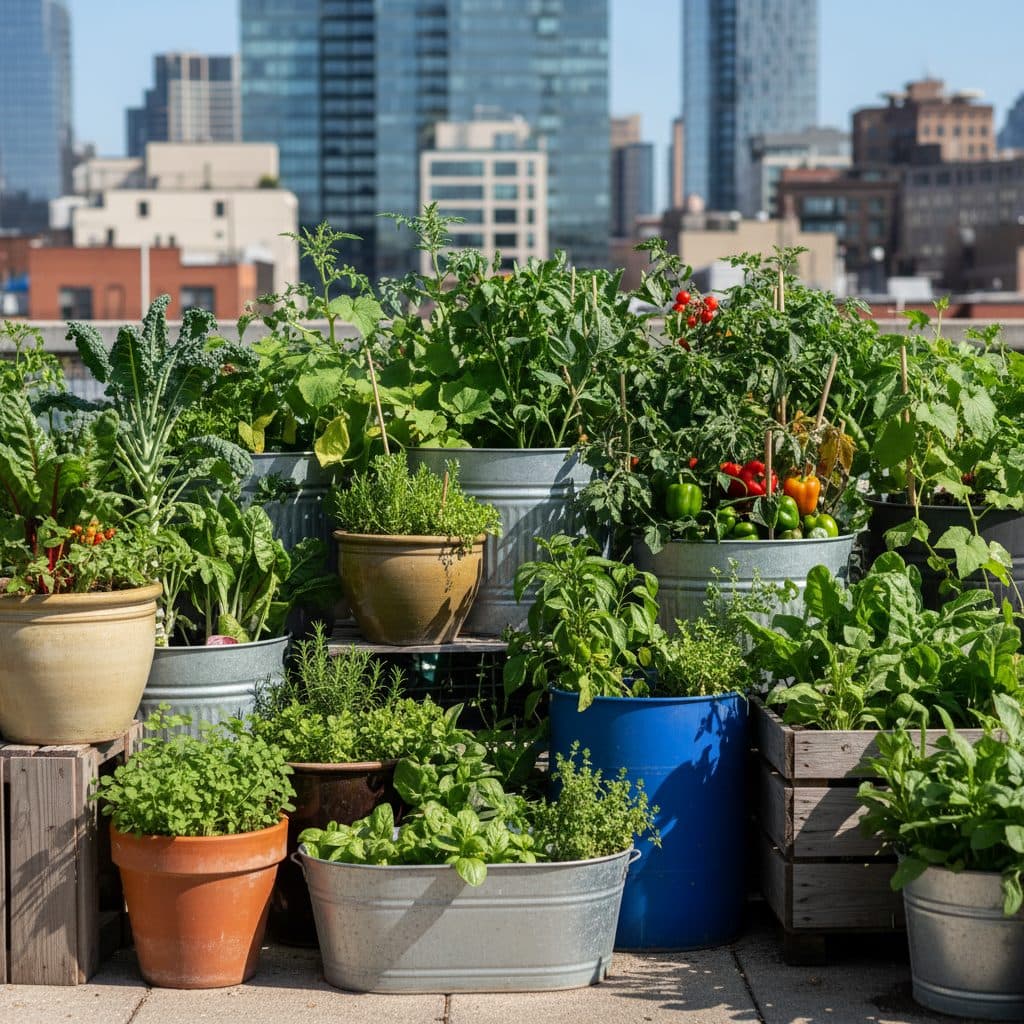
In the United States, millions of home gardeners utilize containers to grow fresh produce, especially in urban areas like New York City or on balconies in Los Angeles. This approach allows for gardening in limited spaces, from small patios to expansive rooftop plots, where in-ground beds are not an option at all. The key to a productive container garden, regardless of your location in USDA zone 4 or zone 10, lies in understanding the fundamental difference between cool-season and warm-season crops.
Knowing which crops prefer cooler temperatures and which demand summer heat is crucial for successful planting and harvesting throughout the year. For instance, planting tomatoes in early spring in Minnesota (USDA zone 4) will likely lead to failure, just as planting lettuce in July in Arizona (USDA zone 9) will result in bolting. This article will guide you through selecting and timing your container plantings based on your specific USDA zone.
Understanding cool-season crops for containers
Cool-season crops are those that perform best when average daytime temperatures range from 45°F to 75°F. These plants often tolerate light frosts down to 28°F to 32°F, making them excellent choices for early spring and late fall planting in many regions. For instance, in USDA zone 6, you can typically plant spinach and lettuce as early as March, often yielding a first harvest by late April. These crops tend to bolt, or go to seed, quickly once temperatures consistently climb above 80°F, which can reduce their flavor and texture.
optimal conditions for cool-season container plants
To maximize your cool-season container harvest, ensure your pots offer adequate drainage and are filled with a rich, well-draining potting mix. A container at least 6 inches deep is generally sufficient for most leafy greens. Consider using a soil moisture meter to maintain consistent moisture levels, as cool-season crops prefer steady hydration. For example, in a 10-inch container, you might need to water every two to three days during a dry spring in USDA zone 7.
- Spinach: Thrives in 50°F to 65°F, can be harvested in 30-45 days.
- Lettuce: Prefers 45°F to 70°F, ready in 40-60 days.
- Radishes: Quick growers, mature in 20-30 days, ideal at 50°F to 65°F.
- Broccoli: Needs 60-90 days, best at 60°F to 70°F for head formation.
- Peas: Grow well in 60°F to 75°F, producing pods in 60-70 days.
Maximizing warm-season container harvests
Warm-season crops are sun-loving plants that require consistent heat, typically performing best when daytime temperatures are above 65°F and soil temperatures are above 60°F. These crops are sensitive to frost and should only be planted after all danger of frost has passed in your specific USDA zone. For example, gardeners in USDA zone 5 usually wait until late May or early June to plant tomatoes and peppers, while those in USDA zone 9 might start in April. These plants often need at least 6 to 8 hours of direct sunlight daily to produce a good harvest.
container considerations for warm-season plants
Warm-season crops, especially those that produce fruit like tomatoes or squash, often require larger containers than their cool-season counterparts. A 5-gallon bucket (about 12 inches in diameter) is a minimum for a single tomato plant, while peppers can do well in 3-gallon pots. Due to their higher water demands in warm weather, these plants may need daily watering, sometimes twice a day during peak summer heat in regions like Florida (USDA zone 9b). Using a good quality potting mix that retains moisture but still drains well is vital. Ensure your containers have ample drainage holes – at least three to five 0.5-inch holes are recommended for a 5-gallon pot.
- Tomatoes: Need 60-90 days to fruit, thrive above 65°F.
- Peppers: Require 60-100 days, optimal at 70°F to 85°F.
- Bush Beans: Produce in 50-60 days, best at 65°F to 80°F.
- Cucumbers: Mature in 50-70 days, prefer 70°F to 90°F.
- Eggplant: Needs 65-80 days, grows well at 70°F to 85°F.
Planning your container garden by USDA zone
The USDA Plant Hardiness Zone Map is an essential tool for any gardener, dividing the United States into 13 zones based on average annual extreme minimum winter temperatures [5]. While primarily used for perennial plants, these zones also provide a strong indication of your local frost dates, which directly impact when you can safely plant cool-season and warm-season annual vegetables. For instance, gardeners in USDA zone 4 might have a last frost date in late May, while those in USDA zone 8 could see their last frost in late March. This difference of two months significantly alters planting schedules. Understanding your zone helps determine when to start seeds indoors, when to transplant, and when to plan for successive plantings.
typical planting windows across zones
In colder zones, like USDA zone 5, you might only get one good harvest window for many cool-season crops before summer heat sets in, and a second in late summer for a fall harvest. Conversely, in warmer zones, such as USDA zone 9 or 10 in California or Florida, you might be able to grow cool-season crops throughout the winter months, from October through April, and then switch to warm-season crops for the intense summer. For those new to gardening, checking local extension office resources for specific frost dates in your county can be incredibly helpful. This foundational knowledge is part of vegetable gardening for beginners. For example, in USDA zone 7, you can often plant cool-season crops like kale in early March, harvesting until June, then transition to warm-season crops, and replant kale in late August for a fall harvest.
- USDA Zone 3-5: Short growing season, focus on early spring and late summer cool-season crops.
- USDA Zone 6-7: Two distinct cool-season windows (spring and fall), clear warm-season period.
- USDA Zone 8-9: Longer warm-season, cool-season crops can often grow through winter.
- USDA Zone 10-11: Nearly year-round gardening, with specific adjustments for intense summer heat.
- Coastal California (Zone 9-10): Mild winters allow for continuous cool-season production.
Container selection, soil, and watering strategies
Choosing the right container is as important as selecting the right seeds. Containers come in various materials, including plastic, terracotta, and fabric grow bags, each with its own benefits and drawbacks. Plastic pots retain moisture longer than terracotta, which is porous and dries from every surface. Fabric grow bags offer excellent aeration and air-prune roots at the wall instead of letting them circle. Regardless of material, ensure your containers have sufficient drainage holes; at least three 0.5-inch holes for a 1-gallon pot are a good baseline to prevent waterlogging.
potting mix and moisture management
A high-quality potting mix is crucial for container success. Unlike garden soil, potting mix is designed to be lightweight, well-draining, and provide adequate aeration for roots. Avoid using heavy garden soil, which compacts in containers and restricts root growth and drainage. A good mix often contains peat moss or coco coir, perlite or vermiculite, and compost. For watering, a soil moisture meter is an invaluable tool, especially for new gardeners, helping to gauge when plants truly need water. For example, a 12-inch container in full sun in USDA zone 8 might need 0.5 to 1 gallon of water daily during a heatwave, while in cooler weather, it might only need water every three days.
- Container Size: Match pot size to mature plant size; 1-3 gallons for herbs, 5-10 gallons for tomatoes.
- Drainage: Essential for root health; ensure adequate holes to prevent water accumulation.
- Potting Mix: Use a high-quality, lightweight, well-draining mix, not garden soil.
- Watering Frequency: Varies by plant, container size, weather, and material; check daily.
- Fertilization: Container plants need more frequent feeding, typically every 2-4 weeks, as nutrients leach out.
Extending the season and succession planting for continuous harvests
To maximize your container garden’s output, especially in regions with shorter growing seasons like USDA zone 5, consider season extension techniques and succession planting. Season extension involves using tools like cloches, row covers, or mini-greenhouses to protect plants from early frosts or late-season chills, effectively adding weeks to both ends of your growing period. For instance, a lightweight floating row cover typically buys a few degrees of frost protection, enough to let you plant hardy greens a couple of weeks earlier in spring. In warmer zones, like USDA zone 9, shade cloths can reduce heat stress on warm-season crops, preventing bolting and sunburn when temperatures exceed 90°F.
the power of staggered planting
Succession planting means staggering your plantings of the same crop every 2-3 weeks to ensure a continuous harvest rather than a single large yield. For example, instead of planting all your radish seeds at once, sow a small batch every two weeks. This strategy is particularly effective for fast-growing cool-season crops like radishes, spinach (how to grow spinach), and lettuce, which mature in 30-60 days. It keeps a steady supply coming instead of concentrating everything into one glut. Even for warm-season crops like bush beans, planting every 3 weeks can provide a steady supply. This method also helps manage pests and diseases by providing a fresh rotation of plants. For more ideas on maximizing your garden space, consider exploring living mulch and cover crop legumes for no-dig beds.
- Cloches and Row Covers: Protect against frost, extending cool-season crop windows by 2-4 weeks.
- Shade Cloths: Reduce heat stress for warm-season crops in hot climates, preventing bolting.
- Succession Planting: Stagger plantings every 2-4 weeks for continuous harvest of quick-maturing crops.
- Indoor Seed Starting: Start warm-season crops indoors 6-8 weeks before the last frost to get a head start.
- Cold Frames: Provide significant protection, allowing cool-season crops to grow through mild winters in USDA zone 6-7.
Cool-Season vs. Warm-Season Container Crops: Key Differences
Feature | Cool-Season Crops | Warm-Season Crops |
|---|---|---|
Optimal Temperature Range | 45°F to 75°F | 65°F to 90°F |
Frost Tolerance | Tolerates light frost (down to 28°F) | Highly sensitive to frost (damaged below 32°F) |
Sunlight Needs | 4-6 hours direct sun (can tolerate partial shade) | 6-8+ hours direct sun |
Planting Time (USDA Zone 6) | March-May, August-October | Late May-July |
Typical Harvest Time | Spring, Fall, Winter (warmer zones) | Summer, Early Fall |
Examples | Lettuce, Spinach, Radishes, Broccoli, Peas | Tomatoes, Peppers, Beans, Cucumbers, Eggplant |
Yield Timing: Planting each crop inside its temperature window is what decides whether a container planting produces at all.
Watering Needs: In peak summer heat, a 5-gallon container of a warm-season crop like tomatoes may require 0.5 to 1 gallon of water daily.
Frequently asked questions
What’s the main difference between cool-season and warm-season crops?
The primary difference lies in their preferred temperature ranges. Cool-season crops thrive between 45°F and 75°F, tolerating light frosts, while warm-season crops need consistent temperatures above 65°F and are sensitive to frost below 32°F.
How does my USDA zone affect container planting times?
Your USDA zone reflects average extreme winter lows, not frost dates — Seattle and Dallas share a zone but have very different spring and fall frosts. Use your county frost dates from a local extension office for timing, and treat the zone as a rough guide only. For example, gardeners in USDA zone 5 might plant warm-season crops 4-6 weeks later than those in USDA zone 9.
Can I grow cool-season crops in summer in a warm climate?
It’s challenging. In warm climates like USDA zone 9, cool-season crops will likely bolt quickly when temperatures consistently exceed 80°F. You might get a harvest in early spring or late fall, but summer is generally too hot for them.
What size container is best for a single tomato plant?
For a healthy, productive tomato plant, a container of at least 5 gallons (approximately 12 inches in diameter and depth) is recommended. Larger containers, up to 10-15 gallons, can support even more vigorous growth and larger yields.
How often should I water container plants?
Watering frequency varies significantly based on plant type, container size, material, and weather. During hot summer days in USDA zone 8, some plants in 5-gallon pots might need watering daily, sometimes twice, while in cooler weather, every 2-3 days might suffice.
What is succession planting and why is it beneficial?
Succession planting involves staggering your plantings of the same crop every 2-4 weeks. This method ensures a continuous harvest over a longer period, rather than a single large yield, and can increase your total seasonal output by 30% or more.
References
- Impact of Climate Change on Diseases of Cool Season Grain Legume Crops (2010). Impact of Climate Change on Diseases of Cool Season Grain Legume Crops.
- EVALUATION OF COOL-SEASON ANNUALS EFFECT ON SOIL HEALTH IN WARM-SEASON PERENNIAL PASTURES IN SOUTHESTERN US. (2023). EVALUATION OF COOL-SEASON ANNUALS EFFECT ON SOIL HEALTH IN WARM-SEASON PERENNIAL PASTURES IN SOUTHESTERN US..
- A Guide to Overseeding Warm-Season Perennial Grasses with Cool-Season Annuals (2005). A Guide to Overseeding Warm-Season Perennial Grasses with Cool-Season Annuals.
- Evaluation of cool-season and warm-season intercrops for aphid biological control in organic pecan orchards (2016). Evaluation of cool-season and warm-season intercrops for aphid biological control in organic pecan orchards.
- USDA Natural Resources Conservation Service (2024). USDA Natural Resources Conservation Service.