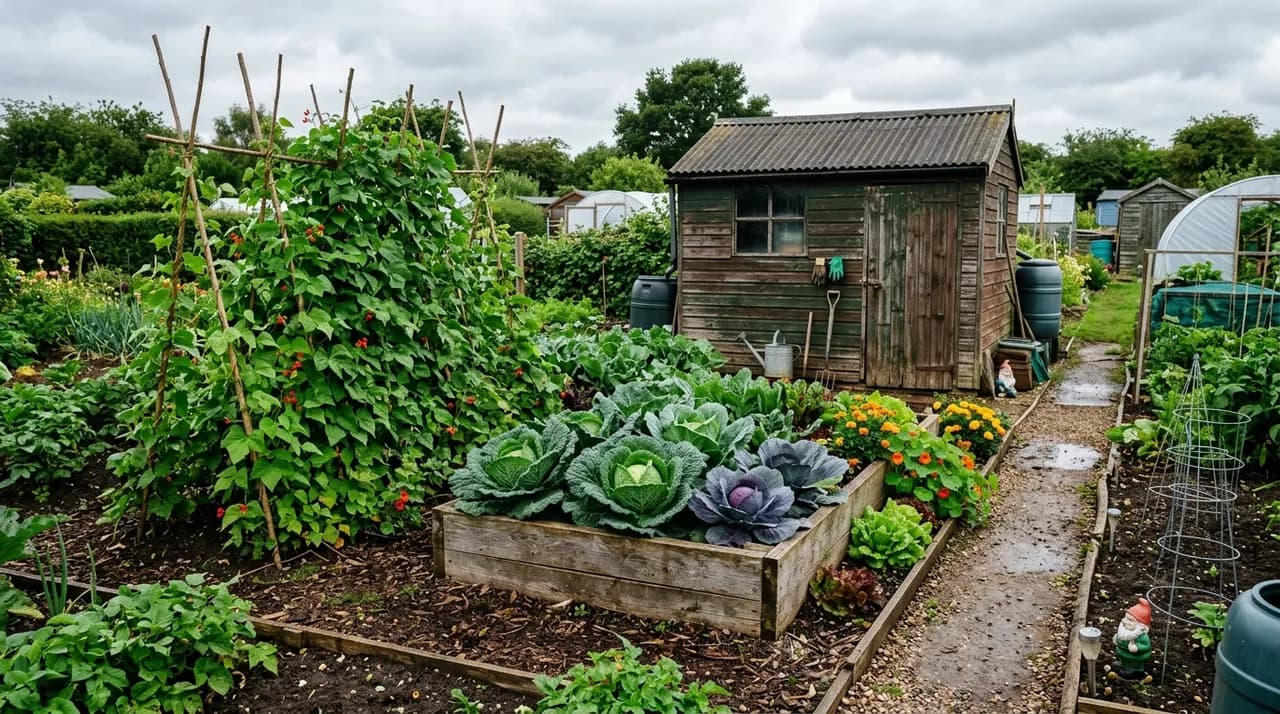
Securing an allotment in the UK offers dedicated space for growing food, connecting with neighbouring growers, and cultivating crops that require more room than a typical back garden allows. Because local councils manage most sites under statutory obligations, availability varies widely between rural parishes and dense urban boroughs, meaning patience and steady preparation are essential. Approaching the application process methodically and planning a realistic first-season workflow helps keep the tenancy manageable and productive.
For growers planning their seasonal schedules across the British Isles, consulting the UK growing hub provides regional context on local soil, weather, and site management.
How the UK allotment allocation system operates
Under British allotment legislation dating back over a century, local authorities (primarily parish, town, district, or borough councils) hold a statutory duty to provide allotment land where there is sufficient demand from local residents. In practice, this means applicants must submit their names to one or more municipal waiting lists, which are usually maintained by council parks departments or delegated allotment associations.
Waiting times vary considerably by geographic region. A rural site with dozens of plots and low turnover may allocate a plot within several months, whereas popular urban allotment sites in London, Bristol, or Manchester frequently maintain waiting lists stretching across multiple years. Some local authorities restrict applicants to sites within their immediate electoral ward, while others allow residents to apply across the wider district. Because tenancy lists turn over continually as existing plot-holders relocate or surrender their tenancies, keep contact details up to date with the allotment secretary so an offer is not missed.
Tenancy agreements outline specific cultivation obligations that every new tenant must observe. Councils typically require that a minimum portion of the plot area is actively cultivated for fruit, vegetables, or cutting flowers within twelve months of takeover. Non-cultivation notices are regularly issued during mid-summer inspections, so understanding the site rules regarding path maintenance, shed structures, bonfire restrictions, and water trough usage is essential before signing the tenancy.
Understanding plot dimensions and traditional measurements
When a council officer or site steward contacts you with an offer, the plot size is frequently described in traditional Imperial units known as rods, perches, or poles. Historically, a standard full-size allotment plot measured ten rods, which equates to approximately 250 square metres or 300 square yards. This traditional dimension was originally calculated in the nineteenth century as the land area required to supply an average working-class family with seasonal vegetables throughout the entire year.
In contemporary practice, many UK councils subdivide standard ten-rod plots into five-rod half plots, especially on sites with long waiting lists. A five-rod plot provides roughly 125 square metres of growing space, which is widely considered an ideal, manageable size for a working individual or a beginner household. Some allotment sites offer even smaller starter parcels or quarter plots, allowing new tenants to build their horticultural routine without the heavy weeding burden of a full plot.
Before formally accepting a plot, walk the boundary lines with the site representative to confirm where the perimeter lies and inspect existing fixtures. Take note of access paths, water tap locations, prevailing wind exposure, and any large boundary hedges or neighbouring trees that may cast substantial shade over the growing zone during summer afternoons.
The first-season reality: handling overgrown ground
Most vacant allotments are not handed over as clean, crumbly, weed-free soil. When a plot is vacated, it has often stood neglected for months or even years, allowing vigorous perennial weeds such as couch grass, creeping buttercup, bindweed, nettles, and brambles to establish dense root networks. Attempting to clear an entire overgrown ten-rod plot by hand in a single weekend is one of the most common causes of tenant burnout and early resignation.
The most reliable strategy for the first three months is phased reclamation:
- Divide and prioritize: Measure the space into distinct zones. Dedicate one quarter of the plot for immediate planting, and leave the remaining three quarters for systematic clearance over the coming autumn and winter.
- Surface suppression: Cut tall brambles and docks down to ground level using heavy shears or a brushcutter. Instead of attempting deep, exhausting rotovation, which chops perennial weed roots into hundreds of propagating fragments, cover the uncleared ground with heavy light-blocking materials. Cardboard layered under woven landscape fabric or silage sheeting starves weed roots of sunlight while keeping the soil underneath moist and friable.
- Establish clear pathways: Mark out permanent paths early. Treaded paths define where you walk and prevent soil compaction on the areas reserved for growing beds. Mulching paths with woodchips or straw keeps walking routes accessible even during wet British autumn weather.
Detailed preparation techniques for newly acquired ground are covered in our guide to allotments for beginners, which outlines practical site reclamation workflows.
Selecting manageable first-year crops
During your initial growing season, your primary goal is establishing momentum, learning the microclimate of the site, and harvesting dependable food without creating an unsustainable maintenance schedule. Delicate, slow-growing vegetables that require constant thinning or weeding can easily become choked if residual weed seeds germinate aggressively in the freshly opened ground.
Hardy, weed-suppressing staple crops are ideal for the first season:
- Maincrop potatoes: Potatoes provide excellent ground cover due to their dense, shading foliage. The physical earthing-up process breaks up compacted surface clods and naturally loosens heavy soil ahead of subsequent plantings.
- Squash and pumpkins: Trailing winter squashes produce wide, umbrella-like leaves that shade out weed seedlings across substantial patches of cleared ground.
- Onion sets and garlic: Autumn- or spring-planted allium sets establish quickly and demand minimal fuss, providing an early harvest that boosts confidence.
- Climbing runner beans and peas: Vertical crops grown on sturdy bamboo cane wigwams make efficient use of vertical space while leaving bed margins free for catch crops like radishes or quick salad greens.
For a broader evaluation of varieties that suit allotment conditions throughout the country, consult our guide on what to grow on an allotment. Tracking the seasonal planting cadence through the UK 12-month calendar also helps match sowings with local frost-free dates and daylight patterns.
Essential site etiquette and long-term success
Allotment sites are cooperative communities governed by shared amenities and unwritten neighbourly norms. Maintaining the grass or earth paths adjoining your boundary, keeping compost heaps contained, and preventing persistent weeds like dandelions from setting seed and drifting into adjacent plots are fundamental responsibilities. Storing tools securely in a sturdy shed, harvesting crops promptly when ripe, and conserving mains water by utilizing rainwater collection butts from your shed roof help establish positive relationships with fellow tenants and site committee members.
Taking on an allotment is a multi-year project of gradual soil improvement and seasonal learning. With steady, incremental bed preparation, you can turn an overgrown parcel into a reliable source of home-grown food.