Key takeaways
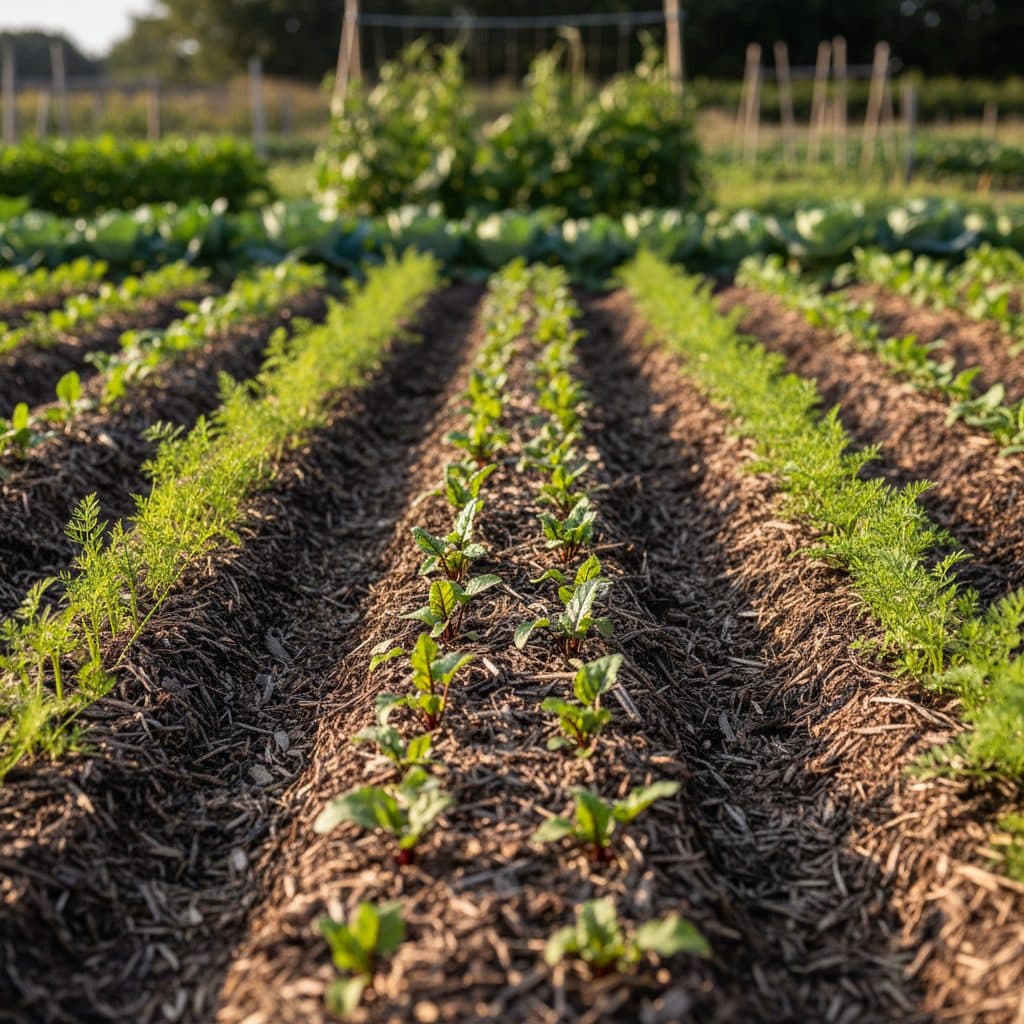
- Direct sow root crops like carrots and beetroot in July for sweet, tender autumn and winter harvests.
- Sow spring cabbage seeds in late July to produce hardy young plants that overwinter for early spring greens.
- Water seed drills deeply before sowing rather than watering the surface afterward to protect fine seeds.
- Cover emerging Asian greens and brassicas with insect mesh to prevent severe flea beetle damage.
- Sow winter salads including lamb's lettuce, winter purslane, and land cress as soil cools toward August.
- Clear spent garlic, broad beans, and first-early potatoes to create immediate space for succession crops.
Quick answer: In July, UK gardeners should sow fast-growing autumn crops and winter-hardy staples including maincrop carrots, beetroot, turnips, kohlrabi, dwarf French beans, chard, spring cabbage, pak choi, and winter salad greens. Water drills thoroughly before sowing to overcome dry summer soil and establish continuous harvests through autumn and winter.
July is a busy month on the British allotment and vegetable garden. While long summer days bring heavy harvests of courgettes, soft fruit, broad beans, and first-early potatoes, clearing these early crops leaves significant gaps in your beds. Rather than letting empty ground fill with summer weeds, July offers a prime window for succession sowing.
Understanding what to plant across the UK in July allows you to shift from spring-planted summer gluts to cold-hardy vegetables that will feed you through autumn and deep into winter. The warm soil of midsummer accelerates seed germination dramatically, provided you maintain adequate moisture during the initial establishment phase.
By selecting fast-maturing root vegetables, cold-tolerant brassicas, and hardy winter salad greens, you can transform midsummer plot clearance into an abundant second season of growing.
+----------------------------------------------------------------------------------------------------+
|                                JULY UK SOWING AND PLANTING CALENDAR                                |
+-------------------+--------------------------------------+-----------------------------------------+
| Crop Category     | Specific Varieties                   | Harvest Window                          |
+-------------------+--------------------------------------+-----------------------------------------+
| Root Vegetables   | Carrots, Beetroot, Turnips           | October to December                     |
| Fast Brassicas    | Kohlrabi, Pak Choi, Tatsoi           | September to November                   |
| Spring Greens     | Spring Cabbage                       | March to May (Spring)                   |
| Legumes           | Dwarf French beans (sow by mid-July) | Sept until first frost                  |
| Winter Salads     | Lamb's Lettuce, Land Cress           | November to February                    |
| Leafy Greens      | Chard, Perpetual Spinach             | October through Winter                  |
+-------------------+--------------------------------------+-----------------------------------------+
Succession sowing after early crop clearances
By mid-July, several major spring-planted crops complete their lifecycle:
- Garlic: Lift when roughly half the leaves have yellowed and browned and four or five green leaves remain — do not wait for the tops to fold over, or the bulbs split and store poorly.
- Autumn-planted onions: Lift once the foliage yellows and topples naturally.
- Broad beans: Stems become tough and blackfly-infested as lower pods are cleared.
- First-early potatoes: Lifted for tender new potatoes.
Leaving cleared soil bare exposes delicate soil microbiology to baking sun and heavy summer downpours, leading to nutrient leaching and soil capping. Instead of leaving beds vacant, lightly fork the soil surface to relieve compaction, rake in a dressing of well-rotted garden compost or balanced organic fertiliser, and immediately sow succession crops. Fast dwarf French beans can also be sown up to mid-July for a quick autumn crop before frosts arrive.
For organizing bed layouts and multi-crop successions on structured plots, see our advice in allotment raised beds.
Root crops for autumn and winter storage
July is the definitive sowing month for root crops intended for late autumn lifting and winter storage. Root crops sown in midsummer develop sweet, dense flesh without becoming woody, benefiting from cooler autumn soil as they mature.
- Carrots: Sow early to mid-July using fast-maturing Nantes or autumn storage varieties like Autumn King. Thin seedlings carefully on a still evening to avoid attracting carrot fly (Chamaepsila rosae), or protect the bed with fine mesh barriers.
- Beetroot: Sow round varieties (such as Boltardy or Detroit) in drills 2.5 cm deep. July-sown beets mature into tender, golf-ball-sized roots by October and hold exceptionally well in the ground.
- Turnips: Quick-maturing varieties like Purple Top Milan can be direct sown throughout July, yielding sweet roots in 6 to 8 weeks.
- Winter radishes: Sow Black Spanish Round or Daikon radishes from mid to late July. These large, pungent roots thrive as temperatures cool and can be stored in boxes of damp sand through winter.
On heavy soils, root crops benefit greatly from structured organic top-dressings; learn how to condition dense ground in our guide on improving clay soil.
Brassicas and spring greens: sowing for the year ahead
While long-season brassicas like Brussels sprouts should already be established in their final positions (as outlined in our guide on how to grow brussels sprouts), July provides unique opportunities for fast-maturing and overwintering brassicas.
- Spring cabbage: Late July (between July 20th and August 5th) is the traditional UK sowing window for spring cabbage cultivars (such as Durham Early or Wheelers Imperial). Sow in module trays or a dedicated nursery bed. Transplant the young plants in September; they will overwinter as compact rosettes and produce succulent spring greens from March onward.
- Kohlrabi: Fast-growing kohlrabi develops bulbous above-ground stems within 55 to 65 days. Direct sow in early July for a crisp autumn harvest.
- Asian greens (Pak Choi, Tatsoi, Chinese Cabbage): Sown in spring, Asian greens frequently bolt directly to seed due to lengthening daylight. Sown after the summer solstice in July, they produce lush, thick, succulent stems as days shorten into autumn.
+--------------------------------------------------------------------------+
|                  MIDSUMMER SEED SOWING DRILL TECHNIQUE                   |
+--------------------------------------------------------------------------+
|  Step 1: Draw a drill to suit the seed (10-20 mm fine, 25 mm beetroot)   |
|  Step 2: Flood the drill with water 3 times and allow it to soak down    |
|  Step 3: Sow seeds thinly into the damp mud at the base of the trench    |
|  Step 4: Cover with dry surface soil to act as an insulating dust mulch  |
|  Step 5: Cover with fleece or a board to hold moisture; check daily and  |
|          lift it the moment the first seedlings show (7-14 days)         |
+--------------------------------------------------------------------------+
Overcoming midsummer seed germination challenges
Sowing seeds in July presents different challenges than spring sowing. Hot, dry surface soil and high evaporation rates can prevent delicate seeds from germinating or scorch tiny emergent seedlings.
Follow these proven midsummer sowing techniques:
- The wet drill method: Draw your seed drill to the required depth, then flood the bottom of the drill with water from a watering can. Allow the water to sink in completely, sow your seeds into the moist base, and cover with dry surrounding soil. The dry top layer acts as a dust mulch, preventing the moisture below from evaporating.
- Lettuce heat dormancy: Standard lettuce seed goes into thermal dormancy when soil temperatures exceed 25°C. To start summer salads, place seed trays in a cool, shaded spot on the north side of a shed or indoors on a cool tiled floor until germination occurs.
- Mesh protection against flea beetles: Hot July weather encourages explosive populations of flea beetles, which pepper tiny holes through emerging brassica and radish leaves. Cover newly sown rows immediately with fine insect mesh (0.8 mm) secured tightly at the soil edges.
If you maintain an on-site tool depot and water collection point, check our construction guidance in allotment shed.
Winter salads and leafy greens
July is the starting line for cultivating fresh salad greens that will crop throughout autumn and survive unheated winter conditions.
- Chard and Perpetual Spinach: Direct sow in mid-July. Plants will establish robust root systems before winter, providing continuous cut-and-come-again leaves through the coldest months.
- True Spinach: Sow winter-hardy spinach varieties (such as Giant Winter) in late July. Sowing in late summer prevents the rapid bolting common with spring-sown crops.
- Lamb's Lettuce (Corn Salad / Mache): Sow in rows 15 cm apart throughout late July and August. Exceptionally frost-hardy, producing tender, nutty spoon-shaped leaves all winter.
- Land Cress: A cold-hardy alternative to watercress that thrives in ordinary garden soil, delivering peppery salad leaves throughout winter and spring.
- Winter Purslane (Claytonia): Sow in late July for delicate, succulent heart-shaped greens that flourish in cold, wet weather.
For a broader perspective on cold-season harvest planning, see our guide to autumn and winter crops from midsummer sowings.