Key takeaways
- Netting with 1/4-inch mesh or smaller is the most effective physical barrier against birds. Excluding spotted wing drosophila is a different job that needs fine insect netting with openings under about 1 mm.
- Sanitation, including frequent harvesting and removal of fallen fruit, is critical for SWD control.
- Hand-picking Japanese beetles in the early morning can significantly reduce damage to plants.
- Integrating multiple control methods (IPM) provides the most sustainable and effective pest management.
- Regular monitoring of your berry patch, at least two to three times per week, helps catch pest issues early.
- Providing alternative food sources or habitats can divert some pests from your berry crops.
Quick answer: Protecting backyard berries from pests like birds, spotted wing drosophila (SWD), and Japanese beetles involves a combination of physical barriers like netting, diligent sanitation, and cultural practices such as frequent harvesting and hand-picking. Implementing Integrated Pest Management (IPM) ensures sustainable and effective control.
Growing berries in a backyard in places like the Mid-Atlantic, especially in USDA Zone 6, offers the sweet reward of fresh fruit. However, this bounty often attracts unwanted attention from a trio of common pests: birds, spotted wing drosophila (SWD), and Japanese beetles. These three pests can decimate a crop if left unchecked. A single blueberry bush can yield 10 to 15 pounds of fruit in a good year, but without proper protection, you might only harvest 20% of that.
Effective pest management isn’t about eliminating every single insect or bird; it’s about reducing their impact to an acceptable level while maintaining a healthy garden ecosystem. This approach requires understanding each pest’s habits and applying targeted strategies. From physical barriers to cultural practices, we’ll explore practical, data-backed methods that have proven successful in protecting berry patches, so you get to enjoy the fruits of your labor instead of losing them to pests.
Keeping birds at bay: physical barriers and deterrents
Birds are often the first pests to arrive, especially as berries begin to ripen. A flock of starlings or robins can strip a raspberry patch of its fruit in less than an hour. In regional garden beds, growers often see them take nearly 90% of a ripe strawberry crop in a single morning. The most reliable method for bird control is exclusion through netting. A 1/2-inch mesh netting is generally sufficient for larger birds, but for smaller species like sparrows, a 1/4-inch mesh or finer is often necessary to prevent them from squeezing through. Installing netting requires a sturdy support structure, such as PVC pipe hoops or wooden frames, to keep the net off the plants. This keeps birds from pecking through the mesh.
Effective netting strategies
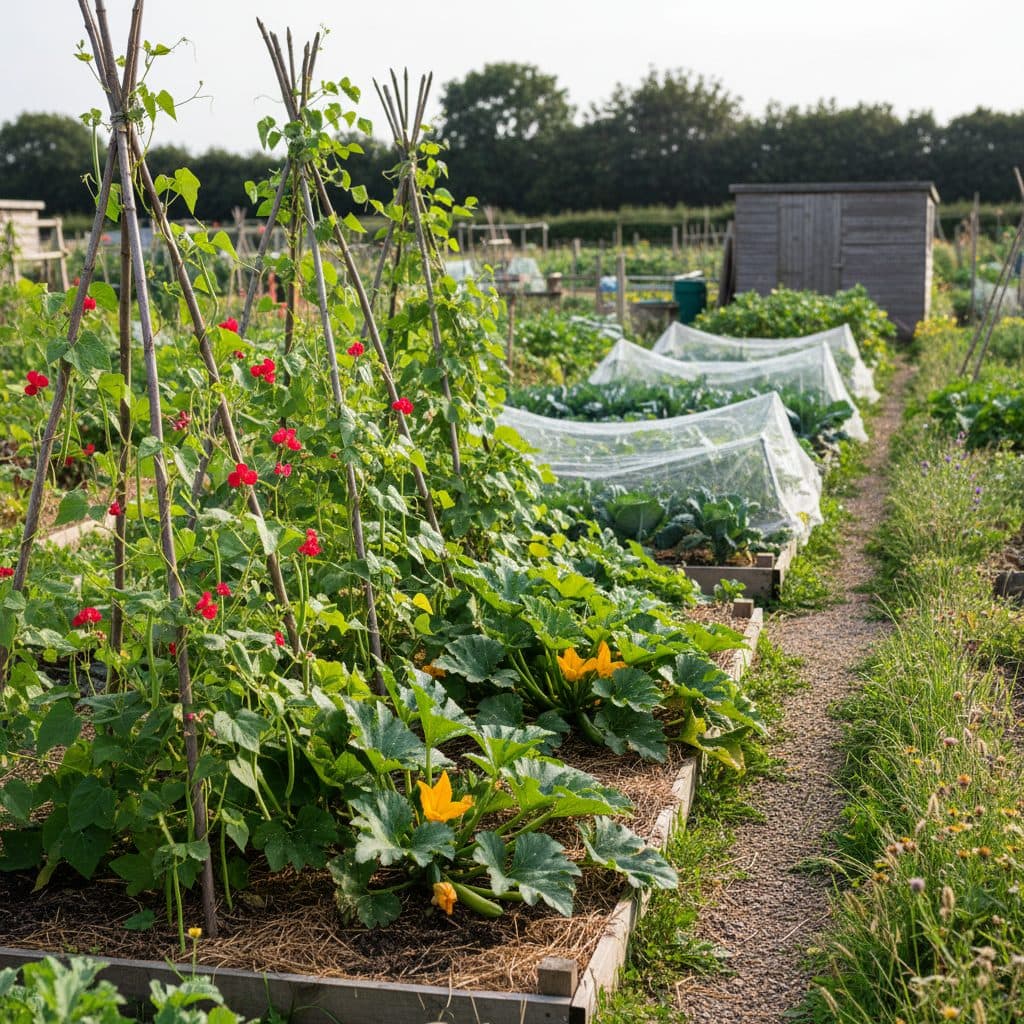
When installing bird netting, timing matters. Apply the netting just as berries begin to change color, usually one to two weeks before full ripeness. Ensure the netting is secured tightly to the ground on all sides to prevent birds from sneaking underneath. I typically use landscape staples or heavy rocks to anchor the bottom edges, leaving no gaps larger than 2 inches. For blueberry bushes, which can grow 6 to 8 feet tall, a frame that allows for easy access for harvesting is essential. Some growers report a 70% to 80% reduction in bird damage with properly installed netting. If you keep feeders or baths near the garden, clean them every one to two days. Concentrating birds at a food or water source spreads diseases such as salmonellosis and trichomonosis.
- Drape netting: Cover individual bushes or rows immediately after fruit set, keeping the net taut and pegged down at the base. Loose or sagging netting entangles and kills birds, snakes and other wildlife, so check it daily and free anything caught.
- Build a frame: Construct a simple PVC or wood frame over your berry patch for easier access and better plant protection.
- Use reflective deterrents: Hang old CDs or reflective tape, which can disorient birds, though their effectiveness often wanes after a few days.
- Provide alternative food: Some growers plant a sacrificial fruiting shrub well away from the patch to draw birds off the crop. Results are inconsistent, and extra food can just as easily concentrate more birds on your property.
Combating spotted wing drosophila (SWD): sanitation and exclusion
Spotted wing drosophila (Drosophila suzukii), or SWD, is a tiny fruit fly that can cause significant damage to soft-skinned fruits like raspberries, blackberries, and blueberries. Unlike common fruit flies that target overripe or damaged fruit, SWD lays its eggs in ripening, healthy fruit, leading to soft, mushy, and unmarketable berries. First detected in the continental US in 2008, it has since spread rapidly, causing estimated crop losses of 20% to 80% in susceptible crops. In regional garden beds, growers observe SWD infestations reduce a prime raspberry harvest by more than 50% within a week if not managed.
Sanitation and trapping for SWD
The cornerstone of SWD management is excellent sanitation. This means harvesting frequently, ideally every one to two days, and removing all overripe or damaged fruit from the plant and the ground. Any fallen or infested fruit should be placed in a sealed plastic bag and left in direct sunlight for several days to kill larvae, or frozen for 24 hours before disposal. Trapping can also help monitor SWD populations and, in some cases, reduce their numbers. Simple homemade traps using a 32 oz plastic container with several 1/4-inch holes near the top, filled with 1 to 2 inches of apple cider vinegar mixed with a drop of dish soap, can be effective. Place these traps every 10 to 15 feet around the perimeter of your berry patch, starting two to three weeks before ripening. For large plantings, exclusion netting with a very fine mesh (60-gram insect netting or finer, which has openings smaller than 0.98 mm) can provide nearly 100% protection, but it requires significant investment and careful installation to prevent heat buildup under the netting in midsummer.
- Frequent harvesting: Pick ripe fruit every one to two days to remove host material.
- Remove fallen fruit: Collect all dropped or damaged berries and dispose of them properly to ensure they are not left to decompose in the garden.
- Prune for air circulation: Prune your berry plants to improve air flow, which can reduce humidity and make the environment less appealing to SWD.
- Use monitoring traps: Deploy apple cider vinegar traps starting two weeks before fruit ripens to gauge pest pressure.
Managing Japanese beetles: hand-picking and biological controls
That work on combating spotted wing sets up what follows here.
Japanese beetles (Popillia japonica) are a persistent nuisance in many US gardens, particularly east of the Mississippi River. These iridescent green and copper beetles, first detected in New Jersey in 1916 [1], feed on over 300 plant species, including many berry plants like raspberries, blueberries, and grapevines. They skeletonize leaves, leaving only the veins, and can also feed directly on ripening fruit. A severe infestation can defoliate a plant by 50% or more within a few days, weakening it and reducing future yields. In regional garden beds, growers often see them congregate in groups of 10 to 20 beetles on a single leaf, causing rapid damage.
Targeted control methods
The most effective and least harmful method for managing Japanese beetles in a small backyard berry patch is hand-picking. They are relatively slow-moving, especially in the cool morning hours (before 9:00 AM), making them easy to collect. I typically knock them into a bucket of soapy water (1 tablespoon of dish soap per gallon of water), which kills them quickly. Doing this daily for two to three weeks during their peak emergence (late June to early August in USDA Zone 6) can significantly reduce damage. Japanese beetle traps, while commercially available, often attract more beetles to your garden than they catch, potentially increasing damage to your plants. If used, place them at least 30 feet away from your prized plants, preferably on the property line or a less valuable plant. For long-term control, consider applying milky spore disease (Paenibacillus popilliae) to your lawn, which targets the beetle grubs in the soil. Its performance is disputed. University trials in the northeastern and mid-Atlantic US have generally found little or no reduction in grub numbers from commercial milky spore products, and where it does establish the effect takes years to appear. Treat it as a long-shot supplement, not a control plan.
- Hand-pick daily: Collect beetles in soapy water, especially in the early morning, for 15 to 20 minutes.
- Avoid beetle traps near plants: If used, place traps at least 30 feet away from susceptible berry plants to prevent attracting more beetles.
- Introduce milky spore: Apply milky spore to your lawn in the fall or spring to control grubs, which are the larval stage of the Japanese beetle.
- Encourage natural predators: Promote beneficial insects like tachinid flies and predatory ground beetles by planting diverse flowers and avoiding broad-spectrum insecticides, which can harm beneficials [4].
Integrated pest management and long-term berry health
This builds directly on managing japanese beetles.
An integrated pest management (IPM) approach combines multiple strategies to manage pests effectively while minimizing environmental impact. For a backyard berry patch, this means not relying on a single method but rather a combination of cultural practices, physical barriers, and biological controls. Regular observation is paramount; spending 10 to 15 minutes in your berry patch two to three times a week allows you to spot pest issues early, when they are easier to manage. Catching problems early usually means you can handle them with sanitation or hand-picking instead of a spray. Maintaining healthy plants through proper watering and nutrition also makes them more resilient to pest pressure. A soil moisture meter can help ensure consistent hydration, preventing plant stress.
Building a resilient berry patch
Beyond immediate pest control, focus on long-term plant health. Good soil drainage, adequate sunlight (at least six to eight hours daily), and proper pruning are fundamental. For instance, choosing cold-hardy varieties suitable for your USDA zone ensures plants are less stressed by winter conditions, making them more vigorous. Mulching with 3 to 4 inches of wood chips or straw helps retain soil moisture, suppress weeds, and regulate soil temperature. Encouraging beneficial insects, such as lady beetles, lacewings, and parasitic wasps, can provide natural control for aphids and other soft-bodied pests. Planting a diversity of flowering plants nearby that provide nectar and pollen for these beneficials is a simple yet effective strategy. The USDA Natural Resources Conservation Service (NRCS) provides resources for sustainable land management, including strategies that support beneficial insects and overall ecosystem health.
- Monitor regularly: Inspect plants every two to three days for early signs of pests or disease.
- Promote beneficial insects: Plant flowers like dill, cilantro, or cosmos near your berries to attract predators and parasitoids.
- Maintain soil health: Improve soil structure and fertility with compost, aiming for 3% to 5% organic matter.
- Prune for vigor: Remove dead or diseased canes and thin crowded growth to improve air circulation and plant health.
- Choose resistant varieties: Select berry varieties known for their resistance to common diseases and pests in your region.
Comparison of berry pest control methods
Method | Target Pests | Effectiveness | Labor/Cost |
|---|---|---|---|
Fine mesh netting | Birds, SWD | High for birds (80-100%); no effect on SWD unless mesh openings are under 1 mm | Moderate labor, moderate cost |
Hand-picking | Japanese beetles | Moderate-High (60-90%) | High labor, low cost |
Sanitation (SWD) | SWD | High (70-95%) | Moderate labor, low cost |
Milky spore disease | Japanese beetle grubs | Moderate-High (long-term) | Low labor, moderate cost |
Reflective deterrents | Birds | Low (10-30%) | Low labor, low cost |
Netting Mesh Size: Use 1/4 inch (6 mm) or finer mesh to exclude birds. Spotted wing drosophila adults are only 2-3 mm long and pass straight through 6 mm mesh, so excluding them requires dedicated insect netting with openings under about 1 mm.
SWD Trap Efficacy: Apple cider vinegar traps are a monitoring tool. Catching flies tells you SWD has arrived so you can tighten harvest intervals and sanitation. Mass trapping does not meaningfully reduce a local population.
Frequently asked questions
What is the best time to apply bird netting to berry bushes?
Apply bird netting when berries begin to change color, typically one to two weeks before they are fully ripe. This timing protects the fruit during its most vulnerable stage.
How often should I harvest to prevent Spotted Wing Drosophila (SWD)?
To effectively manage SWD, harvest your ripe berries every one to two days. This frequent picking removes host fruit before SWD larvae can fully develop, cutting the number of flies your own patch produces.
Are Japanese beetle traps effective for protecting berry plants?
Japanese beetle traps can attract more beetles to your garden than they catch, potentially increasing damage to nearby plants. If you use them, place them at least 30 feet away from your berry patch to minimize this risk.
Can organic sprays control these berry pests?
Some organic sprays, like neem oil for Japanese beetles or spinosad for SWD, can offer some control, but they often require precise timing and repeated applications. Always check labels for berry-specific use and for harm to beneficial insects and pollinators. Both spinosad and pyrethrin are toxic to bees while the spray is still wet, so apply late in the day and never onto open flowers.
What is the most important cultural practice for preventing berry pests?
Maintaining excellent garden sanitation, especially in the berry patch, is paramount. Removing all fallen and overripe fruit promptly denies SWD the host material it breeds in and discourages other pests that feed on decaying matter.
References
- <i>Popillia japonica</i> (Japanese beetle). (2021). <i>Popillia japonica</i> (Japanese beetle)..
- Backyard bird baths under scrutiny (2014). Backyard bird baths under scrutiny.
- Education for Bird Protection in Our School (1954). Education for Bird Protection in Our School.
- Safety of selected insecticides against lady bird beetle in soybean (2016). Safety of selected insecticides against lady bird beetle in soybean.
- Birds in Your Backyard (1942). Birds in Your Backyard.