Key takeaways
- Many common plants are toxic to pets, including popular varieties like lilies and sago palms.
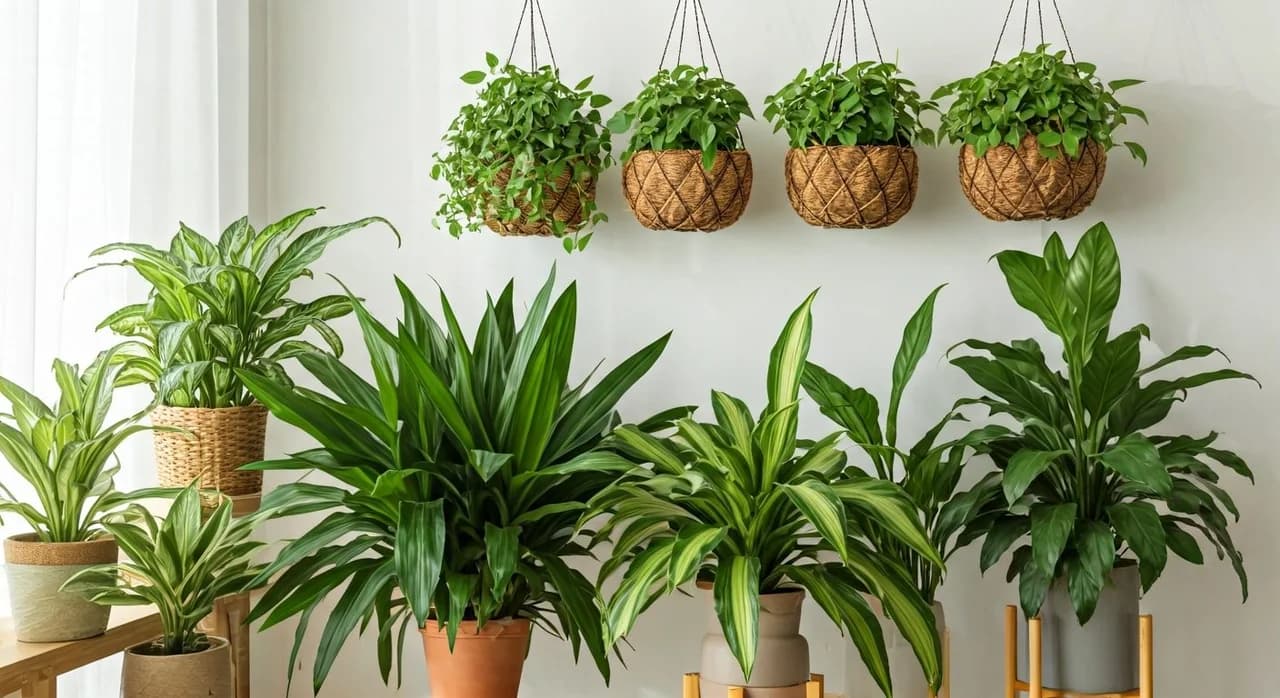
- Many beautiful houseplants, such as spider plants, Boston ferns, and prayer plants, are safe for homes with cats and dogs.
- Strategic plant placement, like using hanging baskets or secure shelves placed out of reach, can prevent pet access.
- Always identify a plant before bringing it home and consult the ASPCA’s database for toxicity information.
- In case of ingestion, immediately contact your veterinarian or the Pet Poison Helpline at (855) 764-7661.
- Beyond toxicity, consider potential hazards like soil ingestion, pesticides, and allergic reactions in pets.
Quick answer: To ensure a pet-friendly home, select non-toxic houseplants like spider plants, Boston ferns, and prayer plants, and place them strategically out of reach. Always identify plants, consult resources like the ASPCA database, and contact a vet if ingestion occurs.
In US homes from USDA zone 3 in Minnesota to zone 10 in Florida, houseplants bring life and beauty indoors, but for pet owners, the choice of greenery comes with a critical consideration: safety. Many US households owned at least one houseplant in 2023, and a significant portion of these homes also shelter furry companions. While an indoor garden can improve your living space, some common plants pose serious health risks to curious cats and dogs, leading to many reported cases of plant ingestion annually in the US.
Understanding which plants are safe and which are not is fundamental for creating a harmonious indoor environment. This guide will walk you through dozens of non-toxic options, offering practical advice on plant care and placement to ensure your home remains a safe haven for both your botanical and animal family members. We’ll explore specific species, discuss common misconceptions, and provide actionable steps for setting up a pet-friendly indoor garden that thrives, even with a playful puppy or a curious kitten exploring every corner of your home.
Understanding the risk: common toxic plants to avoid
Before filling your home with greenery, it matters to identify the plants that pose a threat. The ASPCA lists many common plants as toxic to cats or dogs, with symptoms ranging from mild gastrointestinal upset to severe organ damage or even death. For example, lilies, often found in bouquets, are highly toxic to cats, with even small ingestions potentially causing acute kidney failure. Sago palms, popular in warmer climates like USDA zone 9 in Arizona, contain cycasin, a potent toxin that can cause liver failure in both cats and dogs.
Many pet owners are unaware of common houseplant toxicities; many of them might not know which plants are dangerous. Philodendrons, a very common houseplant, contain insoluble calcium oxalates that can cause oral irritation, pain, and swelling if chewed. Azaleas, often grown indoors in cooler regions like USDA zone 6, contain grayanotoxins, which can lead to vomiting, diarrhea, and cardiovascular problems. It is important to know the botanical name of every plant in your home to quickly identify potential hazards. Even a small leaf from a toxic plant can lead to an emergency vet visit, which can cost hundreds of dollars, sometimes costing a significant amount for severe cases.
Key toxic plants to avoid
- Lilies: Highly toxic to cats, causing kidney failure.
- Sago Palm: Contains cycasin, dangerous to liver in both cats and dogs.
- Philodendron: Causes oral irritation due to calcium oxalates.
- Azalea: Contains grayanotoxins, affecting cardiovascular health.
- Dumb Cane (Dieffenbachia): Severe oral irritation and swelling.
Top pet-safe plants for your home
Fortunately, there are many beautiful and easy-to-care-for houseplants that pose no threat to your pets. These plants allow you to enjoy the aesthetic and air-freshening benefits of indoor greenery without worry. For instance, the spider plant (Chlorophytum comosum) is a classic choice, known for its arching leaves and numerous plantlets. Spider plants are known for their arching leaves and ability to produce many plantlets annually, thriving in bright, indirect light and requiring watering when the top inch of soil feels dry, on a regular basis. They are also adaptable to various indoor conditions, from humid Florida apartments to drier Colorado homes.
Another excellent option is the Boston fern (Nephrolepis exaltata), which adds a lush, tropical feel to any room. Many pet-safe plants, like the Boston fern, prefer high humidity levels, often at high levels, making them ideal for bathrooms or kitchens. They prefer indirect light and consistent moisture, needing frequent watering in warm environments. The prayer plant (Maranta leuconeura) is also a fantastic choice, known for its striking foliage and unique habit of folding its leaves at night. Prayer plants thrive in indirect light, requiring specific light levels for optimal growth, and prefer consistently moist soil.
Safe and simple plant picks
- Spider Plant: Easy to care for, produces plantlets, thrives in indirect light.
- Boston Fern: Lush foliage, prefers high humidity, needs consistent moisture.
- Prayer Plant: Unique foliage, folds leaves at night, prefers indirect light.
- Areca Palm: Large, architectural plant, requires bright, indirect light.
- Christmas Cactus: Seasonal bloomer, needs bright light and moderate watering.
Designing a pet-friendly indoor space
Creating a pet-friendly indoor garden goes beyond simply choosing non-toxic plants; it also involves thoughtful placement and environmental control. For instance, placing plants on high shelves or in hanging baskets can keep them out of reach of curious paws and mouths. A shelf over 4 ft high is generally sufficient to deter most cats and dogs, though some particularly agile felines might still attempt to reach them. Consider using sturdy, heavy pots that are difficult to knock over, especially for larger plants that could cause injury if they fall. For those with a dedicated plant growing area, a reflective indoor grow tent can provide a controlled, pet-free environment for sensitive plants or seedlings.
Another consideration is the soil itself. Many pets are attracted to digging in potting mix, which can lead to ingestion of fertilizers or perlite. Covering the soil with decorative river rocks, large pebbles, or even a layer of mesh can deter digging. Ensure the rocks are large enough (over one inch in diameter) to prevent choking hazards. Maintaining appropriate humidity levels, often between 40% and 60%, can also contribute to plant health, reducing the need for pets to chew on leaves for moisture. For example, a small humidifier near a collection of ferns in a dry climate like Nevada can benefit both plants and pets by preventing excessive leaf dryness.
Pet-proofing your plant zones
- Elevate Plants: Use shelves or hanging baskets at least 4 ft high.
- Secure Pots: Choose heavy, stable pots to prevent tipping.
- Cover Soil: Use large river rocks or mesh to deter digging.
- Monitor Environment: Maintain 40% to 60% humidity for plant health.
- Provide Alternatives: Offer pet-safe chew toys or cat grass to redirect attention.
What to do if your pet eats a plant
Despite your best efforts, accidents can happen. If you suspect your cat or dog has ingested a plant, acting quickly matters. The first step is to identify the plant if possible. Knowing the plant’s name will greatly assist your veterinarian in determining the appropriate course of treatment. Collect a sample of the plant, including any chewed leaves or stems, to show to the vet. Do not induce vomiting unless specifically instructed by a veterinary professional, as this can sometimes cause more harm than good, especially with corrosive plants or if the pet is already showing signs of distress.
Next, contact your veterinarian or the Pet Poison Helpline at (855) 764-7661 immediately. They can provide guidance on whether the plant is toxic and what symptoms to look for. Even if the plant is considered non-toxic, ingestion of large quantities can still cause stomach upset, vomiting, or diarrhea. For instance, a dog eating a significant amount of a spider plant might experience mild gastrointestinal issues. Always err on the side of caution and seek professional advice as soon as possible after suspected ingestion, especially if symptoms like lethargy, excessive drooling, or difficulty breathing are observed.
Emergency steps for plant ingestion
- Identify the Plant: Know the botanical name of the ingested plant.
- Collect a Sample: Bring a piece of the plant to the vet.
- Call Your Vet: Contact your veterinarian or Pet Poison Helpline immediately.
- Observe Symptoms: Note any changes in your pet’s behavior or health.
- Do Not Induce Vomiting: Unless advised by a professional.
Beyond toxicity: other considerations for pet safety
While plant toxicity is a primary concern, other factors contribute to a truly pet-safe indoor garden. Pesticides and chemical fertilizers, for example, can be harmful if ingested. Always follow product instructions carefully and consider organic alternatives when possible. If you use systemic pesticides, ensure plants are completely dry and out of reach for an appropriate period after application. For instance, a granular fertilizer applied to a plant in a USDA zone 7 home should be thoroughly watered in and the plant placed on a high shelf for two days.
Soil amendments, like perlite or vermiculite, while generally considered non-toxic, can cause gastrointestinal upset if consumed in large quantities. Similarly, some pets may develop allergies to certain plant pollens or sap, even from non-toxic species. Observe your pet for signs of irritation, such as sneezing, skin rashes, or excessive scratching, especially during flowering periods. For example, a cat might develop mild skin irritation around its mouth after chewing on a non-toxic but slightly irritating plant, requiring a topical cream. Providing pet-safe alternatives, such as a patch of cat grass (Dactylis glomerata), can redirect their chewing instincts and satisfy their need for greenery, which many cats enjoy and can aid in digestion.
Additional safety tips for pets
- Avoid Pesticides: Use organic pest control or physical removal when possible.
- Secure Fertilizers: Store all plant chemicals out of pet reach.
- Monitor for Allergies: Watch for sneezing, skin irritation, or scratching.
- Provide Cat Grass: Offer a safe chewing alternative for pets.
- Clean Up Debris: Promptly remove fallen leaves and plant parts.
Comparison of popular pet-safe houseplants
Plant Name | Light Needs | Watering Frequency | Mature Size | Pet Safety |
|---|---|---|---|---|
Spider Plant | Bright, indirect | Every 7-10 days | 12-18 in tall, 24 in wide | Non-toxic |
Boston Fern | Indirect | Every 3-5 days | 2-3 ft tall and wide | Non-toxic |
Prayer Plant | Indirect to low | Every 5-7 days | 6-12 in tall, 12 in wide | Non-toxic |
Areca Palm | Bright, indirect | Every 7-14 days | 6-7 ft tall, 3 ft wide | Non-toxic |
Christmas Cactus | Bright, indirect | Every 2-3 weeks | 8-12 in tall, 12-24 in wide | Non-toxic |
African Violet | Bright, indirect | Every 7-10 days | 6-8 in tall and wide | Non-toxic |
Pet Poison Helpline: The Pet Poison Helpline receives many calls annually regarding potential pet poisonings, with plants being a significant category.
Humidity Benefits: Maintaining indoor humidity between 40% and 60% benefits many houseplants and can reduce static electricity, benefiting pets in drier climates like Colorado.
References
- To All the Houseplants I Have Killed (2023).
- Happy houseplants : how to grow and maintain your indoor plants / by Elizabeth Walker. (1992).
- Plantopedia: The Definitive Guide to Houseplants by Lauren Camilleri, Sophia Kaplan on Ipad (2026).
- Can houseplants really purify the air in your home? What the science actually says (2026). https://doi.org/10.64628/ab.wj4d39e5x
- Why I . . . grow houseplants (2025).
- USDA Natural Resources Conservation Service (2024).