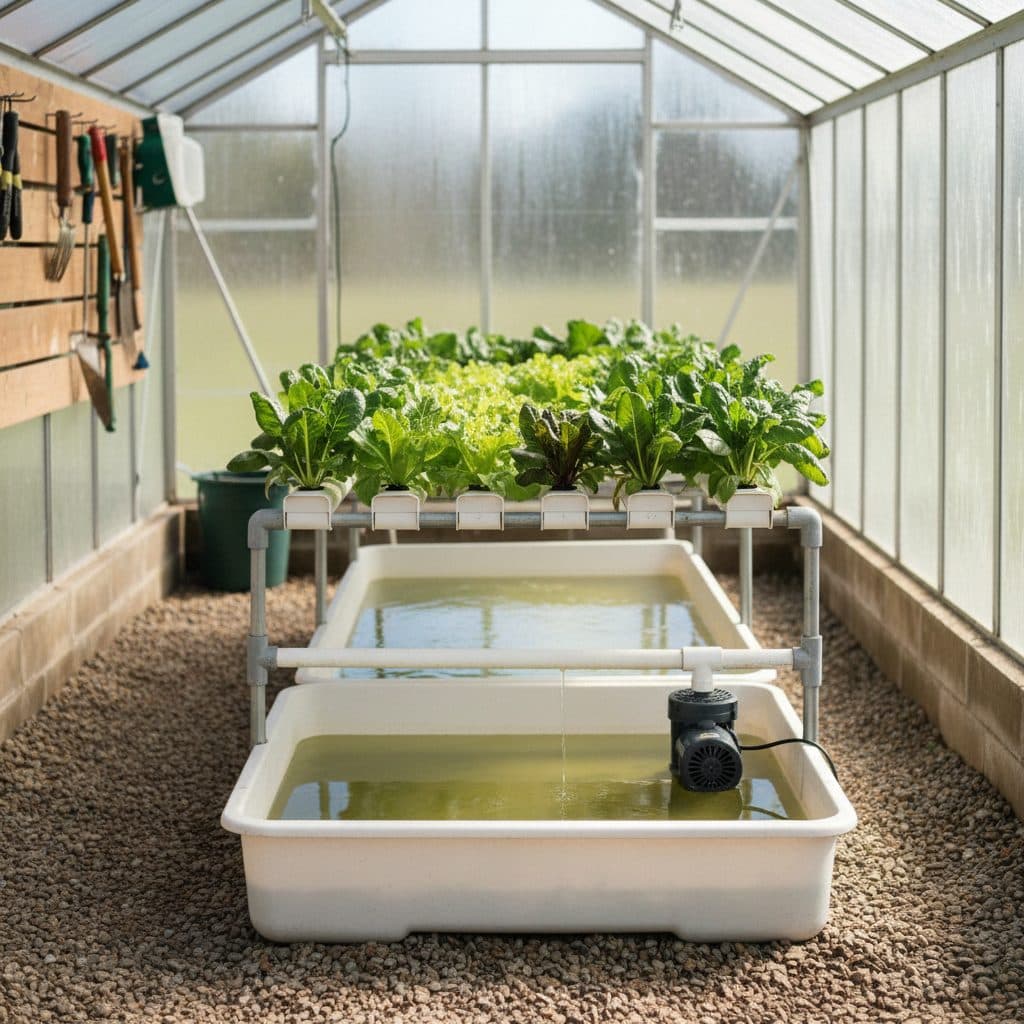
Key takeaways
- Implement a consistent preventative maintenance schedule, including cleaning pump impellers every 30 days, to get meaningfully more life out of the pump.
- Utilize monitoring tools like flow sensors and pressure gauges to detect flow rate drops of 10% or more, indicating potential pump issues before full failure.
- Design your NFT system with redundancy: a pre-plumbed backup pump and a flow or float alarm, since reservoir size does not keep the channels wet once the pump stops.
- Understand that centrifugal pump failures usually trace back to mechanical seal issues or bearing fatigue, which are preventable with proper care.
- Ensure all electrical connections are secure and protected from moisture, since moisture reaching a connection is a leading cause of pump failure in humid grow spaces.
- Consider a gravity-fed bypass system for your NFT setup to provide a crucial 30-minute window of nutrient delivery during power interruptions or pump failures.
Quick answer: Protecting NFT systems from pump failure and dry-out involves consistent preventative maintenance, such as cleaning pump impellers every 30 days, utilizing monitoring tools like flow sensors, and designing with redundancy like backup pumps and larger reservoirs.
In the arid climate of Arizona, where water conservation is paramount, NFT hydroponic systems are a popular choice for growing leafy greens, often yielding considerably more per square foot than traditional field farming. These systems, which circulate a shallow stream of nutrient-rich water over plant roots, depend critically on the continuous operation of a water pump. A small pump failure can quickly become a large problem, particularly during the warm months when temperatures can reach over 100°F.
However, the continuous operation of these systems relies heavily on submersible pumps, which can fail, leading to significant crop loss within just a few hours. A pump breakdown in a large NFT system can cost you the whole planting in a matter of hours on a hot day, because the channels hold no reserve of water. Preventing these failures requires a proactive approach, combining diligent maintenance, smart monitoring, and robust system design to protect your investment and ensure a consistent yield.
Understanding pump failure and its impact on NFT systems
Pump failures in NFT systems can stem from several issues, primarily mechanical, electrical, or clogging. Centrifugal pump failures most often trace back to mechanical seal issues or bearing fatigue. For instance, a small submersible pump operating continuously in a 50-gallon reservoir can develop bearing and seal wear within 12 to 18 months if not properly maintained. Electrical failures, such as short circuits or motor burnout, are another leading cause, especially if connections are exposed to moisture or fluctuating voltage in a humid greenhouse environment. In a typical indoor grow tent, proper electrical grounding is critical, and every mains-powered pump in a wet grow area should run from a GFCI-protected outlet with a drip loop in the cord so water cannot track down to the plug.
common causes of pump failure
Clogging is a frequent culprit, particularly in systems that don’t use adequate filtration. Algae, root fragments, or mineral precipitates can obstruct the impeller, reducing flow or seizing the pump entirely. A restricted intake starves a submersible pump of the flow that cools its motor, raising its running temperature and shortening its life. In a 200-plant NFT setup, a complete pump stoppage can lead to root-zone dry-out and irreversible plant damage within two hours in a 90°F grow room. Understanding these failure modes is the first step toward preventative maintenance and system reliability.
- electrical shorts or motor burnout from water exposure
- mechanical wear on bearings or seals due to continuous operation
- impeller blockages from algae, debris, or root fragments
- operating the pump dry, leading to overheating and damage
- voltage fluctuations or power surges stressing the motor
Proactive maintenance strategies for pump longevity
A consistent preventative maintenance schedule is crucial for extending the life of your NFT system’s pump. Regular cleaning of the pump’s impeller and housing, typically every 30 days, meaningfully extends pump lifespan by keeping the impeller free and the motor from overworking. In a 100-gallon NFT system, a simple five-minute cleaning routine can prevent weeks of downtime. This involves disconnecting the pump, disassembling the intake screen and impeller cover, and removing any accumulated debris or mineral buildup. For hard water areas, a mild acid solution (like diluted white vinegar at a 1:10 ratio with water) can effectively dissolve calcium deposits without harming pump components.
implementing a maintenance schedule
Beyond cleaning, regular inspection of the power cord for fraying or damage is vital, as a compromised cord can lead to dangerous electrical shorts. Most hydroponic submersible pumps are sealed and are never lubricated by the user; if you run an external pump that does specify lubrication, follow the manufacturer's interval exactly. Where a pump type does call for lubrication, running it dry of lubricant is a well-known route to bearing failure. Replacing worn O-rings or seals every 6 to 12 months can prevent leaks and maintain efficient operation. By dedicating just 15 minutes per month to pump care, growers can significantly reduce the risk of unexpected system failures and protect their crops from dry-out.
- clean the pump impeller and intake screen every 30 days
- inspect power cords for damage or fraying weekly
- check for mineral buildup and remove with a diluted acid solution
- replace worn O-rings and seals every six to twelve months
- follow manufacturer’s guidelines for any required lubrication
Monitoring for early detection of pump issues
Early detection of pump problems can save your entire crop from dry-out. Implementing monitoring tools allows you to catch issues before they escalate into full-blown failures. A simple flow sensor installed in the return line can provide real-time data on nutrient solution circulation. A measurable drop in flow rate, for example, can indicate a partially clogged impeller or a weakening motor, and catching it early gives you time to act before plant stress becomes visible. In a long NFT channel, a flow of roughly a quarter to a half gallon per minute per channel keeps a thin film moving without submerging the roots. Common factors in pump system failure include improper installation, lack of maintenance, and operating outside design parameters [3].
essential monitoring tools and practices
Beyond flow sensors, integrating pressure gauges can help identify blockages in the lines, showing an increase in pressure before the pump is fully stressed. Regularly checking the nutrient solution temperature is also important; a pump working harder than usual will often cause a 2°F to 5°F increase in water temperature, which can also signal impending failure. Visual inspection of the pump during reservoir top-offs, typically every 2 to 3 days for a 50-gallon system, can reveal unusual vibrations or noises. Using a simple timer to track pump run-time can help predict when preventative servicing is due, often after 1,000 to 2,000 hours of operation.
- install flow sensors to monitor nutrient solution circulation in real-time
- use pressure gauges to detect blockages in the system lines
- regularly check nutrient solution temperature for unusual increases
- perform daily visual and auditory checks for vibrations or strange noises
- track pump run-time to anticipate scheduled maintenance intervals
System design and redundancy for root-zone protection
The best defense against pump failure and root-zone dry-out is a well-designed system with built-in redundancy. For example, in a commercial NFT setup in USDA zone 9, where summer temperatures regularly exceed 100°F, having a backup pump pre-plumbed and ready to switch over can be the difference between a full harvest and total crop loss. A secondary pump, costing around $50 to $150 for a typical NFT system, can be activated within minutes, providing continuous flow. This strategy is particularly important for systems with more than 50 plants, where manual watering is impractical during an outage. Consider the design principles outlined in resources like the DIY hydroponic systems guide for robust setups.
designing for resilience and backup
Another critical design element is the size of your nutrient reservoir. A larger reservoir holds nutrient chemistry and temperature steadier while the system is running, and takes longer to run low as the plants drink it down. For a 100-plant NFT system, reservoir volume buys no time at all once the pump stops. NFT channels hold only a thin film, so they drain back to the reservoir within minutes and the roots sit in still air regardless of tank size. A larger reservoir buffers pH, EC and temperature drift while the system is running — it is not a failure buffer. Implementing a gravity-fed bypass system can also be a lifesaver during power outages. This simple setup, often involving a higher reservoir and a bypass valve, can provide 30 minutes to one hour of passive flow, giving you time to restore power or replace a pump. This redundancy planning ensures crop security even when primary components fail.
- install a pre-plumbed backup pump for immediate switchover
- size the nutrient reservoir generously for steadier pH, EC and temperature
- integrate a gravity-fed bypass system for power outage protection
- use industrial-grade components where budget allows
- ensure easy access to pumps for quick inspection and replacement
Pump lifespan: cleaning pump impellers every 30 days is the single highest-value thing you can do for pump life.
Crop loss risk: a large NFT system can lose the entire planting within hours of losing flow in warm conditions.
Flow rate drop: a measurable drop in nutrient flow rate can indicate a developing pump issue — treat it as urgent, not as a day's grace.
Frequently asked questions
How often should I clean my NFT system pump?
You should clean your NFT system pump’s impeller and intake screen every 30 days to prevent buildup and extend its operational life. In areas with hard water, you might need to clean it every 15-20 days to prevent mineral deposits.
What are the most common causes of pump failure in hydroponics?
The most common causes of pump failure are mechanical wear on bearings and seals, electrical faults from moisture or voltage swings, and clogging from debris, algae, or root fragments. Operating the pump dry for even 15 minutes can also lead to catastrophic failure.
How can I tell if my pump is about to fail?
Early warning signs include a 10% drop in nutrient flow rate, unusual noises or vibrations from the pump, or a 2°F to 5°F increase in the nutrient solution’s temperature. Monitoring these indicators lets you act before the pump stops altogether.
Is a backup pump really necessary for a small NFT system?
For any NFT system over 50 plants, a backup pump is highly recommended. A pump failure can cost you the whole planting within hours in warm conditions, making a $50-$150 backup pump a very cost-effective insurance policy.
What role does reservoir size play in preventing dry-out?
Reservoir size does not extend how long roots stay wet after a pump failure — the channels drain within minutes either way. What a larger reservoir does buy is slower pH, EC and temperature drift during normal operation, and more margin before evaporation exposes the pump intake.
Can I build a simple gravity-fed bypass for my NFT system?
Yes, a simple gravity-fed bypass system can be built by positioning a secondary reservoir higher than your NFT channels and plumbing it with a bypass valve. This can provide 30 minutes to one hour of passive nutrient flow during power interruptions.
References
- Centrifugal Pump Failure (2021). Centrifugal Pump Failure.
- Failure Analysis: Root Cause Failure Analysis of a Boiler Feed Pump Main Oil Pump Gear (2013). Failure Analysis: Root Cause Failure Analysis of a Boiler Feed Pump Main Oil Pump Gear.
- Key Factors in Pump System Failure (2022). Key Factors in Pump System Failure.
- Using Failure Statistics and Root Cause Analysis Findings to Guide Reliability Improvement Efforts (2021). Using Failure Statistics and Root Cause Analysis Findings to Guide Reliability Improvement Efforts.
- USDA Natural Resources Conservation Service (2024). USDA Natural Resources Conservation Service.