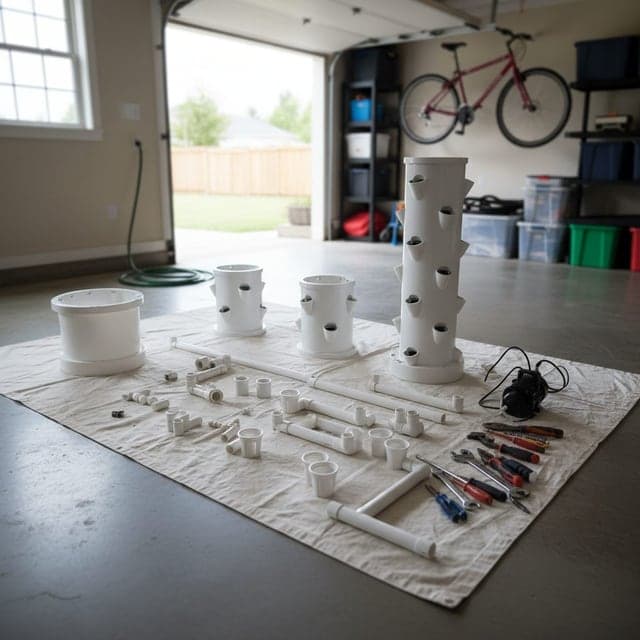
Vertical tower system maintenance: 10-year lifespan & USDA zones
Learn vertical tower system maintenance to support a 10-year lifespan. Steps cover cleaning, draining, and overwintering to protect hydroponic equipment in USDA zones 5-8.
Topic
Grow food without soil. These guides introduce hydroponic and aquaponic systems for home growers—how they work, what to build, and how to keep plants and fish thriving. Compare DIY setups, learn nutrient and water basics, and discover how soilless growing produces fast, clean harvests in small or indoor spaces.
62 articles in this topic on agripure. — page 1 of 3
Learn vertical tower system maintenance to support a 10-year lifespan. Steps cover cleaning, draining, and overwintering to protect hydroponic equipment in USDA zones 5-8.

Transform your Chicago apartment into a productive farm. Learn how hydroponics and aeroponics enable year-round indoor gardening, maximizing yield in small spaces.
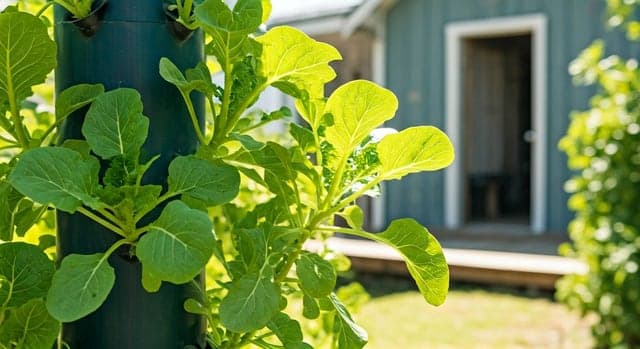
Master hydroponic tower irrigation with optimal pump cycles, pressure-compensating drip lines, and dry spot prevention. Support strong growth and maximize yield in your vertical garden.

Discover how vertical farming, hydroponics, and aquaponics can increase herb and strawberry yields by up to ten times while saving 70-95% water. Learn key techniques.

Compare DIY PVC vertical hydroponic towers to commercial Tower Gardens for cost, yield, and practical considerations in USDA zone 7. Find the best vertical gardening solution for your budget.

Discover how vertical hydro towers maximize leafy green yields in urban settings. Learn about water-saving hydroponic systems for year-round production in compact spaces.
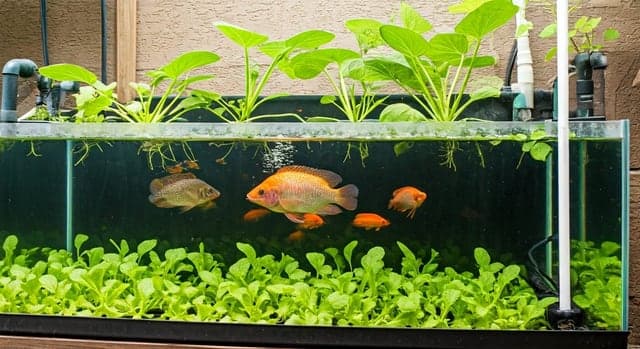
Learn humane tilapia harvest and processing techniques for backyard aquaponics or aquaculture. Minimize stress, improve meat quality, and ensure a sustainable protein source for your family.
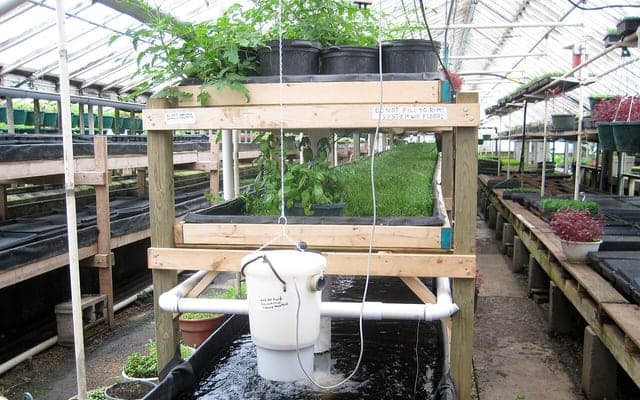
Ensure your aquaponics system survives power outages. Learn to size and implement reliable 72-hour backup aeration for tilapia, protecting your fish and investment with essential aquaponics backup…
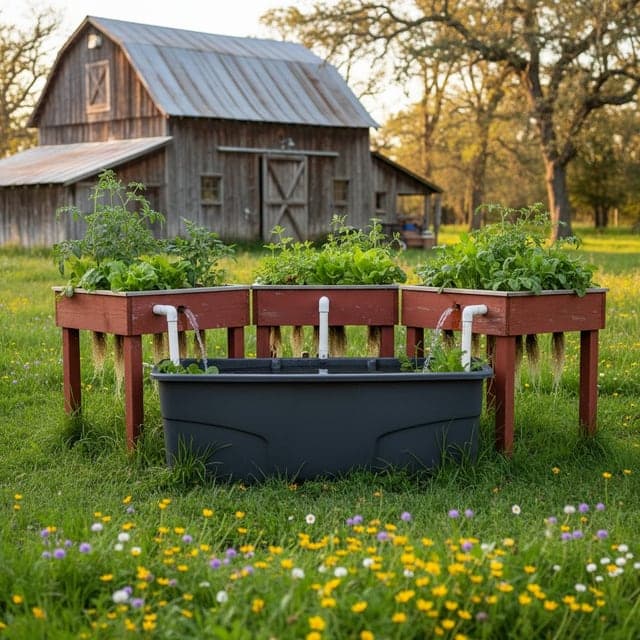
Build a safe, non-toxic aquaponics fish tank from a virgin #2 HDPE IBC tote or lined stock tank. Enforce UN chemical provenance bans, 45-mil EPDM or RPE zinc barriers, 40 psf slab load limits, Unis…
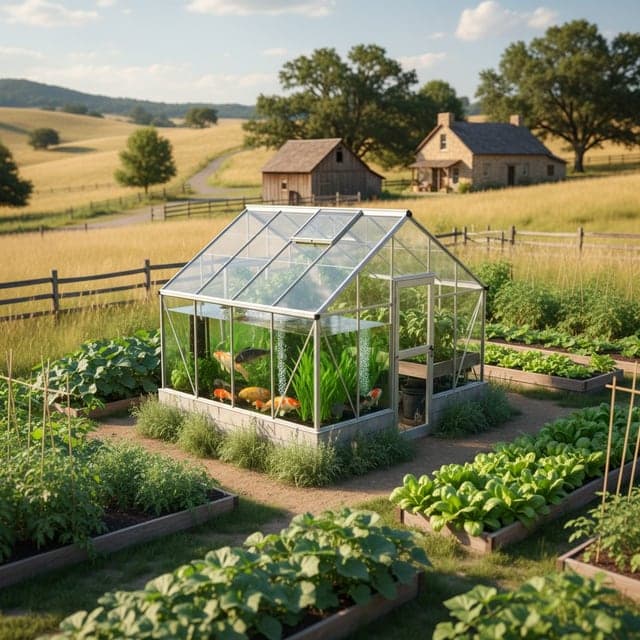
Verify US tilapia permits before stocking aquaponics tanks: species-level laws (Nile, Blue, Mozambique, Redbelly) across TX, FL, CA, HI, WA, OR, AZ, NV, ID, UT, and CO, plus EPA CAAP thresholds, US…
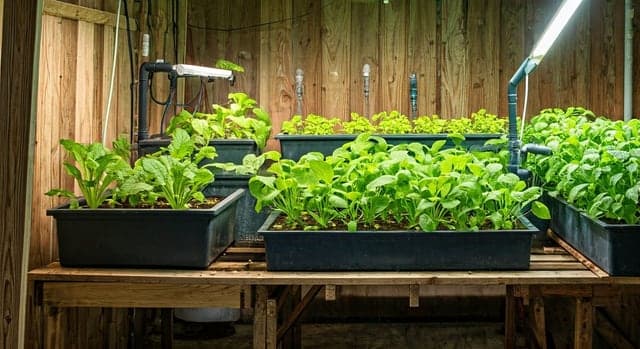
Raise tilapia in US aquaponics without cold shock or NH3 fish kills: compare Nile, Blue, and Mozambique lethal limits, calculate toxic unionized ammonia by pH and temperature, size staggered RAS st…

Compare Nile tilapia, channel catfish, bluegill, and goldfish for a 300-gallon US aquaponics system: realistic 0.15–0.25 lb/gal backyard stocking, NH3 pH-temperature limits, state permits, Class A…
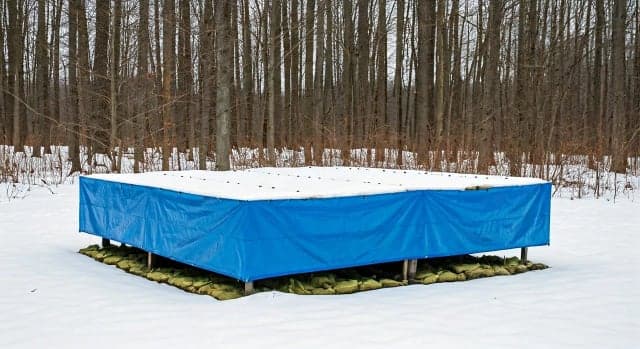
Engineer a cold-zone winter aquaponics system across USDA Zones 3–6: biofilter nitrification kinetics below 50°F, rainbow trout vs. tilapia, 2-inch XPS R-10 insulation, kWh heating costs ($), GFCI…
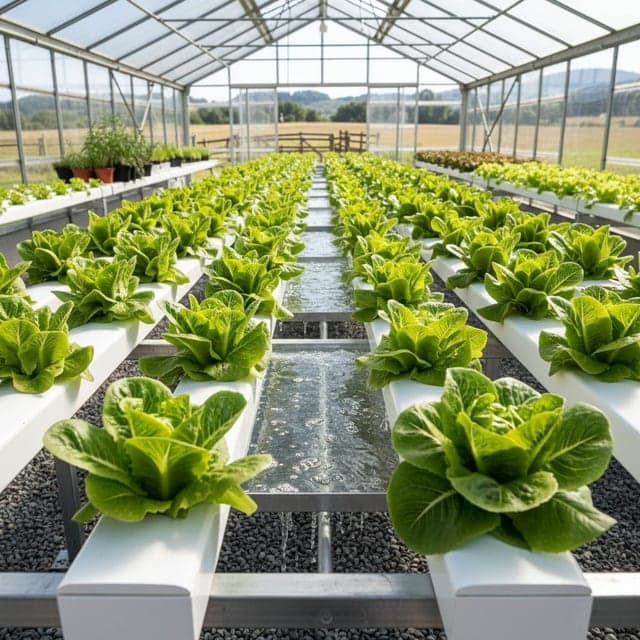
Unlock 20% faster plant growth in hydroponic and aquaponic systems by mastering water chemistry. Learn to monitor pH, ammonia, nitrite, and nitrate for optimal yields.
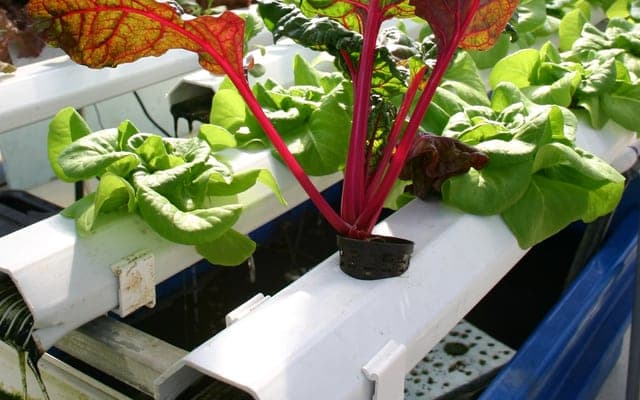
Discover the best aquaponics plants for your system, from leafy greens to fruiting crops. Learn pH, light, and nutrient needs to maximize yields and ensure system stability.
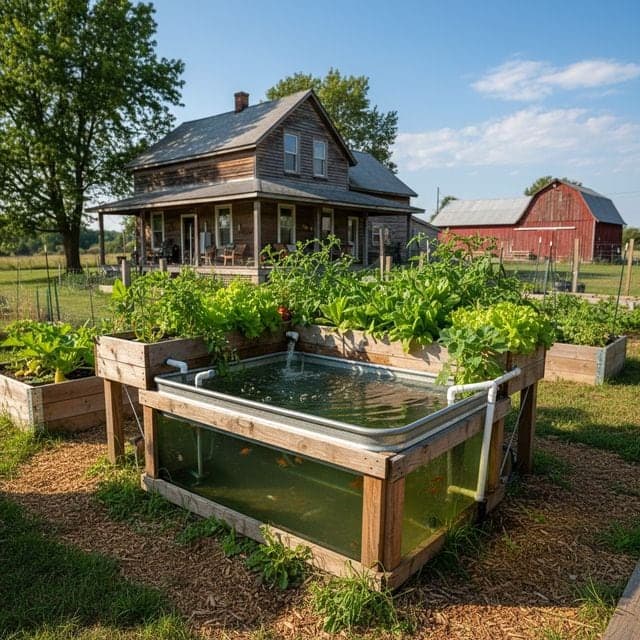
Backyard aquaponics guidance for USDA Zone 7: fish stocking densities (lbs/gallon) and fish-to-plant ratios for healthy fish and steady plant harvests.
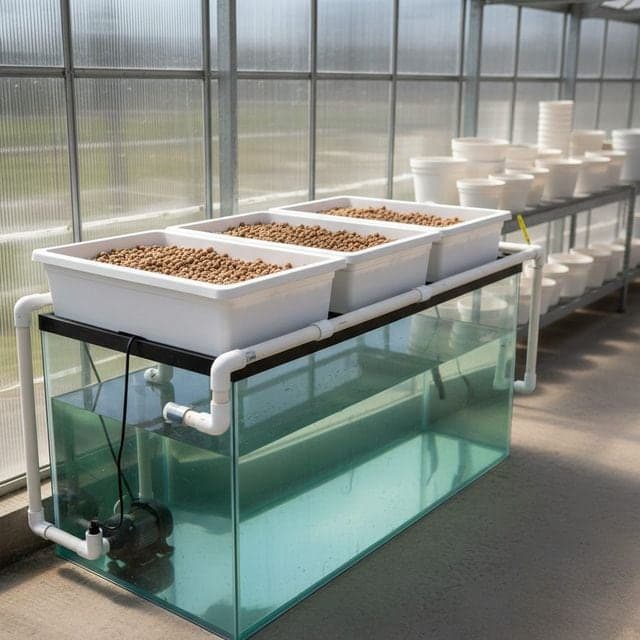
Learn to cycle your aquaponics system for a healthy, productive setup. Establish nitrifying bacteria, understand the nitrogen cycle, and ensure water quality for fish and plants.
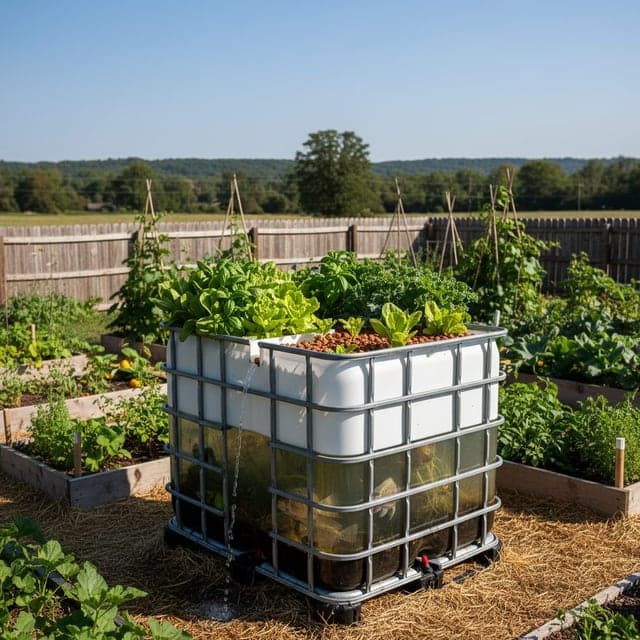
Learn to build a cost-effective IBC tote aquaponics system. Grow fish like tilapia and fresh produce using up to 90% less water. Ideal for home growers & arid regions.
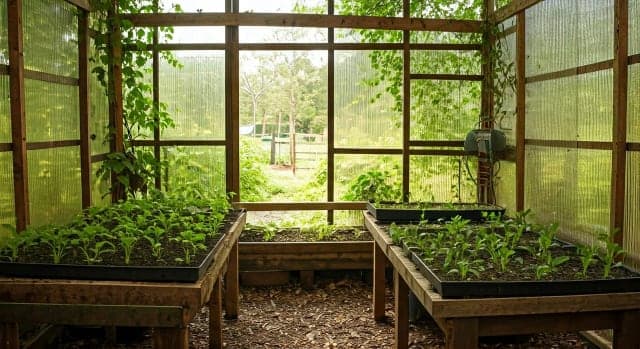
Run a stable US aquaponics nitrogen cycle from day one: fishless cycling with NH4Cl or NH4OH, Nitrosomonas and Nitrospira biofiltration, unionized NH3 spikes vs. pH and temperature, brown-blood chl…
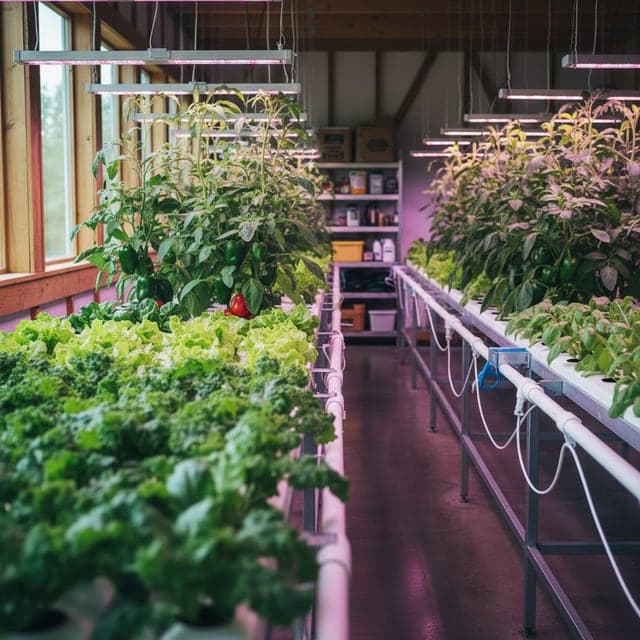
Nutrient schedules for fruiting crops in controlled environments: how to adjust NPK ratios, pH, and EC for vegetative and bloom stages to support tomato yields.
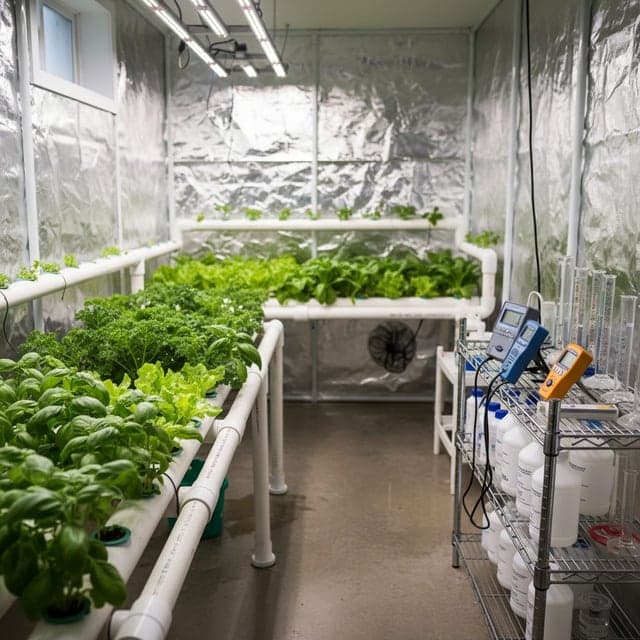
Learn to diagnose and fix hydroponic nutrient lockout, a common issue preventing plants from absorbing nutrients. Identify symptoms, test your system, and prevent yield loss.
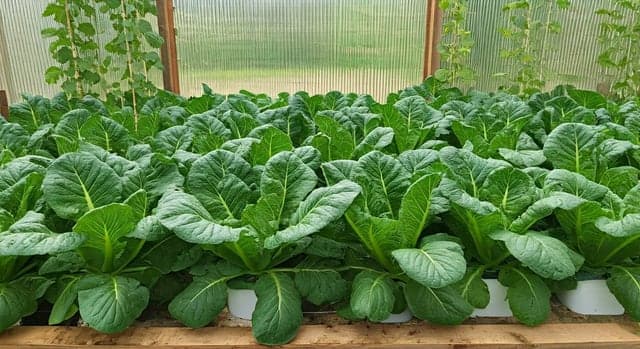
Learn to identify and correct common nutrient deficiencies like N, P, K, Ca, and Fe in hydroponic plants. Optimize pH, EC, and temperature for healthier crops.
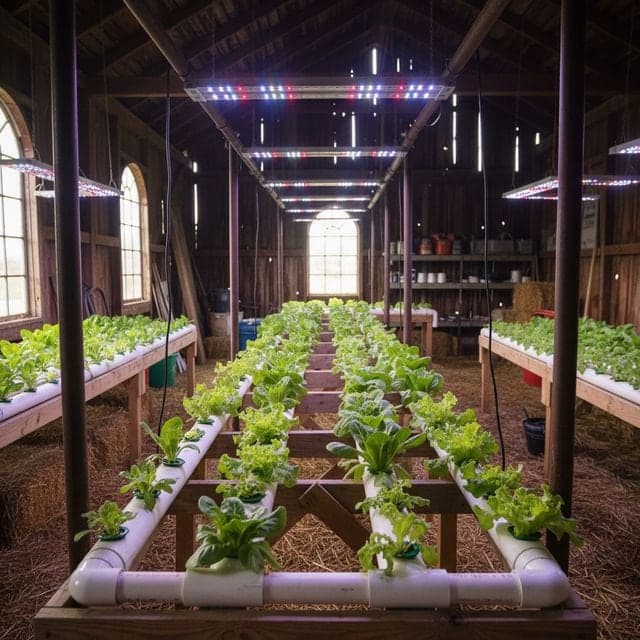
Master hydroponic pH for optimal plant growth. Learn to maintain the ideal 5.5-6.5 range, prevent nutrient lockout, and ensure safety with pH adjusters for thriving crops.

Learn to mix your own DIY hydroponic nutrients from raw salts. Save on costs, gain precise control over plant nutrition, and potentially increase yields for healthier crops.