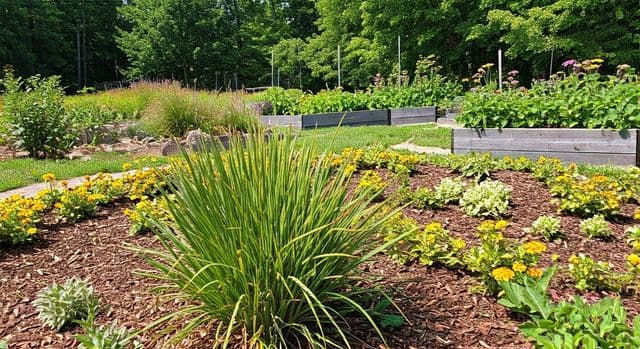
Lawn to food: save water & grow produce in USDA zone 7
Transform your lawn into a productive food garden. Learn how a lawn to food conversion in USDA Zone 7 can save 15,000 gallons of water annually, reduce costs, and yield fresh produce.
Tag
186 articles in this tag on agripure. — page 1 of 8
Transform your lawn into a productive food garden. Learn how a lawn to food conversion in USDA Zone 7 can save 15,000 gallons of water annually, reduce costs, and yield fresh produce.
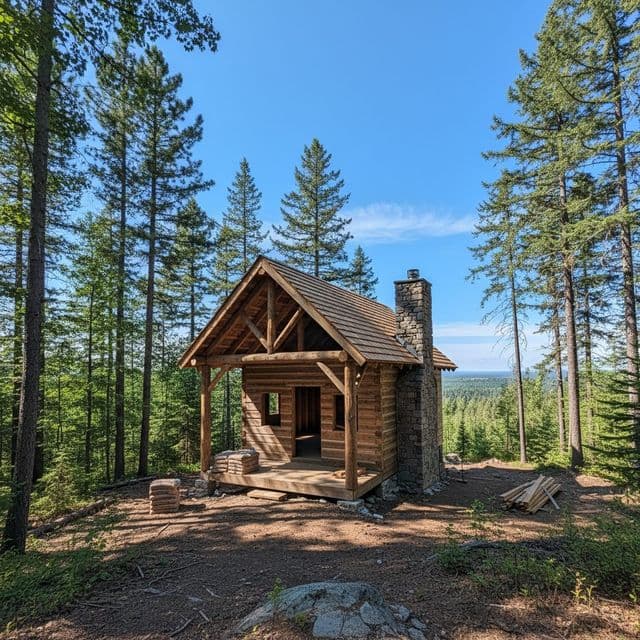
Master off-grid homestead site selection. Learn to assess water tables, soil stability, and frost lines for resilient building and growing in USDA Zone 5. Essential guide for aspiring homesteaders.
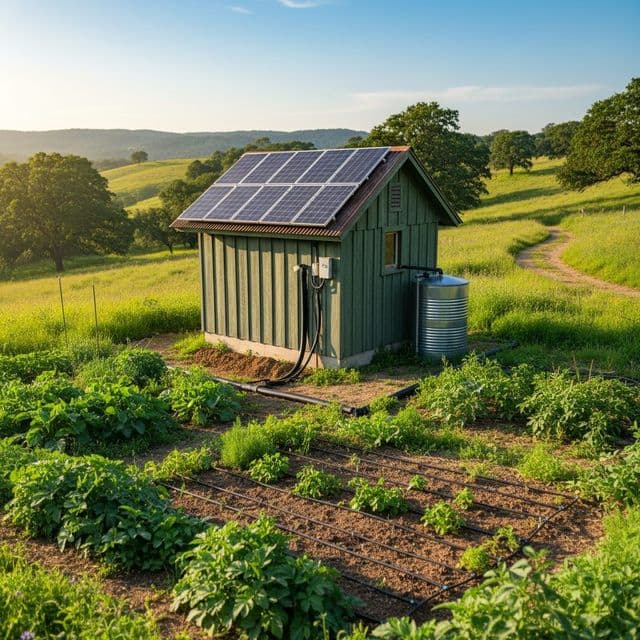
Off-grid solar water pumps for wells and irrigation, covering pump types, sizing, and operating costs.

Transform soggy USDA Zone 6 areas with plants that thrive in wet conditions. Discover solutions for poor drainage & downspout runoff, improving soil & attracting wildlife.

Perennials and groundcovers for wet ground in US yards, covering species that tolerate saturated soils across USDA zones 3 to 9.

Engineer a mosquito-safe US rain garden for USDA Zones 3–10: run a 24-hour perc test (>=0.5 in/hr), enforce foundation, septic, and 811 setbacks, size basins at 20–30% of roof area, and plant a 3-z…
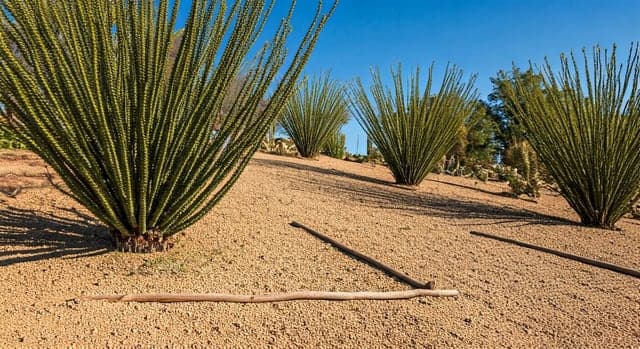
Stabilize erodible slopes in Eastern Washington, Eastern Oregon, the Columbia Basin, Palouse loess hills, and Snake River Plain using deep-rooting native bunchgrasses, Oct–Nov dormant seeding, chea…
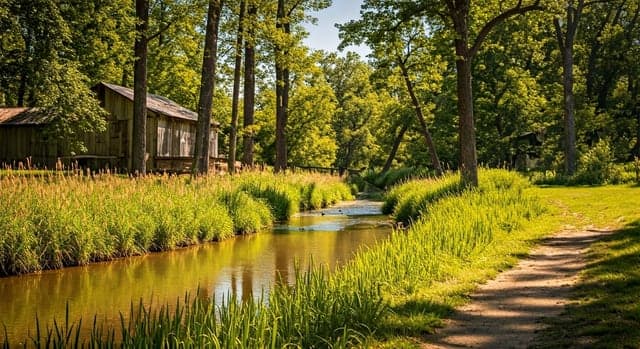
Engineer stormwater rain gardens, gentle swales, and eroding creek banks before buying plants: 12-inch percolation testing, 10-foot foundation setbacks, roof sizing math, a 3-zone US native plant m…

Low-water container gardens can survive seven days without irrigation in USDA Zone 7 when built with insulated pots, moisture-retentive soil blends, and drought-tolerant perennials.

Engineer drought-proof balcony planters for US Zones 4–11: 120°F+ concrete radiant heat and wind shear, double-walled resin vs. dark plastic (>110°F) vs. terracotta (2–3× loss), 40% pumice/shale mi…

Troubleshooting air plant issues in US homes. Learn why Tillandsia leaves turn brown or fall apart and how to fix common watering, light, and humidity problems.
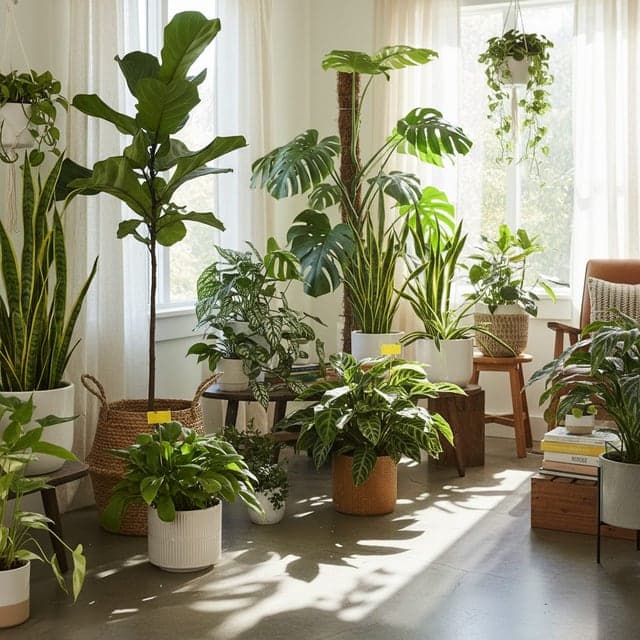
Learn how long fungus gnats live indoors, tell them apart from fruit and drain flies, and wipe out larvae and adults in 28 days using BTI tea, beneficial nematodes, predatory mites, and yellow stic…
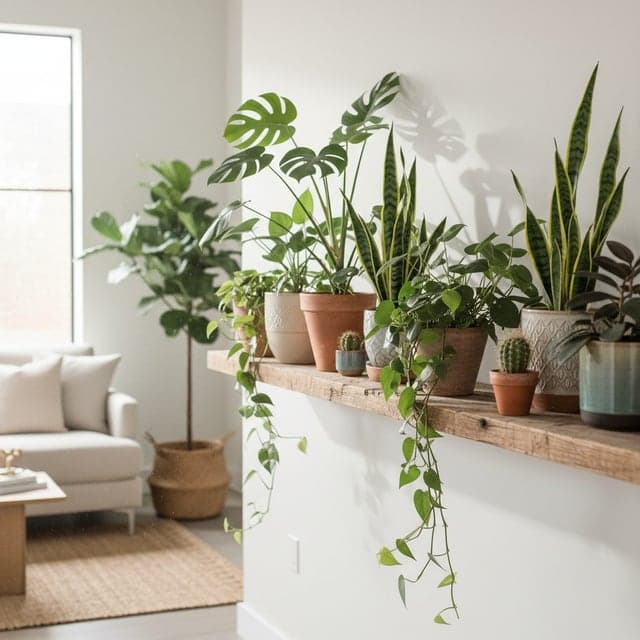
Learn to identify, treat, and prevent houseplant root rot. This guide covers signs, tools, and repotting steps to rescue your plants and ensure long-term health.

Troubleshoot brown leaf tips on your houseplants. Learn to identify and fix issues like low humidity, mineral salt buildup, and improper watering for healthier indoor plants across the US.
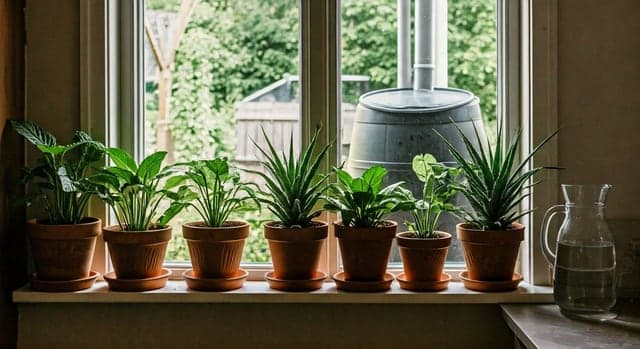
Understand how tap water, softened water, and chlorine affect your houseplants in US homes. Learn to manage water quality for thriving indoor plants. Get tips for sensitive species.
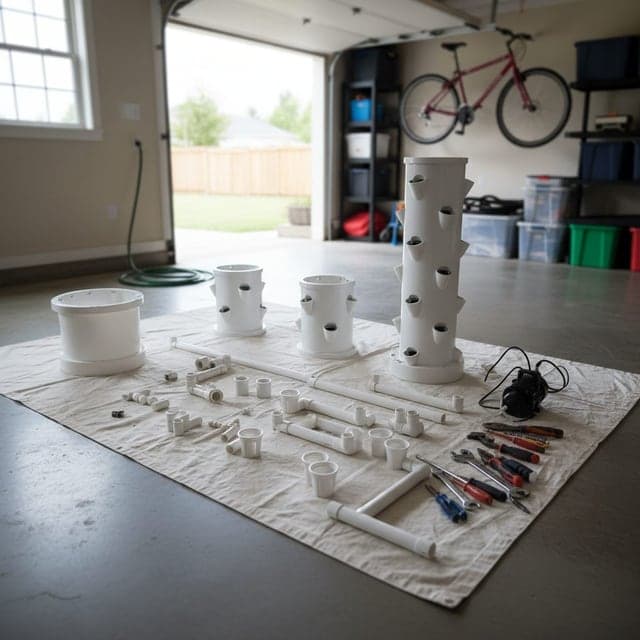
Learn vertical tower system maintenance to support a 10-year lifespan. Steps cover cleaning, draining, and overwintering to protect hydroponic equipment in USDA zones 5-8.
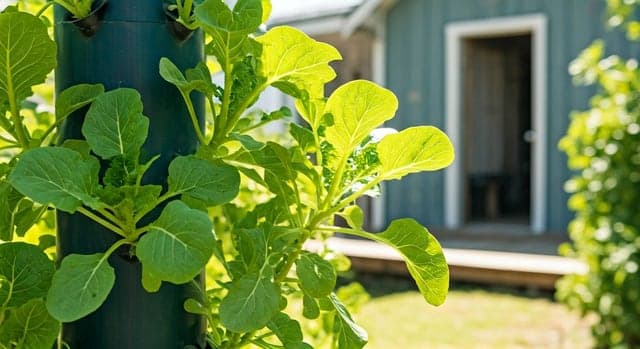
Master hydroponic tower irrigation with optimal pump cycles, pressure-compensating drip lines, and dry spot prevention. Support strong growth and maximize yield in your vertical garden.

Discover how vertical farming, hydroponics, and aquaponics can increase herb and strawberry yields by up to ten times while saving 70-95% water. Learn key techniques.

Discover how vertical hydro towers maximize leafy green yields in urban settings. Learn about water-saving hydroponic systems for year-round production in compact spaces.
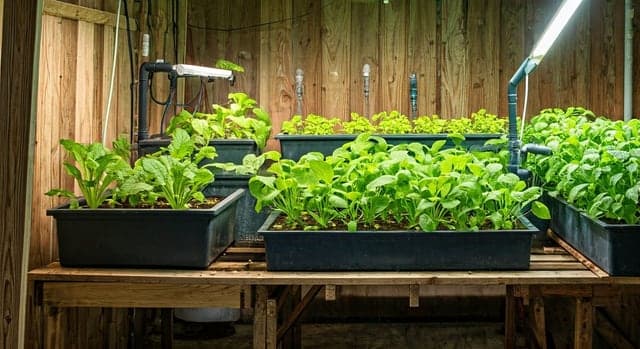
Raise tilapia in US aquaponics without cold shock or NH3 fish kills: compare Nile, Blue, and Mozambique lethal limits, calculate toxic unionized ammonia by pH and temperature, size staggered RAS st…
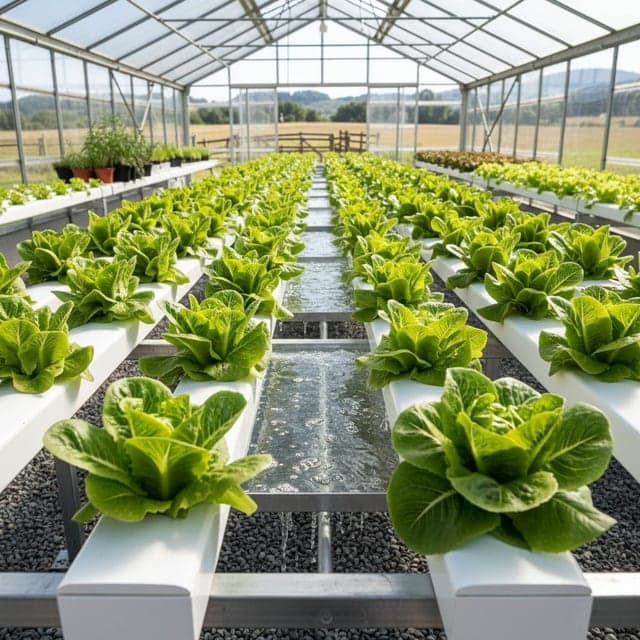
Unlock 20% faster plant growth in hydroponic and aquaponic systems by mastering water chemistry. Learn to monitor pH, ammonia, nitrite, and nitrate for optimal yields.
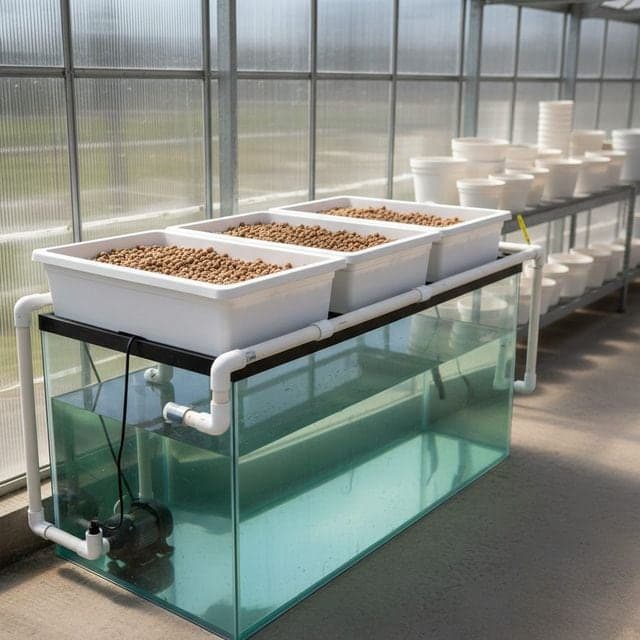
Learn to cycle your aquaponics system for a healthy, productive setup. Establish nitrifying bacteria, understand the nitrogen cycle, and ensure water quality for fish and plants.
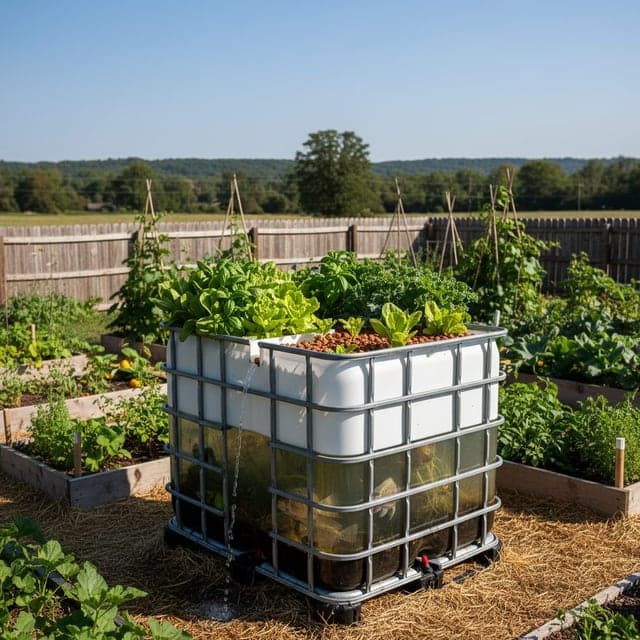
Learn to build a cost-effective IBC tote aquaponics system. Grow fish like tilapia and fresh produce using up to 90% less water. Ideal for home growers & arid regions.
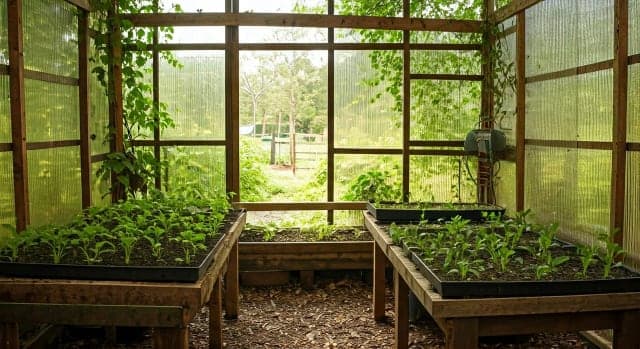
Run a stable US aquaponics nitrogen cycle from day one: fishless cycling with NH4Cl or NH4OH, Nitrosomonas and Nitrospira biofiltration, unionized NH3 spikes vs. pH and temperature, brown-blood chl…