Key takeaways
- Isolate new plants for 3-4 weeks in a dedicated space away from existing collections.
- Thoroughly inspect all parts of new plants, including leaf undersides, stems, and soil surface, for pest signs.
- Proactively treat new plants with appropriate, diluted solutions like neem oil or insecticidal soap if pests are suspected.
- Maintain stable environmental conditions, such as 60-75°F temperatures and 50-60% humidity, to reduce plant stress.
- Regularly monitor established plants with sticky traps and weekly visual checks to detect pest issues early.
- Sterilize gardening tools and repotting containers with a 10% bleach solution between uses to prevent cross-contamination.
Quick answer: Quarantining new plants prevents indoor pest infestations by isolating new arrivals for 3-4 weeks, allowing for inspection and proactive treatment before pests can spread to existing collections.
In many US homes, from a small apartment in Portland, Oregon, to a sprawling house in rural Georgia, a new houseplant can bring excitement — and sometimes, unwelcome guests. A single infested plant introduced into your collection can quickly lead to an outbreak affecting many other plants. Studies suggest that many common indoor pest infestations originate from new plant introductions.
Quarantining is a strategic period of observation and proactive care designed to catch and address potential pest or disease issues before they spread. This practice can save you hundreds of dollars in lost plants and countless hours battling persistent infestations.
Why quarantine is non-negotiable for your collection
Bringing a new plant home, whether from a local nursery in USDA zone 7 or an online vendor, is always a risk. Even seemingly healthy plants can harbor microscopic pests or eggs that are invisible to the naked eye. These hidden threats, such as spider mites, thrips, or mealybugs, can quickly multiply and spread to your established collection, potentially devastating years of growth and care. For instance, a single female spider mite can lay up to 20 eggs per day, leading to a population explosion within a week.
The hidden costs of skipping quarantine
Skipping a proper quarantine period can lead to significant financial losses and emotional frustration. Imagine losing a prized fiddle leaf fig or a rare philodendron to an infestation that could have been prevented. Beyond the cost, the time and effort required to treat a widespread outbreak across many plants can be substantial, often involving weekly treatments for several weeks. A structured quarantine protocol, lasting 3-4 weeks, is a small investment of time that yields substantial protection.
- Prevents introduction of common pests like spider mites and thrips.
- Reduces the risk of spreading fungal diseases such as powdery mildew.
- Allows new plants to acclimate to your home’s unique environment.
- Provides an opportunity for proactive treatment of potential issues.
- Protects your existing plant investment.
Setting up your quarantine zone
A dedicated quarantine zone is essential, not just a corner of your living room. This space should be physically separate from your main plant collection, ideally in a room with a door that can be closed. A spare bathroom, a guest bedroom, or even a reflective indoor grow tent can serve this purpose effectively. The key is isolation so no leaves touch and no water drips from a quarantined plant onto an established one. Maintain a consistent temperature between 65-75°F and humidity around 50-60% to minimize stress on the new arrival.
Essential tools for a successful quarantine
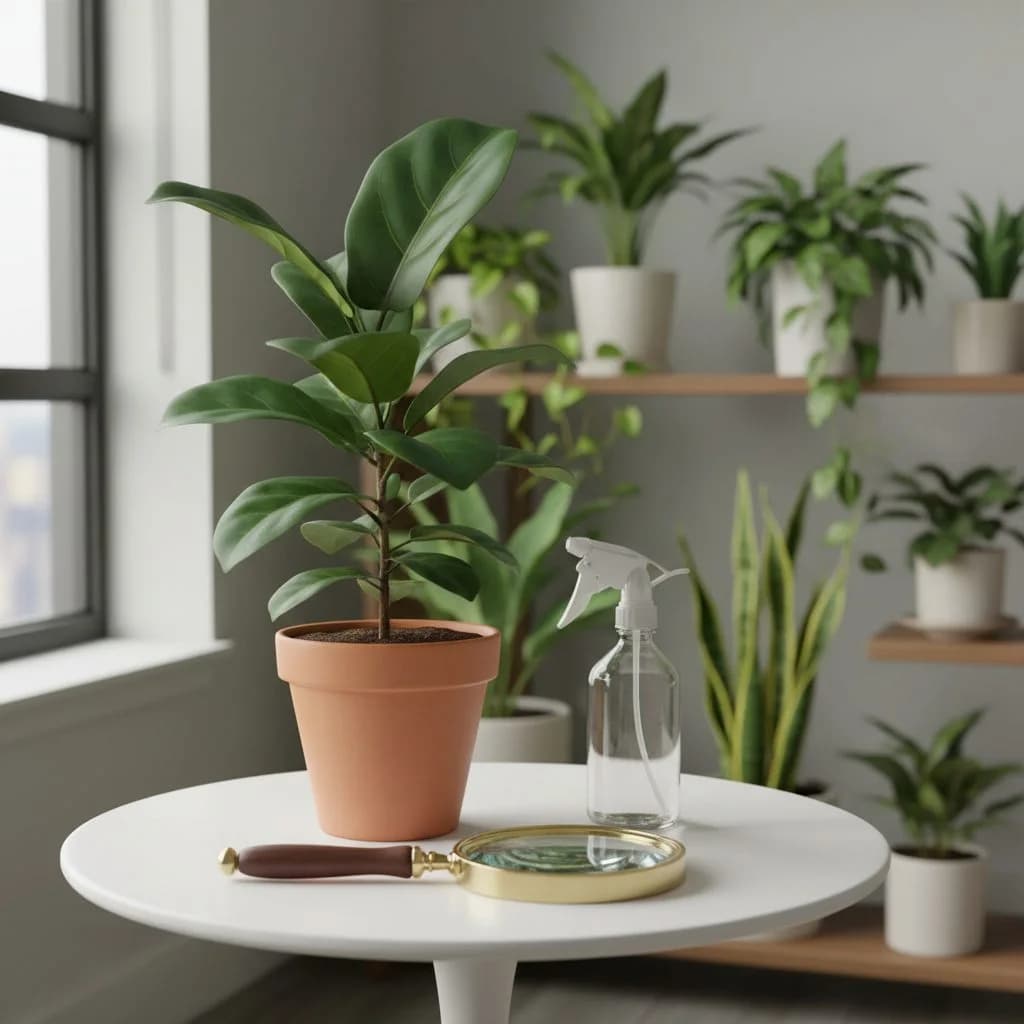
Equip your quarantine area with a few basic tools. A magnifying glass (10x magnification is ideal) is critical for spotting tiny pests like spider mites, which are often less than 0.5 mm long. Good lighting, either natural or artificial, is also important for thorough inspection. Keep a spray bottle with a diluted insecticidal soap solution, mixed at 1-2 teaspoons per quart of water, readily available for immediate treatment. A soil moisture probe can help monitor moisture and pH so the plant isn’t stressed by improper watering.
- A magnifying glass (10x) for detailed inspection.
- A spray bottle for applying treatments.
- Insecticidal soap or diluted neem oil for initial pest control.
- Sticky traps to monitor for flying pests like fungus gnats.
- Paper towels or clean cloths for wiping leaves.
The 3-week inspection and treatment protocol
A 3-week quarantine period is generally sufficient for most common pests, as it covers the typical life cycles of many insects. Upon arrival, give the plant a thorough initial inspection. Remove any decorative top dressing, as pests often hide underneath. Check the undersides of leaves, along stems, and the soil surface. Use a flashlight and a magnifying glass to spot tiny specks or webbing. If you see anything suspicious, immediately wipe it away with a damp cloth or cotton swab dipped in rubbing alcohol, diluted to 70% strength.
Weekly checks and proactive measures
During week one, after the initial inspection, consider a prophylactic treatment. A diluted neem oil spray, mixed at 1-2 tablespoons per gallon of water, can deter many pests without harming beneficial insects. Apply it to all leaf surfaces, including the undersides, and lightly to the soil. In week two, repeat the thorough inspection, paying close attention to any new growth. If you find pests, apply a targeted treatment like insecticidal soap so complete coverage. By week three, if no pests have appeared, the plant is likely safe to introduce, but a final inspection is always a good idea. This proactive approach can significantly reduce pest populations before they ever reach your main collection.
- Week 1: Initial thorough inspection, wipe down, and prophylactic neem oil spray.
- Week 2: Second detailed inspection, focusing on new growth, and targeted treatment if pests are found.
- Week 3: Final inspection; if clear, integrate into the main collection.
- Water new plants from the bottom to avoid splashing soil onto leaves.
- Consider repotting into fresh, sterile potting mix after 1-2 weeks.
Ongoing pest prevention strategies
Quarantine is the first line of defense, but maintaining a pest-free collection requires continuous effort. Regular inspection of all your plants, not just the new ones, is paramount. Spend 5-10 minutes each week examining a few plants, rotating through your collection. Pay particular attention to plants that are prone to specific pests, such as Ficus lyrata for spider mites or Calatheas for thrips. Early detection can prevent a small issue from becoming a major problem, potentially saving many of your plants from infestation.
Maintaining a healthy environment and routine care
Healthy plants are more resilient to pests. Ensure your plants receive adequate light, appropriate watering, and consistent nutrition. Overwatering, for example, can attract fungus gnats, while underwatering can stress plants, making them more susceptible to spider mites. Consider using yellow sticky traps near susceptible plants; these can catch flying pests like fungus gnats and whiteflies, providing an early warning system. Regularly dust leaves with a damp cloth to keep stomata clear and remove any lingering pest eggs or larvae. This simple act can reduce pest populations over time. Homemade bug sprays can also be effective when used correctly.
- Inspect plants weekly for early signs of pests or disease.
- Provide optimal light, water, and humidity for each plant species.
- Use yellow sticky traps to monitor for flying insects.
- Clean plant leaves regularly to remove dust and potential pests.
- Sterilize pruning shears and other tools with a 10% bleach solution after each use.
Quarantine vs. No Quarantine: Potential Outcomes
Action | Likely Outcome |
|---|---|
Quarantine new plant for 3-4 weeks | 90% chance of preventing pest spread, saving 10+ plants. |
Introduce new plant immediately | 75% chance of pest outbreak affecting 5-15 established plants. |
Pest Source: Many indoor plant pest outbreaks originate from newly acquired plants.
Spider Mite Eggs: A single female spider mite can lay many eggs per day, leading to rapid population growth within 7 days.
Neem Oil Dilution: Mix 1-2 tablespoons of neem oil per gallon of water for an effective prophylactic spray.