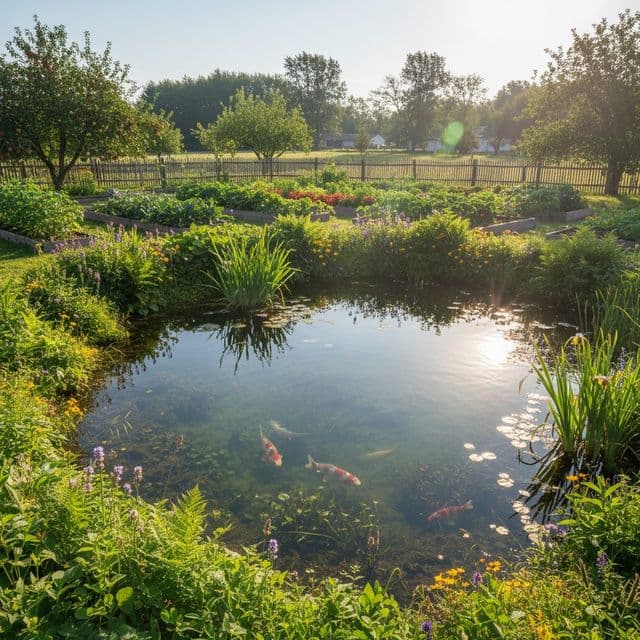
Clear Pond Water: Balancing Fish, Plants & Reducing Nutrients
Achieve clear pond water by balancing fish, feed, and plants. Learn how passive irrigation and strategic planting reduce nutrient loads by up to 80%, preventing algal blooms in US ponds.
Tag
64 articles in this tag on agripure. — page 2 of 3
Achieve clear pond water by balancing fish, feed, and plants. Learn how passive irrigation and strategic planting reduce nutrient loads by up to 80%, preventing algal blooms in US ponds.
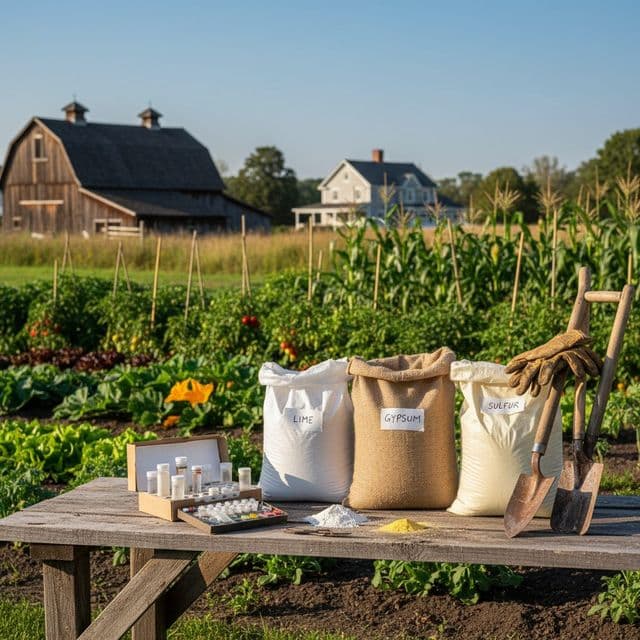
How gypsum, lime, and sulfur improve soil structure and pH based on soil test results in USDA Zone 6.
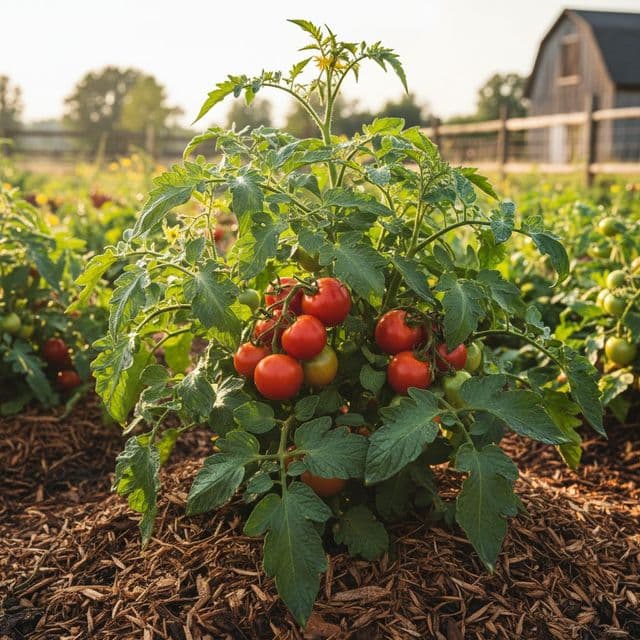
Uncover the truth about Epsom salt for tomatoes & peppers. Learn when magnesium sulfate is truly beneficial, why soil testing is critical, and avoid nutrient imbalances.
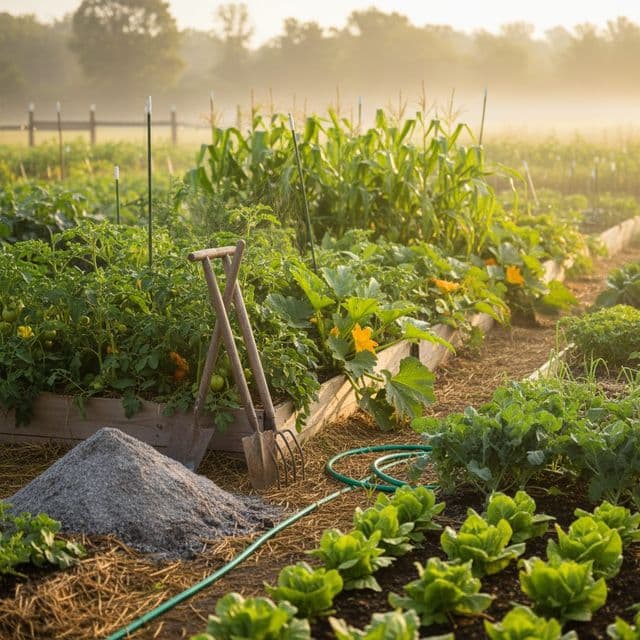
Learn how to use wood ash in your garden effectively. Discover its benefits for acidic soils, nutrient content, and risks for alkaline soils or acid-loving plants. Essential tips for applying wood…
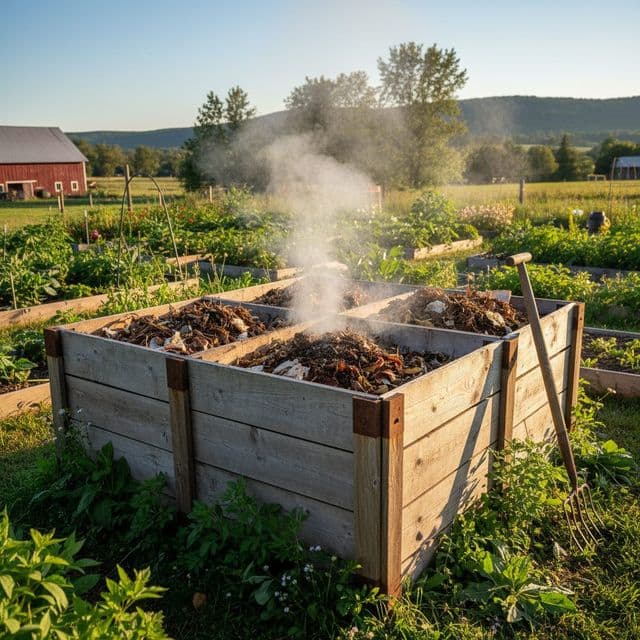
Learn to fix common compost problems like wet, dry, or slimy piles. Master the ideal 30:1 carbon-to-nitrogen ratio and moisture for efficient decomposition & soil fertility.
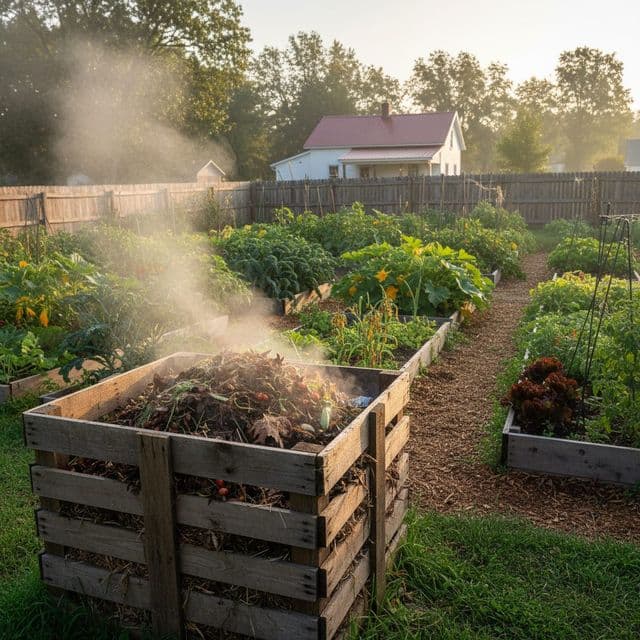
Accelerate composting by 30-50% using natural compost accelerators. Learn about ideal C:N ratios, microbial activators (EM-4), biochar, and nutrient-rich materials for faster, healthier compost.
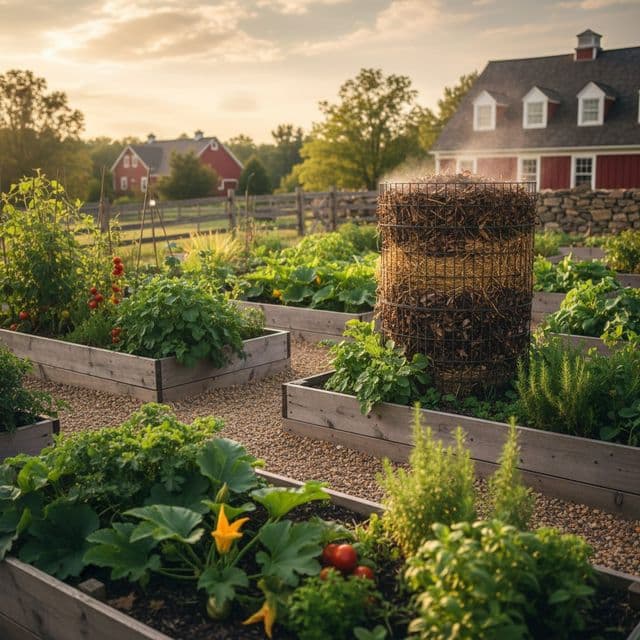
Discover how sourcing free manure from local US farms can boost your garden’s soil fertility and crop yields. Learn safe composting, sourcing tips, and benefits for homesteaders.
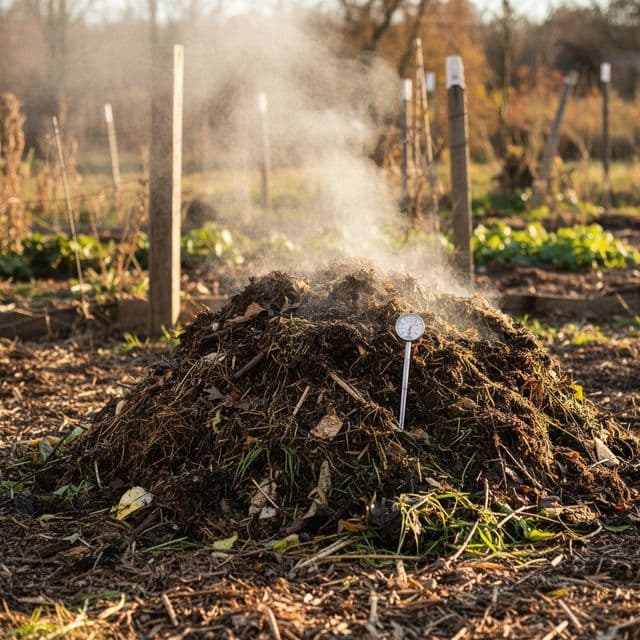
Learn hot composting techniques for cow and horse manure. Maintain 140°F to kill pathogens, improve soil, and boost garden health in USDA Zone 6. Avoid fresh manure risks.
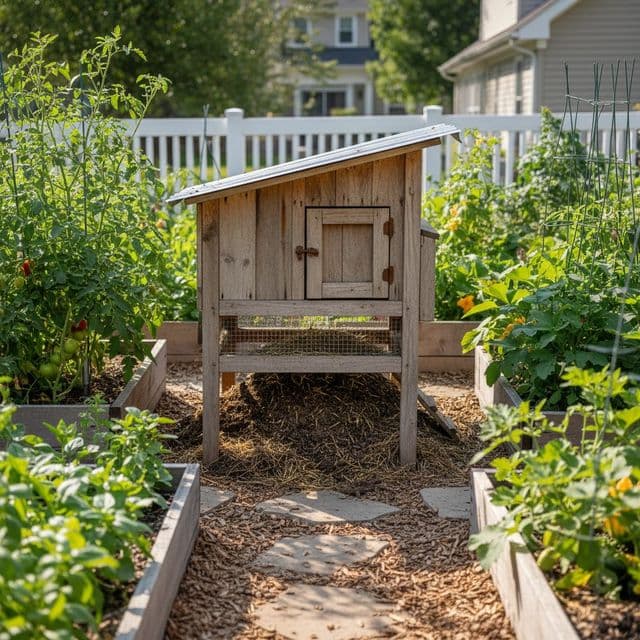
Rabbit manure works as a cold fertilizer for gardens in USDA zones 3-9. Apply directly for balanced nutrients, improved soil, and less labor.
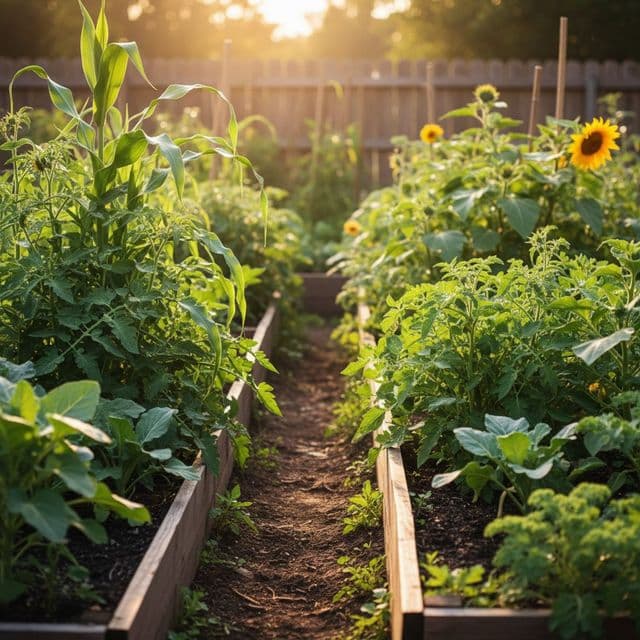
Learn safe composting of chicken manure for fertile soil. Achieve the ideal 30:1 C:N ratio, monitor temperatures, and apply compost in your Midwest garden.
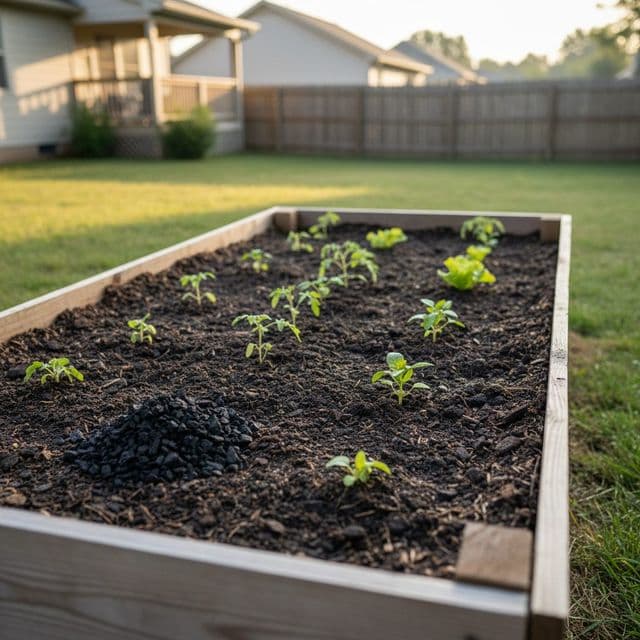
Unlock healthier soil with biochar! Learn how to apply biochar to garden beds to increase water retention by up to 18%, improve soil structure, and boost plant growth for long-term benefits.
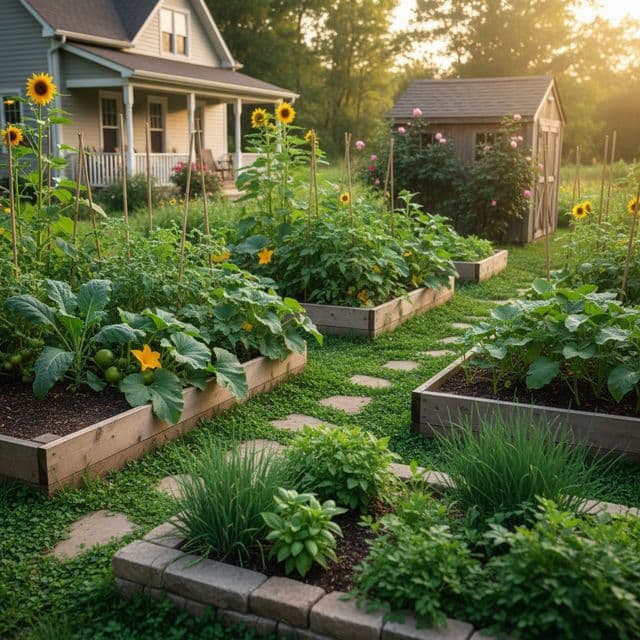
The differences between biochar and grilling charcoal for garden soil, including how biochar improves soil water retention and plant health in USDA Zone 6 while avoiding additives.
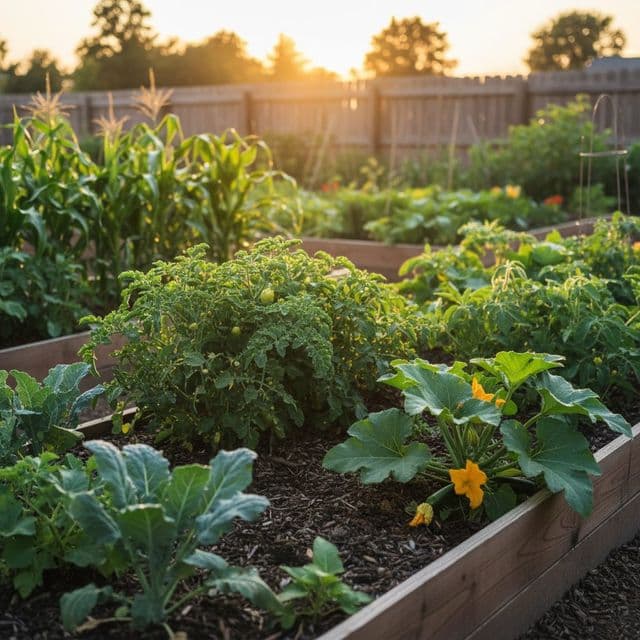
Learn how to charge biochar with compost tea or vermicompost leachate to boost soil health, water retention, and potentially increase crop yields by 10-20% in your garden.
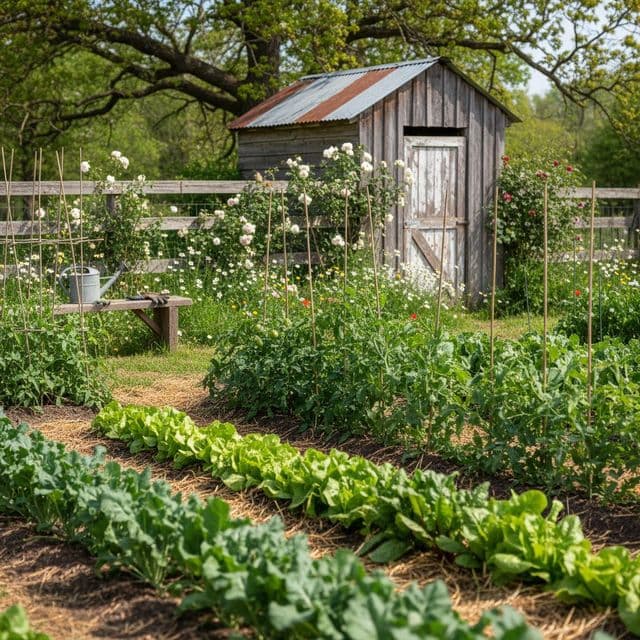
Make DIY fish emulsion and seaweed feeds for garden soil fertility, providing nitrogen, micronutrients, and growth hormones using homemade organic fertilizers.
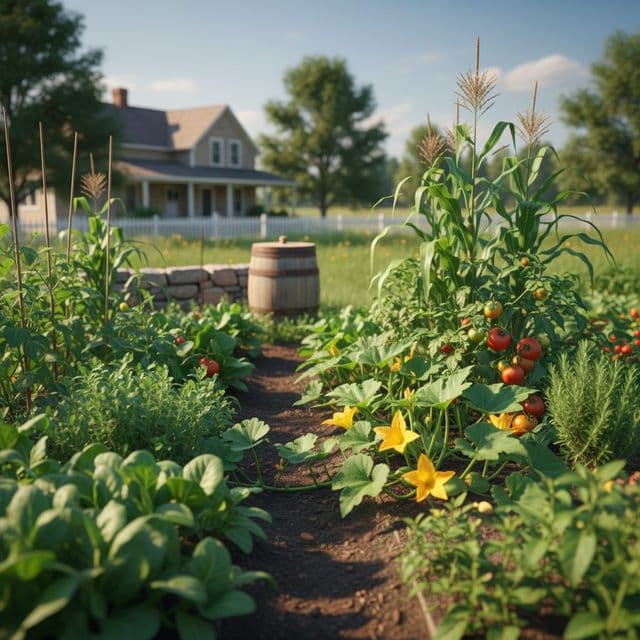
Fermented nettle and weed feeds can increase garden nitrogen by up to 20%, reduce fertilizer costs by 15%, and improve soil health. DIY liquid fertilizer.
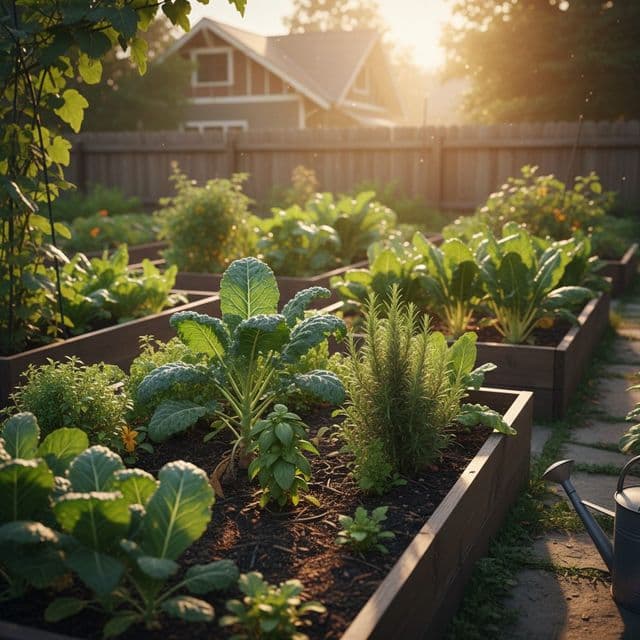
How to brew and apply worm casting tea for healthier plants and improved soil, including application rates, brewing steps, and soil drench techniques.
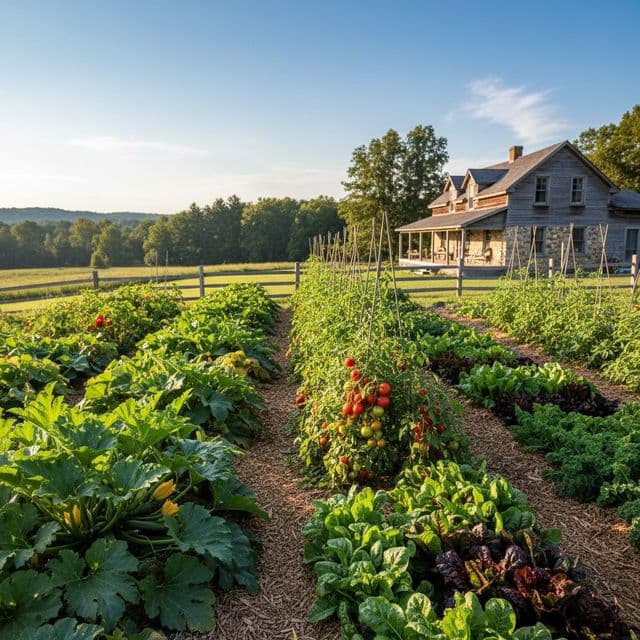
Learn how to make effective kitchen scrap liquid feeds from banana peels & eggshells to boost zucchini growth in your USDA zone 6 garden. Reduce waste & improve soil.
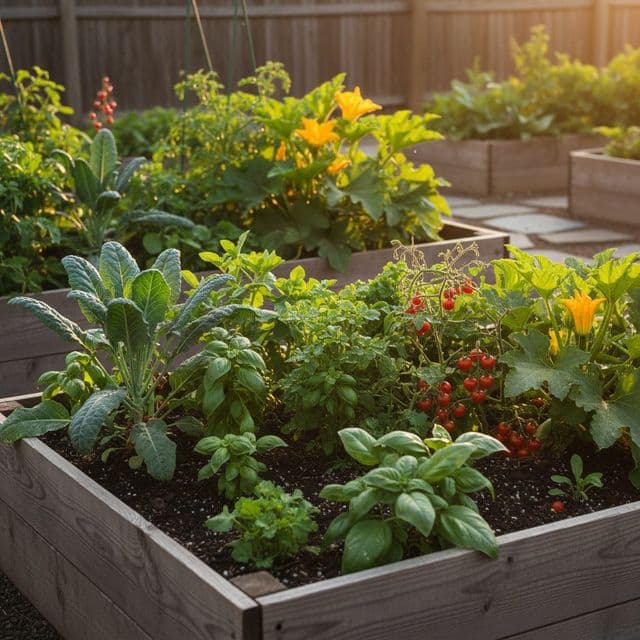
Learn to grow Bocking 14 comfrey and make potent ‘comfrey tea’ liquid fertilizer. This sterile hybrid boosts soil fertility in USDA zones 4-9, providing essential nutrients for your garden.
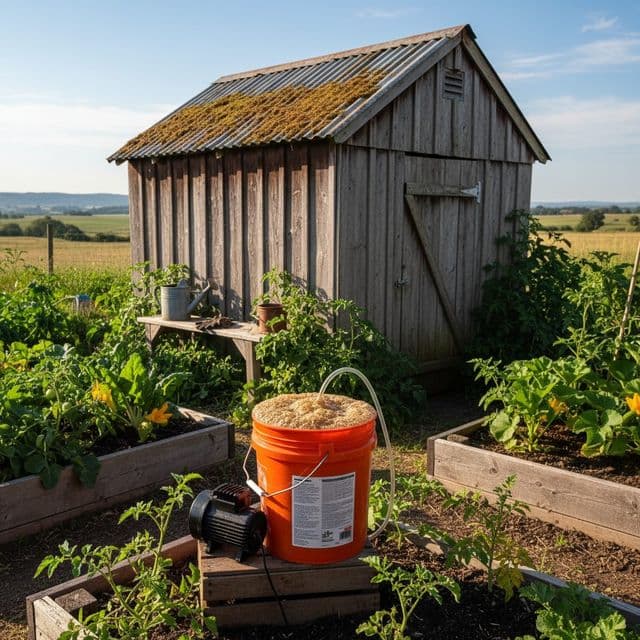
Learn to brew aerated compost tea for healthier plants and increased yields. This guide covers equipment, ingredients, and application for disease suppression and nutrient uptake in your garden.
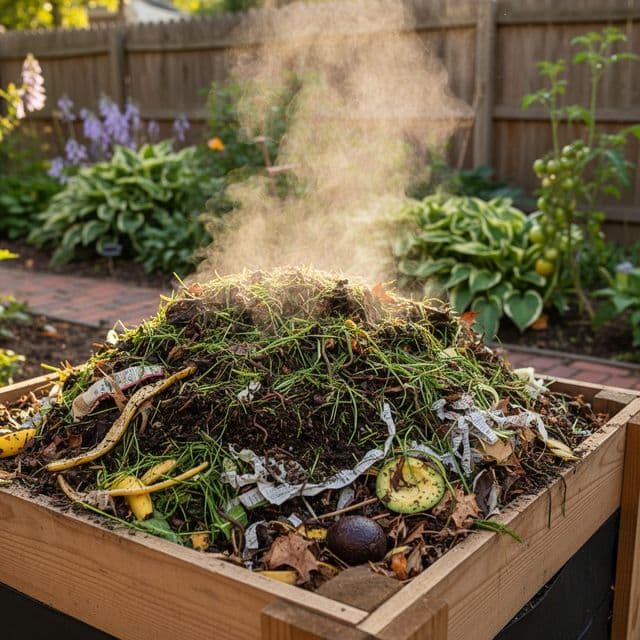
Learn how to balance the carbon-to-nitrogen (C:N) ratio in your compost pile for efficient decomposition. Discover ideal ratios for browns & greens to create nutrient-rich soil.
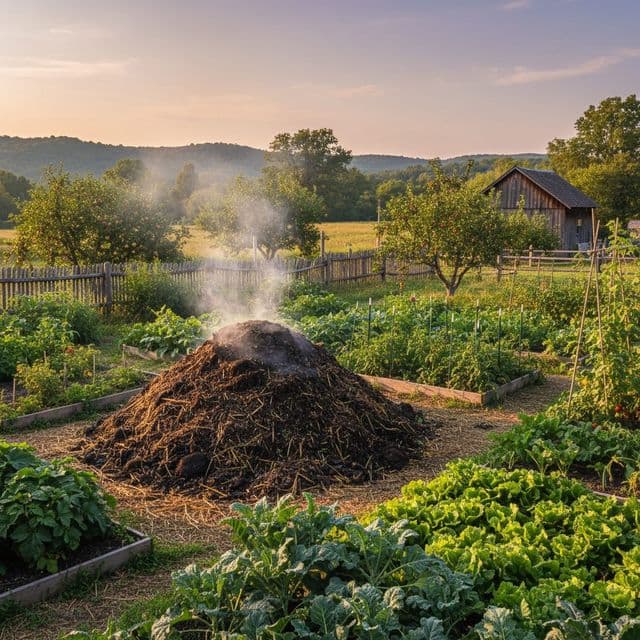
Master hot composting with the Berkeley method. Achieve 130-160°F temperatures to create nutrient-rich compost in 18 days, improving soil structure & fertility.
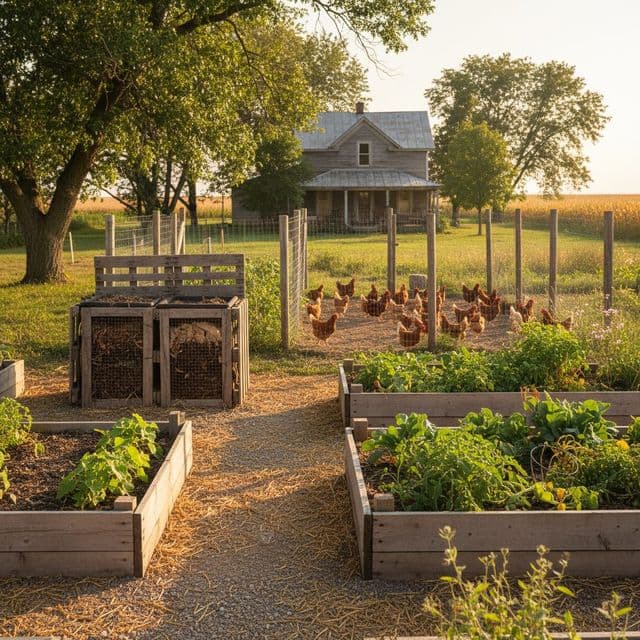
How to make homemade bokashi bran and save up to 75% on soil amendments, enriching garden soil and fermenting kitchen scraps anaerobically.
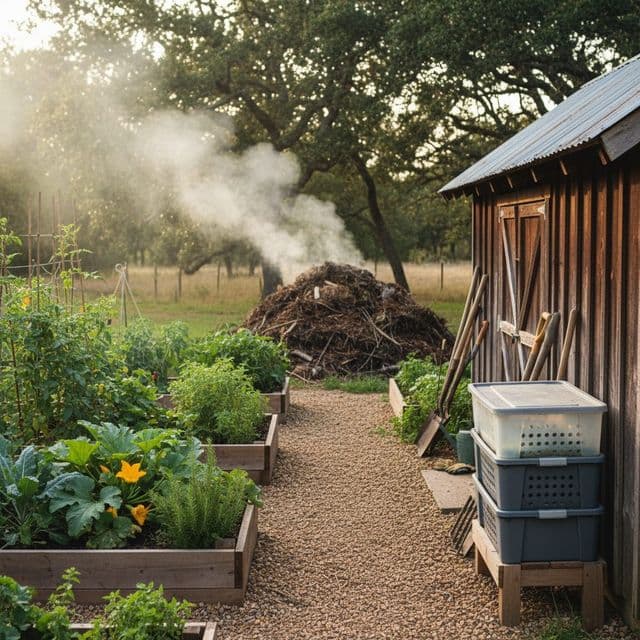
How vermicompost compares with traditional compost for soil organic matter, nutrient availability, and water retention in vineyards and garden beds.
Diagnose common citrus tree problems like yellow leaves, fruit splitting, and premature drop in home orchards, identifying remedies for nutrient deficiencies, water stress, and insect pests.