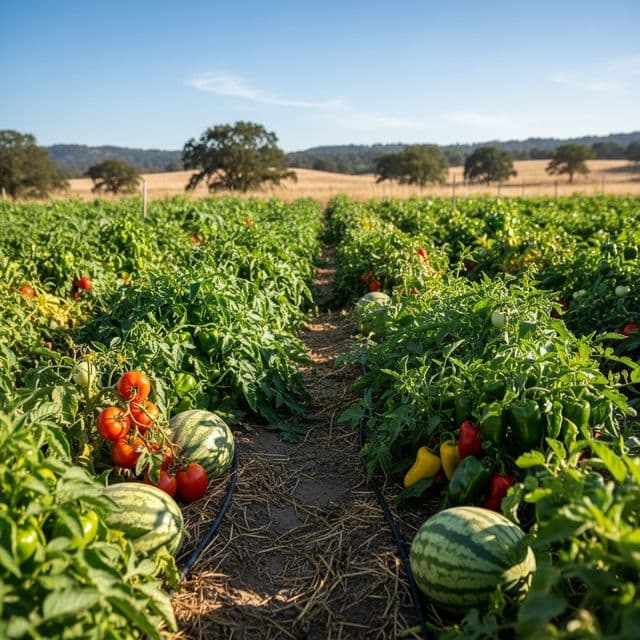
Grow sweeter tomatoes, melons & peppers in USDA Zone 7
How to grow sweeter tomatoes, melons, and peppers in USDA Zone 7 through soil pH, water management, sunlight, and nutrient balance to boost Brix levels.
Tag
64 articles in this tag on agripure. — page 3 of 3
How to grow sweeter tomatoes, melons, and peppers in USDA Zone 7 through soil pH, water management, sunlight, and nutrient balance to boost Brix levels.
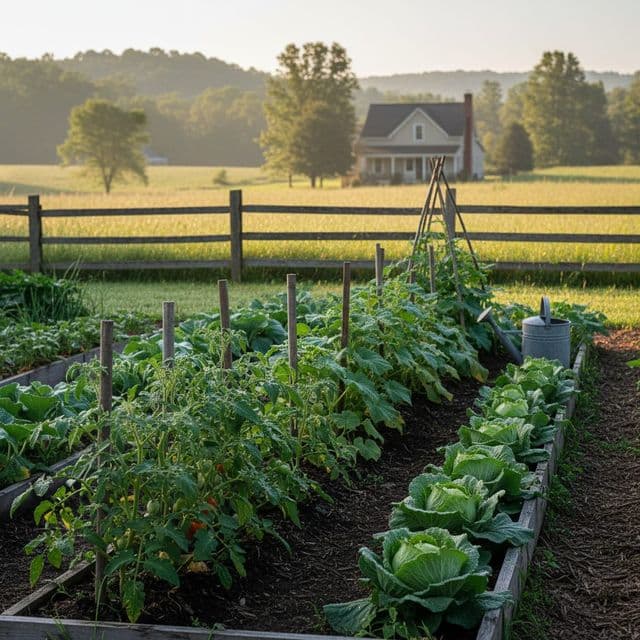
Master successful vegetable growth stages in USDA Zone 6. Learn to identify germination, vegetative, flowering, fruiting, and senescence for optimal plant care and higher yields.
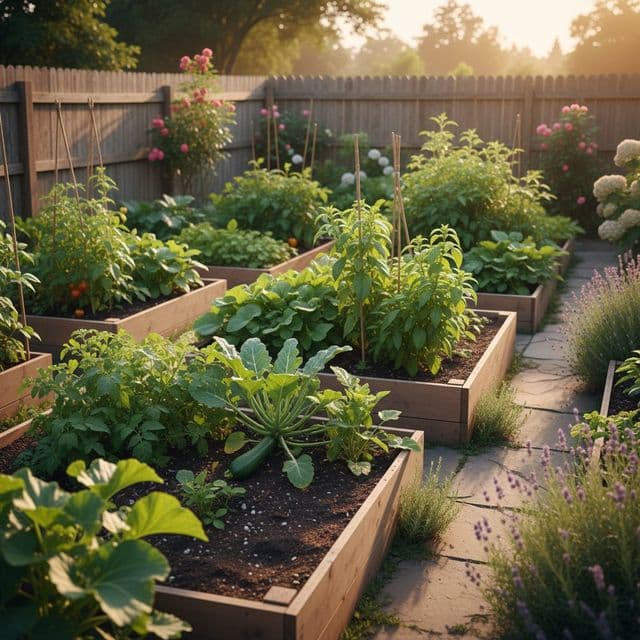
Troubleshoot stalled pepper and cucumber crops in USDA zone 6. Learn to diagnose common issues like pollination, nutrient imbalance, pests, and environmental stress to boost your harvest.
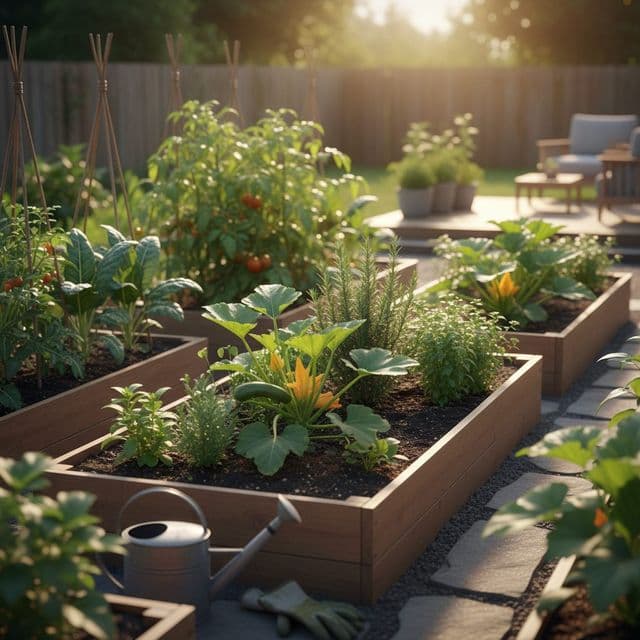
Learn to diagnose common tomato nutrient deficiencies by leaf symptoms. Identify N, P, K, Ca, Fe issues in tomatoes & cucurbits to prevent yield loss and improve harvest quality in Ohio.
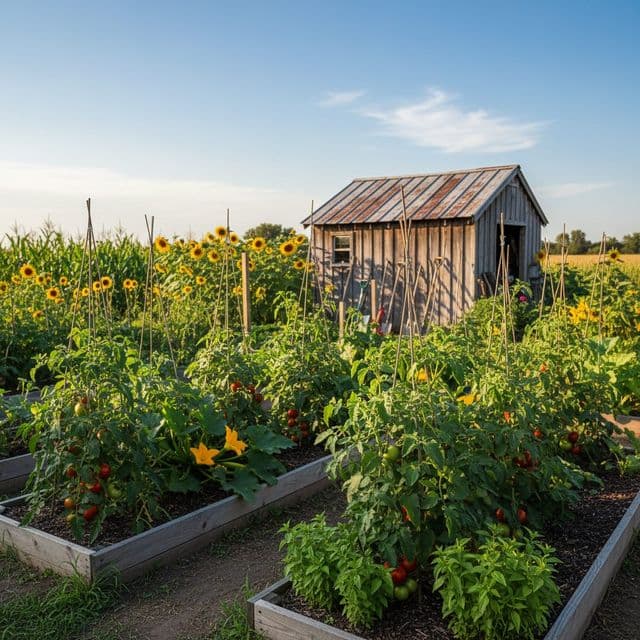
Identify and solve common tomato plant problems from seedling to harvest. Learn diagnostics for pests, diseases, and nutrient issues to maximize yields in USDA Zone 6.
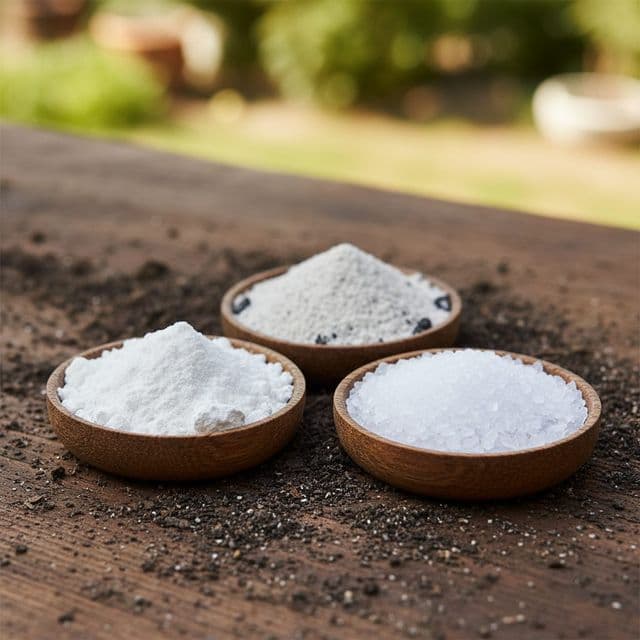
Demystify soil amendments like wood ash, Epsom salt, and gypsum. Learn how to use them safely to balance soil chemistry, prevent nutrient lockouts, and boost garden fertility.
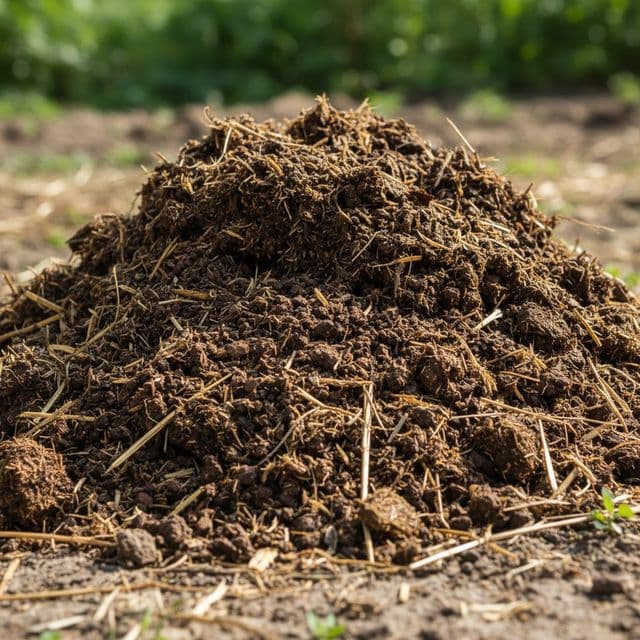
Learn to safely compost chicken, rabbit, cow, and horse manure. Balance C:N ratios, monitor temperatures, and prevent pathogens & weed seeds for nutrient-rich soil.
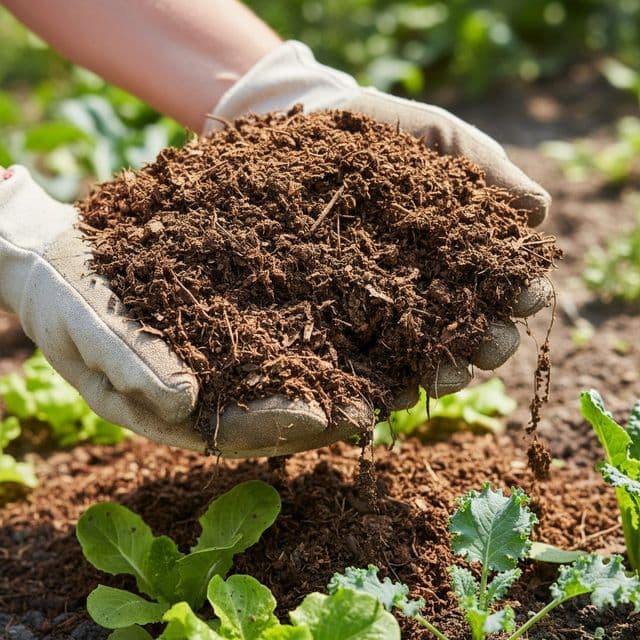
Learn how to make leaf mold, a premium soil conditioner, from fallen leaves. Discover its benefits for water retention, soil structure, and fertility. Easy DIY guide.
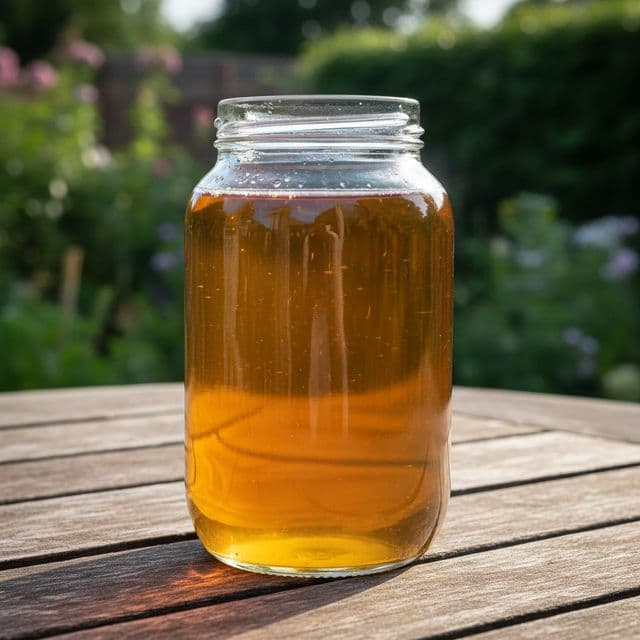
Learn to make homemade compost tea and liquid fertilizers for free. Boost plant growth with microbial inoculants, understand brewing methods, and ensure food safety.
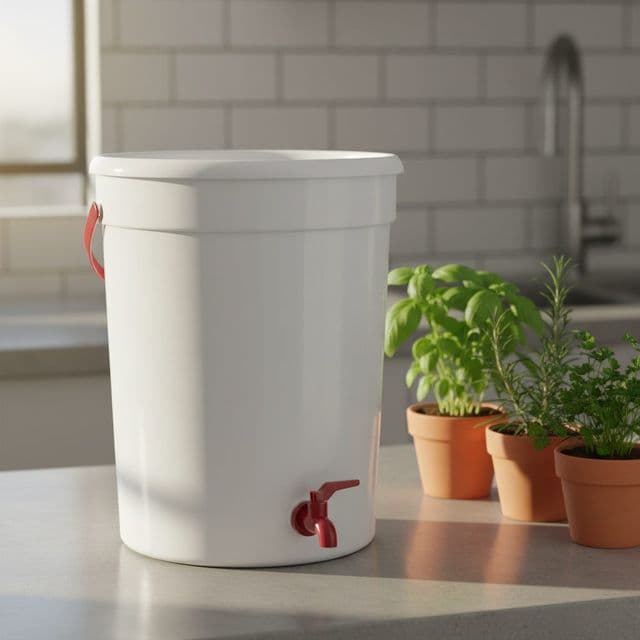
Discover Bokashi composting for small US spaces. This anaerobic method ferments all food scraps, including meat & dairy, without odors. Create nutrient-rich soil & liquid fertilizer.
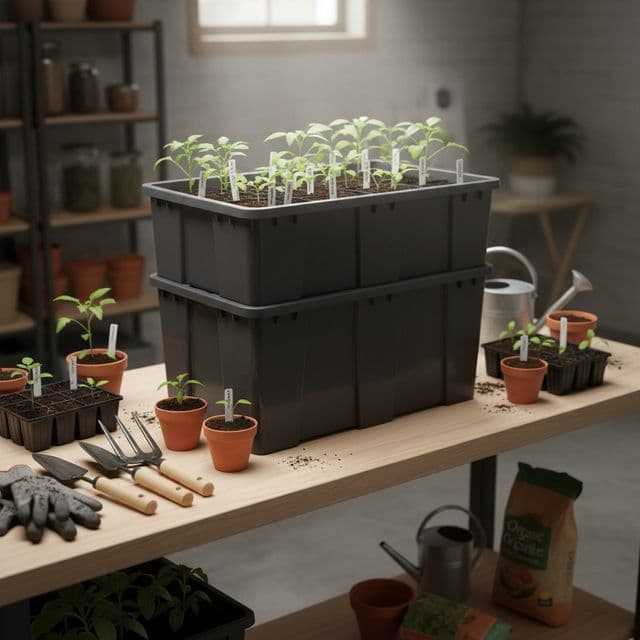
Learn to set up and maintain a worm bin for vermicomposting at home. This guide covers worm species, bin sizing, feeding, and harvesting nutrient-rich castings for your garden.
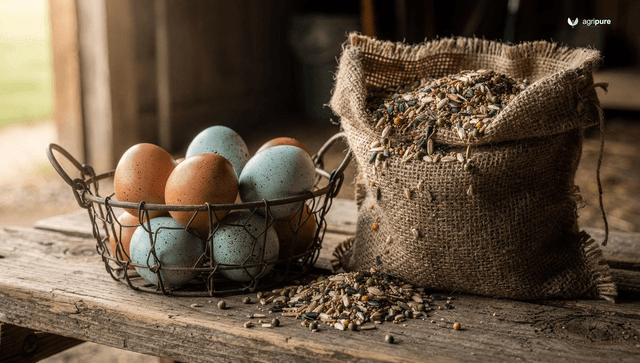
What separates a premium farm egg from a supermarket egg – breed selection, soy-free feed, pasture-driven yolk color, and an honest cost-per-dozen worksheet.
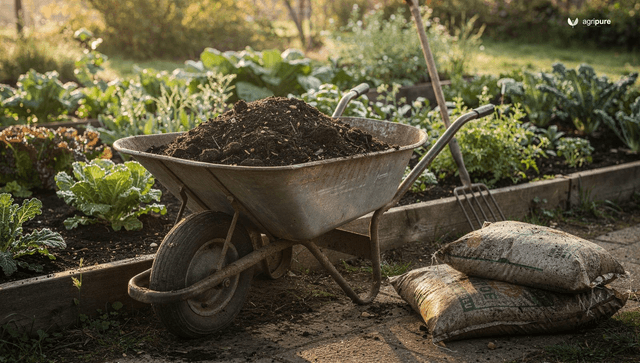
The best organic fertilizers for a vegetable garden: compost, ranked manures, and how to read NPK. A practical guide to feeding soil, not just plants.
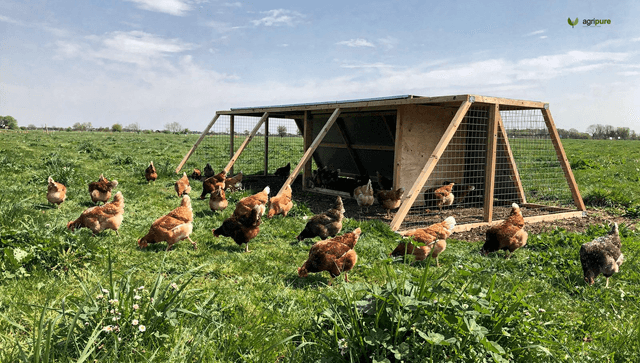
Pastured chickens are healthier and improve your land, but the system needs a plan. Here is how to use chicken tractors, rotate paddocks, and what feed really costs.
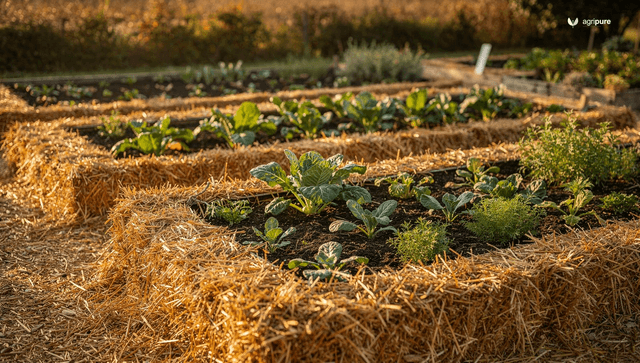
Mulch suppresses weeds, holds moisture, and feeds soil as it breaks down. Here are the best organic mulches, how thick to lay them, and the mistakes to avoid.
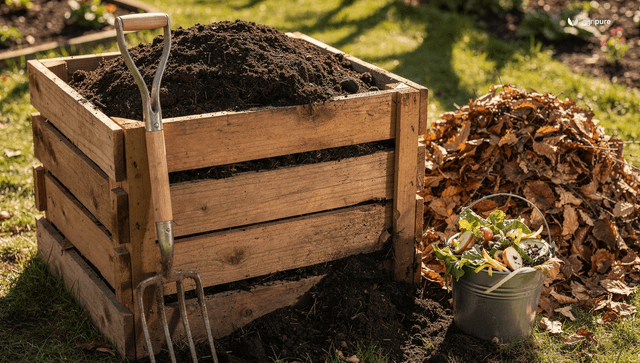
Composting is free fertilizer from kitchen and yard waste. Here is the browns-to-greens ratio, hot versus cold methods, and how to fix a pile that misbehaves.