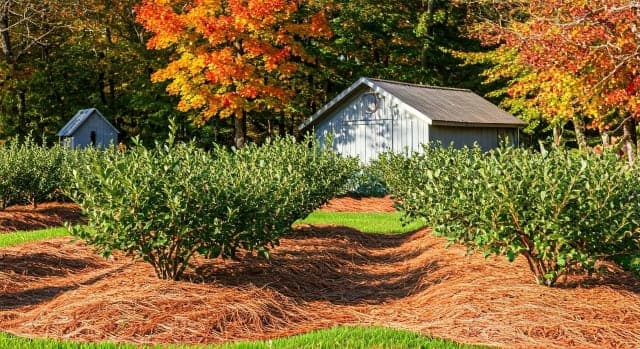
Acidify soil for blueberries: target pH 4.5-5.5 in USDA zones 5-9
Acidifying soil for blueberries to pH 4.5-5.5 requires soil testing, elemental sulfur, peat moss, and regular pH monitoring in USDA zones 5-9.
Tag
15 articles in this tag on agripure.
Acidifying soil for blueberries to pH 4.5-5.5 requires soil testing, elemental sulfur, peat moss, and regular pH monitoring in USDA zones 5-9.
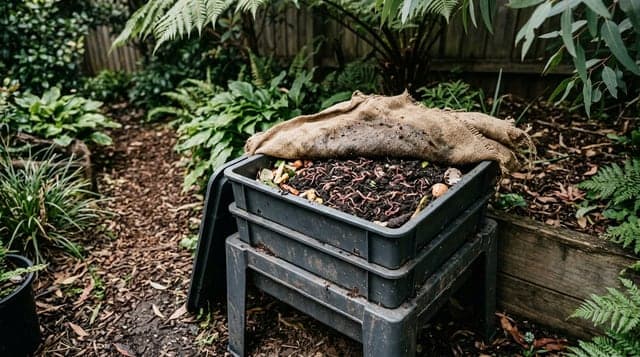
Learn how to start a worm farm in Australia with bedding setup, summer heat management, feeding rules, and tips for harvesting rich castings and worm juice.
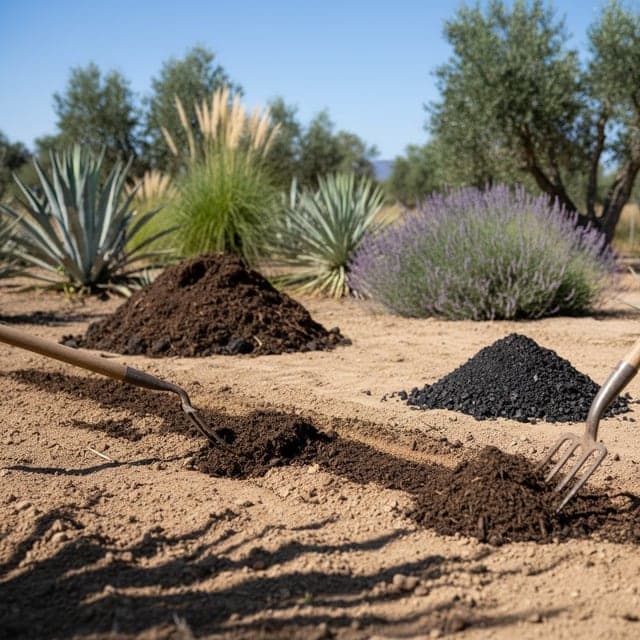
Sandy soils drain quickly. Learn how compost, biochar, and cover crops improve water and nutrient retention in drought-prone US regions.
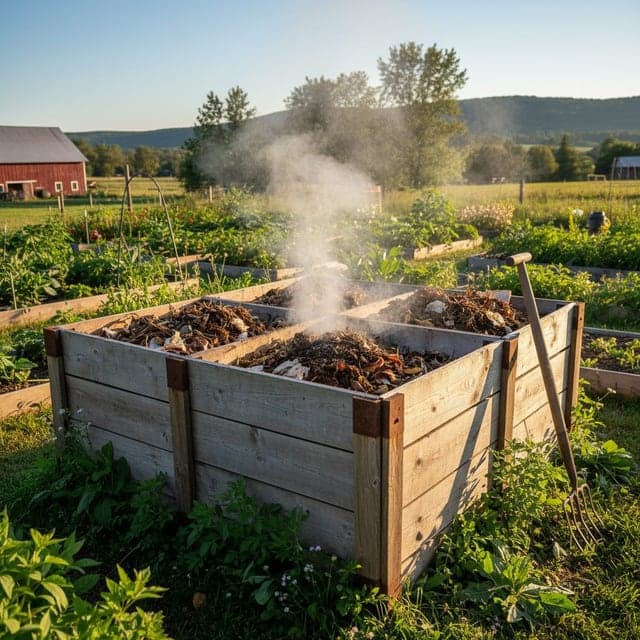
Learn to fix common compost problems like wet, dry, or slimy piles. Master the ideal 30:1 carbon-to-nitrogen ratio and moisture for efficient decomposition & soil fertility.
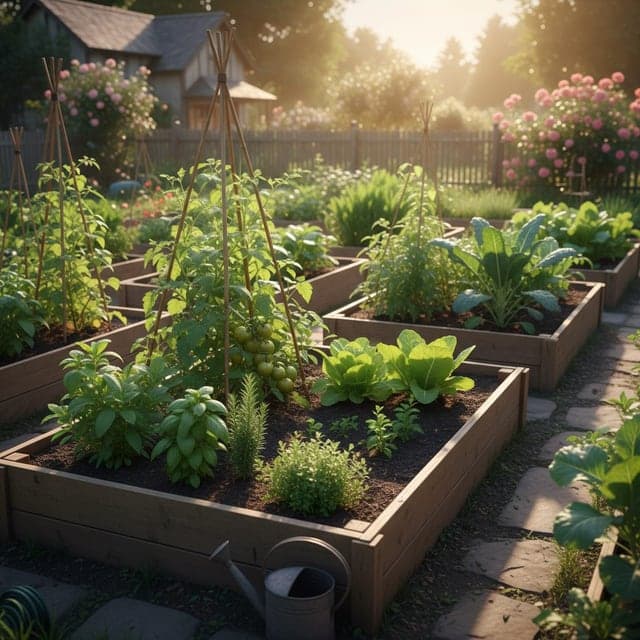
Troubleshoot why your compost pile isn’t heating up or breaking down in USDA Zone 6. Learn to balance C:N, moisture, and aeration to restart decomposition and create rich soil.
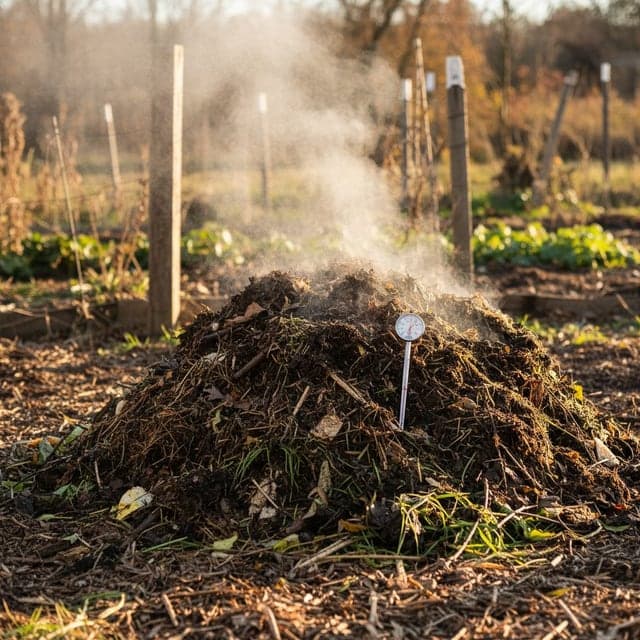
Learn hot composting techniques for cow and horse manure. Maintain 140°F to kill pathogens, improve soil, and boost garden health in USDA Zone 6. Avoid fresh manure risks.
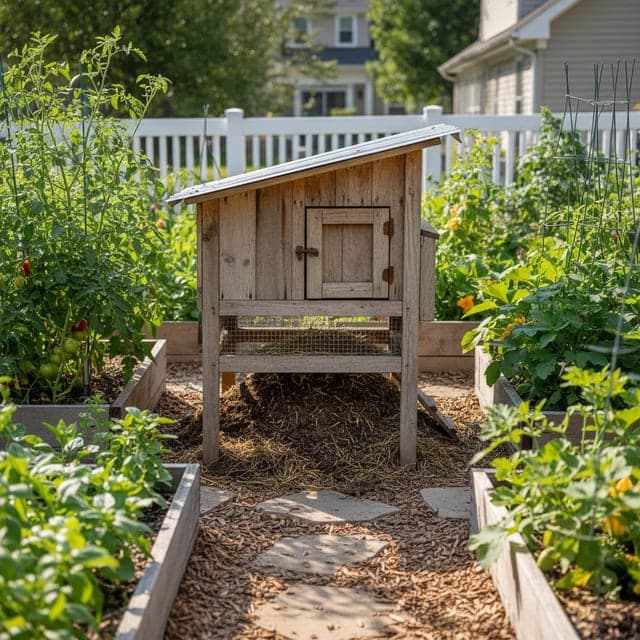
Rabbit manure works as a cold fertilizer for gardens in USDA zones 3-9. Apply directly for balanced nutrients, improved soil, and less labor.
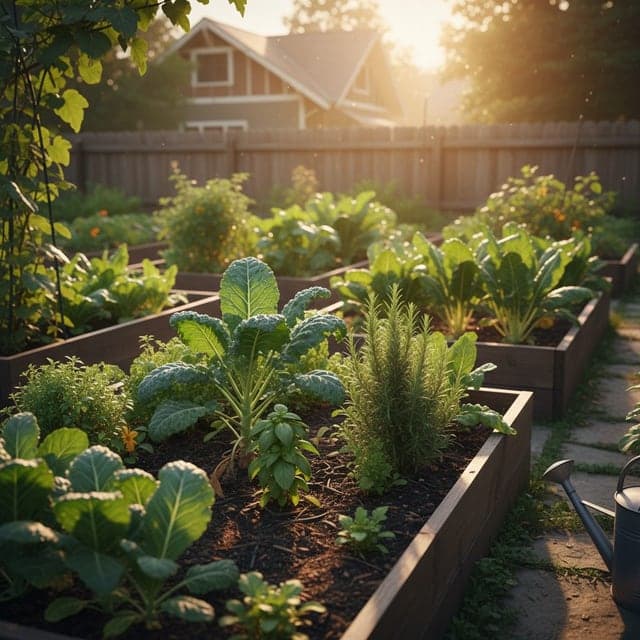
How to brew and apply worm casting tea for healthier plants and improved soil, including application rates, brewing steps, and soil drench techniques.

Compare DIY vs. store-bought compost bins for your garden. Learn about optimal 30:1 C:N ratios, moisture, and aeration for efficient composting. Find the best compost bin for your needs.
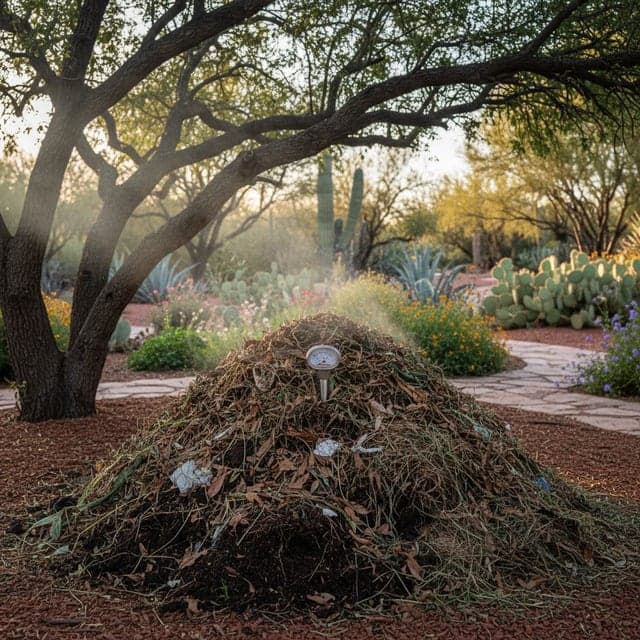
Master desert composting in USDA zones 8-10. Learn essential strategies for moisture retention, shade, and temperature regulation to create nutrient-rich humus in arid climates.
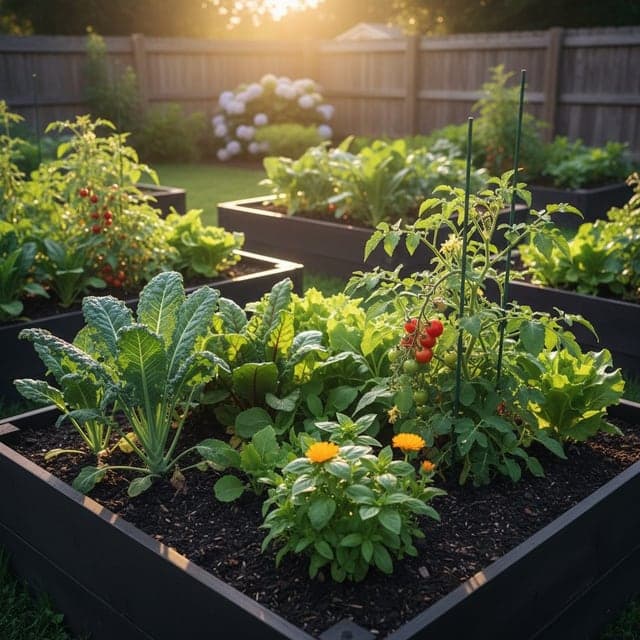
Master Midwest winter composting in USDA zones 4-6. Learn to insulate piles, maintain 30:1 C:N ratios, and use vermicomposting for nutrient-rich soil year-round.
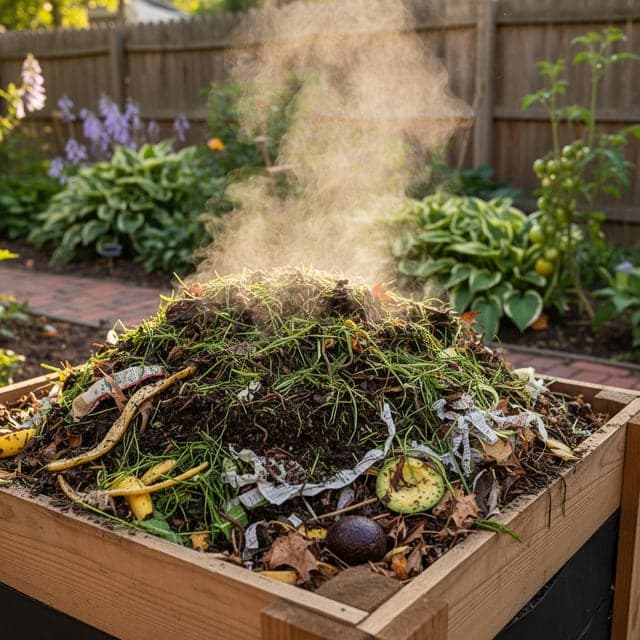
Learn how to balance the carbon-to-nitrogen (C:N) ratio in your compost pile for efficient decomposition. Discover ideal ratios for browns & greens to create nutrient-rich soil.
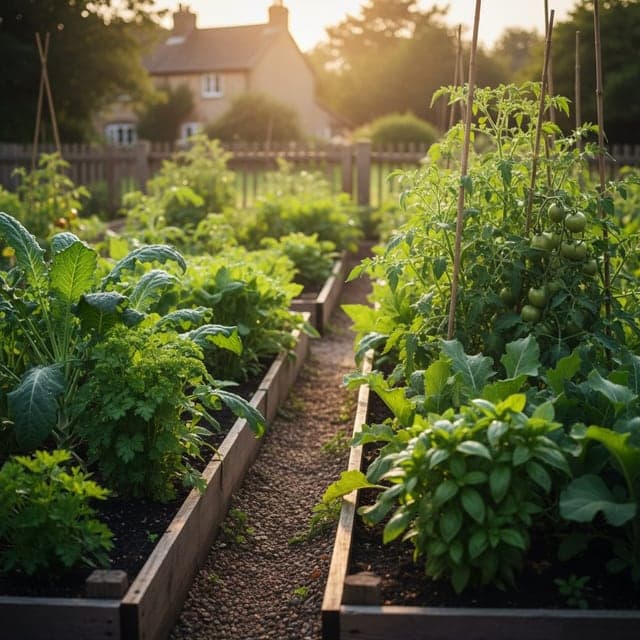
Learn how to manage apartment composting in Phoenix, AZ, even in a small 500 sq ft space. Discover vermicomposting, bokashi, and biochar to reduce organic waste by up to 35% and create compost for…
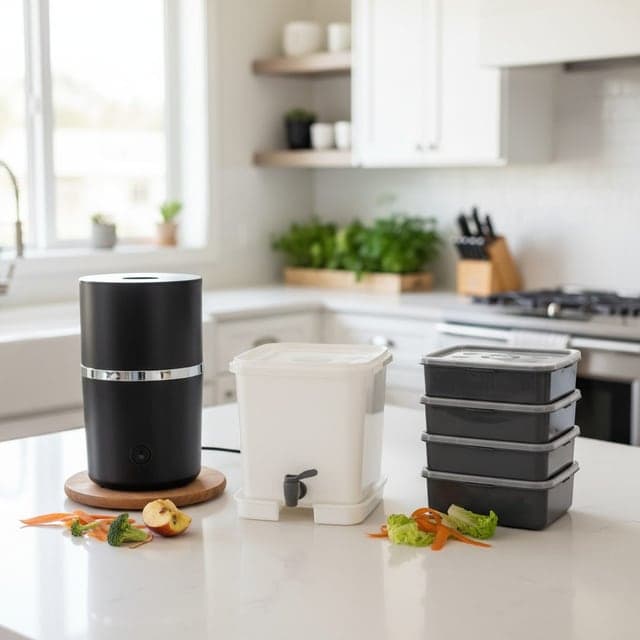
Indoor composting systems like bokashi, vermicomposting, and electric composters reduce household waste. Compare methods to choose the best option for your home.
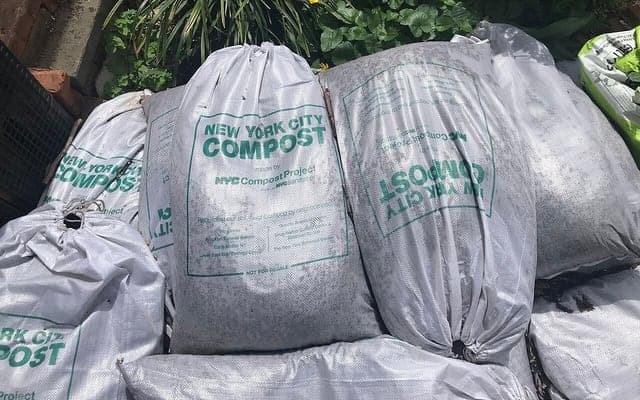
Learn Bokashi composting for US growers. Ferment all kitchen scraps, including meat & dairy, indoors. Reduce waste, create nutrient-rich soil, and avoid odors & pests.