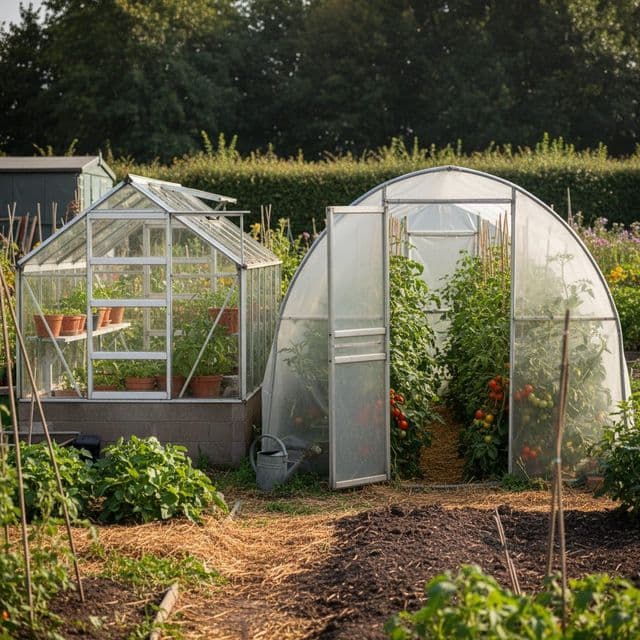
Polytunnel vs Greenhouse: Choosing for UK Allotments
Compare polytunnels and greenhouses for UK gardens and allotments. Evaluate costs, durability, growing space, storm resistance, and council rules.
Topic
Grow more of your own food with practical, beginner-friendly gardening guides. From starting seeds and planning beds to companion planting, square-foot layouts, herbs, mushrooms, greenhouses, and soilless systems, these articles walk you through every step—what to plant, when to plant it, and how to keep crops healthy from sowing to harvest.
763 articles in this topic on agripure. — page 11 of 32
Compare polytunnels and greenhouses for UK gardens and allotments. Evaluate costs, durability, growing space, storm resistance, and council rules.
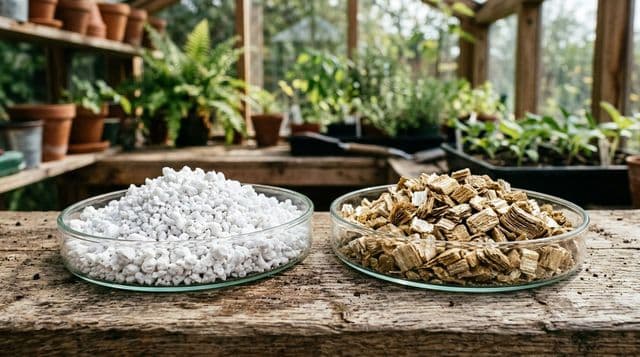
Compare perlite vs vermiculite for gardening. Learn mineral differences, water holding, drainage, and when to use each in potting soil and seed starting.
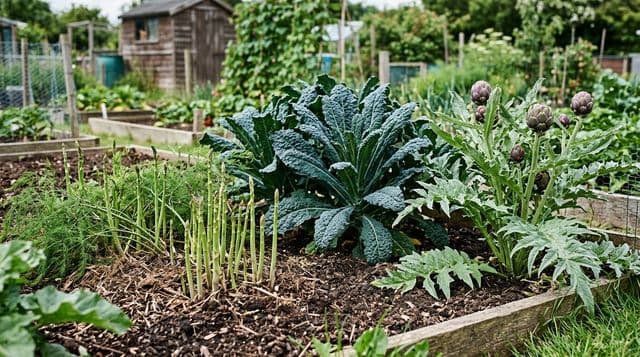
Nine perennial vegetables suited to UK gardens and allotments, from sea kale to perennial kale, with guidance on soil preparation and care.
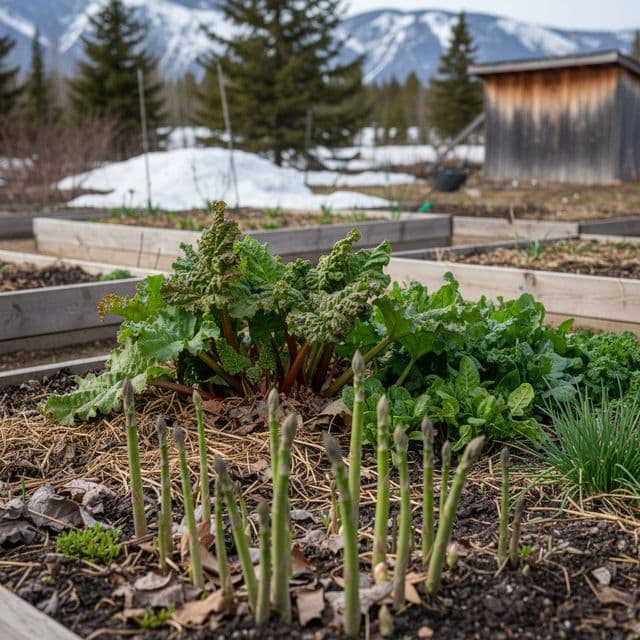
A complete guide to cold-hardy perennial vegetables for Canadian gardens, covering asparagus, rhubarb, sea kale, Good King Henry, and winter protection.
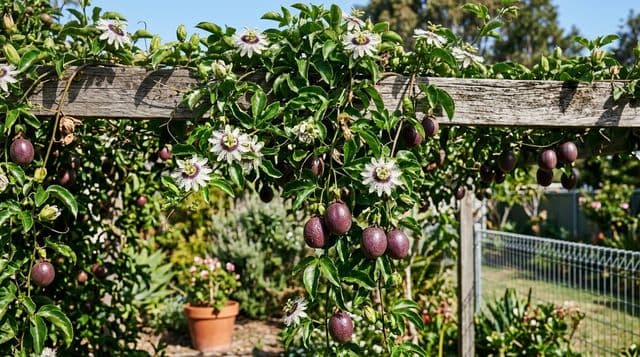
Solve passionfruit fruiting problems in Australian gardens. Learn why vines drop flowers, how to spot rootstock suckers, and steps to boost your harvest.
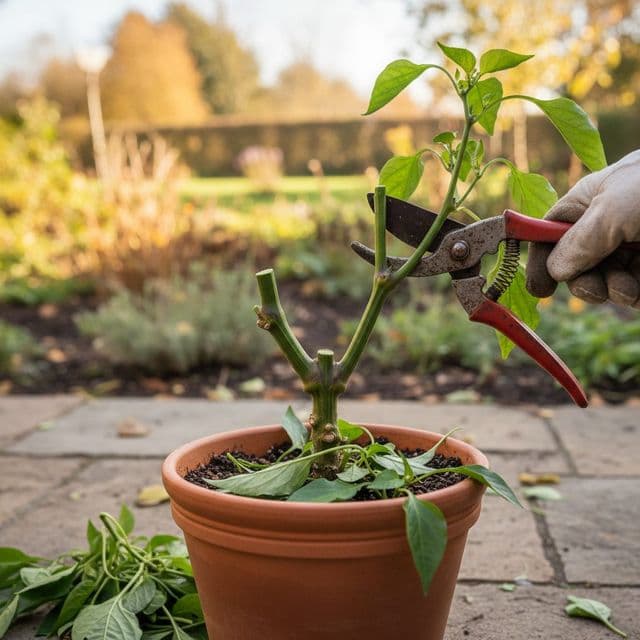
Learn how to overwinter pepper plants indoors through severe winter freezes, pruning stems for dormancy to produce larger second-year harvests.
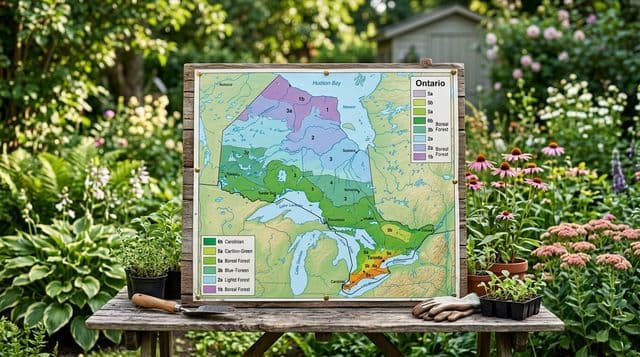
Navigate Ontario planting zones and growing seasons with our complete regional guide covering frost dates, zone maps, microclimates, and crop selection.
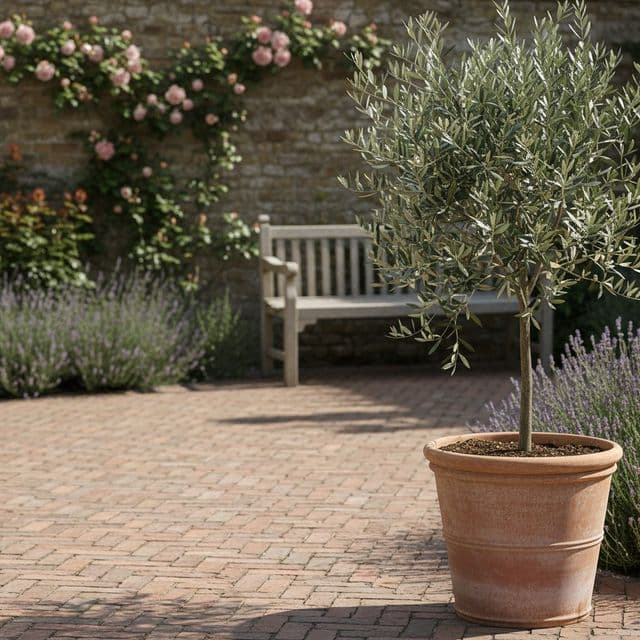
Essential olive tree care in the UK: potting mixes, watering schedules, late-spring pruning, and winter frost protection for healthy patio olive trees.
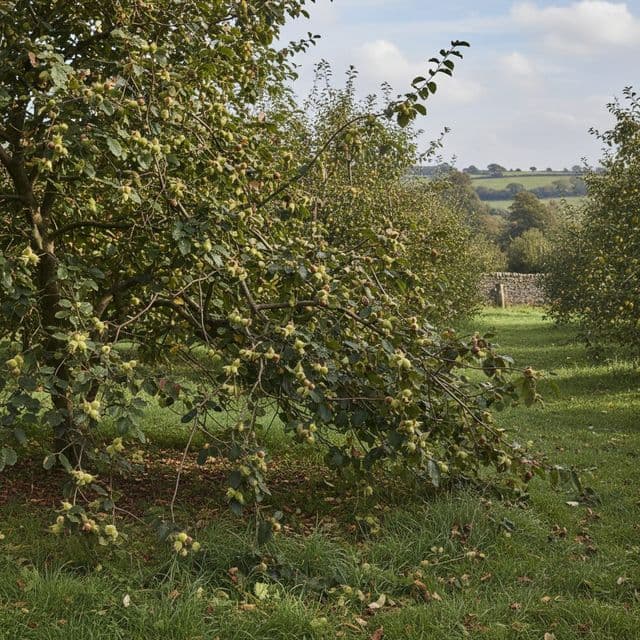
Discover the best nut trees to grow in the UK, from high-yielding Kentish cobnuts and grafted walnuts to sweet chestnuts and winter planting advice.
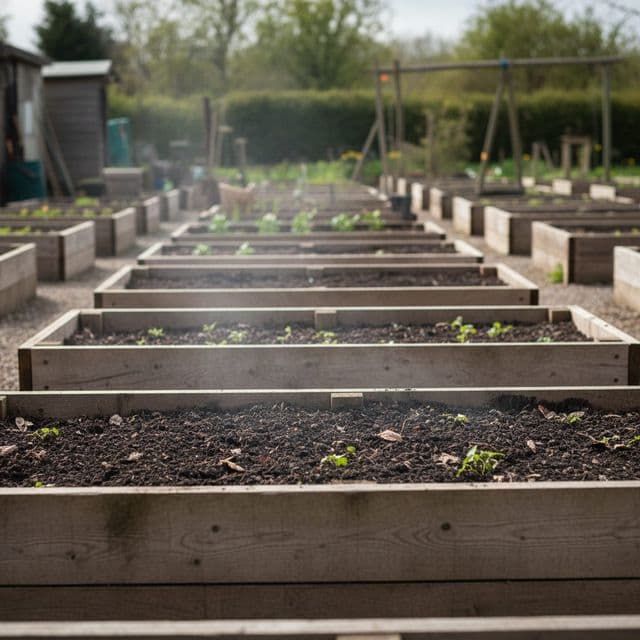
Learn how to construct, layer, and fill no dig raised beds for UK gardens and allotments to suppress perennial weeds and build productive soil naturally.
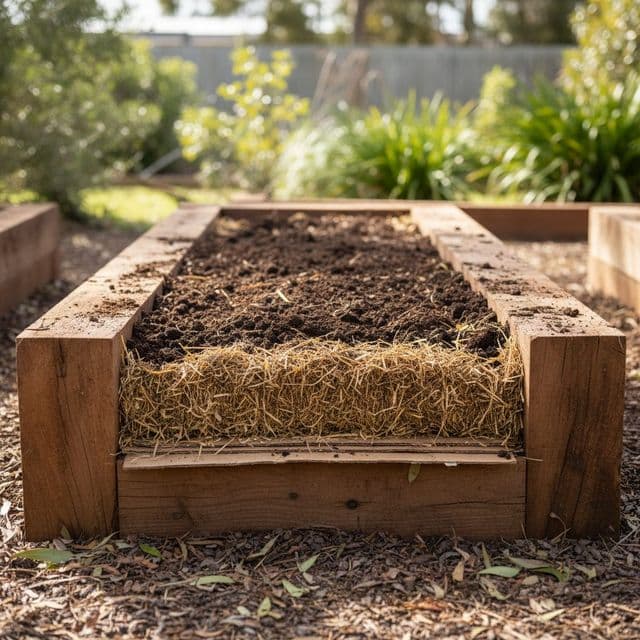
Learn how to build an Esther Deans style no dig garden in Australia, layering newspaper, lucerne hay, compost, and straw for high-yield soil building.
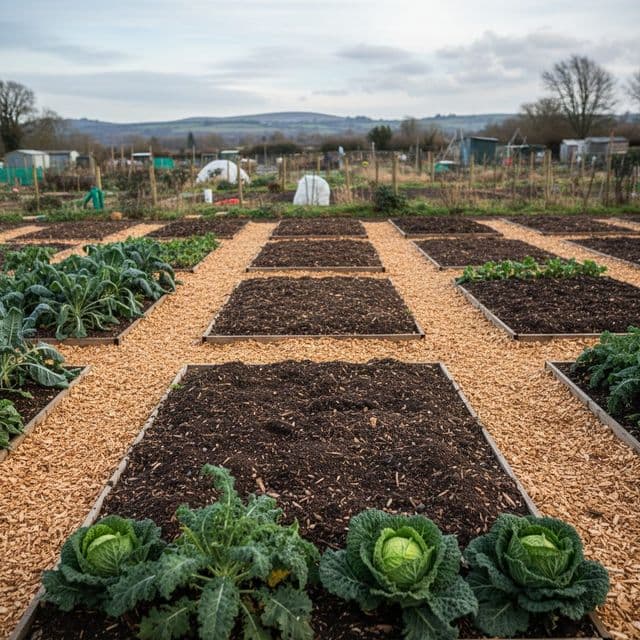
Convert an overgrown UK allotment plot to productive no-dig beds using cardboard, compost layers, and weed suppression without backbreaking rotavating.
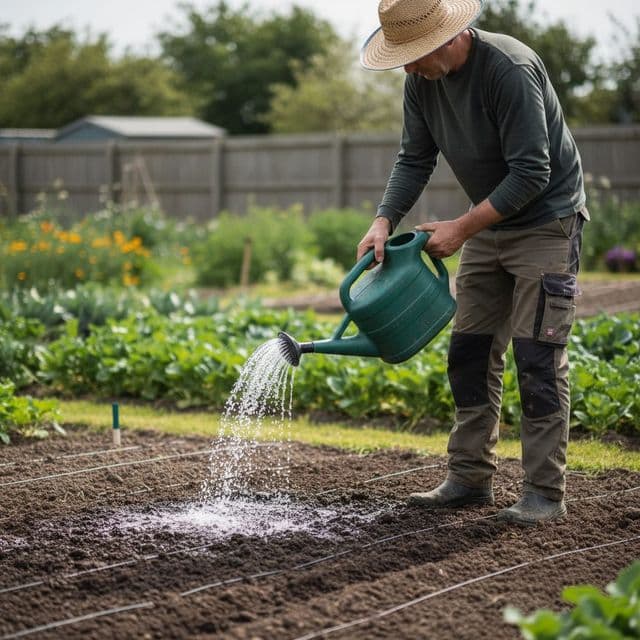
Master using nematodes for slugs on UK allotments: understand Phasmarhabditis biology, soil temperature timing, application methods, and realistic results.
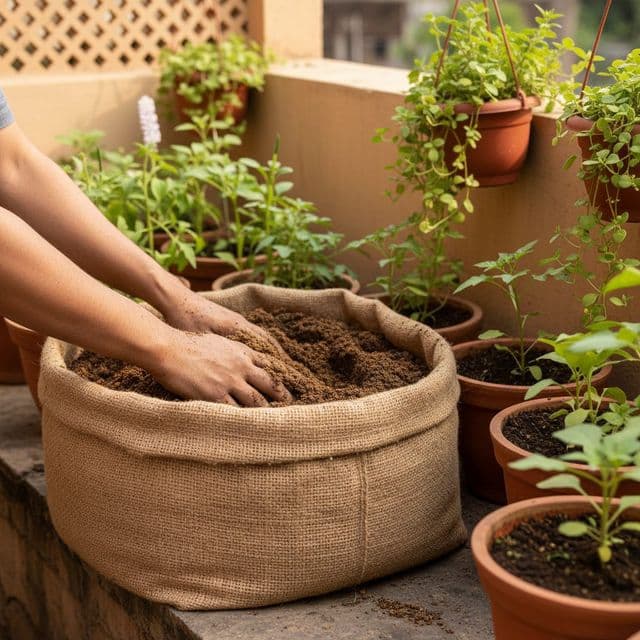
Discover how to use neem cake for plants as an organic slow-release fertilizer and natural soil bio-pesticide to suppress root-knot nematodes, soil grubs and root-rot fungi.
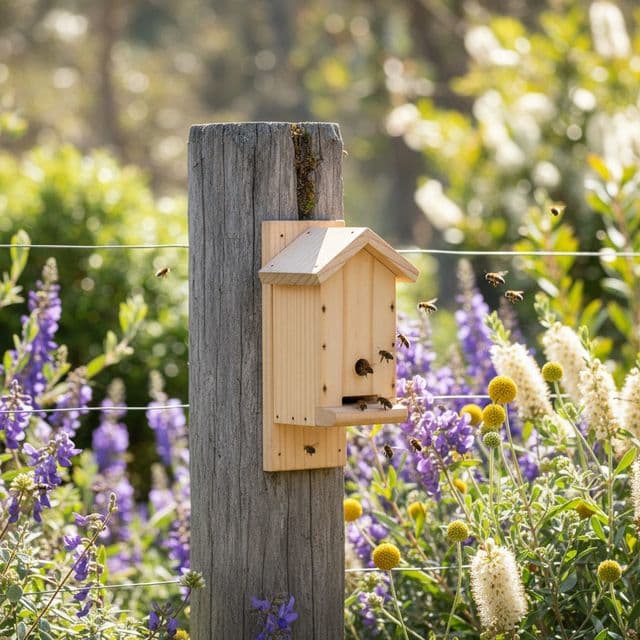
Learn how to keep native stingless bees in Australia, from hive care and OATH box splitting to sugarbag honey harvesting and orchard pollination.
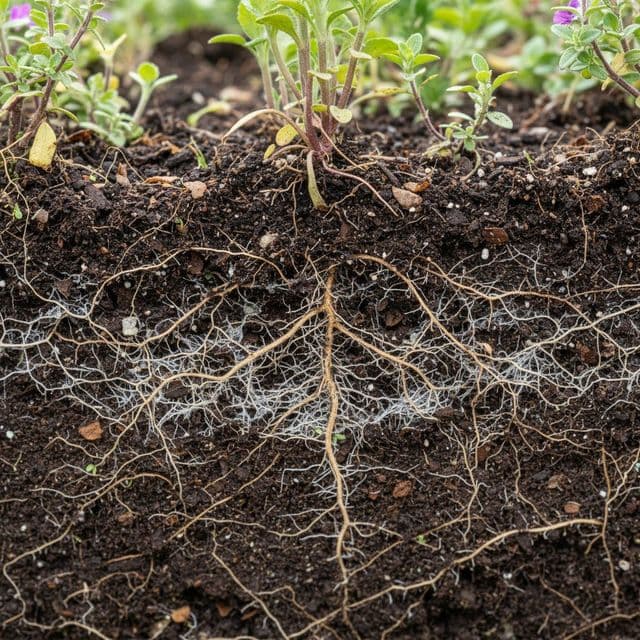
Discover how mycorrhizal fungi build soil health and boost plant roots. Learn when commercial inoculants are worth it, non-host plants, and tilling impacts.
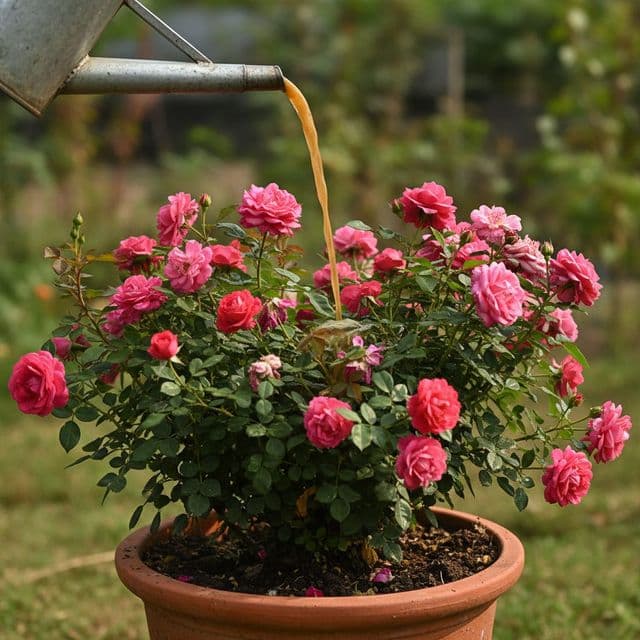
Learn how to prepare and apply mustard cake fertilizer (sarso khali) as a fermented liquid tea or powder to boost flowering and vegetable yields.
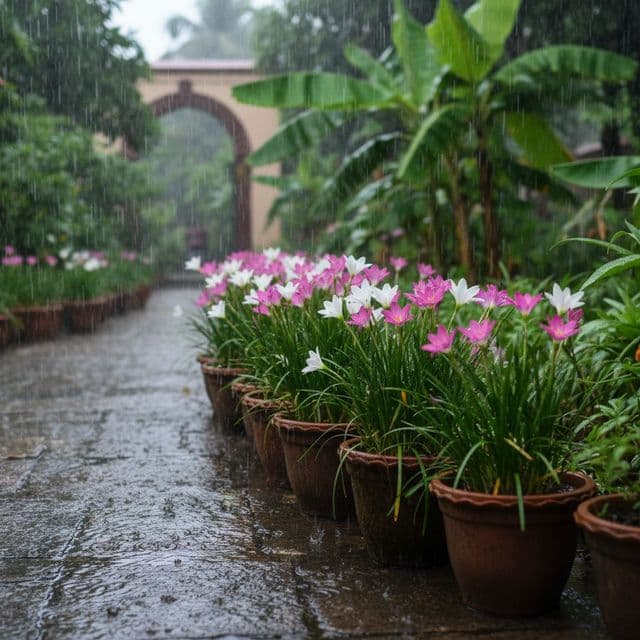
Discover the best monsoon flowering plants for Indian gardens: rain lilies, balsam, madhumalti, drainage setup, and preventing fungal root rot during rains.
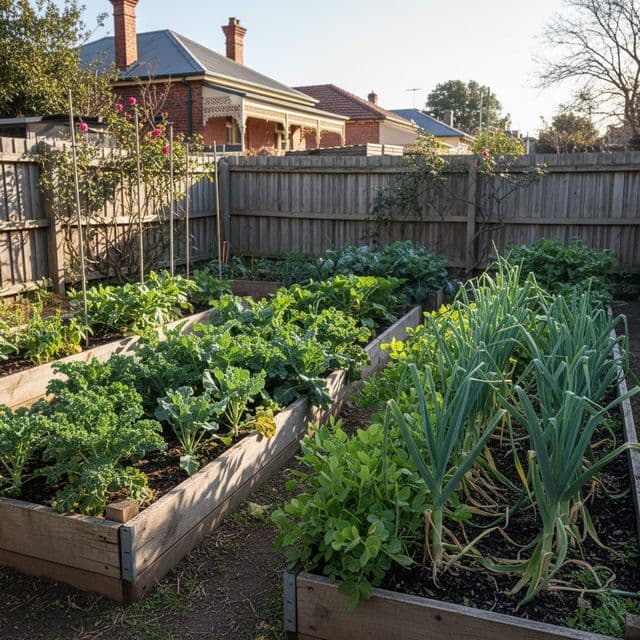
A seasonal vegetable planting calendar for Melbourne's cool-temperate climate, covering frost advice, tomato timing, and heatwave strategies.
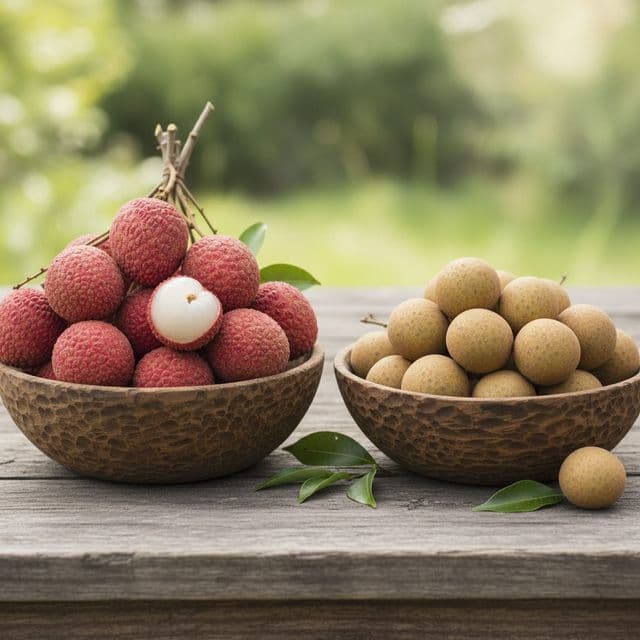
Compare longan vs lychee: botanical traits, fruit rind textures, sweet musky vs floral flavours, cold hardiness, and growing requirements for both trees.

Learn what loamy soil is, why it is the benchmark soil texture for plant growth, how to perform a mason jar soil test, and steps to build rich loam organically.
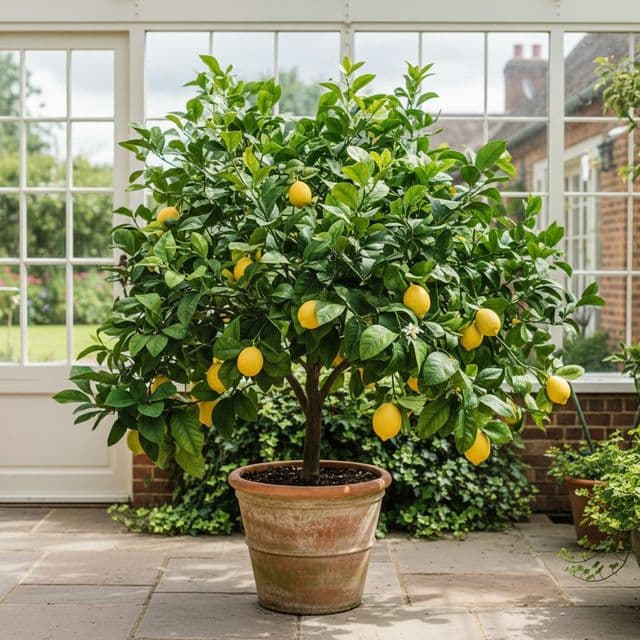
Complete lemon tree care in the UK: container soil mixes, summer outdoor placement, winter indoor protection, feeding schedules, and yellow leaf remedies.
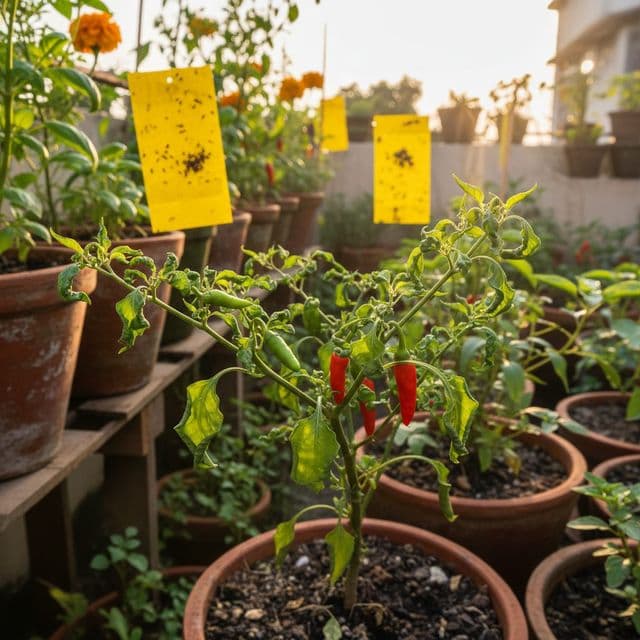
Diagnose and treat leaf curl disease in chilli plants across Indian terrace gardens, distinguishing between thrips, broad mites, and begomovirus vectors.

Replace thirsty turf with living lawn alternatives. Explore clover, creeping thyme, native sedges, and no-mow grasses for a resilient, low-maintenance yard.