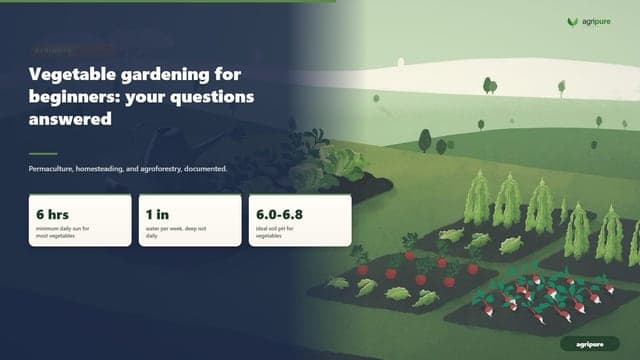
Vegetable gardening for beginners: your questions answered
A beginner’s vegetable gardening FAQ: how much sun, easiest crops, when to plant by frost date, how often to water, spacing, troubleshooting, and regrowing from scraps.
Topic
Grow more of your own food with practical, beginner-friendly gardening guides. From starting seeds and planning beds to companion planting, square-foot layouts, herbs, mushrooms, greenhouses, and soilless systems, these articles walk you through every step—what to plant, when to plant it, and how to keep crops healthy from sowing to harvest.
901 articles in this topic on agripure. — page 37 of 38
A beginner’s vegetable gardening FAQ: how much sun, easiest crops, when to plant by frost date, how often to water, spacing, troubleshooting, and regrowing from scraps.
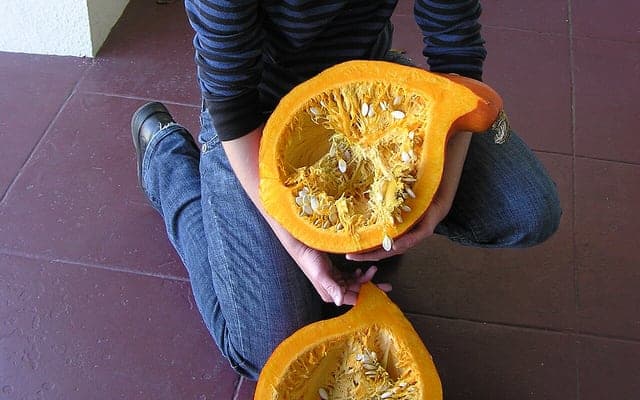
A practitioner’s seed saving guide: why open-pollinated seed comes true and F1 hybrids do not, the easiest crops to start with, managing cross-pollination, harvesting, drying, storage, and a germin…
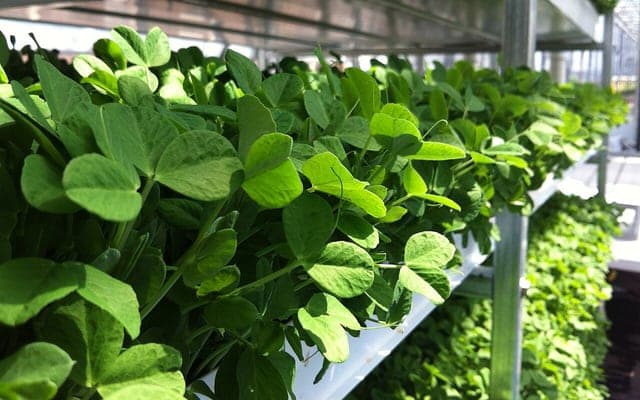
Grow microgreens on a windowsill in 7-14 days — trays, soil vs hydroponic, watering, and the best beginner varieties (radish, beet, kale, mustard, pea).
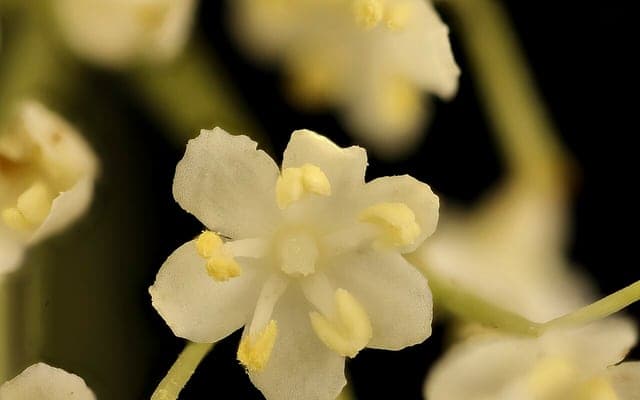
How to identify true elderberry (and avoid look-alikes), the difference between blue and American black, and how to grow named cultivars like Adams and Bob Gordon.
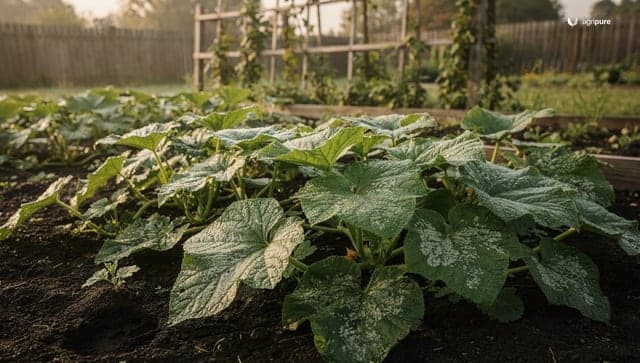
Powdery mildew treatment that works: potassium bicarbonate and oil sprays, milk and neem, plus the sun, spacing, and resistant varieties that stop it recurring.
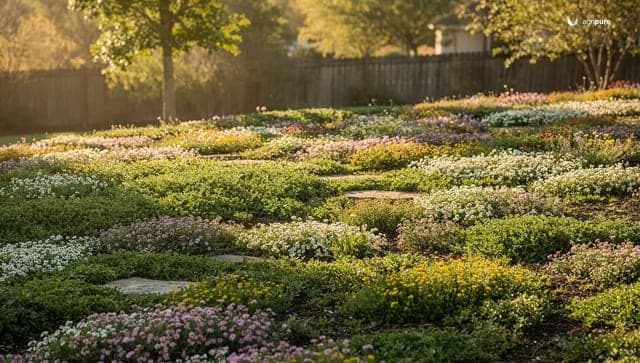
Select reliable ground cover plants for US yards across USDA Zones 3–10—sorted by sun, dry shade, steep slopes, and foot traffic, with staggered plug math and state invasive bans.
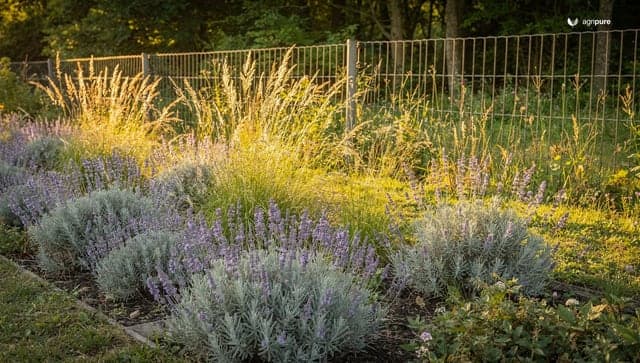
A deer resistant plants guide by perennials, shrubs, herbs, and bulbs — the aromatic, fuzzy, and toxic traits deer avoid, plus the fence they can’t beat.
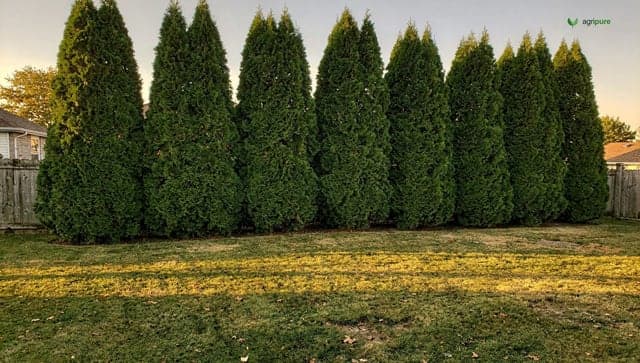
Fast growing privacy trees buy a screen in 3 years, but the quickest growers are often weak-wooded and short-lived. Growth rates, spacing math, and what to avoid.
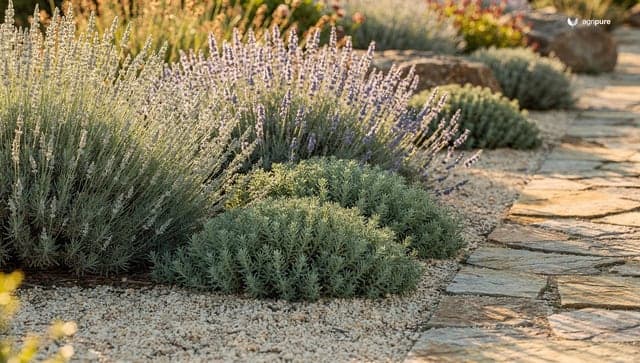
Drought tolerant plants still need water their first year. How to pick by USDA zone, water deeply, mulch 3 inches, and group plants by water need.
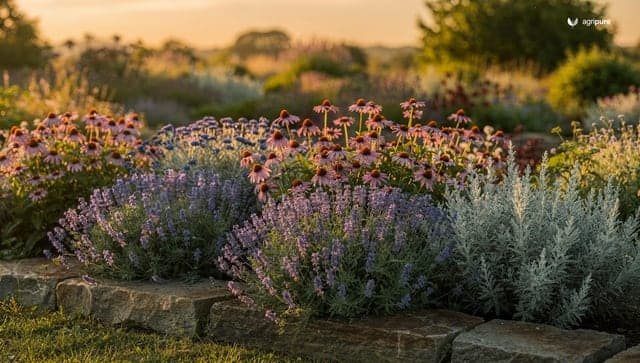
The truly carefree perennials grouped by sun and USDA zone — what low maintenance really means, plus coneflower, sedum, Russian sage, and a succession-of-bloom plan.
The fastest shade trees grow 5 to 8 feet a year but split and clog pipes. How to pick speed that lasts, place canopy for cooling, and skip weak, invasive picks.
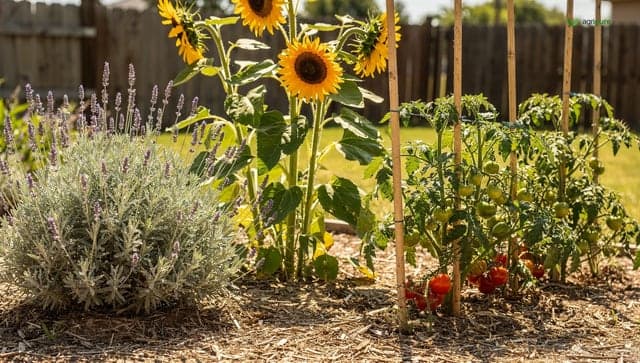
Pick proven full-sun plants (6–10+ hrs, 25–50+ mol/m²/day DLI) across 3 US moisture and heat tracks—Xeric Southwest, Humid Southeast, and Zones 3–6—with reflected-heat wall tactics, drip gallon mat…
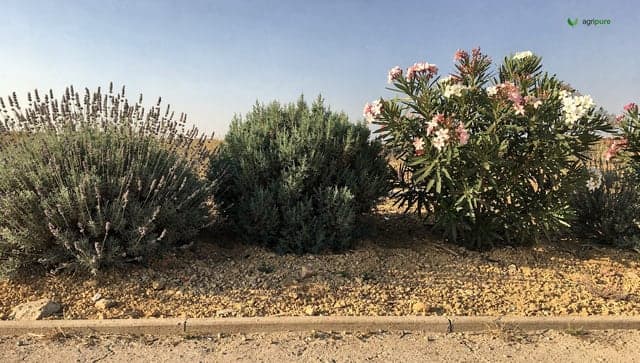
Select drought-tolerant shrubs for USDA Zones 3–10 using a 12-shrub regional matrix, Year 1–2 deep-root watering schedule, gravel vs. woodchip mulch rules, winter clay drainage fixes, and native sw…
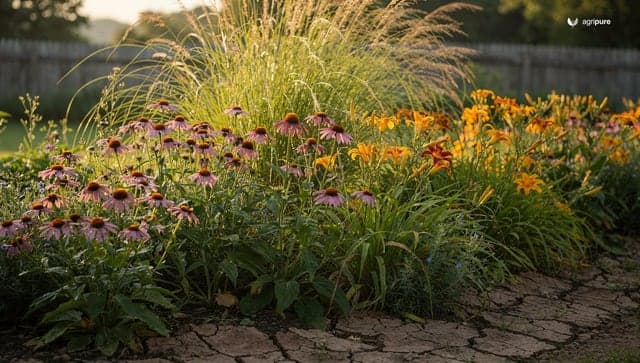
Heavy clay holds more nutrients than any other soil. The right perennials, shrubs, and trees thrive in it once you amend with organic matter, never sand.
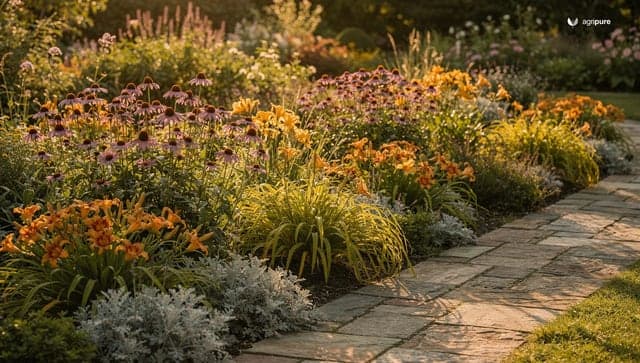
The best perennials by purpose: coneflower for pollinators (zones 3-8), daylily for long color, hosta for shade, plus how to divide every 3-5 years for free plants.
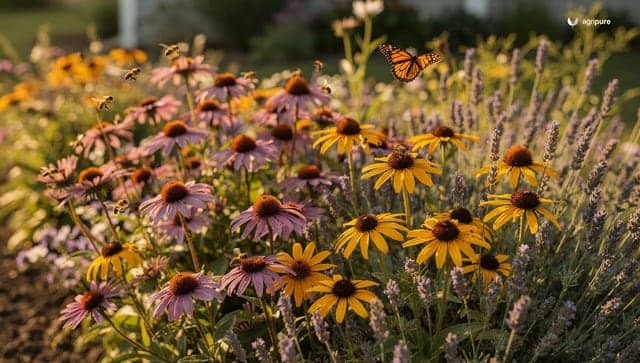
Choose plants for pollinators by bloom season for continuous forage. Native-first picks, host vs nectar plants, and how to use neem at dusk without harming bees.
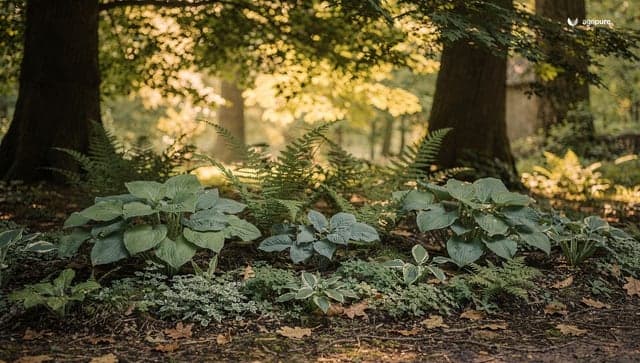
Full shade is under 2 hours of sun a day. The foliage perennials, ferns, groundcovers, and shrubs that survive it, and why dry shade needs a different list.
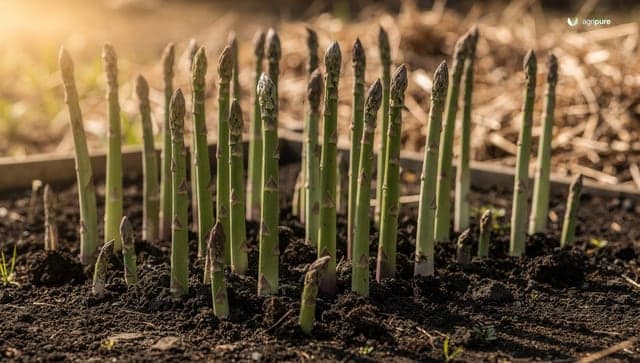
How to grow asparagus from crowns: bed prep, the patience-year harvest rules, variety picks, pests, and storage for a bed that produces for 20 years.
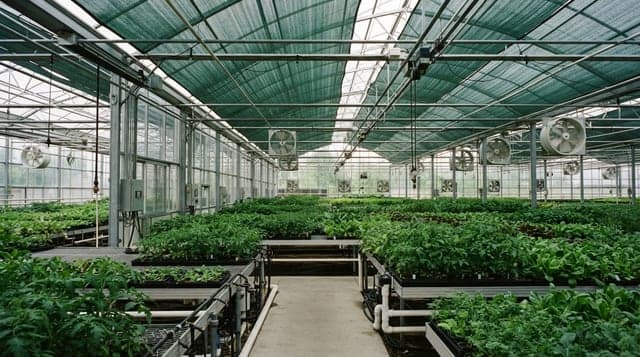
Keep a greenhouse in the right range year-round – shade cloth ratings, evaporative cooling, bubble-wrap insulation, automation, and greenhouse hydroponics.
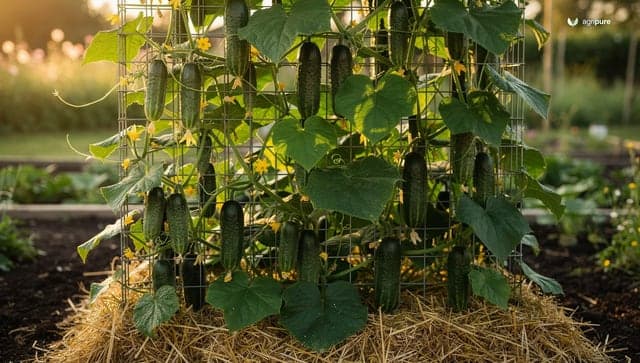
Seed-to-harvest cucumber guide: soil temperature, bush vs vining varieties, vertical trellising, pollination, bitterness causes, and harvest timing.
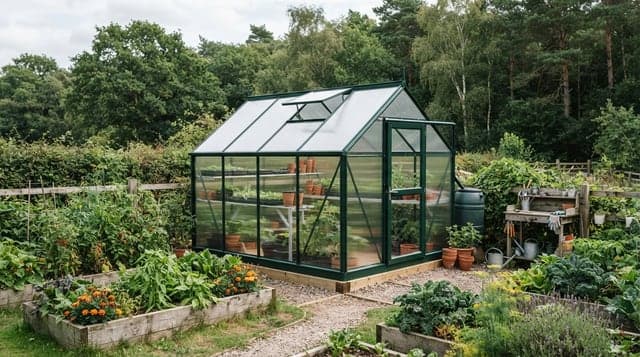
Polycarbonate vs glass greenhouse kits, what they really cost per square foot, and whether a kit or a DIY build makes sense for your budget and climate.
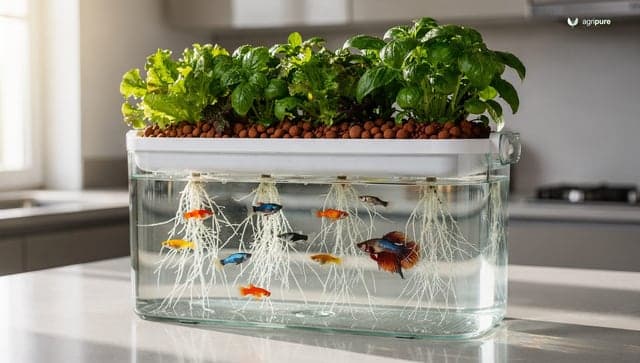
Learn how to convert a 10–20 gallon aquarium into a desktop aquaponics garden: fish selection, cycling, grow media, plant picks, and water chemistry targets.
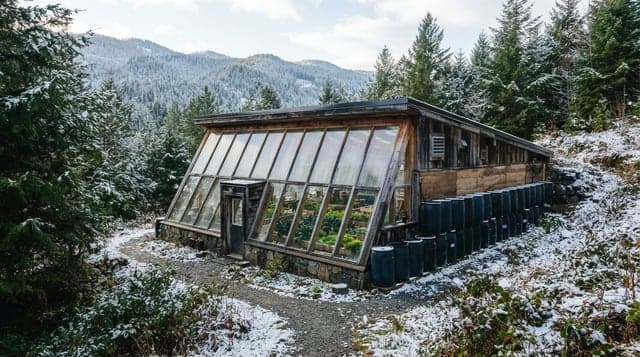
Engineer a true four-season passive solar or Deep Winter Greenhouse with latitude + 15° south glazing, R-25 north walls, R-10 XPS frost skirts, thermal mass BTU math, Eliot Coleman low tunnels, and…
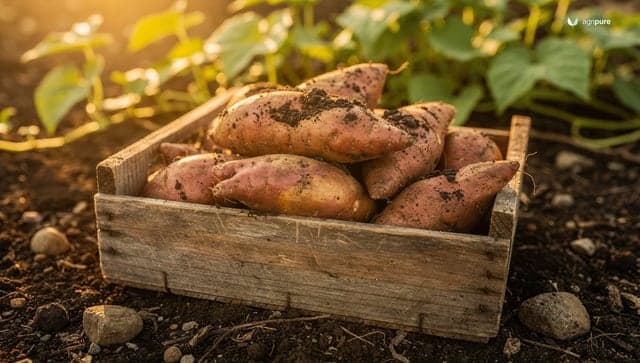
Grow sweet potatoes from homemade slips to cured harvest: variety selection, timing by zone, spacing, pest control, and the curing step that builds sweetness.