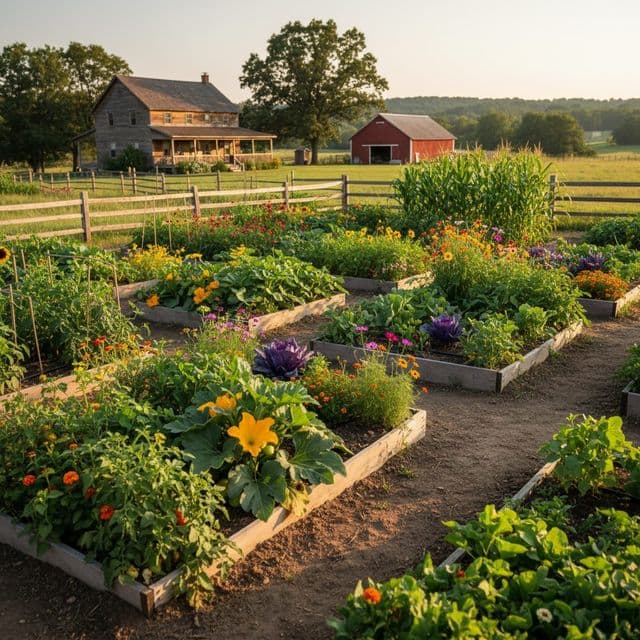
Fixing US garden soils: clay, sand, compacted lawn beds
How to fix three common US garden soils (heavy clay, droughty sand, and compacted lawn beds): diagnostic steps, organic amendments, and aeration techniques.
Topic
Grow more of your own food with practical, beginner-friendly gardening guides. From starting seeds and planning beds to companion planting, square-foot layouts, herbs, mushrooms, greenhouses, and soilless systems, these articles walk you through every step—what to plant, when to plant it, and how to keep crops healthy from sowing to harvest.
763 articles in this topic on agripure. — page 2 of 32
How to fix three common US garden soils (heavy clay, droughty sand, and compacted lawn beds): diagnostic steps, organic amendments, and aeration techniques.
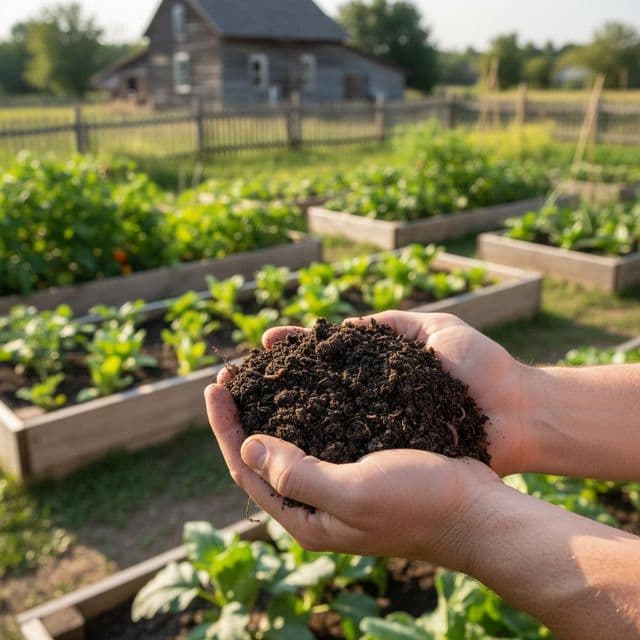
Learn DIY garden soil testing for texture, pH, and drainage, then match your amendments to what the tests actually show. Essential for Zone 6.
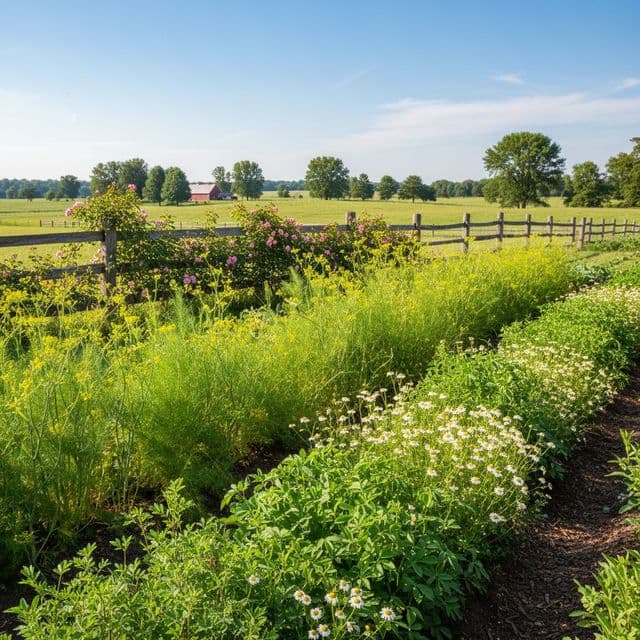
Learn to grow chamomile, fennel, and fenugreek across US USDA Zones 4-10. This guide covers soil, sunlight, watering, spacing, and harvesting for a bountiful annual herb garden.
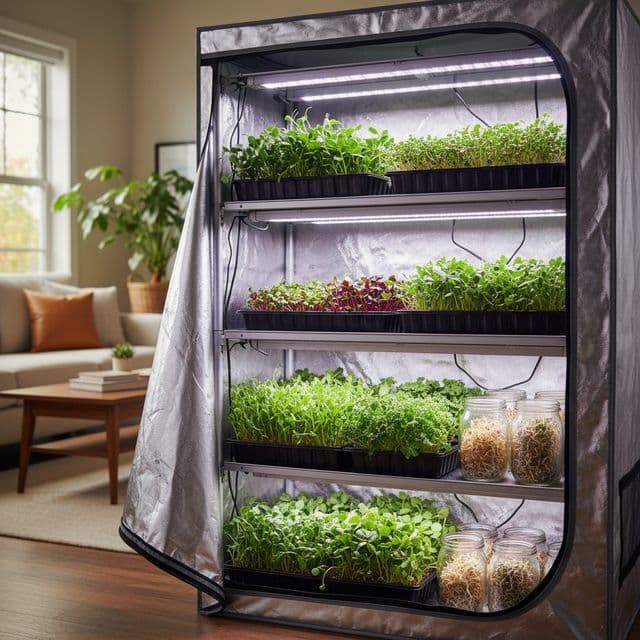
Learn how to grow nutrient-dense microgreens and sprouts indoors year-round, regardless of your US climate. This guide covers setup, cultivation, and harvest for fresh produce.
How to grow fast herbs and quick crops like okra, arugula, dill, parsley, and chives, with harvests in under 60 days across USDA zones 3-10.
Master growing basil in USDA Zone 7. Learn expert tips to prevent bolting, choose slow-bolting varieties, and prune effectively for a continuous, flavorful harvest all season.
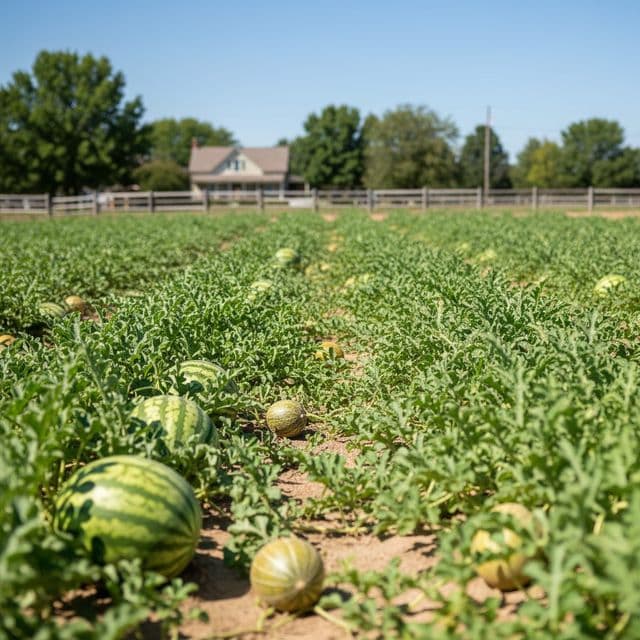
Master growing watermelon and muskmelon in US Zones 7-10. Learn heat management, soil prep, watering, and pest control for a bountiful harvest of sweet, juicy melons.
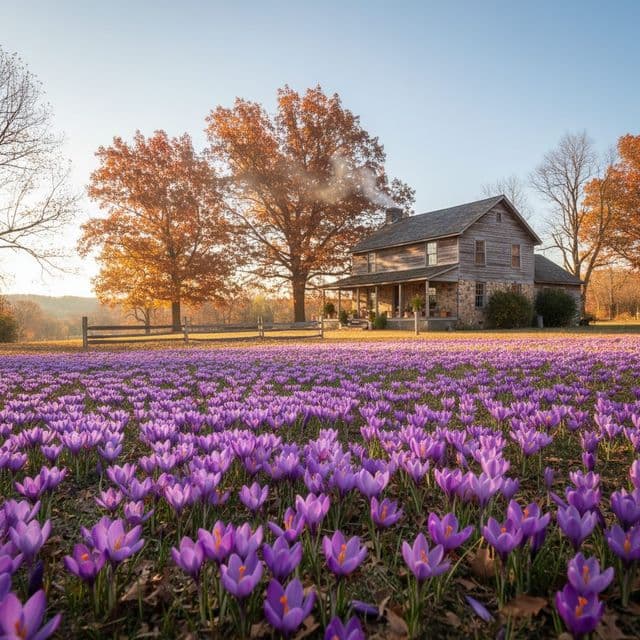
How to grow saffron from corms in USDA zones 6 to 9, covering planting, soil requirements, care, and harvesting for this specialty crop.
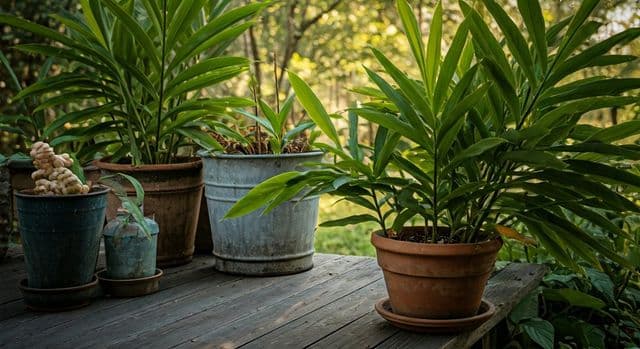
Learn how to successfully grow ginger in US gardens and containers, even in cooler climates. Get tips on planting, soil, and harvesting for high yields of fresh ginger root.
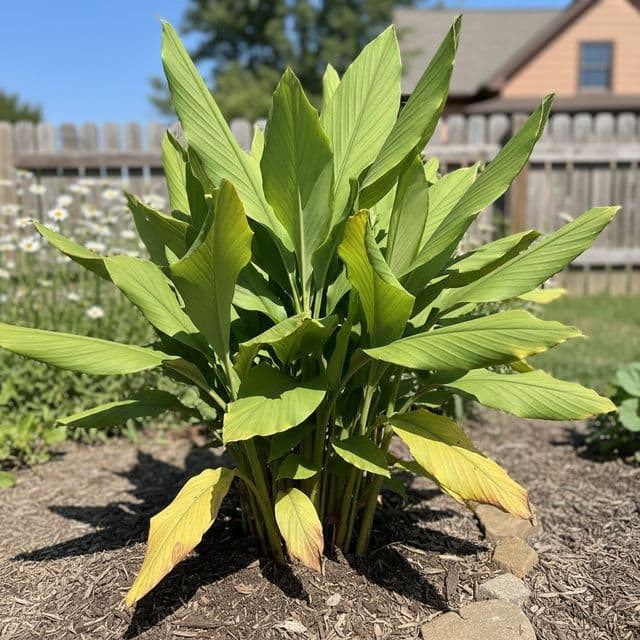
Learn how to grow turmeric in the US, from planting rhizomes to curing powder. This guide covers soil, climate, care, and harvest for successful turmeric cultivation.
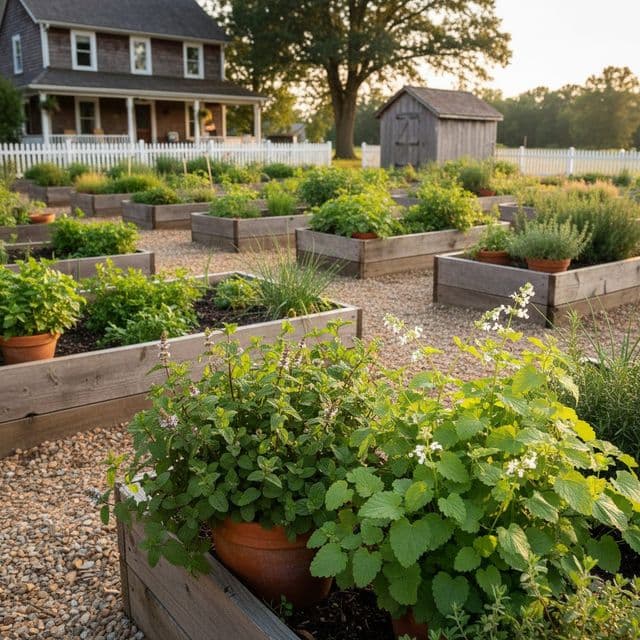
Prevent mint and lemon balm from taking over your US garden. Learn effective strategies for managing mint and lemon balm spread, including containers, root barriers, and strategic placement.
Learn to grow valerian and passionflower for natural sleep support in USDA zones 4-9. This guide covers planting, care, harvesting, and drying for your home apothecary.
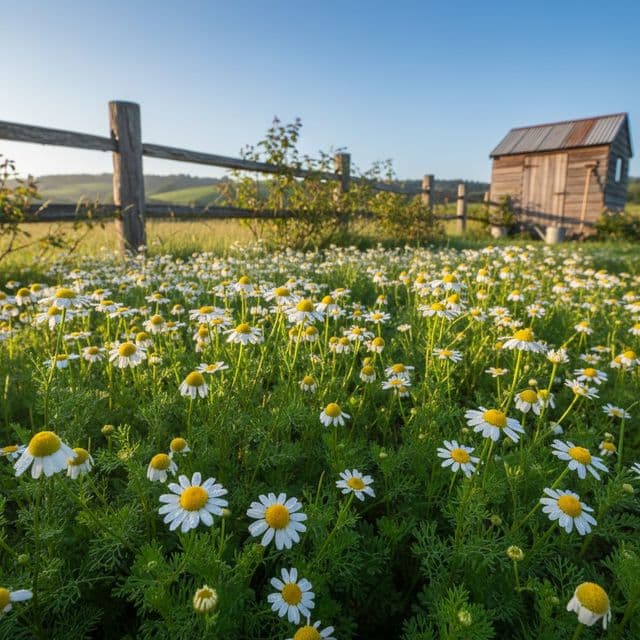
Learn to grow German and Roman chamomile for your home apothecary. This guide covers cultivation, USDA zones 2-9, harvesting, and drying for teas and tinctures.
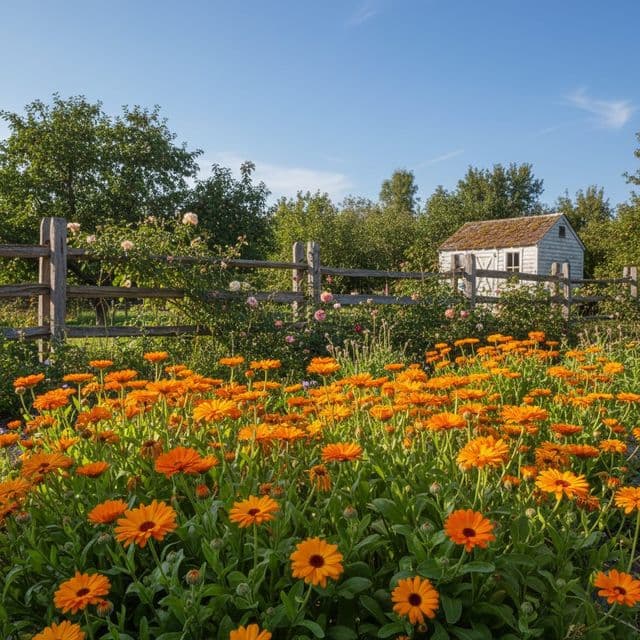
How to grow calendula, the adaptable ‘pot marigold,’ for a home apothecary, covering planting tips, soil needs, and how to harvest this medicinal skin-soothing flower.
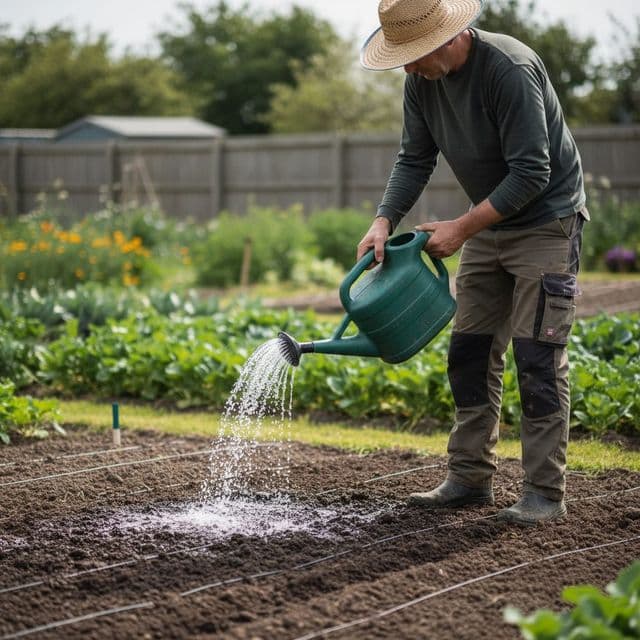
Learn to grow aloe vera for your home apothecary, with care guidance for indoor and outdoor cultivation in US USDA zones 9-11, from soil and light to harvesting gel.
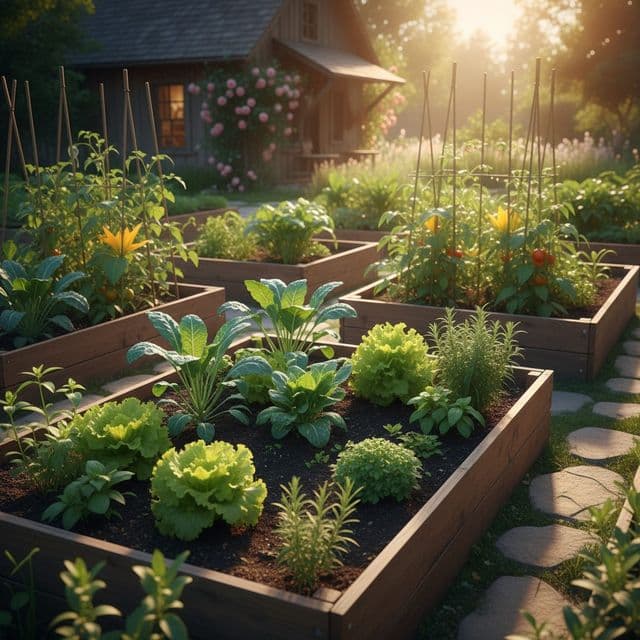
Learn to grow resilient elderberry in US gardens, thriving in USDA zones 3-9. Discover varieties, planting, and care for abundant harvests of this medicinal plant.
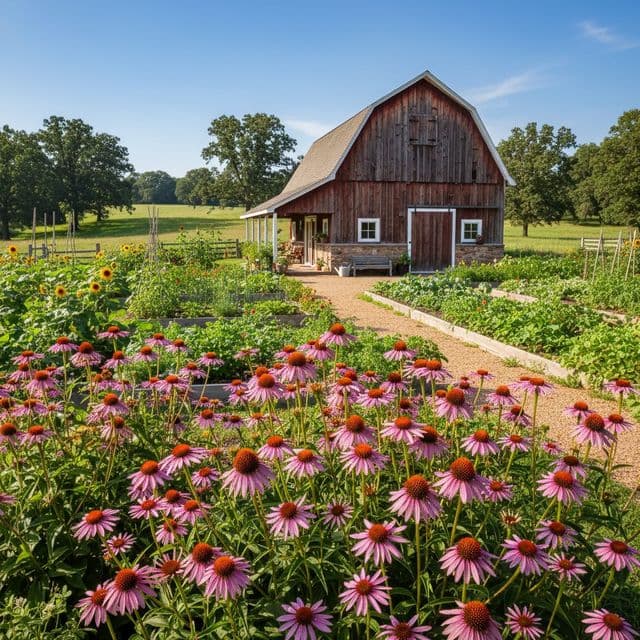
Discover the dual benefits of growing echinacea (purple coneflower) in USDA Zones 4-9. Support your immune system & attract 20+ pollinator species with this resilient medicinal herb.
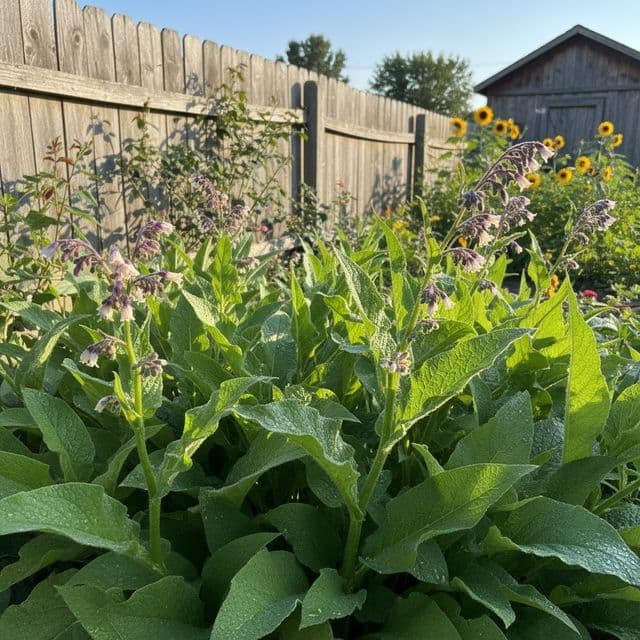
Unlock soil health with Comfrey, a sterile hybrid (Bocking 14) for USDA zones 4-9. Its deep roots mine nutrients, making it a powerful compost activator and water-saving mulch.
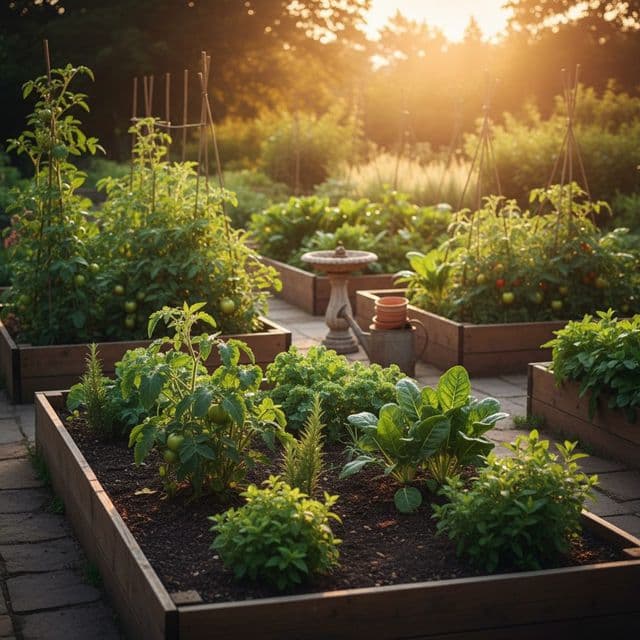
How to grow Bocking 14 comfrey in US gardens without spreading: planting, care, and containment techniques for this sterile, nutrient-rich herb.
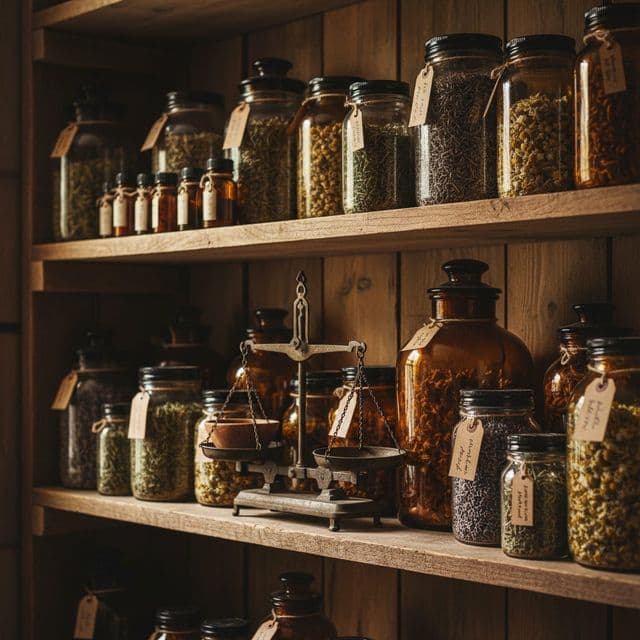
How to store dried herbs for your home apothecary. Learn how oxygen, light, heat, and moisture degrade potency, with suitable containers, conditions, and realistic shelf-life.
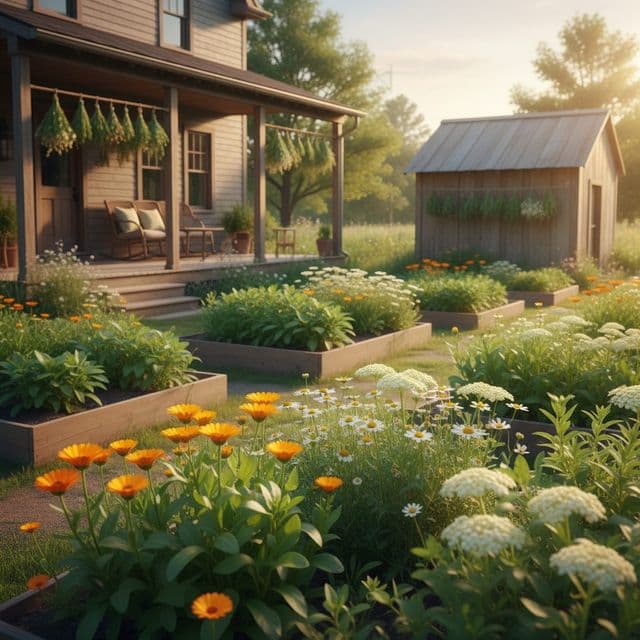
How to dry calendula, chamomile, and elderflower in USDA Zone 6 to preserve flower color and potency, covering harvest timing, drying temperatures, and storage.
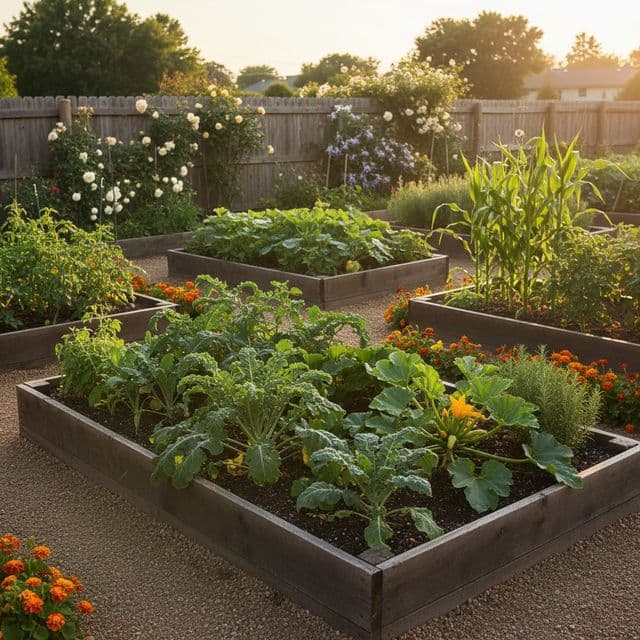
Learn the best methods for drying medicinal herbs in USDA Zone 6. Discover air-drying, dehydrators, and oven techniques to preserve potency for your home apothecary.
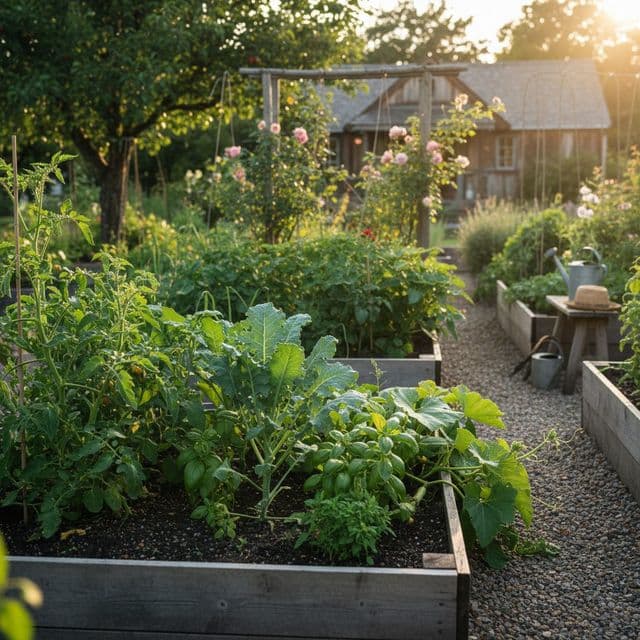
Maximize medicinal herb potency in your home apothecary. Learn optimal harvesting times for leaves, flowers, and roots in the US Midwest to boost active compounds by 15%.
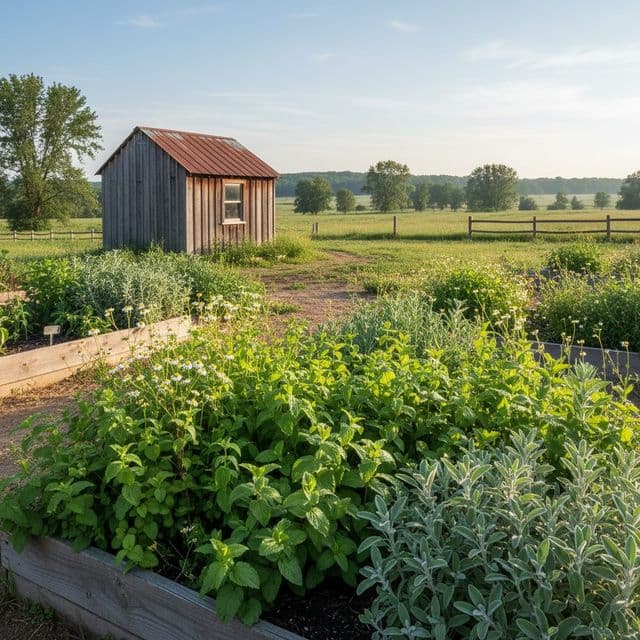
Learn to harvest, dry, and blend your own homemade loose-leaf tea. This guide covers herb selection for USDA zones 3-11, optimal harvesting, and drying techniques for fresh, custom blends.